Seasonal Allergies in an Australian Shepherd
It’s heartbreaking to watch your beloved Australian Shepherd constantly scratching, licking their paws until they’re raw, or shaking their head because their ears are so itchy. Seasonal allergies in Australian Shepherds aren't just a minor annoyance; they can significantly impact your dog’s quality of life, leading to skin infections, discomfort, and even behavioral changes due to chronic irritation. This comprehensive guide is here to walk you through everything you need to know about identifying, understanding, and managing seasonal allergies, so you can bring much-needed relief to your furry family member.
Understanding the Root Causes of Seasonal Allergies in Australian Shepherds
When your Aussie starts getting itchy every spring, summer, or fall, it's not just a coincidence; it's often a direct response to something in their environment. Understanding what causes these reactions is the first step toward effective management. It's a complex interplay of genetics, environmental factors, and how your dog's immune system decides to respond to otherwise harmless substances.
The Genetic Predisposition in Aussies
Australian Shepherds, like many purebred dogs, have certain genetic predispositions that make them more prone to specific health issues, and allergies are certainly on that list. While not every Aussie will develop them, the breed, unfortunately, has a higher incidence of atopy, which is essentially genetic hypersensitivity to environmental allergens. This means that if both of your Aussie's parents or their lineage suffered from allergies, there's a greater chance your dog might too. It’s not a guarantee, but it certainly loads the dice.
This inherited tendency means their immune system is wired to overreact. Instead of ignoring things like pollen or dust mites, it flags them as dangerous invaders, leading to an inflammatory response. It’s a bit like having a house alarm that goes off every time a leaf blows past the window – annoying and ultimately counterproductive. This genetic link is why you might see certain lines of Australian Shepherds consistently produce offspring with allergy issues, highlighting the importance of understanding a puppy's lineage, even though most breeders focus on other health clearances like those for conditions such as Australian Shepherd Hip Dysplasia and Working Joints or The Genetic Panel Every Australian Shepherd Needs.
Common Environmental Triggers
The world is full of potential allergens, but for Australian Shepherds, the usual suspects are quite common and often seasonal, hence the name. Pollens from trees, grasses, and weeds are huge culprits. Think about spring, when trees are bursting with pollen, or late summer and fall, when ragweed and other weeds release their microscopic irritants. If your Aussie's symptoms seem to coincide with these times of year, environmental pollen is very likely playing a major role.
Beyond pollens, other environmental allergens can also trigger reactions. Dust mites, which thrive in our homes year-round but can be exacerbated by forced air heating or cooling systems, are a big one. Mold spores, both indoor and outdoor, are another common trigger, especially in damp environments. Even flea saliva can cause intense allergic reactions in some dogs, though this is often distinguished as flea allergy dermatitis rather than true seasonal atopy. The sheer variety of potential triggers means pinpointing the exact cause can sometimes feel like searching for a needle in a haystack, but understanding the general categories helps narrow it down.
How the Immune System Reacts
When an allergic Australian Shepherd inhales or comes into contact with an allergen, their immune system, specifically certain white blood cells and antibodies, jumps into action. Instead of a normal, measured response, it goes into overdrive, releasing chemicals like histamines. These histamines are what cause all those familiar allergy symptoms we associate with itching, redness, and inflammation. In people, we might sneeze or get watery eyes; in dogs, the primary manifestation is often intense itching of the skin, ears, and paws.
This immune overreaction doesn't just happen once; with repeated exposure, the system becomes sensitized. Each subsequent exposure can lead to a stronger, faster, and more severe reaction. This chronic inflammation can damage the skin barrier, making it easier for bacteria and yeast to take hold, leading to secondary infections. This is why many Aussies with seasonal allergies also suffer from recurrent skin infections or Australian Shepherd Ear Infections, as their compromised skin and ear environment becomes a breeding ground for opportunistic pathogens. It’s a vicious cycle that can quickly make your dog miserable.
Recognizing the Telltale Signs of Aussie Seasonal Allergies
Identifying seasonal allergies in your Australian Shepherd can be tricky because the symptoms can mimic other conditions. However, recognizing the classic signs is crucial for early intervention and effective management. Aussies, with their thick double coats, can sometimes hide these signs, making careful observation even more important.
Skin and Coat Manifestations
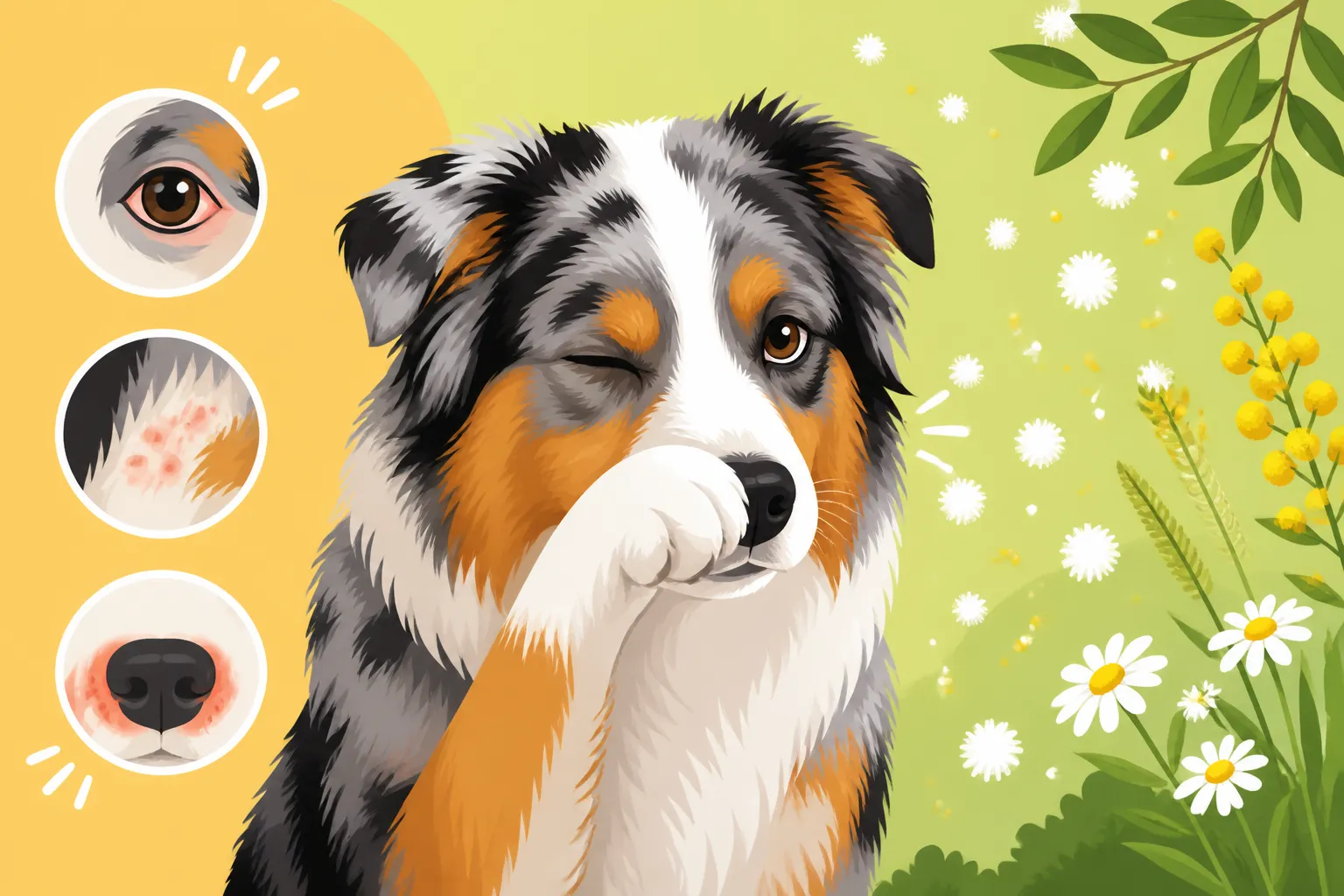
The most common signs of seasonal allergies in Australian Shepherds often manifest directly on their skin and within their beautiful coats. You might notice your dog scratching incessantly, often focusing on their flanks, belly, armpits, or groin area. This scratching can range from mild to frantic, sometimes even causing them to wake up in the middle of the night. Beyond scratching, excessive licking and chewing are also huge indicators. Your Aussie might spend prolonged periods licking their paws, chewing at their legs, or rubbing their face on furniture or carpets in an attempt to alleviate the itch.
This constant self-trauma can lead to a host of secondary skin issues. The skin might appear red and inflamed, particularly in areas of friction or constant licking. You might see small bumps, rashes, or even crusts forming. One of the most common and frustrating consequences is the development of "hot spots"—acute moist dermatitis. These are rapidly developing, painful, oozing sores that can appear seemingly overnight, often hidden by their dense fur. Finding Hot Spots Hidden in an Aussie Undercoat can be a real challenge for owners, requiring careful daily grooming and inspection, especially during allergy season. Over time, chronic irritation can lead to thickened, darkened skin (hyperpigmentation) and even hair loss in affected areas.
Ear and Paw Specific Symptoms
While skin irritation can occur anywhere, the ears and paws are particularly vulnerable areas for allergic Australian Shepherds. For the ears, you might notice your Aussie shaking their head, scratching at their ears, or rubbing them against surfaces. Upon inspection, the inside of their ear flaps might appear red and swollen, and you might detect a foul odor, discharge, or waxy buildup. This is often due to secondary yeast or bacterial infections that thrive in the warm, moist, inflamed environment of an allergic ear canal. Chronic ear infections are a huge red flag for underlying allergies, and they can be incredibly uncomfortable for your dog.
The paws are another common hot spot (no pun intended) for allergic reactions. Dogs often lick and chew their paws compulsively, especially between their toes. This can lead to red, irritated skin, sometimes stained reddish-brown from saliva (known as "poodle feet" staining). The constant moisture and trauma can also predispose them to secondary bacterial or yeast infections, making the itching even worse. If your Aussie has particularly fluffy paws, like many do, examining them closely can be difficult, but checking them after every walk can help identify issues early. Don't be surprised if your vet suggests that checking their paws is as important as routine care like Australian Shepherd Dental Care when it comes to maintaining overall health.
Respiratory and Eye Indicators
While skin, ear, and paw issues are most prominent, seasonal allergies can sometimes manifest in respiratory or ocular symptoms in Australian Shepherds, though this is less common than in humans. You might observe mild sneezing, nasal discharge, or a slight cough if airborne allergens are irritating their respiratory passages. However, more severe respiratory issues like asthma are rare in dogs with environmental allergies.
Eye irritation is another possibility. Allergic Aussies might have watery or red eyes, or they might squint more often. They might also rub their faces, trying to get relief from itchy eyes. While not as common as ear or paw issues, persistent eye irritation, especially alongside other skin symptoms, could be part of their allergic presentation. It's always wise to have any persistent eye issues checked by your vet, as they can sometimes be indicative of other conditions, and it's a good reminder of the importance of early eye checks, like The Aussie Puppy Eye Check at Six Weeks for other conditions.
Diagnosing Seasonal Allergies: Working with Your Vet
Getting a definitive diagnosis for seasonal allergies in your Australian Shepherd requires a thorough approach, often involving a bit of detective work with your veterinarian. It’s rarely a quick fix because many conditions can present with similar symptoms. A good vet will systematically rule out other possibilities before confirming an allergy diagnosis.
Ruling Out Other Skin Conditions
Before jumping to conclusions about seasonal allergies, your vet will want to rule out a host of other conditions that can cause itching and skin irritation. This is a critical step because treatments for allergies might not be effective, or could even be detrimental, if another underlying problem is present. For instance, parasitic infestations like fleas, mites (sarcoptic or demodectic mange), or even internal parasites can cause intense itching. Your vet will likely perform skin scrapings to look for mites or ask about your current flea prevention regimen.
Bacterial and yeast infections are also incredibly common, often presenting as redness, scaling, pustules, or discharge. These can be primary issues or, more often, secondary to allergies. Your vet will take samples for cytology (looking at cells under a microscope) or fungal cultures to identify these. Australian Shepherd Skin, Coat and Allergy Problems are often a complex puzzle, and sorting through these potential causes is essential. Additionally, other conditions like hypothyroidism, which can lead to a dull coat and skin problems, or even certain types of cancer, need to be considered. Your vet might run blood work to check for metabolic issues or, in rare cases, perform biopsies if they suspect something more serious, even though this is less common for simple seasonal allergies.
Allergy Testing Options for Aussies
Once other conditions have been ruled out, your vet might suggest allergy testing to pinpoint the specific allergens your Australian Shepherd is reacting to. There are generally two main types of allergy tests:
- Intradermal Skin Testing (IDT): This is considered the "gold standard" by many veterinary dermatologists. It involves shaving a small patch of your dog's side and injecting tiny amounts of various common allergens (like pollens, dust mites, molds) just under the skin. The dermatologist then observes the reactions—small red bumps will appear at the sites where your dog is allergic. This test is highly sensitive and provides immediate results, allowing for precise identification of environmental triggers. However, it usually requires a visit to a veterinary dermatologist and often involves a mild sedative for your dog.
- Blood Testing (Serum IgE Testing): This involves taking a blood sample from your Aussie and sending it to a specialized lab. The lab measures the levels of IgE antibodies, which are immune proteins associated with allergic reactions, to specific allergens. Blood tests are less invasive than skin tests and can be performed by your regular vet. While convenient, their accuracy can vary, and results are sometimes less precise than IDT, but they can still be a valuable tool for identifying key allergens and guiding treatment, especially for owners who might find the cost of a specialist prohibitive.
It's important to remember that allergy tests identify sensitization, not necessarily clinical allergy. A positive test means your dog's immune system reacts to that allergen, but it doesn't always mean it's causing their current symptoms. The test results must always be interpreted in conjunction with your dog's clinical signs and seasonal patterns.
The Importance of a Detailed History
When diagnosing seasonal allergies, your vet will lean heavily on the detailed history you provide. This is often more telling than any single test. Be prepared to answer questions about:
- When did the itching start? (e.g., "Every spring when the oak trees bloom.")
- Is it seasonal or year-round? This helps distinguish seasonal environmental allergies from year-round issues like dust mites or food allergies. For example, if your Aussie’s itching appears to be year-round, your vet may suggest looking into Food Allergy Itching in an Australian Shepherd.
- What body parts are affected? (e.g., "Always the paws and ears first.")
- How intense is the itching?
- What makes it better or worse? (e.g., "A bath helps for a day, but then it's back.")
- What food does your dog eat?
- What flea/tick prevention are you using?
- Have there been any recent changes in environment, diet, or routine?
- Are other pets in the household affected?
Keeping a detailed symptom log, noting dates, severity, and any perceived triggers, can be incredibly helpful for your vet. This historical data, combined with physical examination and any necessary tests, forms the most accurate picture for diagnosis.
Effective Management Strategies for Seasonal Allergies
Once seasonal allergies are diagnosed in your Australian Shepherd, the real work of management begins. There’s no single cure, but a multi-modal approach, often combining several strategies, tends to yield the best results. The goal is to reduce symptoms, prevent secondary infections, and make your dog comfortable.
Environmental Control and Allergen Avoidance
While you can't eliminate pollen from the air, you can significantly reduce your Aussie's exposure, especially to indoor allergens. This proactive approach can make a big difference.
- Pollen Reduction: During peak allergy seasons, try to walk your Australian Shepherd in the early morning or late evening when pollen counts are typically lower. After outdoor excursions, wipe down their coat, especially their paws and belly, with a damp cloth or pet-safe wipes to remove clinging pollen. Consider investing in a good quality air purifier with a HEPA filter for your home, particularly in areas where your dog spends a lot of time. Keeping windows closed on high pollen days is also beneficial.
- Dust Mite Control: For year-round relief, focus on reducing dust mites. Wash your dog's bedding weekly in hot water (130°F/54°C). Vacuum carpets and upholstered furniture frequently with a HEPA filter vacuum. Consider dust mite covers for your own mattress and pillows if your Aussie sleeps with you. Regular damp dusting can also help keep dust and dander down.
- Mold Reduction: If mold is a trigger, address any damp areas in your home. Use a dehumidifier in basements or bathrooms. Clean visible mold with appropriate cleaners and ensure good ventilation. Avoid letting your dog play in piles of damp leaves or compost bins where mold can flourish.
These efforts, though seemingly small, contribute significantly to reducing the overall allergen load your Aussie's immune system has to contend with, allowing their body a chance to calm down.
Topical Treatments and Bathing Protocols
Topical treatments and regular bathing are indispensable tools in managing seasonal allergies, especially for Australian Shepherds with their dense coats. They offer direct relief and help remove allergens.
- Therapeutic Baths: Frequent bathing (as often as 2-3 times a week during peak seasons) with a hypoallergenic, anti-itch, or medicated shampoo can work wonders. Look for shampoos containing ingredients like colloidal oatmeal, pramoxine, or ceramides for soothing, or chlorhexidine and ketoconazole if secondary bacterial or yeast infections are present. The bathing process itself physically washes away allergens from the coat, which is particularly helpful for Aussies who accumulate a lot of pollen. Always ensure you rinse thoroughly, as residue can cause further irritation.
- Conditioners and Sprays: Follow up baths with a hydrating conditioner to restore moisture to the skin, which can become dry and compromised with allergies. Leave-on conditioners or anti-itch sprays (containing hydrocortisone, pramoxine, or colloidal oatmeal) can provide targeted relief between baths. These can be particularly useful for quickly addressing areas where your Aussie is actively licking or chewing, such as their paws or underbelly.
- Paw Soaks: For Aussies with severely itchy paws, daily paw soaks can offer significant relief. A dilute solution of Epsom salts or an antiseptic solution prescribed by your vet can help soothe irritation, reduce inflammation, and clean away allergens and potential pathogens from between their toes. It might take a bit of training, but most dogs learn to tolerate these quick, refreshing dips.
Consistent topical care is not just about symptom management; it's about supporting the compromised skin barrier, which is the body's first line of defense against allergens and infections.
Dietary Adjustments and Supplements
While distinct from food allergies, dietary adjustments and supplements can play a supportive role in managing environmental allergies by boosting skin health and modulating the immune response.
- Omega-3 Fatty Acids: Supplements rich in Omega-3 fatty acids, such as fish oil (EPA and DHA), are highly recommended. These natural anti-inflammatories can help reduce the overall inflammatory response in your Aussie's body, which in turn can lessen the intensity of their itching and improve coat quality. Dosing is important, so discuss this with your vet. Many veterinarians recommend brands like Nordic Naturals or Grizzly Salmon Oil for quality and purity.
- Probiotics: A healthy gut microbiome is increasingly linked to overall immune health. A daily probiotic supplement can support a balanced gut, which may indirectly help modulate the immune system and potentially reduce allergic responses. Look for pet-specific probiotics with multiple strains of beneficial bacteria.
- Antioxidants and Other Supplements: Antioxidants like Vitamin E can support skin health. Some owners also explore supplements containing quercetin, a natural antihistamine, or apple cider vinegar, though scientific evidence for these in canine allergies is less robust. Always consult your vet before introducing any new supplement to ensure it's safe and appropriate for your Australian Shepherd, especially if they have any other health conditions or are on medication.
While a change in diet itself won't cure environmental allergies, ensuring your Aussie is on a high-quality, balanced diet provides the foundational nutrition needed for a healthy immune system and skin barrier. Some Aussies might benefit from a novel protein or hydrolyzed protein diet if there's any suspicion of a concurrent food sensitivity exacerbating their environmental allergies.
Pharmaceutical Interventions for Relief
For many Australian Shepherds with moderate to severe seasonal allergies, pharmaceutical interventions are necessary to break the itch-scratch cycle and provide substantial relief. Your vet has several options available, ranging from daily oral medications to long-acting injections.
- Antihistamines: Over-the-counter antihistamines like diphenhydramine (Benadryl), cetirizine (Zyrtec), or loratadine (Claritin) can be tried for mild allergies. However, dogs often respond differently than humans, and their effectiveness can be limited for significant itching. Always use canine-appropriate dosages recommended by your vet and ensure the product does not contain other ingredients like decongestants.
- Corticosteroids: For acute, severe flare-ups, veterinarians often prescribe oral corticosteroids (e.g., prednisone). These are powerful anti-inflammatory drugs that can provide rapid and dramatic relief from itching. However, they come with potential side effects with long-term use (increased thirst, urination, appetite, panting, and long-term risks like diabetes or Cushing's disease), so they are typically used for short durations to get symptoms under control.
- Apoquel (Oclacitinib): This is a targeted oral medication that inhibits specific pathways involved in the itch response. It's generally very effective at controlling itching rapidly with fewer side effects than corticosteroids for many dogs. It can be given daily, long-term, and is a popular choice for managing chronic atopy.
- Cytopoint (Lokivetmab): This is an injectable monoclonal antibody treatment that targets and neutralizes a key protein (IL-31) involved in sending the itch signal from skin to brain. It’s not a drug in the traditional sense, but rather a biological therapy. A single injection can provide 4-8 weeks of itch relief, making it a convenient option for seasonal allergies. It has very few side effects and is safe for long-term use in dogs of all ages.
- Immunotherapy (Allergy Shots/Drops): If allergy testing identifies specific allergens, your vet may recommend immunotherapy. This involves giving your Aussie tiny, increasing doses of the specific allergens they are sensitive to, either as injections or oral drops under the tongue. The goal is to gradually desensitize their immune system so it stops overreacting. Immunotherapy is the only treatment that targets the underlying cause of allergies, rather than just masking symptoms. It takes time (often 6-12 months to see full effect) and commitment, but it can provide long-lasting relief and reduce the need for other medications, making it a wise investment in your Australian Shepherd's long-term health. These types of ongoing treatments are exactly why many Aussie owners look into options like Australian Shepherd Insurance at $35 to $55 a Month to help cover these recurring costs. Companies like Healthy Paws can be a valuable partner in managing these expenses.
Working closely with your veterinarian is paramount to finding the right combination of therapies for your individual Australian Shepherd, considering their specific triggers, severity of symptoms, and any other health considerations.
Living with a Chronically Allergic Australian Shepherd
Managing seasonal allergies in an Australian Shepherd isn't a one-time fix; it's an ongoing journey that often lasts their entire life. It requires patience, consistency, and a willingness to adapt your strategies as your dog's needs change. It can be frustrating, for both you and your pup, but with the right approach, your Aussie can still live a happy, comfortable life.
Developing a Long-Term Management Plan
A successful long-term plan for a chronically allergic Australian Shepherd often involves a multi-pronged strategy tailored to their specific needs. This isn't just about throwing medication at the problem; it's about integrating various approaches.
- Year-Round Vigilance: Even outside of peak seasons, maintaining some level of environmental control and prophylactic care is important. This might mean continued use of dust mite covers, regular cleaning, and occasional therapeutic baths. Anticipate flare-ups by noting when your Aussie typically starts showing symptoms and consider proactive measures, such as starting medications or increasing baths, a few weeks before that time.
- Medication Adjustments: Your vet will work with you to find the lowest effective dose of any necessary medications. This might involve increasing doses during peak seasons and tapering down during calmer periods, or switching between different medications. For instance, you might use Cytopoint during intense pollen seasons and switch to daily Apoquel for year-round maintenance, or use antihistamines for very mild days. Keeping a detailed log of symptoms and medication responses is crucial for fine-tuning this plan.
- Managing Secondary Infections: Because allergic skin is compromised, secondary bacterial and yeast infections are common. Your long-term plan should include prompt treatment of these infections with antibiotics or antifungals as prescribed by your vet. Prevention through regular bathing and good skin barrier support will also reduce their frequency. This is often an overlooked aspect, but addressing these infections quickly prevents them from escalating and causing more discomfort.
- Financial Planning: Dealing with chronic allergies can be expensive, between vet visits, specialized foods, medications, and supplements. It’s wise to budget for these ongoing costs. Many owners find that pet insurance, especially from providers like Healthy Paws, can significantly alleviate the financial burden of managing a chronic condition like allergies, covering a substantial portion of eligible veterinary expenses over your Aussie's lifetime.
When to Seek Specialist Care
While your primary veterinarian can manage many cases of seasonal allergies, there are times when consulting a veterinary dermatologist is highly recommended. These specialists have advanced training and tools to handle the most complex and stubborn allergy cases.
- Unresponsive Cases: If your Australian Shepherd's allergies are severe, difficult to control, or simply not responding to the standard treatments prescribed by your general vet, a specialist can offer fresh perspectives and more advanced diagnostic and treatment options. They might recommend specific allergy testing (like intradermal skin testing if your general vet only did blood tests) or more targeted therapies.
- Frequent Secondary Infections: If your Aussie is constantly battling ear infections, hot spots, or other skin infections, despite treatment, a dermatologist can help identify the underlying cause of this susceptibility and implement a more robust preventative strategy. They can also perform advanced diagnostics like skin biopsies if needed.
- Immunotherapy Management: While some general vets offer immunotherapy, dermatologists often have more experience in selecting appropriate allergen mixes and managing the desensitization process, which can be complex and require adjustments. If you're considering immunotherapy, a specialist can guide you through the process more expertly.
- Quality of Life Concerns: Ultimately, if your Aussie's quality of life is severely impacted by their allergies, and they are constantly uncomfortable or miserable, a specialist can help explore every possible avenue to bring them relief. It’s worth the investment for your dog’s comfort and your peace of mind.
Supporting Your Aussie's Mental Well-being
Chronic itching and discomfort aren't just physically taxing; they can take a significant toll on your Australian Shepherd's mental and emotional well-being. A dog that is constantly itchy can become anxious, irritable, restless, or even depressed.
- Enrichment and Distraction: Ensure your Aussie still gets plenty of appropriate mental and physical exercise, even if their skin is bothering them. Puzzle toys, training sessions, scent work, or short, gentle walks can provide much-needed distraction from the itch. This helps prevent boredom and frustration, which can sometimes exacerbate licking and chewing behaviors. Remember that Why Physical Exercise Alone Never Settles an Aussie is a real consideration; mental stimulation is just as vital.
- Comfort and Routine: Maintain a consistent routine and provide a comfortable, clean environment. A soft bed, clean water, and plenty of positive interaction can go a long way in helping an allergic dog feel secure and loved. Avoid scolding them for scratching or licking, as this is an involuntary response to discomfort and can increase their anxiety. Instead, gently redirect them to a toy or a cuddle.
- Behavioral Support: If your Aussie's behavior has significantly changed due to chronic allergies (e.g., increased reactivity, aggression, or withdrawal), discuss this with your vet. Sometimes, addressing the physical discomfort profoundly improves behavior. In some cases, short-term anxiety medication might be considered to help them cope while the allergy treatment takes effect. Remember, a happy Aussie is a healthy Aussie, and their emotional state is just as important as their physical symptoms.
| Allergy Management Strategy | How It Helps | Pros | Cons |
|---|---|---|---|
| Environmental Control | Reduces exposure to allergens | Non-invasive, natural, no side effects | Requires consistent effort, not always 100% effective |
| Therapeutic Bathing | Washes away allergens, soothes skin, treats infections | Direct relief, supports skin barrier | Can be time-consuming, requires cooperation from dog |
| Omega-3 Supplements | Reduces systemic inflammation, improves skin health | Natural, few side effects, overall health benefits | Takes time to see effects, proper dosing needed |
| Antihistamines | Blocks histamine release, reduces itch | Over-the-counter, relatively safe for mild symptoms | Often not strong enough for moderate/severe allergies, variable efficacy |
| Corticosteroids | Powerful anti-inflammatory, rapid itch relief | Very effective for severe flare-ups, fast-acting | Significant side effects with long-term use, short-term solution |
| Apoquel | Targets itch pathway, reduces inflammation | Effective, generally well-tolerated, oral daily treatment | Prescription required, can be costly, potential side effects in some dogs |
| Cytopoint | Neutralizes itch protein, long-lasting relief | Very safe, minimal side effects, convenient injections | Prescription required, can be costly, doesn't treat underlying cause |
| Immunotherapy | Desensitizes immune system to specific allergens | Addresses underlying cause, potential for long-term remission | Long treatment duration, requires testing, may not be 100% effective |
Disclaimer
The information provided in this guide is for informational purposes only and does not constitute veterinary medical advice. Always consult with a qualified veterinarian for any health concerns or before making any decisions about your Australian Shepherd's care, diet, or treatment. Your vet is the best resource for personalized advice based on your dog's specific health needs.