Questions an Aussie Breeder Should Answer
Bringing home an Australian Shepherd puppy is an incredibly exciting prospect, but it can also feel overwhelming when you're trying to navigate the world of breeders. You want to make sure you're getting a healthy, well-adjusted puppy from a responsible source, and often, you just don't know the right questions to ask to truly vet a breeder. This guide is here to empower you with the essential questions every prospective Aussie parent should ask to ensure they find a reputable breeder and a happy, healthy companion.
Health and Genetic Testing: Beyond Just "Healthy" Parents
When you're looking for an Australian Shepherd, "healthy" is a term you'll hear a lot, but it means very different things to different people. A truly responsible breeder goes far beyond simply saying their dogs are "healthy" – they have documented proof of genetic clearances that are crucial for a breed like the Australian Shepherd. Understanding what to ask for and why it matters is your first line of defense in bringing home a sound puppy.
Understanding Genetic Health Clearances
The phrase "genetic health clearances" can sound a bit intimidating, but it's fundamentally about understanding what hereditary conditions might affect Australian Shepherds and ensuring the parents of your potential puppy have been screened for them. These aren't just feel-good tests; they're vital for preventing a lifetime of heartache and hefty vet bills. You should ask about screenings for hip and elbow dysplasia, eye conditions like Collie Eye Anomaly (CEA) and hereditary cataracts, and the MDR1 mutation. A breeder should be transparent and willing to show you certificates, not just tell you the dogs are clear. These results are often registered with organizations like the Orthopedic Foundation for Animals (OFA) for hips and elbows, and the Canine Eye Registry Foundation (CERF), now part of OFA, for eyes.
It's not enough to just know the parents are "clear." You need to understand the results of those clearances. For instance, with hip dysplasia, an OFA rating of "Excellent," "Good," or "Fair" is considered passing. Anything less means the dog should not be bred. Similarly, eye exams should be current, typically within the last year, and show no signs of inherited eye disease. Asking about specific results demonstrates you've done your homework and encourages the breeder to be fully open. A good breeder will be delighted you're asking these detailed questions, as it shows you're serious about the health of your future dog.
Remember, genetic testing is a significant investment for breeders, and it's a mark of their commitment to the breed's future. If a breeder dismisses these questions or can't provide documentation, it's a huge red flag. You might be tempted by a lower puppy price, but the savings could quickly be overshadowed by the emotional and financial cost of managing a dog with a preventable genetic condition. Consider that the initial cost of a puppy is often just a drop in the bucket compared to lifetime Aussie Vet Bills Between $15,000 and $40,000, especially if health issues arise.
MDR1 and Eye Health Specifics
The MDR1 mutation is particularly significant for Australian Shepherds. This gene mutation affects how a dog processes certain drugs, making them potentially toxic even at standard doses. Asking about the MDR1 status of both parent dogs is non-negotiable. Ideally, both parents should be tested, and a responsible breeder will know their status (Normal/Normal, Carrier, or Affected). If one parent is a Carrier or Affected, they should only be bred to a Normal/Normal mate to ensure no puppies are Affected. You'll want to know The Genetic Panel Every Australian Shepherd Needs to cover this and other crucial tests.
Beyond MDR1, eye health is another critical area. Australian Shepherds are prone to several inherited eye conditions. You should ask to see the results of annual ophthalmic examinations performed by a board-certified veterinary ophthalmologist. Specifically, inquire about Collie Eye Anomaly in an Australian Shepherd and Hereditary Cataracts Clouding an Aussie Eye. These conditions can cause partial or complete blindness and are heartbreaking to deal with. A breeder should be able to provide documentation, often referred to as an "ACVO Eye Exam," that shows the parents are clear of these issues.
It’s about being proactive. Knowing the genetic status of your puppy’s parents provides invaluable information you can share with your veterinarian throughout your Aussie's life. For example, if your Aussie is a Carrier for MDR1, your vet will know to adjust certain medications or avoid others entirely. This information isn't just for breeding purposes; it's fundamental to your dog's daily health care. Many common medications, from flea preventatives to anesthetics, can be dangerous for MDR1-affected dogs, making this test critical for The Drugs an MDR1 Australian Shepherd Cannot Take.
Asking About the Litter's Health History
While genetic testing covers the parents, you should also inquire about the immediate health history of the litter itself. This includes questions about common puppy ailments and how the breeder handles them. Ask if any puppies have shown signs of illness, like persistent diarrhea, coughing, or lethargy. Have they been dewormed? What vaccination schedule are they on, and which vaccinations have they received? You'll want to know about their Australian Shepherd Puppy Health Checks at Eight Weeks.
A reputable breeder will be meticulous about their puppies' veterinary care. They should have records of deworming, initial vaccinations, and a clean bill of health from a veterinarian for each puppy. They should also be transparent about any issues that have arisen, even minor ones. For example, some puppies might have transient umbilical hernias, which are usually minor but worth knowing about. This transparency builds trust and shows the breeder isn't trying to hide anything.
Furthermore, ask about the protocols in place for preventing the spread of disease within the litter and kennel. Are visitors asked to sanitize their hands? Are the puppies kept in a clean environment? These seemingly small details speak volumes about the breeder's dedication to health and hygiene. This is particularly important for young puppies whose immune systems are still developing. You want a puppy who has been given the best start possible, free from preventable illnesses.
Temperament and Socialization: Building a Balanced Aussie
Australian Shepherds are known for their intelligence, loyalty, and high energy. But like any breed, individual temperaments can vary widely, and early socialization plays a massive role in shaping a well-adjusted adult dog. When talking to a breeder, it's crucial to understand how they assess and foster temperament in their puppies and parent dogs.
Assessing Parent Temperament
One of the most telling indicators of a puppy's future temperament is the disposition of its parents. You absolutely must meet both the mother (dam) and, if possible, the father (sire). Observe their behavior: Are they friendly, outgoing, and calm? Or are they overly timid, anxious, or aggressive? A responsible breeder will be proud to show off their dogs and discuss their personalities in depth. They should be willing to share insights into the parents' working drive, how they interact with strangers, and their overall demeanor.
The way a breeder describes their adult dogs' temperaments should align with the typical Australian Shepherd traits, emphasizing their intelligence, eagerness to please, and appropriate levels of protective instinct. The Temperament the Aussie Standard Requires is a good baseline. If a breeder describes a parent as "nervous" or "dog-aggressive" and still breeds them, that's a serious concern, as these traits can be passed down. You're not just buying a puppy; you're buying into a genetic legacy, and temperament is a huge part of that.
It's also important to consider the environment. Are the parent dogs comfortable in their home environment? Do they seem well-adjusted to daily life? A dog that is constantly stressed or reactive in its own home might indicate underlying temperament issues or an environment that isn't conducive to well-being. A relaxed, confident parent often produces confident, well-adjusted puppies. This firsthand observation is invaluable.
Early Puppy Socialization Practices
The first few weeks of a puppy's life are critical for socialization. Ask the breeder what kind of early socialization the puppies receive. Do they spend time with different people – men, women, children? Are they exposed to various sights, sounds, and textures? A good breeder will have a structured program for exposing puppies to a wide range of stimuli in a positive way. This might include gentle handling, exposure to household noises (vacuum cleaner, doorbell), different flooring surfaces, and safe play with littermates.
These early experiences lay the groundwork for a puppy to grow into a confident adult. A puppy raised in isolation or without varied experiences can become shy, fearful, or reactive later in life. You'll want to know about The Australian Shepherd Socialization Checklist they follow. For an Australian Shepherd, which can sometimes be reserved with strangers, early positive experiences are paramount. This careful exposure helps them learn that new things and people aren't inherently threatening.
Puppy culture protocols or similar programs are often employed by top breeders. These involve specific exercises designed to promote neurological development and resilience from birth through eight weeks. This proactive approach to socialization is a hallmark of a breeder who understands the importance of not just genetics, but also environmental enrichment in shaping a well-rounded dog. Think about it – your puppy’s first eight weeks are the only ones a breeder has control over, and those weeks are vital.
Matching Puppies to Lifestyles
A responsible breeder doesn't just sell puppies; they place them in appropriate homes. They should be asking you just as many questions as you're asking them, if not more! This is a good sign, as it shows they care deeply about where their puppies are going. They should inquire about your lifestyle, experience with dogs (especially herding breeds), living situation, and activity levels. This is all part of finding the right match.
They should also be able to tell you about the individual personalities of the puppies in the litter and help guide you towards one that suits your family. For instance, if you're a first-time owner with a busy schedule, a high-drive, intense puppy might not be the best fit, even if it's adorable. The breeder, having spent weeks observing the litter, is in the best position to assess which puppy's energy level and temperament would thrive in your home. You'll want to ask them about Whether a Novice Handler Can Manage Aussie Drive.
Beware of breeders who let you pick the "prettiest" puppy without any discussion of temperament or fit. This suggests they are more interested in making a sale than in ensuring a lifelong match. A proper placement ensures both the puppy and the family are set up for success, reducing the chances of the dog ending up in a rescue later on. This thorough matching process benefits everyone involved and contributes to a happier, healthier long-term relationship.
Breeder Practices and Support: A Relationship for Life
When you choose a breeder, you're not just choosing a puppy; you're often choosing a lifelong resource and support system. A good breeder cares deeply about their puppies for their entire lives, not just until they leave for their new homes. Their practices, from how they maintain their kennel to the support they offer, speak volumes about their dedication.
Visiting the Kennel and Seeing the Parents
A non-negotiable step in choosing a breeder is visiting their facility. This isn't just to see the puppies; it's to observe the overall environment, the condition of the adult dogs, and the interactions within the home. The facility doesn't have to be a sprawling ranch, but it should be clean, safe, and provide adequate space for the dogs. Are the dogs housed indoors or outdoors, or both? Are they well-fed, groomed, and appear healthy and happy?
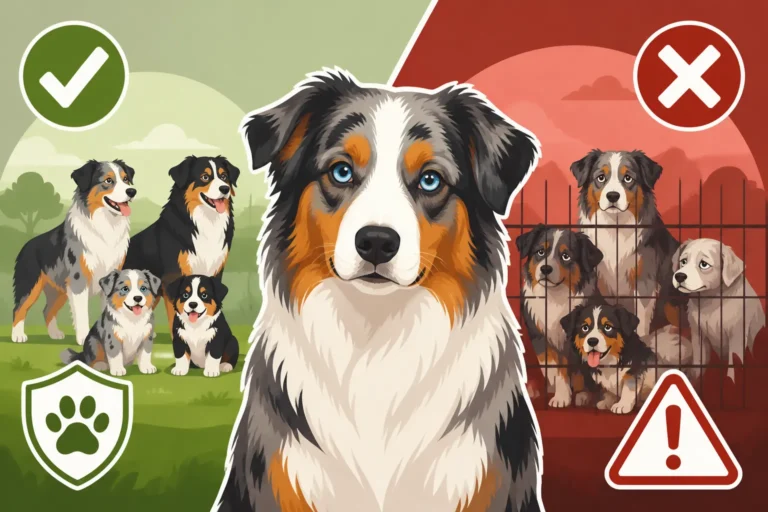
You should always be allowed to see the mother with her puppies in their living environment. This allows you to observe her temperament and how she interacts with her offspring. If a breeder insists on meeting you in a neutral location, like a park or parking lot, or won't let you see where the puppies are raised, this is a significant red flag. This practice often indicates a "puppy mill" or someone who is not providing adequate care. You need to see the conditions the puppies are raised in.
Take note of the other dogs on the property. Are they all well-socialized? Do they seem to be part of the family, or are they kept in isolated runs? A responsible breeder typically has a manageable number of dogs that are well-integrated into their lives. They are not simply a facility for producing puppies; they are a home where dogs are loved and cared for. This visit gives you a crucial glimpse into the quality of life the parent dogs and puppies experience.
Understanding Breeder Experience and Philosophy
Don't be shy about asking a breeder about their experience with Australian Shepherds. How long have they been breeding? What are their goals for their breeding program? Are they involved in dog sports, conformation shows, or actual working dog activities with their Aussies? A breeder deeply involved in the breed typically has a more profound understanding of its nuances, health, and temperament. They often breed to improve the breed, not just to produce puppies for sale.
Inquire about their breeding philosophy. What traits do they prioritize? Is it temperament, working ability, health, or conformation to the breed standard? A good breeder will have a clear, well-articulated philosophy that aligns with the breed's best interests. They should also be able to explain why they chose the specific sire and dam for the litter, perhaps discussing their complementary strengths and weaknesses. This shows thoughtful planning, not just random pairings.
Ask them about Which Aussie Clubs Are Worth Joining and if they are members of any breed clubs, like the Australian Shepherd Club of America (ASCA) or the AKC Parent Club. Membership often signifies a commitment to ethical breeding practices and adherence to a code of conduct. These clubs provide resources and a community for responsible breeders, fostering knowledge and accountability. A breeder who is actively engaged with the breed community is often a more reliable choice.
Ongoing Support and Take-Back Guarantees
A truly dedicated breeder offers ongoing support to their puppy buyers for the lifetime of the dog. This means they should be available to answer questions, offer advice, and be a resource as your puppy grows. Life with an Australian Shepherd, especially in its first couple of years, can be a wild ride. Having a knowledgeable person you can call when you encounter a challenge, like An Aussie Backsliding on House Training or Australian Shepherd Puppy Nipping That Draws Blood, is invaluable.
Crucially, ask about their "take-back" policy. A responsible breeder will always, without question, take back any dog they have bred at any point in its life if the owner can no longer care for it. This commitment ensures that none of their dogs ever end up in a shelter or rescue, regardless of the circumstances. This policy is a strong indicator of their ethical standards and deep commitment to their dogs' welfare.
This take-back guarantee isn't just a safety net; it's a testament to their belief in the quality and welfare of their animals. It demonstrates that their responsibility extends far beyond the point of sale. While you hope you'll never need to use it, knowing it's there provides immense peace of mind. This kind of lifelong commitment is a hallmark of a truly reputable and caring Australian Shepherd breeder. You might even find that Chewy offers great advice columns from vets and trainers that can complement the breeder's ongoing support.
Contracts and Guarantees: Protecting Your Investment and Your Puppy
Bringing a puppy into your life is a significant financial and emotional investment. A clear, comprehensive contract from a breeder isn't just about legalities; it's about protecting both you and the puppy. It outlines the breeder's responsibilities, your responsibilities, and provides guarantees regarding the puppy's health and welfare.
Health Guarantees and Return Policies
A solid contract will include a health guarantee, typically for a certain period against debilitating genetic conditions. This guarantee should clearly state what conditions are covered and what recourse you have if your puppy develops one of these issues within the specified timeframe. For example, it might cover hip dysplasia if diagnosed by a certain age, or severe genetic eye conditions. You'll want to review What an Aussie Puppy Contract Should Say carefully.
Understand the terms of the guarantee. Does it offer a replacement puppy, a partial refund, or full reimbursement? Are there any conditions you must meet, such as having the puppy examined by your own veterinarian within a few days of purchase? A reputable breeder will provide a clear, written guarantee and be willing to explain every clause. This level of transparency protects you from unforeseen circumstances and shows the breeder stands behind their puppies.
Be wary of breeders who offer no health guarantee or whose guarantee is vague or contingent on unreasonable terms. While no breeder can guarantee a dog will never have any health issue, they should certainly guarantee against known, severe genetic issues that they have screened for. This guarantee is a testament to their confidence in their breeding program and their commitment to ethical practices.
Spay/Neuter Contracts and Breeding Restrictions
Most reputable breeders will sell puppies on a limited registration with a spay/neuter contract, especially if the puppy is not being sold with breeding rights. This means the puppy is intended to be a companion animal and cannot be bred, and any offspring would not be eligible for registration. The contract will usually stipulate a timeframe by which the puppy must be spayed or neutered, often between 12-18 months of age, and require proof from a veterinarian. You'll want to ask about Neuter Timing Around Aussie Growth Plates to understand their philosophy on this.
If you are interested in breeding, you must be explicit about this from the very beginning. Breeding quality puppies are often sold under different terms, at a higher price, and with strict conditions. A responsible breeder will be highly selective about who they allow to breed their lines, ensuring they uphold the same high standards. If you don't intend to breed, embracing the spay/neuter contract is a sign of your commitment to responsible pet ownership and helps prevent accidental litters.
The purpose of these contracts is to protect the breed and prevent indiscriminate breeding. They ensure that puppies are primarily placed in loving companion homes and that only the best, most health-tested individuals contribute to future generations. These contracts are a sign of a breeder's dedication to the long-term health and integrity of the Australian Shepherd breed.
Purchase Price and Payment Structures
Of course, the cost of the puppy is a practical consideration. Ask for the full purchase price upfront. What does this price include? Does it cover initial vaccinations, deworming, microchipping, or a starter bag of food? Are there any additional fees for registration or paperwork? Reputable breeders have consistent pricing and are transparent about what's included. You can expect Aussie Puppy Prices Between $1,000 and $2,500 for a well-bred Aussie.
Inquire about the payment structure. Is a deposit required to hold a puppy? Is it refundable? What is the timeline for final payment? A clear payment schedule helps avoid misunderstandings. Good breeders often require a non-refundable deposit to ensure serious inquiries, as they invest a great deal of time and resources into each litter.
While price shouldn't be the only factor in your decision, it's an important one. Remember that a higher price often reflects the extensive health testing, quality care, and ongoing support provided by a responsible breeder. Conversely, a significantly lower-priced puppy might indicate corners have been cut in areas like health testing or early care. It's often a case of "you get what you pay for." Consider the Cost of Keeping a High-Energy Australian Shepherd Busy and all the associated expenses beyond the initial purchase price, and you'll see why starting with a healthy, well-adjusted puppy is paramount. Sometimes, you can even get initial supplies, like a new collar or a bag of the puppy's current food, from retailers like Chewy as part of a starter package.
Key Questions to Ask an Australian Shepherd Breeder
To help you keep track, here's a table summarizing some of the most crucial questions you should ask any prospective Australian Shepherd breeder:
| Category | Specific Questions to Ask | Why It Matters |
|---|---|---|
| Health & Genetics | Can I see the OFA/PennHIP results for hips and elbows, and current ACVO eye exam results for both parents? | Screens for common, debilitating genetic joint and eye conditions. Documentation proves actual testing. |
| What are the MDR1 test results for both parents? (Normal/Normal, Carrier, Affected) | Critical for Australian Shepherds, as MDR1 affects drug metabolism and can make common medications toxic. | |
| What other genetic tests (e.g., HC, CEA, PRA) have been done on the parents, and what were the results? | Addresses other inherited conditions prevalent in the breed, showing a comprehensive approach to health. | |
| What vaccinations, deworming, and vet checks have the puppies received? Can I see the records? | Ensures basic preventative care has been given, setting the puppy up for a healthy start and verifying vet involvement. | |
| Temperament & Care | Can I meet both parents (at least the dam) and observe their temperament? | Provides insight into the genetic and environmental influences on your puppy's potential personality and demeanor. |
| What kind of early socialization and enrichment do the puppies receive? | Crucial for developing a confident, well-adjusted puppy that is less prone to fear or reactivity later in life. | |
| What is your general breeding philosophy and what traits do you prioritize (e.g., health, temperament, working ability, conformation)? | Reveals the breeder's goals and values, helping you understand if they align with what you're looking for in an Australian Shepherd. | |
| What kind of environment are the puppies raised in? Can I visit your facility? | Allows you to assess cleanliness, safety, and the overall quality of care and early stimulation the puppies receive. Red flag if denied. | |
| Support & Contract | Do you offer a written health guarantee? What are its terms and duration? | Protects you against unforeseen genetic health issues and demonstrates the breeder's confidence in their breeding program. |
| What is your take-back policy if I am ever unable to keep the dog? | A hallmark of a responsible breeder who ensures none of their dogs ever end up in a shelter, showing lifelong commitment. | |
| What is your policy regarding spay/neuter, and is it included in the contract? | Ensures responsible pet ownership and helps prevent accidental litters, contributing to the breed's overall health. | |
| Are you available for ongoing support and advice throughout the dog's life? | Provides a valuable resource for training, health, and behavioral questions, especially for a high-energy breed like the Aussie. |
Disclaimer
This article is for general informational purposes only and does not constitute professional advice. Laws, prices and regulations vary by location and change over time. Consult a qualified professional for guidance on your specific situation.