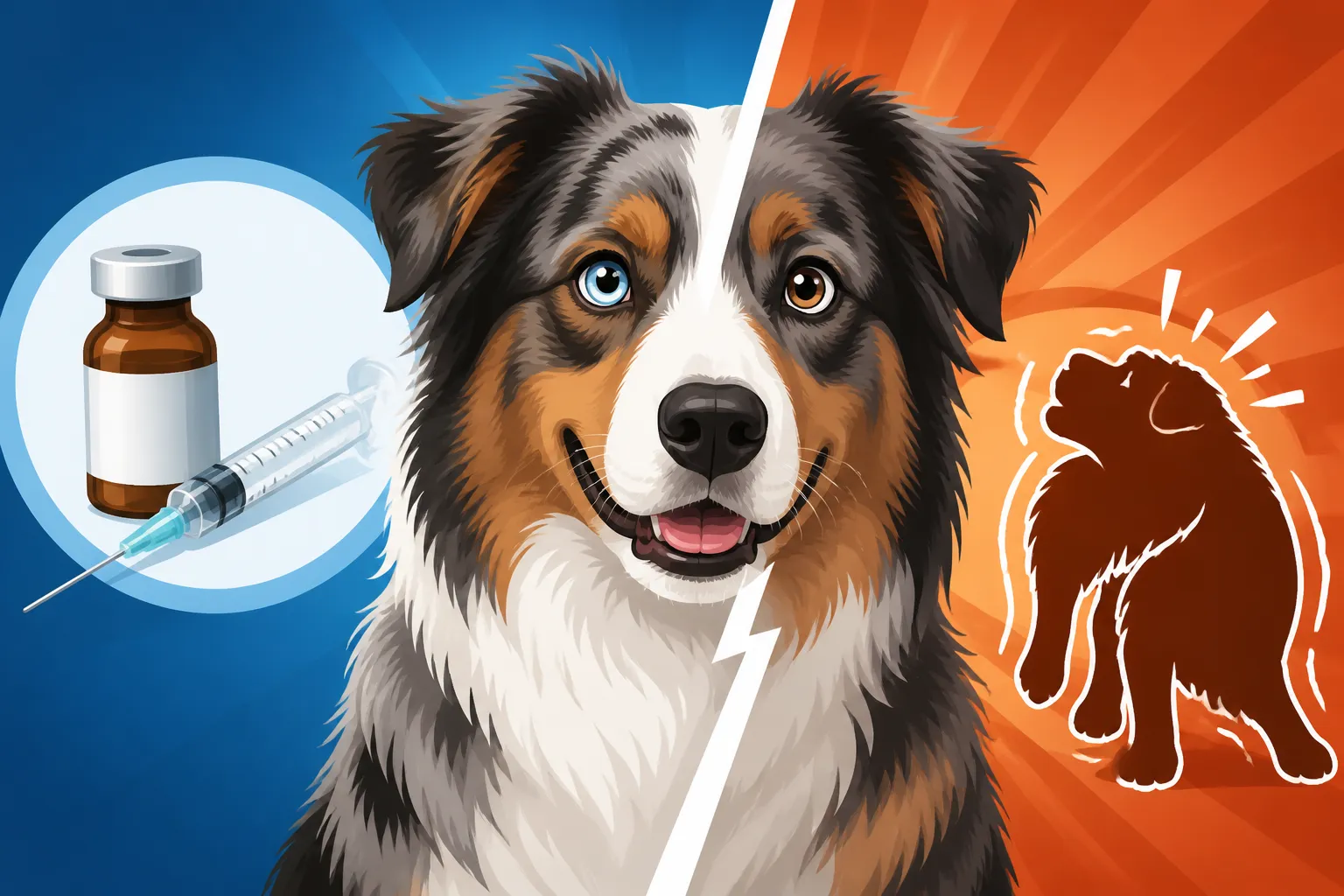
How an MDR1 Australian Shepherd Reacts to Ivermectin
It's absolutely terrifying to realize that a common medication, something meant to help, could be life-threatening for your beloved Australian Shepherd. Many of us have felt that cold dread when we learn about the MDR1 mutation and how it impacts our furry family members, especially concerning drugs like Ivermectin. This guide is here to walk you through exactly what happens when an MDR1 Aussie encounters Ivermectin, the signs to watch for, and most importantly, how to keep your dog safe.
Understanding the MDR1 Mutation and Ivermectin Sensitivity
The journey to understanding Ivermectin sensitivity in Australian Shepherds begins with a deep dive into their genetics. It’s not just a random sensitivity; there’s a specific, well-documented reason why certain drugs become toxic to these wonderful dogs.
The Genetic Basis of MDR1 in Australian Shepherds
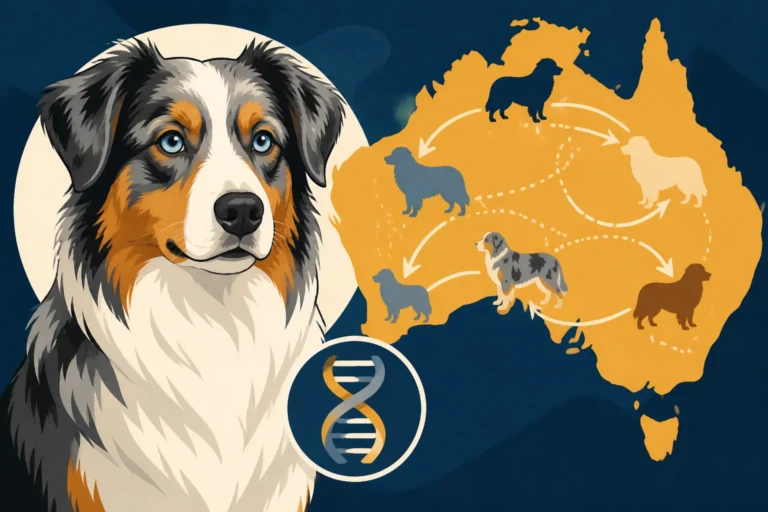
At the heart of the issue is a genetic mutation known as MDR1, which stands for Multi-Drug Resistance 1. This isn't some rare, obscure condition; it's estimated that The MDR1 Mutation Half of Australian Shepherds Carry this gene. The MDR1 gene provides instructions for making a protein called P-glycoprotein. Think of P-glycoprotein as your dog's personal bouncer for the brain. It's a critical pump located in the brain's capillaries, forming part of the blood-brain barrier. Its job is to actively transport certain drugs and toxins out of the brain and back into the bloodstream, where they can be metabolized and excreted safely. It's a vital defense mechanism, ensuring that substances that could harm the delicate brain tissue don't build up.
When an Australian Shepherd inherits the mutated version of the MDR1 gene, this P-glycoprotein pump doesn't work correctly, or sometimes it's entirely absent. This means the bouncer isn't doing its job. Instead of being actively pumped out, certain drugs can easily cross the blood-brain barrier and accumulate in the central nervous system to toxic levels. It's like leaving the club door wide open for all the bad stuff to waltz right in. This genetic vulnerability is something every Aussie owner needs to be aware of, as it profoundly impacts their veterinary care and general safety.
Why Ivermectin is a Problematic Drug for MDR1 Aussies
Ivermectin is a powerful antiparasitic medication, widely used in both veterinary and human medicine to treat various parasitic infections, including heartworm prevention, intestinal worms, and mites. For dogs without the MDR1 mutation, Ivermectin is typically safe at prescribed doses because their functioning P-glycoprotein efficiently removes the drug from the brain, preventing any harmful buildup. The drug does its job in the body and then exits the system without causing neurological distress.
However, for an Australian Shepherd with the MDR1 mutation, the story is entirely different. When an MDR1-positive Aussie is exposed to Ivermectin, especially at higher doses used for treating conditions like mange or certain intestinal parasites, the drug crosses the blood-brain barrier unimpeded. Because the P-glycoprotein pump isn't working to actively remove it, the Ivermectin accumulates in the brain. This buildup leads to severe neurotoxicity, essentially poisoning the brain. The symptoms can range from mild disorientation to life-threatening seizures and coma. It’s crucial to understand that even doses considered safe for other breeds can be incredibly dangerous for an MDR1 Aussie, highlighting why The Drugs an MDR1 Australian Shepherd Cannot Take must always be identified and avoided.
Recognizing the Neurological Signs of Ivermectin Toxicity
The terrifying reality of Ivermectin toxicity in an MDR1 Australian Shepherd is how quickly and severely the symptoms can manifest. Recognizing these signs early is paramount to your dog's survival. It’s not always a dramatic collapse; sometimes, the initial indicators are subtle, easily missed by an unsuspecting owner.
Early and Mild Symptoms to Watch For
When an MDR1 Aussie is exposed to a toxic level of Ivermectin, the initial signs can be quite insidious. You might notice your usually energetic companion becoming unusually quiet, almost withdrawn. This lethargy often progresses to a noticeable depression, where they seem disinterested in their favorite toys or walks. Their pupils might appear unusually dilated, giving them a wide-eyed, almost startled look, even in normal lighting conditions. Sometimes, a mild tremor or slight unsteadiness in their gait might be the first clue. Imagine you're out in the yard, and your vibrant young Aussie, perhaps a bit too curious, managed to get into a tube of horse dewormer that was left within reach. Initially, they might just seem a little tired, maybe a bit wobbly when they stand up. This is the critical window where prompt action can make a difference. These seemingly minor changes are your dog’s brain struggling, and they are screaming for immediate veterinary attention. Don't wait for things to get worse; assume the worst and seek help.
Severe and Life-Threatening Reactions
If the Ivermectin exposure isn't addressed, or if the dose was particularly high, these mild symptoms will rapidly escalate into a full-blown neurological crisis. Progressive signs include marked ataxia, which is severe incoordination, making your dog look like they are drunk or completely unable to walk in a straight line. Their tremors can become violent and uncontrollable, sometimes involving their entire body. Disorientation sets in, and they might stare blankly, pace aimlessly, or struggle to recognize familiar surroundings or even you. Blindness, temporary or permanent, can occur as the drug directly impacts the optic nerve and visual processing centers in the brain.
At the most critical stage, Ivermectin toxicity can induce severe seizures, leading to status epilepticus (continuous seizure activity). Following this, coma is a real possibility, often accompanied by respiratory depression, meaning their breathing becomes shallow and slow, eventually leading to respiratory arrest and death. The speed at which these severe symptoms can manifest is frightening. A dog that was merely lethargic a few hours ago can be in a life-threatening coma. It’s a devastating scenario, and recognizing these Neurological Signs an Aussie Is Reacting to a Drug cannot be overstated.
Differentiating Toxicity from Other Health Issues
The tricky part about Ivermectin toxicity is that some of its symptoms can mimic other serious health conditions in Australian Shepherds. For instance, tremors, disorientation, and seizures are also hallmark signs of conditions like Australian Shepherd Epilepsy Starting Between One and Five. Hypoglycemia (low blood sugar), heatstroke, or even other types of poisoning could present with similar neurological distress. This is why having your Aussie's MDR1 status confirmed through a DNA test is so incredibly important.
If your dog is displaying any of these signs and you suspect Ivermectin exposure – even if you're not 100% sure – it's vital to inform your veterinarian immediately. They will perform a thorough examination and may run tests to rule out other causes. If Ivermectin exposure is confirmed or strongly suspected, the MDR1 status will guide their treatment plan. Without this crucial piece of information, precious time might be lost in diagnosing and treating the specific neurotoxicity. This is where pet insurance, like Healthy Paws, can be incredibly beneficial, helping to cover the diagnostic tests and emergency care needed to pinpoint the problem quickly.
What to Do If Your MDR1 Aussie is Exposed to Ivermectin
Discovering your MDR1 Australian Shepherd has been exposed to Ivermectin is a horrifying moment for any dog parent. Panic is a natural reaction, but swift, informed action is your best defense.
Immediate Emergency Steps
The absolute first and most critical step if you suspect your MDR1 Aussie has ingested Ivermectin, or any problematic drug, is to contact an emergency veterinarian immediately. Do not wait, and do not attempt home remedies or try to induce vomiting without explicit veterinary guidance. Time is of the essence in these situations. Gather as much information as you can before you call or as you're heading out the door:
- What drug was ingested? (e.g., horse dewormer, livestock pour-on, heartworm medication meant for another pet).
- What was the estimated amount or concentration? (e.g., "half a tube of Ivomec," "one pill of X brand heartworm").
- When did the ingestion occur? (e.g., "about 30 minutes ago," "sometime this morning").
- What symptoms are you observing?
Be prepared to rush your dog to the nearest veterinary emergency clinic. Even if it's after hours, they need to know what they're dealing with. Tell them upfront that your dog is an Australian Shepherd and potentially MDR1 positive.
Here’s a quick emergency action plan:
| Step | Action | Urgency |
|---|---|---|
| 1. Call Emergency Vet Immediately | Provide all details: drug, amount, time, symptoms. State "MDR1 Australian Shepherd." | CRITICAL |
| 2. Transport Safely | Head directly to the vet clinic. If possible, have someone else drive so you can monitor your dog. | High |
| 3. Bring Evidence | Take the product packaging, any remaining drug, or a sample of vomit (if they threw up naturally). | High |
| 4. Follow Vet Instructions | Do NOT induce vomiting or administer other remedies unless specifically instructed by the vet. | Critical |
| 5. Stay Calm | Your dog will pick up on your stress. Remain as calm as possible to help keep them settled. | Important |
Veterinary Intervention and Supportive Care
Once at the veterinary clinic, the team will spring into action. If the ingestion was very recent (typically within 1-2 hours) and your dog is not yet showing severe neurological signs, the vet might induce vomiting to prevent further absorption. They may also administer activated charcoal, which helps bind toxins in the digestive tract and prevents them from entering the bloodstream.
Beyond decontamination, the treatment for Ivermectin toxicity in an MDR1 Aussie is largely supportive. This can be a long and intensive process. Your dog will likely receive intravenous fluids to help flush the system, support kidney function, and maintain hydration. Medications will be administered to manage specific symptoms: anti-seizure drugs if they are convulsing, muscle relaxants to control tremors, and perhaps intravenous lipids to help draw the fat-soluble Ivermectin out of the tissues. They will be monitored closely for vital signs, neurological status, and respiratory function.
The recovery period can be protracted, lasting several days or even weeks, depending on the severity of the exposure and the dog's response to treatment. Intensive care, including overnight stays, is almost always necessary. This level of care, while lifesaving, can be incredibly expensive. This is precisely where having robust pet insurance, such as Healthy Paws, becomes an invaluable asset. Knowing that a significant portion of these emergency vet bills can be covered allows you to focus solely on your dog's recovery without the added burden of overwhelming financial stress. These situations are why policies covering Australian Shepherd Drug Reactions at the Emergency Vet are so critical.
Preventing Future Exposures and Educating Others
After such a harrowing experience, preventing future exposures becomes your absolute top priority. First and foremost, if you haven't already, get your Australian Shepherd DNA tested for the MDR1 mutation. This is a simple cheek swab that can be done at home or by your vet, providing definitive results. Once you know their status, you'll have the knowledge you need. You can learn more about Testing an Australian Shepherd for MDR1 and why it's so important.
Next, implement strict management protocols for all medications and chemicals in your home:
- Secure Storage: Keep all medications, especially those for livestock or other pets, locked away or on high shelves out of reach. Remember, Aussies are smart and persistent.
- Labeling: Clearly label any medications your Aussie can take and those they cannot.
- Educate Everyone: Ensure everyone who interacts with your dog – family members, pet sitters, dog walkers, even friends – understands the MDR1 mutation and the specific drugs to avoid. It’s not enough to just mention it; explain the severity.
- Vet Communication: Always inform new veterinarians and veterinary specialists about your Aussie's MDR1 status. This should be explicitly stated on their patient file and mentioned at every visit. Telling Your Vet an Australian Shepherd Is MDR1 Positive is a non-negotiable step. Consider wearing a collar tag that indicates their MDR1 status or having it noted in their travel carrier.
- Safe Alternatives: Consult with your vet about The Flea Products Dangerous to an MDR1 Aussie and heartworm preventatives that are safe for MDR1-positive dogs. There are many excellent alternatives available.
Safe Ivermectin Use and Alternatives for Australian Shepherds
Navigating medication choices for an MDR1 Australian Shepherd can feel like walking on eggshells, but it doesn't have to be. Understanding the nuances of Ivermectin and knowing safe alternatives empowers you to make the best decisions for your furry friend's health.
Low-Dose Ivermectin and Heartworm Prevention
This is where things can get a little confusing, and it's a common point of anxiety for Aussie owners. While high-dose Ivermectin is absolutely a no-go for MDR1 Australian Shepherds due to the risk of neurotoxicity, most standard heartworm preventatives contain Ivermectin at an extremely low dose. The good news is that these very low doses are generally considered safe for most MDR1-positive Australian Shepherds.
Why the difference? The minute quantities of Ivermectin in these monthly preventatives usually don't reach the toxic levels in the brain, even with a compromised P-glycoprotein pump. The body can still process and eliminate these tiny amounts before they build up to harmful concentrations. However, and this is a big "however," it's absolutely vital to always consult with your veterinarian. Every dog is an individual, and while the general consensus holds these low doses safe, your vet will consider your dog's specific health profile, any other medications they are on, and their precise MDR1 status. They can provide the most accurate guidance tailored to your Aussie. To dive deeper into this specific topic, you can read more about Why Heartworm Doses Are Still Safe for an MDR1 Aussie.
Alternative Parasite Control Options
If you or your vet prefer to completely avoid Ivermectin, or if your Aussie has a particularly sensitive mutation, there are numerous safe and effective alternative parasite control options available. For flea and tick prevention, many excellent oral medications (like Bravecto, Nexgard, or Simparica) and topical treatments are available that do not contain Ivermectin or other drugs affected by the MDR1 mutation. Similarly, for heartworm and other intestinal parasites, there are prescription medications that use different active ingredients known to be safe for MDR1 dogs, such as milbemycin oxime (found in Interceptor Plus or Sentinel Spectrum) or moxidectin.
Your veterinarian is your best resource for selecting the right preventative strategy. They can assess your dog's risk factors (e.g., exposure to fleas, ticks, heartworm prevalence in your area), review their MDR1 status, and prescribe the safest and most effective products. When discussing these options, don't hesitate to ask specific questions about how each medication is metabolized and whether it poses any risk to an MDR1-positive dog. This proactive approach ensures your Aussie gets the protection they need without any hidden dangers. For a more detailed look at the safe options, consider exploring Parasite Prevention Safe for an MDR1 Australian Shepherd.
Advocating for Your Aussie's Health
Being an Australian Shepherd parent, especially to an MDR1-positive dog, means becoming a vigilant advocate for their health. This journey starts with understanding their unique genetic makeup through DNA testing. Once armed with that knowledge, it's about constant communication with your veterinary team, ensuring every person involved in your dog's care is aware of their MDR1 status. Consider getting a special tag for their collar or harness that clearly states "MDR1 Positive" – a small measure that could make a huge difference in an emergency. Putting MDR1 on an Australian Shepherd's Collar Tag is a simple yet powerful safety step.
Proactivity is key. Don't wait for a problem to arise; actively seek out information, ask questions, and partner with your vet to create a comprehensive health plan. This includes not just medication, but also diet, exercise, and regular check-ups. And remember, peace of mind comes from preparation. Exploring pet insurance options early, like a plan from Healthy Paws, can give you the financial safety net needed for unexpected health challenges, allowing you to prioritize your Aussie's well-being without compromise.
Disclaimer
The information provided in this article is for educational purposes only and is not intended to be a substitute for professional veterinary advice, diagnosis, or treatment. Always seek the advice of your veterinarian or other qualified animal health provider with any questions you may have regarding a medical condition or treatment for your Australian Shepherd. Never disregard professional veterinary advice or delay in seeking it because of something you have read here.