Emergency Vet Instructions for an MDR1 Australian Shepherd
The sheer panic that washes over you when your beloved Australian Shepherd is suddenly unwell and needs urgent veterinary attention is unlike any other. When you also know your furry family member carries the MDR1 gene mutation, that panic can easily morph into a paralyzing fear. You’re left wondering if the emergency vet, who doesn't know your dog, will be aware of this critical genetic detail. This guide is here to help you create a clear, actionable plan, ensuring your MDR1 Australian Shepherd receives the safest possible care during an emergency.
Understanding the MDR1 Mutation and Emergency Risks
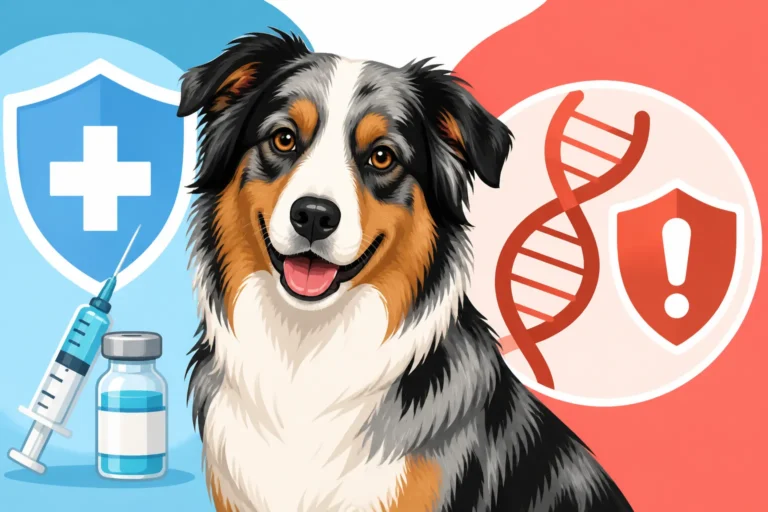
The MDR1 mutation is a significant genetic issue that affects many Australian Shepherds, and it's something every Aussie owner needs to understand, especially when an emergency strikes. It's not just a fancy term; it's a real biological difference that can turn commonly prescribed medications into dangerous toxins.
Why MDR1 Makes a Difference in Emergencies
At its core, the MDR1 (Multidrug Resistance 1) gene is responsible for producing a protein called P-glycoprotein. Think of P-glycoprotein as a tiny bouncer at the cellular level, particularly in the brain, liver, and intestines. Its job is to pump certain drugs and toxins out of sensitive areas, like the brain, protecting the body from their harmful effects. For Australian Shepherds with the MDR1 mutation, this bouncer isn't doing its job correctly, or sometimes not at all.
This means that certain drugs, which would normally be harmlessly expelled from the brain or other organs, can accumulate to toxic levels. In an emergency, where quick decisions and powerful medications are often necessary, this presents a critical challenge. A vet who is unaware of your Aussie's MDR1 status might administer a standard dose of a drug that could prove fatal. This is precisely why understanding What MDR1 Does Inside an Australian Shepherd Brain is so important. Imagine your dog goes into an emergency clinic for a sudden injury, and they need pain relief. If that pain relief is one of the problematic drugs, and the vet isn't informed, your dog could suffer severe neurological consequences, including seizures, coma, or even death, all from a medication intended to help. The stress of the situation makes it even harder to remember every detail, which is why preparation is key.
Common Emergency Scenarios for Aussies
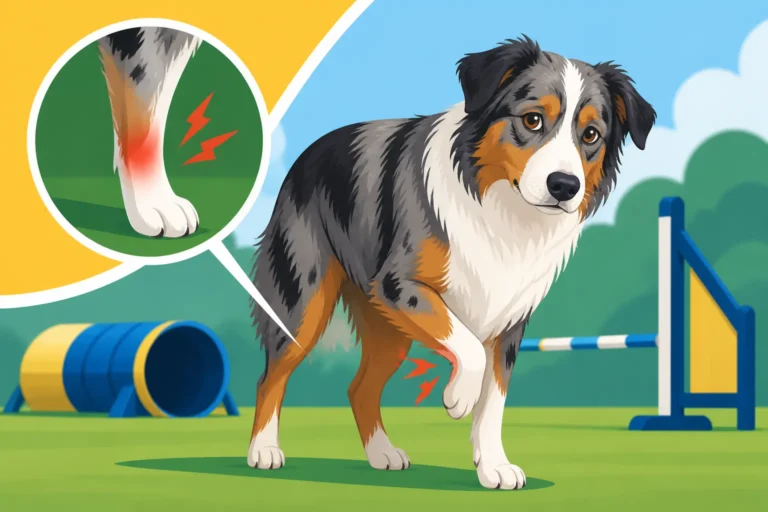
Australian Shepherds are active, energetic dogs, and while their zest for life is endearing, it also means they can find themselves in various predicaments requiring emergency care. From agility mishaps to accidental ingestions, you need to be ready.
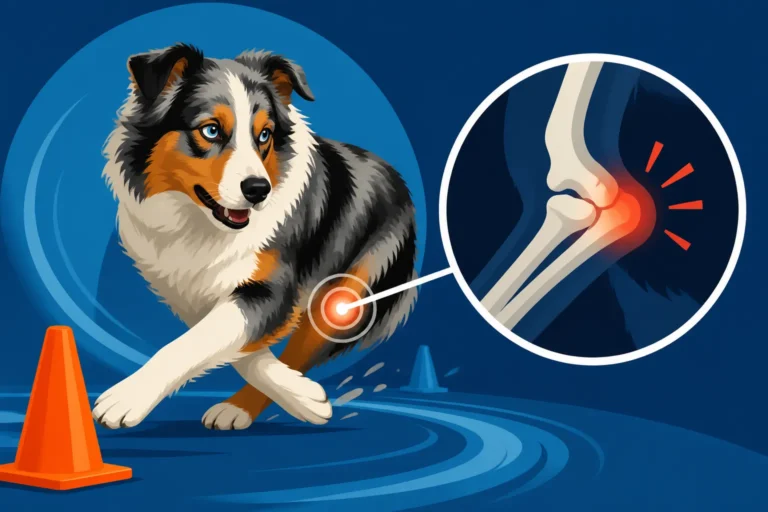
One common emergency is an injury, perhaps a torn cruciate ligament from a vigorous play session or a sudden limp after a hard run. In such cases, pain management is paramount, and many common pain medications need careful consideration for MDR1 dogs. Another scary scenario for deep-chested breeds like Aussies is bloat, or gastric dilatation-volvulus (GDV), a life-threatening condition where the stomach twists. Surgical intervention is often required immediately, and certain anesthetics or pre-operative medications could pose a risk if not adjusted. Then there are unpredictable events like seizures, which can be particularly distressing. While many Aussies experience Australian Shepherd Epilepsy Starting Between One and Five, any sudden seizure merits immediate veterinary attention, and the drugs used to stop a seizure need careful consideration for an MDR1 dog. Accidental poisoning, a fight with another animal, or even a sudden allergic reaction are also possibilities. The reality is, life with an Aussie is full of adventure, and sometimes that adventure leads to unexpected trips to the emergency vet. Being prepared is the best way to safeguard your dog's health during these stressful times.
Crafting Your MDR1 Emergency Vet Instructions
When minutes count, a clear, concise, and easily accessible set of instructions for your MDR1 Australian Shepherd can be a lifesaver. This isn't just a scribble on a napkin; it's a vital communication tool designed to protect your dog when you might be too distraught to speak clearly.
The Essential Information to Include
Your emergency instructions should be a single, clear document that can be handed to any vet or technician who is treating your dog. This document needs to contain immediate, critical information without unnecessary jargon.
Start with your dog's vital details:
- Dog's Full Name and Call Name: (e.g., "Ranger," full name "Pine Ridge Ranger's Howl")
- Breed: Australian Shepherd
- Age/Date of Birth: (e.g., 4 years old, DOB: 05/15/2020)
- Weight: (e.g., 55 lbs) – this is crucial for accurate drug dosing.
- MDR1 Status: CLEARLY state "MDR1 MUTATION: AFFECTED (m/m)" or "MDR1 MUTATION: CARRIER (m/n)" along with a brief explanation like "Risk of severe adverse reactions to certain drugs." If you're unsure of your dog's specific status, please ensure you've done Testing an Australian Shepherd for MDR1 to get definitive results.
- Your Contact Information: Name, primary phone, secondary phone, and an emergency contact person (neighbor, family member) who also knows about the MDR1 status.
- Your Regular Veterinarian's Information: Clinic name, address, and phone number. This allows the emergency clinic to contact them for your dog's full medical history, including confirmation of MDR1 status.
Consider adding a "In Case of Emergency" section at the top, perhaps in bold, stating "URGENT: THIS AUSTRALIAN SHEPHERD HAS THE MDR1 MUTATION. PLEASE REVIEW DRUG LIST CAREFULLY." Every second counts, and this immediately flags the critical issue for busy emergency staff.
Listing Dangerous and Safe Medications
This is the absolute cornerstone of your emergency instructions. You need to provide a very specific list of drugs that are known to cause issues for MDR1-affected dogs, as well as those that might require dose adjustments. Equally important, listing drugs that are generally safe can provide peace of mind and help the emergency vet make faster decisions. Always remember, this list is a guide, and any drug decision must be made by a qualified veterinarian. However, having this information readily available empowers you to advocate effectively for your dog.
Here's a table categorizing common medications:
| Drug Category / Specific Drug | MDR1 Risk Level | Notes for Emergency Vets |
|---|---|---|
| High Risk (Avoid or Use with Extreme Caution & Reduced Dose) | ||
| Ivermectin (high doses) | VERY HIGH | Used in some dewormers/parasite meds. Can cause neurological toxicity. Standard heartworm prevention doses are generally safe, but avoid high doses for other uses. (See: How an MDR1 Australian Shepherd Reacts to Ivermectin) |
| Loperamide (Imodium) | VERY HIGH | Can cause severe neurological signs (ataxia, tremors, hypersalivation, coma) even at therapeutic doses. (See: Loperamide and Other Drugs That Harm an MDR1 Aussie) |
| Acepromazine | HIGH | Pre-anesthetic/sedative. Can cause prolonged and profound sedation. Doses should be significantly reduced (25-50% of normal). |
| Butorphanol | MODERATE-HIGH | Pain reliever/sedative. Can cause increased sensitivity and CNS depression. Reduce dose. |
| Vincristine, Vinblastine | HIGH | Chemotherapy drugs. Can cause severe myelosuppression and GI toxicity. |
| Cyclosporine | MODERATE | Immunosuppressant. Use with caution; drug levels may be higher. |
| Doxorubicin | MODERATE | Chemotherapy drug. Use with caution; drug levels may be higher. |
| Moderate Risk (Requires Dose Adjustment & Close Monitoring) | ||
| Tramadol | MODERATE | Pain reliever. Can cause sedation or neurological effects. Consider reduced dose. |
| Ondansetron | MODERATE | Anti-nausea. Might accumulate. Monitor carefully. |
| Anesthetic Agents (various) | VARIES | Many anesthetics like propofol or isoflurane are generally safe, but pre-anesthetics like acepromazine need careful adjustment. Always discuss the full anesthetic protocol. (See: Anesthetics That Need Adjusting for an MDR1 Aussie) |
| Generally Safe (Consult Vet, but Less Direct MDR1 Concern) | ||
| Fentanyl | LOW-MODERATE | Pain reliever. Usually safe, but monitor for sedation. |
| Gabapentin | LOW | Pain/anxiety medication. Generally considered safe. |
| Metronidazole | LOW | Antibiotic. Generally considered safe. |
| Cerenia (Maropitant) | LOW | Anti-nausea. Generally considered safe. |
| Prednisone/Prednisolone | LOW | Steroids. Generally considered safe. |
| Most NSAIDs | LOW | Non-steroidal anti-inflammatory drugs (e.g., Carprofen, Meloxicam). Generally considered safe for MDR1, but always weigh risks/benefits. |
| Heartworm Preventatives | LOW | Standard monthly doses of ivermectin, milbemycin oxime, or moxidectin are typically below the toxic threshold for MDR1 dogs. (See: Why Heartworm Doses Are Still Safe for an MDR1 Aussie) |
| Flea & Tick Preventatives | LOW | Many common products like Bravecto, NexGard, Simparica, Revolution are generally considered safe. However, always double-check with your vet. (See: The Flea Products Dangerous to an MDR1 Aussie) |
This table is not exhaustive but covers many common emergency medications. Emphasize that any drug administration should be reviewed carefully.
Communication Strategies for Emergency Staff
Even with the clearest instructions, effective communication is paramount. Emergency vet clinics are often hectic environments, and staff are managing multiple critical cases. It’s vital to be assertive but polite.
- State it Immediately: As soon as you arrive, tell the receptionist, the tech, and the vet: "My Australian Shepherd has the MDR1 mutation, and this is critical information for any medication." Hand them your prepared sheet.
- Reinforce Verbally: When the vet or tech is discussing treatment, reconfirm: "Are all these medications safe for an MDR1 dog?" or "Have you cross-referenced this with his MDR1 status?"
- Stay Calm but Firm: It’s easy to get overwhelmed, but a calm, clear voice is more effective. If you feel unheard, politely reiterate the importance of the MDR1 status.
- Ask for Confirmation: Ask them to confirm that the information has been noted in your dog's file for this visit.
- Educate Briefly: If they seem unfamiliar, you can briefly explain that it means certain drugs can cross the blood-brain barrier and cause toxicity. This isn't your job, but a quick explanation can sometimes expedite understanding.
- Trust Your Gut: If something feels off, or you're not getting clear answers, don't hesitate to politely ask for a second opinion or to speak with another vet if available.
Remember, you are your dog's primary advocate. Your persistence, coupled with your well-prepared information, will significantly reduce the risk of an adverse drug reaction. This is particularly important because Australian Shepherd Drug Reactions at the Emergency Vet can manifest with severe Neurological Signs an Aussie Is Reacting to a Drug.
Practical Steps for On-the-Go Preparedness
Having your emergency instructions drafted is a fantastic start, but they won't do any good if they're stuck in a drawer at home while you're rushing to an emergency clinic across town. Being prepared means making sure this vital information is always at hand, wherever you and your Aussie might be.
Where to Keep Your MDR1 Information
Redundancy is your friend when it comes to critical medical information. You want this data to be accessible to anyone who might need it, whether that's you, a family member, a dog sitter, or an emergency responder.
- Collar Tag: A dedicated tag that simply says "MDR1 MUTATION" and "SEE WALLET CARD/VET" can be a quick visual flag. Some owners even invest in custom tags that include "MDR1 AFFECTED – DO NOT USE IVERMECTIN/LOPERAMIDE." This can literally be life-saving. Don't forget to link to Putting MDR1 on an Australian Shepherd's Collar Tag here.
- Wallet Card/Laminated Sheet: Print your detailed emergency instructions (the sheet you created in the previous section), laminate it, and keep it in your wallet or purse. This ensures you always have it on you.
- Phone – Digital Copy: Store a clear photo or PDF of your instructions on your phone, both in your photo gallery and potentially in a dedicated medical ID app (if your phone has one). Add it to your favorites or a readily accessible folder.
- Crate/Carrier Label: If your Aussie travels in a crate, tape a copy of the instructions to the outside. This is invaluable if someone else has to transport your dog in an emergency.
- Vet Records: Ensure your regular vet has your Aussie's MDR1 status clearly marked and updated in their system. Ask them to confirm this at every annual check-up.
- Pet Sitter/Boarding Kennel Instructions: Provide a copy to anyone who cares for your dog, emphasizing its critical importance. Discuss it with them explicitly.
- Car Glove Compartment: Keep another laminated copy in your car. Many emergencies happen on the go, and this ensures you have it even if you leave your wallet behind.
The goal is that no matter the situation, the MDR1 status is impossible to miss.
Preparing Your Emergency Kit
Beyond the MDR1 information, a well-stocked emergency kit can streamline a stressful situation and provide comfort or immediate care for your Australian Shepherd. Think of it as your "go-bag" for your dog.
- Muzzle: Even the sweetest, most well-behaved Aussie can bite when in pain or fear. A muzzle is a safety tool for both your dog and the people trying to help them. Keep a comfortable, well-fitting basket muzzle readily available.
- Leash and Collar (Spare): A sturdy leash and collar, perhaps even a harness, are essential for safe transport.
- Clean Towels/Blanket: For comfort, warmth, or to help staunch bleeding.
- Gloves: For your protection if you need to handle wounds.
- Basic First Aid Supplies: Antiseptic wipes, gauze, medical tape, hydrogen peroxide (for inducing vomiting only if directed by a vet after ingestion of toxins, and never for MDR1 dogs if the toxin is an MDR1 problematic drug). A small, sealed container of your dog's regular medications if they are on any.
- Water and Bowl: Essential if your dog is stable enough to drink.
- Copies of Other Medical Records: Beyond the MDR1 sheet, keep a folder with recent vaccination records, microchip information, and any other pertinent health history. This is helpful for emergency vets who might not have access to your regular vet's system immediately.
- Emergency Contact List: Include your regular vet, local 24/7 emergency vet clinics, poison control numbers (APCC or Pet Poison Helpline), and your personal emergency contacts.
- Payment Method: Having a credit card or cash readily available can prevent delays. Consider pet insurance like Healthy Paws, which can significantly ease the financial burden of unexpected emergency vet bills, allowing you to focus on your dog's care rather than the cost.
Having these items organized and ready to grab can save precious minutes and reduce your stress level when an emergency hits.
Discussing MDR1 with Your Regular Vet
Your primary veterinarian is your partner in your Australian Shepherd's health, and their awareness of your dog's MDR1 status is paramount. Don't just assume they know or remember; proactively discuss it.
At your Aussie's annual check-up, bring up their MDR1 status. Ask your vet to verbally confirm they have it flagged prominently in your dog's digital and physical file. Discuss their protocol for prescribing medications for MDR1 dogs, even routine ones. Ask if they have a preferred emergency clinic they work with and if they communicate MDR1 status to them during referrals. Talk about Australian Shepherd Vaccination and MDR1 Concerns if you have any questions about routine shots, and clarify Parasite Prevention Safe for an MDR1 Australian Shepherd to ensure long-term health. A good vet will welcome your proactive approach and ensure all necessary precautions are in place. This ongoing dialogue ensures consistency of care and builds confidence in managing your Aussie's unique needs.
Advocating for Your Aussie in a Crisis
When your Australian Shepherd is in distress and you're at an emergency vet, you become their voice and their guardian. It's a challenging role, especially under immense pressure, but your advocacy is absolutely crucial, particularly for an MDR1 dog.
Don't Assume They Know
This is perhaps the most critical takeaway. Emergency veterinary clinics see hundreds of different breeds with countless conditions. It is unreasonable to expect every single staff member, from the intake desk to the attending veterinarian, to instantly recall the specific genetic predispositions of every dog walking through their doors. Even if it's in their system, they might miss it in the rush.
Therefore, you must not assume they know about your Aussie's MDR1 mutation. You need to be the one to bring it up, clearly and repeatedly if necessary. Think of it like a broken record, but a life-saving one. Upon arrival, upon hand-off to a technician, and again when speaking with the veterinarian – make it known. Politely but firmly state: "My Australian Shepherd has the MDR1 mutation, which means certain common medications can be toxic. I have an information sheet here for you." Hand them your prepared document. The initial rush might make it seem like they've heard you, but reconfirming throughout the process ensures it doesn't get lost in translation or overlooked in a busy moment. This proactive approach helps prevent any potentially dangerous oversight.
Asking the Right Questions
Empowering yourself with the right questions can make a significant difference in an emergency. You don't need a veterinary degree, but you do need to understand the basic implications of MDR1 for the proposed treatments.
When the vet discusses treatment options or proposes specific medications, don't be afraid to ask:
- "Are the medications you're considering safe for an MDR1-affected dog?"
- "Have you checked their compatibility with the MDR1 mutation?"
- "Will you be adjusting any doses due to his MDR1 status?"
- "What are the potential side effects I should watch for, given his MDR1 status?"
- "Is there an alternative medication that would be safer for an MDR1 dog if this one poses a risk?"
These questions aren't challenging their expertise; they're ensuring a vital piece of your dog's medical history is integrated into their care plan. It shows you are an informed owner, and most veterinarians will appreciate your engagement and diligence. They are there to help, and providing them with all the necessary information, and prompting them to use it, is part of that process. Remember, a reputable pet insurance provider, like Healthy Paws, can help with unexpected vet costs, allowing you to focus on these important questions without added financial stress.
Follow-Up and Record Keeping
Once the immediate crisis has passed and your Aussie is stable, your advocacy shouldn't end. Good follow-up and meticulous record-keeping are essential for ongoing care and future preparedness.
Before you leave the emergency clinic, ask for a detailed discharge summary that includes every medication administered to your dog during their stay, including doses and times. This is vital for your regular vet, especially if your dog needs continued medication at home. If you notice any unusual behavior or Neurological Signs an Aussie Is Reacting to a Drug after returning home, refer to this list immediately and contact your vet.
Keep this discharge summary with your other important Australian Shepherd health records, especially your MDR1 status documentation. If your dog needs to see another specialist or emergency vet in the future, this comprehensive record will provide a clear history of how they responded to treatments. Having a complete medical history, including emergency interventions, is crucial for your Australian Shepherd's long-term well-being and helps you, and any future veterinary professional, make the most informed decisions possible.
Disclaimer
The information provided in this guide is for general educational purposes only and should not be considered a substitute for professional veterinary advice. Always consult with a qualified veterinarian regarding any medical concerns or treatment decisions for your Australian Shepherd. Drug dosages and safety protocols for MDR1-affected dogs can vary, and only a veterinarian can make appropriate recommendations for your specific pet.