Australian Shepherd Hip Dysplasia Symptoms Before Two
There's nothing quite as heartbreaking as watching your vibrant, energetic Australian Shepherd puppy start to slow down, hesitate before jumping, or just not move with the boundless joy you expect from such an active breed. You might dismiss it as a growth spurt, a minor strain, or just an off day, but when those subtle signs persist, a knot forms in your stomach. For us Aussie parents, spotting hip dysplasia symptoms early, especially before our dogs even turn two, can feel like a daunting task, yet it’s absolutely crucial for their long-term comfort and mobility. This guide is here to walk you through exactly what to look for, why it matters, and what steps you can take.
Understanding Hip Dysplasia in Young Australian Shepherds
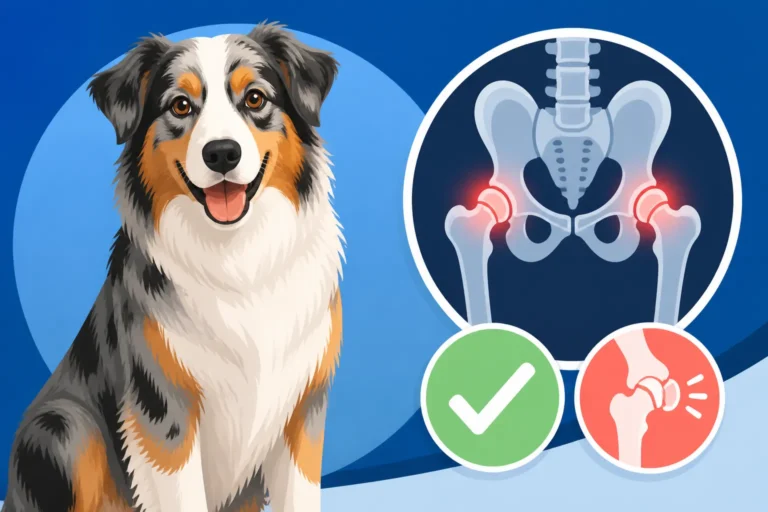
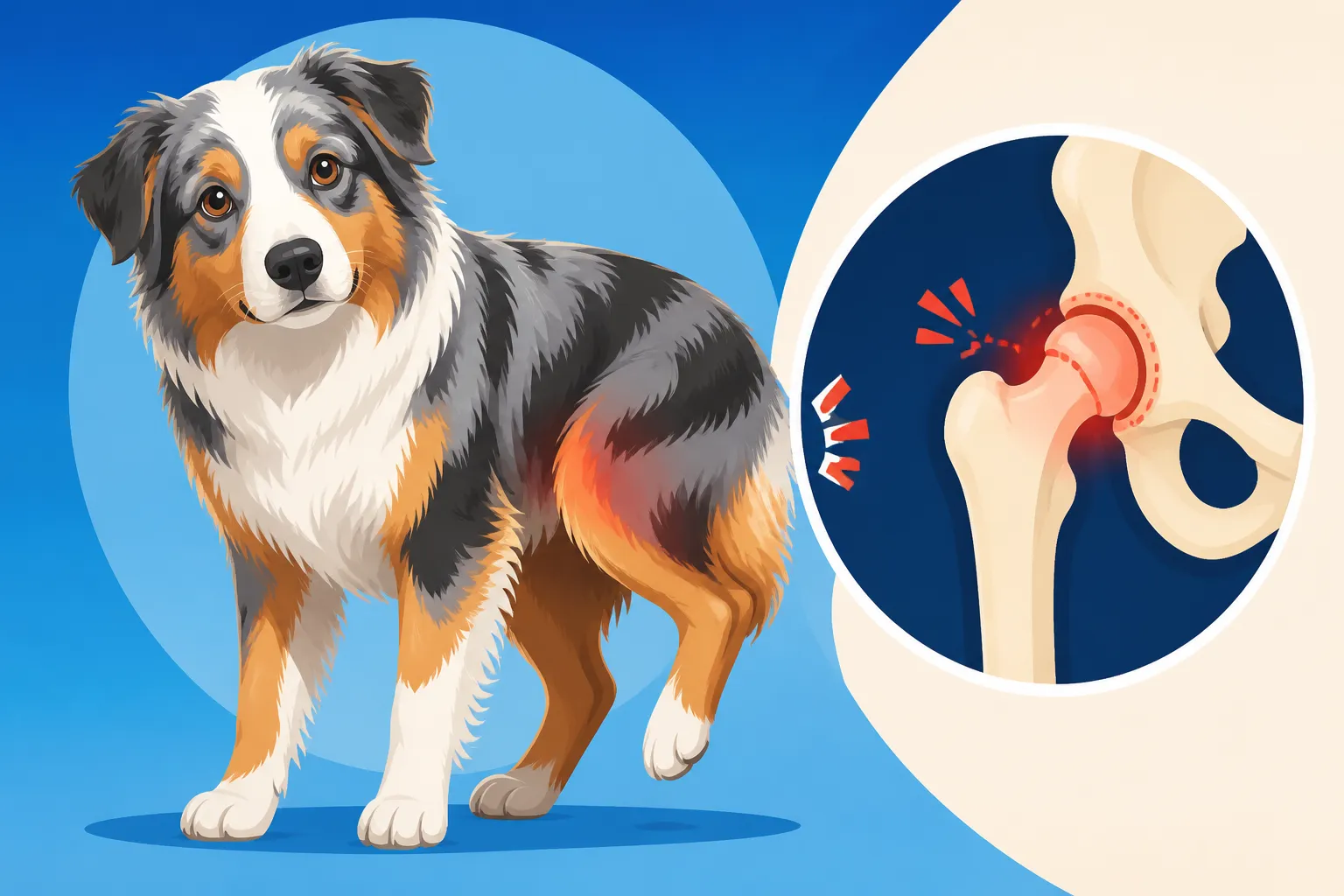
Hip dysplasia is a fancy term for a relatively common and unfortunate condition where the ball and socket joint of the hip doesn't develop correctly. Instead of fitting snugly together, the joint is loose, causing the bones to rub and grind, leading to pain, lameness, and eventually, degenerative joint disease or osteoarthritis. While it can affect any dog breed, Australian Shepherds, with their active, working backgrounds, are particularly susceptible due to genetic predispositions, making it a critical health concern for prospective and current owners.
The Genetics and Environmental Puzzle Pieces
It’s easy to feel overwhelmed and even guilty when you hear your young Aussie might have hip dysplasia. Did you do something wrong? The truth is, genetics play a huge role. Hip dysplasia is considered polygenic, meaning multiple genes contribute to its inheritance. This is why responsible breeders invest so much in The Health Tests Every Australian Shepherd Parent Needs, specifically looking at hip scores of parent dogs through organizations like the Orthopedic Foundation for Animals (OFA) or PennHIP. If both parents have excellent hips, the likelihood of their offspring developing severe dysplasia is significantly reduced, but it's never zero.
However, genetics aren't the whole story. Environmental factors during a puppy's rapid growth phase can also influence the severity of the condition. Things like excessive or inappropriate exercise (think long-distance running or intense agility before growth plates are closed), rapid weight gain, and certain nutritional deficiencies can exacerbate a genetic predisposition. For instance, allowing a young Aussie puppy to jump off high furniture or run up and down stairs excessively before their Australian Shepherd Growth Plates and When They Close are fully formed can put undue stress on developing joints. It’s a delicate balance, and understanding these factors can help you provide the best environment for your growing companion, even if the genetics aren't perfectly aligned.
Why Early Onset Matters for an Active Breed
For a breed like the Australian Shepherd, known for its intelligence, agility, and tireless work ethic, early-onset hip dysplasia can be particularly devastating. These dogs thrive on activity, whether it's herding livestock, excelling in dog sports, or simply being your jogging companion. When their ability to move freely and without pain is compromised at a young age, it impacts their quality of life, their mental well-being, and your ability to engage with them in the ways you both love.
Diagnosing and addressing hip dysplasia early, even if it’s just the very first signs, means you can implement management strategies sooner. This proactive approach can significantly slow the progression of the disease, reduce pain, and maintain a better quality of life for your Aussie for years to come. Ignoring subtle limps or reluctance could lead to more severe pain, more extensive joint damage, and potentially more invasive and costly treatments down the line. This is where Aussie Vet Bills Between $15,000 and $40,000 can become a stark reality, highlighting the importance of early detection and management.
Early Warning Signs: What to Look For Before Two
Observing your Australian Shepherd puppy or adolescent dog is key. Since Aussies are often stoic and driven, they might try to push through pain, making subtle signs easy to miss or misinterpret. The symptoms can vary in severity, from barely noticeable quirks to obvious lameness. Pay close attention, especially when your Aussie is around 6 to 18 months old, a common period for these symptoms to become apparent.
Changes in Gait and Movement
One of the most telling signs of hip dysplasia is a noticeable change in how your Aussie moves. This isn't just about a sudden limp; it's often more nuanced, especially in the early stages.
- "Bunny Hopping": This is a classic indicator. Instead of using their back legs independently, your Aussie might run with both hind legs moving together, almost like a rabbit. This reduces the strain on the hips by moving them as a single unit. It might be most visible when they are running fast or going up stairs.
- Swaying or Wobbly Gait: When walking, their hindquarters might sway more than usual, or they might appear unstable, particularly after resting or getting up from a lie-down.
- Reluctance to Jump or Climb: If your once enthusiastic puppy suddenly hesitates to jump into the car, onto the couch (if allowed!), or struggles to climb stairs, it's a red flag. They might take stairs one step at a time, or avoid them altogether.
- Difficulty Rising: Observe your Aussie when they get up from a lying or sitting position. Do they struggle, seem stiff, or take longer than usual? They might use their front legs more forcefully to push themselves up, trying to minimize weight-bearing on their painful hips.
- Decreased Activity or Stamina: While Aussies are known for their energy, a dog with hip dysplasia might tire more easily during play or walks. They might lag behind, stop playing sooner, or show less enthusiasm for activities they once loved. Remember, Why Two Hours of Running Never Settles an Aussie if it's painful for them.
Posture and Physical Manifestations
Beyond how they move, specific changes in your Aussie's posture or physical appearance can also signal hip dysplasia.
- "Cow-Hocked" Stance: When standing, their hocks (ankles) might turn inward, with their rear feet pointing outward. This creates a sort of "bow-legged" appearance from behind and is often an attempt to compensate for hip instability.
- Muscle Atrophy in Hindquarters: Over time, if your Aussie isn't using their hind legs properly due to pain, the muscles in their thighs and hindquarters can start to waste away. Conversely, you might notice increased muscle development in their front legs and shoulders as they compensate, taking more weight forward.
- Pain Response: Gently palpating your Aussie's hip area might elicit a yelp, flinching, or a growl. They might be sensitive to touch, especially when you extend or flex their hind legs. Be careful not to cause further pain.
- Changes in Sitting Position: An Aussie with hip dysplasia might avoid the typical "square" sit. Instead, they might sit with their legs splayed out to the side ("frog-sitting" or "lazy sit") to reduce pressure on the hip joints.
Behavioral Changes to Note
Pain, especially chronic pain, can manifest in behavioral changes, even in resilient Australian Shepherds.
- Irritability or Aggression: A dog in pain might become more irritable, snappish, or even show uncharacteristic aggression, particularly when touched or approached from behind. They might not want to be petted on their hindquarters or have their tail grabbed during play.
- Licking or Chewing at Hips: Some dogs will compulsively lick, chew, or groom the painful area, leading to skin irritation or hot spots.
- Reluctance to Be Petted or Played With: They might withdraw from interactions, prefer to rest more, or generally seem less engaged in family activities. They might not initiate play as often.
- Increased Anxiety or Nervousness: Chronic pain can contribute to overall stress and anxiety, making your Aussie more prone to nervousness or restlessness, especially if they can't find a comfortable position.
It’s important to keep a detailed log of any symptoms you observe, noting when they started, how often they occur, and what seems to make them better or worse. This information will be invaluable for your veterinarian.
Confirming the Diagnosis and Next Steps
If you've noticed any of these concerning signs, don't delay. Schedule an appointment with your veterinarian as soon as possible. The sooner a diagnosis is made, the sooner you can implement a management plan to alleviate pain and slow the progression of the disease.
The Veterinary Examination
When you visit the vet, they’ll start with a thorough physical examination. This will involve observing your Aussie's gait, feeling their joints, and performing what's called an "Ortolani test" or similar maneuvers to assess hip laxity. During these tests, the vet will gently manipulate your dog's hips while they are lying on their side to feel for any looseness or "clunking" sensations that indicate a poorly fitting joint. Your Aussie might be a little uncomfortable during this part of the exam, but it’s crucial for diagnosis.
The vet will also ask you detailed questions about the symptoms you’ve observed, their duration, and your dog's activity levels. Be honest and thorough; your observations from daily life are incredibly valuable.
Diagnostic Imaging: The X-Ray Confirmation
The definitive diagnosis of hip dysplasia comes from radiographs, or X-rays, of your dog's hips. For an accurate assessment, your Aussie will typically need to be sedated. This ensures they are perfectly still, allowing the vet to position their hips in specific ways that reveal the structure and fit of the joint. Trying to get an accurate X-ray of a wriggling, un-sedated dog is nearly impossible and won't give the diagnostic clarity needed.
The X-rays will show the veterinarian:
- The depth of the hip socket (acetabulum): A shallow socket is a common sign of dysplasia.
- The shape of the femoral head (ball of the joint): A flattened or misshapen femoral head indicates poor development.
- The degree of joint laxity or looseness: How well the ball fits into the socket.
- Signs of degenerative joint disease: Early arthritis, bone spurs, or other changes indicating wear and tear.
These X-rays are often sent to a veterinary radiologist or an organization like OFA for official evaluation and scoring. It’s worth asking your vet about Reading an OFA Hip Grade on an Australian Shepherd if you're interested in understanding the scoring system and what it means for your dog's condition.
Beyond X-Rays: Further Investigations
In some cases, especially if surgery is being considered, your vet might recommend additional imaging like a CT scan or MRI for a more detailed look at the soft tissues and bone structures. This isn't usually the first step, but it can provide crucial information for surgical planning. Blood tests may also be run to check overall health before sedation or to rule out other conditions that might mimic hip pain.
Managing Young Aussie Hip Dysplasia
Receiving a hip dysplasia diagnosis for your young Australian Shepherd can feel like a punch to the gut. It's okay to feel upset, but remember, a diagnosis is the first step towards a better quality of life for your furry friend. Management typically involves a combination of conservative treatments to alleviate pain and slow progression, and in some cases, surgical intervention.
Conservative Management Strategies
For many young Aussies, especially those with mild to moderate dysplasia, conservative management can make a significant difference. The goal is to reduce pain, maintain muscle mass, and improve joint function without surgery.
- Weight Management: This is perhaps the most critical factor. Every extra pound your Aussie carries puts additional stress on their already compromised joints. Keeping them lean and at an ideal body condition score is paramount. Your vet can help you determine the right weight and caloric intake. For example, learning How Weight Multiplies the Load on Aussie Joints will underscore just how important it is.
- Controlled Exercise: While Aussies need exercise, uncontrolled, high-impact activities like intense fetching, jumping, or long runs on hard surfaces can be detrimental. Focus on low-impact activities such as swimming, short, frequent leash walks, and controlled play. Hydrotherapy (underwater treadmill) is often highly recommended as it strengthens muscles without joint impact. Your vet can help tailor an Exercise Limits for a Growing Australian Shepherd plan.
- Anti-Inflammatory Medications and Pain Relief: Your vet might prescribe Non-Steroidal Anti-Inflammatory Drugs (NSAIDs) to manage pain and inflammation. Other pain medications or supplements may also be used. It's crucial to follow your vet's instructions precisely, as long-term use requires careful monitoring.
- Joint Supplements: Supplements containing glucosamine, chondroitin sulfate, MSM, and Omega-3 fatty acids can help support joint health and reduce inflammation. These aren't a cure, but they can be a valuable part of a comprehensive management plan. You might even consider Starting Joint Support on a Young Working Aussie as a preventive measure in certain lines.
- Physical Rehabilitation: A certified canine rehabilitation therapist can develop a personalized exercise program for your Aussie. This might include therapeutic exercises, massage, laser therapy, and hydrotherapy to strengthen surrounding muscles, improve range of motion, and reduce pain.
- Comfort and Support: Provide a comfortable, orthopedic dog bed to support their joints. Keep your home environment safe by using ramps for cars or furniture, and consider non-slip rugs on slick floors to prevent slips and falls.
Surgical Options
When conservative management isn't enough, or if the dysplasia is severe, surgery might be the best option to improve your Aussie's quality of life. The type of surgery depends on the dog's age, size, and the severity of the dysplasia.
- Juvenile Pubic Symphysiodesis (JPS): This procedure is only suitable for very young puppies (typically 16 weeks or younger) before their growth plates close. It involves fusing a small part of the pelvis, which encourages the remaining parts to grow in a way that deepens the hip socket, improving joint congruity.
- Triple Pelvic Osteotomy (TPO) or Double Pelvic Osteotomy (DPO): These surgeries are performed on dogs typically between 5 and 12 months of age, before significant arthritic changes have occurred. They involve cutting the pelvic bone in multiple places and rotating the segments to create a better fit for the femoral head in the acetabulum, then stabilizing them with plates and screws.
- Femoral Head Ostectomy (FHO): This procedure can be done at any age, but it's often considered for smaller, lighter dogs or when other surgeries aren't feasible. The surgeon removes the femoral head (the ball of the joint), and the body forms a "false joint" of scar tissue. While it doesn't create a perfect joint, it eliminates bone-on-bone pain, and dogs can adapt surprisingly well with good physical therapy.
- Total Hip Replacement (THR): This is considered the gold standard for treating severe hip dysplasia, offering the best chance for a pain-free, fully functional joint. It involves replacing both the femoral head and the acetabulum with prosthetic implants. It's a complex and expensive surgery, and it’s a big reason why many Aussie owners look into pet insurance. For instance, a comprehensive plan from a provider like Healthy Paws can cover a significant portion of the Australian Shepherd Hip Replacement Cost Per Hip.
When discussing surgical options, your vet will explain the pros, cons, recovery process, and costs involved. It’s a big decision, and you’ll want to feel fully informed and supported.
The Role of Pet Insurance
Let's be realistic: managing hip dysplasia, especially if surgery is involved, can be incredibly expensive. Diagnostic X-rays, medication, physical therapy, and potentially thousands of dollars for surgery can quickly add up, easily pushing you into the realm of Australian Shepherd Surgery Costs From Hips to Eyes. This is where pet insurance becomes a true lifesaver for many families.
Having a good pet insurance policy, ideally one obtained before any symptoms arise (as hip dysplasia would be considered a pre-existing condition if diagnosed first), can drastically reduce your out-of-pocket expenses. Companies like Healthy Paws offer accident and illness plans that can cover a large percentage of eligible vet bills, including those for hip dysplasia diagnosis and treatment. It's definitely worth looking into Australian Shepherd Insurance at $35 to $55 a Month early in your Aussie's life to provide that peace of mind.
Living Your Best Life With an Aussie With Hip Dysplasia
A diagnosis of hip dysplasia doesn't mean the end of a happy, active life for your Australian Shepherd. With thoughtful management, consistent care, and a lot of love, many Aussies with hip dysplasia continue to live full, joyful lives. It's about adapting and focusing on what your dog can do, rather than what they can't.
Embrace alternative activities that put less strain on their joints, like swimming, scent work, or trick training that focuses on mental stimulation rather than physical exertion. Continue working closely with your veterinarian and any rehabilitation specialists. Their guidance will be invaluable in adjusting your Aussie's routine and care plan as they age or as their condition changes.
Ultimately, your commitment to their well-being, from early symptom detection to long-term care, will make all the difference in ensuring your amazing Australian Shepherd can thrive, regardless of their hip challenges.
Disclaimer
Please note that this guide is for informational purposes only and should not be considered a substitute for professional veterinary advice. Always consult with a qualified veterinarian regarding your Australian Shepherd's health concerns and before making any decisions about their care or treatment.