Australian Shepherd Autoimmune Thyroiditis
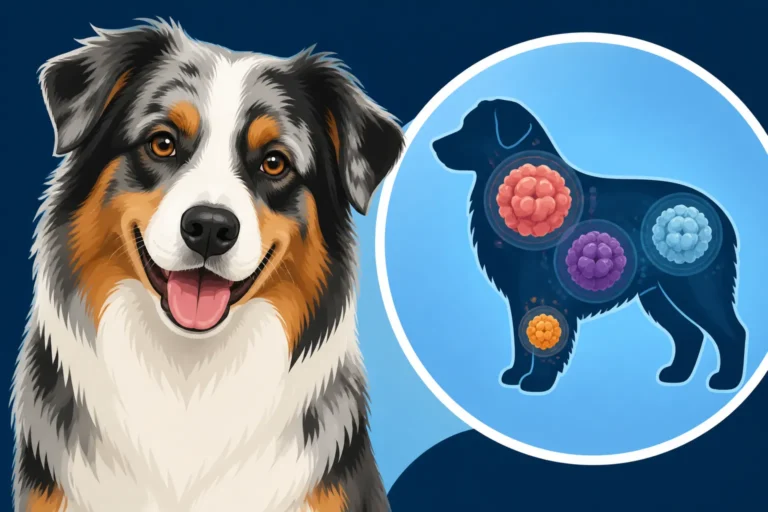
It can be incredibly frustrating to see your usually vibrant Australian Shepherd become sluggish, gain weight despite no change in diet, or start losing their beautiful coat without a clear reason. These subtle, often confusing shifts can leave you wondering what’s going on, and for many Aussie parents, the culprit can be a condition called autoimmune thyroiditis. This guide will walk you through what this disease is, why it affects our beloved Aussies, how to spot the signs, and what you can do to manage it, helping your companion reclaim their joyful, energetic self.
Understanding Autoimmune Thyroiditis in Australian Shepherds
Watching your Australian Shepherd, a breed known for its boundless energy and stunning coat, start to slow down or look less vibrant can be truly disheartening. You might chalk it up to age or just a "phase," but sometimes, these changes are whispers of a deeper, underlying health issue. Autoimmune thyroiditis is one such condition that can subtly creep into an Aussie's life, turning their world, and yours, upside down.
What is Autoimmune Thyroiditis?
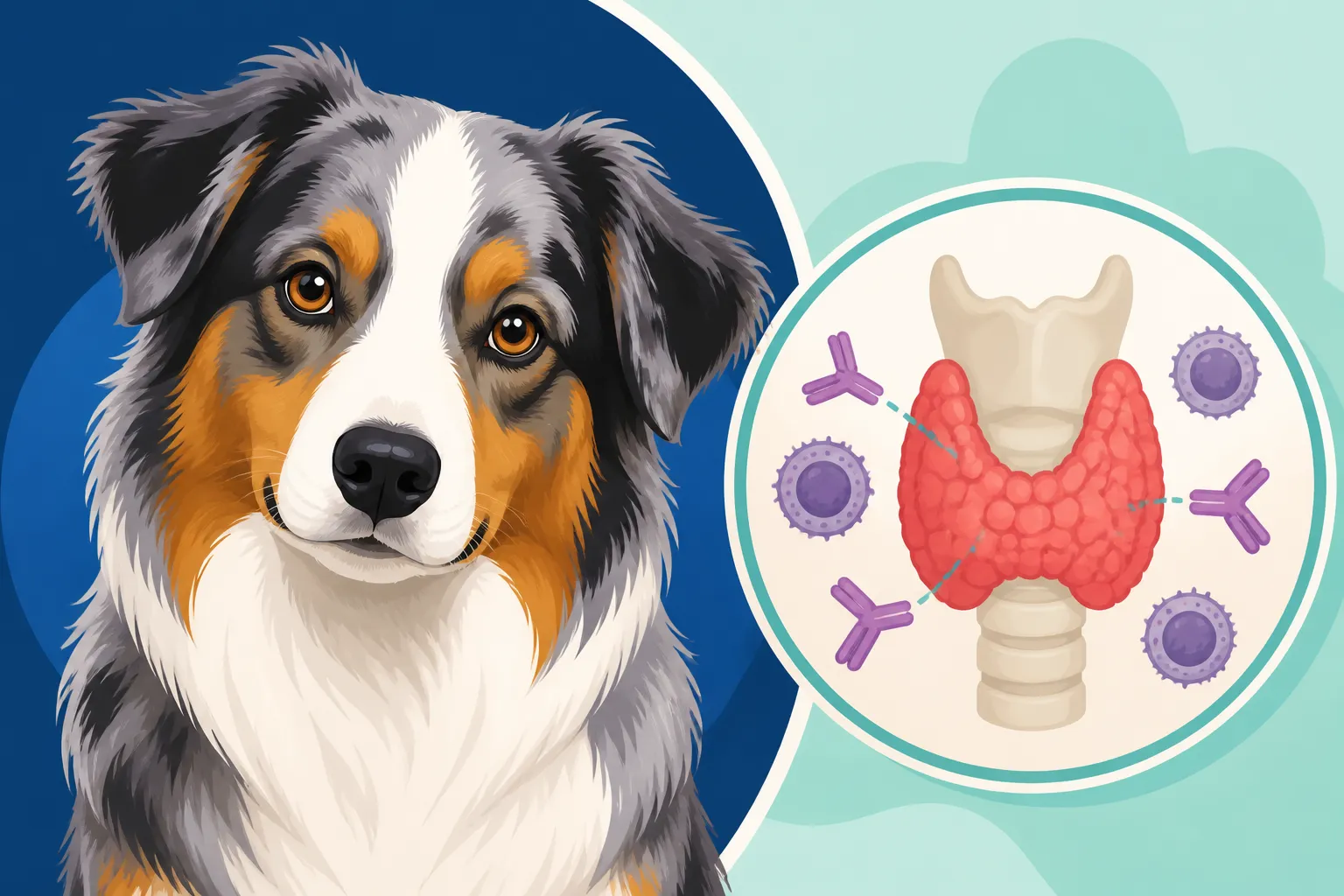
At its core, autoimmune thyroiditis is a condition where your dog's own immune system, which is supposed to protect them from harm, mistakenly attacks their thyroid gland. Think of the thyroid as the master controller for your dog’s metabolism. Located in the neck, this small but mighty gland produces hormones (primarily T3 and T4) that regulate almost every function in the body, from energy levels and body temperature to skin health and heart rate.
When the immune system launches an assault on the thyroid, it causes inflammation and gradually destroys the thyroid tissue. Over time, this damage reduces the gland's ability to produce enough thyroid hormones, leading to a state of hypothyroidism. It’s not an overnight process; it's a slow, insidious decline, which is why the symptoms can be so vague and easily missed in the early stages. Imagine trying to drive a car with a slowly depleting fuel tank – everything just gets less efficient until it barely moves. That’s a bit like what happens to an Aussie with untreated autoimmune thyroiditis.
Why Are Australian Shepherds Prone to It?
It's a tough pill to swallow, but our intelligent and hardworking Australian Shepherds are simply more genetically predisposed to autoimmune thyroiditis than many other breeds. While the exact genetic markers are still being researched and aren't fully understood, it's clear that there's a hereditary component at play. Other breeds like Golden Retrievers, Doberman Pinschers, and Great Danes also show higher incidences, but Aussies are definitely on the list.
It's thought that certain genetic lines carry genes that make the immune system more likely to malfunction and target the thyroid. This isn't something a breeder intentionally passes on, but rather a complex genetic lottery. It’s also important to note that while some dogs may carry the genetic predisposition, not all of them will develop the full-blown disease. Environmental factors might also play a role in triggering the condition in genetically susceptible individuals, though this is an area of ongoing study. For those of us who adore Aussies, it means we need to be extra vigilant and aware of this potential health challenge. This is one of the reasons that The Genetic Panel Every Australian Shepherd Needs is so vital for future health.
The Silent Onset and Subtle Symptoms
One of the most frustrating aspects of autoimmune thyroiditis is its quiet nature. Unlike an acute injury or a sudden illness, the symptoms often develop so gradually that they can be easily dismissed or attributed to other things. Your Aussie might just seem "a little less bouncy" or "a bit more sleepy" than usual. You might notice their coat seems duller or that they're shedding more, but then again, Aussies are champions of shedding, so it might not immediately raise a red flag.
This slow creep makes it hard to pinpoint when things truly started going awry. It’s not uncommon for owners to reflect back and realize that certain changes, which they thought were normal aging or seasonal shifts, were actually early indicators of thyroid issues. Because the thyroid hormones affect so many body systems, the symptoms can be diverse and mimic a host of other health problems, leading to a frustrating diagnostic journey for both you and your vet. This highlights the importance of keeping detailed records of your Aussie's behavior and physical changes.
Recognizing the Signs of Hypothyroidism in Your Aussie
So, how do you sift through the everyday quirks and energy fluctuations of an Australian Shepherd to recognize something more serious? It takes a keen eye and a good understanding of what your individual dog's "normal" looks like. Since thyroiditis often leads to hypothyroidism, knowing the tell-tale signs of low thyroid function is crucial.
Common Physical Manifestations
When the body isn't getting enough thyroid hormone, many processes slow down, and this often manifests quite visibly. One of the most common complaints from Aussie parents is changes in their dog’s coat and skin.
- Dull, Dry, or Brittle Coat: That vibrant, luxurious double coat your Aussie usually sports might start to look dull, dry, and even brittle. It loses its sheen and feels coarser to the touch.
- Excessive Shedding or Hair Loss: While Aussies are known for their spectacular shedding during Twice-Yearly Coat Blow in an Australian Shepherd, with hypothyroidism, the shedding can become persistent, excessive, or lead to noticeable thinning or bald patches, especially on the flanks, tail, and bridge of the nose. Often, the hair that does grow back is thin and sparse.
- "Rat Tail" Appearance: The tail can sometimes lose its feathery quality, appearing thin and bare, often referred to as a "rat tail."
- Thickened or Hyperpigmented Skin: The skin itself might become dry, flaky, and sometimes thickened, particularly in areas of hair loss. In some cases, it can develop hyperpigmentation, appearing darker or blackish.
- Weight Gain: This is a big one. Even if your Aussie is getting the same amount of exercise and food, they might start packing on the pounds. This is because a low thyroid slows down their metabolism, making it harder for them to burn calories efficiently. It can feel really unfair when you're diligently Keeping a Working Australian Shepherd Lean and they're still gaining.
- Cold Intolerance: Since thyroid hormones help regulate body temperature, an Aussie with hypothyroidism might become unusually sensitive to cold. They might seek out warm spots, shiver more, or seem uncomfortable in temperatures they once tolerated easily.
- Lethargy and Weakness: The energetic, always-on-the-go Aussie might suddenly seem to lose their spark. They might be less enthusiastic about walks, playtime, or even just getting up from a nap. This isn't just "laziness"; it's a genuine lack of energy.
Behavioral and Energetic Changes
Beyond the physical, hypothyroidism can also impact your Aussie's demeanor and mental state. These changes can be particularly distressing because they affect the very personality you cherish.
- Lethargy and Mental Dullness: This goes hand-in-hand with physical lethargy. Your Aussie might seem less engaged, slower to respond to commands, or generally "out of it." Their usual sharp intelligence might seem dimmed.
- Increased Sleeping: They might sleep more during the day, or just seem less alert even when awake.
- Mood Shifts and Irritability: While less common, some dogs with hypothyroidism can become irritable, withdrawn, or even show signs of aggression due to feeling unwell or simply "off." Their typical eager-to-please nature might be overshadowed by a general grumpiness.
- Lack of Interest in Activities: The dog that once lived for a game of fetch or a long hike might suddenly show little interest. Their high The Australian Shepherd Herding Drive You Cannot Train Out might seem to diminish, and they might prefer to just lie around rather than engage in mental or physical stimulation.
It's crucial to remember that these symptoms can overlap with other conditions, including Senior Australian Shepherd Care After Ten or other autoimmune diseases. That's why careful observation and a vet visit are so important.
When to Consult Your Vet
If you're noticing any of these changes in your Australian Shepherd, especially a combination of them, it's time to make an appointment with your veterinarian. Don't wait until the symptoms are severe. Early detection can make a significant difference in managing the condition and improving your dog's quality of life.
When you go to the vet, be prepared to discuss:
- A detailed history of symptoms: When did you first notice changes? How have they progressed?
- Your Aussie's diet and exercise routine: Any recent changes?
- Any other medications or supplements your dog is on.
- Any recent stressors or changes in their environment.
Your vet will conduct a thorough physical examination and likely recommend blood tests to check thyroid hormone levels. This initial step is critical in unraveling the mystery behind your Aussie's changing health.
Diagnosing and Managing Australian Shepherd Autoimmune Thyroiditis
Getting a diagnosis can feel like a relief because it finally puts a name to what you've been seeing, but it also brings questions about treatment and long-term care. Rest assured, autoimmune thyroiditis is a manageable condition, and with the right approach, your Aussie can still live a wonderful, full life.
The Diagnostic Process
Diagnosing autoimmune thyroiditis, specifically the resulting hypothyroidism, usually involves a combination of your vet's clinical assessment and specific blood tests.
- Clinical Signs: Your vet will consider all the symptoms you’ve reported, combined with their own physical examination findings (e.g., assessing coat quality, body condition, palpating the thyroid area).
- Initial Thyroid Screening: The first step is typically a blood test to measure the levels of total T4 (thyroxine) and sometimes free T4. Low levels of these hormones are highly suggestive of hypothyroidism. However, these basic tests can sometimes be influenced by other illnesses (a phenomenon called "euthyroid sick syndrome"), so further testing is often needed.
- Comprehensive Thyroid Panel: To confirm autoimmune thyroiditis specifically, your vet will likely recommend a full thyroid panel, often sent to a specialized veterinary diagnostic lab. This panel usually includes:
- Total T4 (TT4) and Free T4 (fT4): Measures the primary thyroid hormones. Free T4 is considered a more accurate indicator as it's not affected by protein binding in the blood.
- TSH (Thyroid-Stimulating Hormone): In most cases of primary hypothyroidism, the pituitary gland tries to stimulate the underperforming thyroid, so TSH levels will be elevated.
- Thyroglobulin Autoantibodies (TgAA): This is the key marker for autoimmune thyroiditis. If these antibodies are present, it confirms that your dog's immune system is attacking its own thyroid gland. A positive TgAA result, even with normal thyroid hormone levels, indicates that the autoimmune process is underway, and clinical hypothyroidism may develop in the future. This is a crucial distinction and helps pinpoint the specific cause of the hypothyroidism.
It's really important that your vet specifically tests for these autoantibodies to differentiate autoimmune thyroiditis from other, less common causes of low thyroid function. This comprehensive approach ensures an accurate diagnosis and appropriate treatment plan. For more general advice, you might find information on Australian Shepherd Autoimmune Disease helpful.
Treatment Options and Lifelong Management
The good news is that autoimmune thyroiditis, once diagnosed, is highly treatable. The standard treatment is lifelong thyroid hormone replacement therapy, usually in the form of a synthetic hormone called levothyroxine.
- Levothyroxine (Synthetic Thyroid Hormone): This medication replaces the hormones your Aussie’s thyroid gland is no longer producing sufficiently. It’s typically given orally, once or twice a day. The dosage is carefully calculated based on your dog's weight and the severity of their condition.
- Initial Monitoring: After starting medication, your vet will want to recheck your Aussie's thyroid hormone levels regularly, usually every 4-8 weeks, until the correct dosage is established and their levels are consistently within the normal range. This might involve Bloodwork Costs for an Aussie on Phenobarbital or other medications, so be prepared for a few follow-up visits.
- Long-term Monitoring: Once stable, your dog will still need regular blood tests, typically every 6-12 months, to ensure the dosage remains appropriate. Factors like weight changes, other medications, or even age can affect the required dosage over time.
- Patience is Key: You might start to see improvements in your Aussie's energy levels within a few weeks, but changes in their coat and skin can take several months to fully resolve. Don't get discouraged if the improvements aren't instant; consistency with medication is vital.
It’s crucial to never abruptly stop or change your dog’s levothyroxine dosage without consulting your vet. This is a lifelong commitment, but one that allows your Aussie to return to a vibrant, healthy life.
Living a Full Life with Thyroiditis
A diagnosis of autoimmune thyroiditis is certainly a serious one, but it doesn't mean a diminished life for your Australian Shepherd. With consistent medication and regular veterinary check-ups, most Aussies with this condition can lead perfectly normal, active lives.
- Prognosis: The prognosis for dogs with autoimmune thyroiditis and proper treatment is excellent. They can maintain good health and a normal lifespan. The key is adherence to the treatment plan.
- Ongoing Care: Beyond medication, focus on a balanced diet, appropriate exercise (which your Aussie will likely regain enthusiasm for!), and regular grooming to support their coat and skin health. Continue to observe your dog for any returning symptoms, which could indicate a need for a dosage adjustment.
- Quality of Life: Many owners report a dramatic improvement in their dog's energy, personality, and overall well-being once they are on the correct thyroid medication. Your playful, intelligent Aussie will likely resurface, much to your delight!
It's a journey, but one where you and your vet are partners in keeping your Australian Shepherd happy and healthy.
Proactive Steps and Breeder Responsibility
While you can't completely prevent autoimmune thyroiditis in a genetically predisposed breed like the Australian Shepherd, you can take proactive steps to mitigate risks and make informed decisions. This includes being diligent about genetic health and understanding the role of veterinary care and insurance.
Genetic Testing and Health Screening
When considering an Australian Shepherd puppy, or even if you already own one, understanding their genetic background and health screenings is paramount.
- OFA/CHIC Programs: The Orthopedic Foundation for Animals (OFA) maintains a Canine Health Information Center (CHIC) database. This program provides a standardized method for collecting and centralizing health screening results for specific breeds. For Australian Shepherds, a CHIC number requires testing for hip and elbow dysplasia, eye diseases (CERF/OFA Eye Certification), and the MDR1 mutation. While thyroid testing isn't required for a CHIC number for Aussies, it is recommended. Reputable breeders will often include it.
- Thyroid Screening for Breeding Animals: Responsible breeders will have their breeding dogs screened for thyroid function, often with a comprehensive thyroid panel including TgAA (Thyroglobulin Autoantibody) testing. This is typically done annually. Identifying dogs with autoimmune thyroiditis, or those that are positive for TgAA (meaning they have the antibodies, even if not yet hypothyroid), helps breeders make informed decisions to avoid perpetuating the condition in future generations.
- Understanding Results: Don't just look for "clear." Understand what the results mean. A dog that is "TgAA positive" should ideally not be bred, or at least only bred to a TgAA negative partner with careful consideration and counseling from a veterinary geneticist. This is part of the broader effort to breed away from complex genetic conditions like Australian Shepherd Epilepsy Starting Between One and Five.
What to Ask Your Breeder
Choosing a puppy from a responsible breeder is one of the most powerful ways to reduce the risk of genetic health issues, including autoimmune thyroiditis. Don't be shy about asking direct questions:
- "What health clearances do the parents have?" Specifically ask about thyroid testing, including TgAA results, for both the sire and dam. They should be able to provide documentation, not just verbal assurances.
- "How often do you screen your breeding dogs for thyroid function, and at what age?" Regular, annual testing is a good sign.
- "Has there been any history of autoimmune thyroiditis in your lines?" A truly honest breeder will be transparent about health challenges, as no line is perfect, but they should also be able to explain how they are actively working to minimize these risks.
- "What is your policy regarding genetic health guarantees?" A reputable breeder will offer a health guarantee for genetic conditions.
A breeder who is serious about the health of their dogs will welcome these questions and be eager to educate you. They should be able to provide you with a full picture of their breeding animals' health history, including results from genetic testing and health clearances like those for Australian Shepherd Hip Dysplasia and Working Joints and Collie Eye Anomaly in an Australian Shepherd.
Insurance Considerations for Chronic Conditions
Even with the most responsible breeding and diligent care, health issues can arise. Autoimmune thyroiditis, once diagnosed, is a chronic condition requiring lifelong medication. This can lead to ongoing veterinary costs for medication refills and regular monitoring blood work.
This is where pet insurance can be a real lifeline. Companies like Healthy Paws offer comprehensive policies that can cover unexpected accidents and illnesses, including chronic conditions like hypothyroidism, as long as they are not pre-existing conditions.
- Pre-Existing Conditions: It's crucial to understand that pet insurance typically does not cover pre-existing conditions. This means if your Aussie is diagnosed with thyroiditis before you enroll them in a policy, or during the policy's waiting period, the treatment for that condition may not be covered.
- Early Enrollment: The best strategy is to enroll your Australian Shepherd in a pet insurance policy when they are young and healthy. This way, if autoimmune thyroiditis (or any other chronic condition) develops later in life, the treatment costs are more likely to be covered.
- Understanding Your Policy: Always read the fine print of any insurance policy. Understand what is covered, what isn't, deductibles, reimbursement percentages, and annual limits. Healthy Paws, for example, is known for its unlimited lifetime benefits, which can be particularly beneficial for chronic conditions requiring ongoing care.
Investing in pet insurance like Healthy Paws early on can provide immense peace of mind, knowing that you're prepared for potential future health challenges and can focus on providing the best possible care for your beloved Australian Shepherd.
Here's a quick summary table of common symptoms and their connection to thyroid function:
| Symptom Category | Specific Symptom | Connection to Hypothyroidism |
|---|---|---|
| Coat & Skin | Dull, dry, brittle coat | Slowed metabolism, poor skin/hair cell regeneration |
| Excessive shedding or hair loss (flanks, tail, nose) | Hair follicles become inactive, slow regrowth | |
| Thickened, hyperpigmented skin | Decreased metabolic rate affects skin cell turnover | |
| Energy & Weight | Lethargy, decreased activity, increased sleeping | Reduced metabolism, lower energy production |
| Unexplained weight gain | Slower metabolism leads to inefficient calorie burning | |
| Behavior & Temperament | Mental dullness, slower responses, irritability | Hormonal imbalance affecting brain function |
| Reduced interest in play/work | Lack of energy, general feeling of being unwell | |
| Other | Cold intolerance | Impaired regulation of body temperature |
Disclaimer
The information provided in this article is for educational purposes only and is not intended to be a substitute for professional veterinary advice. Always consult with a qualified veterinarian for any health concerns or before making any decisions about your pet's medical care.