Judging an Aussie’s Last Working Year
It’s an agonizing moment for any Australian Shepherd owner, especially when your loyal companion has spent years by your side, living for the job. You see the subtle shifts, the hesitations, the moments where their famous drive is just a little dimmer. The heart wants to believe they can keep going forever, but the reality is, every working dog eventually reaches an age where their body and mind can no longer sustain the demands of their active career. This guide will walk you through how to sensitively and realistically judge your Aussie’s last working year, helping you make informed decisions for their comfort and dignity.
Recognizing the Early Signs of Decline in a Working Aussie
The signs your Australian Shepherd might be slowing down aren't always glaring. Often, they start as small, almost imperceptible changes that, when viewed collectively, paint a clearer picture. It’s vital to pay close attention to these subtle cues, not just to acknowledge their age, but to understand how their capabilities are shifting and how you can best support them. We're not talking about a sudden halt, but a gradual transition that can be heartbreakingly difficult to accept.
Subtle Shifts in Physical Performance
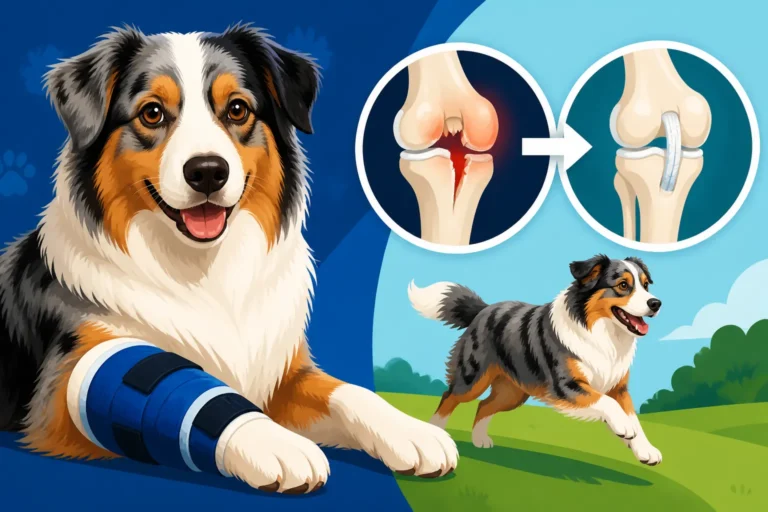
Your Aussie might still be eager to head out, but watch closely during and after their usual activities. Are they keeping up with the same intensity? Maybe they’re taking longer breaks, or appearing a bit stiff when they first get up after resting. You might notice they're not quite as quick on their turns, or their leaps aren’t as high as they used to be when retrieving a disc. This isn't about them being lazy; it's about their body telling you it's working harder to do what it once did effortlessly. For instance, a dog that used to clear a jump with ease might now brush it, or land a little awkwardly. If you typically track their times in agility or specific tasks, you might see a slight but consistent drop in speed. Pay attention to how they recover, too. A younger Aussie might bounce back in minutes, while an older one might need significantly longer to catch their breath or shake off muscle fatigue. It's often the small changes in stride, the slight limp after a long session, or a reluctance to engage in high-impact activities that signal the onset of conditions like Australian Shepherd Arthritis After Years of Work.
Changes in Mental Engagement and Drive
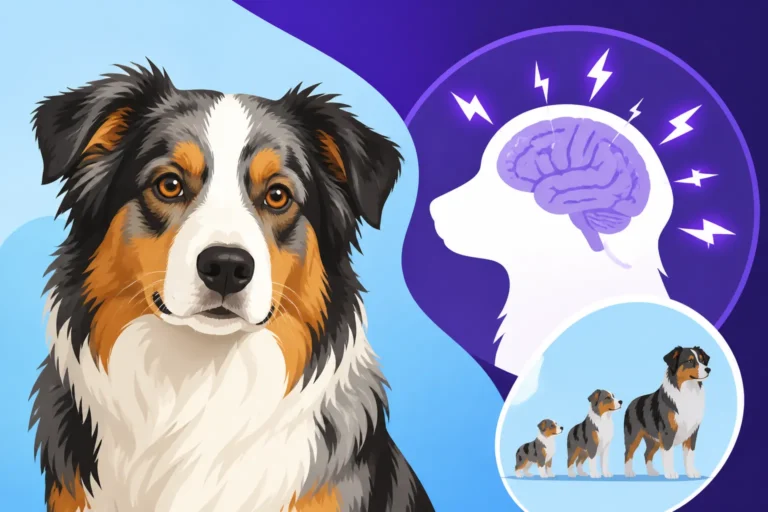
Australian Shepherds are renowned for their sharp minds and intense focus. When their mental faculties begin to wane, it can be just as impactful on their working life as physical decline. You might observe a decreased attention span, a reduced ability to follow complex commands, or simply a lack of enthusiasm for tasks they once loved. Perhaps your dog seems easily distracted or gets confused by new or slightly varied routines. Think about the intricate patterns of herding or the quick problem-solving required in advanced obedience. If your Aussie is taking longer to process instructions, or staring blankly where they once would have anticipated your next move, it's a significant indicator. They might still show up to the start line, but the fire in their eyes might have dimmed, or they might make errors they never used to. This isn't a reflection of their training, but a natural part of aging, impacting their cognitive function and their legendary drive. This mental slowing can be just as heartbreaking to witness as physical limitations, because it strikes at the core of their working identity.
Assessing Physical and Mental Readiness for Work
Once you've noticed the early signs, it's time to take a more objective look at your Aussie’s overall readiness. This isn't about pushing them past their limits, but understanding what those current limits truly are. It involves a combination of veterinary assessment, careful observation, and honest self-reflection about their quality of life.
Comprehensive Veterinary Check-ups and Diagnostics
Your veterinarian is your most important partner in this process. Schedule a thorough senior check-up, specifically discussing your observations and your concerns about their working capacity. This isn't just a routine vaccine visit; it should be an in-depth assessment that includes blood work, urinalysis, and possibly imaging like X-rays to check joint health. Your vet can look for underlying conditions such as Australian Shepherd Hip Dysplasia and Working Joints that might be causing pain or discomfort, even if it's not overtly obvious to you. They can also screen for issues like Australian Shepherd Cancer Risks With Age or early signs of organ decline. Discuss potential pain management strategies, whether through medication, supplements, or physical therapy. Having a pet insurance policy like Healthy Paws can be incredibly helpful here, as diagnostic tests and ongoing treatments for age-related conditions can add up quickly. They can provide a baseline for your Aussie’s current health, helping you differentiate between a temporary setback and a permanent decline. Remember, early detection of issues can often lead to better management and a higher quality of life for your aging companion.
| Area of Assessment | Signs of Concern | Veterinary Diagnostics | Potential Impact on Work |
|---|---|---|---|
| Mobility/Joints | Stiffness after rest, reluctance to jump/climb, limping, decreased agility, favoring limbs, difficulty rising. | X-rays (hips, elbows, spine), physical exam, gait analysis. | Impaired speed, agility, endurance; pain during movement; increased injury risk. |
| Stamina/Energy | Fatigues quickly, takes longer to recover, reduced enthusiasm for exercise, less playfulness. | Blood tests (thyroid, organ function), cardiovascular check, nutritional assessment. | Decreased ability to sustain prolonged activity; inability to complete full work sessions. |
| Cognition/Focus | Confusion, easily distracted, slower learning, difficulty remembering commands, staring into space, changed interaction. | Neurological exam, behavioral assessment, ruling out other medical causes. | Reduced ability to learn new tasks, follow complex sequences, maintain focus under pressure. |
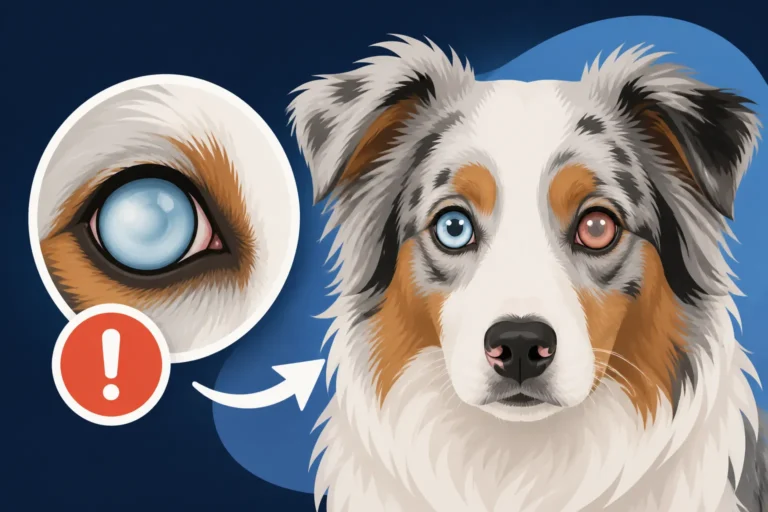
| Senses (Sight/Hearing) | Bumping into objects, hesitation in dimly lit areas, not responding to familiar sounds, startle response. | Ophthalmic exam, BAER test for hearing, neurological assessment. | Difficulty navigating obstacles, following hand signals/verbal cues, working in varying environments. |
| Overall Comfort | Increased panting, restlessness, changes in appetite/thirst, excessive licking of joints, behavioral changes (irritability). | Full physical exam, blood work, pain assessment, medication trial. | Reduced enjoyment of work; potential for snapping/aggression due to pain; general malaise. |
Observing Their Enthusiasm and Recovery
Beyond the clinical assessments, your daily observations are paramount. Does your Aussie still want to work? Do their eyes light up when you grab the lead or the herding stick? Or do they seem to go through the motions, lacking their usual zest? Watch how they recover after a session. Are they stiff and sore for days after what used to be a standard workday? Do they seem genuinely tired and depleted, rather than pleasantly fatigued? For example, a dog that used to love a two-hour hike and be ready for more the next day might now be lethargic for a full day or two afterward. This isn't just about physical recovery; it's about their mental and emotional bounce-back. A healthy working dog finds joy and fulfillment in their tasks. If that joy is diminishing, or if the recovery period becomes disproportionately long and uncomfortable, it’s a strong signal. Take notes on these observations. Document specific instances where their performance, enthusiasm, or recovery time has noticeably changed. These records will be invaluable when discussing your concerns with your vet or making your final decision. You might even consult resources like An Aussie Refusing Work It Used to Love for additional insights.
Making the Difficult Decision: When to Retire Your Aussie
This is arguably the hardest part of being a working dog owner. It’s a decision fraught with emotion, guilt, and the profound love you have for your companion. There’s no single right answer, but a framework can help you navigate this transition with compassion and clarity.
Prioritizing Quality of Life Over Performance
At some point, the scales will tip. The joy and fulfillment your Aussie gets from working might be outweighed by the discomfort, pain, or sheer exhaustion it causes them. Your dog's quality of life must become the paramount consideration. This means honestly asking yourself: "Is my dog truly happy and comfortable doing this work, or are they doing it because they feel they have to, or because I want them to?" A dog that is constantly stiff, in pain, or showing signs of mental confusion is no longer truly thriving in a working role. Think about what a good day looks like for them versus a bad day. If bad days are becoming more frequent, or if they struggle with basic movements like getting up or down, it’s a clear sign. It’s not about their ability to perform a specific trick or task, but their overall well-being. This might mean adjusting their routine to lower impact activities, or transitioning them into a full retirement. It's an act of love to recognize when their working days should conclude, allowing them to enjoy their golden years free from the pressure and physical demands of their former career. You might find guidance in articles like Retiring an Australian Shepherd From Work when considering this path.
Creating a Transition Plan for Retirement
Retiring a working Australian Shepherd isn't like flipping a switch; it's a gradual process. These dogs are purpose-driven, and a sudden cessation of all activity can lead to confusion, anxiety, or even behavioral issues. Start by gradually reducing the intensity and duration of their working sessions. Introduce more leisure activities that are gentler on their body but still engage their mind. Think about scent work, puzzle toys, shorter, slower sniff walks, or gentle tug games rather than high-impact agility. These activities provide mental stimulation without the physical strain. You’ll want to replace their working routine with new, fulfilling activities to keep their brilliant minds busy. For an Aussie that used to herd sheep, perhaps a flirt pole or a large herding ball in the yard can still provide some of that innate satisfaction.
This transition should be accompanied by ongoing vet support. Your vet might suggest specific joint supplements, anti-inflammatory medications, or a special diet for senior dogs. Ensure their nutrition is adjusted to their lower activity level to prevent unwanted weight gain, which can exacerbate joint problems. A conversation about Senior Australian Shepherd Care After Ten with your veterinarian can help tailor a plan specific to your dog's needs. Remember, a retired Aussie still needs to feel valued and have a purpose, even if that purpose is now simply to be your cherished companion and a beloved family member. This transition can be challenging for both of you, but with thoughtful planning, you can ensure their golden years are as rich and happy as their working ones. For advice on when the very hardest decisions need to be made, articles such as Deciding for an Australian Shepherd at Fourteen can offer a compassionate perspective.
Supporting Your Aussie Through Its Retirement Year
Retirement isn't an end; it's a new chapter. Your Australian Shepherd still has so much love to give and joy to find, even if their days of high-octane work are behind them. Your role now shifts from handler to caregiver, ensuring their comfort, happiness, and continued mental engagement.
Adapting Exercise and Mental Stimulation
While the intense demands of their working life are over, your retired Aussie still needs appropriate exercise and mental stimulation. This isn't just to keep them physically healthy, but to satisfy their innate intelligence and drive. Instead of long, strenuous runs, opt for multiple shorter, gentler walks throughout the day. Focus on "sniffaris" where they can explore scents at their own pace, engaging their powerful noses. Low-impact activities like swimming (if they enjoy it and it’s safe for their joints) can be excellent. Mental games become even more important. Interactive puzzle toys, teaching new, simple tricks, or even just regular training sessions focusing on foundational obedience can keep their minds sharp and engaged. Consider starting them on some relaxed scent work games in the yard or house, which can be incredibly fulfilling without being physically taxing. Regular, gentle stretching and massage can also help soothe An Aussie Stiff After a Career in Agility or other demanding work. The goal is to keep them active and engaged in a way that respects their aging body, turning energy into contentment rather than frustration.
Monitoring Health and Providing Comfort
As your Aussie moves into their retirement years, regular veterinary care becomes even more crucial. Those annual check-ups should be even more thorough, potentially including more frequent blood tests to monitor organ function, especially if they are on any long-term medications. Your vet may recommend Bloodwork Worth Running on a Senior Aussie more regularly, perhaps every six months, to catch any issues early. Watch for subtle changes in appetite, thirst, bathroom habits, or behavior, as these can be early indicators of health problems. Ensure their diet is appropriate for a senior dog, often lower in calories but still nutrient-dense to support their aging body. Soft, comfortable bedding is essential to support their joints, especially for dogs that have spent years performing high-impact activities. Consider orthopedic beds or elevated feeders to ease strain on their neck and joints. Managing any chronic pain, like arthritis, with prescribed medication and supplements is key to maintaining their comfort. This proactive approach to their health, often supported by a robust pet insurance plan like Healthy Paws, allows you to give them the best possible quality of life in their later years. You want their final years to be filled with comfort, peace, and the unconditional love they’ve always given you. Remember, the journey through The Last Months With an Australian Shepherd is a precious one, and your care ensures it's as dignified and comfortable as possible.
Disclaimer
The information provided in this article is for general informational purposes only and is not a substitute for professional veterinary advice. Always consult with a qualified veterinarian for any health concerns or before making any decisions about your Australian Shepherd's care or retirement.