Australian Shepherd Hip Surgery at $4,000 a Side
Discovering that your energetic Australian Shepherd is struggling with hip pain is truly heartbreaking. It’s a moment that can send any devoted pet parent into a spiral of worry, not just for their beloved dog's comfort and mobility, but also for the daunting financial implications. This guide is here to walk you through the various surgical options for Australian Shepherd hip dysplasia, break down the often-staggering costs, and help you understand how to navigate the road to recovery for your furry family member.
Understanding Australian Shepherd Hip Dysplasia
Hip dysplasia is a common orthopedic condition that affects many dog breeds, particularly larger, active ones like our beloved Australian Shepherds. It's a developmental disorder where the hip joint doesn't form correctly, leading to instability, pain, and eventually degenerative joint disease (osteoarthritis).
What Hip Dysplasia Means for an Aussie
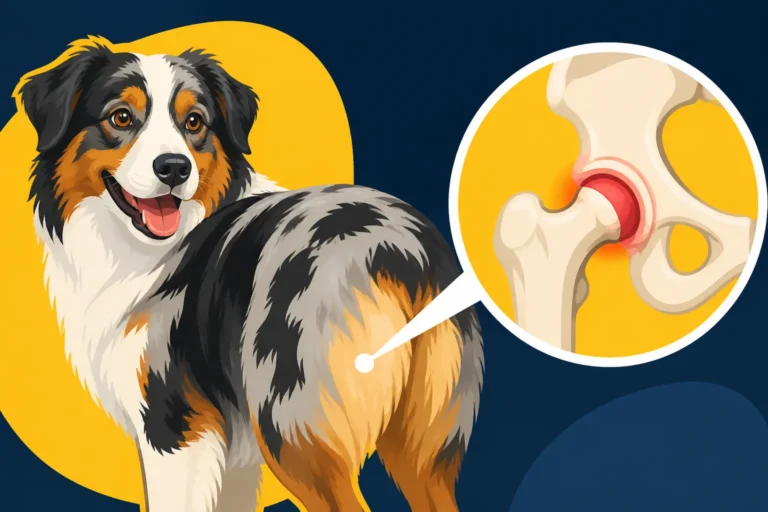
Imagine your Aussie, usually a whirlwind of motion, hesitating before jumping, walking with a subtle limp, or even "bunny hopping" up stairs – pushing off with both back legs simultaneously. These can be the painful signs of hip dysplasia, where the ball (femoral head) and socket (acetabulum) of the hip joint don't fit snugly. Instead of gliding smoothly, they rub and grind, leading to cartilage wear, inflammation, and bone spurs. For a breed known for its boundless energy and working drive, this condition isn't just an inconvenience; it can severely impact their quality of life, preventing them from engaging in the activities they love. When you think about Australian Shepherd Hip Dysplasia and Working Joints, it really puts into perspective how vital healthy hips are for these active dogs. It's not just about comfort; it's about their very identity as a capable, athletic companion.
The progression of hip dysplasia varies. Some Aussies might show symptoms as young as a few months old, while others might not exhibit noticeable signs until middle age, even if the underlying malformation has been present since puppyhood. The constant micro-trauma within the poorly formed joint leads to chronic pain and reduced mobility, which can manifest as reluctance to exercise, difficulty getting up, or a noticeable shift of weight to their front limbs. It's a cruel reality for dogs designed for movement.
Diagnosing Hip Dysplasia in Your Australian Shepherd
The diagnostic journey usually begins with a visit to your veterinarian when you notice your Aussie's mobility changing or observe signs of discomfort. Your vet will perform a thorough physical examination, manipulating your dog's hips to check for looseness, pain, and reduced range of motion. They might observe your dog walking or running to identify lameness or gait abnormalities.
However, the definitive diagnosis of hip dysplasia relies on radiographs, or X-rays. These images allow the veterinarian to visualize the hip joints and assess the degree of malformation and arthritic changes. For a comprehensive evaluation, vets often recommend specific positioning for the X-rays, such as those used in Orthopedic Foundation for Animals (OFA) or PennHIP evaluations. The OFA grading system assesses hip conformation, classifying hips as Excellent, Good, Fair, Borderline, or Dysplastic (Mild, Moderate, Severe). PennHIP, on the other hand, measures hip laxity, providing a quantitative score that indicates a dog's predisposition to developing hip dysplasia. Understanding these scores is crucial, especially if you're looking at a puppy's lineage, as detailed in our guide on Australian Shepherd Hip Dysplasia and OFA Scoring. The moment you get that diagnosis, it’s a punch to the gut. You’re left grappling with the reality that your vibrant Aussie is in pain, and a long road lies ahead.
Early diagnosis is really important. Catching the condition when your Aussie is younger can open up a wider range of surgical options, some of which are more effective before severe arthritis sets in. It also allows you to implement conservative management strategies sooner, potentially delaying or reducing the need for surgery.
Common Surgical Options for Australian Shepherd Hip Dysplasia
Once hip dysplasia is diagnosed, especially if it's causing significant pain or hindering your Aussie's mobility, surgery often becomes the most effective path to restoring comfort and function. There isn't a one-size-fits-all solution; the best surgical approach depends on your dog's age, size, the severity of the dysplasia, and the presence of any secondary arthritis.
Femoral Head Ostectomy FHO
The Femoral Head Ostectomy, or FHO, is a salvage procedure where the head and neck of the femur (thigh bone) are surgically removed. Instead of a ball-and-socket joint, the body forms a "false joint" made of scar tissue. This eliminates the painful bone-on-bone rubbing that occurs in a dysplastic hip, and while it doesn't restore a perfectly normal hip, it can significantly alleviate pain and improve mobility.
FHO is often recommended for smaller dogs (typically under 50-60 pounds) because their lighter body weight places less stress on the new false joint, leading to better functional outcomes. However, it can also be a viable option for larger Aussies if a Total Hip Replacement (THR) is not financially feasible, or if other health conditions make THR too risky. Recovery from an FHO involves a period of controlled exercise, followed by gradual increase in activity, and often requires extensive physical rehabilitation to build muscle mass and promote proper scar tissue formation. The goal is pain-free function, even if some range of motion might be compromised. The cost is generally lower than a full hip replacement, making it a more accessible option for many families facing this difficult decision.
Total Hip Replacement THR
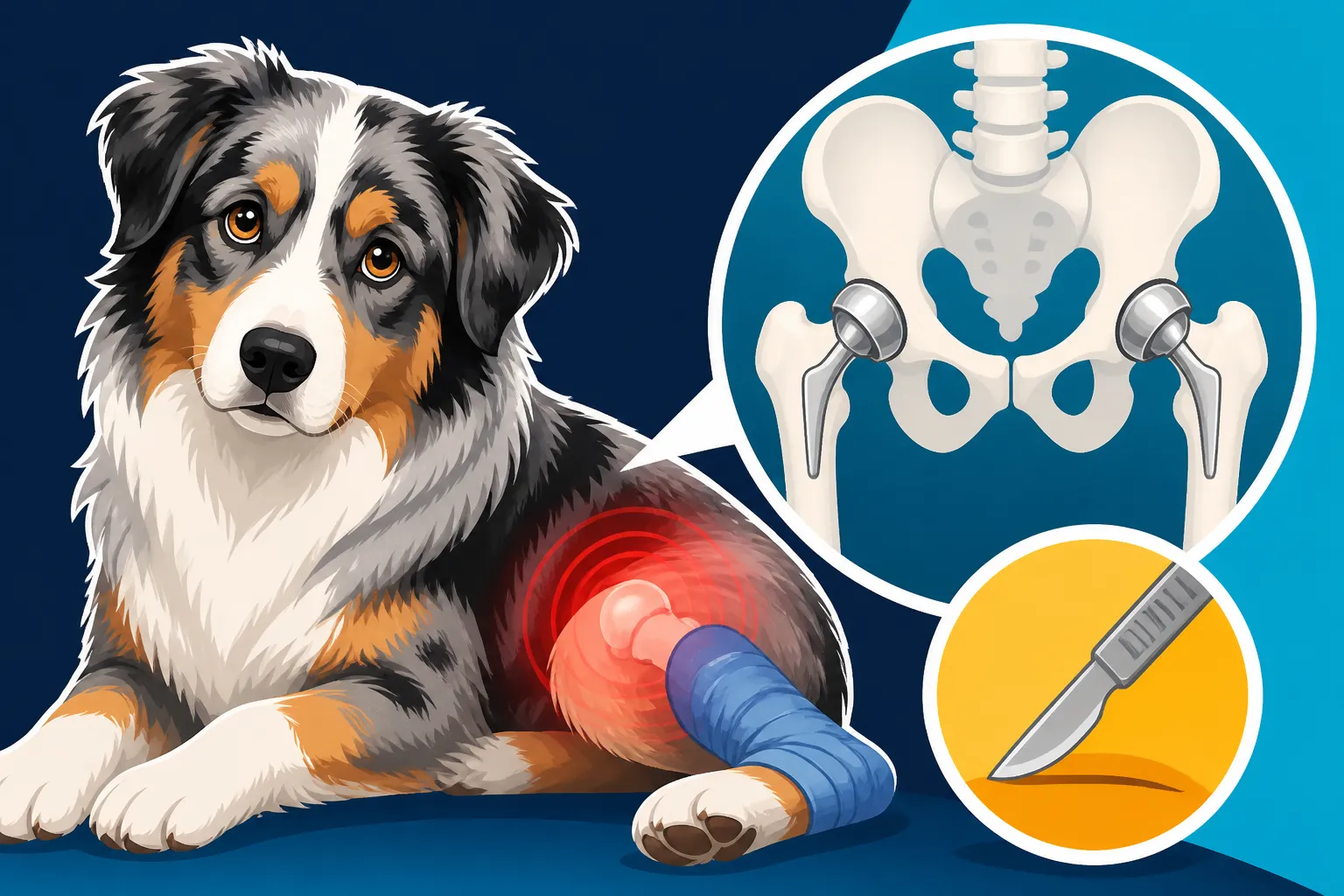
Total Hip Replacement (THR) is considered the gold standard for treating severe hip dysplasia in dogs. This sophisticated procedure involves replacing both the damaged ball (femoral head) and socket (acetabulum) components of the hip joint with prosthetic implants, typically made of medical-grade metal and plastic. The goal of THR is to restore normal, pain-free hip function, allowing dogs to return to a high level of activity, often without any noticeable lameness.
THR is an intricate surgery, usually performed by board-certified veterinary orthopedic surgeons. It boasts a high success rate, with many Aussies achieving excellent results and regaining full mobility, even returning to performance sports. However, the complexity of the surgery, the specialized implants, and the extensive post-operative care required make it the most expensive surgical option. Candidates for THR are typically larger, active dogs with severe, debilitating hip dysplasia, where preserving function and eliminating pain are paramount. The recovery process is intensive, requiring strict confinement initially, followed by a structured rehabilitation program to strengthen muscles and ensure the implants integrate properly with the bone.
Triple Pelvic Ostectomy TPO / Juvenile Pubic Symphysiodesis JPS
These two procedures, Triple Pelvic Ostectomy (TPO) and Juvenile Pubic Symphysiodesis (JPS), are unique because they are primarily preventative surgeries, performed on young dogs before significant arthritis develops. They aim to improve the fit of the hip joint while the dog is still growing.
Triple Pelvic Ostectomy (TPO) involves making three cuts in the pelvic bone and rotating the segment containing the hip socket (acetabulum) to improve coverage of the femoral head. This increases the stability of the joint and helps prevent further damage. TPO is typically performed on puppies between 5 and 10 months of age, before the growth plates close and before severe degenerative changes occur. It requires careful patient selection, as only dogs with good femoral head conformation and minimal existing arthritis are good candidates. The recovery involves strict rest and rehabilitation, similar to other major orthopedic surgeries.
Juvenile Pubic Symphysiodesis (JPS) is an even earlier intervention, performed on very young puppies, typically between 12 and 20 weeks of age (around 3 to 5 months), while their pubic growth plate is still active. This minimally invasive procedure involves surgically fusing a small part of the pubic bone, which encourages the remaining parts of the pelvis to grow in a way that rotates the hip sockets outward. This rotation increases the coverage of the femoral heads, improving hip stability. Because it’s performed on such young puppies, JPS is less invasive and has a faster recovery than TPO or THR. However, its effectiveness is highly dependent on timing – it must be done before the specific growth plates close. Both TPO and JPS are fascinating examples of how veterinarians can proactively address hip dysplasia, offering a chance to mitigate severe issues later in an Aussie's life.
Breaking Down the Costs of Australian Shepherd Hip Surgery
The sticker shock associated with Australian Shepherd hip surgery is a real source of anxiety for many owners. It’s not just a single, static price; rather, it’s a complex calculation influenced by numerous factors. Understanding these variables can help you prepare for the financial commitment ahead.
Factors Influencing the Price Tag
The cost of your Aussie's hip surgery isn't set in stone; it's a dynamic figure that fluctuates based on several key elements:
Firstly, geographic location plays a huge role. Veterinary costs, just like human medical costs, can vary dramatically between states, cities, and even different clinics within the same metropolitan area. A surgery performed in a major urban center like Los Angeles or New York City will likely be more expensive than one in a rural area.
Secondly, the severity of the dysplasia and whether one or both hips are affected significantly impacts the price. If your Aussie needs surgery on both hips, remember that costs are typically quoted per hip, meaning you could be looking at double the expense. The complexity of the damage, including the presence of advanced arthritis, can also add to the surgical time and resources needed.
The type of surgery chosen is arguably the biggest cost driver. As discussed, FHO is generally less expensive than TPO/JPS, and both are significantly less than a Total Hip Replacement (THR). A THR, with its specialized implants and highly technical procedure, sits at the top of the cost spectrum.
Additionally, whether the surgery is performed by a specialist veterinary orthopedic surgeon versus a general practitioner can affect the price. For procedures like THR, a board-certified specialist is almost always required, and their expertise comes with a higher fee. Pre-operative diagnostics, such as extensive bloodwork, additional X-rays, or even advanced imaging like CT scans or MRIs to get a complete picture, also contribute to the initial bill. Finally, the post-operative care, including pain medications, physical therapy, and follow-up examinations, are all part of the total cost. It truly can be a significant investment, especially when you realize that "$4,000 a side" for THR often means $8,000 total if both hips are affected.
Estimated Cost Ranges for Each Procedure
To give you a clearer picture, here are estimated cost ranges for the primary hip surgeries for Australian Shepherds. Keep in mind these are approximations and can vary widely:
- Femoral Head Ostectomy (FHO): This procedure typically ranges from $1,200 to $3,000 per hip. It’s generally the most budget-friendly surgical option, but the outcome in larger, more active Aussies might not be as functionally complete as a THR.
- Triple Pelvic Ostectomy (TPO): For younger dogs suitable for this preventative surgery, the cost is usually between $2,500 and $4,500 per hip.
- Juvenile Pubic Symphysiodesis (JPS): As a less invasive procedure for very young puppies, JPS often falls in the range of $800 to $2,000. Note that this is typically a single procedure, not usually "per hip" in the same way, as it affects the overall pelvic structure early on.
- Total Hip Replacement (THR): This is the most expensive option, with costs ranging from $4,000 to $8,000+ per hip. If your Aussie requires bilateral THR, meaning both hips are replaced, you could be looking at a total bill of $8,000 to $16,000 or more.
Here's a quick summary table:
| Procedure | Estimated Cost Range (Per Hip) | Notes |
|---|---|---|
| Femoral Head Ostectomy (FHO) | $1,200 – $3,000 | Salvage procedure, generally for smaller dogs or when THR is not an option. |
| Triple Pelvic Ostectomy (TPO) | $2,500 – $4,500 | Preventative, for young dogs (5-10 months) before severe arthritis. |
| Juvenile Pubic Symphysiodesis (JPS) | $800 – $2,000 | Preventative, for very young puppies (3-5 months), less invasive. |
| Total Hip Replacement (THR) | $4,000 – $8,000+ | Gold standard, restores near-normal function, highest cost. |
Hidden or Additional Costs to Budget For
Beyond the quoted surgical fee, there are numerous "hidden" costs that can quickly add up, and it’s important to budget for them to avoid unpleasant surprises.
- Pre-operative Diagnostics: Before surgery, your Aussie will need a complete workup. This includes bloodwork to ensure they are healthy enough for anesthesia, an ECG to check heart function, and potentially more advanced imaging if the initial X-rays aren't clear enough. These can add several hundred to over a thousand dollars to your bill.
- Anesthesia Monitoring: While often included in the surgical fee, sophisticated anesthesia monitoring is crucial for your dog's safety and involves specialized equipment and personnel.
- Pain Management Medication: Post-surgery, your Aussie will need a regimen of pain relievers and anti-inflammatory drugs for weeks, possibly months. These prescriptions, while essential for comfort and healing, represent an ongoing cost.
- Physical Rehabilitation: This is not an optional extra; it's critical for a successful outcome, especially after THR or FHO. Rehabilitation can include hydrotherapy (underwater treadmill), therapeutic exercises, laser therapy, massage, and cryotherapy. A full course of rehab can easily add hundreds to thousands of dollars to the total cost. Think about it: strengthening the muscles around the new joint or developing a functional false joint after FHO requires consistent, professional guidance.
- Specialized Diets or Supplements: During recovery, your vet might recommend specific joint-supportive diets or supplements. While brands like Chewy offer a wide range of options, and Ollie can provide fresh, balanced meals, these additions still contribute to your monthly expenses.
- Post-operative Re-check Appointments and X-rays: You'll need multiple follow-up visits with your vet or surgeon, often including repeat X-rays to monitor healing and implant stability.
- Emergency Complications: While rare, complications like infection, implant failure (in THR), or delayed healing can occur, leading to additional vet visits, medications, or even revision surgery, significantly increasing costs.
It’s truly a marathon, not a sprint, when it comes to the financial commitment for hip surgery.
Financing and Managing Australian Shepherd Hip Surgery Bills
Facing a multi-thousand-dollar veterinary bill for your beloved Australian Shepherd can feel overwhelming. However, there are several avenues to explore to help manage these significant expenses and ensure your Aussie gets the care they need.
The Lifeline of Pet Insurance
Pet insurance can be an absolute lifesaver when it comes to unexpected and costly veterinary procedures like hip surgery. The crucial caveat, however, is that you must have it in place before any signs or diagnosis of hip dysplasia emerge. Almost all pet insurance providers consider hip dysplasia a pre-existing condition if it's diagnosed or suspected before enrollment or during the waiting period. If it's deemed pre-existing, it generally won't be covered.
Understanding how pet insurance policies work is key. Most plans involve a deductible (the amount you pay out-of-pocket before coverage kicks in), a reimbursement rate (the percentage of the vet bill the insurance company pays, usually 70-90%), and an annual limit (the maximum amount the policy will pay in a year). For a major surgery like a total hip replacement, having a policy with a high reimbursement rate and a generous annual limit can make an enormous difference. Brands like Healthy Paws are known for their comprehensive coverage, often with no per-incident or lifetime limits, which can be invaluable for chronic or expensive conditions. If you're wondering about the typical monthly cost, our guide on Australian Shepherd Insurance at $35 to $55 a Month provides a good overview. Don't forget to check those waiting periods, as outlined in Hip Dysplasia Waiting Periods on an Aussie Policy, before you assume coverage is immediate. The frustration of learning your policy won't cover a condition because it's "pre-existing" is something no owner wants to experience.
Other Financial Assistance Options
If pet insurance isn't an option or doesn't cover the full cost, don't despair; there are other avenues to explore:
- Veterinary Payment Plans: Many veterinary clinics, especially larger specialty hospitals, understand the financial strain of major surgeries and offer in-house payment plans. These usually require an initial down payment, followed by installments over several months.
- Veterinary Financing Companies: Services like CareCredit or Scratchpay function like credit cards specifically for veterinary expenses. They offer low-interest or even interest-free promotional periods if the balance is paid within a certain timeframe. It's crucial to understand the terms and interest rates before committing.
- Personal Loans or Credit Cards: While not ideal, using a personal loan or a standard credit card can provide immediate funds for your Aussie's surgery. Weigh the interest rates carefully, as these can quickly add to the overall cost.
- Breed-Specific Rescues and Foundations: Some Australian Shepherd rescue organizations or breed-specific foundations might offer financial assistance programs for owners whose dogs need expensive medical care. It's worth reaching out to see if they have resources or can point you to grants.
- Crowdfunding: Platforms like GoFundMe or other pet-focused crowdfunding sites allow you to share your Aussie's story and raise funds from your community and online networks.
- Savings and Emergency Funds: This is the ideal scenario. Having a dedicated emergency fund for your pet can prevent a financial crisis when unexpected health issues arise. Consider setting aside money regularly.
Proactive Measures and Prevention
While not all cases of hip dysplasia are preventable, especially given its genetic component, proactive measures can significantly reduce the risk and severity of the condition, or at least help manage its onset.
- Responsible Breeding Practices: This is paramount. Reputable Australian Shepherd breeders are committed to improving the breed's health and will only breed dogs with excellent hip scores from OFA or PennHIP. They will proudly show you the hip certifications for both parent dogs. Our guide on The Genetic Panel Every Australian Shepherd Needs highlights the importance of comprehensive health screening. Sadly, many cases of severe hip dysplasia stem from irresponsible breeding practices.
- Proper Nutrition and Weight Management: Maintaining a lean body condition is critical. Excess weight puts enormous strain on developing and aging joints, exacerbating hip dysplasia symptoms and progression. High-quality dog food, portion control, and avoiding table scraps are key. Brands like Chewy offer a vast selection of vet-recommended diets, while Ollie can provide custom-portioned, fresh food to help maintain an ideal weight. Keep your Aussie at a healthy weight to minimize joint stress, which our article on How Weight Multiplies the Load on Aussie Joints explains in detail.
- Appropriate Exercise, Especially During Puppyhood: While Aussies are incredibly active, over-exercising a growing puppy can be detrimental to their developing joints. Avoid forced, high-impact activities like long runs, excessive jumping, or agility training until their growth plates have closed, usually around 12-18 months of age. Controlled, age-appropriate exercise is best. For signs to watch out for, check out Australian Shepherd Hip Dysplasia Symptoms Before Two.
- Supplements: Your veterinarian might recommend joint supplements such as glucosamine, chondroitin, MSM, and omega-3 fatty acids (like fish oil). These can help support cartilage health, reduce inflammation, and improve joint lubrication. Consult your vet before starting any supplements. For young working Aussies, proactive joint support is often a topic of discussion, as explored in Starting Joint Support on a Young Working Aussie.
By being proactive in these areas, you can give your Australian Shepherd the best possible chance at healthy, comfortable mobility, and potentially reduce the likelihood of costly surgical interventions down the line.
Post-Operative Care and Long-Term Recovery
The surgery itself is only half the battle. The success of your Australian Shepherd's hip surgery, whether it's an FHO or THR, relies heavily on meticulous post-operative care and a dedicated rehabilitation program. This phase can be challenging, both physically for your dog and emotionally for you, but it's absolutely crucial for optimal recovery.
Immediate Post-Surgery Home Care
Bringing your Aussie home after surgery is a critical period that demands strict adherence to your vet's instructions. Your dog will likely be groggy from anesthesia and will be experiencing pain, albeit managed by medication.
- Strict Rest and Confinement: This is non-negotiable. Your Aussie will need to be confined to a small, comfortable space – typically a crate or a small room – to prevent them from putting excessive stress on the surgical site. This might feel cruel for such an active breed, but preventing running, jumping, or rough play is vital for proper healing and to prevent complications like implant dislocation (in THR). This strict rest period can last for several weeks, gradually increasing in leash-controlled activity as directed by your surgeon.
- Medication Schedule: You'll be sent home with a cocktail of medications, usually including pain relievers, anti-inflammatories, and sometimes antibiotics. Administering these exactly as prescribed, on schedule, is paramount for managing pain and preventing infection. Don't skip doses, even if your Aussie seems to be feeling better.
- Wound Care and Incision Monitoring: You'll need to regularly check the surgical incision for any signs of infection, such as redness, swelling, discharge, or excessive licking. Keeping the incision clean and dry is important. An Elizabethan collar (cone) will likely be necessary to prevent your Aussie from licking or chewing at the stitches, which can introduce bacteria and delay healing.
- Managing Mobility and Support: Depending on the type of surgery and your dog's size, you might need to use a sling or towel to support their rear end when they go outside for potty breaks, especially during the first few days or weeks. Gentle support prevents falls and helps them bear weight carefully. It can be incredibly frustrating to keep an active, bouncy Aussie still, but remind yourself that it's for their long-term good.
The Role of Physical Rehabilitation
Physical rehabilitation is often the unsung hero of post-surgical recovery for hip dysplasia, and it's absolutely essential for achieving the best possible outcome, especially after Total Hip Replacement (THR) or Femoral Head Ostectomy (FHO). Without it, your Aussie may not regain full strength, range of motion, or may develop compensatory issues.
- Importance for Restoring Strength and Range of Motion: Rehab helps to rebuild muscle mass that is lost during inactivity, improves joint flexibility, and teaches your dog how to use the operated limb correctly. It's about retraining their body to move efficiently and pain-free.
- Types of Therapy: A comprehensive rehab program might include a variety of modalities:
- Hydrotherapy (Underwater Treadmill): This is fantastic because the buoyancy of the water reduces weight-bearing stress on the joints while still allowing for exercise and muscle building. It's often one of the first activities an Aussie can safely do post-op.
- Therapeutic Exercises: These are specific exercises designed to improve balance, coordination, strength, and flexibility, gradually progressing in difficulty.
- Laser Therapy and Therapeutic Ultrasound: These can help reduce pain and inflammation and promote tissue healing.
- Massage: Helps to alleviate muscle soreness and improve circulation.
- Cryotherapy (Cold Therapy): Used to reduce swelling and pain in the immediate post-operative period.
- Duration and Frequency of Sessions: A typical rehab program might involve several sessions per week for several months, gradually tapering off as your Aussie improves. The duration and intensity will be tailored to your dog's individual needs and progress.
- Cost Implications of Rehab: It's important to budget for physical therapy, as sessions can range from $50 to $150 or more per session. A full course of rehabilitation can easily add another $1,000 to $3,000+ to your overall surgical expenses. While it's an investment, it's often the difference between a good and an excellent recovery, especially for an active breed like an Australian Shepherd, ensuring they don't end up An Aussie Stiff After a Career in Agility later on.
Life After Hip Surgery for Your Aussie
What does life look like for your Australian Shepherd after hip surgery? The good news is that with proper care and rehabilitation, many Aussies go on to live full, active, and pain-free lives.
- Expectations for Recovery and Return to Activity: The timeline varies depending on the surgery type. FHO recovery can take several months to achieve maximal function, while THR typically sees significant improvement within 2-3 months, with full bone integration taking up to a year. Your surgeon and rehab therapist will guide you on when and how to gradually increase your Aussie's activity levels.
- Potential Limitations: While THR offers an excellent chance at restoring near-normal function, some high-impact activities like extreme agility or competitive jumping might need to be approached cautiously, or modified, to protect the new joint. For FHO, while pain is reduced, a full return to intense, high-impact activities might not be realistic. The goal is always a good quality of life with minimal pain.
- Ongoing Management: Even after full recovery, long-term management is often recommended. This includes maintaining an ideal body weight, continuing with vet-approved joint supplements, providing controlled and regular exercise, and regular check-ups with your veterinarian to monitor joint health.
- The Emotional Toll on Owners: Don't underestimate the emotional journey you'll go through. Watching your once-energetic Aussie struggle, enduring surgery, and then the long, often tedious, recovery period can be incredibly stressful. Celebrate small victories, seek support from your vet and online communities, and remember that your dedication is giving your furry friend a second chance at a comfortable life.
Ethical Breeding and Reducing Risk
While hip dysplasia is a complex condition influenced by both genetics and environmental factors, the choices made by breeders play a monumental role in reducing its prevalence. As an owner, understanding these ethical considerations is your first line of defense against this debilitating disease.
Why Breeder Choices Matter
The genetic component of hip dysplasia is undeniable. While environmental factors like nutrition and exercise contribute, a dog’s genetic predisposition is a primary determinant. This means that responsible breeders hold the key to minimizing the risk of hip dysplasia in future generations of Australian Shepherds.
- The Genetic Component: Hip dysplasia is considered a polygenic trait, meaning multiple genes contribute to its expression. This makes eliminating it entirely challenging, but diligent screening can drastically reduce its incidence. If parents carry genes for poor hip conformation, their offspring are at a much higher risk, regardless of how well they are raised.
- Importance of Parent Hip Scores: Ethical breeders will only breed dogs that have been screened and certified clear of hip dysplasia by recognized organizations like the Orthopedic Foundation for Animals (OFA) or through PennHIP evaluations. They aim for "Excellent" or "Good" OFA scores or tight PennHIP distraction indices. Breeding dogs with only "Fair" or even "Borderline" scores is often avoided by the most conscientious breeders who prioritize health.
- Asking for Documentation: As a prospective puppy buyer, it is your right and responsibility to ask for and verify the hip clearances for both the sire and dam of any litter. A reputable breeder will provide OFA certificates (which are public records and can be verified online) or PennHIP reports without hesitation. If a breeder is evasive or claims they don't test, consider it a major red flag. Our guide on The Test Results an Aussie Breeder Must Produce gives you a comprehensive list of what to ask for. The heartbreak of bringing home a seemingly healthy puppy only to face a hip dysplasia diagnosis a year or two later, knowing it could have been prevented by responsible breeding, is truly devastating.
Understanding OFA and PennHIP Scores
These two screening methods are the cornerstones of responsible breeding for hip health in Australian Shepherds. They provide breeders and prospective owners with critical information about a dog's hip conformation.
- OFA (Orthopedic Foundation for Animals): This is a widely recognized method where standardized X-rays of a dog's hips are submitted to a panel of veterinary radiologists. They evaluate the images based on seven criteria and assign a hip conformation grade: Excellent, Good, Fair, Borderline, Mild, Moderate, or Severe. Dogs must be at least 24 months old for their hips to receive a final OFA certification, as hip development continues until this age. Breeders typically only breed dogs with Fair, Good, or Excellent ratings. If you're unfamiliar with what these grades mean, our article on Reading an OFA Hip Grade on an Australian Shepherd offers a detailed explanation.
- PennHIP (Pennsylvania Hip Improvement Program): This method provides a quantitative measure of hip laxity (looseness), which is a primary indicator of hip dysplasia susceptibility. PennHIP involves three specific X-ray views and can be performed on dogs as young as 16 weeks (4 months). The results include a "Distraction Index" (DI) – a numerical value indicating how loose the hip joint is – and a percentile ranking compared to other dogs of the same breed. A lower DI indicates tighter hips and a lower risk of developing hip dysplasia.
- Why Both are Valuable: While OFA is more commonly known, PennHIP offers an earlier assessment and a more objective, quantitative measure of laxity. Many conscientious breeders use both or prefer PennHIP for its early predictive value. The key is that some form of advanced hip screening is done and that the results are favorable before a dog is used for breeding. By demanding evidence of these tests, you contribute to the overall health of the Australian Shepherd breed and dramatically reduce your own risk of facing thousands of dollars in surgical bills down the line.
Disclaimer
As a veteran lifestyle blogger for Australian Shepherds, I am passionate about sharing comprehensive, well-researched information to help you provide the best possible care for your furry companions. However, the content of this article is intended for informational purposes only and is not a substitute for professional veterinary advice, diagnosis, or treatment. Always seek the advice of your veterinarian or other qualified animal health provider with any questions you may have regarding a medical condition or treatment for your Australian Shepherd. Never disregard professional veterinary advice or delay in seeking it because of something you have read in this article. Medical information is constantly evolving, and while I strive to provide up-to-date content, individual cases may vary significantly.