Dog Sports Costs for an Australian Shepherd
It's incredibly exciting to see your Australian Shepherd light up when they're working, isn't it? That intense focus, the way their body just coils with anticipation, it’s pure magic. But if you’re considering diving into the world of dog sports with your driven Aussie, you're also likely wondering what kind of financial commitment you're in for. It's not just the initial adoption fee or monthly food bills; these activities come with their own unique set of expenses that can really add up. This guide will walk you through the various costs associated with getting your Australian Shepherd involved in dog sports, helping you budget and prepare for the journey ahead.
The Initial Investment in Dog Sports
Getting started in dog sports means more than just showing up at a class. There's a foundational layer of equipment and basic training that's absolutely essential, both for your Aussie's safety and your collective success. It's easy to overlook these seemingly small costs, but they're the building blocks for everything that follows.
Basic Training and Equipment for Beginners
Before your Australian Shepherd can tackle advanced agility courses or herd a flock of sheep, they need to master the basics. This typically means enrolling in a foundational obedience class. Think of "puppy kindergarten" or "basic manners" – these classes usually run for 6-8 weeks and can cost anywhere from $150 to $300, depending on your location and the trainer's expertise. These early lessons instill crucial skills like reliable recalls, stay commands, and loose-leash walking, which are fundamental to any sport. You're not just paying for your dog to learn; you're learning how to communicate effectively with your Aussie, which is invaluable.
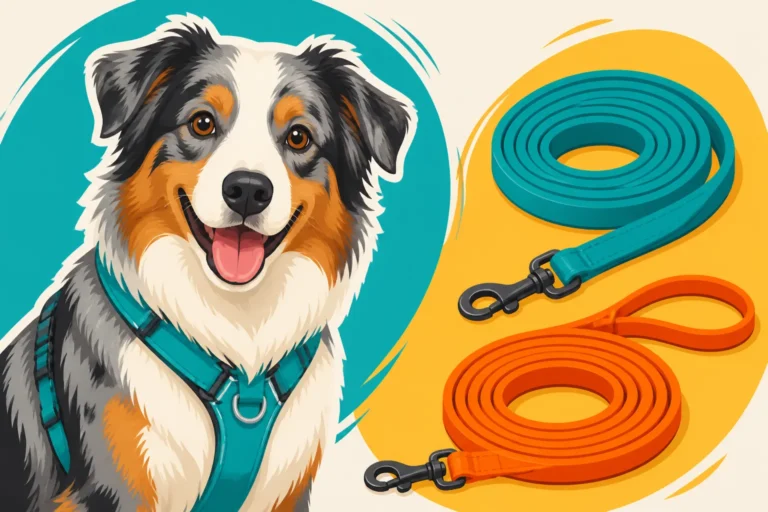
Beyond classes, there's the initial gear. Every Australian Shepherd owner needs sturdy leashes, comfortable collars or harnesses, and a reliable crate for travel and rest. A good quality six-foot leash might run you $20-$40, while a durable, well-fitting harness could be $30-$70. And let's not forget treats – high-value training treats are indispensable, and while a bag might be $10-$20, you'll go through plenty! Many owners find great deals on these essentials at online retailers like Chewy, which offers a wide selection from various brands. Investing in these items early ensures both you and your Aussie are properly equipped from day one.
Assessing Your Aussie's Aptitude
Once the basics are in place, you'll want to explore what sports truly ignite your Australian Shepherd's passion. Aussies are incredibly versatile, but their true calling might be herding, agility, or even scent work. A great starting point is an instinct test. For instance, if you suspect your Aussie has a strong herding drive (which, let's be honest, most do!), a herding instinct test can be a revelation. These tests typically cost between $50-$100 and involve introducing your dog to a small flock of sheep or ducks in a controlled environment. A qualified instructor observes your dog's natural reactions and can tell you if they have "the eye" and the desire to work stock. This assessment isn't just a fun outing; it provides valuable insight into where your dog's natural talents lie, potentially saving you time and money on sports that might not be the best fit.
Similarly, some trainers offer introductory agility workshops or "fun days" that allow your dog to try out tunnels, jumps, and weave poles without the pressure of competition. These might be a single session costing $30-$75, offering a low-commitment way to gauge your Aussie's interest and natural athleticism. Observing your dog's enthusiasm and confidence during these introductory experiences is key. Remember, dog sports should be fun for both of you, and finding the right fit ensures a more rewarding (and cost-effective) journey. This initial exploration helps steer you toward the areas where your Aussie will truly thrive, and where your money will be best spent.
Ongoing Training and Skill Development
Once you've identified a sport or two that your Australian Shepherd loves, the real training journey begins. This isn't a one-and-done deal; continued learning and refinement are essential for both you and your dog to progress and excel. The costs here can vary significantly based on your goals and the level of instruction you seek.
Group Classes Versus Private Lessons
Most owners start with group classes, which are a fantastic way to learn the ropes of a specific sport. For agility, you might enroll in a series of beginner, intermediate, and advanced classes. Each 6-8 week session could cost $150-$250. These classes offer the benefit of working around other dogs and handlers, which can be great for socialization and distraction training – something every Aussie needs! They provide a structured curriculum and allow you to build a community with fellow enthusiasts. You'll learn how to navigate courses, refine your handling skills, and interpret your dog's cues.
However, as you progress, you might find that group classes don't offer the individualized attention needed to iron out specific challenges or perfect advanced maneuvers. This is where private lessons come in. A single private lesson with an experienced instructor can range from $75-$150 per hour. While more expensive per session, these one-on-one sessions can be incredibly efficient, allowing a trainer to pinpoint issues and tailor exercises precisely to your Aussie's needs. Many competitive handlers will combine group classes for general progression with occasional private lessons to fine-tune specific skills or overcome plateaus. It’s an ongoing investment in both your dog's capabilities and your own handling expertise.
Specialized Workshops and Seminars
Beyond regular classes, the world of dog sports offers a plethora of specialized workshops and seminars. These are typically intensive, shorter-duration events, often held over a weekend, focusing on a very specific skill or problem area. For an agility enthusiast, a workshop might focus solely on weave pole entries, perfecting contact performance, or building speed on a specific type of turn. For a herding dog, a seminar might delve into advanced flanking techniques or shed work. These events are often taught by highly respected, nationally recognized trainers, and the cost reflects their expertise.
A weekend workshop can easily cost $200-$500 for a "working spot" (where you and your dog participate directly), or $100-$250 for an "auditing spot" (where you observe without your dog). While these are significant expenses, the concentrated knowledge and hands-on experience gained can be invaluable for breaking through training barriers or learning advanced techniques directly from the best in the field. They are an investment in deep skill development and often provide fresh perspectives that can reignite your training motivation. For many, these intense learning experiences are crucial for advancing beyond local competition and towards regional or national events, helping their Australian Shepherd reach its full potential.
The Financial Side of Competition Day
Once your Australian Shepherd is trained and ready, the next step is often to test those skills in competition. This is where the costs can really start to climb, especially if you get bitten by the competition bug. It’s not just about the entry fees; there are many associated expenses that add up for a competitive team.
Entry Fees and Event Registrations
The most direct cost of competition is the entry fee for each event or class. These fees vary widely depending on the sport, the sanctioning body (like AKC, ASCA, USDAA), and whether it's a local trial or a larger regional championship. For a typical agility trial, individual class entries might be $15-$30 per run. A weekend event might offer several classes, quickly adding up to $100-$200 for a single dog. Herding trials can sometimes have higher entry fees, given the specialized equipment and livestock involved, potentially $30-$60 per run.
Many sports also require annual membership fees to the governing organizations to be eligible to compete or to track your dog's titles. For example, an AKC membership might be around $35-$50 per year, while other breed-specific or sport-specific organizations could have similar annual dues. If you have multiple dogs or compete in multiple sports, these memberships can accumulate. It's also worth noting that some prestigious events, like national championships, have higher entry fees and might require qualification through previous wins, adding another layer of commitment and cost to your journey. This commitment to competition is a significant part of the overall Australian Shepherd Training and Sport Costs.
Travel, Lodging, and Other Logistics
Unless you're lucky enough to have trials right in your backyard, you'll inevitably face travel and lodging expenses. Dog sports often mean hitting the road, sometimes for several hours or even across state lines. Fuel costs, especially for longer distances, can quickly become substantial. Many handlers also choose to stay in pet-friendly hotels or RV parks near the trial site. Hotel rooms can range from $100-$250 per night, and if you're staying for a weekend event, that's already a few hundred dollars. Some hotels also charge additional pet fees, often $25-$75 per stay.
Beyond travel and lodging, there are other logistical considerations. You'll need to pack all your Aussie's gear, including crates, beds, food, water, and any specific training equipment. You might also want to bring a pop-up canopy for shade, chairs, and coolers, especially for outdoor events. Meals on the road or at the event site also add to the budget. For those serious about competing, these travel costs become a regular line item in their budget, easily surpassing the entry fees themselves for a full competition season. A working Australian Shepherd on the road requires careful planning and financial foresight.
Health, Nutrition, and Long-Term Care for the Canine Athlete
Keeping an Australian Shepherd in peak physical condition for dog sports isn't just about training; it's also about proactive health management and superior nutrition. The physical demands of sports like agility and herding put stress on their bodies, making these aspects particularly critical. Ignoring them can lead to injuries and even higher veterinary bills down the line.
Specialized Diet and Supplements
An active Australian Shepherd athlete burns more calories and needs a diet that supports their energy levels, muscle recovery, and overall health. Standard dog food might not cut it. Many performance dog owners opt for high-quality, high-protein dog foods specifically formulated for active breeds. These often come with a higher price tag. For example, brands like Purina Pro Plan Sport or Royal Canin Sporting Life offer specialized formulas that can cost $60-$90 for a large bag, and a working Aussie might go through a bag every 3-4 weeks. Some owners even explore fresh food diets, like those offered by Ollie, which deliver pre-portioned, human-grade meals directly to your door, though these can be significantly more expensive, potentially $50-$100+ per week depending on your dog's size and activity level.
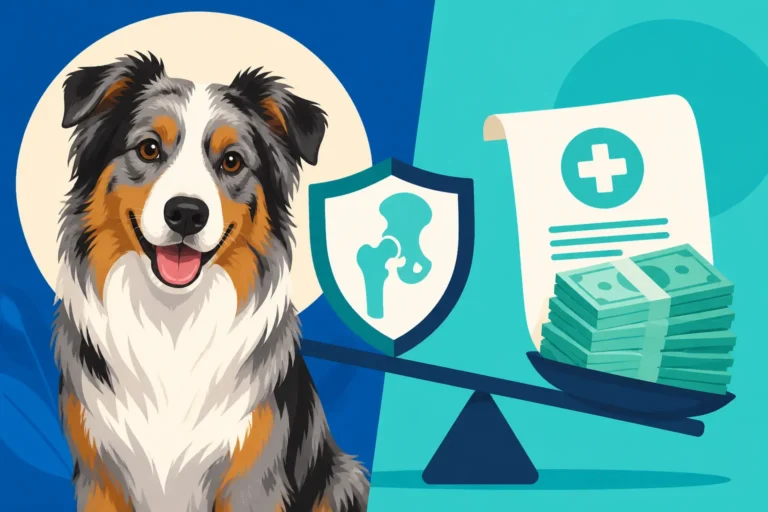
Beyond specialized food, many sport dog owners invest in supplements to support their Aussie's joints, skin, and overall vitality. Common supplements include glucosamine and chondroitin for joint health, fish oil for anti-inflammatory benefits and coat condition, and probiotics for gut health. A good quality joint supplement can be $30-$60 per month, while fish oil might add another $15-$30. While these seem like extra costs, they are often seen as preventative measures, aiming to keep an active Australian Shepherd sound and competing longer, and avoiding more expensive vet bills for joint issues like Australian Shepherd Hip Dysplasia and Working Joints. It's a proactive approach to maintaining their athletic career.
Proactive Vet Care and Injury Management
Sporting dogs, by nature, are more prone to certain types of injuries. Regular veterinary check-ups become even more crucial, often more frequent than the annual visit recommended for less active dogs. A sport vet might recommend biannual exams, routine bloodwork to monitor organ function, and even chiropractic or physical therapy sessions to address minor imbalances before they become major issues. A vet visit could be $50-$150, and specialized treatments like canine chiropractic or acupuncture might run $70-$150 per session.
And despite all preventative measures, injuries can still happen. A torn Cruciate Tears in a Working Australian Shepherd ligament, a muscle strain, or a sprained paw are all possibilities in high-impact sports. Surgery for a major injury can cost thousands of dollars, easily $3,000-$6,000 or more, followed by weeks or months of rehabilitation. This is where pet insurance can be a literal lifesaver. Companies like Healthy Paws offer coverage for accidents and illnesses, which can significantly offset these costs. An Australian Shepherd Insurance at $35 to $55 a Month policy might seem like an extra expense, but it provides peace of mind, knowing that you won't have to choose between your dog's health and your financial stability if a serious injury occurs. It's a crucial part of the long-term care strategy for any canine athlete, especially considering Whether Sports Wear Out an Aussie's Joints.
Comparing Costs Across Popular Australian Shepherd Sports
Australian Shepherds excel in a wide array of dog sports, thanks to their intelligence, athleticism, and intense drive. However, the financial commitment can vary quite a bit depending on which path you choose. Some sports require more specialized equipment or access to unique facilities, impacting the overall cost.
Agility and Disc Dogging
Agility is one of the most popular dog sports for Australian Shepherds, and for good reason—it perfectly leverages their speed, coordination, and desire to work with their handler. The initial costs include classes (as discussed above, around $150-$250 per session for 6-8 weeks) and basic home practice equipment. A few tunnels, a practice jump, or some weave poles can be purchased online from retailers like Chewy or specialty suppliers, costing anywhere from $100-$500 depending on the quality and number of pieces. For some, starting an Australian Shepherd on agility begins with An Aussie's First Agility Class, a relatively low-cost entry.
However, the costs increase as you progress. Advanced classes, private lessons, and entry fees for trials (typically $15-$30 per run) add up quickly. One often overlooked cost is equipment wear-and-tear. Tunnels can tear, contact obstacles need resurfacing, and jumps can break. If you participate in regional or national events, travel and lodging become significant. Disc dogging shares many similar cost profiles, with the added expense of high-quality, durable discs (which your Aussie will undoubtedly destroy with enthusiasm!) and potentially more specialized workshops for complex throws and catches. Both sports demand a high level of physical conditioning for your dog, often leading to increased food and supplement costs.
Herding and Stockdog Trials
For many Australian Shepherds, herding is more than a sport; it's a calling. The unique aspect of herding is the need for livestock. Unless you live on a farm with your own sheep or ducks, you'll need access to a training facility with livestock and a qualified instructor. Herding lessons are often more expensive than agility or obedience classes, typically ranging from $50-$100 for a 30-60 minute session, as they require direct supervision of livestock and specialized knowledge. An Australian Shepherd Herding Trial Costs can be substantial due to the resources involved.
The cost to Getting an Australian Shepherd Herding Instinct Tested is relatively low, around $50-$100, but sustained training requires ongoing financial commitment. Ranch fees for using the facility and livestock can also be a factor, sometimes bundled into lesson prices or charged separately. Competition entry fees for herding trials can also be higher, reflecting the complex logistics of managing livestock and judges. Travel to herding trials might mean venturing to rural areas, potentially incurring longer drives and fewer lodging options. While equipment costs are lower (a good stock stick or crook, around $50-$150), the access to animals and expert instruction is the primary expense in this sport. This is where a knowledgeable trainer, like one you'd find for What a Trainer Charges for Aussie Herding Drive, becomes an indispensable investment.
Obedience, Rally, and Scent Work
Compared to the high-impact or livestock-dependent sports, obedience, rally, and scent work often present a more accessible financial entry point, though they are by no means "cheap" once you get serious. Foundational obedience classes are the starting block, costing $150-$250 for a series. Rally and advanced obedience classes are similarly priced. The equipment needs are minimal: a good leash, collar, and high-value treats. You might invest in specific scent articles for scent work, or various training props for obedience, but these are generally low-cost, perhaps $50-$100 upfront.
The main investment in these sports is time, consistency, and the quality of instruction. While class fees are ongoing for advanced levels, you might not face the same high travel costs or specialized facility fees as herding or agility. However, serious competitors in obedience or rally will still seek private lessons to perfect exercises and achieve precision, which can add up. Scent work might involve purchasing specific essential oils and containers, but the bulk of the cost will be in classes, workshops, and trial entry fees (typically $20-$40 per class/entry). These sports offer a fantastic way to bond with your Aussie and challenge their incredible intelligence without always breaking the bank on external resources.
Here's a quick comparison of potential annual costs for different Australian Shepherd dog sports (after initial basic training and equipment):
| Sport | Annual Training/Classes | Annual Competition Fees | Annual Travel/Lodging (for 3-5 trials) | Annual Supplements/Special Diet | Total Estimated Annual Cost |
|---|---|---|---|---|---|
| Agility | $500 – $1,500 | $300 – $800 | $500 – $1,500 | $300 – $1,000 | $1,600 – $4,800 |
| Herding | $800 – $2,000 | $400 – $1,000 | $600 – $2,000 | $300 – $1,000 | $2,100 – $6,000 |
| Obedience/Rally | $400 – $1,000 | $200 – $500 | $300 – $800 | $150 – $500 | $1,050 – $2,800 |
| Scent Work | $400 – $1,000 | $200 – $500 | $300 – $800 | $150 – $500 | $1,050 – $2,800 |
| Disc Dogging | $400 – $1,200 | $200 – $600 | $400 – $1,200 | $300 – $1,000 | $1,300 – $4,000 |
Note: These are estimates and can vary greatly based on location, instructor rates, frequency of competition, and individual dog needs. These do not include potential emergency vet costs for injuries.
Budgeting and Unexpected Expenses
Embarking on a dog sports journey with your Australian Shepherd is a long-term commitment, not just in time and effort, but also financially. Just like any hobby, unexpected expenses can arise, making a solid budget and a contingency plan crucial for enjoying the experience without undue stress. Sometimes, the most important lesson is preparing for The Aussie Cost Owners Never See Coming.
Creating a Realistic Dog Sports Budget
To keep your dog sports adventure sustainable, you absolutely need a realistic budget. Start by tracking your current dog-related expenses for a few months. Then, factor in the specific costs of the sport(s) your Aussie will be pursuing. Break down your budget into categories: training fees (classes, private lessons, workshops), competition fees (entry, memberships), equipment (initial and replacement), travel (fuel, lodging, meals), and health/nutrition (premium food, supplements, vet visits).
Don't forget the hidden costs like new training lines, specialized collars for specific exercises, or even just the constant supply of high-value treats your Aussie will demand. Consider how often you plan to compete – a couple of local trials a year will be vastly different from traveling to multiple regional or national events. Many people find it helpful to set aside a specific amount each month into a "dog sports fund." This consistent saving ensures you're not scrambling when a great workshop comes up or when it's time to register for a major trial. Review your budget regularly, especially as your Aussie progresses or if you decide to add another sport to their repertoire.
Preparing for the Unforeseen
Even with the most meticulous budgeting, life with an active Australian Shepherd athlete will throw curveballs. The most significant unforeseen expense is typically veterinary care due to injury. A strained muscle, a torn ligament, or even a minor cut from navigating an obstacle can require immediate vet attention, specialized diagnostics (X-rays, MRI), and potentially extensive rehabilitation. While pet insurance, like Healthy Paws, can cover a large portion of these costs, you'll still have your deductible and any co-insurance or non-covered services to contend with. Having an emergency fund specifically for your dog's health is incredibly important; aim for at least $1,000-$2,000.
Other unexpected costs might include a last-minute need for a specialized piece of equipment, higher-than-anticipated travel expenses due to a detour, or even a sudden change in training needs that requires a new trainer or a different approach. Your Aussie might develop a food sensitivity requiring a switch to a more expensive hypoallergenic diet, even a fresh food option like Ollie, which impacts your food budget. The key is flexibility and a financial cushion. By acknowledging that the unforeseen is almost inevitable, you can proactively prepare for it, ensuring that your Australian Shepherd’s sporting career is a source of joy, not financial anxiety.
Disclaimer
This article is intended for informational purposes only and does not constitute veterinary, financial, or professional advice. Always consult with a qualified veterinarian, financial advisor, or certified dog trainer for personalized guidance regarding your Australian Shepherd's health, training, and financial planning. Individual costs can vary significantly based on location, service provider, and specific needs.