Working Line Against Show Line Aussie Prices
Trying to navigate the world of Australian Shepherd puppy prices can feel like deciphering a secret code, leaving many prospective owners scratching their heads. You see prices ranging from a few hundred dollars to several thousand, and it's natural to wonder why there's such a massive disparity. This comprehensive guide is here to shed light on the real differences in cost between working line and show line Australian Shepherds, and what those prices truly reflect in terms of breeding, health, and purpose.
Understanding the Australian Shepherd Landscape: Working vs. Show Lines
The first thing to understand is that not all Australian Shepherds are bred with the same goals in mind. While they all share the same beautiful breed standard in essence, the emphasis shifts dramatically depending on whether a breeder is focused on performance in the field or conformation in the show ring. This fundamental difference is the biggest driver of the initial puppy price.
What Defines a Working Line Australian Shepherd?
When you hear "working line Aussie," think purpose, drive, and innate ability. These dogs are specifically bred for their intelligence, athleticism, and intense desire to herd livestock. Their ancestors spent generations on ranches, honing the skills needed to move cattle and sheep efficiently and safely. For these breeders, a dog's ability to perform its job is paramount, which means they prioritize traits like strong herding instinct, endurance, biddability, and sound temperament above all else.
The appearance of a working line Aussie is often secondary to their functional build. They need to be agile and sturdy, capable of long days, navigating rough terrain, and quick bursts of speed. Their structure supports their work – strong bone, good angulation, and a coat that protects without hindering movement. Breeding practices are meticulous, often involving parents who have proven themselves in actual working scenarios, whether on a farm or in competitive herding trials. These breeders invest heavily in understanding the temperament and working style of their dogs, ensuring they're producing offspring that can truly excel. This dedication to performance and careful selection of breeding stock contributes significantly to the higher cost you might see, as it reflects extensive lineage checks and the training of the parent dogs.
What Defines a Show Line Australian Shepherd?
On the other side of the spectrum, show line Australian Shepherds are bred primarily for conformation to the breed standard set by organizations like the American Kennel Club (AKC) or the Australian Shepherd Club of America (ASCA). Here, the focus is on achieving a specific look: a particular head shape, ear set, coat texture and color, and a way of moving that is considered ideal for the show ring. While temperament and sound health are still crucial, the aesthetic qualities described in the breed standard take center stage.
Breeders of show line Aussies are often looking for champion pedigrees, dogs with a history of winning ribbons and titles in conformation events. This means they're investing in top-tier genetics, traveling to shows, and spending on professional handling and extensive grooming to prepare their dogs for competition. The costs associated with campaigning a show dog—entry fees, travel, handler fees—can be substantial, and these investments naturally factor into the price of their puppies. You might find a show line puppy with parents who are Grand Champions, reflecting years of careful breeding and significant financial commitment. These puppies are expected to embody the breed's beauty and elegance.
The Blurry Lines: "Pet Quality" and Dual-Purpose Aussies
It's important to realize that the world isn't always black and white. Not every puppy born to a working champion will become a top-tier herding dog, and not every puppy from a show champion will be a future Best in Show winner. This is where the concept of "pet quality" comes in. A reputable breeder might have a puppy from excellent working or show lines that has a minor fault – perhaps a tooth slightly out of alignment for the show ring, or a slightly lower drive than ideal for rigorous herding work. These puppies are still fantastic, healthy companions, but they won't be suitable for the specific high-level purpose their parents were bred for.
These "pet quality" puppies might be offered at a slightly lower price than their more "perfect" siblings, but it’s crucial to understand that they still come from the same well-vetted parents and received the same high standard of care from the breeder. Their price still reflects the breeder's overall investment in health testing, nutrition, and early socialization. Then there are also "dual-purpose" lines, where breeders strive to produce dogs that excel in both conformation and performance events. These breeders walk a fine line, aiming for dogs that can herd with intensity and still look magnificent in the ring. Their puppies will also command a premium due to the demanding criteria their breeding program meets.
Factors Influencing Australian Shepherd Puppy Prices
Beyond the initial working versus show line distinction, several other critical factors play into the final price tag of an Australian Shepherd puppy. These elements reflect the true cost of responsible breeding and often directly impact the long-term health and well-being of the dog you bring home.
Breeder Reputation and Experience
A breeder’s reputation is one of the most significant indicators of a puppy's price, and for good reason. Experienced, reputable Australian Shepherd breeders aren't just selling puppies; they're selling the culmination of years of knowledge, dedication, and significant investment. These breeders thoroughly understand genetics, breed-specific health issues, and proper socialization. They spend countless hours researching pedigrees, attending educational seminars, and participating in dog sports or working trials to ensure they are continually improving their lines.
Their investment goes far beyond simply feeding and housing puppies. Reputable breeders invest heavily in comprehensive health clearances for their breeding dogs, which we'll discuss next. They provide optimal nutrition for the mother during pregnancy and lactation, as well as for the puppies as they grow. Early neurological stimulation, meticulous record-keeping, microchipping, initial vaccinations, and a structured socialization program are standard practice. When you purchase a puppy from such a breeder, you're not just paying for the dog; you're paying for their expertise, their support throughout the dog's life, and a strong foundation that significantly reduces the risk of future problems. Conversely, breeders who cut corners, often referred to as backyard breeders or puppy mills, will offer much cheaper prices, but this often comes at the expense of proper health testing, socialization, and ethical practices, leading to potentially massive and heartbreaking vet bills down the line.
Health Clearances and Genetic Testing
This is arguably the most crucial factor influencing Australian Shepherd puppy prices. Responsible breeders prioritize the health of their breeding stock by performing an extensive battery of health clearances and genetic tests. These tests are expensive, and their cost is, understandably, factored into the puppy's price. But trust me, it’s an investment that pays dividends in a healthy, long-lived companion.
For Australian Shepherds, these tests typically include:
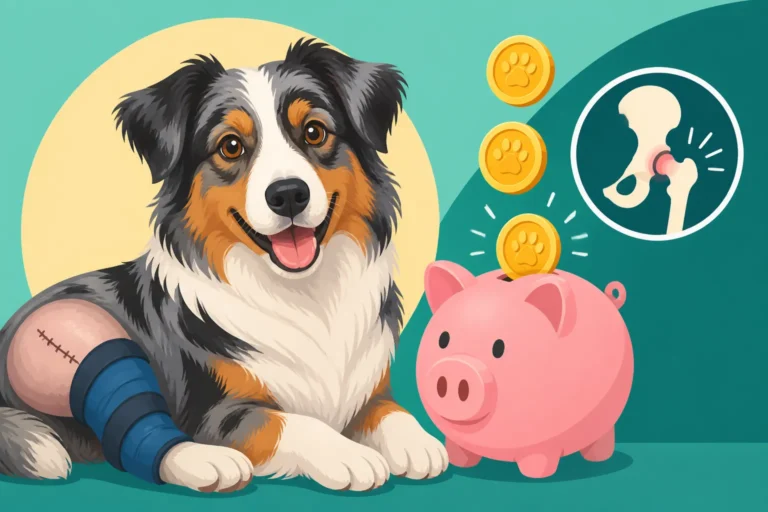
- Orthopedic Foundation for Animals (OFA) evaluations: This involves x-rays of hips and elbows to screen for conditions like Australian Shepherd Hip Dysplasia and OFA Scoring and elbow dysplasia. These certifications help ensure breeding dogs have healthy joints, reducing the likelihood of passing on painful, debilitating conditions to their offspring.
- Eye examinations: Annual eye exams by a board-certified veterinary ophthalmologist (ACVO) are vital to screen for inherited eye diseases such as Collie Eye Anomaly in an Australian Shepherd and Hereditary Cataracts Clouding an Aussie Eye.
- Genetic DNA panels: These tests screen for a host of genetic conditions common in the breed, allowing breeders to make informed decisions and avoid producing affected puppies. Key tests include:
- MDR1 (Multi-Drug Resistance 1): This mutation can cause severe, even fatal, reactions to common medications. Knowing a dog's MDR1 status is critical for its lifelong health and care. You can read more about The MDR1 Mutation Half of Australian Shepherds Carry.
- HSF4 (Hereditary Cataracts): This gene is linked to a common form of hereditary cataracts.
- PRA-PRCD (Progressive Retinal Atrophy, Progressive Rod-Cone Degeneration): A progressive eye disease leading to blindness.
- CEA (Collie Eye Anomaly): Another inherited eye condition.
- DM (Degenerative Myelopathy): A progressive disease of the spinal cord.
- Hereditary dental defects, blood disorders, and more.
The Genetic Panel Every Australian Shepherd Needs covers these extensively. The total cost for all these tests for a single breeding dog can easily run into thousands of dollars. A breeder who doesn't perform these tests might offer cheaper puppies, but they are gambling with the health of their dogs and yours, potentially setting you up for astronomical veterinary bills in the future.
Pedigree and Champion Titles
A puppy’s pedigree, or family tree, and the titles earned by its parents and grandparents, also significantly influence its price. Dogs with multiple champion titles in conformation (Grand Champion, Best in Show winners) or working titles (Herding Champion, Agility Champion, Obedience Champion) on their pedigrees generally command higher prices. These titles are not just bragging rights; they are a testament to the dog's adherence to breed standards and proven capabilities.
Breeders spend considerable time, effort, and money to earn these titles, whether through professional handling, training classes, travel to competitions, or entry fees. A puppy from a litter where both parents are accomplished champions offers a higher likelihood of inheriting desirable traits and abilities, making it more valuable to buyers looking for specific qualities. This doesn't mean a dog without titles isn't a good dog, but titles from reputable organizations like the AKC, ASCA, or United Kennel Club (UKC) validate the quality and consistency of a breeder's lines.
Location and Demand
Just like real estate, the price of an Australian Shepherd puppy can vary depending on geographical location and regional demand. In areas with a high concentration of working ranches or active dog sport communities, the demand for well-bred working line Aussies might drive prices up. Similarly, in affluent urban areas where Aussies are popular companions, show line puppies might fetch higher prices due to sheer demand.
States with a strong heritage of herding dogs, like those in the Western U.S., might have a different pricing structure compared to states where the breed is more commonly seen as a family pet. Economic factors and the sheer number of reputable breeders in a given area also play a role. It’s worth noting that if you live in an area with fewer reputable breeders, you might incur additional costs for travel to pick up your puppy or even for shipping, although many reputable breeders prefer local pick-up to meet the new owners. For more on regional pricing, you might explore topics like Where in America an Aussie Puppy Costs Most.
The Actual Price Ranges and What to Expect
Let's talk numbers, because that's often where the real anxiety lies. While prices can fluctuate based on all the factors we've discussed, it's possible to give you a general idea of what you might expect to pay for a well-bred Australian Shepherd.
Typical Price for a Working Line Aussie Puppy
For a working line Australian Shepherd puppy from a reputable breeder, you can generally expect to pay anywhere from $1,500 to $3,000, and sometimes even more. This price isn't just pulled out of thin air; it covers the extensive investment the breeder has made. This often includes:
- Thorough health testing on both parents, covering hips, elbows, eyes, and a full genetic panel.
- Proof of working titles or demonstrated ability of the parents in herding.
- High-quality nutrition for the pregnant mother and the growing puppies.
- Veterinary care for the litter, including deworming, initial vaccinations, and a thorough health check-up before they go home.
- Microchipping with lifetime registration.
- Early socialization and basic training (e.g., crate introduction, potty training concepts).
- A comprehensive health guarantee and a contract outlining responsibilities.
- Ongoing support from the breeder for the lifetime of your dog.
You're paying for proven genetics and a temperament specifically suited for performance. Sometimes, working homes might even receive preference or a slightly different pricing structure, especially if they are known within the working dog community. The cost reflects the commitment to producing highly capable, sound working animals.
Typical Price for a Show Line Aussie Puppy
If you're looking at a show line Australian Shepherd puppy from a reputable breeder, the price range is often comparable, typically falling between $1,800 and $3,500+, or even higher for puppies with exceptional show potential or from highly acclaimed lines. This price reflects:
- Champion parentage with multiple conformation titles.
- Extensive health clearances on both parents, mirroring those for working lines.
- Strict adherence to the breed standard, with puppies evaluated for ideal structure, coat, and movement.
- Superior care and socialization, similar to working lines, but often with additional focus on developing confidence and poise for the show ring.
- Health guarantees, microchipping, and initial vet care.
- Breeder support, including mentorship for potential show careers.
"Pet quality" puppies from show lines might be on the lower end of this range, but they still come from the same meticulously bred parents and receive the same high standard of care. The breeder often retains rights or mandates spay/neuter for pet-quality puppies to protect their lines and the breed. When you buy a show line puppy, you are investing in a dog that is bred to embody the aesthetic ideals of the breed.
Beyond the Sticker Price: Hidden Costs and Long-Term Value
It’s crucial to understand that the puppy’s initial purchase price is just the beginning. The long-term costs of owning an Australian Shepherd can be substantial, and considering these upfront can save you a lot of heartache and financial strain later. You’re not just buying a puppy; you’re committing to its care for the next 12-15 years.
Ongoing expenses include:
- Food: High-quality kibble or fresh food options like those offered by Ollie can be a significant monthly cost, especially for an active Aussie. Consider what's involved in Feeding an Australian Shepherd That Works All Day.
- Veterinary care: Routine check-ups, vaccinations, parasite prevention, and unexpected illnesses or injuries can add up. Aussie Vet Bills Between $15,000 and $40,000 is a realistic look at potential lifetime costs.
- Grooming: Even if you do most of it yourself, you'll need brushes, shampoo, and occasional professional de-shedding treatments.
- Training and enrichment: Aussies thrive on mental stimulation and training. This could involve puppy classes, advanced obedience, or dog sports like agility, herding, or flyball.
- Pet Insurance: This is something I strongly advocate for. Providers like Healthy Paws can help manage the financial impact of unexpected accidents or illnesses. Look into options like Australian Shepherd Insurance at $35 to $55 a Month. While it's an upfront cost, it can prevent a financial crisis if your Aussie needs major surgery or long-term medication. Many reputable online retailers like Chewy also offer a wide array of supplies, from food to toys and training aids, making ongoing ownership a bit more convenient.
A healthy puppy from a reputable breeder, though more expensive upfront, often saves owners thousands of dollars in emergency vet bills and behavioral interventions that stem from poor breeding practices. It’s an investment in a sound, healthy, and well-adjusted companion, which truly offers invaluable long-term value.
Making an Informed Decision: More Than Just the Price Tag
Bringing an Australian Shepherd into your life is a significant commitment. Beyond the initial cost, making an informed decision means looking at the bigger picture and ensuring you're choosing a dog that will thrive in your home and with your lifestyle.
Researching Reputable Breeders
This cannot be stressed enough. Do your homework. A truly reputable breeder will be transparent, eager to answer your questions, and equally curious about your home and lifestyle to ensure a good match for their puppies. Don't be shy about asking for proof of health clearances – not just a "vet checked" sticker, but actual OFA certificates, eye exam results from a veterinary ophthalmologist, and genetic panel results for the parents. They should be able to explain their breeding philosophy, their socialization practices, and what kind of support they offer post-purchase.
Ask about their contract; it should include a health guarantee, a spay/neuter clause for pet puppies, and potentially a clause stating that the dog must be returned to them if you can no longer care for it. Visiting the kennel, if possible, can give you invaluable insight into the conditions the puppies are raised in. If a breeder is unwilling to share information, meet you, or provide references, consider it a major red flag. For a deeper dive into vetting a breeder, consider reading Questions an Aussie Breeder Should Answer.
Considering Adoption
While purchasing from a breeder is one path, adopting an Australian Shepherd from a breed-specific rescue organization is another incredibly rewarding option. Many wonderful Aussies, both young and old, find themselves in rescue situations through no fault of their own. Sometimes they're surrendered by owners who underestimated the breed's energy and intelligence, or they might come from situations where their previous owners could no longer care for them.
Rescue fees are typically much lower than breeder prices, ranging from $250 to $600, and these fees usually cover spaying/neutering, up-to-date vaccinations, microchipping, and a thorough health check. Rescue organizations often have a strong network of foster homes, meaning the dogs have been temperament-tested in a home environment and any behavioral quirks or medical needs are usually disclosed. You might even find an Australian Shepherd from working or show lines that didn't quite make the cut for its intended purpose but would be a fantastic pet. Adopting a dog from rescue can be a truly fulfilling experience, offering a second chance to an animal in need. To learn more about this avenue, check out Adopting an Australian Shepherd From Breed Rescue and Aussie Rescue Fees Between $250 and $600.
Matching a Puppy's Needs to Your Lifestyle
Ultimately, the best Australian Shepherd for you isn't necessarily the cheapest or the one with the most impressive pedigree; it's the one whose temperament and needs align with your lifestyle. A working line Aussie, while incredibly intelligent and capable, comes with an intense drive and a strong need for a "job." If you don't provide adequate mental and physical stimulation, you'll likely face behavioral challenges. Their herding instinct is not something you can easily train out, as discussed in The Australian Shepherd Herding Drive You Cannot Train Out.
Even show line Aussies, while perhaps not always possessing the same extreme drive as their working counterparts, are still highly intelligent, energetic dogs that require significant engagement. Under-exercised Australian Shepherds often develop problematic behaviors, as highlighted in Australian Shepherd Behavior Problems From Under-Exercise. Be realistic about the time, energy, and resources you have to dedicate to training, exercise, and mental enrichment. The frustration of owning an Aussie that is constantly bored or destructive due to unmet needs can be far more costly than any initial puppy price difference. A good breeder or rescue will help you find the right match for your home, ensuring both you and your future Aussie can lead a happy and harmonious life together.
Disclaimer
This article is for general informational purposes only and does not constitute professional advice. Laws, prices and regulations vary by location and change over time. Consult a qualified professional for guidance on your specific situation.