Why a Cheap Merle Aussie Puppy Is a Warning
We all love a good deal, especially when it comes to something as irresistible as an Australian Shepherd puppy with that striking merle coat. But if you’ve stumbled upon a merle Aussie puppy advertised at a price significantly lower than the average, I’m here to tell you that it’s usually not a bargain at all. This isn't about shaming anyone, but about realistically exposing the hidden heartaches and financial burdens that often come with what appears to be a cheap merle Aussie puppy, guiding you toward a healthier, happier future with your furry companion.
The Temptation of the "Bargain" Merle Aussie
It’s completely understandable why a low-priced merle Australian Shepherd puppy might catch your eye. These dogs are stunning, with their kaleidoscope eyes and unique coat patterns, and they’ve captured the hearts of many. When you see puppies from reputable breeders often listed for $1,500, $2,000, or even more, a listing for a few hundred dollars seems like a godsend. You might think you've just found a hidden gem, a way to bring home your dream dog without breaking the bank.
The internet is rife with such listings, from online marketplaces to social media groups. They often feature adorable photos, promising a beautiful, loving companion at a fraction of the typical cost. The pictures alone can tug at your heartstrings, making it easy to overlook the lack of detailed information or the breeder's reluctance to share much beyond the price. It's a classic situation where emotion can override common sense, and the desire for that gorgeous merle coat at a low price can blind us to potential red flags.
Unfortunately, this "bargain" price is rarely a stroke of luck. More often than not, it’s a glaring red flag waving furiously in the wind, indicating a seller who is cutting corners in ways that will ultimately cost you and your dog dearly. These breeders often prioritize profit over the health and welfare of their animals, leading to a cascade of problems that are invisible at the puppy stage but become painfully apparent later on. The initial savings quickly evaporate, replaced by overwhelming veterinary bills and behavioral challenges that can truly test an owner's patience and resources.
The Peril of Unethical Merle Breeding Practices
The single biggest reason a merle Australian Shepherd puppy might be offered at a suspiciously low price is often tied directly to unethical breeding practices, specifically those involving the merle gene itself. The merle pattern, which gives these Aussies their distinctive mottled coats and often striking blue eyes, is beautiful but also carries significant genetic risks if not handled with extreme care by a knowledgeable breeder.
To understand this, we need to talk about how merle works. The merle gene is a dilution gene, meaning it lightens patches of the dog's base coat color. A single copy of the merle gene (Mm) results in the desired merle pattern. However, when two merle dogs are bred together (Mm x Mm), there’s a 25% chance that puppies in the litter will inherit two copies of the merle gene (MM). These are known as "double merles," and while they can be visually stunning, often appearing predominantly white with minimal color, they are frequently plagued by severe health issues. This is precisely Why Aussie Breeders Never Cross Merle to Merle.
Double merle puppies are at an incredibly high risk of being born with severe hearing and vision impairments, ranging from partial deafness or blindness to complete bilateral deafness and microphthalmia (abnormally small or malformed eyes). Some may even have structural eye defects or no eyes at all. These conditions are not just inconvenient; they require lifelong management and can dramatically impact a dog’s quality of life. An ethical breeder would never intentionally produce a double merle litter, understanding the profound suffering it causes. They prioritize the health and well-being of their puppies above all else, which naturally means they invest heavily in genetic testing and responsible breeding practices, and their prices reflect this. We delve deeper into this difficult topic in our article, Double Merle Australian Shepherds and What Breeding Two Merles Costs.
A "cheap" merle puppy, particularly one that is predominantly white, often comes from a backyard breeder or puppy mill that either doesn't understand the genetics of merle, or worse, simply doesn't care. They see the unique look of a merle puppy as a selling point and will breed any two merles together, knowingly or unknowingly creating these high-risk puppies. The low price then becomes a desperate attempt to offload puppies that may already be showing signs of these costly and debilitating conditions, or that are likely to develop them soon. Understanding The Merle Gene and How It Dilutes Aussie Coat is crucial for any potential owner.
The Hidden Health and Behavioral Costs
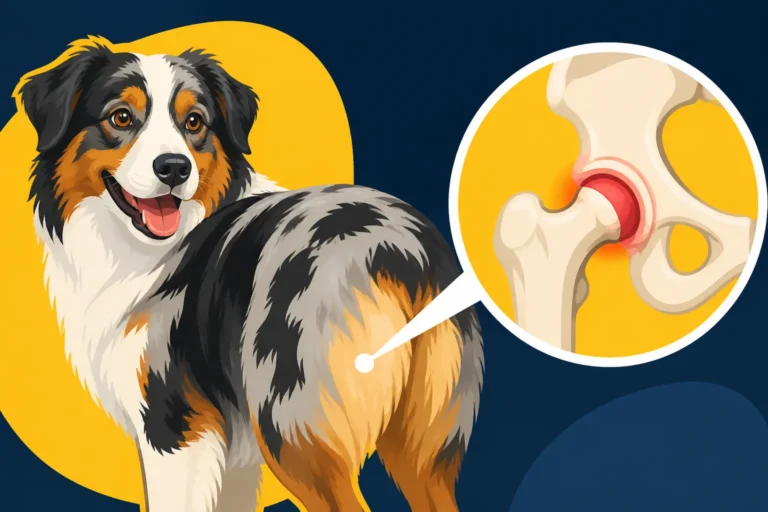
Beyond the immediate and devastating risks associated with double merle breeding, a cheap merle Australian Shepherd puppy almost invariably comes from parents who have not undergone proper health clearances or genetic testing. This is perhaps the biggest hidden cost. Reputable breeders invest heavily in ensuring their breeding dogs are free from genetic diseases common in the breed, such as hip and elbow dysplasia, epilepsy, and the MDR1 gene mutation. These tests are expensive, but they are vital for producing healthy offspring.
When you buy from a breeder who skips these critical steps to keep their prices low, you are essentially gambling with your puppy’s future health. You might bring home a seemingly healthy puppy, only for it to develop crippling hip dysplasia by its first birthday, requiring expensive surgeries and lifelong pain management, as discussed in Australian Shepherd Hip Dysplasia and Working Joints. Or perhaps your beloved Aussie starts experiencing seizures as a young adult, necessitating costly veterinary visits, diagnostic tests like MRIs, and daily anti-seizure medication for the rest of its life, mirroring the challenges detailed in Australian Shepherd Epilepsy Starting Between One and Five. These unexpected medical crises can quickly escalate into thousands, even tens of thousands, of dollars. We've explored just how significant these costs can be in our article on Aussie Vet Bills Between $15,000 and $40,000. While pet insurance from providers like Healthy Paws can be a lifesaver, it typically won't cover pre-existing conditions that might have been simmering undetected in a poorly bred puppy.
It's not just physical health; behavioral issues are also rampant in puppies from irresponsible breeders. Puppies from backyard breeders or puppy mills often lack proper socialization during their critical early weeks. They might be raised in isolation, exposed to poor conditions, or simply not handled enough by humans. This lack of early exposure can lead to severe anxiety, fear, reactivity, or even aggression as they grow. An Australian Shepherd is an intelligent, sensitive, and high-energy breed that needs careful, consistent training and early positive experiences to thrive. Without it, you could face years of working with trainers, behaviorists, and potentially even medication, adding significantly to your financial and emotional burden. Imagine needing to find specialized food for an Aussie with severe allergies or digestive issues, something you might explore through retailers like Chewy, or even consider fresh food services like Ollie to support a sensitive stomach – these are all recurring costs not factored into that initial "bargain" price tag.
Let’s be realistic: a healthy, well-socialized Australian Shepherd puppy requires significant investment from a breeder. This includes proper nutrition for the mother, excellent veterinary care for both mom and puppies, genetic testing, early neurological stimulation, and extensive socialization. When a price seems too low, it’s because these crucial investments haven't been made, and you will pay the price later, in more ways than one.
Protecting Yourself: What to Look For and Avoid
Navigating the world of puppy buying can feel overwhelming, but arming yourself with knowledge is your best defense against falling for a "cheap merle Aussie" scam. Your goal is to find a responsible, ethical breeder who prioritizes the health and temperament of their dogs above all else. This might mean paying a higher upfront cost, but it's an investment in a lifetime of joy, rather than potential heartbreak and financial strain.
First and foremost, a reputable breeder will be transparent about their breeding practices. They will enthusiastically discuss the health clearances of their breeding dogs, which should include certifications for hips, elbows, and eyes. They’ll also openly share results from genetic testing for conditions like MDR1, hereditary cataracts, and epilepsy. You should specifically ask for proof of these tests, such as OFA (Orthopedic Foundation for Animals) or PennHIP clearances for hips and elbows, and CERF (Canine Eye Registry Foundation) or ACVO (American College of Veterinary Ophthalmologists) eye exams. A truly dedicated breeder will have a comprehensive genetic panel done for every Australian Shepherd they breed, which we cover in detail in our guide, The Genetic Panel Every Australian Shepherd Needs. Don't be shy about asking for The Test Results an Aussie Breeder Must Produce.
Beyond health, a good breeder will be focused on temperament and socialization. They will raise their puppies in a clean, stimulating home environment, not in outdoor kennels or isolated facilities. Puppies should be well-socialized, exposed to various sights, sounds, and people from a young age. They'll also be transparent about the sire and dam's temperaments, allowing you to meet at least the mother, and ideally, both parents. They will ask you many questions to ensure you are a suitable home for one of their puppies, demonstrating their commitment to finding the right match.
What to avoid is just as crucial:
- Prices that are too good to be true: This is the ultimate red flag. If a merle Australian Shepherd puppy is listed for significantly less than the breed standard price, proceed with extreme caution.
- No health testing or vague answers: If a breeder can't or won't provide verifiable health clearances and genetic test results for their breeding dogs, walk away immediately.
- No "double merle" awareness: If a breeder isn't knowledgeable or concerned about the risks of merle-to-merle breeding, it indicates a severe lack of understanding or ethical responsibility.
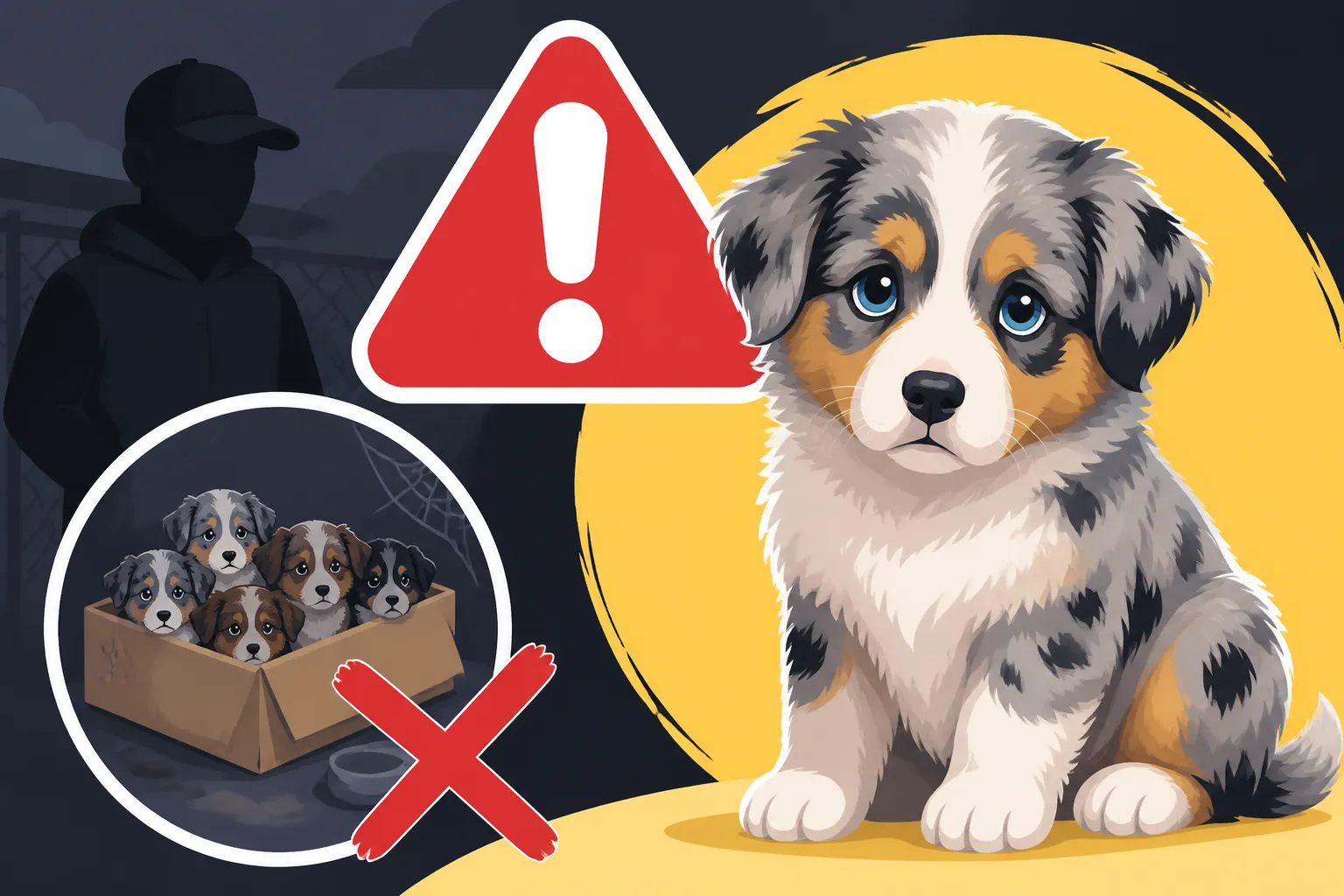
- Meeting in public places: Reputable breeders want you to see where their puppies are raised. Meeting in a parking lot or other neutral location prevents you from seeing the living conditions of the puppies and their parents.
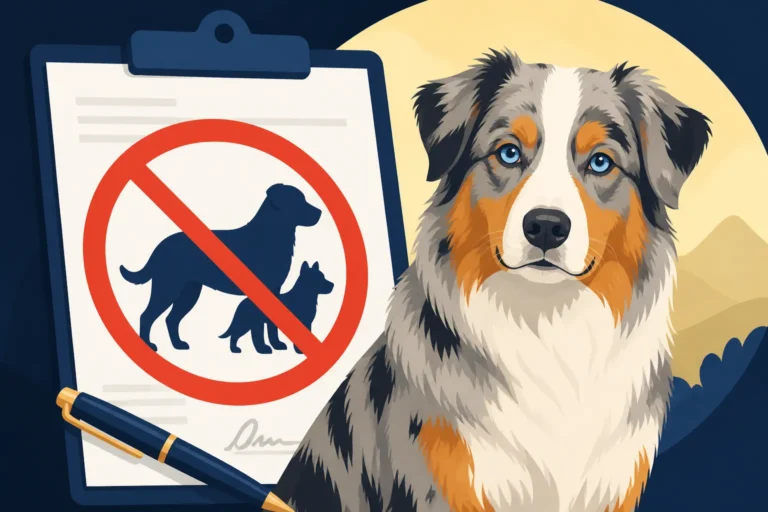
- Lack of a contract or health guarantee: A solid contract protects both you and the puppy, outlining health guarantees, return policies, and expectations for responsible ownership.
- High-pressure sales tactics: A good breeder is investing in the future of their puppies and will never rush you into a decision. They want you to be fully prepared and committed.
- Multiple breeds available at once: While some reputable breeders specialize in more than one breed, be wary of operations that seem to have a constant supply of multiple "designer" breeds or rare colors. This is often a hallmark of a puppy mill.
Consider also the option of adopting an Australian Shepherd from a reputable breed rescue organization. While you might not get a puppy, you can give a loving home to a dog in need, and rescues often have a thorough understanding of their dogs' health and behavioral needs. We explore this fulfilling path in our guide on Adopting an Australian Shepherd From Breed Rescue.
Here's a quick comparison to help you spot the differences:
| Feature | "Bargain" Merle Puppy (Warning Sign) | Ethically Bred Merle Puppy (Good Sign) |
|---|---|---|
| Initial Price | Often under $800 | $1,500 – $3,000+ |
| Health Testing | None or vague claims | Full OFA/PennHIP, CERF/ACVO, genetic panels (MDR1, HC, etc.) for both parents, verifiable results |
| Breeding Practices | Likely merle-to-merle; no regard for genetic risks | Never merle-to-merle; careful genetic planning to avoid health issues |
| Health Guarantee | None, or very limited | Comprehensive, usually for 1-2 years against genetic defects |
| Socialization | Poor to non-existent | Raised in home, exposed to varied stimuli, handled regularly |
| Breeder Transparency | Evades questions, avoids home visits | Welcomes questions, encourages home visits, provides references |
| Potential Long-term Costs | Very High (vet bills, training, behavioral support) | Lower (due to proactive health screening) |
| Ethical Standards | Low priority on animal welfare, profit-driven | High priority on animal welfare, breed improvement |
The upfront cost of a responsibly bred Australian Shepherd puppy might seem significant, but it pales in comparison to the potential expenses – both financial and emotional – of a puppy from an irresponsible source. Investing wisely in the beginning is the kindest thing you can do for your future dog and for your own peace of mind.
Disclaimer
The information provided in this article is for general informational purposes only and does not constitute professional veterinary advice. Always consult with a qualified veterinarian or animal health professional for any health concerns or before making any decisions about your pet's care.