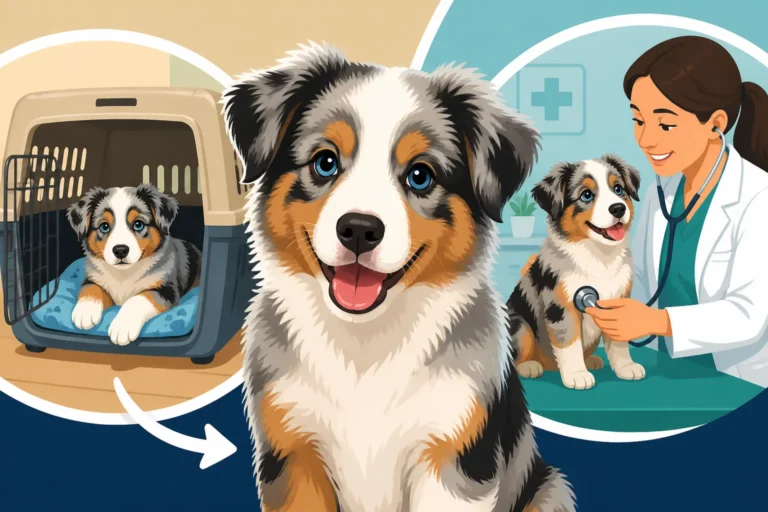
Whether Blue Eyes Add to an Aussie Price
It’s a natural thing, isn’t it? You see those captivating, piercing blue eyes in an Australian Shepherd and instantly think, "Wow, that must be special! It must cost more!" There's something undeniably striking about them, and it’s completely understandable why so many people are drawn to that unique look. But the truth about whether blue eyes alone drive up an Aussie's price is a little more nuanced than you might expect, and it's a question worth diving into before you fall for a cute puppy's gaze and an inflated price tag. This guide is going to walk you through the real factors that influence Australian Shepherd puppy prices, help you understand the connection between coat color, eye color, and cost, and most importantly, equip you to make an informed decision based on health and responsible breeding, not just aesthetics.
The Allure of Blue Eyes in Australian Shepherds and Why They're So Common
Let's be honest, those stunning blue eyes are a hallmark of many Australian Shepherds. They can range from an icy pale blue to a deep, intense sapphire, and often, an Aussie will have one blue eye and one brown, or even marbled eyes with flecks of different colors within a single iris. This unique trait is absolutely one of the things that makes the breed so visually appealing to many potential owners.
The reason you see so many blue-eyed Aussies, especially compared to other breeds, is directly tied to the presence of the merle gene. The merle gene is responsible for that beautiful dappled, patched coat pattern—like blue merle or red merle. This gene not only dilutes the base coat color but can also affect eye color, often leading to those captivating blue eyes. It's a genetic quirk that has become a defining characteristic for many Australian Shepherds. So, when you see a blue-eyed Aussie, more often than not, it's going to be a merle-coated dog. While you can occasionally find a solid-colored Aussie with blue eyes, it’s far less common, and usually, those blue eyes in a solid dog might indicate a hidden, or "cryptic," merle gene that wasn't apparent in the coat. This association between merle coats and blue eyes is key to understanding the pricing dynamics, because it's usually the merle coat that carries a premium, not the blue eyes themselves as a standalone feature.
Unpacking What Truly Influences Australian Shepherd Puppy Prices
When you’re looking to bring an Australian Shepherd into your home, you’ll quickly notice that prices can vary wildly, sometimes from a few hundred dollars to several thousand. It’s easy to assume that a specific trait like blue eyes is the main driver for a higher price, but in reality, many significant factors contribute to the overall cost of an Aussie puppy. Understanding these elements is crucial for making a smart investment in your future companion.
Breeder Reputation and Quality
This is arguably the single most important factor influencing a puppy's price. Reputable breeders invest heavily in their dogs and litters. This means extensive health testing for both parent dogs for common Aussie ailments like hip and elbow dysplasia, various eye conditions such as Collie Eye Anomaly in an Australian Shepherd or Hereditary Cataracts Clouding an Aussie Eye, and genetic conditions like The MDR1 Mutation Half of Australian Shepherds Carry. They typically screen for a full panel of genetic diseases through services like Embark or Canine HealthCheck, ensuring they’re only breeding healthy dogs with sound temperaments. This rigorous approach minimizes the chances of you inheriting a puppy with costly health issues down the line, which can save you untold heartbreak and massive vet bills. A responsible breeder will often provide a health guarantee, stand by their puppies for their entire lives, and meticulously raise their pups in a stimulating, clean environment. They’re not just selling a puppy; they're selling a meticulously planned future family member.
In contrast, backyard breeders or puppy mills cut corners. They skip health testing, breed dogs indiscriminately, and often prioritize profit over the welfare of their animals. While their puppies might appear cheaper upfront, they often come with a higher risk of genetic diseases, behavioral problems, and lifelong health struggles that will cost you far more in vet bills. Considering that Aussie Vet Bills Between $15,000 and $40,000 can be a reality for owners of unhealthy dogs, the initial savings from a cheap puppy quickly evaporate.
Pedigree and Lineage
A puppy's pedigree, essentially its family tree, also plays a significant role in pricing. Puppies from parents with impressive titles in dog sports like agility, obedience, herding, or conformation (show dogs) often command a higher price. These titles demonstrate that the parents are not only beautiful but also possess the intelligence, trainability, and working ability that defines the breed. You might see a distinction between Working Line Against Show Line Aussie Prices, with working lines often having a premium due to their proven abilities in actual herding or high-level sports. The goal here is to produce puppies that have the best chance of excelling in similar pursuits or simply being incredibly well-structured, intelligent companions.
Coat Color and Pattern
Here’s where we circle back to the blue eyes. Merle coat patterns (blue merle and red merle) are often priced higher than solid black or red tri-color Australian Shepherds. This isn't necessarily because the merle pattern itself is "better" or "rarer" (though some might market it that way), but because it's a visually striking trait that is highly sought after. Since blue eyes are a common companion to the merle gene, a blue-eyed merle puppy will often fall into this higher price bracket. So, it's less about the blue eyes adding to the price as a separate feature, and more about them being a common feature of a coat pattern that is already considered more valuable by many buyers and, therefore, priced accordingly by breeders.
It's critical to note that ethical breeders will never intentionally breed two merle dogs together due to the severe health risks associated with Double Merle Australian Shepherds and What Breeding Two Merles Costs. Double merles can suffer from significant vision and hearing impairments, including deafness and Eye Defects in a Double Merle Australian Shepherd. If a breeder is trying to charge more for a double merle or using its blue eyes as a selling point without disclosing the health risks, that's a massive red flag.
Geographic Location and Demand
Just like real estate, the cost of puppies can vary depending on where you live. In areas with a high demand for Australian Shepherds and fewer reputable breeders, prices tend to be higher. Conversely, in regions with more breeders or less demand, prices might be slightly lower. However, never let location be the sole determinant of your choice; a higher price in a high-demand area doesn't automatically mean a better dog, and a lower price in a less competitive market isn't necessarily a bad thing, as long as the breeder meets all other ethical criteria.
Rearing Costs and Care
Responsible breeders incur substantial costs in raising a litter. This includes pre-breeding health screenings for the parents, stud fees, quality nutrition for the pregnant mother and puppies, veterinary check-ups for the litter, initial vaccinations, deworming, microchipping, and often, early socialization and training efforts. These are all factored into the puppy's price, and rightly so. Think of it as investing in a healthy, well-adjusted start for your puppy. When you see a higher price tag, it often reflects the significant time, effort, and financial commitment the breeder has made to ensure the puppies are healthy and thriving. For example, a quality breeder might provide a take-home bag with food, perhaps from a brand like Ollie or Chewy, ensuring a smooth transition for the puppy.
Here's a quick overview of how various factors can influence puppy pricing:
| Pricing Factor | Impact on Price (Generally) | Notes |
|---|---|---|
| Reputable Breeder | High | Extensive health testing (e.g., genetic panels, OFA hips/elbows), health guarantees, proven lineage, early socialization, vet care for puppies. Ensures long-term health and temperament. |
| Backyard Breeder/Mill | Low (Initial) | Lack of health testing, poor living conditions, no health guarantees. High risk of future health issues and behavioral problems, leading to significant vet bills later. |
| Merle Coat Pattern | Moderate to High | Visually striking, popular. Often associated with blue eyes. Ethical breeders are careful to avoid double merle pairings. |
| Solid Coat Color | Moderate | Black/Red Tri-color. Still beautiful, but may not have the same demand-driven premium as merle coats. |
| Blue Eyes | Indirectly High | Primarily linked to merle coats. Blue eyes themselves don't add a separate premium, but the merle coat they often accompany does. Be wary of breeders marketing "rare blue eyes" as a standalone premium. |
| Show/Working Titles | High | Parents have proven conformation or performance abilities, indicating strong genetics for breed type, temperament, and drive. |
| Health Clearances | High | Parents cleared for genetic diseases (MDR1, CEA, PRA, HC, etc.), hip/elbow dysplasia. Reduces risk of hereditary issues, a major long-term cost saving. The Health Tests Every Australian Shepherd Parent Needs |
| Geographic Location | Variable | Higher in high-demand urban areas or regions with fewer reputable breeders; lower in rural areas. |
| Training/Socialization | Added Value | Some breeders provide initial training or extensive socialization, which reduces the work for the new owner. |
The Myth of the "Blue-Eyed Premium" and What to Watch For
It’s easy to get caught up in the beauty of an Aussie with striking blue eyes, and unfortunately, some less-than-reputable breeders might try to capitalize on this allure by advertising a "blue-eyed premium" or implying that blue eyes are a rare or superior trait worth extra money. This is where you need to be very cautious and discerning.
The reality is that blue eyes, while beautiful, are not inherently "rare" in Australian Shepherds, especially those with merle coats. They are a common phenotypic expression of the merle gene. If a breeder is emphasizing blue eyes as a primary selling point for an inflated price, and not highlighting the comprehensive health testing, temperament, or the lineage's working ability, it should raise a red flag. Their focus might be on superficial traits rather than sound breeding practices.
A truly responsible breeder understands that eye color is an aesthetic trait within the breed standard. They wouldn't charge extra simply for blue eyes. What they do charge for is the extensive health testing, the careful selection of parent dogs to produce healthy puppies, the socialization and care of the litter, and the general quality of their breeding program. For instance, they'll be transparent about results for Reading an Aussie MDR1 Result Line by Line or The CEA DNA Test for Australian Shepherds. These factors are what truly justify a higher price, not a specific eye color.
Be especially wary of breeders who market puppies as "rare" colors or eye combinations without providing verifiable health clearances and detailed parentage information. This is a common tactic used by Fake Merle Aussie Listings Online or puppy mills to entice buyers into purchasing a puppy that might come from poor genetic stock. You might also encounter situations where breeders are unintentionally or intentionally breeding Cryptic Merle That Fools Aussie Breeders, leading to unforeseen health consequences.
When considering a puppy, ask about their background and the health history of both parents. A reputable breeder will be eager to share this information and answer all your questions. They'll show you health certifications for hips, elbows, and eyes (e.g., OFA and CERF results), as well as genetic panel results. They'll also explain why they paired specific dogs together, focusing on health, temperament, and adherence to the breed standard, not just pretty eyes. If they seem evasive or focus solely on the puppy's looks, it’s a strong indication that you should look elsewhere. Pet insurance, like Healthy Paws, can be a lifesaver for unexpected vet bills, but choosing a well-bred puppy reduces the likelihood of needing it for preventable genetic conditions.
What Truly Matters: Health, Temperament, and Responsible Breeding
Ultimately, when you’re looking to welcome an Australian Shepherd into your life, the color of its eyes should be way down the list of priorities. What truly matters is bringing home a healthy, well-adjusted puppy that will grow into a beloved companion for many years to come. This means prioritizing responsible breeding practices above all else.
A responsible breeder prioritizes the overall health and temperament of their dogs. They aim to produce puppies that are genetically sound, have stable personalities, and are true to the breed's characteristics. This includes ensuring good structure for a working dog, clear eyes and ears, and a confident but not aggressive disposition. They understand that a beautiful pair of blue eyes means very little if the dog is plagued by debilitating hip dysplasia, epilepsy (Australian Shepherd Epilepsy Starting Between One and Five), or severe anxiety.
When you’re talking to a breeder, ask them about their breeding philosophy. Do they focus on improving the breed? What kind of environment are their puppies raised in? How do they socialize their puppies? A breeder who talks passionately about their dogs' health, their titles, and the well-being of their puppies is a breeder you can trust. They should be able to provide you with a written health guarantee, often covering genetic conditions for the first few years of the dog's life.
Remember, the initial cost of an Australian Shepherd puppy is just the beginning of your financial commitment. The long-term costs of feeding (consider quality options like Ollie or Chewy for optimal health), grooming, training, and veterinary care throughout your Aussie's Australian Shepherd Lifespan Across Twelve to Fifteen Years far outweigh the purchase price. Investing in a healthy puppy from a reputable breeder might seem more expensive upfront, but it’s an investment in fewer vet bills, less heartache, and a happier, healthier dog in the long run. Don't let the captivating gaze of blue eyes distract you from asking the crucial questions and doing your due diligence.
Disclaimer
This article is intended for informational purposes only and does not constitute veterinary advice. Always consult with a qualified veterinarian or certified dog professional for personalized guidance regarding your Australian Shepherd's health, care, and training needs.