Australian Shepherd Puppy Biting and Herding Nips
Bringing home an Australian Shepherd puppy is an absolute joy, filled with boundless energy and incredible intelligence. However, many new Aussie parents quickly discover that this bundle of fluff comes equipped with surprisingly sharp teeth and an instinct to use them, leading to those frustrating "herding nips" on ankles, hands, and clothes. This comprehensive guide will walk you through understanding why your Aussie puppy bites and nips, and more importantly, how to gently and effectively redirect these natural behaviors into acceptable outlets, ensuring a harmonious life for you both.
Understanding the Roots of Australian Shepherd Nipping Behavior
It's easy to take puppy biting personally, especially when those needle-sharp teeth connect with your skin. But for an Australian Shepherd, nipping isn't usually an act of aggression; it's deeply ingrained behavior tied to their heritage. Understanding this foundation is the first step toward managing it with patience and empathy.
The Herding Drive and Instinctual Nipping
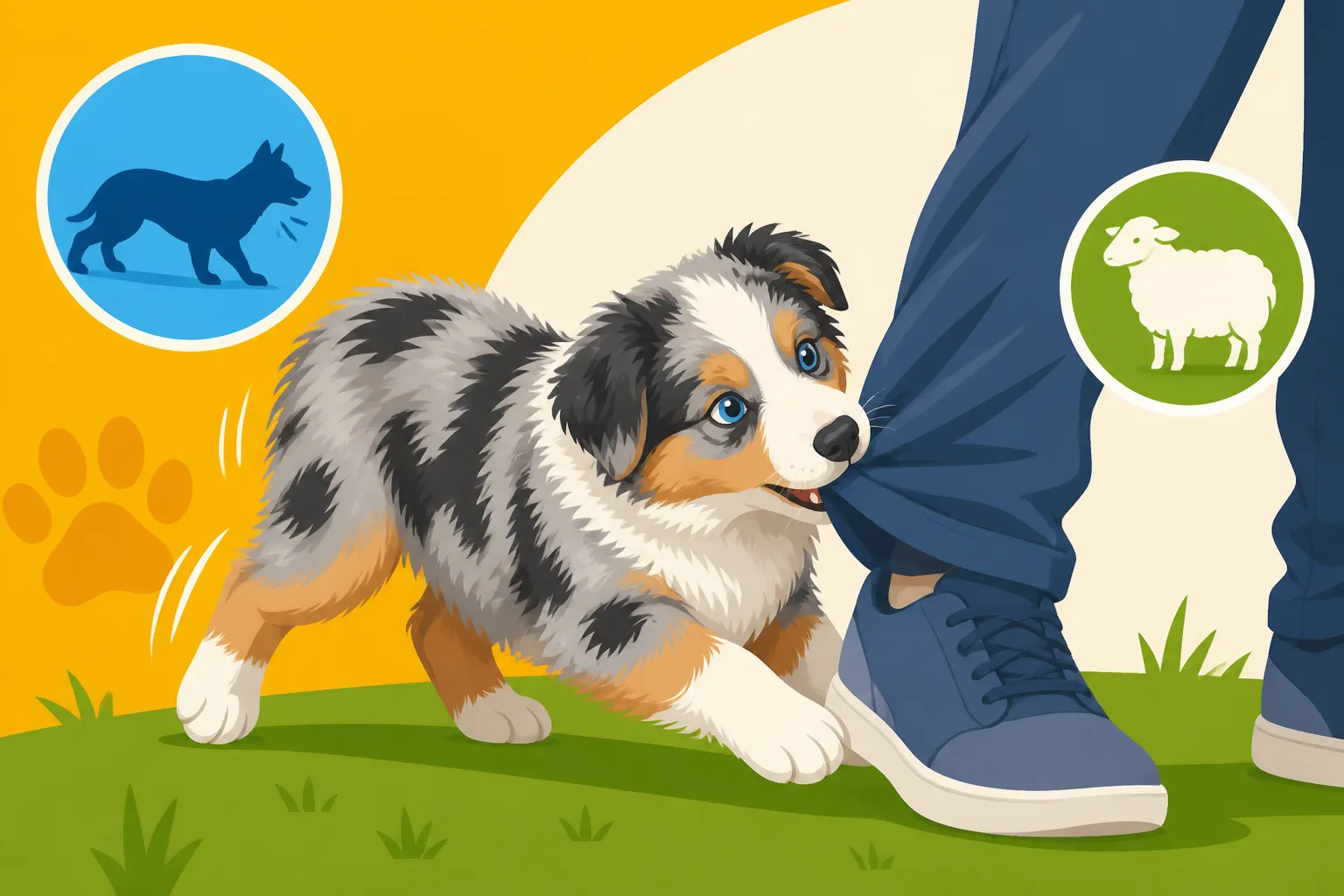
Australian Shepherds were bred for generations to work livestock, and that job involves using their mouth. A working Aussie might nip at a sheep's heels to guide it, or give a gentle, persuasive nudge with its nose to move the herd. These aren't bites meant to harm, but rather communication tools. Your puppy comes pre-programmed with these instincts, even if their ancestors haven't seen a sheep in generations. When they nip at your ankles, it's often their way of trying to "herd" you, especially when you're moving quickly or trying to walk away. They see you as part of their flock, and they're attempting to control your movement, just as they would a wayward lamb. This isn't naughtiness; it's their brain doing exactly what it was designed to do. The Australian Shepherd Herding Drive You Cannot Train Out offers more insight into this powerful instinct.
This instinct can manifest in various ways beyond just ankles. A puppy might nip at sleeves, pant legs, or even hair, particularly during play or when they're over-stimulated. They're not being malicious; they're simply engaging with the world through the tools they have – their mouths. For them, a moving hand or a swinging ponytail is just another "sheep" that needs to be directed. It’s crucial to remember that this behavior is self-reinforcing if not redirected, as the act of nipping gives them a sense of control or engagement, which is inherently rewarding for a herding breed.
Normal Puppy Exploration and Teething
Beyond the powerful herding drive, Australian Shepherd puppies, like all puppies, explore their world with their mouths. Everything new goes in the mouth – toys, furniture, shoes, and yes, your fingers. This oral exploration is a vital part of their development, helping them learn about textures, shapes, and what’s safe (or not safe) to chew. From about three weeks old until around six months, puppies are also actively teething. Their baby teeth are falling out, and their larger, adult teeth are coming in, which can be an uncomfortable process.
Chewing helps to relieve the discomfort of teething, just as it does for human babies. Your puppy isn't trying to hurt you; they're seeking relief and learning about their environment. When your puppy mouths your hand, it might be an attempt to satisfy this need for oral stimulation, or simply a way to engage in play. It's up to us, as their human companions, to guide them towards appropriate chewing items and teach them what is and isn't acceptable to put their mouths on. Ignoring this natural urge only makes the puppy more determined to find an outlet, often on something you value.
Guiding Your Aussie Puppy Away From Nipping
Successfully managing puppy biting and herding nips requires consistency, patience, and providing clear alternatives. The goal isn't to stop them from using their mouth entirely, but to teach them what they can bite and how gently they should do it.
Immediate Redirection Techniques
When your Aussie puppy's teeth make contact with your skin, the immediate response is crucial. Yelling, swatting, or physical punishment is almost always counterproductive. It can scare your puppy, erode trust, or worse, teach them that human hands are something to be feared, potentially leading to defensive biting later. Instead, the focus should be on clear, calm redirection.
Here’s a practical approach:
- "Ouch!" and Withdraw: The moment those teeth touch your skin, let out a high-pitched, sharp "Ouch!" or "Yip!" – mimicking the sound a littermate would make if bitten too hard. Immediately withdraw your hand or body part from their reach. This teaches them that biting too hard ends the interaction, which is a powerful lesson for a social creature.
- Redirect to an Appropriate Chew: As soon as you've yelped and withdrawn, offer them an acceptable chew toy. This could be a sturdy rubber toy, a rope toy, or a KONG filled with something tasty. The key is to redirect their oral fixation onto something they can chew. Praise them enthusiastically when they take the toy in their mouth. This simple act of Redirecting Aussie Puppy Teeth Onto a Toy is incredibly effective.
- The "Reverse Time-Out": If the puppy continues to nip despite your "Ouch!" and redirection, immediately remove yourself from the situation. Stand up, turn your back, or even step over a baby gate into another room for 10-20 seconds. This is often called a "reverse time-out" because you're removing the reward (your attention and presence) rather than punishing the puppy. Your Aussie craves interaction, and realizing that nipping makes you disappear is a potent lesson. Return after the brief time-out, and resume play. If the nipping starts again, repeat the process. Consistency is paramount here.
| Technique | When to Use It | How It Works | What It Teaches |
|---|---|---|---|
| "Ouch!" & Withdraw | Any time puppy teeth touch skin too hard | Mimics littermate feedback, ends direct interaction | Biting too hard makes play stop |
| Redirect to Chew Toy | Immediately after "Ouch!" or during play | Offers an acceptable alternative for mouthing/chewing | This is what you can chew, not my hand |
| Reverse Time-Out | If "Ouch!" & redirection don't stop nipping | Removes the desired interaction (your presence/attention) | Biting makes the fun disappear; gentle play keeps the fun going |
Utilizing Management Tools and Environmental Control
While training is key, proactive management can prevent many nipping incidents from happening in the first place, especially during those early, mouthy months.
A long line is a fantastic tool, particularly for those times when your Aussie puppy gets a burst of energy and starts trying to herd your feet. Instead of letting them chase and nip, you can gently guide them away or step on the line to interrupt the behavior, then immediately redirect them to a toy. You can find robust, puppy-safe long lines on Amazon that can be a real game-changer for managing their bursts of herding instinct without constantly bending over.
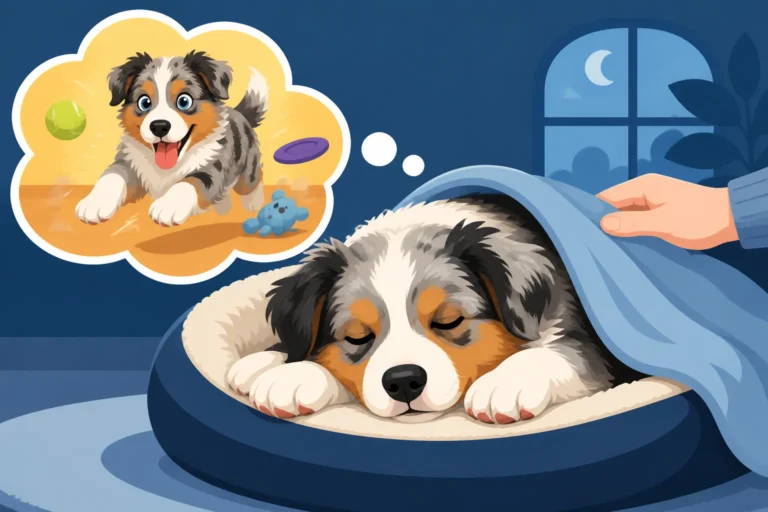
Create safe, puppy-proof zones using baby gates or an exercise pen. This allows you to step away when the nipping becomes overwhelming, or to ensure your puppy has a calm space where they can't practice unwanted behaviors on furniture or electrical cords. A sturdy crate is also invaluable, not as punishment, but as a safe den where your puppy can relax and take an Enforced Naps for an Overtired Aussie Puppy. An overtired puppy is often a mouthy, nippy puppy. Just like a human toddler, they can get "wired and tired," and a quiet nap often resolves the frenetic energy that fuels the nipping.
Finally, think about your clothing. If your puppy is constantly nipping at your pant legs, consider wearing sturdy jeans or even boots around the house during training times. Anything that makes your ankles less accessible or less appealing to mouth can help break the habit while you're actively working on redirection.
Providing Appropriate Outlets for Oral Fixation and Herding Drive
Your Australian Shepherd puppy has a strong need to use their mouth and a powerful herding instinct. The trick isn't to suppress these natural drives, but to channel them into appropriate, constructive outlets. Think of it as giving them a job that satisfies their inner working dog.
Engaging with Chew Toys and Puzzle Feeders
A varied selection of durable chew toys is absolutely essential for an Australian Shepherd puppy. These aren't just for fun; they're vital tools for managing their oral fixation and providing appropriate chewing relief, especially during teething. Look for toys made from tough rubber, like those from KONG or Nylabone, which can withstand powerful puppy jaws. Rotate these toys regularly to keep them novel and exciting. Some toys can even be filled with treats or peanut butter and frozen, offering a long-lasting challenge that keeps your puppy occupied and happy.
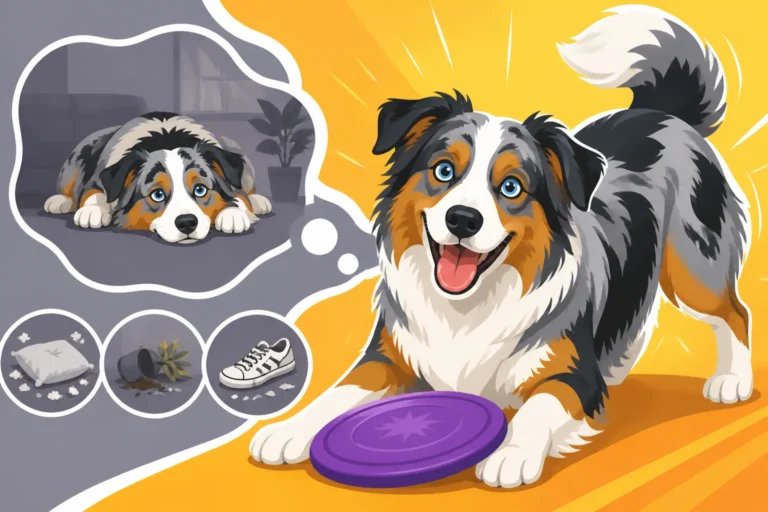
Puzzle feeders are another brilliant way to satisfy your Aussie's need to "work" for their food. Instead of simply dumping kibble into a bowl, make them earn it! There are many types available, from simple treat-dispensing balls to more complex sniff-and-seek mats. These not only engage their minds and mouths but also slow down eating, which can be beneficial for digestion and bloat prevention. Mental stimulation is just as tiring, if not more so, than physical exercise for an Australian Shepherd. A good session with a puzzle toy can leave them pleasantly exhausted and less inclined to seek out your hands for entertainment. Chew Toys That Last With an Australian Shepherd provides further recommendations.
Structured Play and Mental Engagement
Beyond just chews, engaging in structured, interactive play with your Aussie puppy can be incredibly beneficial. Tug-of-war, for example, can be a fantastic way to redirect nipping and satisfy their prey drive, as long as it's played with rules. Teach a clear "drop it" command, and ensure you initiate and end the game. This teaches impulse control and that play is on your terms. Tug as a Legal Outlet for Aussie Herding Drive explains how to do this safely and effectively. Flirt poles are another excellent tool, mimicking the chase and capture of prey in a safe, controlled way, allowing your puppy to exert their energy and focus their herding drive on a moving lure instead of your feet.
Mental engagement, like short training sessions throughout the day, can tire an Aussie puppy out far more efficiently than endless fetch. Teach them basic obedience commands, new tricks, or even start some foundation work for dog sports like obedience or agility. Even short, five-minute bursts of training that require them to think can make a huge difference in their overall calmness and reduce the likelihood of frenetic, nippy behavior. Online training programs, such as those offered by BAXTER & Bella, can provide structured curriculums and guidance for these early training stages, ensuring you're building a strong foundation.
Teaching Bite Inhibition: The Foundation of a Gentle Mouth
Bite inhibition is perhaps the most important lesson you can teach your Australian Shepherd puppy. It means they learn how hard they can bite. Even the most well-behaved dog might mouth you occasionally during play, or accidentally make contact if startled. The goal is to ensure that if they do, their bite is soft and causes no injury. This lesson typically starts with their littermates and mother, but it's reinforced by you.
Mimicking Littermate Feedback
When puppies play together, they learn about bite pressure naturally. If one puppy bites another too hard, the bitten puppy yelps and immediately stops playing. This sudden end to fun is a powerful deterrent, teaching the aggressor to temper their bite. You can replicate this crucial learning experience.
As we discussed earlier, if your puppy bites you too hard during play, let out a sharp, high-pitched "Ouch!" or "Yip!" – make it sound genuine, not angry. Immediately go limp and withdraw your hand or stop playing for a few seconds. This signals, "That hurt! Play stops when you bite that hard." After a few seconds of disengagement, you can resume play, but if the hard biting continues, get up and leave the room for a "reverse time-out." Consistency is key: every time your puppy's teeth exert too much pressure, the fun stops. Over time, they will learn to moderate their bite, understanding that a softer mouth allows the game to continue.
Gradual Pressure Training and Gentle Mouthing
Once your Australian Shepherd puppy is consistently biting with less force – meaning their bites are no longer painful, even if still present – you can begin to refine their bite inhibition further. The goal now is to teach them that even light pressure isn't always acceptable on human skin. This is a gradual process.
Start by gradually reducing the threshold for what constitutes "too hard." Initially, any painful bite warrants an "Ouch!" and a pause. As they improve, you can start responding with an "Ouch!" and a pause to even moderately firm bites that don't actually hurt, but are still too strong for human skin. Eventually, you'll be giving an "Ouch!" for any pressure beyond a very soft, gentle mouthing.
The ultimate goal is to teach your puppy that human skin is fragile and should be treated with extreme gentleness, if touched at all. Encourage gentle mouthing only when specifically invited, such as when you offer a treat from an open palm, and they gently take it. Praise quiet, calm interactions where their mouth is not involved. If they try to mouth your hand gently, you can allow it for a second, then immediately redirect to a toy. This helps them understand the difference between acceptable play with toys and gentle interactions with people. Remember, it’s a progression. Don't expect perfection overnight; celebrate the small victories of softer bites.
Addressing Persistent Nipping and Beyond Puppyhood
While most Australian Shepherd puppies naturally grow out of intense nipping with consistent training, some may continue to struggle or display more problematic biting behaviors. It's important to know when to escalate your approach and when to seek professional help.
When to Seek Professional Help
If you've been diligently working on bite inhibition and redirection for weeks, but your Aussie puppy's nipping is not improving, or if it seems to be getting worse, it's time to consider professional intervention. Signs that you might need a professional include:
- Biting that draws blood frequently: While puppy teeth are sharp, consistent biting that breaks the skin is a serious concern, as described in An Australian Shepherd Puppy Nipping That Draws Blood. This indicates a lack of adequate bite inhibition development.
- Growling or snapping accompanying the nips: This could signal underlying fear, resource guarding, or pain, rather than just playful herding.
- Nipping that seems aggressive or deliberate: If the nips are no longer just playful attempts to herd but seem to be driven by frustration, fear, or actual aggression.
- Your puppy showing signs of being genuinely upset during training: If they become defensive or agitated when you try to redirect them.
- You feel overwhelmed or unsure how to proceed: Sometimes, an outside perspective and tailored plan are exactly what you need.
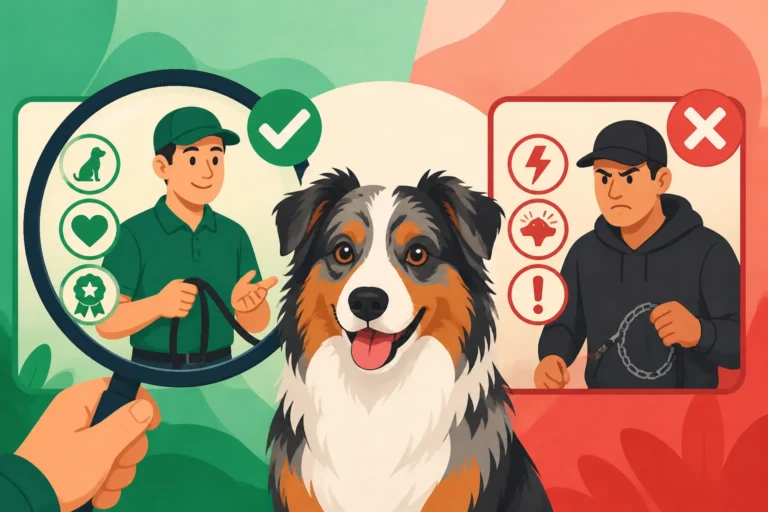
A certified professional dog trainer (CPDT) or a veterinary behaviorist can assess your puppy's specific situation, identify any underlying issues, and develop a customized training plan. They can observe your interactions, point out subtle cues you might be missing, and guide you through more advanced techniques. Look for trainers who use positive reinforcement methods and have experience with herding breeds.
Beyond Puppyhood: Addressing Adult Nipping
Ideally, with consistent effort during puppyhood, your Australian Shepherd should have excellent bite inhibition and rarely resort to nipping adults or children. However, sometimes these behaviors can resurface or persist into adulthood, or new nipping behaviors can emerge.
If an adult Australian Shepherd begins nipping, it's crucial to first rule out any medical causes. Pain, discomfort, or an undiagnosed health issue can sometimes manifest as irritability and a propensity to mouth or nip. A thorough veterinary check-up should be your first step. Australian Shepherd Hip Dysplasia Symptoms Before Two or Australian Shepherd Elbow Dysplasia From Hard Turning could indicate pain that makes them sensitive to touch or reluctant to be handled, leading to nipping as a warning.
Once medical issues are ruled out, consider environmental factors. Is your adult Aussie getting enough mental and physical stimulation? An under-exercised or bored Australian Shepherd will often find their own "job," and for some, that can involve unwanted herding or nipping behaviors, especially if they are trying to gain your attention. Re-evaluate their daily routine: are they getting at least Australian Shepherd Exercise at One to Two Hours a Day of quality activity? Are they engaged with puzzle toys, training, or dog sports?
Finally, remember that training is an ongoing process. You might need to revisit the foundational bite inhibition lessons, using the "Ouch!" and reverse time-out techniques with an adult dog, alongside consistent redirection to appropriate outlets. If the behavior is new or escalating, consulting a professional is always recommended to ensure you address it effectively and safely.
Disclaimer
This article is for general informational purposes only and does not constitute professional advice. Laws, prices and regulations vary by location and change over time. Consult a qualified professional for guidance on your specific situation.