Whether Sports Wear Out an Aussie’s Joints
It's a question that keeps many active Australian Shepherd owners up at night: are all those amazing jumps, tight turns, and bursts of speed in dog sports slowly, inevitably, wearing down our beloved Aussie's joints? It's a completely valid concern, especially when you see your high-energy companion throwing themselves into agility, flyball, or herding with such gusto. This guide will dive deep into the realities of how dog sports impact an Australian Shepherd's joint health, what risks are involved, and most importantly, what proactive steps you can take to keep your canine athlete sound and happy for as long as possible.
The Inevitable Question: Do Australian Shepherd Sports Lead to Joint Wear and Tear?
When you own an Australian Shepherd, you quickly learn that their energy is boundless, their intelligence is sharp, and their desire to work is intrinsic. They are literally bred for movement, quick thinking, and sustained activity. So, it's natural to channel that drive into sports like agility, disc dog, or herding. But the very activities that fulfill their spirit also place significant demands on their physical structure, particularly their joints. It’s not a simple yes or no answer; it’s a nuanced balance between the benefits of activity and the potential for stress.
The Double-Edged Sword of High-Impact Activity
On one paw, regular exercise, especially varied movement found in well-managed sports, is incredibly beneficial. It builds strong muscles, improves cardiovascular health, maintains a healthy weight, and keeps ligaments and tendons pliable. A well-conditioned dog is generally less prone to injury than a sedentary one. Think about it: strong muscles act like shock absorbers, protecting the joints from excessive impact. The mental stimulation of learning and performing complex routines also keeps their sharp minds engaged, which contributes to overall well-being.
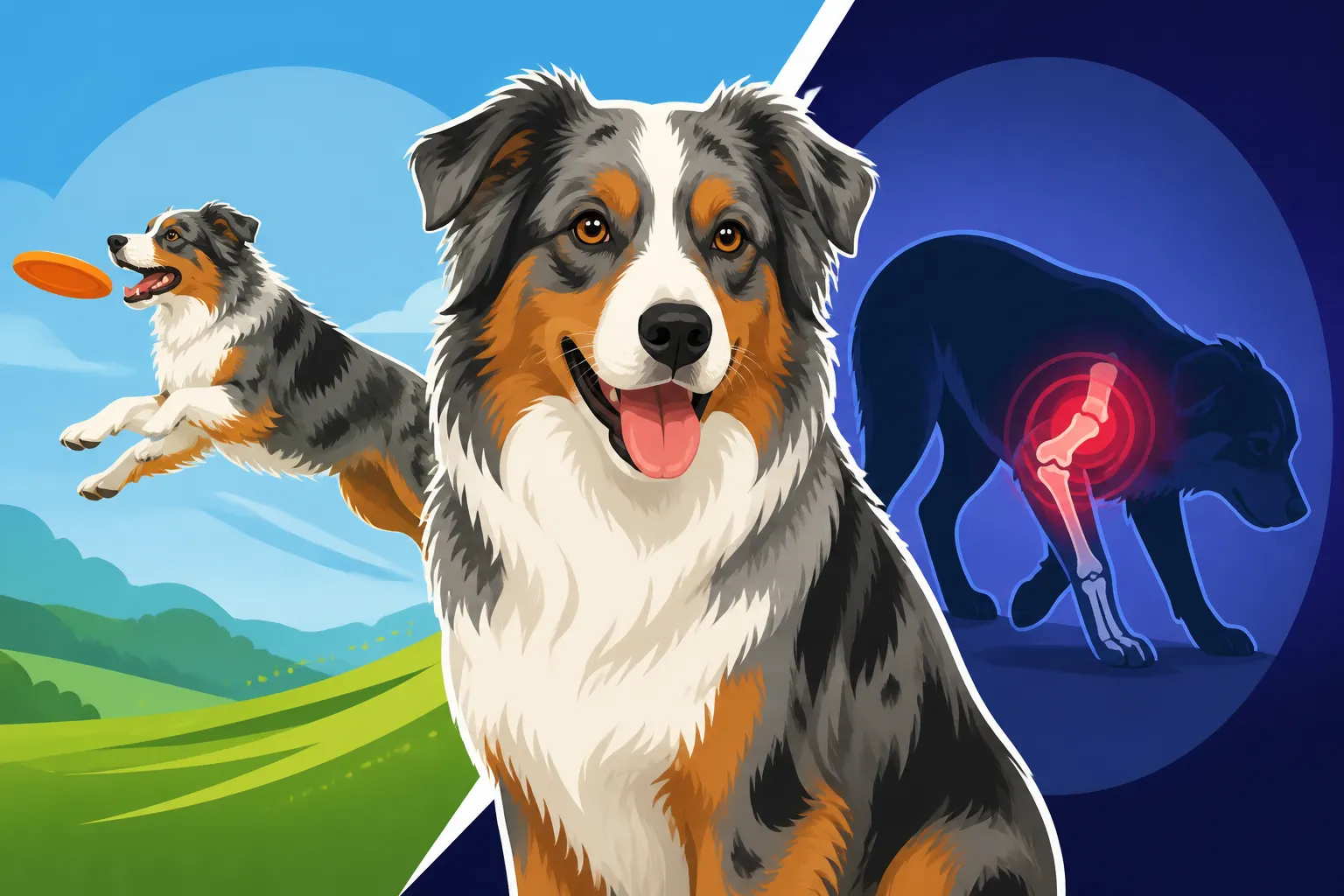
However, the very nature of many dog sports involves explosive movements: sudden stops, sharp turns, high jumps, and repetitive motions. These actions can put immense pressure on joints, especially the hips, elbows, knees (cruciates), and shoulders. Over time, or with improper conditioning, these repeated impacts can contribute to the breakdown of cartilage, inflammation, and the acceleration of degenerative joint diseases. It's not that sports always wear out joints, but rather that certain sports, performed without careful management, significantly increase the risk. For instance, a quick turn on a slick surface during a flyball race might be fine once, but repeated hundreds of times could lead to cumulative stress.
Understanding the Aussie's Physical Blueprint
Australian Shepherds are typically sturdy, medium-sized dogs, built for endurance and agility in the pasture. Their moderate bone structure, deep chest, and well-angulated hindquarters are designed for efficient movement, quick bursts of speed, and the ability to change direction on a dime. However, like many purebred dogs, they can be predisposed to certain genetic conditions that affect joint health. Australian Shepherd Hip Dysplasia and Working Joints and Aussie Elbow Dysplasia From Hard Turning are common concerns in the breed. These conditions, if present, can be exacerbated by the stresses of sports.
Even without a diagnosed genetic predisposition, the mechanics of intense sports can highlight conformational weaknesses. A dog with slightly less-than-ideal angulation might manage fine as a pet, but ask them to launch repeatedly over agility jumps or pivot sharply around barrels, and that subtle weakness could become a point of chronic stress. Understanding your individual dog's build and genetics is paramount. This is why good breeders are transparent about The Health Tests Every Australian Shepherd Parent Needs and provide results for hips, elbows, and eyes.
Identifying the Risks: Which Sports Pose the Biggest Challenge?
Not all dog sports are created equal when it comes to joint impact. While any activity can lead to injury if not done properly, some inherently place more stress on the musculoskeletal system than others. Being aware of these differences can help you make informed decisions about your Aussie's athletic career and how to best manage their body.
High-Impact Sports: Agility, Disc Dog, and Flyball
These are the sports that often come to mind when people think of an Australian Shepherd athlete, and for good reason—Aussies excel at them! However, they also involve significant impact and dynamic movements:
- Agility: This sport demands explosive acceleration, sharp turns, high jumps, and weaving through poles. The impact of landing from jumps, the torque on joints during tight turns around obstacles, and the repetitive nature of sequences can be very demanding. Think about the stress on the shoulders and elbows from landing after a high jump, or the knees and hocks when pushing off for a tight turn. An Australian Shepherd Limping After Agility is a symptom no one wants to see, and it can often be linked to cumulative stress.
- Disc Dog: This sport involves incredible vertical leaps, twists, and high-speed running, often on varied and sometimes uneven surfaces. The aerial maneuvers and hard landings can put tremendous strain on the spine, shoulders, and rear limbs. A dog jumping repeatedly for a disc at unnatural angles can certainly increase the risk of soft tissue injuries and joint issues over time.
- Flyball: A fast-paced relay race requiring explosive starts, hurdling, fetching a ball from a spring-loaded box, and a rapid, almost acrobatic turn. The force of hitting the box and executing that sharp pivot can be intense on the entire body, particularly the shoulders, spine, and hocks.
For these sports, excellent conditioning, proper technique, and gradual progression are absolutely vital. A dog that is properly warmed up, cooled down, and trained with careful attention to body mechanics will fare much better than one simply thrown into the fray.
Repetitive Stress: Herding and Endurance Activities
While perhaps not as overtly "high-impact" as a full-speed agility run, sports like herding and sustained endurance activities (like long-distance running or competitive hiking) present their own set of challenges, primarily due to repetitive stress and sustained effort.
- Herding: This is what Aussies were born to do! While it looks graceful, herding involves quick bursts of speed, sudden stops, crouching, stalking, and continuous movement over uneven terrain. It's often performed for longer durations than, say, an agility run. The constant small adjustments, pivots, and pushes, even if not high-impact jumps, lead to sustained stress on all joints, especially the hips and hocks, and can contribute to muscle fatigue which, in turn, reduces joint stability. Australian Shepherd Paw Injuries From Hard Running are also a common issue when working on rough ground for extended periods.
- Endurance Sports: Activities like canicross (running with your dog), bikejoring (biking with your dog), or competitive long-distance hiking/backpacking require sustained, rhythmic motion. While excellent for cardiovascular health, the repetitive nature of these activities, especially on hard surfaces or downhill, can lead to cumulative micro-trauma to joints. Think about the wear and tear on knees and ankles in human runners; the same principles apply to dogs. Proper conditioning, gait analysis, and appropriate surfaces become critical for minimizing risk.
It's a misconception that "natural" activities like herding are entirely safe. While instincts are powerful, the demands of competitive herding still stress the body, and smart management is key to longevity.
Proactive Joint Care: Keeping Your Sporting Aussie Sound
The good news is that the potential risks associated with dog sports don't mean your Australian Shepherd can't or shouldn't participate. It means you need to be a diligent, proactive owner, focusing on prevention and early intervention. Think of yourself as your Aussie's personal sports medicine team!
Foundation Training and Conditioning
A strong foundation is everything. Before your Aussie is tackling weave poles or leaping for a disc, they need to have excellent body awareness, core strength, and proper mechanics. This often starts from puppyhood. While it's tempting to jump right into demanding sports, remember that Australian Shepherd Growth Plates and When They Close means limiting high-impact activities until they are skeletally mature, typically around 18-24 months. Over-exercising a growing puppy can cause irreversible damage. Exercise Limits for a Growing Australian Shepherd are crucial to adhere to.
- Build Core Strength: A strong core stabilizes the spine and, by extension, the entire body. Simple exercises like controlled squats, weight shifts, and wobble board work can build this crucial strength. You can find many excellent tutorials for these foundational exercises, some available through online training programs like those offered by BAXTER & Bella, which focus on positive reinforcement and proper technique from a young age.
- Conditioning Programs: Just like human athletes, dogs benefit from structured conditioning. This isn't just about running them until they're tired; it's about targeted exercises that build strength, flexibility, balance, and endurance. Include variety in their exercise routine to work different muscle groups. Swimming, for example, is fantastic low-impact exercise for building strength.
- Warm-ups and Cool-downs: Never skip these! A 5-10 minute gentle walk and some dynamic stretches (like leg raises or body twists) prepare muscles and joints for exertion. A cool-down after intense activity helps reduce stiffness and promotes recovery.
Nutritional Support and Weight Management
What goes into your Aussie's bowl directly impacts their joint health. High-quality food provides the building blocks for strong bones, cartilage, and connective tissues.
- Balanced Diet: Ensure your dog is on a nutritionally complete and balanced diet appropriate for their age, activity level, and size. Some owners of active dogs opt for foods formulated for performance, but always consult with your vet or a canine nutritionist.
- Joint Supplements: Many sporting dog owners introduce joint supplements preventatively, often containing ingredients like glucosamine, chondroitin, MSM, and omega-3 fatty acids. While they aren't a magic bullet, they can help support cartilage health and reduce inflammation. You can find a wide variety of these on platforms like Amazon, but always research ingredients and choose reputable brands. Starting Joint Support on a Young Working Aussie is a conversation many owners have with their vets even before problems arise.
- Weight Control: This is absolutely critical! Even a few extra pounds can significantly increase the load on your Aussie's joints, accelerating wear and tear. How Weight Multiplies the Load on Aussie Joints cannot be overstated. Keep your Aussie lean, with a visible tuck-up and easily palpable ribs. Regular body condition scoring is a must.
Regular Vet Checks and Early Intervention
Your veterinarian is your most valuable partner in maintaining your Aussie's joint health. Regular check-ups are essential, even if your dog seems perfectly fine.
- Annual Exams: Don't just go when there's a problem. Your vet can assess gait, joint flexibility, and muscle mass during routine visits. They might spot subtle changes you've missed.
- Orthopedic Screenings: For Aussies involved in demanding sports, discussing baseline orthopedic screenings with your vet can be beneficial. These might include X-rays to check for early signs of hip or elbow dysplasia, even if a breeder's tests were clear, as some conditions can develop or worsen with intense activity.
- Learn the Signs: Be vigilant for any changes in your dog's movement, enthusiasm for activities, or behavior. Subtle lameness, stiffness after rest, reluctance to jump, or even a shift in temperament could indicate pain. An Aussie Stiff After a Career in Agility is a clear signal that something needs to be addressed. Don't ignore these early warnings. The sooner an issue is identified, the better the prognosis.
When the Game Changes: Managing Joint Health in Older Athletes
It's a tough pill to swallow, but even the most robust Australian Shepherd athletes eventually slow down. As they age, the cumulative effects of years of activity, combined with natural aging processes, can lead to conditions like Australian Shepherd Arthritis After Years of Work. This doesn't mean their quality of life has to diminish, but it does mean adapting your approach.
Adapting Training and Exercise Routines
As your Aussie transitions from peak athlete to a senior competitor or beloved retiree, their exercise needs and capabilities will shift.
- Lower-Impact Alternatives: Gradually reduce the intensity and impact of their activities. Replace high jumps with lower ones, shorten agility sequences, or opt for more flat-ground work in herding. Swimming becomes an even more invaluable exercise at this stage, providing excellent muscle conditioning without joint impact. Long, steady walks on soft surfaces can replace high-speed runs.
- Focus on Mental Stimulation: If physical activities need to be curtailed, ramp up the mental challenges. Scent work, puzzle toys, trick training, or even just learning new behaviors can keep their minds sharp and happy. Your Aussie still has that incredible drive, it just needs a new outlet. BAXTER & Bella, for example, offers plenty of online resources for advanced trick training and obedience that can be modified for less physical exertion.
- Consistency, Not Intensity: Short, frequent sessions of gentle exercise are often better than one long, intense session for older dogs. This keeps their joints moving without overtaxing them. Think about regular, gentle walks throughout the day rather than a single marathon session.
Supporting Comfort and Quality of Life
Beyond adjusting exercise, several strategies can help keep your older Aussie comfortable and thriving.
- Pain Management: Work closely with your vet to develop a pain management plan. This might include NSAIDs (non-steroidal anti-inflammatory drugs), other pain medications, or alternative therapies like acupuncture or therapeutic laser. Regular veterinary check-ups are even more important to monitor the effectiveness of treatments and adjust as needed.
- Physical Therapy and Rehabilitation: A canine rehabilitation specialist can be a game-changer. They can design specific exercises to maintain muscle mass, improve range of motion, and reduce pain. Hydrotherapy (underwater treadmill) is particularly effective for senior dogs, offering buoyancy and resistance for muscle strengthening.
- Environmental Modifications: Make your home senior-friendly. Provide orthopedic beds for comfortable resting. Use non-slip rugs on slick floors to prevent falls. Consider ramps or steps for accessing beds, couches, or cars, reducing the need for jumping. Keeping your older Aussie warm and dry can also help alleviate stiffness.
- Continued Nutritional Support: Continue with high-quality joint supplements, and discuss specialized diets with your vet. Some senior dog foods are formulated with additional joint-supporting ingredients. Weight management remains paramount, as excess weight places even more strain on already compromised joints.
By being proactive, observant, and adaptable, you can ensure your Australian Shepherd enjoys a long, active life, full of the joy and purpose that sports bring, minimizing the wear and tear on their incredible bodies.
| Sport Type | Joint Impact Level | Primary Joints Affected | Key Preventative Measures |
|---|---|---|---|
| Agility | High | Hips, Elbows, Shoulders, Knees | Proper jumping form, controlled weave pole entry, strong core conditioning, gradual increase in height/speed, appropriate surfaces, regular vet checks. |
| Disc Dog | High | Spine, Shoulders, Rear Limbs | Focus on safe landing techniques, limit excessive high jumps, proper warm-ups, soft landing surfaces, core and hindquarter strengthening, body awareness training. |
| Flyball | High | Shoulders, Hocks, Spine | Correct box turn technique, controlled speed, strong hindquarter drive, conditioning for explosive power and stability, regular assessment of gait. |
| Herding | Moderate/Repetitive | Hips, Hocks, Knees | Varied terrain for training, appropriate rest breaks, strong muscle conditioning for endurance and quick pivots, proper foot and paw care, attention to handler communication for controlled movements. |
| Endurance Runs | Moderate/Repetitive | Knees, Hocks, Paws | Gradual increase in distance/intensity, varied running surfaces (avoiding excessive pavement), appropriate running form, regular paw pad inspection, proper nutrition and hydration, pre- and post-run stretching. |
| Swimming | Low | All Joints | Excellent for muscle building and cardiovascular health with minimal joint impact. Ensure safe entry/exit, provide a life vest for beginners, monitor water temperature. Ideal cross-training or senior exercise. |
Disclaimer
This article is for general informational purposes only and does not constitute professional advice. Laws, prices and regulations vary by location and change over time. Consult a qualified professional for guidance on your specific situation.