The Everyday Foods That Harm an Aussie
It's a terrifying moment for any Australian Shepherd owner: you walk into the kitchen to find your beloved, mischievous Aussie with its nose in something it shouldn't have. Our furry friends are notorious for their curiosity and strong appetites, but what's perfectly safe, or even healthy, for us humans can be incredibly dangerous, or even deadly, for them. This comprehensive guide will walk you through the everyday foods commonly found in our homes that pose a significant threat to your Australian Shepherd, helping you create a safer environment for your energetic companion.
The Hidden Dangers in Your Pantry: Why Aussies Are Different
Our Australian Shepherds are incredible dogs, known for their intelligence, loyalty, and boundless energy. But beneath that beautiful double coat and bright, eager eyes lies a digestive and metabolic system that is vastly different from our own. What might be a harmless snack for you could trigger a severe reaction, or even organ failure, in your Aussie. It’s not just about what they shouldn't eat, but understanding why these common foods are so problematic.
The Australian Shepherd's Unique Sensitivities
Australian Shepherds, like many herding breeds, can sometimes have genetic predispositions that make them more sensitive to certain compounds. While the most widely known is The MDR1 Mutation Half of Australian Shepherds Carry, which affects how they process certain medications, their overall robust yet sometimes sensitive nature extends to diet as well. Their bodies aren't designed to metabolize many of the complex ingredients, sugars, and chemicals we regularly consume. This means that a small amount of a 'forbidden' food could have a much more pronounced and dangerous effect on an Aussie than it might on a different breed, or certainly on a human. It's crucial not to assume that because a food doesn't bother you, it won't harm your dog.
Think about it this way: your Aussie's digestive system is a finely tuned machine, optimized for processing a consistent, balanced diet of dog food. Introducing human foods, especially those with high sugar, fat, or artificial ingredients, can throw that system into chaos. Their bodies simply lack the enzymes or metabolic pathways to safely break down many common human ingredients, leading to a buildup of toxins or direct damage to organs. It’s a bit like putting diesel into a gasoline engine – it just won’t work, and it can cause serious damage.
How Metabolism Plays a Role
The way your Australian Shepherd's body processes food is a finely balanced act. Their liver and kidneys work tirelessly to filter out waste and metabolize nutrients. When they ingest something toxic, these organs go into overdrive, often becoming overwhelmed. For instance, the compound found in grapes and raisins can cause acute kidney failure in dogs, a condition that can escalate rapidly and be incredibly difficult to treat. The speed and severity of a reaction often depend on the specific toxin, the amount ingested, and the individual dog's size and underlying health.
Even seemingly innocuous foods can pose metabolic challenges. High-fat foods, for example, can trigger pancreatitis, a painful inflammation of the pancreas that can lead to chronic digestive issues and require extensive veterinary care. This isn't just about a sensitive stomach; it's about fundamental differences in how their bodies handle various substances. Understanding these metabolic differences is the first step in ensuring your Aussie's safety. It’s not just about avoiding 'junk food'; it’s about recognizing that many healthy human foods are simply not healthy for dogs.
Common Human Foods That Are Toxic to Australian Shepherds
Let's dive into the specific culprits that lurk in many homes, often without owners realizing the profound danger they pose to their Australian Shepherd. These aren't just foods that might cause an upset stomach; these are foods that can lead to severe illness, organ damage, or even death.
Chocolate and Caffeine: A Lethal Temptation
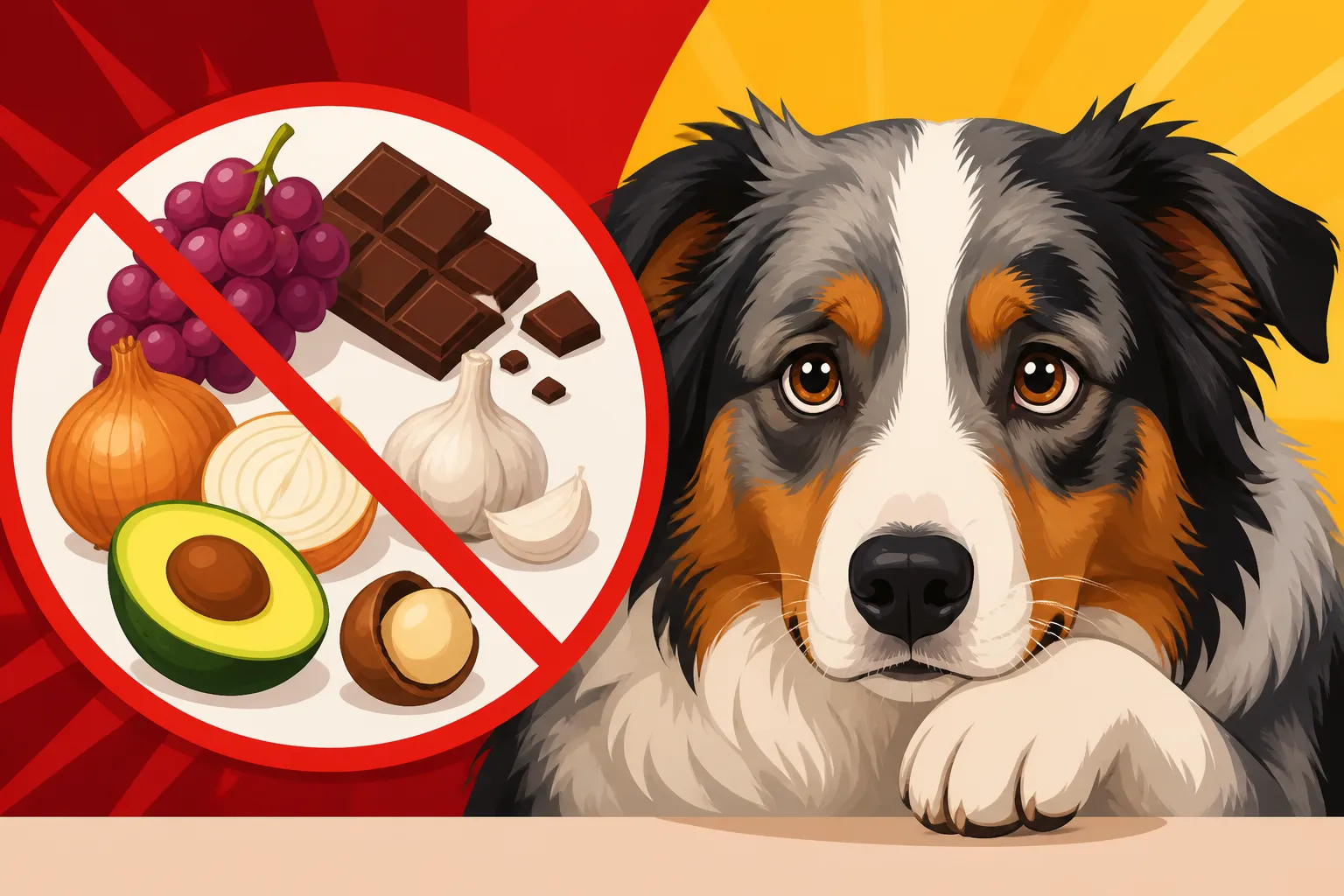
Chocolate is probably the most widely known toxic food for dogs, but many people don't fully understand why it's so dangerous or that caffeine poses similar risks. The toxic component in chocolate is theobromine, a stimulant similar to caffeine. Dogs metabolize theobromine much more slowly than humans, allowing it to build up to toxic levels in their system. The darker the chocolate, the higher the concentration of theobromine, making baking chocolate and dark chocolate particularly hazardous. Even milk chocolate, in sufficient quantities, can cause problems.
Symptoms of chocolate poisoning can range from vomiting, diarrhea, increased thirst, and restlessness to more severe signs like tremors, seizures, an abnormal heart rhythm, and even death. The amount that constitutes a toxic dose varies greatly depending on the type of chocolate and the size of your Australian Shepherd. A few chocolate chips might be upsetting for a large Aussie, but a bar of dark chocolate could be fatal for a small one. Similarly, caffeine in coffee, tea, energy drinks, and some medications contains methylxanthines, which are chemically related to theobromine and can cause identical, severe symptoms. Always keep anything containing chocolate or caffeine securely out of paw's reach.
Grapes, Raisins, and Avocados: Seemingly Innocent Threats
These three foods often catch owners by surprise because they are considered healthy for humans. However, for Australian Shepherds, they represent a serious threat. Grapes and raisins, regardless of color or whether they are seeded or seedless, have been linked to acute kidney failure in dogs. The exact toxic substance is still unknown, which makes it even more concerning because even a very small amount can be fatal for some dogs, while others might tolerate a larger amount without immediate symptoms. There's no safe amount, and no way to predict which dog will be affected or how severely.
The symptoms of grape or raisin toxicity often appear within 6-12 hours of ingestion and include vomiting, diarrhea, lethargy, dehydration, loss of appetite, and abdominal pain. As kidney failure progresses, dogs may stop urinating. If you suspect your Aussie has eaten even a single grape or raisin, contact your vet immediately.
Avocados are another surprising entry on this list. While not universally fatal, avocados contain a fungicidal toxin called persin. While persin is generally considered mild for dogs and cats in comparison to birds and certain other animals, large quantities, especially of the leaves, bark, and pit, can still cause stomach upset, vomiting, and diarrhea in sensitive individuals. The high-fat content of the avocado flesh itself can also trigger pancreatitis in some dogs. It's best to err on the side of caution and keep avocados off the menu for your Australian Shepherd entirely, especially the pits which pose a serious choking hazard.
Xylitol: The Sweetener That Can Be Deadly
Xylitol is a natural sugar alcohol used as a sweetener in many sugar-free products, including chewing gum, mints, candies, baked goods, certain peanut butters, toothpaste, and even some vitamins and medications. For humans, it's a safe sugar substitute, but for dogs, it's incredibly toxic. When a dog ingests xylitol, it causes a rapid and potent release of insulin from the pancreas, leading to a sudden and severe drop in blood sugar (hypoglycemia). This can occur within 15-30 minutes of ingestion and, if left untreated, can quickly become life-threatening.
Symptoms of xylitol poisoning include vomiting, weakness, staggering, collapse, and seizures due to low blood sugar. In some cases, especially with larger doses, xylitol can also cause acute liver failure, which can be delayed by several days. It is critical to check labels of sugar-free products, particularly peanut butter, before sharing them with your Aussie. Many dog owners unknowingly offer peanut butter as a treat or in puzzle toys, so always make sure it's xylitol-free. The risk is so high that even a small amount can be fatal, making it one of the most dangerous common household toxins for dogs.
Onions, Garlic, and Chives: More Than Just Flavor Enhancers
Members of the Allium family – onions, garlic, chives, and leeks – are incredibly common ingredients in human cooking, but they are highly toxic to Australian Shepherds and other dogs. These vegetables contain compounds called thiosulphates, which can cause oxidative damage to a dog's red blood cells, leading to a condition called hemolytic anemia. This means the red blood cells burst, reducing the blood's ability to carry oxygen throughout the body.
Symptoms might not appear immediately and can be delayed by several days after ingestion. They include lethargy, weakness, pale gums, increased heart rate, rapid breathing, vomiting, diarrhea, and dark, reddish-brown urine. All forms of these foods are dangerous: raw, cooked, dried, or powdered. This includes onion powder in seasoning blends, garlic powder, and even the small amounts found in many human baby foods or gravies. It's often the hidden ingredients in leftovers or sauces that cause problems. It's always best to prepare your Aussie's meals separately and ensure no human food containing these ingredients ends up in their bowl or on the floor.
Foods That Cause Digestive Upset or Other Health Issues
Beyond outright toxicity, many everyday human foods can cause significant discomfort, severe digestive upset, or lead to chronic health problems for your Australian Shepherd. While not always immediately life-threatening like the previous category, these can still result in costly vet visits and a very unhappy pup.
Dairy Products and Lactose Intolerance
Just like many humans, a surprising number of Australian Shepherds are lactose intolerant. While puppies produce an enzyme called lactase to digest their mother's milk, most adult dogs lose this ability as they mature. This means they struggle to break down the lactose (sugar) in dairy products like milk, cheese, and ice cream. When undigested lactose reaches the large intestine, it draws water into the bowel and is fermented by bacteria, leading to uncomfortable digestive issues.
If your Aussie consumes dairy, you might see symptoms such as diarrhea, vomiting, abdominal pain, and excessive gas. While a tiny lick of ice cream might not harm a dog with mild intolerance, larger amounts or repeated exposure can cause significant discomfort. It's a common mistake for owners to think that because dogs drank milk as puppies, they can continue to drink it as adults. It's generally best to avoid offering dairy products to your Australian Shepherd. If you want to give a cool treat, opt for dog-specific frozen treats or plain frozen pumpkin puree, which can be found at places like Chewy.
High-Fat Foods and Pancreatitis Risks
Our Australian Shepherds might beg for that fatty piece of bacon, fried chicken skin, or greasy burger, but these rich foods can be incredibly dangerous. Foods high in fat, especially those that aren't part of their regular diet, can trigger pancreatitis, a serious and painful inflammation of the pancreas. The pancreas is responsible for producing enzymes that aid in digestion and hormones like insulin. When it becomes inflamed, these enzymes can start to digest the pancreas itself, causing severe pain and organ damage.
Symptoms of pancreatitis include severe abdominal pain (often leading to a hunched posture), repeated vomiting, diarrhea, loss of appetite, lethargy, and fever. This condition requires immediate veterinary attention and can be chronic, meaning it recurs. Recovering from a pancreatitis attack often involves hospitalization, intravenous fluids, pain medication, and a strict, low-fat diet for weeks or even permanently. It's a costly and distressing illness that is largely preventable by avoiding fatty table scraps and rich human foods. Even if your Aussie seems fine after a small fatty treat, repeated exposure or a particularly large amount can still tip the scales into a medical emergency.
Bones and Choking Hazards
It's a classic image: a dog happily gnawing on a bone. However, giving your Australian Shepherd cooked bones, or even some raw bones, can be extremely dangerous. Cooked bones become brittle and can splinter easily. These sharp shards can cause a multitude of problems, including:
- Choking: Fragments can get lodged in the throat.
- Oral Injuries: Broken teeth or cuts to the gums, tongue, or esophagus.
- Internal Obstructions: Pieces can get stuck in the stomach or intestines, requiring emergency surgery.
- Punctures: Sharp fragments can puncture the digestive tract, leading to life-threatening infections.
- Constipation: Bone fragments can cause severe constipation or blockages due to impaction.
Even raw bones, while less prone to splintering, carry risks. They can still cause choking, broken teeth, or carry harmful bacteria like Salmonella or E. coli. If you want to provide your Aussie with something to chew on, opt for safe, size-appropriate chew toys made from durable rubber or specially designed dental chews. There are plenty of fantastic options available on Amazon that are designed with safety in mind. Always supervise your dog when they are chewing on anything new.
Yeast Dough and Bloat Concerns
Raw yeast dough is a double threat to Australian Shepherds. First, the live yeast in the dough will continue to rise and expand in the warm, moist environment of your dog's stomach. This can cause severe bloating, extreme abdominal pain, and potentially a life-threatening condition called Gastric Dilatation-Volvulus (GDV), or bloat. Bloat Warning Signs in an Australian Shepherd is a critical read for any Aussie owner, as this condition can twist the stomach, cutting off blood supply and requiring immediate emergency surgery.
Second, as the yeast ferments the sugars in the dough, it produces alcohol. This can lead to alcohol poisoning in your Australian Shepherd, with symptoms including disorientation, weakness, vomiting, tremors, and severe respiratory depression. Both the physical expansion of the dough and the alcohol production are medical emergencies. If your Aussie ingests raw yeast dough, contact your emergency vet immediately.
Foods to Avoid Due to Potential Allergies or Sensitivities
Sometimes, the danger isn't outright toxicity but a chronic reaction to common ingredients. Australian Shepherds, like many breeds, can develop food allergies or sensitivities that manifest in various uncomfortable symptoms. It’s a frustrating journey for owners, trying to pinpoint the culprit.
Common Allergens in Dog Food
Food allergies in dogs are typically reactions to specific protein sources. While many owners automatically think of grains, proteins are far more common allergens. The most frequent offenders in dog food and human scraps include:
- Beef: A very common protein, often seen as an allergen.
- Dairy: As mentioned, lactose intolerance is one thing, but some dogs can also have a true allergic reaction to dairy proteins.
- Chicken: Another prevalent protein in many commercial dog foods.
- Wheat/Gluten: While less common than protein allergies, some dogs do react to wheat.
- Soy: Can be found in some fillers and protein sources.
- Eggs: Less common, but still a potential allergen.
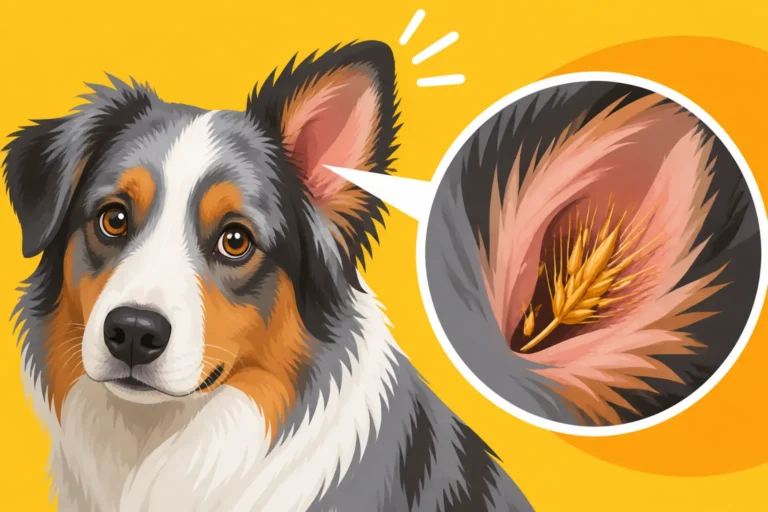
An allergic reaction isn't just a tummy ache; it's an immune response. Symptoms typically involve chronic itching, skin inflammation, ear infections, and gastrointestinal upset like vomiting and diarrhea. Australian Shepherd Skin, Coat and Allergy Problems often point back to dietary issues, and it can be truly heartbreaking to watch your beloved Aussie constantly scratching or suffering from recurrent infections.
How to Identify a Food Sensitivity in Your Aussie
Pinpointing a food allergy or sensitivity in your Australian Shepherd usually requires a methodical process called an elimination diet. This isn't a quick fix, and it takes dedication and patience, but it's often the most reliable way to get answers. Here’s how it generally works:
- Switch to a Novel Protein or Hydrolyzed Protein Diet: This involves feeding your Aussie a prescription diet containing a protein source they've never encountered before (a "novel protein," like venison or duck) or a "hydrolyzed protein" diet where the proteins are broken down into such small pieces that the immune system doesn't recognize them as allergens. Brands like Royal Canin and Purina Pro Plan often have veterinary-specific options for these diets.
- Strict Adherence: For at least 8-12 weeks, your Aussie must eat only this prescribed food. No treats, no table scraps, no flavored medications, no other chew toys unless they are confirmed hypoallergenic. This is crucial for accurate results. It's often harder for the human family members than it is for the dog!
- Monitor Symptoms: During this period, carefully observe your Aussie for any improvements in their skin, coat, or digestive issues. Take notes.
- Reintroduction (if necessary): If symptoms improve, you can then slowly reintroduce suspected allergens one at a time, for about two weeks each, to see if symptoms return. For example, if you suspect chicken, you'd add pure cooked chicken to their novel protein diet and watch for a reaction. If a reaction occurs, that food is identified as a trigger. Eight Weeks of Elimination Diet on an Aussie is a good resource if you find yourself on this journey.
This process should always be done under the guidance of your veterinarian or a veterinary nutritionist, as balancing a Novel Protein Food for an Itchy Aussie can be tricky, and it's essential to ensure your dog still receives all necessary nutrients.
Accidental Ingestion: What to Do When Your Aussie Eats Something Bad
Despite our best efforts, accidents happen. A dropped piece of chocolate, a forgotten bag of grapes, or a sneaky paw snagging something off the counter. Knowing what to do in these stressful moments can make all the difference for your Australian Shepherd.
Immediate Steps to Take
If you suspect your Aussie has eaten something toxic or potentially harmful, time is of the essence. Don't panic, but act quickly and calmly:
- Identify the Substance and Amount: The first thing you need to know is what they ate and how much. If possible, collect any packaging or remaining food, as this information is vital for your vet. For example, knowing the percentage of cocoa in chocolate or if a product contains xylitol is critical.
- Contact Your Veterinarian or Emergency Vet: Call your regular vet immediately if it's during business hours, or your nearest emergency veterinary clinic if it's after hours. Don't wait to see if symptoms develop. Describe exactly what happened, what your Aussie ate, and approximately how much.
- Do NOT Induce Vomiting Unless Directed: This is a crucial point. While inducing vomiting might seem like a logical first step, it can be dangerous in certain situations. For instance, if your dog ate something sharp (like cooked bones) or a corrosive substance (like bleach), inducing vomiting could cause more harm. Your vet will instruct you on whether, and how, to induce vomiting safely, often by administering hydrogen peroxide. They will weigh the risks and benefits based on the substance ingested and the time since ingestion.
- Follow Veterinary Instructions Precisely: Your vet may ask you to monitor your Aussie at home, bring them in for an immediate examination, or induce vomiting. Whatever their advice, follow it exactly.
Being prepared with emergency numbers and knowing the location of your nearest 24/7 emergency clinic is invaluable. You can also contact pet poison control hotlines, which are staffed by veterinary toxicologists who can provide immediate, expert advice. Remember, in situations involving toxins, early intervention often leads to the best outcome. This is especially true for Australian Shepherds, given their potential sensitivities. Check out What to Do When an Aussie Eats Something Toxic for more detailed steps.
When to Head to the Emergency Vet
There are times when immediate, in-person veterinary care is non-negotiable. If your Aussie has eaten something truly dangerous, such as:
- Xylitol: Due to the rapid onset of hypoglycemia and potential for liver damage.
- Large quantities of chocolate (especially dark or baking chocolate): High risk of severe cardiac and neurological symptoms.
- Any amount of grapes or raisins: Due to the unpredictable and potentially severe kidney damage.
- Raw yeast dough: Risk of bloat and alcohol poisoning.
- Any unknown substance: If you can't identify what they ate, it's safer to assume the worst.
- If your Aussie is already showing severe symptoms: Vomiting uncontrollably, having seizures, collapsing, staggering, or experiencing difficulty breathing.
Even if your vet advises you to monitor at home, if your Aussie's condition deteriorates or you become increasingly concerned, don't hesitate to go to the emergency clinic. It's always better to be safe than sorry when it comes to your Australian Shepherd's health. Remember that Australian Shepherd Drug Reactions at the Emergency Vet can also happen, so always make sure they know your Aussie's full medical history, including any known sensitivities.
Creating a Safe Feeding Environment for Your Australian Shepherd
Prevention is always the best medicine, especially when it comes to keeping your curious Australian Shepherd away from harmful foods. Their intelligence means they can figure out complicated latches, and their herding drive can make them surprisingly persistent in pursuing something they want!
Designating "Dog-Safe" Areas
One of the simplest and most effective strategies is to create clear boundaries in your home. The kitchen, while often the heart of the home, can also be the biggest source of temptation. Consider these approaches:
- Kitchen Rules: Teach your Aussie to stay out of the kitchen while you're cooking or eating. A "place" command or a baby gate can be incredibly helpful here. This prevents accidental drops from becoming accidental ingestions.
- Dining Table Discipline: Train your Aussie not to beg at the table. Consistency from everyone in the household is key. If even one person slips up, it reinforces the begging behavior.
- Supervised Snacking: If children are eating, especially snacks that might contain harmful ingredients like grapes or chocolate, supervise them closely. Little hands are prone to dropping food, and well-meaning kids might try to share with their furry friend, unaware of the danger.
- Secure Trash Cans: Invest in trash cans with secure, dog-proof lids. Australian Shepherds are surprisingly adept at opening cabinets and tipping over bins if they smell something interesting inside.
Establishing these routines early on can make a huge difference, particularly for a smart and determined breed like an Aussie. It’s not about punishing them, but about setting them up for success in a human-centric home.
Smart Storage and Sniff-Proofing
Your Aussie's nose is a powerful tool, and if they can smell it, they'll try to get to it. Smart storage is your second line of defense:
- Countertop Clearing: Never leave food unattended on countertops, even for a moment. A jumping Aussie can surprise you with how high they can reach, or how quickly they can snatch something and bolt.
- Pantry Protection: Store all human foods, especially toxic ones, in cabinets with child-proof latches or in secure containers. Don't underestimate their ability to push open doors or chew through flimsy packaging. This is where products like secure, airtight containers from Chewy or Amazon can be incredibly useful, not just for keeping food fresh for you, but for keeping it out of reach for them.
- Treat Safely: If you use human foods as treats, like plain carrots or apple slices (without seeds), ensure they are prepared separately and clearly distinguished from harmful foods. Never offer directly from your plate.
- Purse and Backpack Awareness: Be mindful of where you leave bags that might contain gum, medication, or snacks with xylitol. A curious Aussie can easily explore a dropped purse.
By making your home a fort against accidental ingestion, you drastically reduce the risk to your Australian Shepherd. A little extra effort in organizing and securing food can save you a lot of heartache and emergency vet bills down the line.
The Importance of a Balanced, Dog-Specific Diet
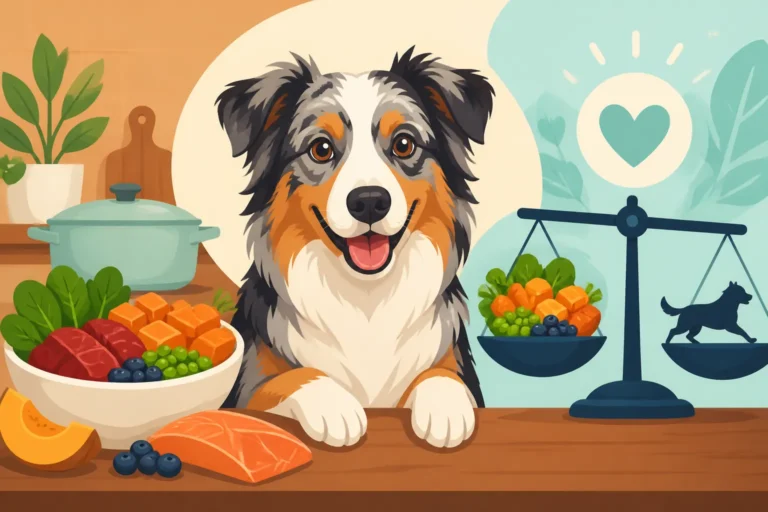
Beyond avoiding dangerous foods, actively providing your Australian Shepherd with a complete and balanced diet formulated for dogs is the cornerstone of their long-term health and well-being. This is where their primary nutrition should come from, not table scraps or human food.
Commercial Dog Food vs. Home-Cooked Diets
When it comes to feeding your Australian Shepherd, you generally have two main choices: commercial dog food or a home-cooked diet.
- Commercial Dog Food: This is often the easiest and most reliable option. High-quality commercial dog foods (kibble, wet, or fresh-frozen like Ollie offers) are scientifically formulated to meet all of your Aussie's nutritional needs, adhering to standards set by organizations. They contain the correct balance of proteins, fats, carbohydrates, vitamins, and minerals. Always look for foods that state they meet AAFCO (Association of American Feed Control Officials) nutritional guidelines for your dog's life stage (puppy, adult, senior, or all life stages). There's a vast range available, from budget-friendly kibble to premium fresh food services. You can find many reputable brands on Chewy, making it easy to compare ingredients and reviews.
- Home-Cooked Diets: While the idea of cooking for your Aussie might seem appealing, it's incredibly challenging to create a nutritionally complete and balanced home-cooked diet. Without careful formulation by a veterinary nutritionist, home-cooked meals often lack essential vitamins and minerals or have an incorrect balance of macronutrients, which can lead to deficiencies or excesses over time. If you are determined to feed a home-cooked diet, it is absolutely crucial to work with a board-certified veterinary nutritionist to develop a recipe specific to your Aussie's needs. Do not rely on internet recipes, as most are not properly balanced.
The key takeaway is consistency and balance. Your Aussie thrives on a diet designed for them, rather than a patchwork of human foods. Remember that Feeding an Australian Shepherd That Works All Day will involve specific calorie needs, so working with a vet or nutritionist to get the right commercial food or balanced recipe is paramount.
Consulting Your Vet About Nutrition
Your veterinarian is your best resource for all things related to your Australian Shepherd's health, and that includes nutrition. They can help you:
- Choose the Right Food: Based on your Aussie's age, activity level, health conditions (e.g., allergies, joint issues, sensitive stomach), and weight goals. For example, if your Aussie has Australian Shepherd Arthritis After Years of Work, they might recommend a food with added joint support.
- Determine Portion Sizes: Daily Calories for a Fifty Pound Australian Shepherd can vary wildly based on their individual metabolism and how much exercise they get. Your vet can help you establish appropriate Portioning an Aussie Ration by Workload to maintain a healthy body condition.
- Address Specific Dietary Needs: If your Aussie has an allergy, a chronic illness like Australian Shepherd Epilepsy Starting Between One and Five, or is a senior dog, your vet can recommend prescription diets or supplements to support their health.
- Monitor Weight and Body Condition: Regular check-ups allow your vet to assess your Aussie's body condition score and adjust their diet as needed. Scoring an Aussie Body Condition by Hand is a skill worth learning, but your vet can give you expert guidance.
Don't hesitate to bring up any dietary concerns or questions with your vet. They can provide personalized advice to keep your Australian Shepherd happy, healthy, and safe from the many everyday foods that could harm them. A healthy diet is one of the biggest factors in a long, vibrant Australian Shepherd Lifespan Across Twelve to Fifteen Years.
| Food Category | Examples | Toxic Compound/Mechanism | Potential Symptoms | Urgency |
|---|---|---|---|---|
| Toxic | Chocolate, coffee, tea | Theobromine, caffeine | Vomiting, diarrhea, tremors, seizures, heart issues, death | Emergency Vet (Immediate) |
| Grapes, raisins | Unknown | Vomiting, lethargy, dehydration, kidney failure | Emergency Vet (Immediate) | |
| Xylitol (sugar-free gum, peanut butter) | Xylitol | Vomiting, weakness, staggering, seizures (low blood sugar), liver failure | Emergency Vet (Immediate) | |
| Onions, garlic, chives, leeks | Thiosulphates | Lethargy, weakness, pale gums, rapid breathing, dark urine (anemia) | Emergency Vet (Urgent, often delayed) | |
| Harmful/Digestive | Fatty foods (bacon, greasy scraps) | High fat content | Vomiting, diarrhea, severe abdominal pain, hunched posture (pancreatitis) | Emergency Vet (Urgent) |
| Cooked bones | Splintering, impaction | Choking, broken teeth, internal obstruction, perforation, constipation | Emergency Vet (Urgent) | |
| Raw yeast dough | Yeast fermentation, alcohol | Bloating, abdominal pain, collapse (bloat), disorientation, tremors (alcohol poisoning) | Emergency Vet (Immediate) | |
| Dairy products (milk, cheese, ice cream) | Lactose | Vomiting, diarrhea, gas, abdominal pain (lactose intolerance) | Vet Visit (If severe, otherwise monitor) | |
| Avocados (leaves, skin, pit primarily) | Persin, high fat | Vomiting, diarrhea (mild sensitivity), choking (pit) | Vet Call (Monitor or visit if ingested large amount/pit) | |
| Potential Allergens | Beef, chicken, wheat, soy, eggs, dairy protein | Specific protein/gluten | Chronic itching, skin inflammation, ear infections, gastrointestinal upset | Vet Consult (For elimination diet) |
Disclaimer
This article is for general informational purposes only and does not constitute professional advice. Laws, prices and regulations vary by location and change over time. Consult a qualified professional for guidance on your specific situation.