The Australian Shepherd Double Coat Explained
If you're an Australian Shepherd parent, you know that their stunning coats are a huge part of their charm. But let's be honest, that beautiful, flowing fur also comes with its challenges – from the constant shedding to the dreaded matting. It can feel like a full-time job just keeping up! This guide is here to unravel the mysteries of your Aussie's unique double coat, explaining what it is, why it's so important, and how you can best care for it to keep your furry friend healthy and happy, without losing your mind in a cloud of dog hair.
The Anatomy of an Australian Shepherd's Double Coat
Understanding your Australian Shepherd's coat isn't just about admiring its beauty; it's about appreciating a marvel of natural engineering. Unlike single-coated breeds that have one layer of hair, Aussies are built with two distinct layers, each serving a crucial purpose. This double-layered system is what makes them so resilient and allows them to thrive in various climates, from the scorching summer fields to the biting winter winds.
The Insulating Undercoat
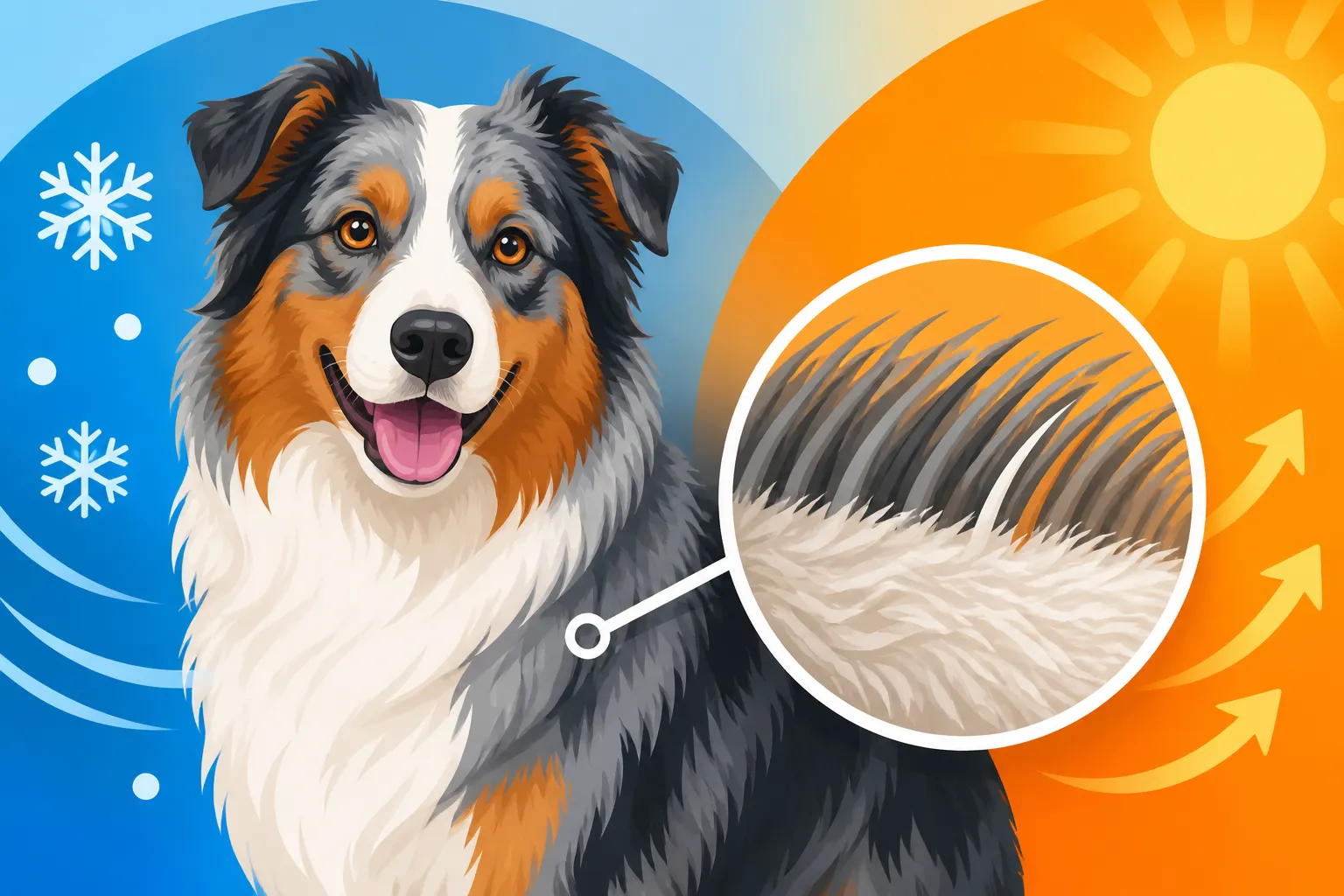
Beneath that gorgeous, flowing outer layer lies the unsung hero of your Aussie's coat: the undercoat. This layer consists of soft, dense, downy fur that's much finer than the guard hairs you see on top. Think of it as a natural fleece jacket, incredibly efficient at trapping air. In colder weather, this trapped air acts as an insulating barrier, holding in body heat and keeping your Aussie warm. When the temperatures rise, the undercoat helps dissipate heat by preventing warm air from getting too close to the skin, creating a cooling effect. It's a year-round temperature control system, and it's absolutely vital for their comfort and health. This undercoat is also the primary culprit behind the prodigious shedding you'll experience during seasonal coat blows. It's truly What the Undercoat Does on an Aussie.
The Protective Outer Coat
The outer coat, often called the "guard hairs," is what gives your Australian Shepherd its characteristic look. These hairs are longer, coarser, and typically straighter than the soft undercoat. They're designed for durability and protection. Imagine your Aussie dashing through brush, splashing through puddles, or rolling in the dirt – these guard hairs take the brunt of it. They repel water, dirt, and debris, preventing it from reaching the skin and causing irritation. They also offer a physical barrier against sunlight, thorns, and insects. The texture of this outer coat can vary slightly, from straight to slightly wavy, but its primary role remains the same: to protect your Aussie from the elements and anything else they might encounter during their active lives.
Why the Double Coat is So Essential
It’s easy to look at the sheer volume of fur on an Australian Shepherd and think it's just for show, but this double coat is fundamentally important to their well-being. It’s an evolutionary trait that allowed their ancestors to work tirelessly in various conditions, and it continues to be essential for modern Aussies, whether they’re herding sheep or just playing fetch in the park.
Protection from Elements
The double coat provides robust protection against the harshest environmental factors. In winter, as we've discussed, the dense undercoat acts like a personal thermal layer, trapping warmth close to the body and safeguarding against frigid temperatures, wind, and even light snow. It’s their built-in winter parka. But this protective quality isn't just for cold weather. During warmer months, the outer coat, along with a healthy undercoat (properly shed, of course), actually helps shield your Aussie's skin from the sun's harsh UV rays. It acts as a natural sunscreen, preventing sunburn and reducing the risk of skin damage, which is especially important for dogs with lighter coat colors or pinker skin. This natural barrier also keeps allergens, dirt, and parasites from easily reaching the skin, contributing to overall Australian Shepherd Skin, Coat and Allergy Problems health.
Temperature Regulation
Perhaps one of the most misunderstood functions of the double coat is its role in temperature regulation. Many people mistakenly believe that shaving an Australian Shepherd in summer will make them cooler. In reality, it does the exact opposite! The undercoat creates an insulating layer, trapping cool air close to the skin in summer and warm air in winter. Think of it like a thermos: it keeps hot things hot and cold things cold. When properly maintained through regular grooming, the double coat allows for excellent airflow near the skin, helping sweat evaporate (yes, dogs sweat a little through their skin, though mostly through their paw pads) and facilitating evaporative cooling. Removing this natural system disrupts their ability to regulate their body temperature effectively, making them more susceptible to both overheating and chilling. Their coat is a dynamic system, constantly adjusting to help them maintain a comfortable internal temperature, no matter the outside conditions.
Common Misconceptions and What NOT to Do
There's a lot of well-meaning but ultimately harmful advice floating around about how to care for a double-coated breed like an Australian Shepherd. It's crucial to separate fact from fiction to ensure you're doing what's best for your dog's health and comfort. Falling prey to these myths can lead to significant problems, from skin issues to compromised temperature regulation, and ultimately, an unhappy Aussie.
The Dangers of Shaving an Aussie
This is perhaps the biggest misconception out there, fueled by the desire to "cool down" a furry dog in summer. Please, for your Aussie's sake, never shave their double coat. As we've just discussed, their coat is their primary temperature regulator. Shaving removes both the protective outer coat and the insulating undercoat, exposing their delicate skin directly to the sun. This can lead to severe sunburn, increased risk of skin cancer, and can make them hotter by removing their natural insulation. Furthermore, once shaved, the undercoat often grows back faster and thicker than the guard hairs, leading to a "woolley" texture that is prone to matting and even harder to manage than before. The outer guard hairs might never grow back properly, or they might come in patchy, compromising the coat's natural function and appearance for good. There's a reason Why an Australian Shepherd Should Never Be Shaved is such a critical piece of advice.
Stripping the Coat vs. Proper Shedding
Another common misunderstanding lies in the difference between natural shedding and aggressive "stripping" methods, often confused with deshedding. Stripping, in some grooming contexts, refers to manually pulling out dead outer guard hairs, typically done with specific tools or by hand for certain wire-haired breeds to maintain coat texture. This is not what you do with an Australian Shepherd. For Aussies, proper coat care involves facilitating natural shedding, especially during their twice-yearly "coat blows." This means brushing out the dead undercoat and loose guard hairs, allowing for healthy new growth and proper air circulation. Over-stripping or improperly using deshedding tools can damage healthy guard hairs, thin the coat too much, or irritate the skin, leading to a compromised coat. The goal is to assist the natural process, not force or alter it in a way that goes against the coat's intended function. Understanding The Australian Shepherd Double Coat Explained is key to avoiding these mistakes.
Seasonal Shedding (Coat Blow) and What to Expect
If you live with an Australian Shepherd, you are intimately familiar with shedding. But "shedding" is a mild word for what happens during a full "coat blow." This isn't just a few stray hairs; it's a seasonal event that can feel like a snowstorm of fur in your home. Understanding this cycle and preparing for it will save your sanity and keep your Aussie much more comfortable.
Understanding the Cycle of Coat Blow
Australian Shepherds typically experience two major "coat blows" each year – once in the spring to shed their heavy winter undercoat in preparation for warmer weather, and again in the fall to get rid of their lighter summer undercoat and grow in a denser one for winter. This process is largely triggered by changes in daylight hours and temperature, though individual dogs can vary. During a coat blow, the sheer volume of undercoat that comes out can be astounding. It's not uncommon to fill grocery bags with fur. This isn't a sign of ill health, but a perfectly natural, healthy process. However, if this dead undercoat isn't removed, it can mat close to the skin, trapping moisture, preventing airflow, and leading to hot spots, skin infections, and discomfort. Knowing When an Australian Shepherd Blows Its Coat means you can be ready.
Managing the Avalanche of Hair
When the coat blow hits, your grooming routine needs to kick into high gear. This is not the time for a quick brush once a week; you'll likely need to be brushing your Aussie every single day, sometimes twice a day, to keep up. The right tools are absolutely essential here. A good undercoat rake is invaluable for getting deep into the coat without damaging the guard hairs. A slicker brush can help after the undercoat is largely removed, and a wide-toothed comb can check for any missed tangles. Be prepared for a mess – it's going to happen. Consider brushing your Aussie outdoors if possible, or designate a specific "grooming zone" with easy-to-clean flooring. Regular baths (followed by thorough drying) can also help loosen dead hair, but be mindful not to over-bathe, as this can strip natural oils. Many owners find investing in a powerful dog dryer beneficial during this time, not just for speed, but for blowing out loose undercoat. How Long an Aussie Coat Blow Lasts varies, but consistent effort is key.
Everyday Grooming for a Healthy Coat
Maintaining an Australian Shepherd's magnificent coat isn't just about battling coat blows; it's an ongoing commitment. Regular, consistent grooming is the cornerstone of keeping them comfortable, healthy, and looking their best. Neglecting routine care can quickly lead to painful mats, skin issues, and even behavioral problems if they become uncomfortable.
Essential Brushing Techniques and Tools
Consistent brushing is your best friend in managing an Aussie's double coat. Ideally, you should aim to brush your Australian Shepherd at least Brushing an Australian Shepherd Twice a Week, and much more frequently during seasonal shedding. The key is to use the right tools and techniques.
Here’s a breakdown of useful tools and when to use them:
| Tool Type | Purpose | Technique | Best For |
|---|---|---|---|
| Undercoat Rake | Reaches deep into the undercoat to pull out loose, dead hair. | Gently rake in the direction of hair growth, lifting sections of fur as you go. | Removing vast amounts of shedding undercoat during coat blows. A must-have tool. The Rake That Reaches an Aussie Undercoat |
| Slicker Brush | Detangles outer coat, removes minor mats, smooths fur. | Use short, gentle strokes, working through small sections at a time. | Daily brushing, fluffing the coat, general tidying, especially on legs and feathering. |
| Pin Brush | Loosens tangles, removes debris, massages skin. | Brush with the lay of the coat, ensuring pins reach the skin but don't scratch. | Everyday brushing, spreading natural oils, good for longer feathering. |
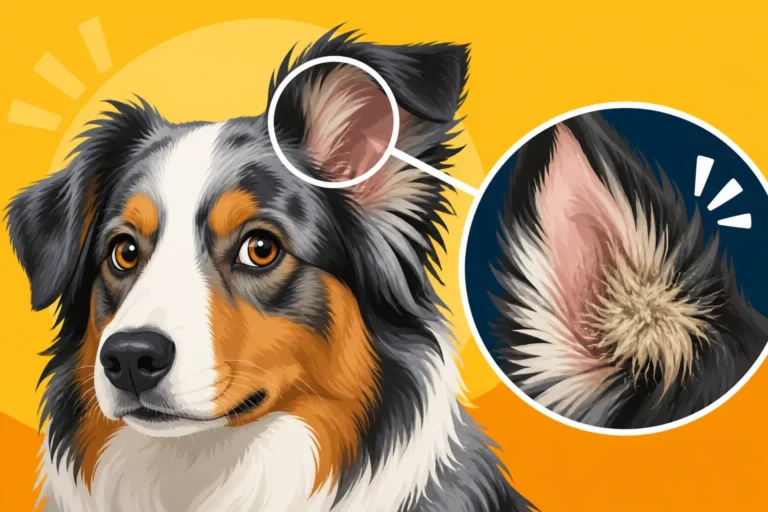
| Wide-Toothed Comb | Checks for mats and tangles after brushing. | Slowly comb through the coat, especially in areas prone to matting (behind ears, armpits, trousers). | Final check for mats, crucial for areas like The Mats That Form Behind Aussie Ears. |
| Deshedding Tool | Specifically designed to remove loose undercoat. | Use sparingly and gently, as directed by the manufacturer, to avoid damaging guard hairs. | Can be effective during shedding seasons, but often overused. Prioritize undercoat rakes. |
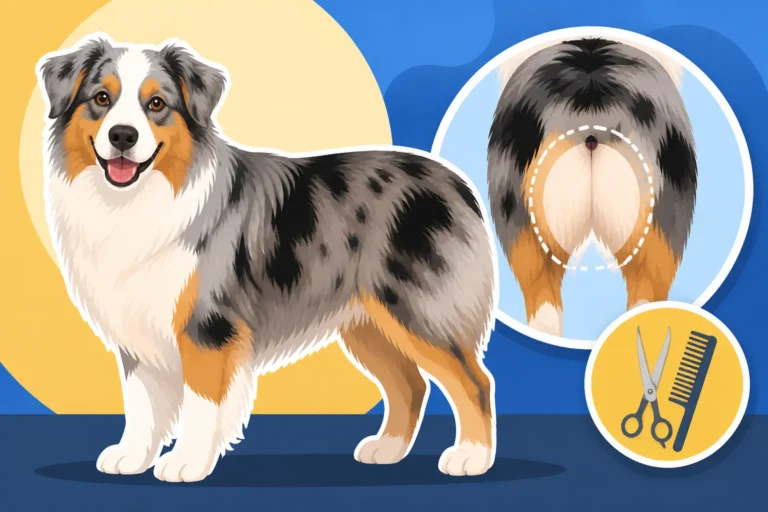
Always work in sections, making sure to get down to the skin. Start at the bottom of a section and work your way up, ensuring no knots are left behind. Pay special attention to areas like behind the ears, under the legs, the "trousers" on their hind legs, and their tail, as these are notorious for matting.
Bathing an Australian Shepherd Effectively
Bathing an Australian Shepherd isn't just about getting them clean; it's also a valuable step in coat maintenance, particularly during shedding seasons. However, it needs to be done correctly to avoid issues.
First, always thoroughly brush your Aussie before a bath. Any mats or tangles will only become tighter and more difficult to remove once wet. Use a good quality dog shampoo specifically formulated for their skin and coat. Avoid human shampoos, as they can be too harsh and strip natural oils.
When bathing, ensure you saturate the entire coat, working the shampoo right down to the skin. Rinse, rinse, and then rinse again! Residual shampoo can irritate the skin and lead to flaking or itching.
The most critical step after bathing is drying. An Australian Shepherd's double coat can take forever to air dry, and leaving it damp can lead to skin infections and mildew smell. Towel dry as much as possible, then use a high-velocity pet dryer (like those found on Chewy or Amazon) to force air through the coat. This not only dries them efficiently but also helps blow out any remaining loose undercoat. You need to ensure they are Why an Aussie Must Be Dried to the Roots. If you don't have a high-velocity dryer, a human hairdryer on a cool or low-heat setting can work, but it will take much longer. Never use high heat, as it can burn their skin.
Addressing Common Coat Challenges
Despite your best efforts, owning an Australian Shepherd means you'll likely encounter some coat challenges. These aren't necessarily signs of poor care but are common issues that require specific attention. Being prepared for them can prevent them from escalating into more serious problems.
Dealing with Mats and Tangles
Mats are the bane of an Australian Shepherd owner's existence. They form when dead hair gets tangled and compacted, often starting in areas of friction or where the hair is finer and longer, such as behind the ears, in the armpits, on the belly, and in the "trousers" on their back legs. Once a mat forms, it can quickly pull on the skin, causing discomfort, pain, and even bruising. If left unchecked, mats can become so severe that they restrict movement or even cut off circulation, leading to serious skin infections.
To tackle mats:
- Prevention is Key: Regular and thorough brushing is the best defense. Focus on those mat-prone areas daily.
- Work Gently: If you find a mat, resist the urge to pull or yank. This will hurt your dog and make them dread future grooming sessions.
- Use the Right Tools: A metal comb with wide and then narrower teeth, a slicker brush, and possibly a mat splitter or dematting tool are essential. For stubborn mats, a pair of blunt-tipped scissors might be needed, but be extremely careful not to cut the skin, which is often pulled up into the mat.
- Cornstarch Trick: For minor mats, a sprinkle of cornstarch can sometimes help loosen the hair, allowing you to gently pull it apart with your fingers or a comb.
- Small Sections: Work on one small section of the mat at a time, starting from the outer edge and slowly working your way inward. Use a "line brushing" technique where you brush one line of hair at a time, sectioning off the rest.
If you encounter large, dense mats that you can't safely remove yourself, please don't hesitate to take your Aussie to a professional groomer. They have the tools and expertise to deal with even severe matting, often resorting to shaving the mat out, which is far better than causing your dog pain or injury. Remember, Australian Shepherd Grooming and Shedding Costs are an investment in their health.
Skin Irritations Under the Coat
Because of their dense double coat, Australian Shepherds can sometimes develop skin irritations or problems that are hidden from plain sight. These can range from hot spots to allergies or other dermatological issues.
- Hot Spots: These are moist, red, inflamed lesions that can appear suddenly. They are often caused by excessive licking, chewing, or scratching, which can be triggered by insect bites, allergies, or underlying skin irritation. The dense fur traps moisture and heat, creating a perfect breeding ground for bacteria. Keeping the coat clean and dry, especially after baths or swimming (think of Aussie Coat Care After Swimming in a Lake), is crucial. If you notice a hot spot, it's vital to clean the area, trim the fur around it (very carefully!) to allow it to dry, and apply a veterinary-approved topical treatment. Always consult your vet, as hot spots can worsen quickly.
- Allergies: Australian Shepherds can be prone to environmental or food allergies, which often manifest as itchy skin, redness, or excessive licking and scratching. This constant irritation can lead to hot spots or secondary infections. Identifying and managing allergies often involves working with your vet on dietary changes (some owners explore specialized foods from brands like Ollie or limited ingredient diets available on Chewy), medication, or environmental controls.
- Parasites: Fleas, ticks, and mites can hide effectively within a thick double coat, causing intense itching and discomfort. Regular parasite prevention, as recommended by your vet, is essential. Always do a thorough check after outdoor adventures, paying close attention to areas like behind the ears, in the armpits, and around the tail base. Checking an Australian Shepherd for Burrs and Foxtails should also include a parasite check.
Regularly inspecting your Aussie's skin while grooming can help you catch these issues early. Part the fur and look for any redness, bumps, flaking, or unusual odors. Early detection and veterinary intervention are key to resolving skin problems before they become severe.
Disclaimer
This article is for general informational purposes only and does not constitute professional advice. Laws, prices and regulations vary by location and change over time. Consult a qualified professional for guidance on your specific situation.