How Often a Working Aussie Needs Washing
Anyone who lives with a working Australian Shepherd knows that they are magnets for dirt, mud, burrs, and just about anything else the great outdoors throws at them. It's a constant battle to keep their beautiful coats from becoming a tangled, matted mess, and figuring out the right washing routine without stripping their natural oils or irritating their skin is a genuine challenge. This guide is here to walk you through how often your working Aussie truly needs a bath, offering practical advice to keep them clean, comfortable, and healthy.
Understanding the Working Aussie Coat
Before we even think about turning on the tap, it’s crucial to understand what makes an Australian Shepherd’s coat so unique and perfectly adapted to its original purpose. This isn't just fluffy hair; it's a sophisticated system designed for protection.
The Double Coat's Purpose in the Field
Your Aussie's majestic coat isn't just for show – it's a marvel of natural engineering, especially for a dog bred to work tirelessly outdoors. They possess what's called a double coat, which consists of two distinct layers. The outer layer is made up of coarse, water-repellent guard hairs. These are the hairs you see, and their primary job is to shed water, dirt, and debris, as well as protect the dog from thorns, branches, and harsh sun. They're like a natural raincoat and armor all in one.
Beneath this protective outer layer lies a soft, dense undercoat. This fluffy layer is the real workhorse when it comes to insulation. In cold weather, it traps warm air close to the body, keeping your Aussie toasty. In warmer weather, it actually helps to regulate their temperature by preventing direct sun exposure to the skin and allowing air to circulate. Think of it like a natural climate control system. This double-layer design is what allows Aussies to thrive in varied climates and demanding environments, whether they're herding sheep in a dusty field or fetching a disc in a snowy park. Understanding this innate design helps us appreciate why we can't just treat it like any other dog coat.
How the Working Environment Affects Coat Condition
A working Australian Shepherd, by definition, spends a significant amount of time in environments that are, shall we say, less than pristine. Whether they're on a farm, navigating dense brush on a hiking trail, or even just tearing around a muddy dog park, their coat is constantly exposed to the elements. Mud splashes, dust clings, burrs embed themselves, and moisture from dew, rain, or even just wet grass can soak into the outer layer. If your Aussie is herding, they might be rolling in the dirt, brushing against various plants, or getting sprayed with water from irrigation systems.
Over time, this accumulation of environmental debris doesn't just make them look dirty; it can actually compromise the coat's natural function. Mats can form when dirt and loose hair combine, trapping moisture and creating a breeding ground for bacteria or parasites. Excessive dust can dry out the skin, and persistent dampness can lead to skin irritation. So, while their coat is designed to withstand these conditions, it's not entirely self-cleaning. The specific type of work your Aussie does and the terrain they cover will significantly influence how quickly their coat gets compromised and therefore, how often they might need more than just a quick brush-off.
Natural Oils and Skin Health
Just like our own skin and hair, an Australian Shepherd's coat relies on natural oils to stay healthy, supple, and functional. These oils are produced by glands in the skin and serve several vital purposes. They keep the skin moisturized, prevent dryness and flakiness, and contribute to the water-repellent quality of the guard hairs. These oils also play a role in the natural shedding process, helping old hairs release and new ones come through.
Stripping away these natural oils through over-washing is a common mistake and can lead to a host of problems. When the skin is stripped of its protective barrier, it can become dry, itchy, and irritated. This irritation can manifest as excessive scratching, leading to hot spots or secondary skin infections. Furthermore, when the skin tries to compensate for the loss of oils, it might actually produce more oil, leading to a greasy coat and a cycle of more frequent washing. It's a delicate balance, and respecting the natural biology of your Aussie's skin and coat is paramount to their overall health and comfort.
Factors Influencing Washing Frequency
There's no one-size-fits-all answer to how often you should wash your working Aussie. Their lifestyle, the climate, and even their individual sensitivities all play a significant role.
Activity Level and Environment
Let's be realistic: a working Australian Shepherd isn't a lapdog. Their entire being is geared toward activity, and that activity invariably leads to a certain level of mess. If your Aussie is actively herding livestock on a daily basis, they're likely encountering mud, dust, straw, and various bits of flora that get caught in their glorious coat. A dog that spends hours navigating fields and pastures will naturally get dirtier than one whose "work" involves agility drills on a pristine turf arena a couple of times a week. Similarly, an Aussie accompanying you on rugged backcountry hikes through dense forests and streams will collect far more debris than one who enjoys daily walks around a paved neighborhood park.
Consider the type of dirt they encounter. Sticky mud will require a different approach than dry, dusty soil. Water exposure is also a factor; a dog that splashes through creeks regularly might need more frequent thorough rinsing to prevent skin issues, even if they don't look visibly "dirty." For those high-intensity, consistently muddy or dusty environments, you might find yourself needing to do more frequent spot cleaning or even full rinses without shampoo, just to keep ahead of the grime. The goal isn't to make them spotless for a show ring every day, but to prevent discomfort, matting, and skin problems that arise from a persistently dirty coat.
Seasonal Changes and Coat Blow
The seasons dictate much about an Australian Shepherd's coat health and grooming needs. Spring and fall are often referred to as "coat blow" seasons, when your Aussie sheds their dense undercoat to prepare for either warmer or colder weather. During this time, the sheer volume of loose hair can trap dirt, moisture, and debris more easily, leading to matting if not managed diligently. You'll notice much more hair coming off during brushing, and a full bath can actually help expedite the shedding process, washing out a significant amount of dead hair. You can learn more about this natural cycle in Twice-Yearly Coat Blow in an Australian Shepherd.
Beyond shedding, weather conditions also play a huge part. During a wet, muddy winter or spring, daily paw and belly rinses might become a necessity, whereas in a dry summer, dust might be the main culprit. Hot, humid weather can make a dirty coat feel stifling and uncomfortable for your dog, potentially leading to skin irritations. Conversely, in extreme cold, you want to be careful not to strip essential oils, which provide an extra layer of protection. Adapting your washing routine to the season is crucial for keeping your Aussie comfortable and their coat healthy year-round.
Skin Sensitivities and Allergies
Australian Shepherds, like many breeds, can sometimes be prone to skin sensitivities or allergies, and this significantly impacts their bathing needs. If your Aussie suffers from environmental allergies, food allergies, or has particularly sensitive skin, you'll need to be extra mindful of your washing frequency and product choices. For some Aussies with allergies, more frequent bathing with a veterinarian-recommended medicated shampoo might actually be part of their treatment plan to wash away allergens from their coat and soothe irritated skin. Conversely, for an Aussie with very dry or easily irritated skin, over-washing, even with gentle products, could exacerbate the problem by stripping too many natural oils.
Signs of skin issues include persistent scratching, redness, flakiness, bumps, or "hot spots" – areas of acute inflammation and infection that often appear suddenly. If you suspect your Aussie has allergies or a skin condition, always consult your vet before changing your washing routine dramatically. They might recommend specific shampoos, conditioners, or even dietary changes to support skin health. Understanding common issues like those discussed in Australian Shepherd Skin, Coat and Allergy Problems or how to manage Hot Spots Hidden in an Aussie Undercoat can be incredibly helpful in tailoring a gentle yet effective washing regimen for your sensitive Aussie.
Practical Washing Strategies for Working Aussies
Once you've assessed your Aussie's coat and environmental factors, it's time to get down to the nitty-gritty of actual washing. It's not just about getting them wet; there's a strategy involved.
Spot Cleaning vs. Full Baths
This is where the art of maintaining a working Aussie's coat truly comes into play. Most of the time, your dog doesn't need a full-body deep clean. After a muddy walk or a session in a dusty arena, focus on the areas that collect the most grime: paws, legs, belly, and maybe their feathered trousers. A quick spot clean involves a warm, wet cloth or a designated paw washer for their feet. You can even use a hose on a low setting for their legs and belly, being careful not to soak their entire undercoat unnecessarily. Towel dry thoroughly, especially between their toes. This daily maintenance is often enough to prevent dirt from becoming ingrained and mats from forming, effectively extending the time between full baths.
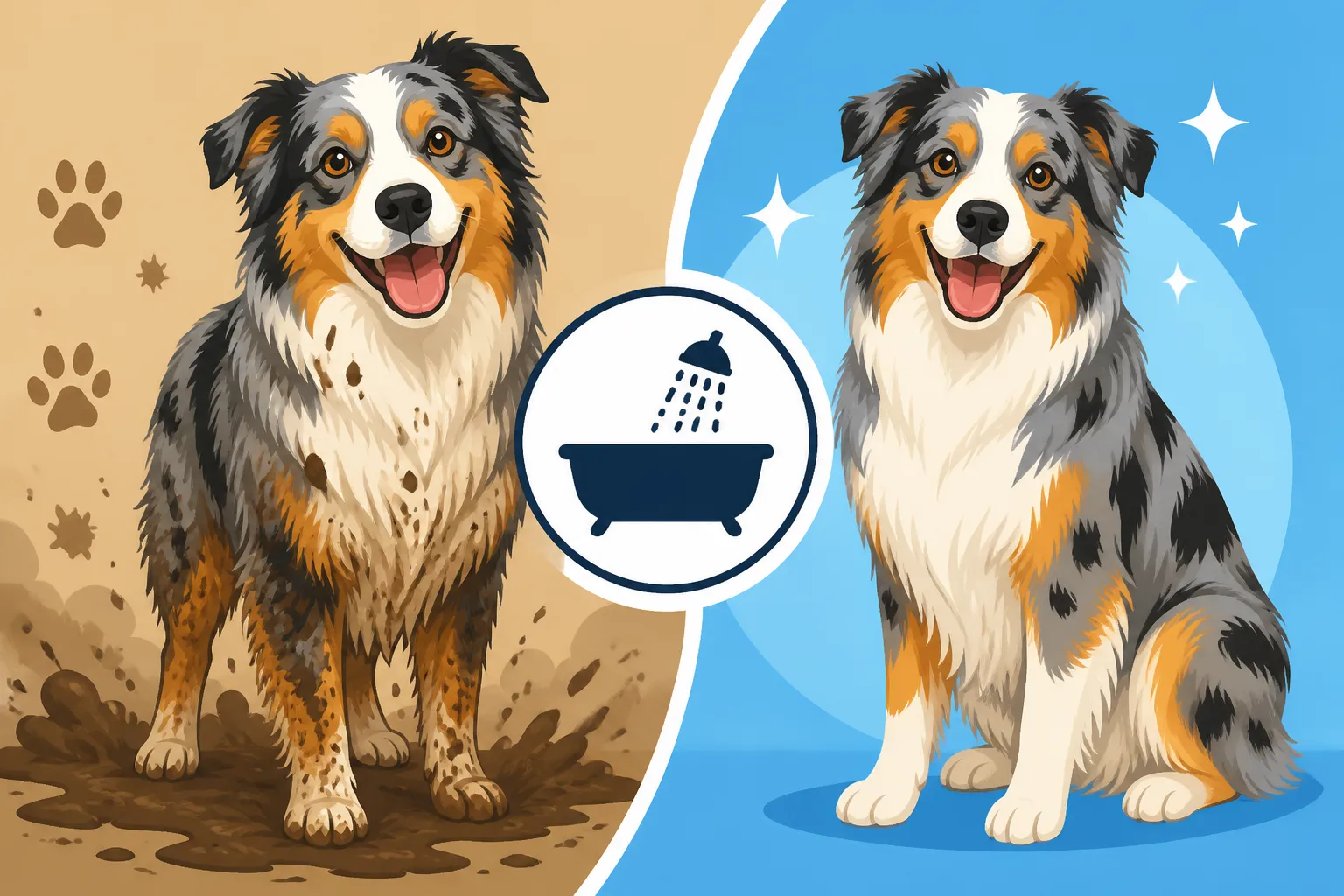
Full baths, on the other hand, are reserved for when your Aussie is truly dirty—think truly stinky, covered in something unpleasant, or when their undercoat feels gritty and heavy with accumulated dust and debris. For a working Aussie, this might be anywhere from once a month to every few months, depending on their activities. The key is to be judicious. Don't reach for the shampoo every time they roll in the grass; often, a good brush or a quick rinse will do the trick. Mastering the balance between these two approaches will save you time, maintain your Aussie's natural coat health, and keep them comfortable.
Choosing the Right Shampoo and Conditioner
Selecting the right products is paramount, especially for an Australian Shepherd with a dense double coat and potentially sensitive skin. Forget harsh detergents or anything with strong artificial fragrances, which can irritate skin and strip those essential natural oils we discussed. Look for shampoos that are specifically formulated for dogs, ideally pH-balanced, and made with natural, gentle ingredients like oatmeal, aloe vera, or tea tree oil. Hypoallergenic or sensitive skin formulas are excellent choices, even if your Aussie doesn't have obvious allergies, as they minimize the risk of irritation.
A good conditioner is equally important for an Aussie's coat. After shampooing, a dog conditioner helps to restore moisture, smooth the hair cuticles, and make the coat easier to comb through, preventing mats. Leave-in conditioners can also be beneficial between baths. You can find excellent options from reputable brands on platforms like Chewy or Amazon, where reviews often highlight suitability for different coat types and sensitivities. Remember, you're looking for products that cleanse effectively without drying out the skin or damaging the integrity of the coat. If you're using a dietary supplement like Ollie that focuses on healthy skin and coat, these gentle bathing products will complement that internal support beautifully.
The Bathing Process for a Double Coat
Bathing a double-coated dog like an Australian Shepherd is a commitment, and doing it right makes all the difference. Start with a thorough pre-bath brush. This is non-negotiable! Removing as much loose hair, dirt, and any existing mats before getting them wet will make the entire process easier and prevent small tangles from becoming enormous, impossible-to-remove felted mats when wet.
Once brushed, thoroughly wet your Aussie down to the skin. This can take longer than you think with a dense double coat. Use lukewarm water, and ensure every single hair is saturated. Apply shampoo, working it in gently but thoroughly, focusing on working it right down to the skin, not just the outer layer. Pay attention to typically dirty areas like the legs, belly, and behind the ears. Rinse, rinse, and rinse again. Seriously, rinse until you think you've rinsed enough, then rinse some more. Any shampoo residue left behind can irritate the skin and dull the coat. Washing Right Down to an Aussie's Skin goes into more detail on how to ensure you're getting deep enough.
After shampoo, apply a conditioner, again working it through the entire coat. Let it sit for a few minutes if the product recommends it, then rinse meticulously. The most crucial step after bathing is drying. A double coat takes forever to air dry, and leaving it damp can lead to skin issues like hot spots. Use highly absorbent towels to blot as much water as possible, then use a high-velocity dog dryer on a cool or low-heat setting. This dryer not only removes water quickly but also helps to "blow out" more loose undercoat. Dry them completely to the roots. If you don't, you risk skin infections and a musty smell. Why an Aussie Must Be Dried to the Roots emphasizes just how important this final drying stage is.
Maintaining Coat Health Between Baths
Bathing is just one piece of the puzzle. The real work of keeping a working Aussie's coat healthy and clean happens in the daily and weekly maintenance between baths.
Regular Brushing and Deshedding
For an Australian Shepherd, brushing isn't just about aesthetics; it's a fundamental aspect of their health and hygiene. Given their dense double coat, daily brushing is highly recommended, especially for working Aussies who are constantly picking up debris. This regular routine helps to remove loose hair, which is crucial during their Twice-Yearly Coat Blow in an Australian Shepherd but also important year-round. Removing dead undercoat prevents matting, improves air circulation to the skin, and reduces the amount of hair shed around your home.
You'll need a few key tools: an undercoat rake is essential for penetrating the dense topcoat and pulling out the loose undercoat without damaging the guard hairs. A slicker brush is great for general tidying and detangling, particularly on the feathered areas, and a metal comb can help check for any missed tangles or small mats, especially behind the ears and on the legs. By consistent brushing, you're not only keeping their coat clean but also distributing their natural skin oils, promoting a healthy, shiny appearance. The Rake That Reaches an Aussie Undercoat provides excellent guidance on selecting the right tool, and Brushing an Australian Shepherd Twice a Week can offer a good baseline, though daily is often better for working dogs.
Paw and Ear Care
The paws and ears of a working Australian Shepherd are often overlooked areas that accumulate a surprising amount of dirt and debris. After any outdoor activity, especially in fields or muddy areas, it’s vital to check their paws. Burrs, foxtails, small stones, or even embedded mud can cause discomfort, irritation, or even infection between their paw pads. A simple routine of wiping their paws with a damp cloth or using a gentle paw wash can make a huge difference. Don’t forget to trim the hair between their paw pads occasionally to prevent excessive matting and improve traction. Our guide on Australian Shepherd Paw and Coat Care After Fieldwork offers more specific tips.
Ears, particularly those with longer feathering, are also prone to collecting dirt, dust, and moisture. This creates an ideal environment for yeast or bacterial infections. Weekly or bi-weekly ear checks and cleaning, as detailed in Australian Shepherd Ear Cleaning, are important. Use a veterinarian-approved ear cleaner and cotton balls to gently wipe the visible parts of the ear canal. Never insert anything deep into the ear. If you notice any redness, swelling, foul odor, or excessive head shaking, it’s time for a vet visit. Regularly checking for and removing foreign bodies like those mentioned in Checking an Australian Shepherd for Burrs and Foxtails can prevent serious issues.
Nutrition's Role in Coat Health
What you feed your Australian Shepherd has a profound impact on the health and appearance of their coat. A high-quality, balanced diet rich in essential fatty acids, particularly Omega-3s and Omega-6s, is crucial for healthy skin and a shiny, resilient coat. These nutrients help to maintain the skin's barrier function, reduce inflammation, and support the production of healthy natural oils. If a dog's diet is lacking, their coat can become dull, dry, flaky, and more prone to shedding excessively or developing skin problems.
Consider incorporating supplements like fish oil, which is a fantastic source of Omega-3s, into their diet, as discussed in Fish Oil for an Aussie Double Coat. Some premium dog foods, like those offered by Ollie, are specifically formulated with high-quality ingredients and essential nutrients that promote skin and coat health from the inside out. While external grooming is important, remember that a truly healthy coat reflects internal well-being. If you're noticing persistent skin or coat issues despite a good grooming routine, a review of their diet with your veterinarian might be in order.
Common Mistakes and Misconceptions
When it comes to caring for an Australian Shepherd's coat, there are several pitfalls that well-meaning owners can fall into. Avoiding these can save you a lot of headache and keep your Aussie much happier.
Over-Washing and Stripping Natural Oils
One of the biggest mistakes an Aussie owner can make is bathing their dog too frequently. It's tempting to want a perpetually clean, fresh-smelling dog, especially when they're prone to getting muddy, but over-washing is detrimental to their coat and skin health. As we discussed, their skin produces natural oils that are vital for moisturizing, protecting, and maintaining the water-repellent qualities of their double coat. Each time you shampoo, you're essentially stripping away a portion of these oils.
If you bathe your Aussie too often (e.g., more than once a month without specific veterinary instructions for a skin condition), you risk drying out their skin, leading to itchiness, flakiness, and irritation. In an attempt to compensate, the skin might overproduce oils, resulting in a greasy, smelly coat that paradoxically seems to get dirty faster. This creates a vicious cycle where you wash more, and the problem only gets worse. The goal isn't sterile clean; it's healthy clean. Relying on spot cleaning and thorough brushing far more often than full baths is the key to preventing this issue.
Under-Washing and Matting Concerns
On the flip side of the coin, neglecting regular grooming, especially brushing, can lead to its own set of serious problems for an Australian Shepherd. An under-washed and, more critically, under-brushed coat is a prime candidate for severe matting. Their dense undercoat, combined with shedding hair and environmental debris, can quickly form tight, painful mats, particularly in areas like behind the ears, armpits, britches, and tail. These aren't just cosmetic issues; mats can pull on the skin, causing extreme discomfort and pain. Imagine having a tight knot constantly tugging at your hair.
Beyond pain, mats create a barrier that prevents air circulation to the skin, trapping moisture and creating a breeding ground for bacteria and yeast. This can lead to skin infections, hot spots, and parasitic infestations. Severe matting can even restrict movement. In extreme cases, a matted coat can only be resolved by shaving the dog down, which itself can present issues for a double-coated breed. Preventing mats through consistent brushing and appropriate washing is far easier and kinder than dealing with them once they've taken hold.
Shaving an Australian Shepherd
This is a misconception that surfaces often, usually out of a desire to keep an Aussie cool in summer or to deal with a heavily matted coat. While it might seem logical to shave off a dense double coat in hot weather, it's actually one of the worst things you can do for an Australian Shepherd's coat health and temperature regulation. As detailed in Why an Australian Shepherd Should Never Be Shaved, their double coat acts as insulation against both cold and heat. The outer guard hairs protect them from harmful UV rays, preventing sunburn and reducing the risk of skin cancer. The undercoat creates an insulating layer that helps regulate body temperature by trapping cool air.
When you shave an Aussie, you remove this natural protection. You expose their sensitive skin to direct sunlight, making them prone to sunburn and overheating. Furthermore, the guard hairs often don't grow back correctly after being shaved. They can come back patchy, coarse, or with a texture that no longer repels water and dirt effectively. This can also disrupt the shedding cycle and leave the dog with a permanently compromised coat. For more details on the potential long-term damage, you can read Whether a Shaved Aussie Coat Grows Back Right. Instead of shaving, focus on proper deshedding, providing shade, and ensuring access to plenty of water to keep your Aussie cool.
A Sample Grooming Schedule
Creating a routine is the best way to ensure your working Aussie stays clean and healthy without over-doing it. This isn't a rigid rulebook, but a flexible guide you can adapt to your dog's individual needs.
Typical Schedules for Active Aussies
For a working Australian Shepherd, or even a highly active pet Aussie who loves adventuring outdoors, a typical grooming schedule focuses heavily on maintenance between baths. A general recommendation for a full bath with shampoo and conditioner might be every 6-8 weeks, or perhaps once every 3 months if they're not getting excessively dirty or have no skin issues. However, "as needed" is often the best guide. If they roll in something truly foul, a bath is obviously immediately necessary!
Between these full baths, daily or every-other-day brushing is absolutely essential. This is where you remove loose hair, surface dirt, and prevent mats from forming. After any outdoor activity that involves mud, water, or dense vegetation, a quick spot clean of their paws, legs, and belly is a must. This might involve a simple rinse with water, a quick wipe with a towel, or a dedicated paw washer. Think of it as a quick touch-up to keep the heavy grime at bay. For senior Aussies, as discussed in Senior Australian Shepherd Care After Ten, you might adjust this for comfort or specific skin needs.
Here's a sample table to illustrate a balanced grooming routine:
| Grooming Task | Frequency (Typical Active Aussie) | Time Commitment | Purpose |
|---|---|---|---|
| Full Bath | Every 6-12 weeks (as needed) | 1-2 hours | Deep clean, remove ingrained dirt, aid shedding |
| Spot Clean/Rinse | Daily after dirty outings | 5-15 minutes | Remove mud, dust, debris from paws, legs, belly |
| Thorough Brushing | Daily (or every other day) | 15-30 minutes | Prevent mats, remove loose hair, distribute oils, check for issues |
| Paw/Pad Check | Daily | 2-5 minutes | Inspect for injuries, burrs, keep pads healthy |
| Ear Cleaning | Weekly to Bi-weekly | 5-10 minutes | Prevent infections, remove debris, check for redness/odor |
| Eye Corner Wipe | As needed | 1-2 minutes | Remove eye discharge |
| Nail Trim | Every 2-4 weeks (as needed) | 5-10 minutes | Prevent overgrowth, maintain comfort and paw health |
Adjusting for Specific Needs
While the above schedule offers a great starting point, the beauty of a personalized approach means adjusting for your specific Aussie. For instance, if your Australian Shepherd participates in dog sports like agility or herding trials regularly, they might experience more intense workouts and exposure to different surfaces. This could mean more frequent spot cleans or rinses, especially for their paws and belly, to prevent grass, dirt, or turf residue from irritating their skin.
Aussies with known allergies or skin conditions will require a vet-guided approach. This could mean using medicated shampoos more frequently, as prescribed, or conversely, reducing regular shampoo baths to protect sensitive skin. Dogs with very oily coats might benefit from slightly more frequent bathing with a degreasing shampoo, while those with very dry skin might need extra conditioning and less frequent shampooing. Puppy Aussies might need gentle, shorter baths more frequently if they're particularly prone to getting into messes during their formative months. Always observe your dog's skin and coat condition, and consult your veterinarian or a professional groomer if you're unsure how to best adapt the routine.
Tools and Products for a Working Aussie Grooming Kit
Having the right tools on hand makes all the difference in maintaining your Australian Shepherd's coat efficiently and effectively. Investing in good quality equipment isn't just about making the job easier; it's about doing right by your dog's sensitive skin and dense coat.
For brushing, you'll want a sturdy undercoat rake with rotating teeth, which helps to penetrate the topcoat and gently pull out loose undercoat without snagging. A slicker brush is excellent for smoothing the topcoat and detangling feathering, while a metal comb with both wide and fine teeth is indispensable for checking for small mats, especially behind the ears and on the legs.
For bathing, choose a dog-specific, pH-balanced shampoo that's gentle and ideally free of harsh chemicals and artificial fragrances. An accompanying conditioner is crucial for moisturizing and detangling. For drying, high-absorbency microfiber towels are great, but a high-velocity force dryer (designed for dogs) is truly a game-changer for thoroughly drying their thick double coat to prevent skin issues.
Don't forget nail clippers or a dremel tool for paw care, ear cleaner and cotton balls for ear hygiene, and a good paw balm to protect and moisturize their paw pads after hard work. Having a dedicated grooming station or a non-slip mat for bathing can also make the process much smoother for both you and your Aussie. You can find these essential items easily on platforms like Amazon or Chewy, often with reviews from other Aussie owners guiding your choices.
Disclaimer
This article is for general informational purposes only and does not constitute professional advice. Laws, prices and regulations vary by location and change over time. Consult a qualified professional for guidance on your specific situation.