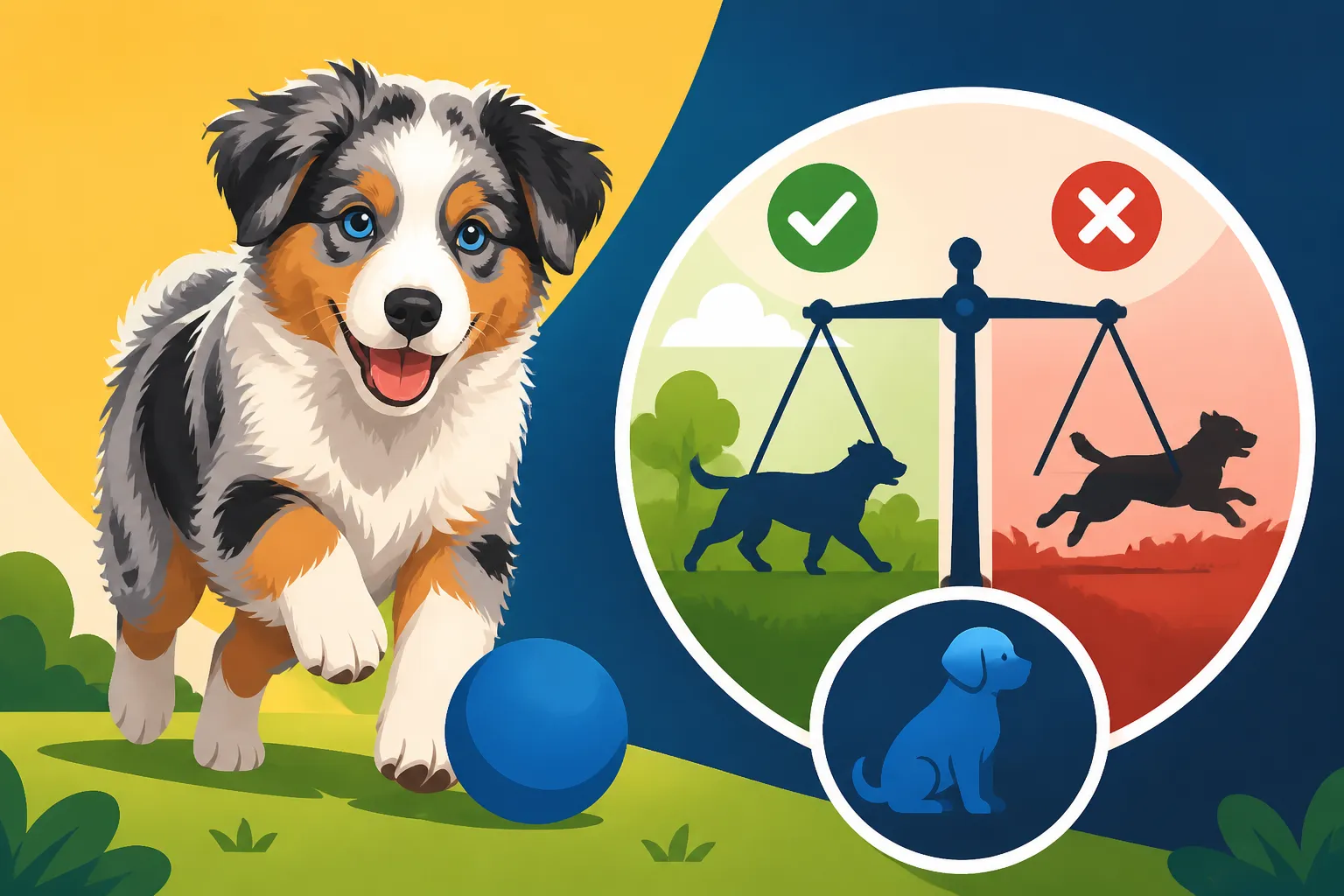
Exercise Limits for a Growing Australian Shepherd
It’s a common sight: a bouncy Australian Shepherd puppy, full of beans, tearing around the yard or pulling on the leash, and you just want to let them burn off all that boundless energy. But this enthusiastic approach, while well-intentioned, can actually do more harm than good to their developing bodies. Understanding the critical window for growth and setting appropriate exercise limits is paramount to preventing long-term joint problems, and this guide will walk you through exactly how to keep your energetic Aussie healthy and sound as they grow.
Understanding the Australian Shepherd Growth Plate
When you look at a cute Aussie puppy, it’s hard to imagine that their bones aren’t fully formed. We see their energy and think they’re robust, but beneath that fluffy coat and enthusiastic wag lies a skeletal system that is very much a work in progress. Ignoring this crucial developmental stage can have lifelong repercussions for their joint health, which is why understanding growth plates is so incredibly important for Australian Shepherd owners.
What Are Growth Plates and Why Are They Vulnerable?
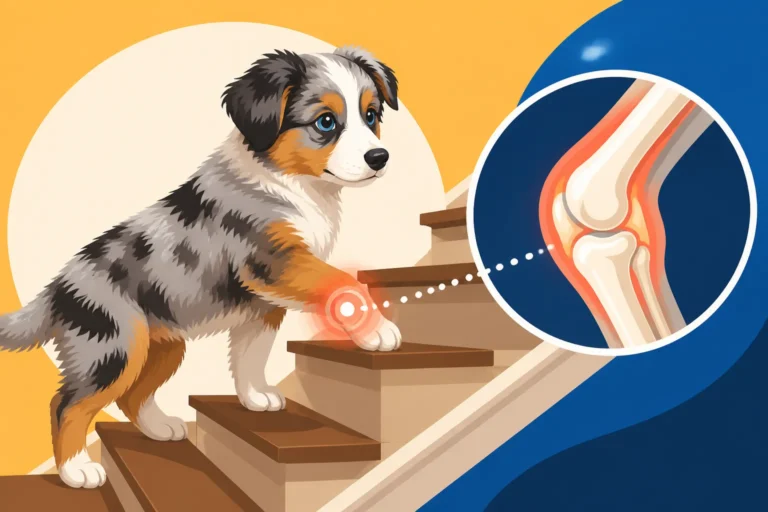
Imagine the ends of your puppy's long bones – like those in their legs – not quite being solid bone yet. That's essentially what a growth plate is. Scientifically known as epiphyseal plates, these are areas of cartilage located near the ends of the long bones in young, growing dogs. This cartilage is where new bone tissue is generated, allowing the bones to lengthen and the puppy to grow larger. Think of them as the construction zones of your Aussie's skeleton.
Because they are made of cartilage, growth plates are much softer and more porous than mature bone. This makes them incredibly vulnerable to injury, especially from impact, twisting, or repetitive stress. While adult bone is strong and relatively resilient, a growth plate can be easily damaged, fractured, or prematurely closed if subjected to too much strain. This vulnerability is why we need to be so mindful of how we let our Australian Shepherd puppies play and move. Any damage to these plates before they fully harden into bone can lead to serious and permanent issues, such as uneven limb length, crooked bone growth, or even chronic pain and arthritis later in life.
When Do Australian Shepherd Growth Plates Typically Close?
The timing of growth plate closure is a critical piece of information for any Aussie owner. Generally speaking, growth plates in most dogs will start to fuse and solidify into bone around 12 to 18 months of age, but this isn't a hard and fast rule, and it varies quite a bit. Larger breeds, for example, often take longer to mature than smaller ones. While Australian Shepherds aren't considered a giant breed, they are certainly a medium-sized, active breed with a robust frame, and their growth plates will typically close somewhere within that 12-18 month window.
It’s also important to understand that not all growth plates close at the same time. Different bones in the body, and even different ends of the same bone, will have their own schedules for fusion. The growth plates in the paws and lower legs might close earlier than those in the elbows or shoulders. This means that even if one area appears to be finished growing, others might still be vulnerable. The best approach is to operate under the assumption that all growth plates are delicate until your Aussie is at least 18 months old, and even then, to introduce strenuous activity gradually. Your vet is the best resource for monitoring your individual dog's development, but for a general overview, you can check out information on Australian Shepherd Growth Plates and When They Close.
The Dangers of Over-Exercising a Growing Aussie
It’s tempting to think that the more you exercise your high-energy Australian Shepherd puppy, the better behaved and calmer they will be. After all, a tired dog is a good dog, right? While that often holds true for adult Aussies, for puppies and adolescents, pushing them too hard physically can actually have severe consequences, not just for their bodies, but for their minds and future behavior as well.
Long-Term Joint Issues from Puppyhood Strain
The most talked-about danger of over-exercising a growing Australian Shepherd is the irreparable harm it can do to their developing joints. Remember those vulnerable growth plates? Repetitive, high-impact activities like long-distance running, intense fetching with sudden stops and turns, jumping from heights, or prolonged agility work can put tremendous stress on these soft cartilage areas and the surrounding ligaments and tendons. This isn't just about a single, dramatic injury; it’s often about cumulative microtrauma. Each jump, each hard landing, each sharp pivot sends shockwaves through those developing joints.
Over time, this repeated strain can lead to serious orthopedic conditions that will plague your Aussie for their entire life. We’re talking about conditions like Australian Shepherd Hip Dysplasia and Working Joints or Aussie Elbow Dysplasia From Hard Turning. These are genetic conditions that proper breeding practices aim to minimize, but even a puppy with excellent genetics can develop severe symptoms if their joints are damaged during growth. The ideal scenario is to provide appropriate exercise that builds muscle and coordination without stressing the delicate bone structure.
Beyond Physical Harm: Behavioral and Mental Impacts
While the physical risks are often highlighted, the behavioral and mental impacts of over-exercising a growing Aussie are just as significant and often overlooked. You might think you're tiring them out, but what you could actually be creating is a "super-fit" dog that has learned to expect and even demand constant, intense physical activity to feel satisfied. This is a common frustration among Aussie owners. Instead of teaching them how to relax and settle, you inadvertently train them that the only way to feel good is to be on the go all the time.
This can manifest as a dog that is perpetually restless indoors, constantly pacing, nudging for attention, or struggling to lie down calmly. They might become more anxious or reactive because their baseline arousal level is constantly high. A puppy that is always being pushed to its physical limits often doesn't learn how to self-regulate or find an "off switch." This can lead to increased barking, destructive behaviors when left alone, or even heightened sensitivity to stimuli, making them more prone to lunging or reacting to things like other dogs or passing cars. Understanding this feedback loop is crucial; you want a dog that can thrive both actively and calmly, and part of that means teaching them moderation, even in their exercise. Over-exercising can certainly make it harder for An Australian Shepherd That Cannot Switch Off.
Age-Appropriate Exercise Guidelines for Australian Shepherds
Navigating the exercise needs of a growing Australian Shepherd can feel like a minefield. You know they need activity, but you also understand the risks of overdoing it. The key is to tailor the type and duration of exercise to their developmental stage, ensuring their bodies mature strong and sound.
Puppyhood (8 Weeks to 4 Months): Short, Controlled Bursts
This early stage is all about gentle exploration and controlled socialization. Your Aussie puppy’s bones are rapidly developing, and their growth plates are at their most vulnerable. The general rule of thumb often cited by vets and breeders is the "5-minute rule": for every month of age, your puppy can handle about 5 minutes of structured exercise, two to three times a day. So, a 3-month-old puppy would get around 15 minutes per session.
Instead of long walks or intense play, focus on:
- Free Play: Allow your puppy to play in a safe, enclosed yard where they can self-regulate their activity. They’ll run, pounce, and then crash, which is exactly what you want. This allows them to build muscle and coordination naturally without forced exertion.
- Short, Gentle Leash Walks: These are primarily for socialization, not for getting a workout. Introduce them to new sights, sounds, and smells in short bursts. A quick 10-15 minute stroll around the block is plenty for a young pup.
- Supervised Play with Other Puppies: If playing with other dogs, ensure they are of similar size and play style, and keep sessions short and supervised. Avoid boisterous play with much larger adult dogs that could accidentally injure your pup.
- Indoor Enrichment: Puzzle toys, short training sessions, and cuddles are excellent ways to engage their mind and body without stressing their joints.
Remember, at this age, quality trumps quantity. Focus on enriching experiences and gentle movement. You can learn more about what to teach your pup at this stage by reading The Aussie Puppy Curriculum Month by Month.
Adolescence (4 Months to 12-18 Months): Gradual Increase, No Forced Impact
This is the tricky phase where your Aussie looks like an adult but is still growing internally. Their energy levels will skyrocket, and their desire to run, jump, and play will be immense. It's crucial not to mistake their enthusiasm for full skeletal maturity. Continue to exercise caution, even as they seem to have boundless energy.
- Extend Leash Walks Gradually: You can slowly increase the duration of structured leash walks. By 6-8 months, 30-45 minute walks are usually fine, as long as the puppy isn't showing signs of fatigue or discomfort. Keep them on softer surfaces like grass or dirt trails rather than pavement if possible.
- Controlled Off-Leash Play: In safe, enclosed areas, allow for more extended periods of free play. Again, they will usually self-regulate. However, still avoid activities that involve forced, repetitive jumping (like too many frisbee throws), hard stops and starts, or long-distance running (especially on hard surfaces). This means no long-distance running partners yet.
- Avoid High-Impact Activities: This includes intense agility weaving, repeated high jumps, or biking alongside you for extended periods. Their bones and joints are still too vulnerable. Think about it: a growing child isn't put through intense sports training, and your Aussie should be treated similarly.
- Mental Work is Key: This age is perfect for introducing more complex trick training, nose work games, or obedience classes. A tired mind is just as effective as a tired body in keeping an Aussie calm and happy.
Be particularly mindful of activities that put sustained pressure on their growing frames. This is why it's so important to prevent things like Why a Growing Aussie Should Not Run Long Distances and to be cautious about Stairs and a Young Australian Shepherd's Joints.
Maturity (18 Months+): Building Stamina and Introducing High-Impact
Once your Australian Shepherd is around 18 months old, most of their growth plates should be closed and solidified. This is the green light to gradually introduce more strenuous and high-impact activities. "Gradually" is the operative word here – don't go from zero to sixty overnight!
- Gradual Stamina Building: Start by slowly increasing the duration and intensity of walks, hikes, and runs. If you plan to run with your Aussie, begin with short distances and slowly extend them over weeks or months, monitoring their comfort levels closely.
- Introduce Dog Sports: This is when activities like agility, flyball, disc dog, or serious hiking become appropriate. Always start with foundational training, focusing on proper form and technique to prevent injuries. Remember, even mature dogs need to build up their fitness levels. Australian Shepherd Agility and Disc Sports can be a fantastic outlet for their energy once they are ready.
- Listen to Your Dog: Even fully grown, pay attention to any signs of lameness, stiffness, or reluctance to exercise. These could be indicators of underlying issues or simply that you're pushing them too hard. Recovery and rest days are just as important for an adult working dog as they are for a growing puppy.
Here's a quick reference table to summarize exercise suitability by age:
| Age Range | Recommended Activities | Activities to AVOID (Until Fully Grown) |
|---|---|---|
| 8 Weeks – 4 Months | Short, gentle leash walks (5-15 min) | Forced running, long hikes, repetitive jumping, agility, |
| Supervised free play in safe, enclosed areas | long-distance fetching on hard surfaces | |
| Short, positive training sessions, puzzle toys | ||
| 4 Months – 12-18 Months | Gradually longer leash walks (up to 45 min) | Forced running, intense agility, repetitive jumping, |
| Controlled off-leash play in safe areas | long-distance fetching, hard-surface running, biking | |
| Moderate hikes (gradual incline), mental games | ||
| 18 Months+ | Gradually introduce longer runs, hikes, agility, | Over-training (leading to burnout/injury), |
| dock diving, herding work | neglecting warm-ups/cool-downs | |
| Build stamina slowly, listen to individual dog's needs |
Smart Exercise Strategies for a Growing Aussie
Even with the best intentions, it’s easy to fall into the trap of thinking that more physical exercise is always the answer for a high-energy Australian Shepherd. However, a truly intelligent approach to exercising your growing Aussie goes beyond just racking up miles or throwing a ball endlessly. It involves smart strategies that protect their body while satisfying their brilliant mind.
Prioritizing Mental Stimulation Over Physical Exertion
This is perhaps the most crucial shift in mindset for any Aussie owner, especially with a growing puppy. While physical activity is important, pure physical exertion is often not enough to truly tire out an Australian Shepherd, and can even be detrimental. Their intelligence and problem-solving abilities mean their brains need a workout just as much, if not more, than their bodies. A mentally tired Aussie is a truly content and calm Aussie.
Think about incorporating activities like:
- Puzzle Toys: Invest in a variety of puzzle feeders or interactive toys that require your Aussie to problem-solve to get their food or treats. Brands like Chewy and Amazon offer a wide selection, from simple treat dispensers to complex multi-step puzzles. These can keep them engaged for significant periods without physical strain.
- Scent Work: This is incredibly tiring and deeply satisfying for dogs. Hide treats around the house or yard and encourage your Aussie to find them. You can also explore formal nose work classes once they are a bit older. Scent Games That Tire an Australian Shepherd are fantastic for all ages.
- Trick Training: Teaching new tricks, even silly ones, engages their mind and strengthens your bond. Breaking down complex tricks into small steps uses a lot of mental energy.
- Obedience Sessions: Regular, short obedience training sessions (10-15 minutes) focusing on new commands or perfecting old ones can be surprisingly draining for an energetic puppy.
By prioritizing mental stimulation, you’re not only protecting their growing joints but also fostering a dog that is well-rounded, capable of settling, and genuinely tired. This is how you achieve Mental Work That Actually Tires an Australian Shepherd.
Structured Play and Avoiding Roughhousing
Uncontrolled play can be just as damaging as forced running for a growing Aussie. While puppy romps are important for socialization, it's vital to ensure they are structured and safe.
- Supervised Play with Appropriate Playmates: If your Aussie puppy plays with other dogs, make sure they are similar in size and temperament. Avoid situations where your small puppy is constantly being bowled over or tackled by much larger, more boisterous dogs. Their developing joints simply can’t withstand that kind of impact.
- Redirect High-Energy Play: Instead of allowing endless, high-impact chase games or tug-of-war sessions that involve frantic head shaking and leaping, try to redirect their energy. For example, if they start to get too wild with another dog, call them away for a few minutes to cool down, then reintroduce them.
- Limit Jumping and Hard Landings: Actively discourage your puppy from jumping off furniture, beds, or car trunks. Teach them to use ramps or steps. Avoid repetitive games of fetch that involve them launching themselves into the air for a toy and landing hard. A soft landing is always preferable for growing bodies.
- Teach an "Off Switch" During Play: Intervene in play sessions to encourage moments of calm. A brief "all done" command followed by a minute of quiet sitting before resuming play teaches them that intensity isn't endless.
The goal isn't to stop them from playing, but to ensure their play is safe and constructive for their growing bodies.
Incorporating Rest and Recovery
Just like human athletes, growing dogs need plenty of rest and recovery. This is often the hardest thing for an Aussie puppy to accept, as they seem to have an inexhaustible supply of energy. However, rest is when their bodies do the critical work of growth and repair.
- Enforced Naps: Many Aussie puppies, especially when overtired, become hyperactive and mischievous. Implementing enforced naps in a crate or a quiet, puppy-proofed area can be a game-changer. A structured schedule helps them learn when to be active and when to settle.
- Quiet Time: Even when not napping, ensure your puppy has opportunities for quiet, low-stimulus time. This might be chewing on a safe chew toy on their bed, or simply lying at your feet while you work or read. It helps them learn self-control and how to be calm in a busy household.
- Crate Training: A crate isn't just for house training; it's a valuable tool for providing a safe, quiet den where your Aussie can decompress and get uninterrupted rest. Make it a positive place with comfortable bedding and appropriate chew toys.
Remember, an overtired puppy isn't a well-behaved puppy. Adequate rest supports not only their physical development but also their emotional regulation and learning capacity.
Working with Your Vet and Breeder
Navigating the growth stages of your Australian Shepherd isn't something you have to do alone. Your veterinarian and a reputable breeder are invaluable resources who can provide personalized guidance and insights specific to your dog.
Regular Vet Checks and Growth Plate Confirmation
Establishing a strong relationship with your veterinarian from the moment you bring your Aussie puppy home is crucial. Regular vet checks are not just for vaccinations; they are an opportunity for your vet to monitor your puppy's overall growth and development. During these visits, don't hesitate to discuss your exercise routine and any concerns you might have. Your vet can:
- Assess Growth and Body Condition: They can help you ensure your puppy is growing at a healthy rate – not too fast, which can exacerbate joint problems, and not too slow. They can also advise on appropriate nutrition, perhaps suggesting brands like Ollie if you're exploring fresh food options, to support healthy growth without excess weight.
- Perform Physical Examinations: During these exams, your vet can gently palpate your puppy’s joints and limbs, checking for any signs of pain, swelling, or unusual movement that might indicate a developing issue.
- Discuss Exercise Protocols: Your vet can provide tailored advice on what types of exercise are safe and when it's appropriate to increase intensity. While X-rays can confirm growth plate closure, it's generally not necessary unless there's a specific concern or injury. For most healthy puppies following sensible guidelines, simply adhering to age-appropriate exercise is sufficient. If you do have concerns about joint development, they can discuss imaging options.
- Provide Early Intervention: Should any signs of a joint issue or lameness arise, your vet can intervene early, which can make a significant difference in long-term outcomes. Knowing how to articulate your observations and concerns to your vet is an important part of responsible dog ownership.
Breeder Guidance on Exercise and Genetic Predispositions
A reputable Australian Shepherd breeder is a treasure trove of information and should be considered a lifelong resource. They have experience with multiple generations of Aussies and a deep understanding of the breed's specific needs and potential genetic predispositions.
- Insights into Lineage and Temperament: A good breeder can offer insights into the specific lines your puppy comes from, including their typical growth rates, activity levels, and any known predispositions to joint issues like hip or elbow dysplasia. While genetics are only one piece of the puzzle, knowing your puppy's background helps you make informed decisions about their care.
- Joint Health Clearances: Crucially, a responsible breeder will provide proof of health clearances for the parents of your puppy. This typically includes certifications from organizations like the Orthopedic Foundation for Animals (OFA) for hips and elbows. This information is vital because it tells you that the parents had good joint health, reducing the genetic risk for your puppy. However, remember that even with stellar genetics, improper exercise during growth can still lead to problems. You should always ask about The Health Tests Every Australian Shepherd Parent Needs and how to interpret Australian Shepherd Hip Dysplasia and OFA Scoring.
- Breed-Specific Exercise Advice: Breeders often have firsthand experience with what works best for their puppies. They can offer practical tips on how they introduce exercise, what activities they recommend avoiding, and how to manage the high energy levels of an adolescent Aussie without compromising their development. Don't be shy about reaching out to them with your questions, even years after bringing your puppy home.
By combining the professional medical advice of your veterinarian with the breed-specific wisdom of your breeder, you create a comprehensive support system dedicated to ensuring your Australian Shepherd grows into a strong, healthy, and happy adult.
Disclaimer
This article is for general informational purposes only and does not constitute professional advice. Laws, prices and regulations vary by location and change over time. Consult a qualified professional for guidance on your specific situation.