Australian Shepherd Paw Pads After Rough Ground
It's heartbreaking to see your usually bouncy, energetic Australian Shepherd hesitate on a walk, maybe even lift a paw or limp a little. As Aussie owners, we ask a lot of our dogs; they're built for action, for covering ground, but that doesn't mean their paw pads are invincible. Rough terrain can quickly turn a fun outing into a painful experience, leading to cuts, abrasions, and tenderness that sidelines your adventure buddy. This guide is here to walk you through understanding why your Aussie's paws are so vulnerable, how to spot trouble, and most importantly, how to care for and protect those hardworking feet so you can both keep exploring.
Understanding Your Aussie's Paw Pads and Why They're Vulnerable
Those tough-looking pads on your Australian Shepherd's feet might seem like they can handle anything, but they're surprisingly sensitive. They’re a complex part of your dog's anatomy, designed for both cushioning and grip, yet constantly exposed to the world's harsh realities. Knowing what makes them tick—and what makes them hurt—is the first step in providing the best care.
The Anatomy of an Australian Shepherd's Paw Pad
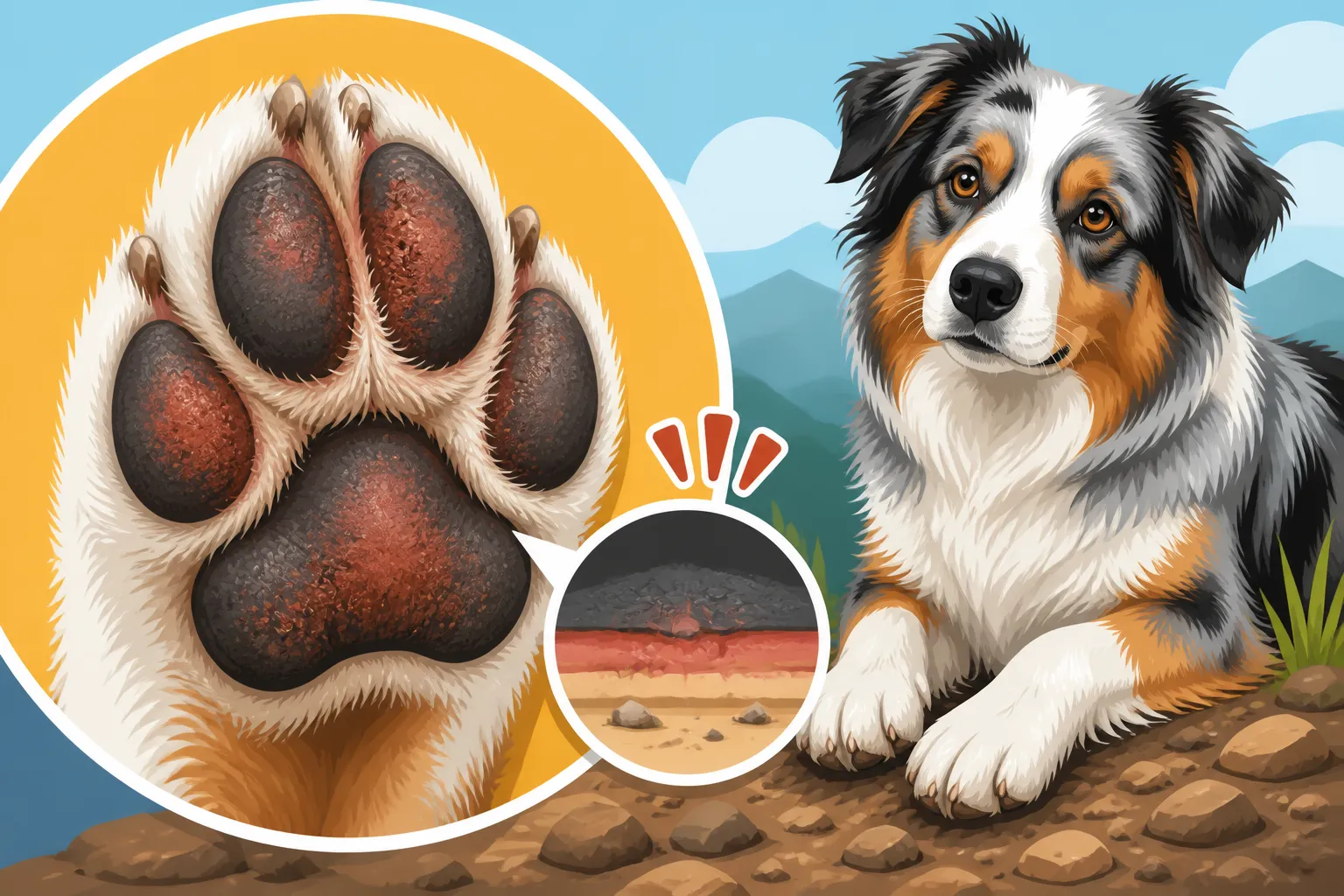
An Aussie's paw pad is a marvel of natural engineering. It’s not just a single piece of tough skin; it’s a intricate structure made up of several layers, much like our own skin, but specialized for impact absorption and traction. The outermost layer, the stratum corneum, is incredibly thick and keratinized, giving it that characteristic leathery feel. Beneath that are layers of fat and connective tissue that act like natural shock absorbers, protecting the bones and joints from the constant pounding of running and jumping. Think of them as tiny, durable airbags.
What often gets overlooked are the abundant nerve endings and blood vessels running through these pads. This network makes them highly sensitive, which is great for sensing the ground beneath them and maintaining balance, but also means injuries are incredibly painful. The elastic nature of the pads allows them to flex and grip uneven surfaces, vital for a breed like the Australian Shepherd that thrives on agility and quick directional changes. However, this elasticity also makes them susceptible to tearing or cracking when subjected to extreme conditions or sharp objects. When we ask our Aussies to work or play on rough ground, we're putting these incredible, yet vulnerable, structures to the test every single time.
Common Types of Rough Ground and Their Impact
The world is full of interesting and challenging terrains, and while our Aussies love to explore them, not all ground is created equal for their paws. Different surfaces pose different threats, and understanding these can help you better prepare or avoid potential hazards.
- Hot Asphalt and Pavement: This is a classic culprit, especially in warmer climates. Asphalt can reach scorching temperatures, far hotter than the ambient air temperature, and can quickly cause severe burns and blistering on paw pads. Imagine walking barefoot on a blacktop parking lot in mid-summer; that's exactly what your Aussie experiences. Even concrete can get dangerously hot. The frustration for owners is that the dog often doesn't show extreme discomfort until the damage is already done, pushing through the pain to stay with you. You'd be amazed how quickly a playful stroll can turn into a painful emergency. For more on this specific danger, you might find Summer Pavement Under an Aussie Foot helpful.
- Sharp Rocks and Gravel: Hiking trails, unpaved roads, and even some landscaped yards can be littered with sharp-edged stones. These can cause immediate cuts, punctures, or abrasions. Even if they don't draw blood, constant friction from jagged gravel can wear down the protective outer layer of the pad, leaving it tender and prone to further injury. Punctures, in particular, can be tricky as debris can get embedded deep within the paw.
- Abrasive Concrete and Rough Sidewalks: While not as immediately damaging as sharp rocks or hot asphalt, prolonged exposure to abrasive surfaces, especially for a dog not conditioned to them, can act like sandpaper. It slowly grinds down the pads, making them thin, sore, and susceptible to cracking. This is often seen in urban Aussies who spend a lot of time on city walks without adequate paw protection or conditioning.
- Icy Surfaces, Snow, and De-icing Chemicals: Winter brings its own set of challenges. Ice can be deceptively sharp, causing small cuts, and frozen ground can be incredibly hard. But the real danger often comes from de-icing chemicals like rock salt. These can be corrosive, drying out and irritating paw pads, leading to cracks, pain, and even chemical burns. When an Aussie licks its paws after walking on treated surfaces, they can also ingest these harmful substances. It's a common worry for many of us during colder months, and you can learn more about protecting your pup in Road Salt in an Aussie's Feathered Paws and Australian Shepherd Exercise in Snow and Cold.
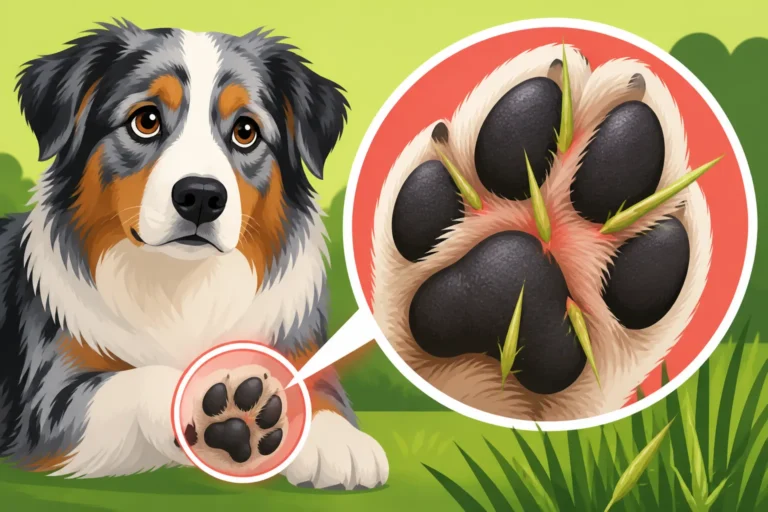
- Thorns, Burrs, and Foxtails: These seemingly innocent plant materials are a nightmare for paws. Thorns and burrs can embed themselves between toes or directly into the pad, causing irritation, pain, and sometimes infection. Foxtails are particularly insidious; their barbed shape means they only travel in one direction, burrowing deeper into the paw, often requiring veterinary intervention to remove. They can even migrate internally. If you spend time in grassy or wooded areas, this is a constant vigilance point. For more on this, check out Checking an Australian Shepherd for Burrs and Foxtails and Grass Seeds Working Into an Australian Shepherd Paw.
Each of these terrains presents unique challenges, highlighting just how much our Aussies rely on us to be aware of their environment and protect their precious paws.
Spotting the Signs of Paw Pad Damage
Sometimes, your Aussie is a stoic little worker, and it can be hard to tell if they're in pain until an injury is significant. But with a keen eye and a bit of careful observation, you can learn to recognize the subtle and overt signs of paw pad damage. Early detection is key to preventing minor issues from becoming major problems.
Visual Cues of Injury
A routine paw check should be part of your regular grooming and post-adventure ritual. It’s amazing what you can find if you just take a moment to look closely.
- Cracks and Dryness: One of the most common issues is simply dry, cracked pads, especially around the edges. These cracks can range from superficial lines to deep fissures that bleed and are incredibly painful, similar to chapped lips, but on a weight-bearing surface.
- Cuts, Abrasions, and Punctures: These are often obvious. A cut from glass or a sharp rock might be bleeding, or you might see a clean slice. Abrasions look like scrapes, where layers of skin have been rubbed away, often red and raw. Punctures can be harder to spot, appearing as small holes that may not bleed much initially, but can hide embedded foreign objects. Always check between the toes, as debris loves to lodge there.
- Blisters and Peeling Skin: Just like humans, Aussies can develop blisters from friction or burns. These often appear as fluid-filled sacs. If a burn is severe, or a blister ruptures, the skin might start peeling away in layers, revealing very raw, tender tissue underneath. This is a clear sign of significant damage and immediate concern.
- Redness and Swelling: Inflammation is a natural response to injury. Redness, especially around the pads or between the toes, combined with swelling, indicates irritation or infection. The paw might feel warmer to the touch than usual.
- Discoloration: While not always a sign of injury, unusual discoloration, especially dark spots or changes in the pad's natural pigment, can sometimes indicate bruising or other underlying issues. Black spots might be tar or other residues, which also need gentle removal.
Make it a habit to lift each paw gently, spreading the toes to get a good look at the entire pad surface and the skin between the toes. This thorough inspection can reveal even the smallest burr or splinter that could cause discomfort.
Behavioral Indicators of Pain
Our dogs communicate their discomfort through their actions, even if they can't tell us directly. Learning your Aussie's baseline behavior will make it easier to spot when something is off.
- Limping or Favoring a Paw: This is perhaps the most obvious sign. If your Aussie is suddenly favoring one paw, hopping, or refusing to put weight on it, something is definitely wrong. The degree of lameness can vary depending on the severity of the injury. Sometimes it's subtle, a slight hitch in their gait, other times it's an undeniable three-legged walk.
- Excessive Licking or Chewing at Paws: When an Aussie repeatedly licks, chews, or gnaws at a specific paw, it's a strong indicator of pain, irritation, or itching. They're trying to soothe themselves or remove whatever is bothering them. Persistent licking can also introduce bacteria and lead to secondary infections, exacerbating the problem. If you notice this, it's time for a close inspection. Sometimes, excessive paw licking can also be a sign of allergies, as discussed in Australian Shepherd Skin, Coat and Allergy Problems.
- Reluctance to Walk or Play: A high-energy breed like an Australian Shepherd that suddenly loses interest in its favorite walk, a game of fetch, or a run in the yard is sending a clear signal. Pain in their paws can make every step uncomfortable, turning what was once joyous activity into a chore. They might lie down more, seem lethargic, or try to avoid putting pressure on their feet.
- Sensitivity to Touch: If your Aussie flinches, pulls away, or even growls when you try to examine their paw, it’s a strong indication of pain. This isn't aggression; it's a protective instinct. Approach paw handling gently and reassuringly, and if they react negatively, it's a red flag.
- Swelling and Heat: Feeling warmth or puffiness in a paw or between the toes compared to the others is another physical sign. It suggests inflammation or infection and warrants attention.
Keep in mind that some Aussies are incredibly stoic, especially working lines. They might try to hide their pain, so even subtle changes in behavior, like a slight reluctance to jump into the car or a less enthusiastic greeting, could be linked to paw discomfort. Trust your gut if you feel something is off.
Immediate First Aid and Ongoing Care for Injured Paw Pads
Finding an injury on your Aussie's paw can be alarming, but knowing what to do immediately can make a huge difference in their recovery and comfort. Not every scrape needs an emergency vet visit, but every injury needs prompt attention.
Cleaning and Protecting Minor Injuries
For minor cuts, scrapes, or soreness, you can often provide effective first aid at home.
- Gentle Cleaning: The first step is always to clean the wound. Gently flush the paw with lukewarm water or a saline solution to remove dirt, debris, or any irritants. You can use a mild antiseptic solution diluted with water, like chlorhexidine, but avoid alcohol or hydrogen peroxide, which can be irritating and delay healing. Use clean gauze or cotton balls to dab the area dry.
- Applying Antiseptic Ointment: Once clean, you can apply a thin layer of a veterinarian-approved antiseptic ointment to minor cuts or abrasions. Look for products designed for dogs that are non-toxic if licked. Always check the ingredients and ensure it's safe.
- Protecting the Wound: This is crucial. Your Aussie will naturally want to lick their paw, but licking can introduce bacteria, remove medication, and delay healing. An Elizabethan collar (e-collar, or "cone of shame") is often the most effective way to prevent this. For walks or outdoor time, consider protective dog booties. Brands like Kurgo or Ruffwear offer durable options that can be found on sites like Chewy or Amazon. These aren't just for snow; they can protect healing paws from rough ground, dirt, and moisture. Just make sure they fit properly—too loose and they'll fall off, too tight and they'll restrict circulation.
- Bandaging (Carefully!): For some injuries, a light bandage can help keep the wound clean and protected. However, bandaging a paw incorrectly can do more harm than good, cutting off circulation or causing skin irritation. If you're unsure, it's better to use an e-collar and let the air get to it, or seek vet advice. If you do bandage, use non-stick pads directly over the wound, followed by a layer of soft gauze, and then vet wrap, ensuring it's snug but not tight. You should always be able to slip two fingers under the wrap. Change bandages daily and check for swelling or odor.
Remember, consistent care and vigilance are vital. Even a minor injury can become infected if neglected, leading to a much bigger problem. For discussions around common injuries, you might find Australian Shepherd Paw Injuries From Hard Running a useful resource.
When to Seek Veterinary Attention
While some issues can be handled at home, certain paw pad injuries absolutely warrant a trip to the vet. Don't hesitate if you observe any of the following:
- Deep Cuts or Punctures: If a cut is deep, gaping, bleeding heavily, or extends into the underlying tissue, it likely needs stitches or professional cleaning to prevent infection. Punctures, especially if caused by something dirty, carry a high risk of infection and may need antibiotics. Your vet can thoroughly clean the wound and ensure no foreign objects are embedded.
- Persistent Limping or Refusal to Bear Weight: If your Aussie's lameness doesn't improve within a day or two, or if they completely refuse to put weight on a paw, there might be a more serious injury, such as a fracture, sprain, or severe embedded object that requires X-rays or deeper exploration.
- Signs of Infection: Redness, swelling, heat, pus, a foul odor, or fever are all signs of infection. Infections can spread rapidly and become serious if not treated promptly with appropriate antibiotics.
- Severe Blistering or Peeling Skin (Burns): Extensive blisters or significant peeling of the paw pads, especially after exposure to hot surfaces or chemicals, indicate a severe burn that requires immediate veterinary care. Burns are extremely painful and prone to infection.
- Foreign Objects You Can't Remove: If you see something embedded in the paw pad that you can't easily and safely remove yourself (like a large thorn, glass shard, or deep foxtail), don't force it. You could push it deeper or cause more damage. Let a professional handle it.
- Unexplained Swelling or Lumps: Any unusual swelling or a new lump on or between the paw pads should be checked by a vet to rule out abscesses, cysts, or other growths.
It's better to be safe than sorry when it comes to paw pad injuries. Your vet has the tools and expertise to properly diagnose and treat these issues, ensuring your Aussie gets back on their feet as quickly and comfortably as possible.
Preventing Paw Pad Injuries on Rough Terrain
The best treatment for paw pad injuries is prevention. With a little foresight and consistent care, you can significantly reduce the risk of your Australian Shepherd hurting their paws, allowing them to enjoy their adventures without unnecessary pain.
Gradual Conditioning and Toughening Pads
Just like an athlete trains for a marathon, your Aussie’s paws can be conditioned to better withstand rough terrain. It’s not about making them invulnerable, but about building natural resilience.
- Varying Surfaces in Moderation: Start by gradually exposing your Australian Shepherd to different types of safe, mild terrain. Begin with soft grass, then move to paved sidewalks, and eventually, introduce short stretches of gravel or packed dirt. The idea is to build up the thickness and toughness of the pads slowly, allowing them to adapt naturally. Don't go from soft grass to a rocky mountain trail in one day; that's a recipe for disaster.
- Regular, Controlled Exercise: Consistent, daily walks on varied surfaces will naturally toughen the paw pads over time. Short, frequent exposures are better than infrequent, long, and intense sessions. Think about a regular route that offers a mix of textures. This also contributes to overall joint health and fitness, which is important for a breed known for its activity levels. For advice on appropriate activity levels, consider Australian Shepherd Exercise at One to Two Hours a Day.
- Avoid Overdoing It: Even with conditioning, there's a limit. Be mindful of how long your Aussie is on particularly abrasive or harsh surfaces. If you're doing a long hike or a day of intense activity, integrate breaks on softer ground. Pushing too hard, too fast, will negate any conditioning efforts and lead to injury.
Protective Gear and Topical Balms
Sometimes, conditioning isn't enough, or you're heading out to particularly challenging environments. That's where protective gear and topical care come in handy.
- Paw Waxes: Products like Musher's Secret are absolute lifesavers. These waxes create a breathable barrier on the paw pads, protecting them from extreme temperatures (hot and cold), abrasive surfaces, and irritating chemicals like de-icing salts. They also help keep pads moisturized, preventing cracking. Apply a thin layer before walks or outdoor activities, allowing it to absorb slightly. You can often find these types of balms and waxes readily available at pet supply stores or online retailers like Chewy and Amazon.
- Protective Booties: For extreme conditions, like deep snow with ice, scorching hot pavement (see Australian Shepherd Exercise in Summer Heat), or very rocky terrain, dog booties are your best friend. They offer a physical barrier that paw waxes can't match. It takes time to introduce booties to your Aussie; start with short sessions indoors, rewarding heavily, until they tolerate them. Ensure they fit well—not too loose to slip or too tight to rub. Brands like Ruffwear, with their sturdy construction, are often recommended for active dogs.
- Regular Moisturizing Balms: Even without specific injuries, regular moisturizing can prevent dryness and cracking. Just like we moisturize our skin, a quality paw balm can keep your Aussie’s pads supple and resilient. Look for natural ingredients like shea butter, coconut oil, or beeswax. Brands that focus on natural, lick-safe ingredients are ideal. Some gourmet pet food brands, like Ollie, might offer complementary care products like balms, or you can find a wide variety on Amazon. A routine application, especially after active days or baths, can make a huge difference in long-term paw health.
A consistent routine of applying balm and considering booties for specific outings can drastically reduce the wear and tear on your Aussie's paws, keeping them comfortable and ready for their next adventure.
Environmental Awareness and Route Planning
Being proactive about the environment you expose your Aussie to is a simple yet effective prevention strategy.
- Check Ground Temperature: Before a walk, place the back of your hand on the pavement for at least seven seconds. If it's too hot for your hand, it's too hot for your Aussie's paws. This simple test can prevent severe burns. Adjust your walking times to cooler parts of the day (early morning or late evening) during hot weather.
- Scout Your Routes: If you're heading to a new hiking trail or park, try to scout it first if possible, or at least be highly observant during your walk. Look out for broken glass, sharp rocks, discarded fishing hooks, or other hazardous debris. Being aware of potential dangers allows you to steer your Aussie away from them.
- Beware of Chemicals and Treated Surfaces: Be mindful of areas that might have been recently treated with pesticides, herbicides, or de-icing salts. These chemicals can be corrosive and toxic if ingested. Avoid walking on freshly treated lawns or sidewalks. If you must walk in such areas, consider booties, and always wipe your Aussie's paws thoroughly with a damp cloth afterward.
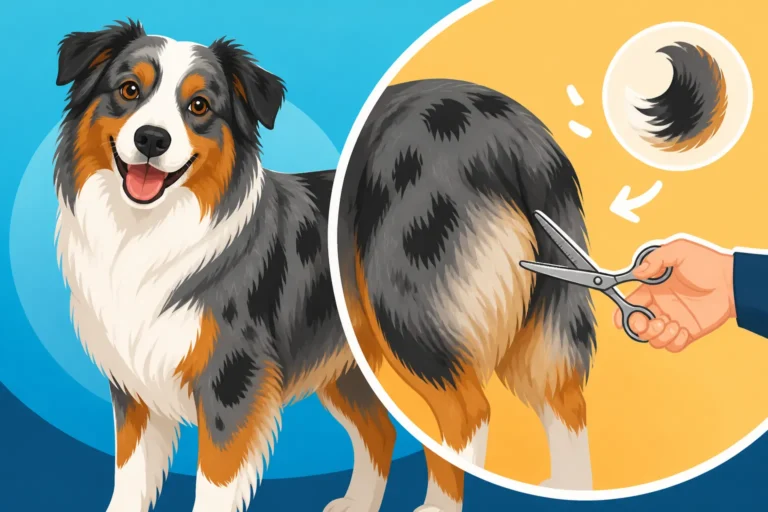
- Avoid Over-Trimming Paw Fur: While keeping the fur between the pads neat is important to prevent matting and trap debris, avoid trimming it too short. The fur provides a natural layer of protection and can help cushion the paws slightly. Regular Australian Shepherd Grooming and Shedding Costs should ideally include careful paw trimming.
By combining conditioning, protective measures, and mindful route planning, you can give your Australian Shepherd the best chance of navigating all sorts of terrains comfortably and safely for years to come.
Disclaimer
This article is for general informational purposes only and does not constitute professional advice. Laws, prices and regulations vary by location and change over time. Consult a qualified professional for guidance on your specific situation.