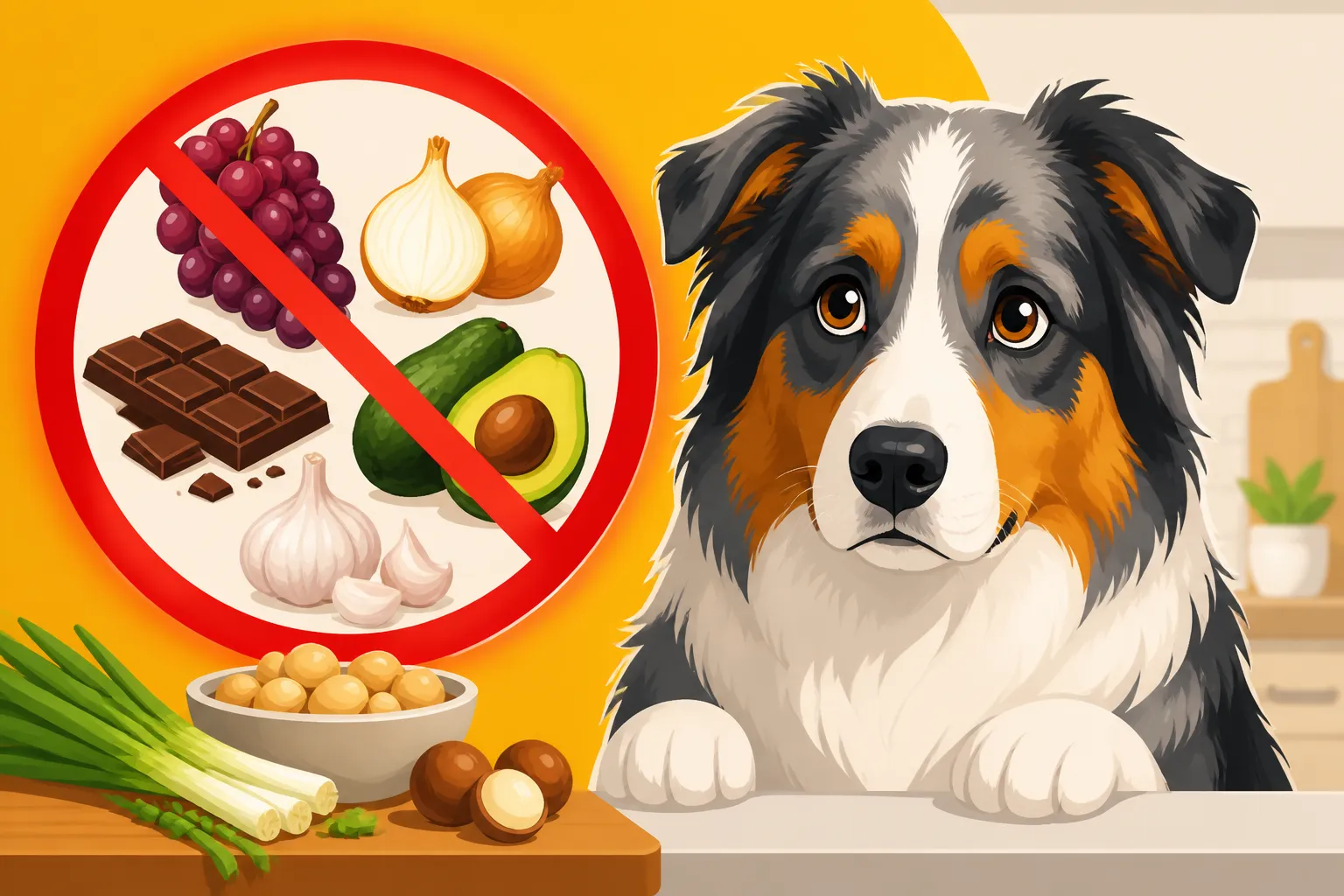
Kitchen Foods That Are Toxic to an Aussie
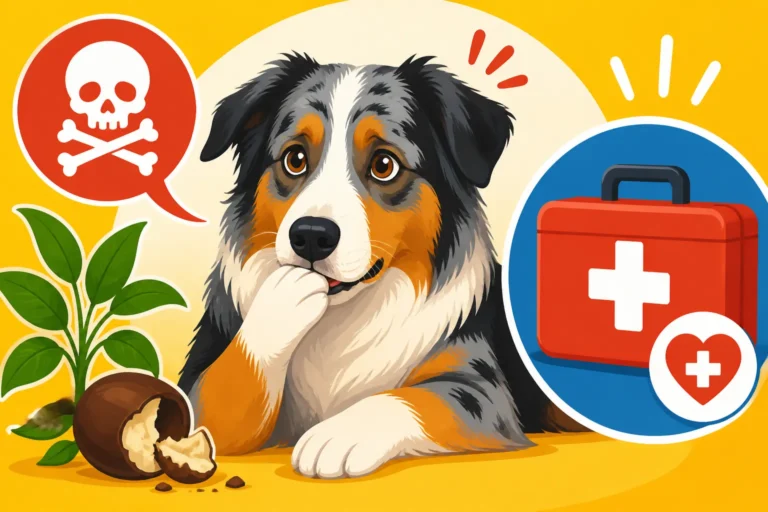
It’s a scenario many of us Australian Shepherd owners know all too well: you turn your back for just a second, and suddenly, your smart, quick-witted Aussie has managed to snatch a dropped morsel from the floor or even counter-surf for a forbidden treat. Our kitchens are full of delicious smells and tempting tidbits, but for our beloved Aussies, many common human foods are anything but harmless. This guide is here to walk you through the most common kitchen culprits that pose a serious threat to your Australian Shepherd's health, what makes them so dangerous, and what you absolutely need to do if your furry family member gets into something they shouldn't.
The Deceptively Dangerous: Common Kitchen Culprits
It's easy to assume that if a food is safe for us, it's safe for our dogs. But a dog's metabolism is vastly different from a human's, and certain compounds that we can process without a second thought can be incredibly toxic to them. For an inquisitive and often food-motivated breed like the Australian Shepherd, keeping a vigilant eye on what they might ingest is a constant, sometimes frustrating, battle.
Chocolate and Caffeine: More Than Just a Sugar Rush
Chocolate is perhaps the most widely known culprit, and for good reason. It contains a stimulant called theobromine, which dogs process much more slowly than humans. This means it stays in their system longer, building up to toxic levels. The darker the chocolate, the higher the concentration of theobromine, making baking chocolate and dark chocolate particularly dangerous. Milk chocolate and white chocolate contain less, but can still cause problems, especially in larger quantities. Caffeine, found in coffee, tea, and even some sodas, acts similarly to theobromine, causing overstimulation of the nervous system and heart.
Imagine you're baking brownies, and a square of unsweetened baking chocolate falls to the floor, unseen. Your Australian Shepherd, ever the diligent clean-up crew, snatches it before you even realize it's gone. Within hours, you might notice restlessness, increased thirst, vomiting, diarrhea, tremors, or even seizures. The intensity of these symptoms depends on the amount and type of chocolate ingested relative to your Aussie's body weight. It's a terrifying experience, and one that requires immediate action. Even small amounts can cause significant distress, and larger amounts can be fatal.
Grapes and Raisins: A Puzzling Peril
This one often catches owners by surprise because grapes and raisins seem so innocuous. However, even a small quantity can cause acute kidney failure in dogs, and the exact toxic agent remains a mystery. What's even more perplexing is that some dogs can eat them with no ill effect, while others experience severe, life-threatening reactions after just one or two. This unpredictable nature makes them incredibly dangerous.
Consider a bowl of grapes left on a low coffee table, or a bag of trail mix with raisins tucked into a pantry shelf. Your clever Aussie, with their problem-solving skills, might easily get into either. Symptoms often begin with vomiting and hyperactivity, followed by lethargy, dehydration, and decreased urination as kidney damage progresses. The kidney damage can become irreversible, leading to long-term health problems or even death. Because there's no way to predict how your Australian Shepherd will react, and no known "safe" amount, grapes and raisins must be kept entirely out of reach.
Onions, Garlic, and Chives: The Allium Family
These common kitchen staples are part of the allium family, and they contain compounds that can damage a dog's red blood cells, leading to a condition called hemolytic anemia. This means their body can't carry enough oxygen, causing weakness, lethargy, and even collapse. Garlic is generally considered more potent than onions, but both, along with chives and leeks, pose a significant risk. The danger isn't just from fresh produce; powdered forms, often found in sauces, gravies, and processed human foods, are equally, if not more, concentrated and dangerous.
Think about that leftover spaghetti sauce with garlic and onion powder, or a piece of forgotten pizza crust. Your Aussie might find these irresistible. The effects can be cumulative, meaning small, regular exposures can be just as harmful as one large dose. Symptoms might not appear immediately, sometimes taking days to manifest as the red blood cells slowly become damaged. Watch for pale gums, weakness, rapid breathing, dark urine, and a reduced appetite. This is a subtle threat that can build up silently.
Xylitol: The Sweetener's Deadly Secret
Xylitol is a sugar substitute found in many "sugar-free" human products, including chewing gum, mints, candies, baked goods, toothpaste, and even some peanut butters. For dogs, xylitol causes a rapid and severe release of insulin, leading to a sudden and drastic drop in blood sugar (hypoglycemia). This can happen within minutes of ingestion. In higher doses, it can also cause acute liver failure, which is often fatal.
Given how many Australian Shepherds adore peanut butter as a treat or a distraction, checking labels for xylitol is absolutely critical. Imagine giving your Aussie a spoonful of peanut butter from a new jar, unaware it contains xylitol. Within minutes, your normally energetic dog could become weak, disoriented, stagger, or even collapse and have seizures. The onset is frighteningly fast. It's a reminder that even seemingly harmless treats need careful scrutiny if they're coming from the human pantry. When buying treats or chews for your Aussie, always double-check the ingredient list. Many fantastic, xylitol-free options are available from reputable suppliers like Chewy, making it easy to stock up on safe snacks.
Alcohol: More Than Just a Buzz
Alcohol, in any form, is toxic to dogs. Their small size and different metabolism mean they can be affected by much smaller amounts than humans. Alcohol is rapidly absorbed into the bloodstream and can cause severe central nervous system depression, drops in blood sugar, body temperature, and blood pressure, leading to respiratory failure, seizures, coma, or even death. This includes not just alcoholic beverages, but also uncooked yeast dough (which ferments in the stomach, producing alcohol) and even some rotten fruits that have fermented.
Imagine a forgotten beer can on the patio or a glass of wine left unattended at a party. An adventurous Australian Shepherd, drawn by curiosity, might lap it up. The symptoms of alcohol poisoning can include vomiting, diarrhea, incoordination, excessive drooling, weakness, and difficulty breathing. It's a serious medical emergency that requires immediate veterinary attention. Preventing access to anything containing alcohol is paramount for your Aussie's safety.
Understanding the Danger: Why These Foods Harm Your Aussie Specifically
It's not just about what they eat, but how their bodies react to it. Our Australian Shepherds are robust and hardy, but their physiology has specific vulnerabilities that make certain kitchen items profoundly dangerous. We want to keep them healthy for their Australian Shepherd Lifespan Across Twelve to Fifteen Years, and avoiding these toxins is a huge part of that.
Metabolic Differences: How Dogs Process Toxins
The key difference lies in canine metabolism. Dogs lack certain enzymes that humans possess, or they process substances at a much slower rate. For instance, theobromine in chocolate takes significantly longer for a dog's liver to break down and eliminate. This extended exposure time allows toxic levels to build up, impacting the heart and nervous system. Similarly, the rapid insulin spike caused by xylitol is a direct result of how a dog's pancreas responds to it, which is very different from a human's. Their digestive systems, while capable of handling a variety of foods, are not equipped for the artificial ingredients, high sugar content, or specific chemical compounds found in many human foods.
This is why even a small amount of a highly concentrated toxin, like xylitol in a piece of sugar-free gum, can have devastating effects on a relatively large Australian Shepherd, whereas a human might just get a minor stomach upset from accidentally swallowing a piece. It's a stark reminder that "human-grade" doesn't automatically mean "dog-safe." When considering what goes into your Aussie's bowl, opting for high-quality, vet-approved dog food from companies like Ollie or carefully selected treats from a store like Chewy ensures the ingredients are specifically formulated for canine health.
Australian Shepherds' Drive and Curiosity
Australian Shepherds are incredibly intelligent, resourceful, and often highly food-motivated dogs. Their ancestral drive to work, herd, and problem-solve often translates into a keen ability to get into things they shouldn't. A bored Aussie is a creative Aussie, and if there's a delicious smell emanating from the countertop, they might spend hours figuring out how to reach it. They're often excellent at counter-surfing, opening cupboards, or investigating dropped items with surgical precision. This inherent drive, while wonderful for training and sports like agility, can also make them more susceptible to accidental poisonings.
Their strong sense of smell and persistent nature mean they're likely to find any crumb or forgotten snack. I've heard countless stories of Aussies scaling baby gates, pushing open pantry doors, or even figuring out how to open the refrigerator. This isn't naughtiness; it's intelligence and instinct. Therefore, secure food storage isn't just a suggestion for an Australian Shepherd household; it's a necessity. Their drive also means that a well-exercised Aussie, both physically and mentally, is less likely to become a "food thief." Activities like Scent Games That Tire an Australian Shepherd can redirect that mental energy positively, making them less inclined to seek out forbidden kitchen adventures.
Here's a quick reference table for some common kitchen toxins:
| Food Item | Primary Toxic Agent(s) | Potential Symptoms | Severity & Key Risk |
|---|---|---|---|
| Chocolate/Caffeine | Theobromine, Caffeine | Vomiting, diarrhea, restlessness, tremors, seizures, heart problems | Moderate to Severe; dose-dependent, dark chocolate worst |
| Grapes/Raisins | Unknown | Vomiting, hyperactivity, lethargy, kidney failure, decreased urination | Severe; can cause acute kidney failure, unpredictable |
| Onions/Garlic/Chives | Thiosulphates, N-propyl disulfide | Vomiting, diarrhea, lethargy, pale gums, weakness, red blood cell damage (anemia) | Moderate; cumulative effects, fresh & powdered are dangerous |
| Xylitol | Xylitol | Vomiting, weakness, disorientation, seizures, liver failure, hypoglycemia (low blood sugar) | Severe to Fatal; rapid onset, even small amounts dangerous |
| Alcohol | Ethanol | Vomiting, diarrhea, incoordination, depression, tremors, coma, death | Severe to Fatal; affects central nervous system |
| Avocado (pit/skin) | Persin | Vomiting, diarrhea (less severe for dogs compared to other animals) | Mild to Moderate; pit is choking hazard |
| Macadamia Nuts | Unknown | Weakness, vomiting, tremors, hyperthermia (elevated body temperature) | Moderate; temporary paralysis, usually not fatal |
| Yeast Dough | Ethanol (from fermentation), gas expansion | Bloating, abdominal pain, vomiting, disorientation, alcohol poisoning | Moderate to Severe; risk of bloat (GDV) and alcohol poisoning |
What to Do in an Emergency: Acting Fast When Your Aussie Eats Something Bad
The moment you realize your Australian Shepherd has consumed something toxic can be pure panic. Time is often of the essence, and knowing the right steps can make all the difference in a positive outcome. This is where preparedness truly pays off, potentially saving your dog's life.
Immediate Steps: Don't Wait and See
The absolute first thing you should do is not panic, but act swiftly. Immediately call your veterinarian, an emergency veterinary clinic, or a pet poison control hotline. Have all the information ready: what your Aussie ate (the exact food, ingredients if possible), how much they ate, approximately when they ate it, and any symptoms you've observed. Do not try to induce vomiting at home unless explicitly instructed by a veterinary professional. There are many reasons why inducing vomiting can be dangerous or counterproductive, depending on the substance ingested, and could cause further harm, like aspiration pneumonia.
While you're on the phone, keep a close eye on your Aussie for any changes in behavior or physical symptoms. Be prepared to bring the packaging of the ingested food with you to the vet. This information helps the vet quickly determine the toxicity level and the best course of action. They might ask about your Aussie's weight, age, and any existing health conditions, so having that information readily available is also helpful. Your quick thinking and clear communication can be critical in these stressful moments, making sure your Aussie gets the right help right away.
The Importance of Professional Veterinary Care
Once you've contacted your vet or poison control, follow their instructions precisely. In most cases, they will advise you to bring your Australian Shepherd in immediately. Professional veterinary care is crucial because they have the tools and expertise to handle such emergencies safely. They can induce vomiting using specific medications that are much safer and more effective than home remedies. After vomiting, they might administer activated charcoal to absorb any remaining toxins in the digestive tract, preventing further absorption into the bloodstream.
Beyond immediate decontamination, a vet can provide supportive care. This might include intravenous fluids to combat dehydration and support kidney function (especially crucial with grape/raisin toxicity), medications to control seizures or tremors, and ongoing monitoring of vital signs. For conditions like xylitol poisoning, they can monitor blood sugar levels and administer glucose if necessary. Trying to manage these complex medical situations at home is incredibly risky and significantly reduces your Aussie's chances of recovery. Even if your Australian Shepherd seems okay immediately after ingesting something toxic, underlying damage can be occurring, so always seek professional advice. Early intervention is key, and it might mean the difference between a full recovery and severe, lasting health issues.
Prevention is Key: Keeping Your Aussie Safe and Sound
When you have a smart, energetic Australian Shepherd, prevention isn't just a good idea – it's a way of life. These dogs are notorious for their intelligence and their ability to get into things, so creating a dog-proof kitchen and home environment is paramount to their safety and your peace of mind. Keeping an eye on their health through regular check-ups and being aware of things like Australian Shepherd Puppy Health Checks at Eight Weeks helps build a foundation of wellness.
Secure Food Storage and Countertop Management
The best defense against toxic ingestion is making sure your Australian Shepherd never has the opportunity to get to the dangerous food in the first place. This means rethinking how you store food and manage your kitchen. Invest in secure, air-tight containers for human snacks and ingredients that an Aussie can't chew through or easily open. Cabinets should be latched, especially those at lower levels, or fitted with child-proof locks that even the cleverest paw can't manipulate.
When preparing meals, be hyper-vigilant. Never leave ingredients like onions, garlic cloves, grapes, or chocolate unattended on countertops, even for a moment. Our Aussies are quick, and a second's distraction is all they need. Get into the habit of wiping down counters immediately after food prep and sweeping/vacuuming floors to remove any dropped crumbs. If you're using a slow feeder or puzzle toy to keep your Aussie occupied, ensure it's filled with approved treats you've sourced from trusted retailers like Amazon or Chewy, keeping their focus away from your cooking. Remember, an Aussie who is An Australian Shepherd That Will Not Hand Things Over might view a dropped treat as their personal prize, making it even harder to retrieve safely.
Educating the Whole Family and Guests
A single set of rules won't work if everyone in the household isn't on the same page. It's crucial to educate every family member, especially children, about what foods are toxic to your Australian Shepherd. Explain the dangers in simple terms and emphasize the importance of not feeding the dog "people food" and promptly cleaning up any spills or dropped items. Children, in particular, might innocently share a grape or a piece of candy with their furry friend, not understanding the severe consequences.
When you have guests over, politely inform them of your house rules regarding your dog and food. A casual remark like, "Please make sure to put your plate up high when you're done, our Aussie is quite the counter-surfer!" can go a long way. Make sure they know which treats are safe to give your dog, if any, or provide them with a small bag of approved dog treats to offer. This collective vigilance helps create a safer environment and reduces the chances of accidental poisoning. After all, ensuring a full and healthy Australian Shepherd Lifespan Across Twelve to Fifteen Years is a team effort.
Safe Alternatives and Training for "Leave It"
Instead of sharing human food, which can be risky, offer your Australian Shepherd safe, dog-appropriate treats. Many fruits and vegetables are safe in moderation, such as carrots, apple slices (without seeds), green beans, or blueberries. You can find an incredible variety of safe and nutritious dog treats at stores like Chewy or even consider a fresh, pre-portioned dog food service like Ollie, which ensures human-grade quality and canine safety. These companies prioritize ingredients that are beneficial and safe for dogs, eliminating the guesswork.
Beyond offering safe alternatives, reinforcing strong obedience commands is invaluable. A rock-solid "Leave It" command can be a lifesaver, allowing you to stop your Aussie from snatching something dangerous off the floor or counter. Practice this command regularly in various environments, increasing distractions gradually. Also, working on a reliable "Drop It" or "Give" command is crucial for those times when they do manage to get something they shouldn't. Regular training, combined with ample physical and mental exercise, helps manage their natural drive and keeps them focused on appropriate activities and rewards, preventing them from seeking out forbidden kitchen adventures. These Treats That Fit an Australian Shepherd Training Day can be excellent for reinforcing good behaviors and distracting them from temptation.
Disclaimer
This article is for general informational purposes only and does not constitute professional advice. Laws, prices and regulations vary by location and change over time. Consult a qualified professional for guidance on your specific situation.