Aussie Feathering and How to Keep It Clean
Anyone who lives with an Australian Shepherd knows the sheer beauty of their long, flowing feathering, but also the constant battle it can be to keep it clean and tangle-free. This guide will walk you through understanding your Aussie's unique coat, tackling common feathering challenges like mats and debris, and establishing a consistent grooming routine to keep their beautiful fringes pristine and healthy, no matter what adventures you share.
Understanding Your Aussie's Unique Feathering
Australian Shepherds are renowned for their stunning coats, and a big part of that appeal comes from their "feathering." These longer tufts of hair aren't just for show; they serve a purpose, but they also require specific care to prevent them from becoming a matted, muddy mess. If you've ever found yourself pulling burrs out of your dog's "pants" or struggling with muddy fringes after a walk, you know the struggle is real.
Where You'll Find Feathering on Your Aussie
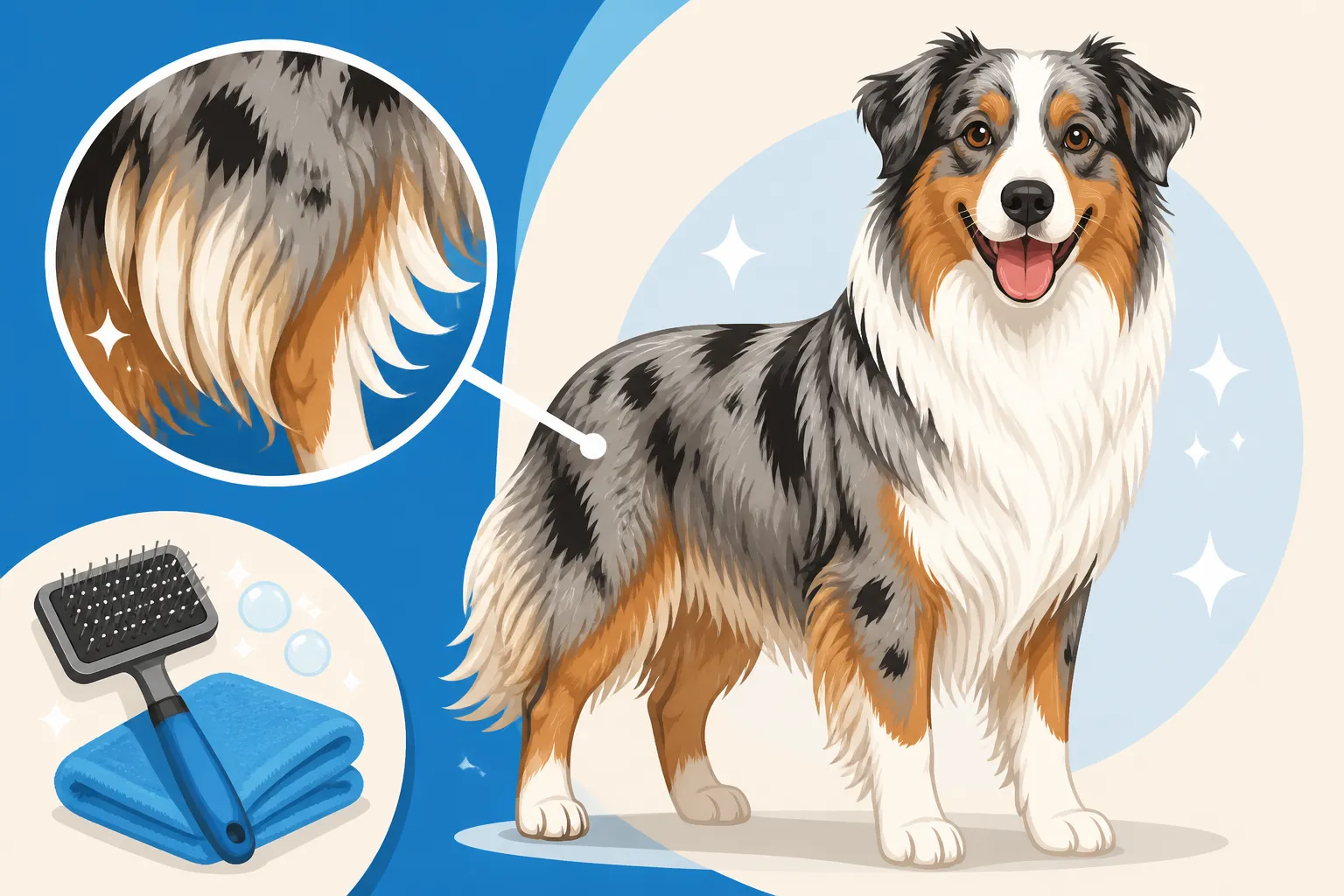
Feathering is essentially the longer hair that grows on specific parts of your Australian Shepherd's body. You'll typically find it most prominent on the backs of their legs (both front and hind), often referred to as "pants" or "trousers" on the hind legs, and "feathers" on the front. They also have longer hair on their chest, underside, and often a beautiful ruff around their neck, though the term "feathering" usually refers to the legs and tail. This longer hair is generally softer and silkier than the main body coat, which makes it prone to tangling.
Imagine your Aussie bounding through a field, tail wagging, legs pumping. Every brush against tall grass, every puddle splashed through, every roll in the dirt collects on these longer strands. It's like a magnet for everything outdoors! And while it looks magnificent, it's also a clear indicator of where you'll be spending most of your grooming time.
The Purpose of Feathering in an Active Dog
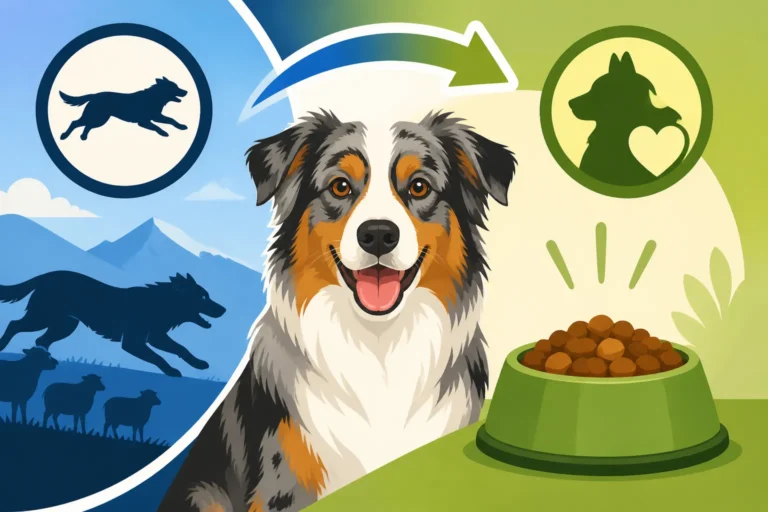
While we adore the aesthetic of that flowing hair, feathering isn't just a beauty statement. In their ancestral role as working dogs, this longer hair likely offered some protection. On the legs, it could provide a slight barrier against thorns, brush, and even harsh weather, shielding the more vulnerable skin underneath. The longer hair on the chest and belly also adds a layer of insulation, whether from cold ground or a sudden chill.
However, in modern pet Aussies, especially those who aren't regularly working livestock in fields, the protective aspect often takes a backseat to the practical challenges of maintenance. What once might have offered a bit of defense can now become a collector of burrs, mud, and snow, leading to discomfort and potential skin issues if not properly managed. It's a trade-off, really: stunning looks for dedicated grooming.
The Battle Against Mats, Mud, and Mayhem: Common Feathering Foes
If you've spent any time with an Australian Shepherd, you know their beautiful feathering can quickly become a tangled, dirty disaster zone. It’s not just about looks; these issues can lead to pain, skin irritation, and even infections if left unchecked. The challenges vary, from everyday dirt to seasonal hazards that can turn a pleasant walk into a grooming nightmare.
Mats and Tangles: The Everyday Threat
Mats are the bane of every long-haired dog owner's existence, and Aussie feathering is particularly susceptible. These tight knots of hair form when individual strands intertwine and compact, often accelerated by friction, dirt, or dampness. The backs of the legs, behind the ears, and under the "armpits" are prime locations for mats to develop, simply because these areas experience a lot of movement and rubbing. A small tangle can turn into a dense mat surprisingly quickly, especially after a particularly active day.
It’s disheartening to find a solid mat when you thought you'd brushed thoroughly, but it happens to the best of us. These mats don't just look bad; they pull on your dog's skin, causing discomfort and pain, especially when they move. Imagine having a tight elastic band constantly pulling on your skin – that's what a mat feels like to your Aussie. Preventing them requires consistent effort and the right tools, which we’ll dive into shortly.
Dirt, Debris, and Burrs: What the World Leaves Behind
Australian Shepherds are active dogs; they love to run, explore, and dive into whatever interesting smells the world offers. Unfortunately, their glorious feathering is perfectly designed to collect everything they encounter. Mud, dust, sand, leaves, twigs, and, perhaps the worst offender of all, burrs – all become firmly embedded in that long, flowing hair. A simple romp in the park can return your dog looking like a walking compost heap.
Burrs are particularly insidious. They latch onto the hair with tiny hooks and, if not removed promptly, can burrow deeper, causing painful irritation or even skin damage. Getting them out can be a painstaking process, often requiring careful detangling or even trimming if they've become too entrenched. This is why a quick check after every outdoor adventure is not just good practice, it’s essential for your Aussie's comfort and health. Remember to look for potential tick hiding spots in this debris too; Checking an Australian Shepherd for Ticks is a crucial part of post-adventure cleanup.
Seasonal Challenges: Snowballs and Wet Weather Woes
Beyond everyday dirt, specific seasons present their own unique challenges for Aussie feathering. Winter, with its snow and ice, can be particularly problematic. As your Australian Shepherd romps through the white stuff, snow and ice cling to their longer feathering, forming compact, painful snowballs. These icy clumps can pull on the skin, restrict movement, and lead to chafing or frostbite in extreme cases.
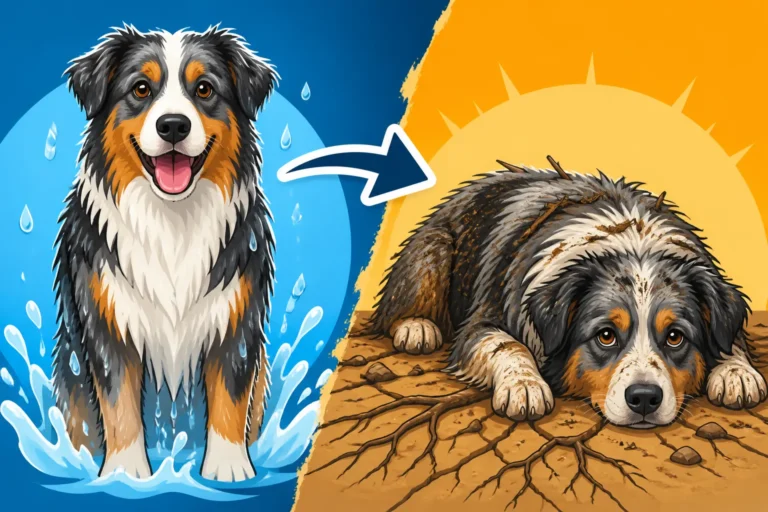
Similarly, wet and muddy conditions in spring or fall turn feathering into a heavy, clumpy mess. The hair absorbs water, becoming heavy and difficult to dry, creating a perfect environment for skin irritation or even hot spots if not thoroughly cleaned and dried. This is why proactive measures, like specific grooming techniques and perhaps protective gear, become paramount during these times. It’s not just a minor inconvenience; it's a significant factor in your Aussie's overall well-being. Knowing about Snowballs Forming in an Aussie Coat can help you prepare.
Your Go-To Grooming Guide for Pristine Feathering
Keeping your Australian Shepherd's feathering clean and tangle-free doesn't have to be an overwhelming chore. With the right tools and a consistent routine, you can maintain their beautiful coat and prevent many of the common problems we've discussed. It's all about making grooming a regular, positive experience for both of you.
Essential Tools and Brushing Techniques
Having the right tools is half the battle. For Aussie feathering, you'll want a sturdy slicker brush, a metal comb (preferably with both fine and wide teeth), and an undercoat rake. Deshedding tools like those offered by brands you can find on Amazon or Chewy can also be invaluable, especially during coat blow season. The goal isn't just to skim the top layer of hair but to get right down to the skin to prevent mats from forming at the base.
Start by gently misting the feathering with a detangling spray or a conditioning spray – never brush dry hair, as it can cause breakage. Use the slicker brush to work through small sections, brushing away from the body in layers. Pay special attention to the areas prone to matting: behind the ears, the "armpits," and the long "pants" on the hind legs. Once you've gone over an area with the slicker brush, follow up with the metal comb. If the comb glides through the feathering without snagging, you've done a good job. If it catches, go back with the slicker brush. For dense undercoat, especially on the body and upper legs, an undercoat rake can work wonders at removing loose hair, as described in The Rake That Reaches an Aussie Undercoat. Regular brushing, ideally Brushing an Australian Shepherd Twice a Week or more frequently, is your best defense against mats.
Bathing and Drying Feathering Without the Fuss
Bathing your Aussie's feathering requires careful attention to ensure it's not just clean but also thoroughly dried. Before bathing, always give your dog a thorough brush-out to remove any loose hair and small tangles. Water will only tighten mats, making them nearly impossible to remove. Use a high-quality, dog-specific shampoo and conditioner, perhaps from a trusted brand found on Chewy that caters to double coats.
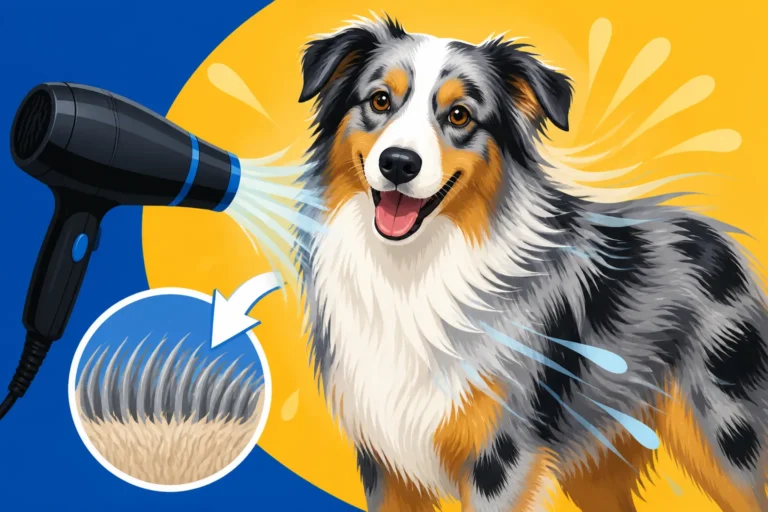
When washing, focus on getting the shampoo Washing Right Down to an Aussie's Skin, especially in the feathered areas where dirt can accumulate. Rinse thoroughly until the water runs clear; any leftover shampoo can irritate the skin. The drying process is just as, if not more, important than the wash. Allowing feathering to air dry can lead to mildew, skin problems, and matting. Use a high-velocity dog dryer if you have one, or a regular hairdryer on a cool setting. Blow-dry the feathering while brushing it, separating the hairs to ensure every layer is completely dry. As we often emphasize, Why an Aussie Must Be Dried to the Roots is absolutely critical for preventing skin issues and mats.
Trimming for Hygiene and Ease
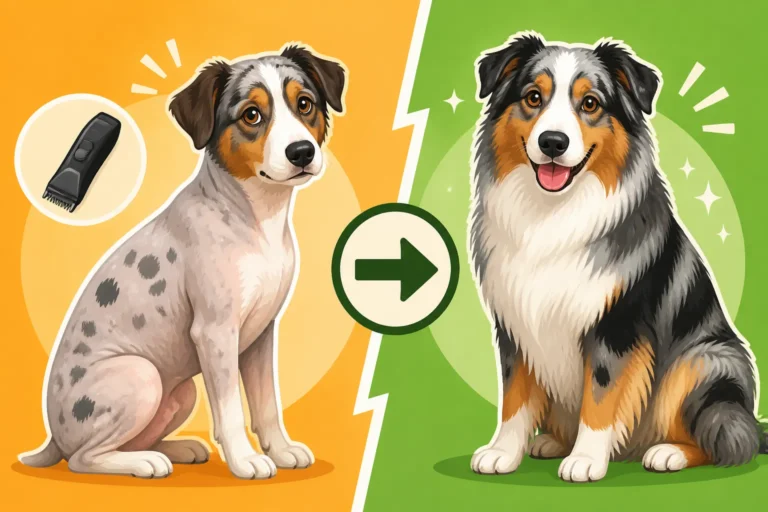
While you should never shave an Australian Shepherd's double coat, which can ruin its natural insulation and regrowth, strategic trimming of the feathering can be incredibly helpful for hygiene and maintenance. This isn't about altering their overall look but making specific areas more manageable.
Focus on the "sanitary trim" around the hind end to keep that area clean. You can also carefully trim the hair between their paw pads and around their feet to prevent dirt and debris accumulation and provide better traction. This helps with issues like Australian Shepherd Paw Pads After Rough Ground. The hair on the backs of their hocks and around their feet can also be trimmed to a more manageable length, reducing the surface area for mud and burrs to cling to. Always use blunt-nosed grooming shears for safety and trim conservatively. If you're unsure, a professional groomer can demonstrate the proper techniques for Trimming an Australian Shepherd's Feet and Hocks. Remember, a little trim in key areas can make a big difference in daily cleanliness and comfort.
Solving Stubborn Feathering Problems and Prevention
Even with the best routine, stubborn feathering problems can pop up. Knowing how to tackle them effectively and prevent recurrence is key to keeping your Aussie comfortable and looking their best. It's about being prepared for anything your active companion might drag home.
Tackling Mats and Burrs Effectively
Finding a deeply embedded mat or a cluster of burrs can feel daunting, but panic will only make it worse. First, gather your supplies: a detangling spray, a slicker brush, a metal comb, and a seam ripper or blunt-nosed scissors. Start by spraying the mat or burr liberally with detangling spray and gently working it in with your fingers. For burrs, try to pick them out one by one, using the fine end of your comb to tease the hair away from the burr's hooks. A seam ripper can be surprisingly effective at splitting the hair within a mat, allowing you to carefully pull it apart without cutting it short.
For tough mats, try to separate them into smaller sections. If you absolutely have to cut, always place the comb between the mat and the skin, then cut above the comb. This creates a barrier to prevent accidentally snipping your dog's skin. If a mat is too close to the skin or too extensive, don't hesitate to seek help from a professional groomer. They have specialized tools and expertise to remove difficult mats safely, which is often a kinder option than struggling through it at home. Knowing how to deal with Mats in an Aussie Ruff and Trousers is crucial, as these areas are notorious for stubborn tangles.
Post-Adventure Clean-Up for Feathered Friends
After a romp outdoors, especially in wet or muddy conditions, immediate action is your best friend. Don't wait for the mud to dry or the burrs to settle in. Have a designated clean-up station near your door – a towel, a bucket of warm water, and perhaps a paw cleaner.
For muddy feathering, a quick rinse with warm water can remove most of the surface dirt before it dries and hardens. You can use a dedicated pet-safe cleaning wipe for quick touch-ups. If your Aussie has been in tall grass or brush, perform a full-body check for burrs, ticks, and other debris. Pay extra attention to the feathering on their legs, belly, and tail. A good brushing immediately after can help dislodge anything that's clinging to the hair. This proactive approach saves you a lot of time and effort in the long run and prevents minor annoyances from escalating into bigger problems.
Preventing Future Feathering Problems
Prevention is always easier than cure when it comes to Aussie feathering. Consistency in your grooming routine is paramount.
| Prevention Strategy | Description | Frequency |
|---|---|---|
| Regular Brushing | Daily or every-other-day brushing, focusing on feathered areas, prevents mats from forming and removes loose hair, dirt, and minor debris. | Daily/Every Other Day |
| Post-Adventure Checks | Immediately after walks, hikes, or play in grassy/wooded areas, visually inspect and run your hands over all feathered areas for burrs, ticks, and tangles. | After Every Outing |
| Strategic Trimming | Maintain sanitary trims around the hind end and trim hair between paw pads and on hocks to reduce collection points for dirt and debris. | As Needed (Monthly) |
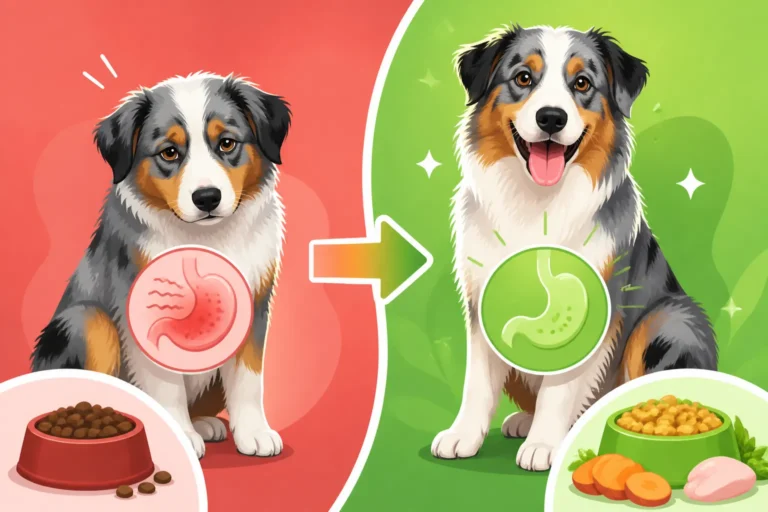
| High-Quality Diet | A balanced diet, sometimes supplemented with fish oil, supports healthy skin and coat, making hair less prone to breakage and matting. Brands like Ollie focus on fresh, nutritious meals. | Daily (Diet dependent) |
| Protective Gear | Consider dog boots for snow/ice to prevent snowballs or mud from accumulating, especially on paw and lower leg feathering. Dog sweaters/coats can also protect chest and belly feathering in harsh conditions. | As Needed (Seasonal) |
| Avoid Shaving | Resist the temptation to shave your Aussie's coat. This can disrupt their double coat's natural insulation and lead to improper regrowth and skin issues. Remember Why Shaving an Australian Shepherd Ruins the Coat. | Never |
| Routine Baths & Drying | Bathe as needed, using appropriate shampoos/conditioners, and always ensure thorough drying of the undercoat and feathering. | Monthly/Bi-Monthly |
By combining daily brushing with immediate clean-up after outdoor activities, you can drastically reduce the occurrence of stubborn feathering problems. A healthy diet also contributes to a strong, resilient coat that is less prone to damage. While it takes effort, a well-cared-for coat is a sign of a happy, healthy Australian Shepherd.
Disclaimer
This article is for general informational purposes only and does not constitute professional advice. Laws, prices and regulations vary by location and change over time. Consult a qualified professional for guidance on your specific situation.