Grooming an Aussie That Hates the Table
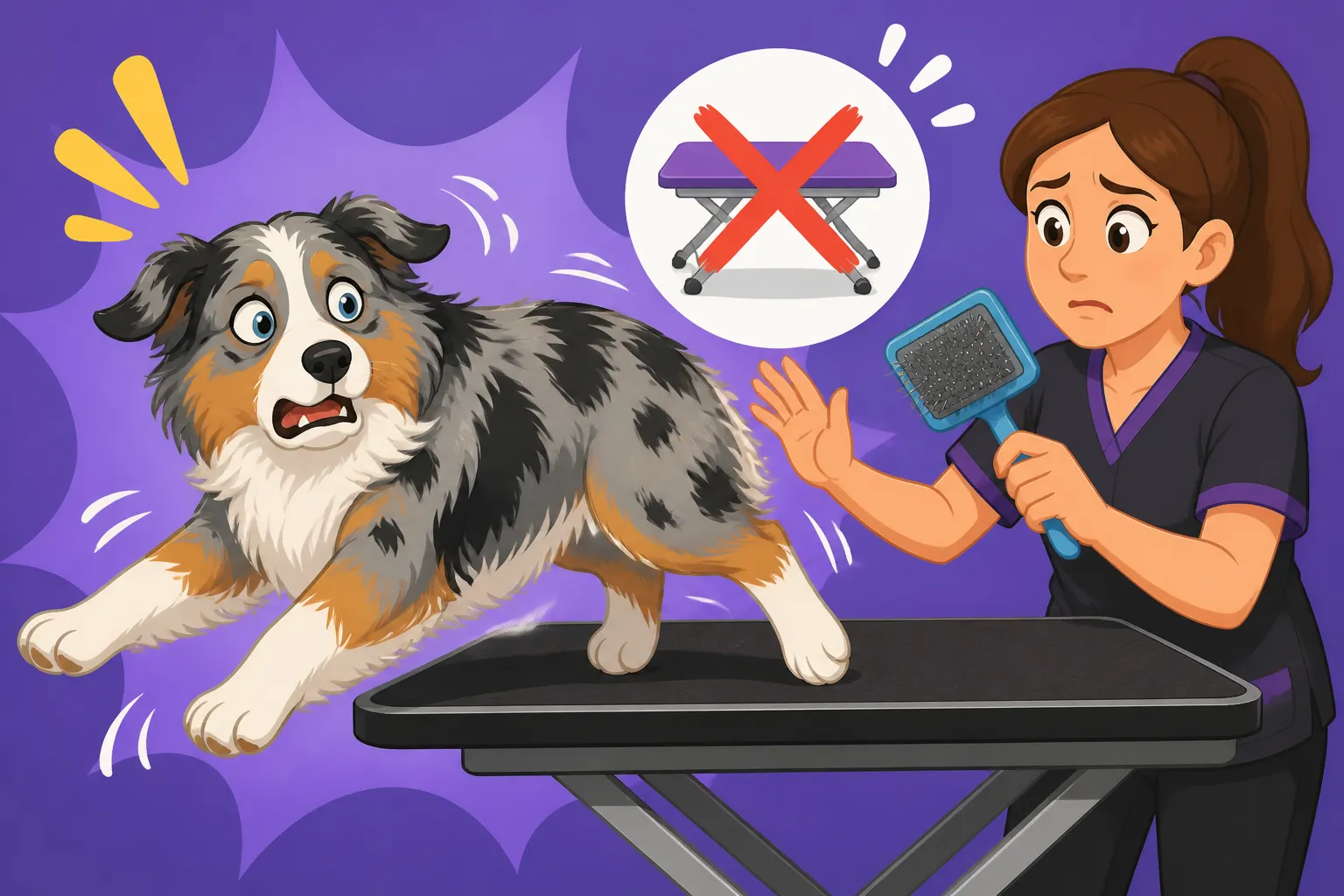
Oh, the sheer frustration of trying to groom an Australian Shepherd who absolutely despises the grooming table! It's a common scenario that many Aussie owners face – you just want to keep their gorgeous double coat healthy and free of mats, but the moment they see that elevated surface, their hackles go up, and it turns into a wrestling match. This guide is all about helping you understand why your Australian Shepherd might be resisting the grooming table and, more importantly, providing actionable strategies to transform that dreaded grooming session into a more tolerable, even positive, experience for both of you.
Why the Grooming Table Becomes a Battleground for Your Aussie
It's easy to take an Aussie's resistance personally, feeling like they're just being stubborn. But canine behavior, especially fear and aversion, almost always stems from a very real reason for them. Understanding these root causes is the first step toward finding a solution that actually works for your sensitive herding dog.
Past Negative Experiences and Fear
Think about it from your Aussie's perspective. If previous grooming sessions involved restraint, discomfort, or even pain (like a painful snag during brushing or a quicked nail), that grooming table quickly becomes a predictor of bad things. Dogs are masters of association. A table, or even the approach of grooming tools, can trigger a strong fear response, leading to a fight, flight, or freeze reaction. They aren't trying to be difficult; they're trying to protect themselves from something they perceive as threatening.
Perhaps they were nervous at a professional groomer who didn't fully understand their herding dog sensitivities, or maybe an enthusiastic but clumsy attempt at home grooming went awry. Whatever the specific incident, those memories stick. A dog that has learned to be afraid on the table will actively resist getting on it, and once there, will try everything in their power to get off, often leading to escalating struggles. This is particularly true for intelligent and physically capable breeds like Australian Shepherds who aren't easily intimidated.
Lack of Early Habituation
One of the biggest factors in an Aussie's table aversion is simply not being introduced to it properly (or at all) during their critical developmental periods. Puppies, especially during their early weeks and months, are sponges for new experiences. If the grooming table, being handled, and the sounds and sensations of grooming tools aren't part of their The Aussie Puppy Curriculum Month by Month, they're far more likely to find it overwhelming later on.
Imagine being suddenly lifted onto an unfamiliar, elevated, and possibly wobbly surface where you're expected to stand still while strange objects touch you. It’s unnatural and can feel incredibly vulnerable. For an Australian Shepherd, who is often highly aware of their surroundings and prefers to feel in control, this can be deeply unsettling. Without gradual, positive exposure from a young age, the table becomes a source of anxiety, not just a place for a brush-out. Early socialization, including exposure to different surfaces, sounds, and gentle handling, is crucial for preventing this kind of aversion. Socializing an Aussie Puppy Off the Farm extends beyond just people and other dogs; it includes getting comfortable with novel environments and situations like grooming.
Physical Discomfort and Standing Still
An Aussie’s job is to move, to work, to be active. Standing still on a small, elevated surface for an extended period can be physically uncomfortable, even painful, for some dogs. Consider if your table is stable enough, or if the surface is slippery, making them feel insecure. A wobbly table or a slick top can make any dog nervous, and an Aussie's instinct might be to jump off or thrash around to regain stability.
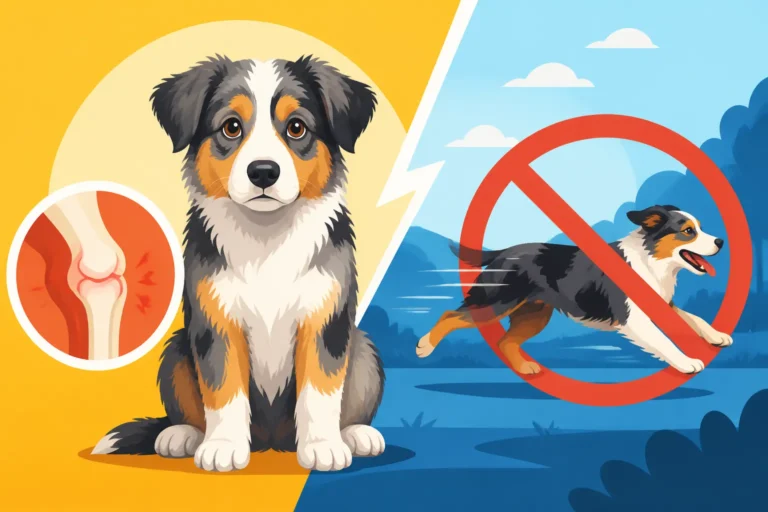
Furthermore, some Australian Shepherds might have underlying physical discomfort that isn't immediately obvious. Early signs of hip or elbow dysplasia, even subtle arthritis as they age, or just general stiffness from a vigorous play session can make standing still on a hard surface excruciating. If your Aussie suddenly develops an aversion to the table after previously tolerating it, a vet check for pain could be in order. Grooming an Arthritic Australian Shepherd requires extra care and consideration for their comfort. Their double coat also means grooming sessions can be lengthy, and simply being still for that long can be an exercise in endurance they haven't been trained for.
Overstimulation and Loss of Control
Australian Shepherds are incredibly intelligent and often highly sensitive to their environment. A grooming session, with its strange smells (shampoo), loud noises (dryer, clippers), unfamiliar sensations (brush pulling through hair, vibrating clippers), and close proximity to a person wielding tools, can be incredibly overstimulating. They might feel trapped, with no escape route, leading to heightened anxiety.
The elevated nature of the table also removes their sense of control. They can't just walk away when they're uncomfortable; they're reliant on you to let them down. This perceived loss of autonomy can be very stressful for a dog that thrives on understanding and influencing its environment. They may vocalize, struggle, or even try to bite not out of aggression, but out of fear and a desperate attempt to regain control over a situation they find overwhelming.
Turning the Table into a Treat Zone: Building Positive Associations
The good news is that you can absolutely change your Aussie's perception of the grooming table. It takes patience, consistency, and a commitment to positive reinforcement, but it's well worth the effort for a happier, less stressful grooming experience for everyone.
The Power of High-Value Rewards
This is your secret weapon. For an Aussie who fears the table, low-value kibble won't cut it. You need to pull out the big guns: tiny pieces of cooked chicken, cheese, hot dogs, or whatever your dog goes absolutely bonkers for. These are "jackpot" rewards that create a strong, positive emotional response. The goal is to make the table a place where amazing things happen, specifically delicious things.
Start by simply having the table out, perhaps in a room where your dog feels comfortable. Don't even ask them to get on it yet. Just scatter some high-value treats around the base of the table. Let them sniff, eat, and associate the table's presence with good food. Then, if they're comfortable, you can start tossing treats onto the table surface, encouraging them to put a paw on it, then two, then eventually jump up – always rewarding heavily for any voluntary interaction. The moment they touch the table, a treat appears. The moment they put two paws on, another treat. This isn't just about luring them; it's about changing their emotional response to the object itself.
Short, Sweet Sessions
Long, drawn-out grooming sessions will undo all your hard work. When you're first trying to build positive associations, sessions should be incredibly brief – think 30 seconds to a minute at most. The goal is to end the session before your Aussie shows any signs of stress or discomfort, leaving them with a positive feeling. This means you might only accomplish one small grooming task, like brushing a single paw or doing a quick stroke of their back, before you end the session with a final jackpot treat and let them off the table.
Gradually, as your dog becomes more comfortable, you can increase the duration. But always prioritize quality over quantity. If you notice even a slight shift in their body language – a tense tail, ears back, lip licking – that's your cue to end the session immediately on a positive note, or take a short break. It's better to do many short, successful sessions throughout the week than one long, traumatic one. Remember, you're retraining their emotional response, and that takes time and positive experiences, not force.
Creating a Safe, Non-Slip Surface
A wobbly or slippery surface can make an already anxious Aussie even more insecure. Invest in a sturdy grooming table, or if using a sturdy household surface like a laundry room counter, ensure it’s completely stable. Then, cover the surface with a non-slip mat. A thick rubber mat, a yoga mat, or even a heavy bath mat secured firmly can make a huge difference. This gives your Aussie traction and helps them feel more grounded and less likely to slip or fall.
Consider adding a grooming arm with a gentle belly band or chest loop, not for restraint, but for stability and safety. This can prevent a dog from accidentally stepping off the table and injuring themselves, which would, of course, reinforce their fear. Always supervise closely and never leave your dog unattended on a grooming table, especially if they are still learning to tolerate it. The goal is to make them feel secure, not trapped.
Introducing the Table Gradually
For a severely table-averse Aussie, you might need to break down the process into tiny, manageable steps.
- Table in the Room, No Expectations: Simply place the table in a common area. Reward your Aussie with treats for simply looking at it calmly, for walking past it, for existing in the same room.
- Treats on the Floor Near Table: Scatter high-value treats on the floor right next to the table.
- Treats on the Table Surface: Toss treats onto the tabletop. Let your dog stretch or jump up to get them, then immediately jump down if they wish. Don't touch them while they're up there initially.
- Practice "Up" and "Down": Lure them onto the table with a treat, say "Up," give the treat, then immediately lure them down with another treat and "Off." Repeat this many times, making it a fun game with lots of rewards. The choice to get off is important for their sense of control.
- Brief Touches on Table: Once they're comfortably getting on and off, start adding a single, light touch with your hand while they're on the table, immediately followed by a treat. Build up to brief brush strokes.
- Introduce Grooming Tools: Bring out the brush, clippers (turned off), nail trimmers. Let them sniff the tools, give a treat. Put the tool away. Repeat. Gradually, while they're on the table, touch them with the tool, treat, and stop. This is a classic desensitization and counter-conditioning protocol, turning scary objects into treat-predicting objects.
Consistency is key here. Think of this as a marathon, not a sprint. Every small step forward is a victory.
Hands-On Help: Gentle Handling and Grooming Techniques
Once your Aussie is more comfortable on the table, the actual grooming needs to be just as carefully managed. Their magnificent double coat demands attention, but it doesn't have to be a battle.
Breaking Down the Grooming Tasks
Instead of tackling a full groom at once, break it down into tiny segments. One session might be dedicated solely to brushing their back. Another to their tail. Another to just their ears. This keeps sessions short and manageable, preventing overstimulation and exhaustion. You're building a history of positive experiences with each individual task.
For example, on day one, you might just do a Brushing an Australian Shepherd Twice a Week for two minutes on their shoulders, generously rewarding the entire time. Day two, focus on their hindquarters for a couple of minutes. This modular approach allows your Aussie to understand and tolerate each specific sensation without being overwhelmed by the entire process. Remember, the goal is always to end on a positive note, even if you’ve only accomplished a small part of the overall groom.
Tools for a Sensitive Aussie
The right tools can make a huge difference. For Aussies, the undercoat rake is essential for managing their dense fur and preventing mats. Look for high-quality, gentle slicker brushes and metal combs with rounded teeth. Undercoat Rakes and Brushes for an Aussie come in various styles; some are gentler than others. A good deshedding tool like a high-velocity dryer can also be a lifesaver, but introduce it slowly (more on that later).
For nail trims, consider a dremel tool instead of clippers if your dog is sensitive to the clipping sensation. The dremel grinds the nail down, which can feel less jarring. Make sure all your tools are clean, sharp, and in good condition. Dull tools pull and snag, causing pain and reinforcing negative associations. You might find great options for these grooming tools on platforms like Chewy or Amazon, where you can read reviews specific to large, double-coated breeds.
Managing Mats and Undercoat Gently
Mats are often the most painful part of grooming. For a table-averse Aussie, pulling on a mat can instantly reset any progress you've made. Always start by thoroughly line brushing your dog, working section by section from the skin outwards. The Rake That Reaches an Aussie Undercoat is crucial here. If you encounter a mat, don't just yank. Use a mat splitter or a dematting comb, working slowly and carefully. It might be better to snip out small, tight mats with blunt-nosed scissors (always pointing away from the skin) rather than inflict pain by trying to brush them out.
If your Aussie is prone to mats, particularly behind the ears, under the legs, or in their "trousers," proactive brushing is key. Regular, even daily, short brushing sessions can prevent mats from forming. This is less painful than dealing with a severe mat later on. The Mats That Form Behind Aussie Ears are particularly common and need constant attention. When bathing, ensure you thoroughly brush out all loose undercoat before getting them wet, and then use a high-velocity dryer to ensure they are Why an Aussie Must Be Dried to the Roots to prevent mats from tightening.
Making Nail Trims Tolerable
Nail trims are notoriously difficult for many dogs, and an Aussie that dislikes handling on the table will likely resist this even more. Again, positive reinforcement is key. Start by simply touching their paws, then holding a paw, then touching a nail, rewarding each step. Show them the clippers or dremel, let them sniff, and reward.
When you start trimming, only take off the tiniest sliver, or just touch the dremel to a single nail for a fraction of a second, then reward profusely. The goal is to trim one or two nails successfully and then end the session. If your Aussie has particularly sensitive paw pads or has experienced Australian Shepherd Paw Pads After Rough Ground, they might be extra wary of paw handling. Consistency over time will help build trust. Some owners find playing a game of "paws up" or "shake a paw" completely separate from grooming can build a positive association with paw handling, which then transfers to grooming. Cutting Aussie Nails Between Grooms with small, frequent trims is far better than letting them get long and then having to do a stressful, painful "big cut."
Australian Shepherd Dental and Ear Routine
Grooming isn't just about the coat and nails. Your Aussie's overall health includes their dental and ear hygiene. For many dogs, having their mouths or ears handled can be just as, if not more, invasive than brushing. Integrate this into your table training with the same gradual desensitization.
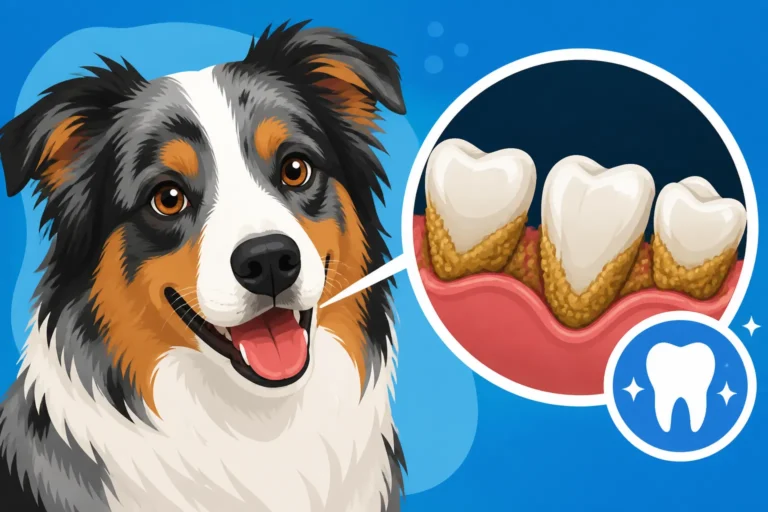
Start by simply touching their face, then lifting an ear flap, then gently touching a tooth, always followed by a reward. For ears, introduce the ear cleaner by letting them sniff it, then reward. Australian Shepherd Ear Cleaning can often be done with a cotton ball and a vet-approved solution, gently massaging the base of the ear, followed by a treat. If your Aussie is resistant, you might need to use a lure like a smear of something delicious (peanut butter on a spoon, or a treat paste like one from Ollie) to distract them while you quickly apply the cleaner or brush a tooth. For their teeth, even a few seconds of contact with a toothbrush, followed by praise and a treat, is a win. Building these positive associations early on will pay dividends for their long-term health and your vet visits too.
When to Call in the Pros: Seeking Expert Assistance
Sometimes, despite your best efforts, your Aussie's aversion to the grooming table or specific grooming tasks is too strong for you to manage alone. This is not a failure on your part! Professional help can provide invaluable support and expertise.
Finding a Force-Free Groomer
A force-free groomer specializes in positive reinforcement and cooperative care. They understand canine body language and will prioritize your dog's comfort and emotional well-being over getting the job done quickly. They won't use harsh restraint or intimidation. Instead, they'll work at your Aussie's pace, using treats, toys, and gentle handling to make the experience as positive as possible.
When looking for a groomer, ask specific questions about their methods. Do they use force? What is their policy on muzzles? How do they handle anxious or fearful dogs? A good force-free groomer will be transparent and happy to discuss their approach. They may even recommend "happy visits" where your Aussie just comes in, gets treats, and leaves, building positive associations with the grooming salon environment itself before any actual grooming takes place. They can be particularly skilled at managing high-drive or sensitive dogs that might not fare well with traditional grooming methods.
Consulting a Certified Professional Dog Trainer
For deeply ingrained fear or aggressive displays on the grooming table, a certified professional dog trainer (CPDT) or a veterinary behaviorist can be a game-changer. These experts can assess your Aussie's specific behavior, identify underlying triggers, and develop a tailored behavior modification plan. They can teach you advanced techniques for desensitization and counter-conditioning, and help you understand your dog's subtle cues.
Many trainers specialize in "cooperative care" training, which empowers your dog to participate voluntarily in their own care. This means teaching them cues like "chin rest" (to hold their head still) or "target" (to place a paw where you need it), and giving them a "consent" signal where they can indicate if they're still comfortable. Cooperative Care for an Australian Shepherd at the Vet is a similar concept that applies perfectly to grooming. When vetting a trainer, look for certifications and ensure they use positive, reward-based methods. Vetting a Trainer Before Booking an Aussie is a crucial step to ensure you're getting effective, humane help.
Considering Cooperative Care Training
Cooperative care is more than just a technique; it’s a philosophy. It shifts the dynamic from "I'm doing this to you" to "we're doing this together." The core idea is that your dog has a choice and can opt-out of procedures if they're too uncomfortable. This might sound counterintuitive for grooming, but it dramatically reduces stress and builds trust.
For instance, you might teach your Aussie to offer their paw for a nail trim. If they pull their paw away, you respect that signal and stop, then try again later or offer a different paw. This sense of agency, combined with ample rewards, helps them feel safer and more in control. It builds resilience and a willingness to participate because they know their comfort is respected. While it takes time to teach, the long-term benefits for routine care and vet visits are immeasurable. Imagine a world where your Aussie chooses to get on the grooming table because they know it means treats, gentle handling, and the ability to say "no thank you" if a particular sensation becomes too much. It's not a fantasy; it's achievable with cooperative care.
| Strategy | Description | Key Benefits |
|---|---|---|
| Positive Reinforcement | Lavishly reward any voluntary interaction with the table or grooming tools using high-value treats. Make the table a "treat zone." | Builds positive emotional associations, reduces fear, increases motivation. |
| Desensitization | Gradually expose your Aussie to the table and grooming tools in tiny, non-threatening steps. Start with just seeing the table, then touching it, then brief contact with tools. | Reduces reactivity over time, helps dog habituate to new stimuli. |
| Counter-Conditioning | Change your dog's emotional response from negative to positive by pairing the scary thing (e.g., clippers) with something highly desirable (e.g., delicious treats). | Replaces fear with anticipation of good things, helps create a new, positive association. |
| Short, Sweet Sessions | Keep grooming sessions very brief, ending before your Aussie shows signs of stress. Gradually increase duration as comfort grows. | Prevents overstimulation, leaves the dog feeling positive, builds a history of success. |
| Safe Environment | Ensure the grooming table is sturdy and has a non-slip surface. Use grooming arms for safety, not restraint. | Increases physical comfort and security, reduces anxiety about slipping or falling. |
| Cooperative Care | Train your Aussie to actively participate in their grooming, giving them "consent" signals. This builds trust and reduces perceived loss of control. | Empowers the dog, reduces stress, builds a stronger bond, makes long-term care easier. |
Ultimately, grooming an Aussie that hates the table is a journey of patience, empathy, and consistent positive reinforcement. It’s about building trust and showing your intelligent, sensitive companion that grooming doesn’t have to be a scary ordeal, but rather another part of their routine where they are safe, respected, and rewarded.
Disclaimer
This article is for general informational purposes only and does not constitute professional advice. Laws, prices and regulations vary by location and change over time. Consult a qualified professional for guidance on your specific situation.