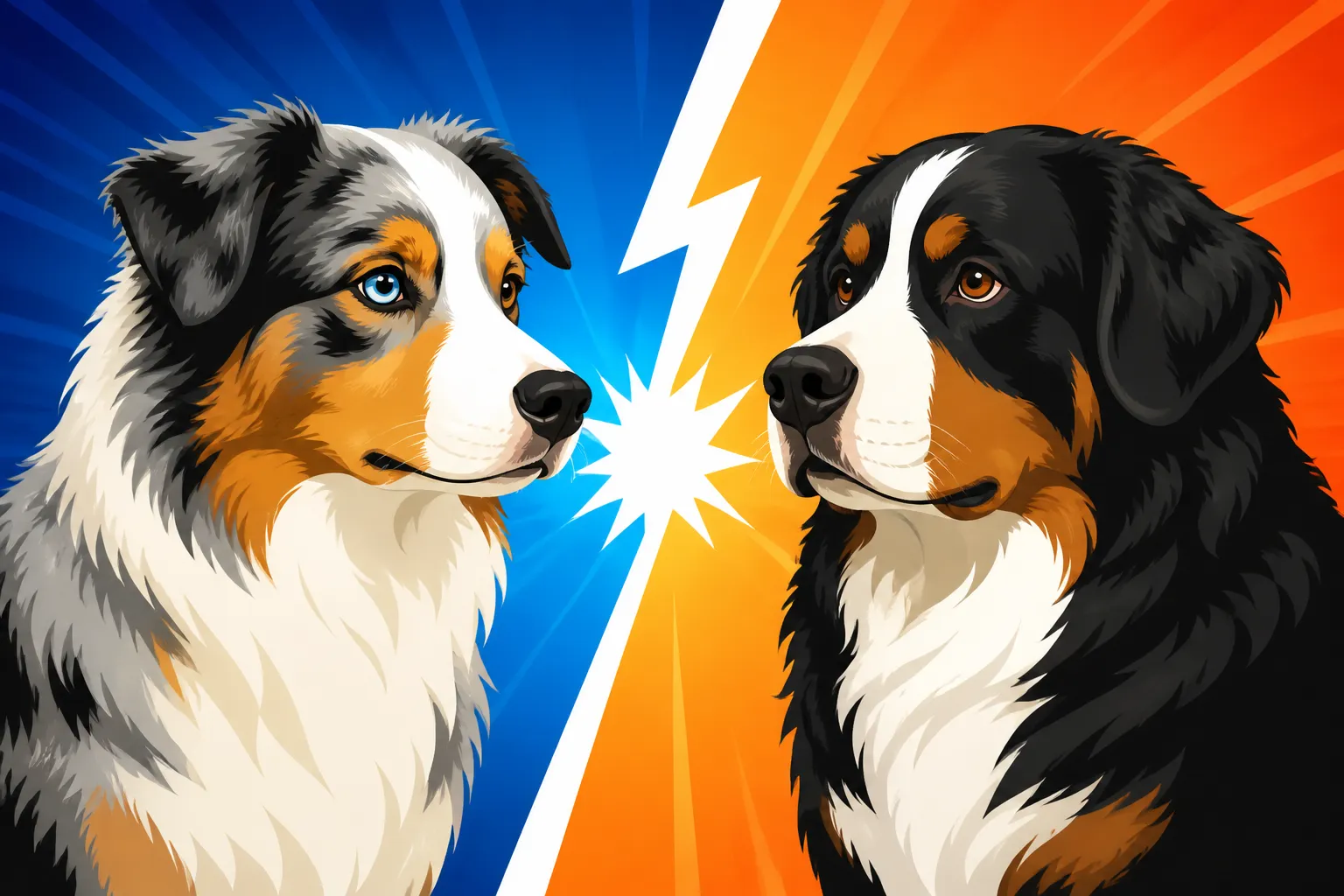
The Australian Shepherd Against a Bernese Mountain Dog
Deciding on a new canine companion is a huge step, and often, folks find themselves torn between breeds that seem similar on the surface but are vastly different once you get to know them. Perhaps you've been captivated by the energetic, intelligent gaze of an Australian Shepherd, but also found yourself charmed by the majestic, gentle presence of a Bernese Mountain Dog. These two breeds, while both beautiful and loving, bring very different lifestyles to the table. This guide aims to thoroughly explore the distinctions between an Australian Shepherd and a Bernese Mountain Dog, helping you understand which breed's unique needs and personality might be the perfect fit for your family and home.
Temperament and Energy Levels: A Tale of Two Drives
When you're looking at bringing a dog into your life, understanding their core temperament and how much energy they genuinely possess is crucial. It’s not just about getting them out for a walk; it’s about their mental state, their inherent drives, and how they interact with the world around them day in and day out. The difference between an Australian Shepherd and a Bernese Mountain Dog here is significant, and often the deciding factor for many prospective owners.
The Relentless Australian Shepherd Drive
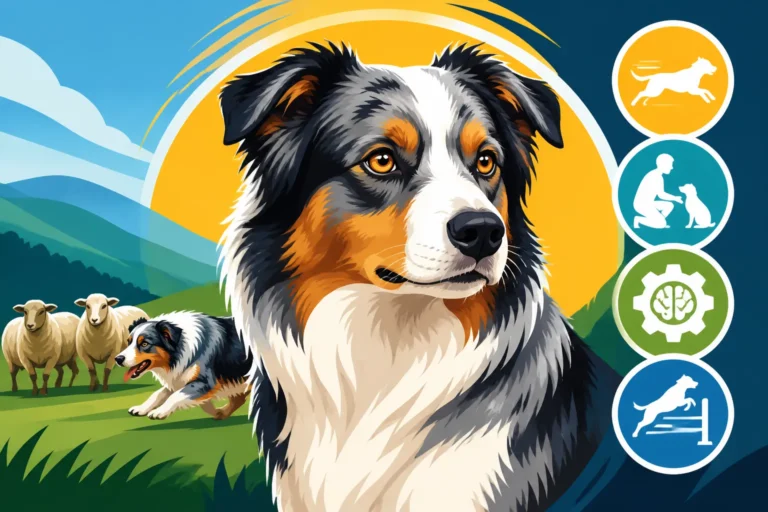
Let's be real: Australian Shepherds are a lot of dog. They were bred to work, to think, and to move. Their brains are wired for herding, and that means they have an incredible amount of mental and physical energy that needs a proper outlet. If you've ever watched an Aussie in action, you'll see them constantly scanning, processing, and ready to react. This isn't just a switch you can turn off when you're busy.
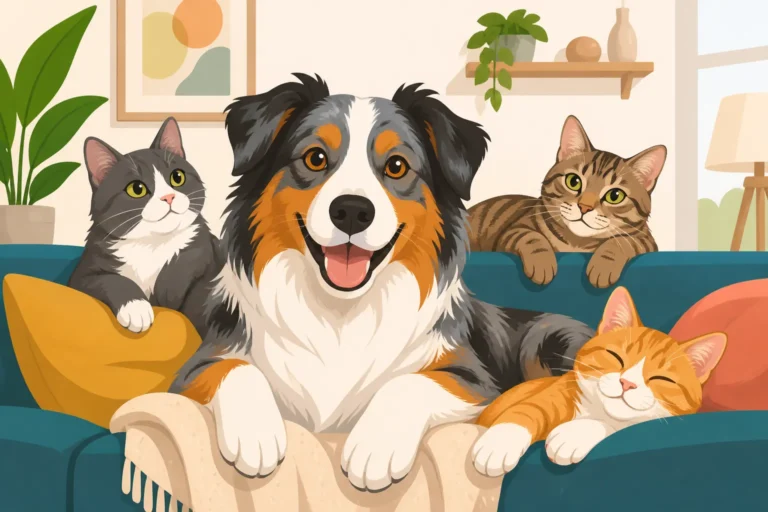
This innate drive manifests in many ways in a home environment. They might try to "herd" your children, gently (or not so gently) nipping at their heels to guide them, or they might try to organize the family cat. Everything that moves, from a squirrel darting across the yard to a remote control car, can ignite that intense focus. Without a proper "job" – be it dog sports like agility, obedience, or even actual herding – an Australian Shepherd can become bored, frustrated, and destructive. They might invent their own jobs, like redecorating your couch with their teeth or digging craters in your yard. It’s not malice; it's simply an intelligent, high-energy dog trying to occupy itself. You absolutely cannot train out The Australian Shepherd Herding Drive You Cannot Train Out. This means you'll need to dedicate a significant portion of your day to engaging them, not just physically but mentally, with training, puzzle toys, and interactive play. Expect How Much Daily Exercise an Australian Shepherd Needs to be a core part of your daily routine for years.
The Gentle Giant: Bernese Mountain Dog's Mellow Nature
In stark contrast, the Bernese Mountain Dog offers a much more laid-back energy profile. While they are still working dogs by heritage, having been bred to pull carts, drive cattle, and guard farmsteads in the Swiss Alps, their energy is generally lower and their pace more deliberate. They are giants, and they know it, often moving with a serene grace rather than the frenetic energy of an Aussie.
A Bernese will still need regular exercise to stay healthy and happy, of course – daily walks, some playtime in a fenced yard, maybe a romp at the dog park. But they aren't typically looking for hours of intense, high-impact activity every single day. They are much more likely to be content with a good walk followed by a long nap at your feet. Their companionship is often more about physical proximity and calm presence. They thrive on being part of the family, often described as "velcro dogs" who want to be wherever you are, often leaning into you with their signature "Bernese lean." This isn't to say they don't have their moments of playful exuberance, especially as puppies, but their default setting is generally much mellower than that of an Australian Shepherd. They might enjoy pulling a child in a wagon or participating in a leisurely hike, but they're not looking to sprint and spin for hours on end.
Physicality and Grooming: Double Coats and Shedding
Both of these breeds are known for their stunning, thick coats, but their overall size, build, and specific grooming requirements diverge quite a bit. Understanding these physical differences is essential for daily care, especially when it comes to managing their magnificent fur.
Australian Shepherd's Athletic Build and Grooming Needs
The Australian Shepherd is a medium-sized dog, typically ranging from 18 to 23 inches at the shoulder and weighing between 40 and 65 pounds. They possess a lean, athletic build, designed for agility and endurance over rough terrain. Their movements are fluid, quick, and precise – exactly what you'd expect from a dog bred to herd livestock all day.
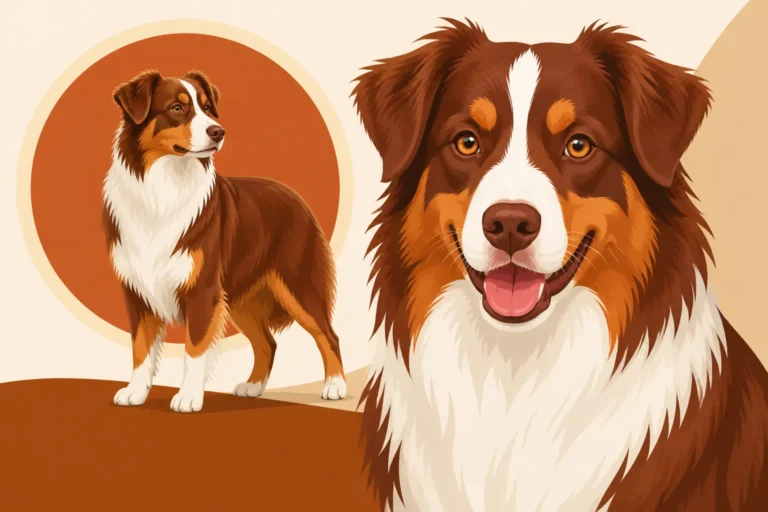
Their double coat is moderate in length, with a dense, weather-resistant undercoat and a coarser outer coat. While beautiful, this coat sheds. Oh, does it shed! Aussies experience what's known as "coat blow" twice a year, usually in spring and fall, where they shed massive amounts of their undercoat to prepare for the change in seasons. During these times, you'll feel like you're living in a snow globe of dog hair. Regular brushing, at least two to three times a week, is mandatory to prevent mats and reduce shedding. During coat blow, daily brushing with a good deshedding tool or undercoat rake is essential. Brushing an Australian Shepherd Through Coat Blow will become a ritual. A good quality undercoat rake, which you can easily find at retailers like Chewy, is your best friend during these times, helping to pull out all that loose undercoat before it ends up on your furniture. The Rake That Reaches an Aussie Undercoat is an investment you won't regret.
Bernese Mountain Dog's Sturdy Frame and Grooming Challenges
The Bernese Mountain Dog is a large, sturdy breed, standing 23 to 27.5 inches at the shoulder and weighing between 70 and 115 pounds, sometimes even more. Their impressive size and powerful build reflect their history of pulling heavy carts and working in rugged mountain environments. They have a strong, muscular frame, but their movements are more deliberate and powerful than agile.
Like the Aussie, the Bernese has a thick, moderately long double coat, typically tricolored (black, rust, and white). This coat is absolutely gorgeous but requires significant upkeep. Bernese Mountain Dogs are also heavy shedder's year-round, with even more intense shedding during their seasonal coat blows. Their longer, softer fur can be particularly prone to matting, especially around the ears, legs, and "trousers" on their hindquarters. Daily brushing is often recommended, especially during shedding seasons, to keep their coat healthy, prevent tangles, and manage the hair around your home. Trying to wrangle a wet, muddy Bernese after a romp in the park into a bath is a different experience than an Aussie, simply due to their sheer size and weight. While both breeds shed, the sheer volume of hair from a Bernese can feel more overwhelming due to their larger mass.
Here's a quick comparison of their physical traits and grooming needs:
| Feature | Australian Shepherd | Bernese Mountain Dog |
|---|---|---|
| Size | Medium (40-65 lbs, 18-23 in) | Large (70-115 lbs, 23-27.5 in) |
| Build | Athletic, agile, lean | Sturdy, powerful, muscular |
| Coat Type | Moderate length double coat | Moderately long, thick double coat |
| Shedding | Moderate year-round, heavy seasonal "coat blow" | Heavy year-round, very heavy seasonal "coat blow" |
| Grooming Frequency | 2-3 times/week, daily during coat blow | Daily or every other day, daily during coat blow |
| Matting Tendency | Moderate, especially behind ears/legs | High, especially on legs, ears, and "trousers" |
| Special Tools Needed | Undercoat rake, slicker brush | Undercoat rake, pin brush, slicker brush, de-shedder |
Trainability, Socialization, and Living Arrangements
Training and socialization are paramount for any dog, but the approach and intensity needed can vary dramatically between breeds. Both Aussies and Bernese are intelligent, but their motivations, reactions to new experiences, and overall demeanor in different environments require distinct handling.
The Intelligent, Sensitive Australian Shepherd
Australian Shepherds are incredibly intelligent and eager to please their chosen person. This combination makes them highly trainable, often excelling in obedience, agility, and other dog sports. They pick up new commands and routines with astonishing speed. However, this intelligence comes with a caveat: they can also be highly sensitive. They are acutely aware of their surroundings and their handler's emotions. Harsh training methods are not only ineffective but can damage their trust and lead to fear-based behaviors or reactivity. Positive reinforcement is key, focusing on rewarding desired actions.
Their sensitivity also means they need extensive and thoughtful socialization from a young age. Without it, an Aussie can become reserved, wary, or even reactive towards strangers, new environments, or other dogs. Australian Shepherd Reactivity and Overarousal is a common challenge for under-socialized or overstimulated Aussies. They tend to be one-person dogs or family dogs, often choosing a primary handler and being less outwardly affectionate with others. While they can coexist peacefully with children and other pets, their herding instinct might cause them to "manage" the household, which isn't always welcome. Socializing an Australian Shepherd Beyond the Farm is critical if you want them to be comfortable in diverse settings. Remember, they thrive on having a job, so integrating training into daily life is non-negotiable.
Bernese Mountain Dog: Eager to Please, Sometimes Stubborn
Bernese Mountain Dogs are also intelligent and generally possess a calm, eager-to-please nature, especially within their family unit. They respond well to positive reinforcement and appreciate consistency. However, they can sometimes have an independent streak. While not as high-strung as an Aussie, they might exhibit a "selective hearing" when something more interesting catches their attention. Their sheer size means that early and consistent leash training is non-negotiable; you don't want a 100-pound dog pulling you down the street.
Bernese are typically known for being good-natured and friendly, generally more open to strangers than an Aussie. However, like any large breed, they still require proper socialization to ensure they are well-adjusted and confident. They tend to be very good with children, often acting as gentle protectors, but their size means supervision is always necessary to prevent accidental bumps or knocks. They're often described as having a "puppy in a large dog's body" phase that lasts for a few years, combining their playful spirit with their substantial weight. While they enjoy being active with their family, they are generally less intense than Aussies and adapt better to a slightly less structured routine, provided they still get sufficient exercise and companionship. The Bernese, for all their size, can be a sensitive soul too, and thrives on being an integral part of family life. That natural reserve that an Aussie often shows with new people? Why an Australian Shepherd Reserves Itself With Strangers is a classic breed trait, whereas a well-socialized Bernese is often more of a friendly greeter.
Health and Lifespan: Breed-Specific Concerns
Choosing a dog means committing to their health for their entire life, which includes understanding breed-specific predispositions. This is another area where Australian Shepherds and Bernese Mountain Dogs diverge significantly, particularly concerning their average lifespans.
Australian Shepherd Health Considerations
Australian Shepherds are generally considered a robust and healthy breed with an average lifespan of 12 to 15 years. However, they are prone to several genetic health issues that responsible breeders screen for rigorously. Key concerns include:
- Hip and Elbow Dysplasia: Like many active breeds, Aussies can suffer from these orthopedic conditions. Careful breeding practices, including OFA or PennHIP certifications, aim to reduce their incidence. Australian Shepherd Hip Dysplasia and Working Joints is a serious consideration.
- Eye Conditions: Collie Eye Anomaly (CEA), hereditary cataracts, and progressive retinal atrophy (PRA) are all concerns. Many Aussies also carry the merle gene, which, when two merle parents are bred, can result in "double merle" offspring with severe eye and hearing defects.
- MDR1 Gene Mutation: This is a particularly important one for Aussies. About half of Australian Shepherds carry the Multi-Drug Resistance 1 (MDR1) gene mutation, which makes them highly sensitive to certain common veterinary drugs (like ivermectin in some doses, and certain anesthetics). A simple genetic test can identify if a dog is Clear, Carrier, or Affected. Knowing an Aussie's MDR1 status is crucial for their safety. The Genetic Panel Every Australian Shepherd Needs should always include this test.
- Epilepsy: Idiopathic epilepsy, which typically starts between one and five years of age, is a concern in the breed. It's a challenging condition to manage, often requiring lifelong medication. Australian Shepherd Epilepsy Starting Between One and Five can be a devastating diagnosis for owners.
Responsible breeders will conduct comprehensive health testing and be transparent about their dogs' lineage and genetic results. Investing in a puppy from such a breeder, even if it costs more upfront, can save you significant heartache and vet bills down the line.
Bernese Mountain Dog Health Profile
The Bernese Mountain Dog is, heartbreakingly, known for its shorter lifespan, typically 7 to 10 years, which is a significant factor for many potential owners. While they are wonderfully gentle dogs, they are predisposed to several serious health conditions that contribute to this shorter life expectancy.
- Cancer: This is the leading cause of death in Bernese Mountain Dogs. They have a higher incidence of various cancers, including malignant histiocytosis (histiocytic sarcoma), lymphoma, fibrosarcoma, and mast cell tumors. This often means higher vet bills for diagnostics and treatments.
- Orthopedic Issues: Like Aussies, Bernese are prone to hip and elbow dysplasia, as well as osteochondritis dissecans (OCD), a joint cartilage condition, due to their rapid growth and large size.
- Bloat (Gastric Dilatation-Volvulus – GDV): As a large, deep-chested breed, Bernese Mountain Dogs are at a higher risk for bloat, a life-threatening condition where the stomach twists.
- Heart Disease: Subvalvular aortic stenosis (SAS) is another concern, a congenital heart defect that can lead to sudden death.
- Von Willebrand's Disease: A hereditary bleeding disorder.
While breeders screen for many of these conditions, the prevalence of cancer is a constant concern for Bernese owners. The potential for higher vet bills and the emotional toll of a shorter lifespan should be seriously considered. Having an emergency fund or robust pet insurance is highly recommended for a Bernese, as it is for any dog, but especially with their health profile. For general cancer context, it's worth noting Australian Shepherd Cancer Risks With Age are also present in Aussies, but the incidence and types tend to differ, with Bernese having a particularly high rate of aggressive cancers at younger ages.
When considering either breed, it's vital to remember that a dog is a long-term commitment. Whether you're looking for a partner for intense activities or a gentle giant to share your couch, the right choice ultimately depends on an honest assessment of your lifestyle, energy levels, and preparedness for the unique challenges each breed presents.
Disclaimer
This article is for general informational purposes only and does not constitute professional advice. Laws, prices and regulations vary by location and change over time. Consult a qualified professional for guidance on your specific situation.