The Australian Shepherd Against a Blue Heeler
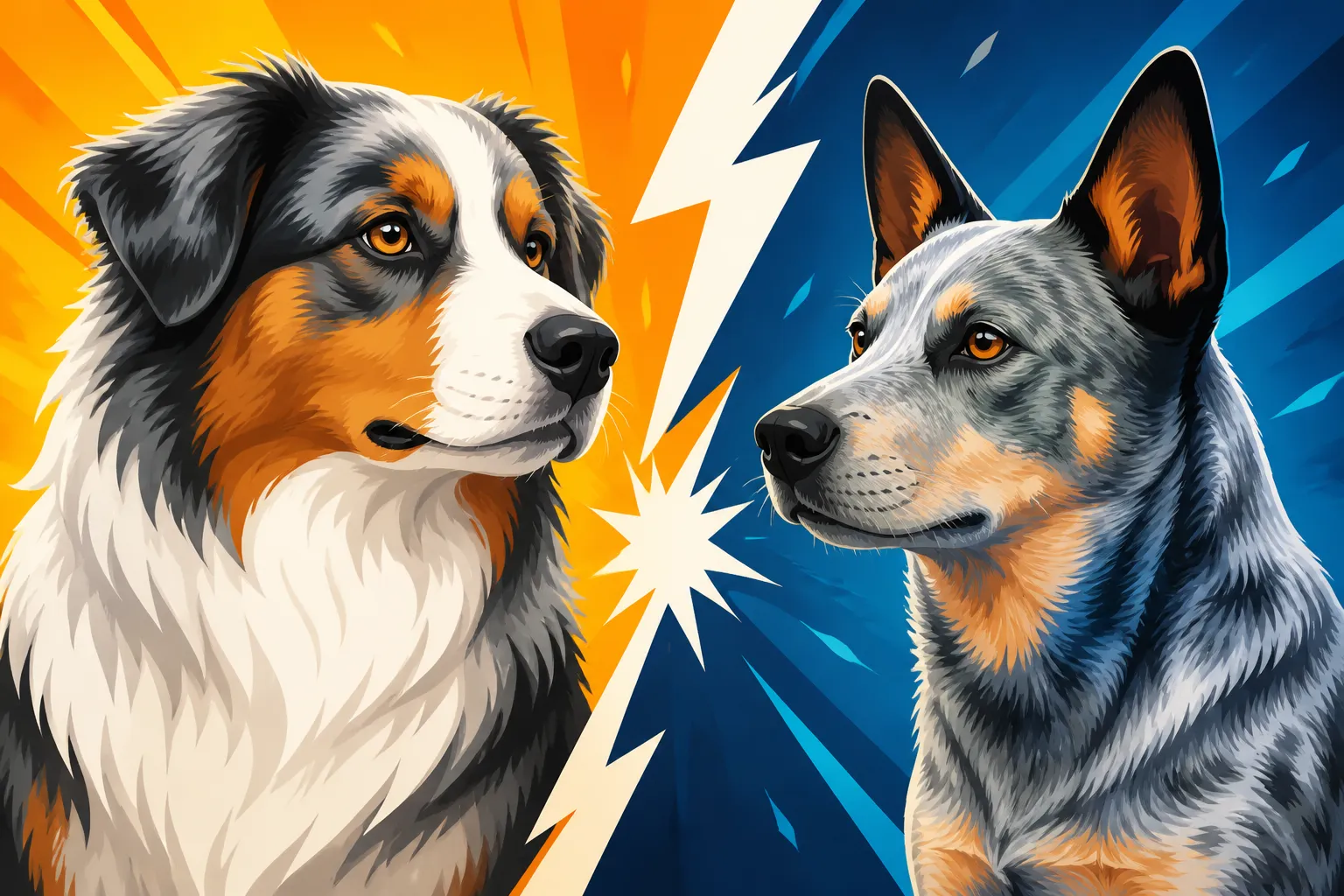
Choosing between an Australian Shepherd and a Blue Heeler (also known as an Australian Cattle Dog or ACD) can feel like picking between two incredibly powerful, intelligent, and driven athletes. Many folks mistakenly think they’re similar simply because of their "Australian" connection or their shared herding background, but these two breeds have distinct personalities, working styles, and needs that make them suited for very different homes. This guide will walk you through the nuanced differences to help you understand which of these magnificent dogs might be the right fit for your life.
Origins and Purpose: From Western Ranches to Outback Stations
It’s easy to lump the Australian Shepherd and the Blue Heeler into one category because of their names and shared purpose of working livestock. However, their histories are as diverse as the landscapes they were developed to master. Understanding where they came from is key to appreciating their innate drives and physical traits today.
The American West and the Australian Shepherd's Rise
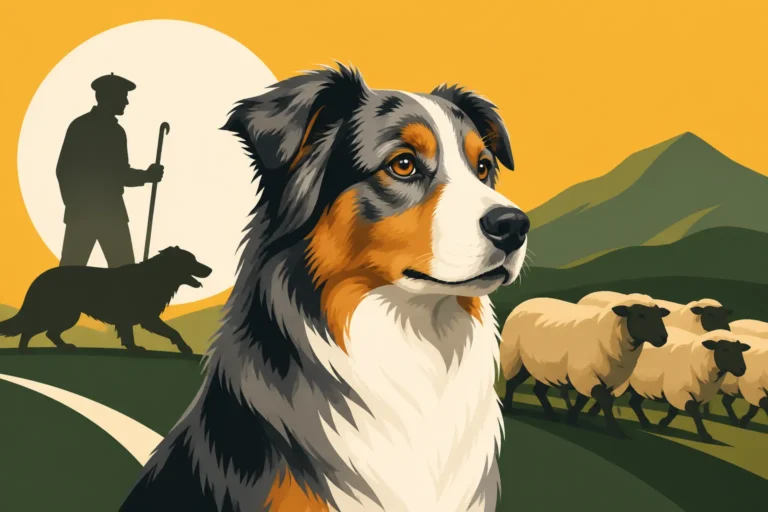
Despite its name, the Australian Shepherd isn't actually from Australia at all. Its story begins in the American West, primarily in California, during the 19th and 20th centuries. Ranchers needed a versatile, intelligent dog that could handle both sheep and cattle across varied terrain, from wide-open pastures to mountainous areas. They were looking for a dog with incredible agility, quick thinking, and the ability to adapt to different stock and situations.
The breed we know today emerged from a mix of European herding dogs, including various collies and Basque shepherds, who accompanied flocks of sheep imported from Australia. The "Australian" part of their name likely comes from these sheep. These dogs became indispensable to cowboys and ranchers, valued for their athleticism and keen problem-solving skills. They needed to be able to move a stubborn cow but also gently gather a flock of sheep without being overly aggressive. This multifaceted role shaped them into the adaptable, "loose-eyed" herders they are, meaning they use their presence and quick movements more than an intense stare to control stock. You can dive deeper into their surprising history in Why the Australian Shepherd Is Not From Australia.
The Australian Outback and the Blue Heeler's Rugged Development
The Blue Heeler, officially known as the Australian Cattle Dog (ACD), has a much clearer geographical origin: the harsh, expansive outback of Australia. This breed was developed in the 19th century by Australian cattlemen who desperately needed a dog tough enough to withstand extreme temperatures, cover vast distances, and, most importantly, manage half-wild, bucking cattle. Traditional British herding dogs simply weren't cutting it against the formidable Australian beasts.
To create the ultimate cattle dog, settlers selectively bred imported British drover dogs with the native Australian Dingo. This infusion of Dingo blood brought incredible stamina, resilience, and a silent, predatory herding style. Blue Heelers are "tight-eyed" herders, meaning they use an intense stare and a characteristic low-to-the-ground bite and dash to move cattle. They target the heels, hence the "Heeler" name. This highly specific, resilient breeding for an extremely demanding environment resulted in a dog that is incredibly hardy, unwavering, and intensely loyal to its owner, often with a more reserved or even suspicious nature toward strangers.
Temperament and Drive: Herding Styles and Home Life
While both breeds are master herders, their distinct working styles and origins have profoundly influenced their temperaments, making their needs in a home environment quite different. It's not just about energy; it's about how that energy manifests and what makes them tick.
The Aussie's Expressive and Versatile Herding Approach
Australian Shepherds are known for their intelligence, eagerness to please, and their deeply affectionate nature with their families. They thrive on having a "job" and excel in various dog sports like agility, obedience, flyball, and, of course, actual herding. Their herding style is more about using their body, quick changes of direction, and bursts of speed to gather and direct stock. They can be vocal, using barks to move animals. This makes them highly responsive and trainable for a wide range of tasks. The Australian Shepherd Herding Drive You Cannot Train Out is an essential read for any prospective Aussie owner.
In a home setting, Aussies are typically devoted and playful companions. They bond strongly with their human family and are often quite good with children, though their natural herding instinct might manifest as harmless (but annoying) heel-nipping or attempting to "round up" youngsters. Consistent training and redirection are key here; toys like a large exercise ball or a tug toy from Chewy can be excellent outlets for this drive. They can be reserved with strangers, taking time to warm up, but are generally not aggressive. However, their intelligence also means they need constant mental stimulation; a bored Aussie can quickly become a destructive one, inventing its own (often unwelcome) jobs.
The Blue Heeler's Intense and Protective Herding Grip
Blue Heelers, on the other hand, possess a formidable drive and a more single-minded approach to their work. Their herding style is characterized by a low, silent stalk and a quick, sharp nip to the heels of stubborn cattle. This requires immense bravery, focus, and resilience, as they are often dealing with animals much larger and more dangerous than themselves. They are incredibly tough and fearless.
At home, this translates into a dog that is fiercely loyal and protective of its family and property. They tend to bond intensely with one or two primary people and can be quite aloof, even suspicious, of strangers. Socialization is crucial from a young age to prevent excessive caution or reactivity. Unlike the Aussie, a Heeler might not be as outwardly affectionate or "cuddly" but shows its devotion through its protective instincts and desire to be near its chosen people. They can be excellent with children if raised with them and taught appropriate interactions, but their powerful herding instinct means they are very prone to nipping at running feet, often with more intensity than an Aussie. This isn't aggression; it's pure, ingrained working behavior. Redirecting this with appropriate chew toys and intense, structured exercise is vital.
Here's a quick comparison of some key temperament and drive characteristics:
| Feature | Australian Shepherd | Blue Heeler (Australian Cattle Dog) |
|---|---|---|
| Herding Style | "Loose-eyed," uses body, quick movements, barks, gathers, directs. More versatile. | "Tight-eyed," silent stalk, nips heels, drives, more confrontational with stubborn stock. |
| Energy Level | High, needs vigorous exercise and significant mental challenges. | Extremely high, virtually tireless, needs constant physical and mental work. |
| Trainability | Highly intelligent, eager to please, excels in diverse sports and obedience. | Highly intelligent, independent thinker, can be stubborn, requires consistent, firm training. |
| Affection with Family | Very affectionate, thrives on being involved, can be velcro dogs. | Deeply loyal to chosen few, can be reserved, shows affection through proximity and protection. |
| Approach to Strangers | Reserved, may take time to warm up, generally polite but not effusive. | Aloof, suspicious, can be protective; early, extensive socialization is critical. |
| Children & Other Pets | Generally good if socialized, but may herd children; can live with cats if raised together. | May try to herd children with nips; can be possessive of toys/space with other dogs; high prey drive. |
| Barking Tendency | Moderate, can be alert barkers, may use barks during herding. | Moderate to low, often quiet herders, but can be very loud alert barkers. |
Exercise, Training, and Mental Stimulation Needs
Neither of these breeds is for the faint of heart or the sedentary lifestyle. They are working dogs, through and through, and their needs for exercise and mental engagement are paramount. However, the type and intensity of that engagement differ.
Meeting the Aussie's Dynamic Activity Demands
An Australian Shepherd needs a significant amount of physical exercise—we're talking at least one to two hours of vigorous activity daily. This isn't just a leisurely walk around the block; it's intense play, running, hiking, swimming, or participation in dog sports. But physical exercise alone is rarely enough for an Aussie. Their incredible intelligence and problem-solving abilities demand equally challenging mental stimulation. They absolutely need a "job."
Without enough mental work, an Aussie will invent its own entertainment, which often includes destructive chewing, obsessive behaviors (like chasing shadows), or incessant barking. Puzzle feeders, trick training, scent work, and advanced obedience are fantastic ways to tire out an Aussie's mind. Many owners find that incorporating brain games from retailers like Chewy helps immensely. Regular training sessions are non-negotiable, not just for basic obedience but to keep their minds engaged. Remember, an Aussie who is bored will find something to do, and you likely won't approve of it. Consider how much energy is really required in Giving an Australian Shepherd a Job Instead of a Walk.
The Blue Heeler's Unstoppable Motor
If you think an Aussie has high energy, imagine that, and then some. Blue Heelers are endurance athletes, bred to trot for miles and hours across rough terrain, moving stubborn livestock. Their stamina is legendary. This means their exercise requirements are often even higher than an Aussie's. They need constant, challenging physical activity that goes beyond a simple walk or even a brisk run. Think long hikes, intense fetch sessions that involve running and jumping, agility, competitive obedience, or, ideally, actual herding work.
Like Aussies, Blue Heelers also possess sharp minds, but their intelligence often comes with a streak of independence and determination. They can be incredibly smart but also stubborn, requiring a confident, consistent, and patient handler. Training them often feels like a constant negotiation rather than eager compliance. They excel when given a specific purpose, whether it's navigating an agility course or learning complex commands. Without a "job" that truly challenges them physically and mentally, a Heeler can become destructive, hyperactive, or even aggressive out of sheer boredom and frustration. They are not dogs that are content to be couch potatoes, even for a day. Ignoring their needs can lead to a dog that reorganizes your house or develops problematic behaviors.
Health, Grooming, and Lifespan Considerations
Both breeds are generally robust, but like all purebreds, they have predispositions to certain genetic health issues. Their coats also have specific care requirements.
Aussie Health Tendencies and Coat Care
Australian Shepherds are generally healthy dogs with a lifespan typically ranging from 12 to 15 years. However, they are prone to certain genetic conditions. Key concerns include hip and elbow dysplasia, eye issues such as Collie Eye Anomaly (CEA), hereditary cataracts, and Progressive Retinal Atrophy (PRA). Australian Shepherd Hip Dysplasia and Working Joints and Collie Eye Anomaly in an Australian Shepherd offer crucial insights into these conditions.
Perhaps the most significant genetic health concern for Australian Shepherds is the MDR1 gene mutation. This mutation makes them highly sensitive to certain common medications, including some parasite preventatives, anesthetics, and even anti-diarrhea drugs. A dog with the MDR1 mutation can have severe, even fatal, reactions to these drugs. It is absolutely critical for all Australian Shepherds to be tested for MDR1 status. The MDR1 Mutation Half of Australian Shepherds Carry explains this in detail. Knowing your dog's status is vital for their lifelong care, especially when consulting with veterinarians or purchasing medications from places like Chewy.
When it comes to grooming, the Australian Shepherd's beautiful double coat requires regular attention. They have a medium-length outer coat and a dense, woolly undercoat that sheds moderately year-round and heavily twice a year during "coat blow." Regular brushing, at least 2-3 times a week (and daily during shedding season), is essential to prevent mats and keep their coat healthy. A good slicker brush and an undercoat rake are indispensable tools. Brushing an Australian Shepherd Through Coat Blow provides excellent advice on managing this.
Blue Heeler Robustness and Lower Maintenance Grooming
Blue Heelers are remarkably hardy dogs, a testament to their Dingo ancestry and their development in demanding conditions. They also boast a good lifespan, often living 12 to 16 years. Common health issues in Heelers include hip and elbow dysplasia, progressive retinal atrophy (PRA), and congenital deafness (especially in dogs with excessive white markings). Responsible breeders will screen for these conditions.
The Blue Heeler's coat is considerably lower maintenance than the Aussie's. They have a smooth, double coat that is short and dense, designed to protect them from the elements. While they do shed, especially seasonally, a weekly brush with a rubber curry comb or a stiff-bristled brush is usually sufficient to remove loose hair and keep their coat healthy. They typically don't require the extensive grooming an Aussie does, making them a slightly easier choice in terms of coat care for busy owners. Despite their shorter coats, they still benefit from quality food and supplements, which can easily be found at retailers like Chewy.
Here's a comparison of key health and grooming aspects:
| Feature | Australian Shepherd | Blue Heeler (Australian Cattle Dog) |
|---|---|---|
| Average Lifespan | 12-15 years | 12-16 years |
| Common Health Issues | Hip/elbow dysplasia, CEA, hereditary cataracts, PRA, MDR1 mutation. | Hip/elbow dysplasia, PRA, congenital deafness, luxating patella. |
| Genetic Testing | MDR1, HSF4 (cataracts), PRA, OFA (hips/elbows), CEA. | BAER (hearing), OFA (hips/elbows), PRA. |
| Coat Type | Medium-length, double coat with feathering on legs, chest, and tail. | Short, dense, weather-resistant double coat. |
| Grooming Needs | Moderate to high; frequent brushing (2-3x/week), daily during heavy sheds to prevent mats. | Low to moderate; weekly brushing with curry comb, sheds seasonally. Less prone to matting. |
| Shedding Level | Moderate year-round, heavy twice a year during coat blow. | Moderate, heavier seasonally. |
In summary, both the Australian Shepherd and the Blue Heeler are magnificent, intelligent, and intensely driven dogs that make incredible companions for the right owners. However, their differences in herding style, temperament with strangers, and specific needs for exercise and mental stimulation mean they thrive in distinct environments. The Aussie is often more versatile and eager to please, flourishing in various dog sports and with an active, involved family. The Blue Heeler is a tough, intensely loyal, and independent worker, best suited for experienced handlers who can provide a structured job and match its incredible stamina. Being honest about your lifestyle, experience level, and commitment to meeting a working dog's intense needs is the most crucial step in deciding which of these phenomenal breeds might be your perfect match.
Disclaimer
This article is for general informational purposes only and does not constitute professional advice. Laws, prices and regulations vary by location and change over time. Consult a qualified professional for guidance on your specific situation.