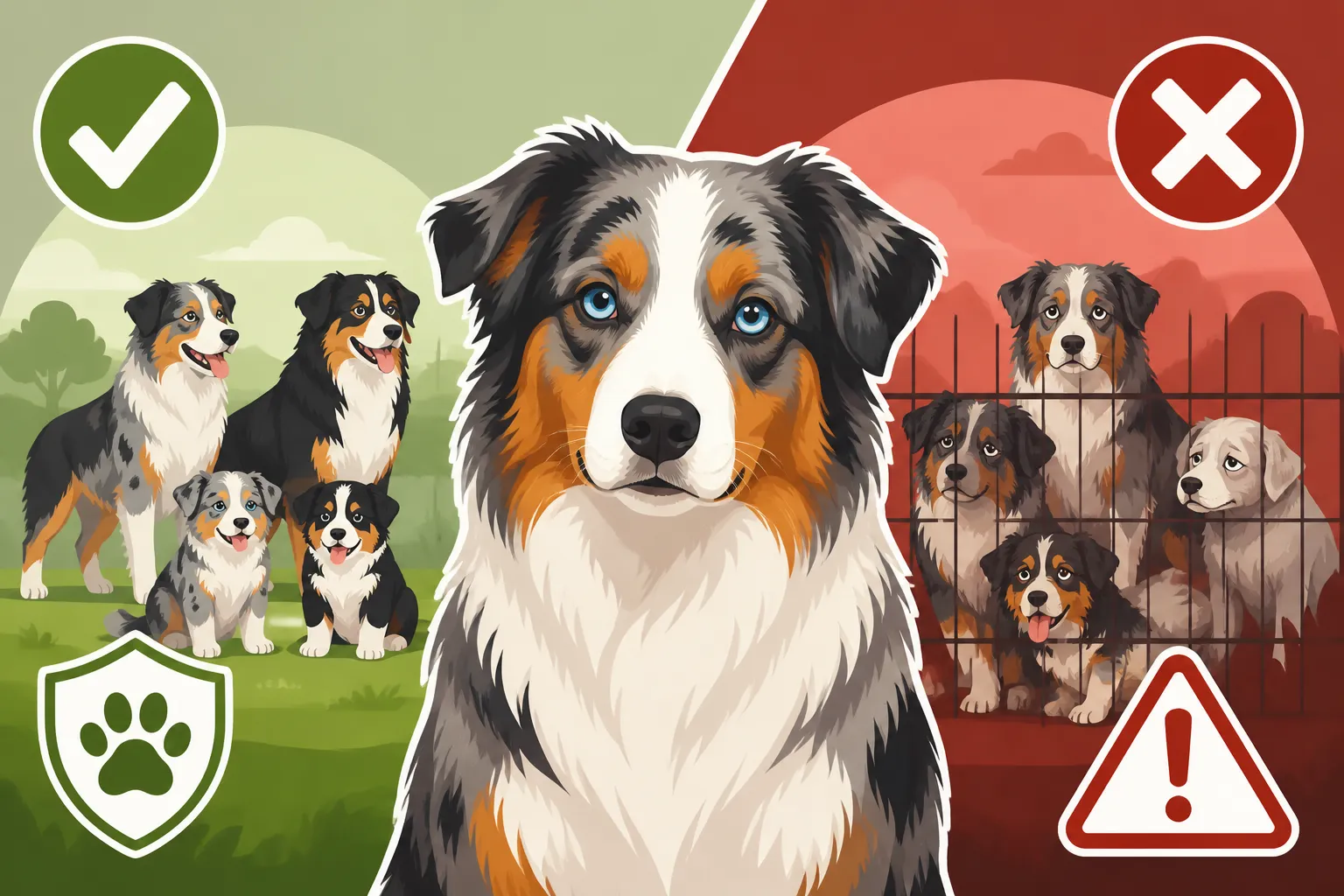
Whether Australian Shepherds Are Overbred Now
It’s a valid concern for anyone looking into bringing an Australian Shepherd into their home: are these beautiful, intelligent dogs being overbred? You see them everywhere now, from social media to dog parks, and with popularity often comes a rush to meet demand, sometimes at the expense of the breed's health and well-being. This guide aims to tackle that question head-on, exploring what "overbred" truly means for the Australian Shepherd, the factors contributing to this perception, and how you, as a responsible prospective owner, can navigate the landscape to find a healthy, well-adjusted companion.
What "Overbred" Means for Australian Shepherds
When people talk about a breed being "overbred," it usually points to a significant increase in breeding activity driven by popularity, rather than a focus on improving or maintaining the breed standard, health, and temperament. It’s not just about the sheer number of puppies being born, but how and why they are being bred. The Australian Shepherd's rise in popularity has unfortunately made them a target for less-than-scrupulous breeders who see dollar signs instead of devoted family members.
The Impact of Rapid Popularity on Breeding Practices
The Australian Shepherd has enjoyed immense popularity over the last few decades, moving from a beloved ranch dog to a sought-after family pet and sports companion. This surge in demand creates a vacuum that irresponsible breeders are all too happy to fill. They might breed dogs without proper health clearances, without consideration for temperament, or without understanding the genetic risks involved, simply because there's a market for puppies. The goal shifts from producing sound, healthy dogs to producing any dog, as quickly and cheaply as possible. This is where the term "overbred" really starts to ring true.
Differentiating Responsible Breeding from Quantity Breeding
A responsible breeder dedicates years, often decades, to understanding genetics, health clearances, and the temperament of their lines. They breed infrequently, carefully selecting parents who complement each other and who embody the best qualities of the breed. Their focus is on health, working ability, and temperament. They often have waiting lists, and they will want to know as much about you as you want to know about them. In contrast, quantity breeders, often referred to as "backyard breeders" or "puppy mills," prioritize profit. They might breed dogs too young, too often, or without any health testing. Their puppies might be advertised as "rare" colors or sizes without understanding the health implications, like the tragic results of Double Merle Australian Shepherds and What Breeding Two Merles Costs. This fundamental difference in motivation is key to understanding the perception of overbreeding.
The Drivers Behind Perceived Overbreeding
Several factors contribute to the feeling that Australian Shepherds are being overbred. It's a complex issue tied to both the breed's inherent appeal and the economic realities of dog breeding.
The Allure of the Aussie's Looks and Intelligence
Let's be honest, Australian Shepherds are stunning. Their vibrant merle coats, striking blue eyes, and intelligent expressions draw people in. Couple that with their incredible smarts and athletic ability, and it's easy to see why so many people fall in love with them. This high demand, however, is a double-edged sword. While it highlights the breed's wonderful qualities, it also incentivizes breeders who may not prioritize the welfare of the dogs or the long-term health of the breed. People might buy an Aussie purely for its looks, without understanding the significant exercise and mental stimulation needs, leading to dogs that are rehomed because they are "too much."
Lack of Education Among New Breeders and Buyers
A significant problem is the lack of education. Many new breeders enter the scene without fully understanding genetic health testing, proper pedigrees, or the commitment required to raise a healthy litter. They might see their pretty pet Aussie and think, "Why not have puppies?" without realizing the potential for passing on genetic diseases like Australian Shepherd Hip Dysplasia and Working Joints or Australian Shepherd Epilepsy Starting Between One and Five. Likewise, many eager buyers don't know what questions to ask or what red flags to look for, making them susceptible to unethical practices. They might not realize the importance of seeing The Test Results an Aussie Breeder Must Produce or asking Questions an Aussie Breeder Should Answer. This knowledge gap on both sides fuels the cycle of irresponsible breeding.
The Rise of Online Puppy Sales and Unregulated Markets
The internet has made finding a puppy incredibly easy, but it has also created an unregulated marketplace where unethical practices can thrive. It's far too simple for someone to advertise puppies online without any oversight, often using appealing pictures but providing little to no information about the parents' health, temperament, or living conditions. This contrasts sharply with the rigorous screening and transparency you'd find with a responsible breeder who encourages you to visit their home and meet their dogs, as detailed in Visiting an Australian Shepherd Litter. Consumers might be drawn to lower prices or immediate availability, unaware of the potential long-term health and behavioral issues they could be inheriting, often highlighted by issues like Why a Cheap Merle Aussie Puppy Is a Warning. When purchasing supplies, a reputable online retailer like Chewy can be a great resource for food and toys, but when it comes to finding a puppy, it's crucial to look beyond casual online listings.
Consequences of Irresponsible Breeding Practices
When the focus shifts from quality to quantity, the entire breed suffers. The consequences of irresponsible breeding are far-reaching, impacting not only individual dogs but the future of the Australian Shepherd breed itself.
Health and Genetic Problems Becoming More Prevalent
Perhaps the most heartbreaking consequence of overbreeding is the proliferation of genetic health problems. When breeders don't perform essential genetic health screenings, they unknowingly (or knowingly) pass on hereditary conditions. We see a rise in issues like hip and elbow dysplasia, various eye diseases like Collie Eye Anomaly, and epilepsy. These conditions can lead to chronic pain, expensive veterinary bills (sometimes reaching Aussie Vet Bills Between $15,000 and $40,000 over a lifetime), and a significantly reduced quality of life for the dog. Every Australian Shepherd puppy needs a full The Genetic Panel Every Australian Shepherd Needs to avoid passing on these traits. Without careful screening, genetic conditions become more widespread across the gene pool, making them harder to eradicate.
Temperament and Behavioral Issues
Australian Shepherds are known for their intelligence, loyalty, and biddability, but also for their high energy and strong herding drive. When bred indiscriminately, without attention to temperament, these traits can go awry. Dogs from poorly bred lines may exhibit excessive shyness, fear, aggression, or anxiety, especially if they haven't been adequately socialized as puppies. Owners might find themselves dealing with significant behavioral challenges like Australian Shepherd Reactivity and Overarousal or incessant Australian Shepherd Barking and Noise Sensitivity. These issues often stem from parents with unstable temperaments or puppies raised in environments that don't provide proper early socialization, which is crucial for a breed as sensitive and intelligent as the Aussie. While quality kibble and treats from Chewy can help with training, no amount of good food can correct underlying genetic temperament issues.
The Strain on Rescues and Shelters
The fallout from irresponsible breeding often lands squarely on the shoulders of breed-specific rescues and local animal shelters. When people acquire Australian Shepherds without understanding their intense needs, or if they end up with a dog facing severe health or behavioral issues, these dogs frequently find themselves needing new homes. Rescues are constantly overwhelmed with Aussies, often young adults between 12-24 months old, who are surrendered because they are "too energetic," "destructive," or "too much to handle." This creates a sad cycle where dogs pay the price for human irresponsibility. The effort and resources required to rehabilitate and rehome these dogs are immense.
Navigating the Australian Shepherd Breeding Landscape Responsibly
While the term "overbred" might spark concern, it’s important to remember that many dedicated, ethical breeders are working tirelessly to preserve and improve the Australian Shepherd breed. As a prospective owner, you have the power to support these responsible efforts.
How to Find a Reputable Australian Shepherd Breeder
Finding a reputable breeder requires patience and diligence, but it's absolutely worth the effort for the long-term health and happiness of your dog. Here’s what to prioritize:
- Health Clearances: Insist on seeing official documentation for hip and elbow evaluations (like OFA or PennHIP), eye clearances (ACVO), and genetic tests for conditions like MDR1, CEA, and hereditary cataracts. A good breeder will proactively offer these results. Don't just take their word for it.
- Temperament First: Observe the parent dogs. Are they confident, friendly, and stable? Ask about their personalities and how they interact with strangers and other animals. Temperament is highly heritable.
- Engagement and Transparency: A good breeder will ask you many questions to ensure their puppy is going to a suitable home. They will welcome questions from you, be transparent about their breeding practices, and allow you to visit their facility to see the puppies and parents in a clean, stimulating environment.
- Lifetime Support: Reputable breeders offer ongoing support and will take back any dog they've bred at any point in its life if circumstances change. They care about their dogs long after they leave for their new homes.
- Limited Litters: Responsible breeders don't have multiple litters constantly available. Breeding is a huge undertaking, and they usually only breed when they are looking to keep a puppy themselves or to improve their lines. Be wary of breeders who always seem to have puppies ready to go.
Supporting Breed Rescues and Adoption
If acquiring a puppy from a breeder isn't your path, adopting an Australian Shepherd from a reputable breed rescue is another fantastic option. These organizations work tirelessly to rehabilitate and rehome Aussies who, through no fault of their own, need a second chance.
- Dedicated Volunteers: Breed-specific rescues are often run by passionate volunteers who deeply understand the breed's quirks and needs. They spend significant time evaluating each dog's temperament and health, often providing extensive medical care, training, and foster care.
- Matching Process: Rescues have a thorough adoption process designed to match the right dog with the right family. They'll ask about your lifestyle, experience with high-energy breeds, and living situation to ensure a successful placement. They want these dogs to find their forever homes and not end up back in the system.
- Adult Dogs Available: Many wonderful adult Australian Shepherds end up in rescue, often past the challenging puppy phase but still full of love and potential. Adopting an adult dog can mean knowing their temperament and needs upfront, which can be a huge advantage. You might even find a wonderful companion from a rescue that partners with organizations that provide starter kits of food and toys from places like Chewy.
Educating Yourself as a Future Owner
Ultimately, the best defense against supporting irresponsible breeding practices is an informed owner. Take the time to truly understand the Australian Shepherd breed before bringing one home.
- Research the Breed's Needs: Beyond their captivating looks, understand their formidable exercise requirements, their need for mental stimulation, and their strong herding instincts. A lack of appropriate outlets can lead to destructive behaviors, as explored in Australian Shepherd Behavior Problems From Under-Exercise.
- Prepare Your Home and Lifestyle: Can you truly commit to two hours or more of dedicated activity every single day? Is your home environment suitable for a dog that might try to herd your children or cats? Do you have the time and resources for consistent training, possibly even Australian Shepherd Training and Sport Costs for activities like agility or herding?
- Budget for the Long Haul: Australian Shepherds can be expensive to own. Factor in not just the initial cost of the puppy, but also food (a fifty-pound Aussie eats a lot!), veterinary care, preventative medications, grooming supplies, and potential training classes. Planning ahead for potential health issues is key; for example, understanding that The Aussie Conditions Insurers Exclude if not covered before diagnosis is critical. A visit to Chewy for a large bag of quality kibble and some durable chew toys will quickly give you an idea of ongoing costs.
By being a discerning buyer and supporting ethical breeders and rescues, you contribute to the health and integrity of the Australian Shepherd breed, ensuring these magnificent dogs continue to thrive for generations to come.
| Aspect | Responsible Breeding | Irresponsible Breeding |
|---|---|---|
| Motivation | Preserve/improve breed, health, temperament | Profit, meeting demand, casual breeding |
| Health Testing | Comprehensive genetic and physical clearances (OFA, ACVO, DNA) | Little to no testing, often undisclosed |
| Temperament | Carefully evaluated, stable, confident parents | Often overlooked, can result in fear, aggression, anxiety |
| Socialization | Puppies raised in enriching home environments | Puppies often housed in kennels, limited exposure |
| Parent Age | Healthy adults, not bred too young or too old | Often bred too young (e.g., first heat) or too frequently |
| Buyer Screening | Thorough vetting of potential homes, extensive questions | Quick sale, minimal questions asked |
| Post-Sale Support | Lifetime support, take-back clauses, advice | Little to no follow-up, no support |
| Transparency | Welcomes visits, provides documentation, open discussion | Evades visits, vague answers, limited documentation |
Disclaimer
This article is for general informational purposes only and does not constitute professional advice. Laws, prices and regulations vary by location and change over time. Consult a qualified professional for guidance on your specific situation.