Visiting an Australian Shepherd Litter
You've been dreaming of this day, seeing those adorable little Australian Shepherd fluff balls, tumbling and playing, and imagining one joining your family. It's an incredibly exciting milestone, but visiting an Australian Shepherd litter is far more than just picking out the cutest face. This crucial first interaction is your chance to gather vital information about the puppies' health, temperament, and early environment, helping you make the most informed decision about welcoming a new member into your home. This guide will walk you through what to look for, what questions to ask, and how to make the most of your time with the breeder and the litter.
Why Your First Visit is So Much More Than Cuddles
It's easy to get swept away by a pile of fluffy puppies, all wiggling and wanting attention. Believe me, I've been there! But this isn't just a meet-and-greet; it's a vital investigative step in responsible puppy selection. You're not just looking for a cute face, but a healthy, well-adjusted companion whose early experiences will shape their entire life.
Observing the Litter's Environment
The environment where the puppies are raised tells you so much about the breeder's commitment to their well-being. A good breeder understands that the first weeks of a puppy's life are foundational.
First, take a good look around. Is the area clean and free of strong odors? A clean environment is paramount for preventing the spread of diseases. You should see fresh water bowls, clean bedding, and designated potty areas, even if they're just puppy pads in a corner. Puppies, especially Aussies with their keen senses, thrive in a stimulating yet safe space. Look for age-appropriate toys, tunnels, or different surfaces for them to explore. Are they kept indoors, or do they have safe access to an outdoor area? An indoor setting, especially for very young pups, allows for better monitoring and early socialization with household sounds, which is so important for these often-sensitive dogs. While the setup might not be a pristine show home, it should be clear that the puppies' health and development are a top priority. A breeder who cuts corners on the living conditions is likely cutting corners elsewhere, too.
Watching the Pups Interact
This is where you get a real glimpse into their developing personalities. Spend some time just observing the litter from a slight distance before you engage directly. How do they play with each other? Are they generally outgoing and curious, or do some hang back in a corner? You're looking for a good balance. A puppy that's overly dominant and constantly bullying its siblings might indicate future behavior challenges, while one that's excessively shy and retreats from all interaction could be prone to fear-based issues later on.
Observe their energy levels. Do they wake up, play, eat, and then settle down for a nap? This is a healthy cycle. Puppies should be active and engaged, but also capable of calming themselves. Watch how they react to new sounds or your presence. A slight startle is normal, but they should recover quickly and show curiosity. Pay attention to how they use their mouths in play. Are they learning bite inhibition with their siblings, or are they nipping hard? This gives you an early read on their social development. Ultimately, you want a puppy that appears confident, curious, and well-balanced, not one that's constantly demanding attention, nor one that hides from it. This initial observation can reveal a lot about potential Australian Shepherd Reactivity and Overarousal as they grow.
Observing the Dam (Mother Dog)
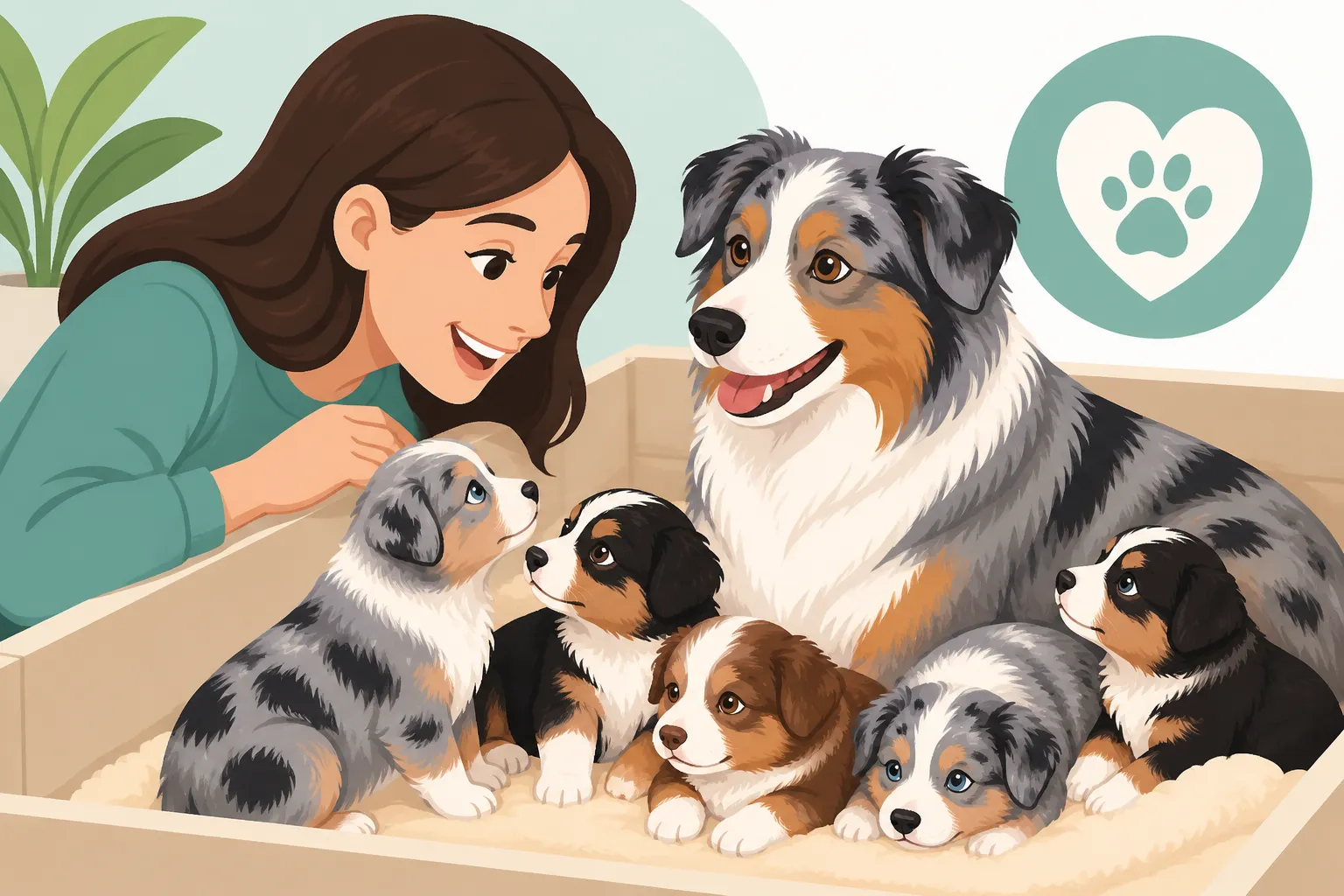
The mother dog, or dam, is perhaps the most important indicator of a puppy's future temperament. Her presence and behavior are absolutely critical. A responsible breeder will always have the dam present and happy to meet visitors, assuming she's not overly protective (which itself can be a temperament clue). She should appear healthy, well-fed, and have a good coat condition, even if she's a little thinner from nursing.
Observe her temperament. Is she calm and friendly, or is she anxious, fearful, or aggressive towards strangers? Puppies inherit genes from their parents, but they also learn a tremendous amount from their mother's behavior and coping mechanisms during their crucial early weeks. If the dam is skittish, constantly barking, or showing signs of aggression, it’s a red flag. Conversely, a confident, relaxed, and outgoing mother is a wonderful sign. She should be comfortable interacting with you, even if she keeps a watchful eye on her puppies. It’s a good sign if she's willing to let you pet her and allows her puppies to interact with you while she's nearby. If the breeder tells you the mother isn't available to see, or offers excuses, consider this a significant warning.
What to Discuss with the Breeder During Your Visit
Your visit isn't just about looking; it's about asking. Come prepared with a list of questions. A good breeder will welcome your questions and be transparent, seeing it as a sign of a responsible future owner.
Health Records and Genetic Testing
This is non-negotiable for an Australian Shepherd. Ask to see actual, verifiable health clearances for both parents, not just a verbal assurance. For Aussies, this means tests for hip and elbow dysplasia, eye clearances from a veterinary ophthalmologist (ACVO exam), and genetic tests for common inherited conditions like The MDR1 Mutation Half of Australian Shepherds Carry and Collie Eye Anomaly in an Australian Shepherd. You should also ask about Hereditary Cataracts Clouding an Aussie Eye.
A reputable breeder will not only have these results but will be happy to show you the paperwork from organizations like OFA (Orthopedic Foundation for Animals) for hips/elbows and either OptiGen or Paw Print Genetics for DNA panels. They should also be able to explain what the results mean. For instance, if a parent is an MDR1 carrier, they should be able to tell you how that impacts breeding decisions and what it means for the puppies. Inquire about the puppy's individual veterinary care plan so far: when they were dewormed, their first set of vaccinations, and if they've had a clean bill of health from a vet check. Many breeders will provide a record of this in a puppy pack. Don't be shy about asking about The Genetic Panel Every Australian Shepherd Needs and what tests the breeder prioritizes.
Socialization and Early Experiences
The first few weeks of a puppy's life are a critical window for socialization. What steps has the breeder taken to ensure the puppies are well-adjusted? Are they exposing the puppies to various sights, sounds, textures, and people? A good breeder will gradually introduce them to everyday household noises like vacuums, blenders, and doorbells, as well as different surfaces like carpet, tile, and grass.
Ask about their handling routine: how often are the puppies picked up, cuddled, and gently examined (paws, ears, mouth)? This early positive handling is crucial for creating dogs that are comfortable with vet visits and grooming. If the puppies have been exposed to children, other friendly dogs, or even cats in a supervised, positive way, that's a huge bonus. You want to hear about a thoughtful Socializing an Aussie Puppy Off the Farm plan. Some breeders even start very basic potty training concepts or crate exposure. The more positive experiences the puppies have before coming home, the easier their transition will be and the more confident they'll grow into adulthood.
Understanding the Contract and Guarantees
Every responsible breeder will have a written contract. This document protects both you and the puppy. Don't be afraid to ask for a copy in advance to review at home. Key elements to look for include:
- Health Guarantee: What kind of guarantee do they offer against genetic diseases? How long does it last?
- Return Policy: What happens if, for unforeseen circumstances, you can no longer keep the puppy? A good breeder will always want their puppies returned to them rather than ending up in a shelter.
- Spay/Neuter Clause: If the puppy is sold as a pet, the contract will likely stipulate that you must spay or neuter them by a certain age.
- Registration Papers: Will you receive AKC or ASCA registration papers?
- Support: Does the breeder offer lifetime support and advice?
Make sure you understand every clause and don't hesitate to ask for clarification on anything that's unclear. This contract is a legal document, and it reflects the breeder's ethical standards and commitment to their dogs. This is where you might ask Questions an Aussie Breeder Should Answer regarding their expectations for puppy buyers.
Practical Tips for a Successful Litter Visit
To make the most of your visit, a little preparation goes a long way. This isn't just a casual drop-in; it's an important part of your journey to finding the right Aussie.
Preparing Your Questions and Observations
Before you even leave your house, grab a notebook or pull up a note-taking app on your phone. Write down all your questions, from health clearances to daily routines. It's easy to forget things in the excitement of meeting puppies. Having a checklist ensures you cover all your bases. Some key areas to consider for your questions:
- Health: What are the parents' health clearances? When were the puppies dewormed and vaccinated? What food are they currently eating (you might want to pick up some of that brand from a place like Chewy to ease transition)?
- Temperament: What are the personalities of the individual puppies? How does the breeder assess them?
- Care: What are their recommendations for Feeding an Aussie Puppy to Fifty Pounds, grooming, and exercise for a puppy?
- Future: What support do they offer after you take the puppy home?
Also, think about what you want in an Aussie. Are you looking for a mellow family companion, or a high-drive dog for dog sports? Communicate this to the breeder, as they often have a good sense of which puppy will fit which type of home. When you arrive, dress practically. Wear clothes that you don't mind getting dirty, as puppies can be messy! Avoid strong perfumes or colognes, as dogs have sensitive noses.
Interacting Safely and Responsibly
When you first arrive, resist the urge to immediately scoop up the nearest puppy. Instead, follow the breeder's lead. They know their dogs best and will guide you on how to interact. Always practice good hygiene; wash your hands thoroughly before and after handling puppies to prevent the spread of germs. This is especially important if you've been around other dogs recently.
When you do interact, sit on the floor and let the puppies come to you. Observe which ones are curious and approach, and which ones are more hesitant. Handle them gently, supporting their bodies fully. Avoid sudden movements or loud noises that could startle them. Remember, these are babies, and you want their first experiences with humans to be positive and safe. If you're considering a specific puppy, try to spend some individual time with them, observing their reactions to being held, played with, and briefly separated from their siblings (if the breeder permits). A calm, confident puppy who enjoys gentle interaction is usually a good sign. Don't try to force interaction with a fearful puppy; respect their space and let them come to you on their own terms. This gentle approach is key to understanding their true nature without causing undue stress.
Red Flags to Watch Out For
While you're likely filled with hope and excitement, it's crucial to approach this visit with a critical eye. Sometimes, what you don't see or hear is just as important as what you do.
Concerning Conditions or Temperaments
One of the biggest red flags is an unclean, chaotic, or unsafe environment. Puppy mills and backyard breeders often prioritize quantity over quality, leading to unsanitary conditions that foster disease. Look for puppies with runny noses, dull coats, swollen bellies (a sign of worms), or those that are excessively lethargic or appear sickly. All puppies should be bright-eyed and active.
Equally important are behavioral red flags. If all the puppies are cowering in a corner, aggressively fighting each other, or showing extreme fear of people, these are serious concerns. While some variation in temperament is normal, a whole litter showing signs of severe shyness, aggression, or hyperactivity is not healthy. The absence of the mother dog, or a mother dog who appears unwell, neglected, or extremely fearful/aggressive, is another major warning. Remember, her temperament is often a preview of what you can expect from her offspring. If the breeder has many different breeds or multiple litters at once, or if you feel rushed and unable to spend adequate time observing, these are often signs of a commercial breeding operation rather than a dedicated, responsible breeder.
Breeder Behavior and Transparency
A good breeder will be open, honest, and happy to answer all your questions. If a breeder is reluctant to show you health clearances for the parents, or dismisses your concerns about genetic testing, it's a huge red flag. Equally concerning is a breeder who pressures you to make a decision on the spot, or demands large deposits without a clear contract. You should never feel rushed or uncomfortable during your visit.
Be wary if a breeder has no questions for you about your home, lifestyle, or experience with dogs. A responsible breeder wants to ensure their puppies go to suitable, loving homes and will screen prospective owners thoroughly. If they only care about the money and not the welfare of the puppy, walk away. Another red flag is a breeder who always has puppies available, or who has puppies of multiple breeds. This indicates a commercial operation, not a dedicated one focused on improving the Australian Shepherd breed. Be particularly careful if they offer a very cheap puppy, especially a merle. As we discuss in Why a Cheap Merle Aussie Puppy Is a Warning, very low prices can often mask underlying health issues or irresponsible breeding practices. Always ensure you are dealing with someone transparent who understands and prioritizes The Test Results an Aussie Breeder Must Produce.
| Aspect to Observe | Positive Signs | Red Flags |
|---|---|---|
| Environment | Clean, safe, good ventilation, age-appropriate toys, fresh water, designated potty area. | Unsanitary, strong odors, cramped, unsafe hazards, no toys/enrichment, lack of water. |
| Puppy Health | Bright eyes, clean ears/nose, healthy weight, active, playful, clean coats. | Runny eyes/noses, dull coat, bloated belly, lethargy, coughing, skin issues. |
| Puppy Temperament | Curious, confident, playful, recovers quickly from startle, settles after play. | Extremely shy/fearful, excessively aggressive towards siblings, constant high arousal, unresponsive. |
| Dam (Mother Dog) | Present, healthy, calm, friendly, watchful but not aggressive, good interaction with puppies/visitors. | Absent, unhealthy, fearful, aggressive, overtired, uninterested in puppies. |
| Breeder Knowledge | Can answer all questions, knowledgeable about breed health, temperament, and care. | Vague answers, dismisses health concerns, avoids questions, seems uninformed. |
| Breeder Transparency | Provides health clearances for parents, clear contract, asks about your home. | Reluctant to show records, no contract, pressures sale, doesn't screen buyers, always has puppies. |
| Socialization | Describes exposure to sounds, surfaces, people, handling routine, age-appropriate challenges. | Puppies seem unexposed to common stimuli, no clear socialization plan, kept isolated. |
This entire experience is a big part of What an Australian Shepherd Costs Before Coming Home, not just financially, but in terms of time and diligence. By following these guidelines, you're not just looking for a puppy; you're doing your due diligence to ensure you bring home a healthy, well-adjusted Australian Shepherd who will thrive in your care.
Disclaimer
This article is for general informational purposes only and does not constitute professional advice. Laws, prices and regulations vary by location and change over time. Consult a qualified professional for guidance on your specific situation.