An Aussie Stiff After a Career in Agility
The sheer dynamism and intelligence of an Australian Shepherd excelling in agility are truly a sight to behold. They launch over jumps, weave with incredible precision, and navigate complex courses with an almost supernatural grace. However, after years of these high-impact, high-intensity movements, it’s a difficult reality for many owners to witness their once-agile companion becoming stiff, sore, and struggling with the very movements that defined their working life. This guide aims to thoroughly explore the underlying reasons for this common issue, offer compassionate strategies for managing their discomfort, and outline proactive steps to help your retired agility Aussie enjoy their well-deserved golden years with as much comfort and mobility as possible.
The Rigors of Agility: Why Joints Take a Hit
Observing an Australian Shepherd in an agility ring reveals a breathtaking blend of athletic prowess and sharp intellect. They are naturally endowed with the speed, agility, and burst energy required for dog sports, making them formidable competitors. Yet, this very intensity, when sustained over many months and years, invariably contributes to significant wear and tear on their joints. Agility is a dynamic sport demanding constant impact, twisting, and extreme flexion. While exhilarating to watch, these actions accumulate into substantial, long-term challenges for their entire musculoskeletal system.
The Mechanics of Agility Stress on Aussie Bodies
Consider the immense forces impacting your Australian Shepherd as they spring over a hurdle, land, and immediately pivot into a series of weave poles. The initial push-off and subsequent landing place profound stress on their shoulders, elbows, hips, and knees. The intricate sequence of weave poles requires rapid, serpentine twists of their spine and hips, often on varied or potentially slippery surfaces, generating torque that can strain ligaments and cartilage. Sharp turns around cones or at tunnel entrances impose considerable lateral stress on major joints, while contact obstacles like the A-frame or dogwalk necessitate sudden braking, absorbing significant impact, and then maintaining balance – all further stressing their spine and limbs. These aren't just minor movements; they are explosive, high-intensity actions, and an Aussie competing at a high level may repeat these motions hundreds, if not thousands, of times throughout their career. Over time, this repetitive stress can lead to the erosion of cartilage, chronic inflammation, and ultimately, the painful bone-on-bone friction characteristic of arthritis.
It’s crucial to understand that it’s not only the dramatic, obvious movements that cause problems. Even subtle missteps, slightly off-kilter landings, or minor slips on a damp patch can lead to micro-traumas. These small incidents contribute to an insidious, long-term degradation of joint health that often only becomes apparent years later. For a breed that already carries a predisposition to conditions like Australian Shepherd Hip Dysplasia and Working Joints or Aussie Elbow Dysplasia From Hard Turning, the continuous, high-impact nature of agility can significantly accelerate the onset and worsen the severity of these underlying issues. You might not see a single, dramatic injury during a trial, but rather a gradual decline in joint integrity that manifests as stiffness and pain much later. This reality underscores the importance of vigilantly monitoring your Aussie’s movement and behavior, even when they appear to be in peak condition.
How a High-Drive Aussie Pushes Through Pain
One of the most remarkable, yet sometimes problematic, characteristics of the Australian Shepherd is their incredible work ethic and boundless enthusiasm for a task. They are often so intensely eager to please and so deeply driven by the activity at hand that they will push through considerable discomfort, sometimes to their own detriment. You might observe an agility dog exhibiting only the most subtle indications of pain – perhaps a marginally less energetic retrieve, a slightly slower start from the gate, or a decreased spring in their step – yet they continue to give their absolute all in the ring. This inherent drive, coupled with the higher pain tolerance often seen in working breeds, can make it extraordinarily difficult for owners to recognize when a genuine physical issue is developing. They aren't dogs that typically "complain"; they are "get-the-job-done" dogs, and this stoicism can effectively mask burgeoning problems until they become quite advanced.
Often, it is only when the pain becomes substantial, or when they are truly at rest and not actively engaged in "work," that the stiffness becomes undeniable. You might begin to notice them struggling to get up after a long nap, hesitating more before jumping into the car, or simply moving with a noticeable reduction in fluidity around the house. This shift isn't a sign of laziness; rather, it's their body finally communicating, unequivocally, that something is causing them significant discomfort. As a lifestyle blogger who has personally experienced this, I can’t stress enough the importance of trusting your intuition regarding any subtle change in your Aussie's demeanor or movement. You are the expert on your own dog, and if something feels even slightly off, it’s almost certainly worth investigating.
Recognizing the Early Signs of Joint Wear and Tear
Detecting joint problems early can make a profound difference in your agility Australian Shepherd’s long-term comfort and mobility. The primary challenge, as highlighted, is their stoic nature. You’re looking for nuanced changes, not necessarily overt limping or vocalizations of pain. Pay very close attention to their gait: does one leg seem to swing differently or with less extension? Are they subtly shifting more weight onto one side when standing or during transitions? Do their strides appear shorter than they once were? Sometimes, the first sign is a diminished enthusiasm for activities they previously adored, such as a vigorous hike or an extended game of fetch. They might also appear slower or more hesitant when sitting or lying down, perhaps even accompanied by a soft grunt or visible effort.
Crucially, observe how they rise from a resting position, especially after a prolonged period of sleep. Do they take a moment to "warm up" or stretch before fully standing? Do they show reluctance to use stairs or jump onto furniture (if these were previously normal behaviors)? You might also notice a subtle degree of muscle atrophy in a limb if they have been unconsciously favoring another. While less common in early stages, feeling along their joints can sometimes reveal warmth or swelling. Early veterinary intervention, guided by your vet, can significantly slow the progression of conditions like Australian Shepherd Arthritis After Years of Work and dramatically enhance their quality of life. Do not disregard these seemingly minor signs; they are your Aussie's quiet, yet persistent, way of telling you they need help.
Compassionate Care: Managing Stiffness in Retired Agility Aussies
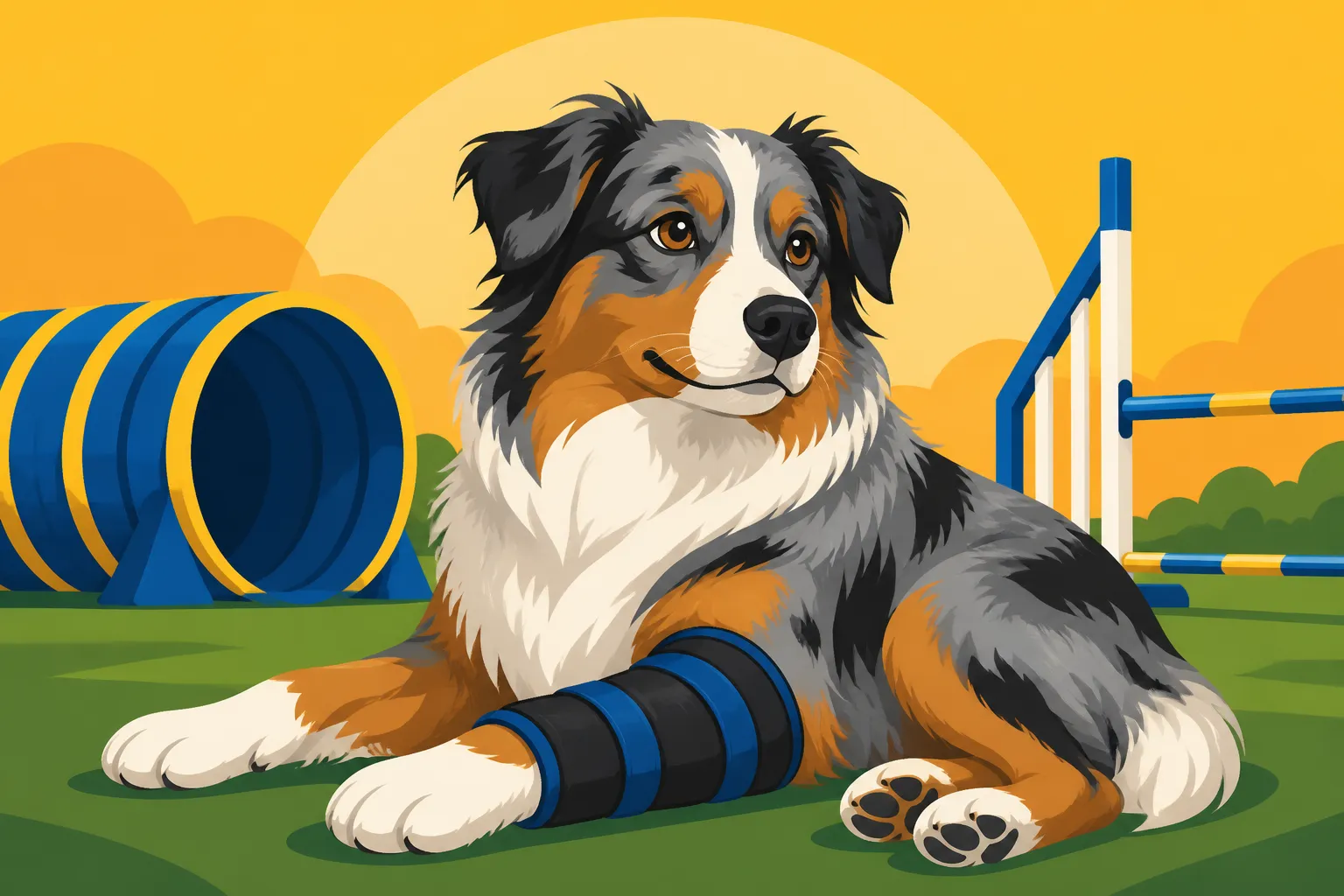
Once your Australian Shepherd has honorably retired from their high-flying agility career and stiffness begins to manifest, your primary focus must shift entirely towards ensuring their comfort and maintaining their quality of life. This phase is no longer about pushing them to perform; it's about providing the most empathetic and effective support to alleviate pain and preserve as much mobility as possible. It is undeniably a bittersweet transition, but one where your dedicated and thoughtful care can truly make all the difference in their daily well-being.
Veterinary Care and Pain Management Options
When your retired agility Aussie starts to show noticeable signs of stiffness, discomfort, or outright pain, the most critical initial step is to schedule a comprehensive veterinary examination. Your veterinarian possesses the expertise to accurately diagnose the precise source of the pain, whether it stems from osteoarthritis, a specific soft tissue injury, or another underlying condition. They might recommend diagnostic imaging such as X-rays to thoroughly assess joint health, conduct blood work to rule out other systemic issues, or even suggest consultations with specialized veterinary orthopedic surgeons or neurologists if the situation warrants it. Once a clear diagnosis has been established, a tailored and compassionate pain management plan can be meticulously developed.
Commonly prescribed medications often include Non-Steroidal Anti-Inflammatory Drugs (NSAIDs), with options like carprofen, meloxicam, or galliprant frequently used to significantly reduce inflammation and associated pain. While these medications often provide welcome and immediate relief, long-term administration necessitates regular monitoring of liver and kidney function through routine blood tests. Beyond daily oral medication, your vet may propose integrating joint supplements containing vital ingredients such as glucosamine, chondroitin, and MSM, all of which are recognized for their ability to support cartilage health and reduce degradation. For more targeted relief, injections like Adequan (polysulfated glycosaminoglycan) or even localized corticosteroid injections directly into a particularly problematic joint can be remarkably effective. Furthermore, for advanced cases or those unresponsive to initial treatments, complementary therapies such as therapeutic laser, acupuncture, hydrotherapy, or structured physical rehabilitation programs can offer profound benefits by helping to rebuild supportive musculature, improve range of motion, and significantly reduce pain. The financial aspect of managing chronic conditions can be substantial, and having a reliable pet insurance policy, perhaps from a provider like Healthy Paws, can greatly assist in covering these ongoing veterinary costs, ensuring your beloved companion receives the best possible care without undue financial burden.
Adapting Exercise for Senior Agility Dogs
The fundamental principle for retired agility Australian Shepherds is not to cease exercise entirely, but rather to thoughtfully adapt their routine to accommodate their aging and changing body. The era of sharp turns, high-speed sprints, and soaring jumps is now behind them. Instead, the focus should shift to low-impact activities that are designed to maintain muscle mass and joint flexibility without introducing further strain or discomfort. Daily leash walks on soft, forgiving surfaces are highly recommended; envision gentle strolls around a quiet neighborhood or along peaceful park trails, actively avoiding hard concrete surfaces whenever feasible. Swimming stands out as another exceptional option, offering a full-body workout with virtually no impact on their delicate joints. Many facilities now provide heated canine hydrotherapy pools specifically designed for therapeutic benefits.
Beyond physical activity, mental stimulation remains critically important for these inherently intelligent dogs, even if their physical capabilities are diminished. Engaging them with scent work, complex puzzle toys, or short, gentle trick training sessions can keep their sharp minds active and content. Instead of a long, vigorous game of fetch, consider a brief session with a soft ball rolled gently along the ground. Consistency in these adapted routines is key; shorter, more frequent sessions are generally far more beneficial than sporadic, intense bursts that invariably leave them stiff and sore the following day. The ultimate goal is to ensure they can move comfortably, not to push them to their former limits. Remember, even a retired working dog thrives on feeling useful and engaged, and their "job" now is simply to enjoy life with maximum comfort.
Home Environment Adjustments for Comfort
Making thoughtful and proactive adjustments throughout your home can significantly enhance your stiff Aussie's daily comfort and ease of movement. Begin by re-evaluating their sleeping arrangements: invest in high-quality orthopedic dog beds that offer superior support and deeply cushion their aching joints. Look for beds constructed with true memory foam or thick, dense padding that retains its shape and doesn't flatten out over time. Position these comfortable beds in easily accessible, warm, and draft-free areas where your dog feels secure and can rest undisturbed.
Next, consider your flooring. Hardwood, tile, or laminate floors can be notoriously slippery and challenging for an arthritic dog to navigate, often leading to precarious footing, potential falls, or increased strain as they try to gain traction. Strategically place non-slip rugs or runners in high-traffic areas and wherever your dog frequently rests or moves. Ramps are an invaluable aid for helping them safely get into and out of cars, onto elevated dog beds, or even up a few steps to a porch, effectively eliminating the need for painful jumping and absorbing impact. If your Aussie still enjoys lounging on the couch or your bed, secure a sturdy pet ramp or set of steps. Additionally, consider elevating their food and water bowls to a comfortable height, preventing them from having to bend down excessively, which can be particularly uncomfortable for their neck and spine. These seemingly small changes, while perhaps requiring some initial effort, can collectively make a monumental difference in your dog's everyday ease, confidence, and overall well-being when living with chronic stiffness.
Proactive Steps: Long-Term Joint Health and Prevention Strategies
While it's impossible to completely halt the natural aging process or fully reverse the cumulative impact of a high-octane agility career, we absolutely can implement a robust set of strategies designed to proactively support long-term joint health and potentially slow the progression of stiffness in our beloved Australian Shepherds. Effective prevention isn't just for puppies; it’s a lifelong commitment that adapts as their needs evolve through every stage of life.
Nutritional Support and Weight Management
One of the most profoundly impactful actions you can take to safeguard your Aussie's joints, both during their peak agility years and well into their retirement, is to meticulously maintain an ideal body weight. Every single extra pound your dog carries imposes significantly increased load and stress on their joints, directly accelerating wear and tear and substantially exacerbating existing conditions like How Weight Multiplies the Load on Aussie Joints. Collaborate closely with your veterinarian to accurately determine your Australian Shepherd's optimal healthy weight and then adjust their diet and activity levels accordingly. This often entails precise measurement of food portions, judicious selection of lower-calorie training treats, and potentially transitioning to a senior-specific or weight-management formula that is designed to support joint health while being less calorie-dense.
Beyond mere weight control, proactively incorporating joint-supporting nutrients into their daily diet can be incredibly beneficial. While many high-quality commercial dog foods now include supplements like glucosamine and chondroitin, the amounts are often insufficient for highly active or aging dogs. Consider adding a separate, high-quality joint supplement to their regimen. Key ingredients such as green-lipped mussel, fish oil (for its rich omega-3 fatty acids), turmeric, and hyaluronic acid are widely recognized for their potent anti-inflammatory properties and their capacity to support cartilage integrity. It's worth noting that managing these ongoing nutritional needs, especially if they involve prescription diets or advanced supplements, can be financially alleviated by a comprehensive pet insurance policy, such as those offered by Healthy Paws. Always engage in a thorough discussion with your veterinarian before introducing any new supplements to ensure they are appropriate for your specific dog and won't negatively interact with any existing medications or health conditions.
The Role of Consistent, Moderate Exercise
Even when an Australian Shepherd has formally retired from the demanding world of competitive sports, consistent, appropriate exercise remains absolutely vital for their ongoing joint health. It's a prevalent misconception that reducing movement means reducing pain; in reality, controlled and regular exercise plays a crucial role in maintaining strong muscle mass around the joints, which provides essential support and stability. It also helps to keep ligaments and tendons flexible and ensures adequate circulation of nutrients to the joint tissues. Without consistent exercise, muscles can atrophy rapidly, leaving joints even more vulnerable and making stiffness significantly more pronounced.
The crucial emphasis here is on moderate and consistent activity. Instead of focusing on high-impact activities, prioritize low-impact options such as daily, leisurely walks, gentle swimming, or even light, controlled games of fetch played on soft, forgiving ground. Think about activities that encourage a full range of motion without sudden stops, abrupt starts, or twisting movements. For instance, two gentle 30-minute walks each day are far superior for joint health than a sporadic, hour-long power walk once a week that inevitably leaves them stiff and uncomfortable. Pay very close attention to how your Aussie responds both during and immediately after exercise. If they appear noticeably stiffer or sorer later, it's a clear indication that you've likely overdone it, and the intensity or duration needs to be scaled back. The overarching goal is to keep them moving comfortably, maintain their muscle tone, and ensure their joints remain lubricated, all without causing undue pain. This thoughtful and adaptive approach can genuinely help in Getting a Working Aussie Back Into Condition, even if that "condition" now signifies a comfortable and dignified retirement.
Regular Vet Check-ups and Early Intervention
One of the most foundational and non-negotiable aspects of both managing and proactively preventing severe joint stiffness is a steadfast commitment to regular veterinary check-ups. For an Australian Shepherd who has dedicated a significant portion of their life to an active agility career, these check-ups become even more critically important, often needing to be scheduled more frequently as they advance in age—perhaps twice a year rather than just annually. Your veterinarian is your most indispensable partner in meticulously monitoring their overall health, meticulously assessing joint mobility, and adeptly catching any subtle changes that might be indicative of developing or progressing joint issues.
During these essential visits, your vet will conduct a comprehensive physical examination, carefully checking for any signs of pain, reduced range of motion in their limbs, or noticeable muscle loss. They can expertly palpate joints, observe your dog's gait and movement patterns, and engage in a detailed discussion about any behavioral or physical changes you've observed at home. These appointments also serve as the ideal time to review their current diet, exercise regimen, and any existing medications or supplements they may be taking. The principle of early intervention is paramount: identifying arthritis or other joint conditions in their nascent stages allows for the timely implementation of supportive therapies or medications before irreparable damage becomes too severe. For example, your vet might recommend initiating Starting Joint Support on a Young Working Aussie even before overt symptoms manifest, or adjusting their exercise regimen based on the very first, subtle signs of joint wear. Proactive, consistent management, meticulously guided by your trusted veterinary team, truly represents the most profound gift you can bestow upon your beloved agility champion as they transition gracefully into their well-deserved, comfortable retirement.
| Joint Support Supplement Category | Key Ingredients | Primary Benefits | Considerations |
|---|---|---|---|
| Cartilage Protectors | Glucosamine, Chondroitin, MSM, Collagen | Helps repair and maintain cartilage, reduces inflammation, supports connective tissue | May take several weeks to observe noticeable effects; always verify product purity and sourcing. |
| Anti-Inflammatories | Omega-3 Fatty Acids (Fish Oil), Turmeric, Boswellia | Reduces systemic inflammation, supports overall joint health and flexibility, provides natural pain relief | Look for high EPA/DHA content in fish oil; consult vet for proper turmeric dosage due to potential interactions. |
| Joint Lubricants | Hyaluronic Acid (HA) | Improves joint fluid viscosity, enhancing cushioning and smooth movement between bones | Often found in combination products or available via direct injections administered by a vet. |
| Antioxidants | Vitamin E, Vitamin C, Selenium | Protects joint tissues from oxidative damage caused by free radicals, supporting cellular health | Crucial for long-term health; ensure balanced intake to avoid overdose, especially with fat-soluble vitamins. |
Disclaimer
The information provided in this article is for general informational purposes only and is not a substitute for professional veterinary advice. Always consult with a qualified veterinarian regarding any health concerns or before making any decisions about your Australian Shepherd's care, diet, or exercise regimen. Individual needs may vary.