An Australian Shepherd Limping After Agility
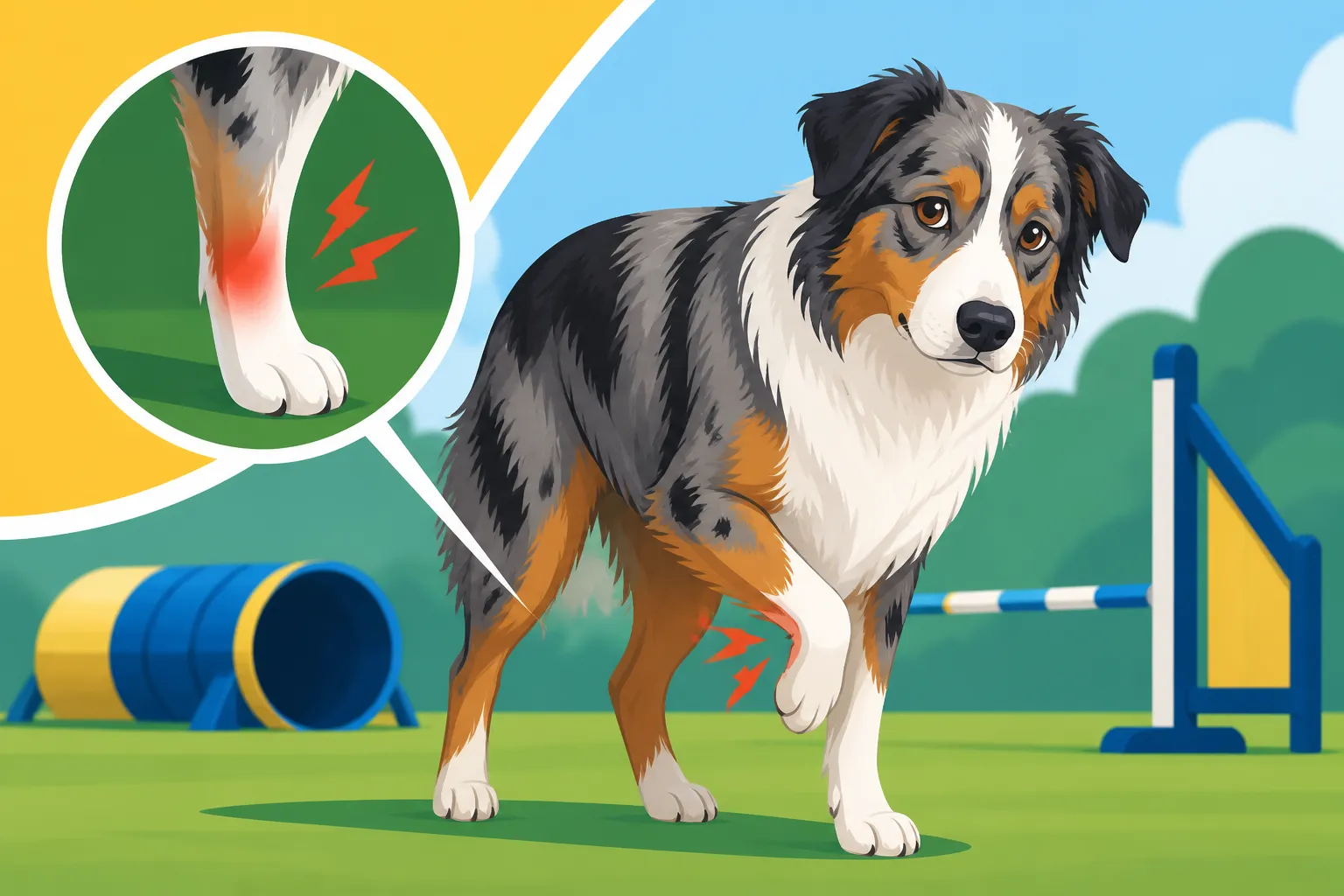
There’s almost nothing more disheartening than seeing your normally exuberant Australian Shepherd, a dog bred for boundless energy and quick pivots, suddenly pull up lame after an agility run. You watch them fly over jumps, weave through poles, and dart into tunnels, a picture of canine athleticism, only for them to emerge with a noticeable limp. It’s a moment that can make your heart sink, immediately bringing up fears of serious injury. This guide will walk you through understanding why your agility Aussie might be limping, what immediate steps to take, and how to safeguard their joint health for many years of fun and competition.
Understanding Common Causes of Post-Agility Limping
Agility is a high-impact sport, demanding incredible athleticism, speed, and precision from your Australian Shepherd. While they are built for action, this very intensity can sometimes lead to minor bumps or more significant injuries. It's crucial to understand the most common culprits behind post-agility limping so you can react appropriately.
Muscle Strains and Sprains from Dynamic Movements
Just like human athletes, Australian Shepherds can experience muscle strains and sprains when their bodies are pushed to their limits. A sudden, tight turn around a jump standard, an awkward landing after a long jump, or an explosive start through a tunnel can easily overextend a muscle or ligament. Imagine your Aussie twisting just a fraction of a second too quickly during a weave pole sequence, putting undue stress on their shoulder or groin. You might notice a subtle lameness at first, perhaps a slight favouring of a limb, or a reluctance to put full weight on it. The area might be tender to the touch, and your dog might vocalize or flinch when you gently palpate the affected muscle group. These types of soft tissue injuries are incredibly common in agility dogs, often manifesting as a general soreness that restricts their usual range of motion without a clear, visible wound.
Paw Pad Injuries and Nail Trauma
The paws are the first point of contact with any surface, and in agility, those surfaces can vary from rubberized matting to grass, dirt, or even artificial turf. All these can present hazards. A torn paw pad is a common and painful injury, often caused by friction, a sharp edge on equipment, or simply the sheer force of a quick stop or pivot. You might find a flap of skin, a deep cut, or just a raw, tender area on their pad. Similarly, nails can be a vulnerability. A long nail might snag on carpet or catch on a jump, leading to a painful rip or even pulling the nail right out of the quick. Even slightly overgrown nails increase the risk of this kind of trauma. Always take a moment to inspect your Aussie's paws thoroughly after any agility session, checking between the toes for foreign objects like burrs or small stones, and examining each nail for cracks or breaks.
Bruises, Contusions, and Minor Bumps
Sometimes, the cause of limping isn't a dramatic tear but a simple, albeit painful, bruise. During the fast-paced action of an agility course, it's easy for an Australian Shepherd to clip a jump standard, bump against a tunnel entrance, or land a little too hard on a piece of equipment. These impacts can lead to contusions – essentially, deep bruises – that cause temporary soreness and limping. The pain might be immediate, or it might develop a few hours later as swelling sets in. Unlike strains, which affect soft tissues, bruises usually involve trauma to the underlying muscle or bone. While often not severe, these minor injuries still require rest and careful monitoring. The area might be slightly swollen or warm to the touch, and your Aussie might be reluctant to move the affected limb in certain ways.
Exacerbation of Underlying Conditions
Agility, with its repetitive impacts and explosive movements, can unfortunately also bring to light or worsen existing, subtle health issues. Many Australian Shepherds, for example, might have mild, asymptomatic hip or elbow dysplasia. While they might show no signs in day-to-day life, the constant jumping, weaving, and tight turns in agility can put immense stress on these compromised joints. A sudden limp could be the first overt symptom of something like Australian Shepherd Hip Dysplasia and Working Joints or early-onset arthritis, where the repeated concussive forces begin to take their toll. Similarly, conditions like patellar luxation or even early signs of Cruciate Tears in a Working Australian Shepherd can become apparent under the demands of the sport. Regular veterinary check-ups are essential to monitor for these predispositions, as early intervention can make a significant difference in managing these conditions and extending your dog's agility career.
Immediate Actions and First Aid at the Course
When your Australian Shepherd suddenly limps during or after an agility run, your immediate reaction is probably a mix of panic and concern. However, staying calm and taking systematic steps can prevent further injury and help you assess the situation accurately.
Stopping Activity and Initial Assessment
The absolute first thing you must do is stop all activity immediately. Do not encourage your Aussie to "work through it" or try another obstacle. Get them off the course and to a quiet, safe spot where you can calmly examine them. Begin by observing their general demeanor. Are they putting any weight on the limb? Are they holding it up entirely? Is there any visible swelling, heat, or deformity? Try to pinpoint which leg or area seems to be bothering them most. Gently run your hands over their body, starting from their back and moving down each leg, paying close attention to their joints, muscles, and paws. Look for any flinching, yelping, or signs of pain. It’s important to do this slowly and gently to avoid causing further discomfort or anxiety.
The "Paw Check" Protocol
One of the most frequent causes of sudden limping, especially after running on various surfaces, is a paw injury. Start your detailed check by examining each paw meticulously. Spread their toes apart and look closely at the pads themselves:
- Pads: Are there any cuts, tears, punctures from debris, or excessive redness and abrasion? Sometimes a small rock or piece of glass can get lodged between the pads, causing sharp pain.
- Nails: Are all nails intact? Is one broken, cracked, or ripped back to the quick? Check for any bleeding.
- Between Toes: Look for any foreign bodies like thorns, burrs, matted fur, or even ice balls if you're training in cold weather.
- Swelling: Is there any puffiness around the paw, toes, or ankle?
A thorough paw check can often quickly identify a minor issue that can be addressed on the spot, providing immediate relief.
Rest, Ice, and Gentle Handling
Once you've done your initial assessment, if there's no obvious severe injury (like a visible fracture or profuse bleeding), the general rule of thumb is rest and cold therapy.
- Rest: Strictly restrict your Aussie's movement. Leash them if necessary and keep them calm. Prevent them from jumping, running, or putting undue stress on the affected limb.
- Ice: Apply a cold pack (a bag of frozen peas wrapped in a thin towel works well, or a dedicated pet-safe cold pack like those from brands like Buddy & Belle) to the suspected area for 10-15 minutes. This can help reduce swelling and inflammation, and provide some pain relief. Do this several times a day for the first 24-48 hours. Never apply ice directly to the skin.
- Gentle Handling: Avoid manipulating the limb too much. If your Aussie is resistant or shows significant pain, stop immediately. Your goal is to keep them comfortable and prevent further damage.
Observing Behavior for Red Flags
Even after initial first aid, continue to monitor your Australian Shepherd closely. Certain signs should immediately prompt a call to your vet or an emergency clinic:
- Non-Weight Bearing: If your Aussie cannot or will not put any weight on the leg at all.
- Visible Deformity: Any obvious unnatural angle, swelling, or bone protrusion.
- Profuse Bleeding: If bleeding won't stop with gentle pressure.
- Intense Pain: Continuous vocalization, panting excessively, trembling, or aggression when touched near the area.
- Rapid Swelling: If the swelling is increasing quickly.
- Limping Worsens: If the limping becomes more severe, even with rest.
- No Improvement: If there's no noticeable improvement within 24 hours of rest and cold therapy.
These are all indicators that a more serious injury might be present, requiring professional veterinary assessment without delay.
When to Seek Professional Veterinary Care and Diagnostics
Knowing when to transition from home care to professional veterinary intervention can be a tough call, especially for dedicated agility enthusiasts who want to get their dogs back on track. However, prioritizing your Aussie's long-term health is paramount.
Signs That Warrant an Emergency Vet Visit
Some injuries simply cannot wait. If your Australian Shepherd exhibits any of the following, it’s time for an immediate trip to an emergency veterinary clinic:
- Complete Non-Weight Bearing: Your dog is holding the limb up entirely and refuses to put any weight on it, even when gently encouraged. This often points to a severe sprain, fracture, or significant ligament tear.
- Visible Deformity: You notice an unnatural bend in the leg, a bone protruding, or severe, rapid swelling that looks abnormal.
- Intense, Uncontrollable Pain: Your Aussie is crying out, panting, trembling, or shows aggression when the area is approached. They cannot get comfortable.
- Profuse Bleeding: If you find a deep laceration that is bleeding heavily and doesn't stop with pressure, or if there's blood mixed with a wound from impact.
- Neurological Signs: While less common, any signs of disorientation, loss of coordination, or weakness beyond the injured limb could indicate a more complex issue.
In these situations, time is of the essence. Don't delay; prompt veterinary care can prevent complications and improve recovery outcomes.
Regular Vet Consultations for Persistent or Worsening Lameness
For less dramatic limps, observation and home care for 24-48 hours are often appropriate. However, if the limping:
- Does not improve within 24-48 hours of rest and gentle cold therapy.
- Worsens over time.
- Is intermittent but recurring after activity.
- Causes your Aussie to be withdrawn or refuse food/water.
Then it's definitely time to schedule a non-emergency appointment with your regular veterinarian. They can conduct a thorough orthopedic exam, pinpointing the source of pain and recommending appropriate next steps. This might involve palpation, assessing range of motion, and specific stress tests on joints.
Diagnostic Tools Your Vet Might Use
Once at the vet, they will use various diagnostic tools to get a clearer picture of what's happening internally.
- X-rays (Radiographs): These are fundamental for ruling out fractures, luxations (dislocations), and identifying signs of arthritis or bone anomalies. While they don't show soft tissue, they are crucial for bone health.
- Ultrasound: This can be useful for visualizing soft tissue injuries like muscle tears, tendonitis, or ligament damage that wouldn't show up on an X-ray.
- MRI or CT Scans: For complex soft tissue injuries, spinal issues, or subtle joint problems, an MRI or CT scan provides a much more detailed cross-sectional view. These are often performed by a specialist veterinary neurologist or orthopedic surgeon.
- Blood Tests: These can rule out underlying inflammatory conditions or systemic illnesses that might contribute to lameness or slow healing.
These diagnostics are often quite costly, and it’s in situations like these that many Australian Shepherd owners appreciate having pet insurance. Companies like Healthy Paws can provide peace of mind, helping to cover a significant portion of these unexpected expenses, ensuring you can make the best medical decisions for your agility star without financial strain.
Understanding Treatments
Once a diagnosis is made, your vet will discuss treatment options. These can range widely depending on the injury:
- Conservative Management: For minor strains and sprains, this often involves strict rest, anti-inflammatory medications (NSAIDs), and possibly pain relief.
- Physical Rehabilitation: For many orthopedic injuries, a guided physical therapy program (hydrotherapy, therapeutic exercise, massage) is crucial for regaining strength, flexibility, and proper movement patterns. This is vital for helping your Aussie return to agility safely.
- Injections: Joint injections (e.g., corticosteroids, hyaluronic acid, PRP) might be used for certain joint conditions or inflammation.
- Surgery: For severe injuries like full Cruciate Tears in a Working Australian Shepherd, complex fractures, or some forms of severe dysplasia, surgery may be the only option. This is where comprehensive pet insurance like Healthy Paws truly shines, as surgical costs can quickly run into the thousands.
- Long-Term Management: For chronic conditions like arthritis, management often involves a combination of medication, supplements, diet adjustments, and controlled exercise.
Proactive Measures and Long-Term Joint Health for Agility Aussies
Preventing injuries and maintaining peak physical condition is always better than treating problems after they arise. For an Australian Shepherd involved in agility, a proactive approach to joint health and overall well-being is essential for a long, successful career.
Conditioning, Warm-Up, and Cool-Down Routines
Sending your Australian Shepherd into an agility course without proper preparation is like asking a human athlete to run a marathon cold. Gradual conditioning is key. Start with short, low-impact exercises and slowly increase intensity and duration. Before every training session or competition, implement a 5-10 minute warm-up that includes a brisk walk, gentle stretches, and some slow trots. This increases blood flow to muscles and joints, preparing them for exertion. Equally important is a cool-down: a 5-10 minute walk and gentle stretches after exercise helps muscles relax, removes metabolic waste, and prevents stiffness. This simple routine can significantly reduce the risk of strains and minor injuries, helping to prevent your Aussie from being An Aussie Stiff After a Career in Agility.
Nutrition and Supplements for Joint Support
What goes into your Australian Shepherd's bowl directly impacts their joint health. A high-quality, balanced diet provides the building blocks for strong bones, muscles, and connective tissues. Beyond a great diet, many agility dog owners choose to incorporate joint supplements. Ingredients like glucosamine, chondroitin, MSM, and omega-3 fatty acids (found in fish oil) are widely believed to support cartilage health, reduce inflammation, and improve joint lubrication. While supplements aren't a magic bullet, they can offer crucial support, especially for active dogs. Talk to your vet about Starting Joint Support on a Young Working Aussie to determine the best supplements and dosages for your individual dog.
Regular Vet Check-ups and Early Detection
Proactive veterinary care is your first line of defense. Regular check-ups, ideally twice a year for active dogs, allow your vet to monitor your Aussie's overall health, assess their musculoskeletal system, and catch any subtle issues before they become major problems. Early detection of conditions like early arthritis, patellar instability, or even muscle imbalances can lead to interventions that prolong your dog’s comfort and working life. Discussing a comprehensive The Genetic Panel Every Australian Shepherd Needs with your breeder and vet can also help you understand any genetic predispositions your Aussie might have, allowing for even more targeted preventative care.
Maintaining Ideal Weight
This is perhaps one of the most underestimated aspects of joint health. Every extra pound your Australian Shepherd carries puts additional stress on their joints, especially during high-impact activities like jumping and weaving. Over time, this constant added load can accelerate the wear and tear on cartilage, leading to pain and early arthritis. Keeping your Aussie at a lean, healthy weight is paramount. Learn how to accurately assess your dog's body condition and adjust their diet and exercise accordingly. If you're struggling, consult your vet for a personalized weight management plan. Remember, How Weight Multiplies the Load on Aussie Joints, making weight control a critical factor in their long-term soundness.
Equipment Checks and Surface Awareness
Your dog's environment matters. Always inspect agility equipment for safety before and during use. Check for loose bolts, sharp edges, uneven surfaces, or any potential hazards. Make sure jump bars are properly seated and tunnels are secure. Pay close attention to the training and competition surfaces. Avoid extreme surfaces if possible; very hard concrete can be jarring, while very deep sand can strain soft tissues. Uneven ground also poses a higher risk for missteps and falls. Being mindful of these environmental factors can help prevent many common injuries.
The Importance of Rest and Recovery
While Australian Shepherds are renowned for their incredible stamina and work ethic, rest is just as vital as training. Overtraining can lead to cumulative stress on joints, muscles, and ligaments, increasing the risk of chronic conditions and injuries like Australian Shepherd Arthritis After Years of Work. Ensure your Aussie has adequate rest days between intense training sessions. These aren't necessarily days of complete inactivity but might involve gentle walks, mental enrichment games, or just quiet time at home. Allowing their bodies to recover and repair is crucial for preventing burnout and maintaining physical integrity for years to come. Remember, a well-rested dog performs better and stays healthier.
| Limping Severity | Immediate Action at Course | When to See Vet (Recommendation) | Potential Issues (Common) |
|---|---|---|---|
| Mild/Intermittent | Stop activity, gentle paw check, short rest, observe. | Within 24-48 hours if no improvement. | Muscle soreness, mild strain, small pad abrasion. |
| Moderate/Consistent | Stop activity, thorough paw check, 10-15 min cold pack, strict rest. | Within 12-24 hours if persistent or worsening. | Deeper muscle strain, ligament sprain, minor cut, bruise. |
| Severe/Non-Weight Bearing | Stop activity, keep calm, avoid manipulating limb, stabilize if possible. | Immediately to emergency vet. | Fracture, severe tear (cruciate), dislocation, major wound. |
| Swelling/Heat/Pain | Stop activity, apply cold pack (wrapped), gentle palpation, observe for escalation. | Immediately, especially if rapid or intense. | Inflammation, infection, deep tissue injury, fracture. |
Disclaimer
This article is intended for informational purposes only and does not constitute professional veterinary advice. If your Australian Shepherd is limping or showing signs of pain, please consult with a qualified veterinarian as soon as possible for an accurate diagnosis and appropriate treatment plan. Do not attempt to self-diagnose or treat severe injuries at home.