The Miniature American Shepherd Beside an Aussie
It’s a tale as old as time in the dog world: you fall in love with a breed, maybe an Australian Shepherd with their striking eyes and vibrant intelligence, only to discover there's a "mini" version and suddenly, a whole new layer of questions appears. Many prospective owners are understandably confused, wondering if the Miniature American Shepherd is simply a smaller Aussie, or if there are truly distinct differences beyond just their stature. This guide is here to untangle that confusion, walking you through the subtle, and sometimes not-so-subtle, distinctions between these two wonderful herding breeds so you can make an informed decision about which one might be the perfect fit for your life.
A Tale of Two Breeds: Understanding the Origins
Before we dive into their current differences, it's crucial to understand their shared history and how the Miniature American Shepherd came to be. It's not just a happy accident; there's a deliberate story behind the development of the smaller breed.
The Australian Shepherd's Roots: A Working Dog
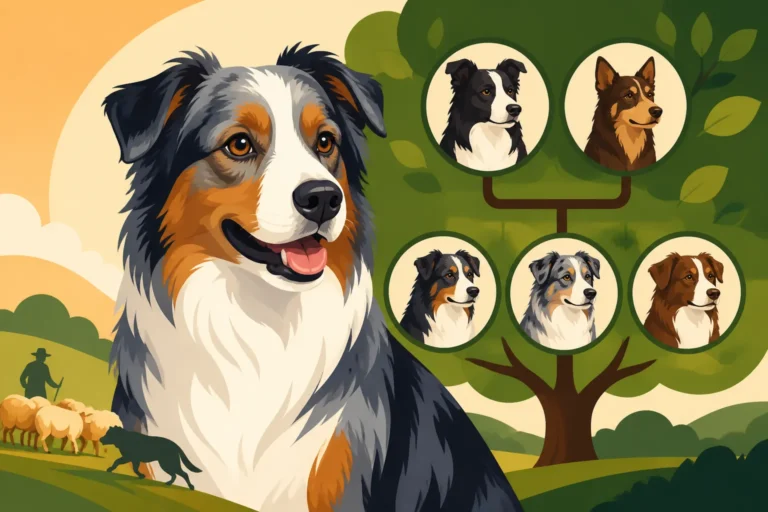
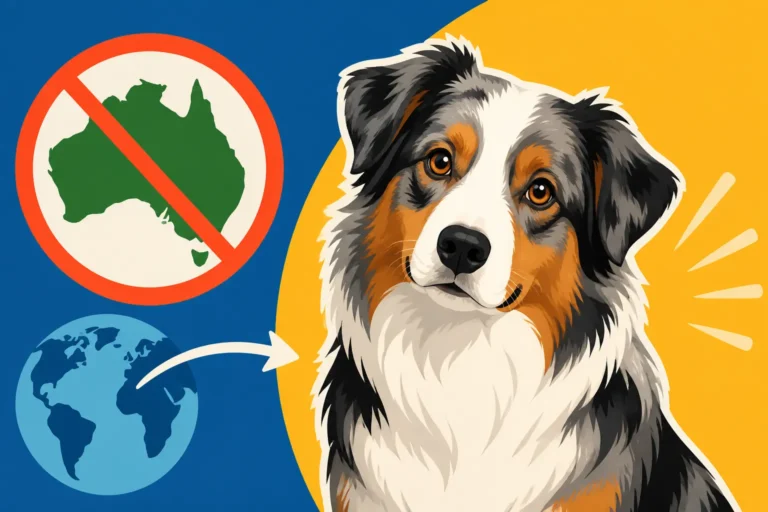
The Australian Shepherd, despite its name, is definitively an American breed, developed in the western United States during the 19th and early 20th centuries. Ranchers needed a versatile, intelligent, and tireless dog to work livestock, particularly sheep, and the Aussie fit the bill perfectly. These dogs were selected for their working ability, their keen intelligence, and their natural herding instincts, which meant they had to be tough, resilient, and capable of covering vast distances. Their lineage includes dogs brought over from the Basque region of the Pyrenees mountains, often via Australia, hence the "Australian" moniker, which stuck.
The emphasis in early Aussie breeding was purely on function: how well could they move stock? How intelligent were they? How durable were they on a ranch? This focus created a dog with immense drive, a powerful desire to work, and a loyalty that bonded them deeply to their human partners. This strong foundation of working genetics is still a core characteristic of the Australian Shepherd today, even in lines bred more for show or companionship. If you want to understand the deep-seated instincts, you might want to read Why Herding Instinct Is the Aussie Operating System.
The Miniature American Shepherd's Emergence: A Smaller Vision
The Miniature American Shepherd's story begins much more recently, in California, during the 1960s. Breeders specifically sought to create a smaller version of the Australian Shepherd, one that retained the intelligence, biddability, and striking appearance of its larger counterpart but in a more compact package. The initial goal was often to produce dogs that could still herd small livestock or perform in dog sports, but in homes or situations where a full-sized Aussie might be too large or too intense. These early small Aussies were eventually recognized as a distinct breed and given their own name, the Miniature American Shepherd, by the American Kennel Club (AKC) in 2015.
The development was about scaling down, not fundamentally changing, the core traits. However, when you breed for size, subtle shifts can occur over generations. While the MAS still carries that strong herding heritage, some lines may have been selected with a slightly less overwhelming drive, making them potentially more suitable for urban or suburban living than some of their larger cousins. It's a testament to dedicated breeders who wanted to offer the Australian Shepherd experience to a wider range of families.
Physical Differences Beyond Just Size
At first glance, the most obvious difference between an Australian Shepherd and a Miniature American Shepherd is, of course, their size. But if you look closely, there are other subtle distinctions in their build and appearance that contribute to their unique breed standards.
Size and Structure: The Most Obvious Distinctions
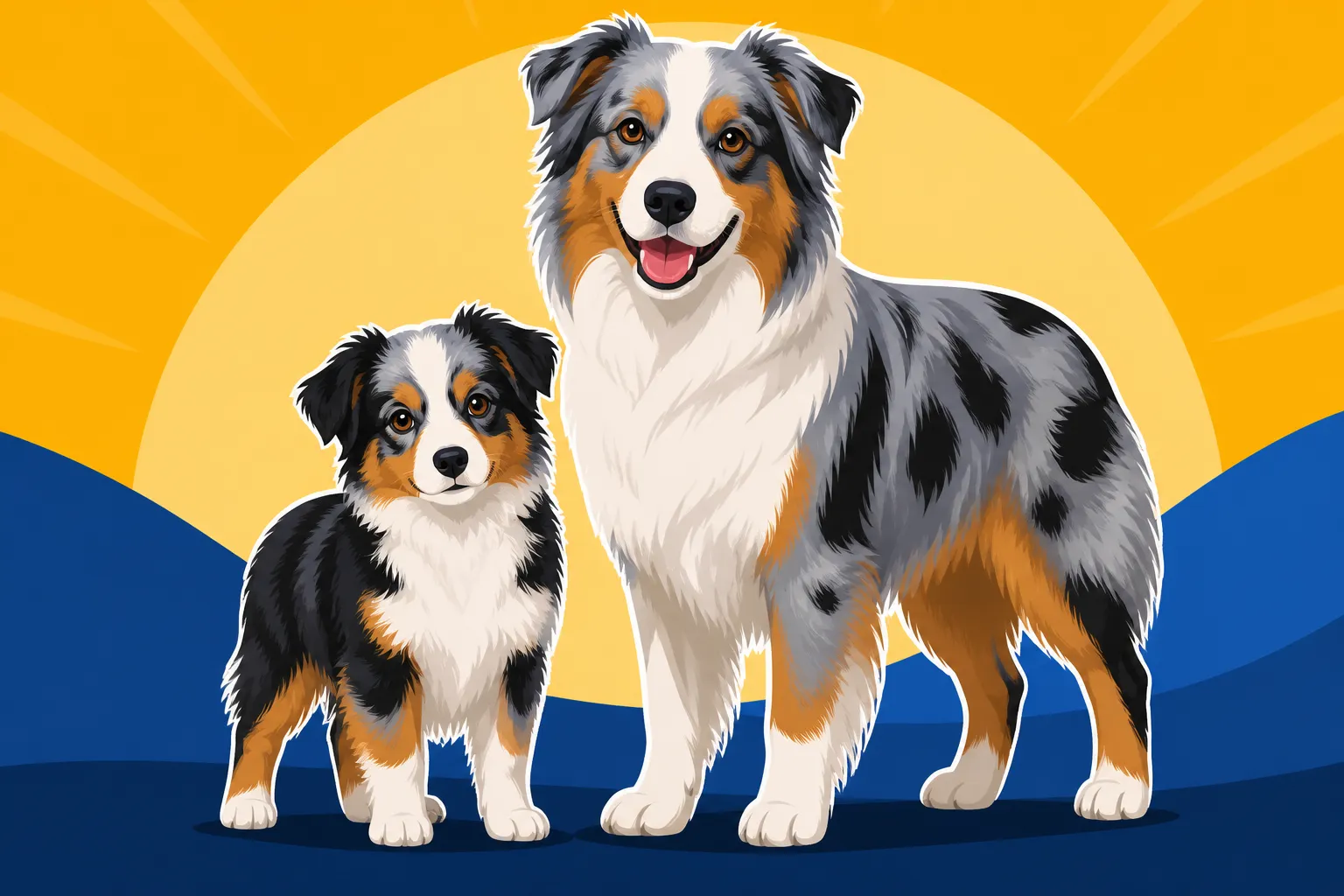
Let's get straight to the tape measure. The Australian Shepherd typically stands between 18 and 23 inches tall at the shoulder, with males generally being larger than females. Their weight can range from 40 to 65 pounds, sometimes even more for a particularly robust working male. They are built for endurance, with a sturdy, athletic frame that allows for agility and power in the field. Think of a dog that can spend all day trotting alongside cattle or sheep, and you picture an Aussie's build. You can find more details on their physical standard in How Tall a Male Australian Shepherd Stands.
The Miniature American Shepherd, on the other hand, usually stands between 13 and 18 inches at the shoulder and weighs anywhere from 20 to 40 pounds. This significant reduction in size is their defining characteristic. While still muscular and athletic, the MAS often appears slightly more compact, though they retain the strong bone structure and balanced proportions of their larger kin. They are not merely small Aussies; they are bred to be a distinct miniature breed, with a slightly different emphasis on conformation in their own standard. This means an MAS isn't just a runt Aussie; it's intentionally bred for its smaller size within its own lineage.
Coat and Color: Similarities and Subtle Variations
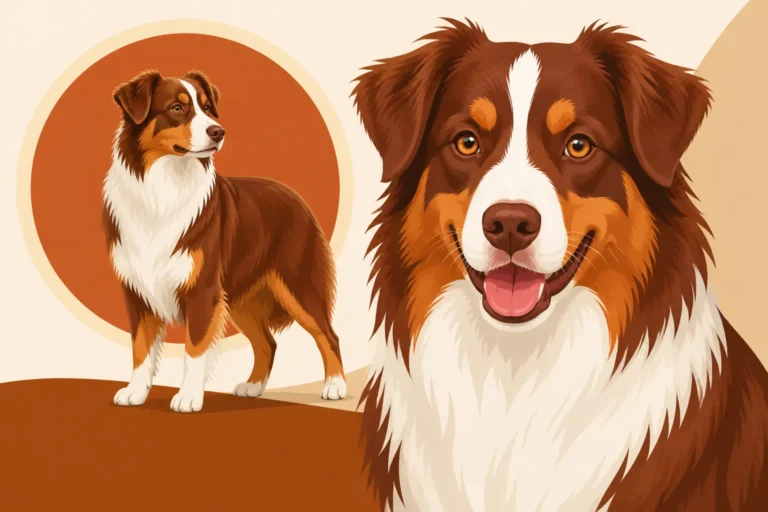
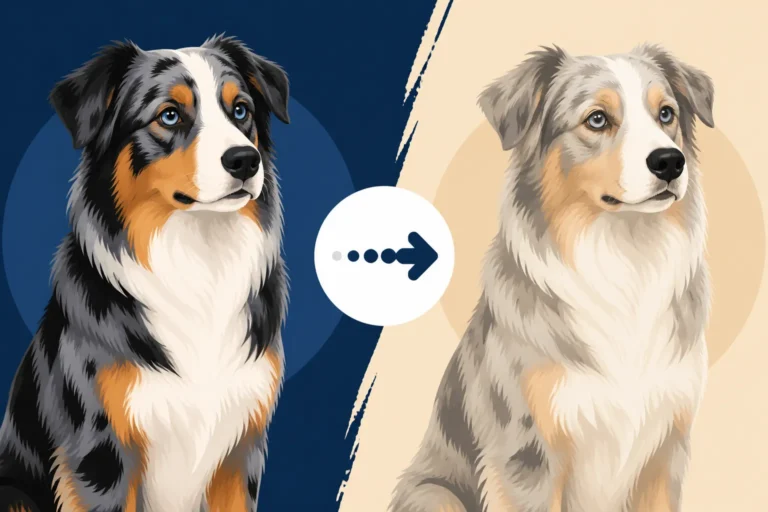
When it comes to their glorious coats and stunning colors, the two breeds are remarkably similar. Both possess the iconic medium-length double coat that provides protection from the elements, as well as the signature merle patterns, vibrant tri-colors, and beautiful bi-colors. You'll see blue merle, red merle, black tri, and red tri in both breeds, often with striking copper and white markings. Their eyes, too, can exhibit the same captivating range of blue, brown, amber, or even heterochromia (one blue, one brown, or marbled). You can learn more about these patterns by exploring Blue Merle Australian Shepherd Coat Patterns or Red Tricolor Australian Shepherds.
However, because the MAS population is newer and has a slightly different breeding history focusing on the 'mini' aspect, there can sometimes be a subtle, though not always universally true, difference in coat texture or density. Some MAS might have a slightly less profuse coat than a full-blooded working Australian Shepherd, but this is highly dependent on individual lines and breeding choices. For the most part, if you love the Aussie's aesthetic, you'll adore the MAS's, too, just scaled down. Both breeds require regular grooming to manage their double coats, especially during seasonal shedding, which you can read about in Twice-Yearly Coat Blow in an Australian Shepherd.
Tail and Overall Proportions
One fascinating shared trait is the natural bobtail, which can appear in both Australian Shepherds and Miniature American Shepherds. This is a genetic trait where dogs are born with naturally short or no tails at all. Historically, many working Aussies had their tails docked, partly to prevent injury while working livestock. With the MAS, the natural bobtail is also present and accepted within the breed standard.
Beyond the tail, both breeds are characterized by their balanced proportions. They are slightly longer than they are tall, which contributes to their agile, ground-covering gait. The ideal is a dog that looks athletic and capable, whether it's moving a flock of sheep or navigating an agility course. The head shape, ear set, and intelligent expression are also very much aligned between the two, making it clear they share a common ancestor. When you look at their overall outline, it's like looking at the same blueprint, just executed in two different sizes.
Temperament and Drive: Are They Really the Same Dog in a Smaller Package?
This is where many prospective owners seek clarity. If they're both descended from working Aussies, do Miniature American Shepherds possess the same intense drive and intelligence? The answer is nuanced, but generally, yes, they do.
Herding Instinct and Energy Levels
Both Australian Shepherds and Miniature American Shepherds are, at their core, herding dogs. This means they possess a strong, innate desire to gather and control movement. This instinct manifests as high energy, exceptional intelligence, and a need for a "job." They thrive on having a purpose, whether that's herding sheep, excelling in dog sports, or being your constant, active companion on adventures. You'll often see them trying to "herd" children, other pets, or even the family cat – gently, of course – simply because it's in their nature. This intrinsic drive is something you truly cannot train out. You can learn more about this by reading The Australian Shepherd Herding Drive You Cannot Train Out.
While the MAS retains this herding instinct, some lines, due to breeding choices, can be slightly less intense than some of the most high-drive working Australian Shepherds. This isn't a universal rule, and you'll find plenty of MAS with incredibly high energy and drive. However, if you compare the average pet-bred MAS to a working-line Aussie from ranch stock, the MAS might be a touch more manageable in a suburban setting. This isn't to say they are low-energy dogs; far from it. Both breeds require significant daily exercise and mental stimulation, and without it, they can become bored, destructive, or develop problematic behaviors like excessive barking or nipping. For appropriate toys and gear, many owners rely on platforms like Chewy for puzzle toys and durable chews.
Trainability and Adaptability
The intelligence and eagerness to please found in Australian Shepherds are equally prominent in Miniature American Shepherds. Both breeds are highly trainable, excelling in obedience, agility, flyball, dock diving, and, of course, actual herding trials. They pick up new commands quickly and enjoy the challenge of learning. This makes them fantastic partners for anyone committed to consistent, positive reinforcement training. Their biddability means they genuinely want to work with you.
However, their intelligence is a double-edged sword. A bored Aussie or MAS can quickly become a very clever troublemaker. They need mental engagement just as much as physical exercise. Puzzle toys, scent work, and learning new tricks are vital to keeping their minds stimulated. An MAS might be more adaptable to smaller living spaces like apartments if their exercise and mental needs are meticulously met. They still need ample opportunities to run, explore, and use their brains daily. Neglecting this aspect will lead to a frustrated dog, regardless of size.
Socialization and Stranger Tendencies
Both breeds are known for their loyalty and devotion to their families, often forming incredibly strong bonds. However, this intense loyalty can sometimes translate into a natural reserve or suspicion towards strangers. This isn't aggression, but rather a cautious, observant nature that stems from their herding background where they needed to protect their flock. Early and extensive socialization is crucial for both breeds to help them develop into well-adjusted, confident adults who are comfortable, though not necessarily effusive, with new people and experiences.
A poorly socialized Aussie or MAS can become fearful or overly reactive to unfamiliar situations. It's important to introduce them to a wide variety of sights, sounds, people, and other friendly dogs from a young age. While the MAS might be slightly less imposing due to its size, its natural wariness is still a strong trait. Never assume that a smaller size automatically means a more outgoing or less protective temperament. Both breeds require a dedicated owner who understands the importance of ongoing socialization throughout their lives. Consider classes like those found through Chewy-affiliated trainers or local puppy kindergarten programs.
Health Considerations and Lifespan
Given their shared lineage, it's not surprising that Australian Shepherds and Miniature American Shepherds also share many health predispositions. Understanding these is vital for responsible ownership.
Shared Genetic Concerns
One of the most well-known genetic issues common to both breeds is the MDR1 mutation. This gene mutation affects how dogs process certain medications, making them highly sensitive to a range of common drugs, including some flea and tick preventatives, anti-diarrhea medications, and even certain anesthetics. An affected dog can have severe, even fatal, reactions to these drugs. It is absolutely critical for owners of both Aussies and MAS to have their dogs tested for MDR1, and to inform their veterinarian of the results. This knowledge can literally save your dog's life. You can read more about this in The MDR1 Mutation Half of Australian Shepherds Carry or Testing an Australian Shepherd for MDR1.
Beyond MDR1, both breeds are also predisposed to certain eye conditions, such as Collie Eye Anomaly (CEA) and hereditary cataracts. Hip and elbow dysplasia are also concerns, especially in active dogs. Epilepsy, a neurological disorder causing seizures, is another condition seen in both breeds. Responsible breeders for both Australian Shepherds and Miniature American Shepherds will perform extensive health testing on their breeding stock to try and minimize the occurrence of these genetic conditions in their puppies. This is why it's so important to choose a reputable breeder who prioritizes health. A genetic panel is a must-have for both, and you can delve into The Genetic Panel Every Australian Shepherd Needs for more information.
Lifespan Expectations
Both Australian Shepherds and Miniature American Shepherds generally enjoy robust health and good lifespans when properly cared for. On average, you can expect either breed to live between 12 and 15 years. This is a considerable commitment, and it means preparing for many years of companionship, activity, and care.
Factors influencing lifespan include genetics (again, choose a good breeder!), diet, exercise, preventive veterinary care, and overall lifestyle. A balanced, high-quality diet, regular exercise, routine vet check-ups (including vaccinations and parasite prevention), and prompt attention to any health issues will all contribute to a long and healthy life for your furry friend. As they age, both breeds will require some adjustments to their care, which you can explore in Senior Australian Shepherd Care After Ten.
Living with an MAS vs. an Aussie: Which One is Right for You?
Deciding between these two wonderful breeds often comes down to lifestyle, living situation, and how much dog you feel equipped to handle. Both are fantastic companions, but their differences do impact daily life.
Exercise and Mental Stimulation Needs
This is perhaps the most critical factor. Both breeds are high-energy and highly intelligent, demanding significant daily exercise and mental stimulation. An Australian Shepherd typically needs at least 1-2 hours of vigorous physical activity every day, ideally broken into multiple sessions. This isn't just a leisurely walk around the block; it's fetch, running, hiking, swimming, or engaging in dog sports. On top of that, they need mental challenges like training sessions, puzzle toys, and enrichment activities. To neglect this is to invite trouble. You can read more on specific exercise needs in Australian Shepherd Exercise at One to Two Hours a Day.
The Miniature American Shepherd, while smaller, is still a powerhouse. They also require substantial exercise, often in the realm of 60-90 minutes daily, plus mental work. While they might burn off energy in a slightly smaller space, their need for activity and engagement is still very high. Don't be fooled by their size into thinking they are couch potatoes; they are just as keen to work and play as their larger cousins. A quick trip to the backyard isn't enough for either breed. Both will benefit immensely from a strong emphasis on mental games, such as those that can be purchased from Chewy, that challenge their intelligent minds.
Suitability for Different Lifestyles (Apartment vs. Ranch)
An Australian Shepherd thrives in an environment where they have space to move, ideally a securely fenced yard, or access to vast open areas for off-leash exercise. They are excellent ranch dogs, farm dogs, and companions for active outdoor enthusiasts. While they can adapt to suburban living, it requires a dedicated owner who can provide an outlet for their immense energy. They can struggle in very small apartments unless their humans are absolutely committed to daily, intensive outings and mental work, morning, noon, and night.
The Miniature American Shepherd is often touted as being "more apartment-friendly," and this can be true, but with a huge caveat: they still need all their exercise and mental stimulation, just like an Aussie. Their smaller size means they simply take up less physical space in your home. They can curl up on a smaller dog bed, fit more easily into a crate, and are less likely to accidentally knock over a lamp with their tail. However, their internal drive remains. If you live in an apartment, you must be prepared to commit to daily trips to the park, long walks, dog sports, or doggy daycare to keep an MAS happy and well-behaved. They also make fantastic companions for those involved in dog sports who need a slightly smaller, more portable dog to take to trials.
Grooming and Care Demands
Both breeds possess that beautiful double coat which, while stunning, does come with grooming responsibilities. They shed year-round, with heavier "coat blows" twice a year where they literally shed their entire undercoat. Regular brushing, at least 2-3 times a week, is essential to prevent mats and reduce shedding in your home. During coat blow season, daily brushing is often necessary. You'll need good quality grooming tools like a slicker brush and an undercoat rake, which are readily available through retailers like Chewy.
Neither breed should ever be shaved, as this can damage their protective double coat and interfere with their ability to regulate temperature. Routine care also includes nail trims, ear cleaning, and dental hygiene. Their active lifestyles mean their paw pads also need attention, especially after long hikes or runs on rough terrain. You can find useful tips in Australian Shepherd Paw and Coat Care After Fieldwork. The grooming demands are nearly identical for both breeds, requiring consistent effort to keep them looking and feeling their best.
Here's a quick comparison of the two breeds:
| Feature | Australian Shepherd | Miniature American Shepherd |
|---|---|---|
| Height (at shoulder) | 18-23 inches | 13-18 inches |
| Weight | 40-65 pounds (sometimes more) | 20-40 pounds |
| Origin | Western United States, 19th-early 20th C. | California, 1960s (from small Aussies) |
| Primary Purpose | Herding, working ranch dog | Companion, small livestock herder, sports dog |
| Energy Level | Very High | Very High |
| Mental Stimulation | Essential and extensive | Essential and extensive |
| Trainability | Highly intelligent, eager to please | Highly intelligent, eager to please |
| Socialization | Crucial for reserve towards strangers | Crucial for reserve towards strangers |
| Grooming Needs | Moderate to high (double coat, shedding) | Moderate to high (double coat, shedding) |
| Shared Health Concerns | MDR1, CEA, HD/ED, Epilepsy | MDR1, CEA, HD/ED, Epilepsy |
| Lifespan | 12-15 years | 12-15 years |
Ultimately, the choice between an Australian Shepherd and a Miniature American Shepherd isn't about one being "better" than the other. It's about finding the right fit for your home, your lifestyle, and your capacity to meet the needs of a highly intelligent, energetic, and devoted companion. Both breeds offer immense joy and challenge to the right owners, and understanding their nuances is the first step toward a fulfilling life together.
Disclaimer
This article is for general informational purposes only and does not constitute professional advice. Laws, prices and regulations vary by location and change over time. Consult a qualified professional for guidance on your specific situation.