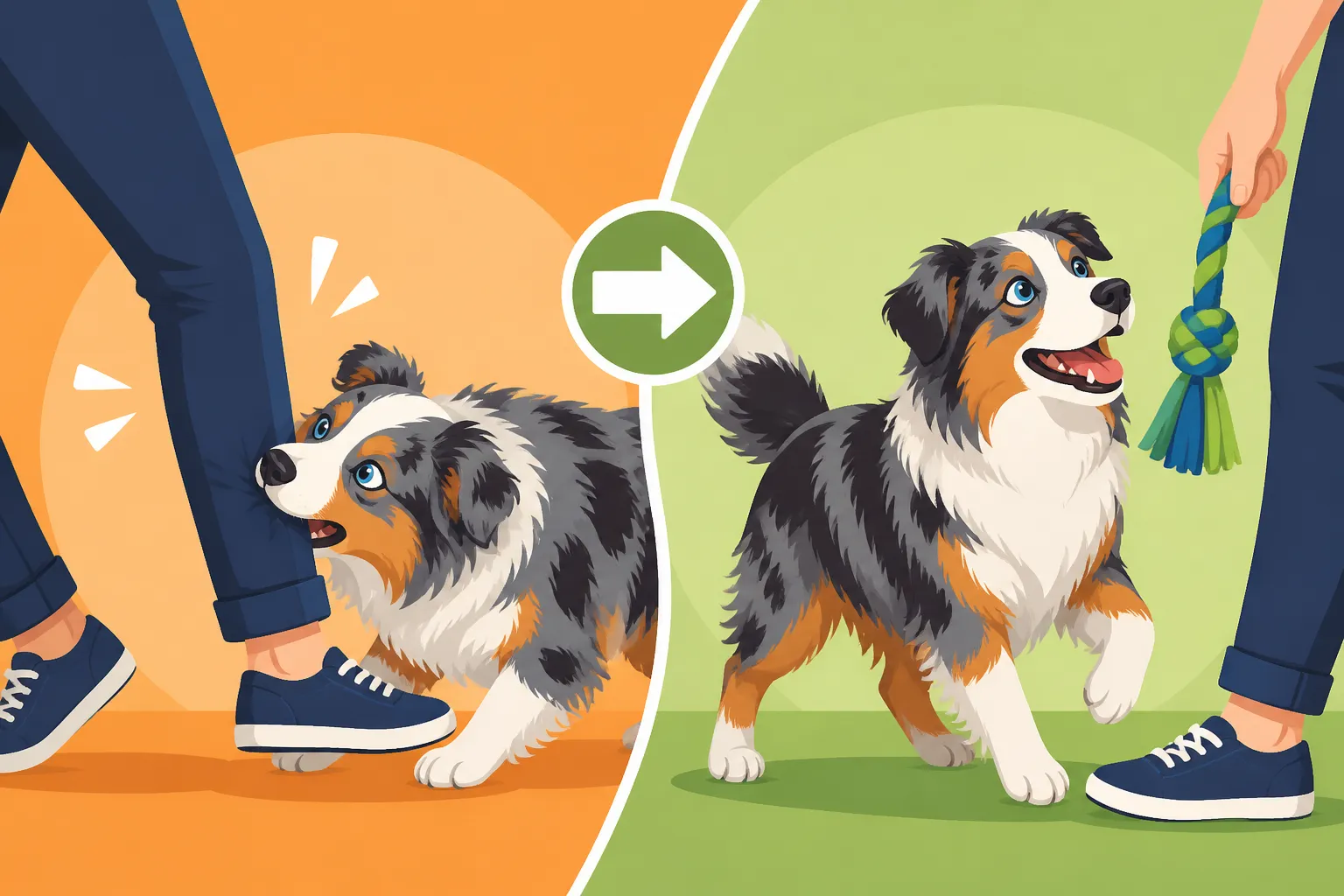
Australian Shepherd Heel Nipping and How to Redirect It
There's nothing quite like the boundless energy and sharp intelligence of an Australian Shepherd. But for many new Aussie parents, that incredible drive can quickly manifest in a less-than-pleasant way: the infamous heel nipping. It’s a frustrating behavior that leaves you feeling like a moving target, constantly dodging tiny, insistent teeth, wondering if your shoes will ever be safe again. This comprehensive guide will dive deep into why your beloved Aussie is nipping, the situations that trigger it, and, most importantly, provide actionable strategies to redirect this natural instinct into appropriate and fun outlets.
Understanding the Root of Australian Shepherd Heel Nipping
Let's face it, when your adorable Aussie puppy suddenly latches onto your ankle, it can feel like a betrayal! But before you label them "bad," it's crucial to understand that this behavior isn't out of malice. It's deeply ingrained, a hardwired part of what makes an Australian Shepherd, well, an Australian Shepherd.
The Powerful Herding Instinct
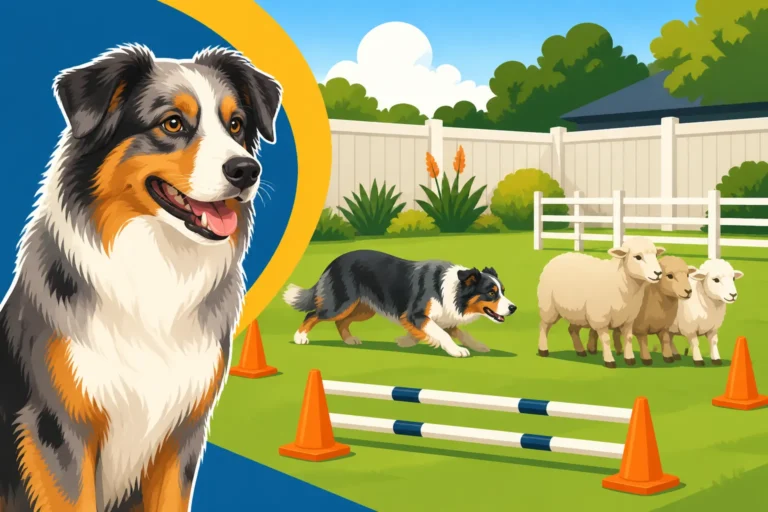
Australian Shepherds were originally bred to work livestock, primarily sheep and cattle, in the American West. Their job involved moving animals, often large and stubborn, from one place to another. How did they do this? By using their bodies, their gaze, and yes, sometimes their mouths. A quick nip to the flank or heel of an errant sheep was a highly effective way to encourage movement in the desired direction. This isn't aggression in the predatory sense; it's a learned, reinforced behavior that served a vital purpose for generations. When you're walking across the kitchen, your fast-moving feet, the swish of your trousers – they all mimic the movement of livestock. To your Aussie, you're just another sheep that needs to be "gathered." This is why The Australian Shepherd Herding Drive You Cannot Train Out is such a fundamental aspect of the breed. It's not something you can erase, but rather something you learn to manage and redirect.
Imagine being a young Aussie puppy. Your ancestors spent centuries perfecting the art of moving a flock. Now, you’re in a living room, and your human family is moving around. Your brain, brimming with instinct, sees those moving feet and thinks, "Ah, here's my job! These legs need to go somewhere, and I'm just the dog to make sure they do!" It's less about trying to hurt you and more about fulfilling a deep, genetic imperative to control movement. This powerful urge can be incredibly strong, especially in puppies and young adults whose instincts are still developing and haven't yet been channeled into appropriate tasks.
Nipping as Communication and Play
Beyond pure herding instinct, nipping, especially in puppies, is a form of communication and play. When puppies play with their littermates, they mouth, nip, and wrestle. This is how they learn bite inhibition – how much pressure they can exert with their jaws before causing pain. A littermate's yelp or disengagement teaches them that too much pressure ends the fun.
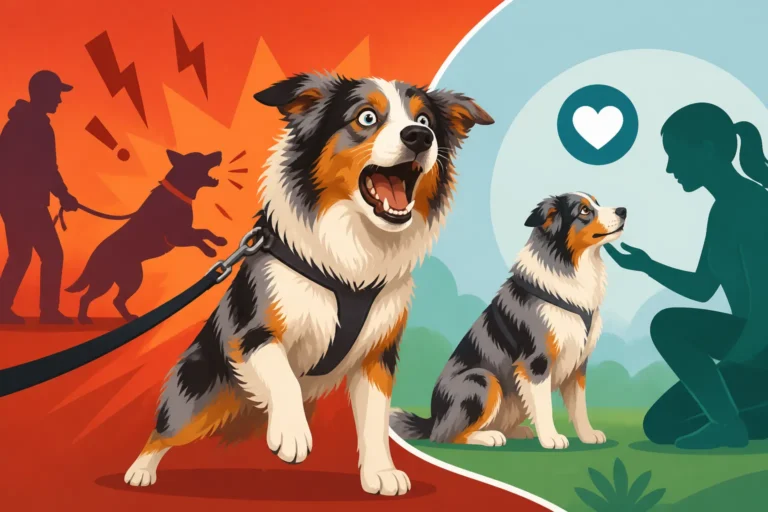
When a puppy comes into your home, you become their new "littermate." They'll try out those same play behaviors on you. Your hands, your pant legs, your heels – all fair game. It's their way of initiating play, exploring their world with their mouths, and testing boundaries. If your puppy nips your hand during play, it might be trying to tell you, "Hey, let's keep playing!" or "I'm excited!" It's crucial to differentiate this from true aggression. Aggressive biting usually involves stiff body language, growling, snarling, and a clear intent to cause harm, often rooted in fear or resource guarding. Heel nipping, while painful and annoying, is typically accompanied by a loose, wiggly body, a play bow, or other signs of high arousal and playful intent. Understanding this distinction is key to responding appropriately.
Overstimulation and Frustration as Triggers
Sometimes, nipping isn't just about instinct or play; it's a symptom of an underlying issue like overstimulation or frustration. Australian Shepherds are incredibly intelligent and sensitive dogs. They thrive on mental and physical engagement. When they don't get enough of either, or when they're simply overwhelmed by their environment, that pent-up energy and emotional overflow can come out as nipping.
Think about a child who, when tired or overwhelmed, might lash out or throw a tantrum. Dogs can be similar. A puppy that's been awake too long, or an adult Aussie who's had too much excitement without a chance to decompress, might resort to nipping. The constant movement of people, the sounds of a busy household, or even a lack of clear direction can lead to a state of heightened arousal where they can't quite regulate their impulses. This often ties into Australian Shepherd Overarousal and Frustration. When they’re in this state, their ability to think clearly and respond appropriately to commands diminishes, and they revert to instinctual behaviors like nipping to try and control their environment or express their discomfort. It's their way of saying, "I don't know what to do with all this energy/emotion!"
Identifying the Target: Who and What Aussies Nip
Once you understand why an Australian Shepherd nips, it becomes easier to anticipate who or what they're likely to target. This isn't random; it's based on that primal herding instinct that sees anything moving quickly as something to control.
The Ankles of Moving People
This is by far the most common complaint from Aussie owners. Whether it's the mail carrier, a guest walking through the living room, or especially children running and playing, those fast-moving feet and legs are irresistible. To an Aussie, a human moving quickly is akin to a sheep breaking from the flock. Their instinct kicks in, urging them to gather, to redirect, to keep the "flock" together.
Children are particularly vulnerable targets for several reasons. They move erratically, often squeal with delight or frustration, and are closer to the ground, making their ankles and calves prime real estate for a quick nip. An Australian Shepherd might see a child running through the yard and instinctively try to "herd" them by nipping at their legs, trying to get them to slow down or change direction. This can be terrifying for a child and lead to fear of the dog. It's not about being mean; it's about doing what comes naturally. Teaching children how to move calmly around an Aussie, and conversely, teaching the Aussie to leave moving feet alone, is paramount for a harmonious household. This is where topics like An Australian Shepherd Nipping a Toddler's Ankles become critically important. Consistent training is vital here, as every successful nip reinforces the behavior in the dog's mind.
Other Pets and Livestock
It's not just human ankles that get the Aussie treatment. Any other animal that exhibits fast, erratic movement can become a target. This includes cats, smaller dogs, chickens, or even horses if your Aussie has access to them. A cat streaking across the floor, a smaller dog darting past in play – these can all trigger that deep-seated herding response.
For cats, this often manifests as persistent chasing and body-slamming, sometimes escalating to nipping at the cat's hindquarters. While often not intended to harm, it can be incredibly stressful for the cat and lead to injuries if the Aussie gets too rough. Similarly, smaller dogs might find themselves constantly being "rounded up" or had their play interrupted by an insistent Aussie nip. When it comes to actual livestock, this behavior is a gift; in a multi-pet household, it's a challenge. Understanding the difference between a playful, albeit intense, herding attempt and actual predatory drive is important. While the initial impulse might be herding, if left unchecked, it can sometimes become frustrating for the Aussie and lead to more aggressive behavior if the "livestock" doesn't respond as expected. Resources like An Australian Shepherd Rounding Up the Family Cats can provide specific guidance on these inter-species interactions.
Inanimate Objects and Moving Vehicles
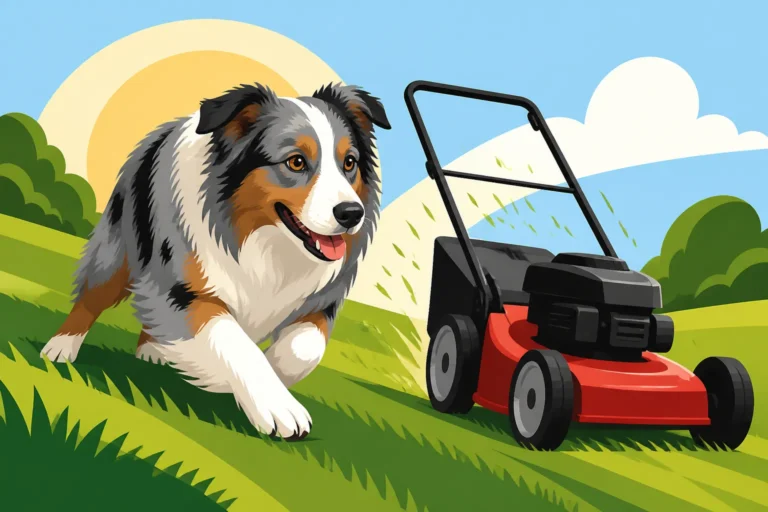
Interestingly, Australian Shepherds don't just target living things. Their intense focus on movement means that even inanimate objects or vehicles can become subjects of their herding attention. Have you ever seen an Aussie try to "herd" a vacuum cleaner? It's a classic scenario for many owners. The loud noise, the erratic movement – it all mimics a rogue member of the flock.
Skateboards, bicycles, lawnmowers, and even cars passing by can become triggers. An Aussie might lunge, bark, and nip at the tires of a bicycle, or try to "turn" a passing car by running alongside it and nipping at the bumper. This is a particularly dangerous manifestation of their instinct, especially near roads. These behaviors stem from the same fundamental drive: to control and direct movement. The dog isn't rationally thinking, "That's a car, it's dangerous." It's reacting on a deep, instinctual level to the visual stimulus of movement, just as it would a runaway sheep. Preventing these dangerous behaviors is critical, and often involves strict management and dedicated training. For more on this, you might find An Australian Shepherd Herding a Vacuum Cleaner an interesting read, as it highlights how pervasive this instinct can be.
Early Intervention: Managing Nipping in Australian Shepherd Puppies
The puppy stage is absolutely critical for establishing good habits and channeling that intense Aussie drive. Ignoring puppy nipping, hoping they'll "grow out of it," is a recipe for disaster. What's cute at 10 weeks is painful and problematic at 10 months.
Redirecting Nips Onto Appropriate Chews
One of the most effective strategies for puppy nipping is proactive redirection. Your puppy needs to chew and mouth; it's how they explore and relieve teething discomfort. The goal isn't to stop them from mouthing entirely, but to teach them what is acceptable to mouth.
Always have a variety of appropriate chew toys readily available. When your puppy starts to nip at your hands or clothes, immediately offer a suitable toy instead. Make the toy exciting – wiggle it, squeak it, make it more interesting than your fingers. If they take the toy, praise them lavishly. If they persist in nipping you, let out a sharp "ouch!" or "yelp!" (like a littermate would) and immediately withdraw your attention. Turn your back, cross your arms, and completely disengage for 10-15 seconds. This teaches them that nipping you makes the fun stop. As soon as they are calm, re-engage with them, offering a toy. Consistency is key here. Every person in the household must apply this rule every single time. Hard rubber toys, braided ropes, or even frozen carrots can be excellent alternatives. Brands available on Amazon offer a wide range of durable puppy chew toys designed to withstand strong jaws.
Teaching Bite Inhibition with Consistent Feedback
Beyond simply redirecting, teaching bite inhibition is about helping your puppy understand the pressure of their bite. Puppy teeth are needle-sharp, and even a "soft" bite can hurt. This is a critical life skill that helps prevent serious injuries if they ever nip an adult dog or person in the future.
When your puppy nips you too hard, even accidentally, give a high-pitched "ouch!" or "yelp!" immediately. Then, withdraw your hand or body part and disengage completely. Stop playing, stand up, and ignore them for 10-15 seconds. If they calm down, you can resume play, but if the hard nipping continues, repeat the process. The idea is to teach them that hard bites end the interaction. For very persistent puppies, you might even leave the room briefly. Over time, as your puppy learns to control the pressure of their bite, you can raise your threshold, only yelping for harder and harder bites, until they have a "soft mouth." This process is thoroughly explained in resources covering Australian Shepherd Puppy Biting and Herding Nips. Remember, this isn't about punishing your puppy, but about giving them clear, consistent feedback on their bite pressure.
Managing Energy Levels and Enforced Naps
An overtired Australian Shepherd puppy is often a cranky, mouthy puppy. Just like a toddler who's missed their nap, a puppy past its prime awake time can become overstimulated and resort to nipping, barking, and general mischief. Recognizing the signs of an overtired puppy – frantic play, zoomies, increased nipping, barking – is crucial.
Implement a structured schedule that includes regular periods of rest in a quiet, safe space like a crate or playpen. Enforced naps are a lifesaver for both you and your puppy. After a period of play, training, or exploration, guide your puppy to their crate with a chew toy or a puzzle feeder. Cover the crate if needed to reduce stimulation. This downtime allows them to decompress, process what they've learned, and prevents them from becoming overstimulated to the point of nipping. A well-rested puppy is much more receptive to training and less likely to resort to undesirable behaviors. This concept is so important that there's a specific discussion on Enforced Naps for an Overtired Aussie Puppy. Establishing these good habits early will pay dividends in their adult years.
Practical Strategies for Redirecting Adult Aussie Nipping
Adult Australian Shepherds still possess that strong herding drive, and if it's not given appropriate outlets, it will find its own, often unwelcome, expression. The key is to channel that energy and intelligence into productive, safe activities.
Providing Appropriate Herding Outlets
Since you can't train the herding drive out of an Aussie, you must provide acceptable outlets for it. Think about activities that mimic the chase, gather, and direct actions of herding, but with inanimate objects or in a structured way.
- Flirt Poles: These are fantastic! A stick with a rope and a lure (like a strip of fabric or a toy) at the end. You drag the lure on the ground, and your Aussie gets to chase, stalk, and "catch" it. It allows them to use their chase drive in a controlled manner. It's a great way to burn off energy and satisfy that predatory sequence without actually harming anything. While some might worry Whether a Flirt Pole Winds an Aussie Up, if used with clear "leave it" and "take it" commands and a cool-down period, it can be a highly effective tool.
- Herding Balls (Treibball): These are large exercise balls that your dog learns to push with their nose or body towards a goal. It's like "urban herding" and taps directly into their instinct to move objects. Look for durable herding balls specifically designed for dogs on platforms like Amazon.
- Formal Herding Lessons: If you have access, introducing your Aussie to actual livestock (sheep or ducks) under the guidance of an experienced herding trainer can be incredibly fulfilling for them. It gives them a real "job" to do and is the ultimate outlet for their natural talents. If real sheep aren't an option, Treibball as an Aussie Alternative to Sheep offers a compelling substitute.
These activities allow your Aussie to engage their natural instincts in a way that is safe, controlled, and mentally stimulating, reducing the urge to nip at people's heels.
Structured Training and Impulse Control
Beyond instinctual outlets, dedicated training focused on impulse control is vital. An Aussie needs to learn to pause, to wait, and to choose appropriate behavior even when their instincts are screaming otherwise.
- "Leave It" and "Drop It": These commands are paramount. "Leave It" teaches your dog to ignore something tempting (like a moving foot) and focus on you. "Drop It" teaches them to release something they have in their mouth. Practice these constantly with various distractions.
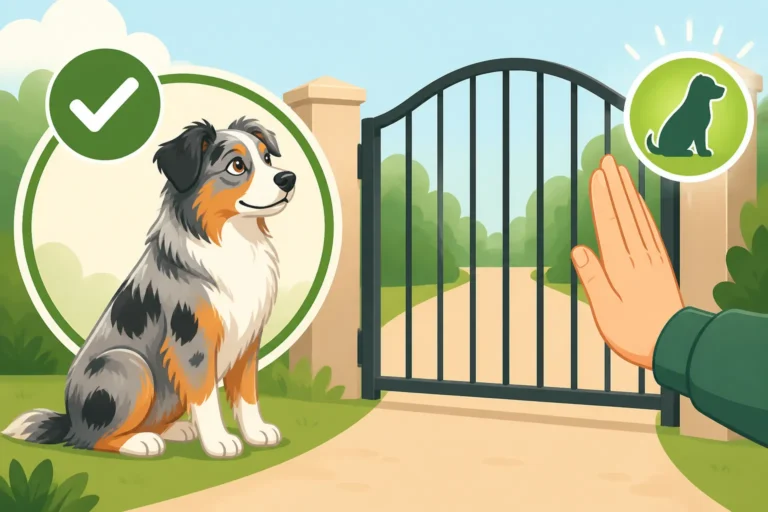
- "Stay" and "Go to Mat/Place": Teaching your Aussie to calmly stay on a mat or in a designated "place" during busy times (like when guests arrive or children are running around) can be a game-changer. It gives them a safe, quiet space and teaches them to self-regulate.
- Recall: A bomb-proof recall is essential. If your Aussie starts to fixate on a moving object or person, a strong "come" command can interrupt the behavior before it escalates.
Positive reinforcement is the foundation here. Reward calm behavior, focus on you, and successful impulse control heavily. Online training platforms like BAXTER & Bella offer comprehensive puppy and dog training programs that emphasize positive reinforcement and building impulse control, which can be invaluable for Aussie owners. Their structured approach can guide you through teaching these critical behaviors step-by-step. Consistency, patience, and high-value rewards will be your best friends.
Managing the Environment to Prevent Nipping
Sometimes, the simplest solution is prevention. By managing your environment, you can reduce opportunities for nipping and prevent the behavior from becoming ingrained.
- Leash Management: When guests are over or children are playing, keep your Aussie on a leash, even indoors. This gives you immediate control to prevent nipping. You can anchor the leash to yourself or a piece of furniture, providing a physical barrier.
- Gates and Crates: Utilize baby gates to create physical barriers between your Aussie and tempting moving targets (like small children or guests). When you can't actively supervise, a crate provides a safe, comfortable space where your Aussie can relax without practicing undesirable behaviors.
- Supervision: Never leave an Aussie unsupervised with small children or other vulnerable "livestock" if nipping is an issue. Active supervision means being ready to intervene, redirect, or manage the situation before it escalates.
- Avoidance: If you know certain situations trigger nipping (e.g., joggers, bikes), initially avoid those situations or manage them carefully. For example, walk your Aussie on a long line in a fenced area away from busy paths until their impulse control is solid.
Remember, prevention isn't a substitute for training, but it's a vital tool, especially in the early stages, to prevent the behavior from being reinforced. It gives you breathing room to train without constant interruptions.
Advanced Training and Professional Help for Persistent Nipping
While many nipping behaviors can be managed with consistent home training, some Australian Shepherds require more specialized intervention. It's important to recognize when you need to call in the cavalry.
Working with a Qualified Professional Trainer
If your Aussie's nipping is persistent, drawing blood, escalating into genuinely aggressive behaviors, or if you simply feel overwhelmed and unsure how to proceed, it's time to seek professional help. Not just any trainer will do; look for someone experienced with herding breeds and positive reinforcement methods.
A good professional trainer can assess your dog's individual temperament, identify specific triggers, and develop a customized training plan. They can teach you how to read your dog's body language more effectively, how to time your interventions, and introduce advanced techniques you might not be familiar with. They can also help rule out any underlying anxieties or fears contributing to the behavior. It’s important to thoroughly vet any trainer you consider, asking about their methods, certifications, and experience with Australian Shepherds. Vetting a Trainer Before Booking an Aussie is a crucial step to ensure you find the right fit for your dog and your family. A qualified trainer can be an invaluable partner in turning a challenging situation around.
Canine Sports as Productive Channels
For many Australian Shepherds, formal canine sports offer the perfect blend of physical exercise, mental stimulation, and a constructive outlet for their innate drives. These activities channel their incredible energy and intelligence into a structured "job."
- Agility: This popular sport involves guiding your dog through an obstacle course (jumps, tunnels, weave poles). It requires focus, teamwork, and burns a tremendous amount of physical and mental energy. Aussies excel at agility due to their speed, athleticism, and desire to work with their handler.
- Flyball/Disc Dog: If your Aussie loves to chase and retrieve, these high-energy sports could be a great fit. Flyball is a team relay race where dogs jump hurdles and retrieve a ball from a box. Disc dog involves catching flying discs.
- Scent Work/Nose Work: Taps into their incredible sense of smell. Dogs learn to identify and locate specific odors. This is a lower-impact activity that is hugely mentally stimulating and can be done by dogs of all ages and physical abilities.
- Obedience/Rally Obedience: While not as physically demanding as some other sports, these disciplines require intense focus and precision, providing excellent mental exercise and reinforcing impulse control.
Engaging in Australian Shepherd Agility and Disc Sports or other structured activities not only provides an outlet for their energy but also strengthens your bond and builds their confidence. A dog engaged in a job is far less likely to create its own, less desirable, "job" in the home.
Addressing Underlying Medical or Behavioral Issues
In some cases, persistent or sudden onset nipping, especially if it seems out of character, might have an underlying medical or behavioral cause. It's always a good idea to consult your veterinarian to rule out any pain or discomfort that could be contributing to the behavior. An Aussie with hip or elbow pain might lash out when touched or when trying to move away quickly.
Beyond physical ailments, certain behavioral conditions can manifest as nipping. Anxiety, fear, or even early signs of territorial aggression can sometimes be mislabeled as "just herding." If you notice a sudden change in behavior, increased reactivity, or signs of fear or stress alongside the nipping, a visit to a veterinary behaviorist can be incredibly beneficial. These specialists are veterinarians with advanced training in animal behavior and can offer a comprehensive diagnosis and treatment plan, which might include medication, specific behavior modification protocols, or a combination of both. Topics such as Sudden Aussie Aggression and a Vet Check underscore the importance of ruling out medical causes when behavior shifts unexpectedly. Don't hesitate to seek this level of expert help if you're concerned.
Living with and Appreciating the Aussie Drive
Having an Australian Shepherd is a commitment to a life of energy, intelligence, and deep loyalty. Nipping, while challenging, is just one facet of their incredible heritage. Learning to live with and appreciate their unique drive is part of the journey.
Shifting Your Perspective on Herding Behavior
It's easy to get frustrated when your Aussie is nipping your heels. But try to reframe it: this isn't a "bad" dog; this is a dog acting on centuries of carefully bred instinct. It's not maliciousness; it's a deep-seated desire to perform a job they were born to do. When you understand that this behavior stems from Why Herding Instinct Is the Aussie Operating System, it can help you approach the situation with more empathy and patience.
Instead of seeing the nipping as a personal affront, view it as a communication from your dog. They are telling you, "I have energy, I have instincts, and I need help channeling them!" This shift in perspective can make all the difference in your approach to training and management. It allows you to move away from punitive reactions and towards constructive solutions that honor your dog's natural inclinations.
Celebrating Their Intelligence and Work Ethic
The same drive that leads to heel nipping is also responsible for the Australian Shepherd's incredible intelligence, eagerness to please, and tireless work ethic. These are the traits that make them excel in everything from herding trials to agility courses, search and rescue, and therapy work. Their problem-solving abilities, focus, and athletic prowess are truly remarkable.
Once you learn to effectively manage their herding instincts and provide appropriate outlets, you'll find that their drive becomes a magnificent asset. They are quick learners, thrive on having a purpose, and are deeply rewarding partners for those willing to engage their minds and bodies. Celebrate their intensity, their alertness, and their unwavering dedication. These qualities, when properly directed, make them extraordinary companions.
Building a Stronger Bond Through Understanding
Ultimately, the journey of managing heel nipping is about building a stronger, more trusting bond with your Australian Shepherd. Through consistent training, clear communication, and providing appropriate outlets for their natural behaviors, you teach your Aussie that you understand them. You become their guide, their partner, and the one who helps them navigate a world that isn't always set up for a high-drive herding dog.
The effort you put into understanding and redirecting their instincts will deepen your relationship immeasurably. Your Aussie will learn to trust your leadership, knowing that you will provide them with fulfilling activities and clear boundaries. This leads to a more harmonious household, a more confident dog, and a truly exceptional partnership.
| Nipping Scenario | Common Trigger | Immediate Redirection / Management | Long-Term Training Goal |
|---|---|---|---|
| Nipping at people's heels | Fast-moving feet, children running | Yelping, disengaging, offering a toy (flirt pole, tug), leash control | Impulse control (leave it, stay), designated 'place' |
| Nipping during play | High arousal, excitement | "Ouch!" or yelp, stop play immediately, re-engage with appropriate toy | Bite inhibition, teaching a 'soft mouth' |
| Nipping at other pets | Chasing small animals, excitement | Leash control, physical barriers (gates), immediate interruption | "Leave It" for other animals, separate play sessions |
| Nipping at objects/vehicles | Moving objects (vacuum, bikes) | Physical barrier, "Leave It," redirect to appropriate chase toy | Strong "Leave It" command, desensitization (controlled) |
| Nipping when overstimulated | Too much activity, lack of rest | Enforced nap in crate, quiet time in a designated calming area | Consistent schedule, "off switch" training (mat work) |
Disclaimer
This article is for general informational purposes only and does not constitute professional advice. Laws, prices and regulations vary by location and change over time. Consult a qualified professional for guidance on your specific situation.