Australian Shepherd Startle at Loud Noises
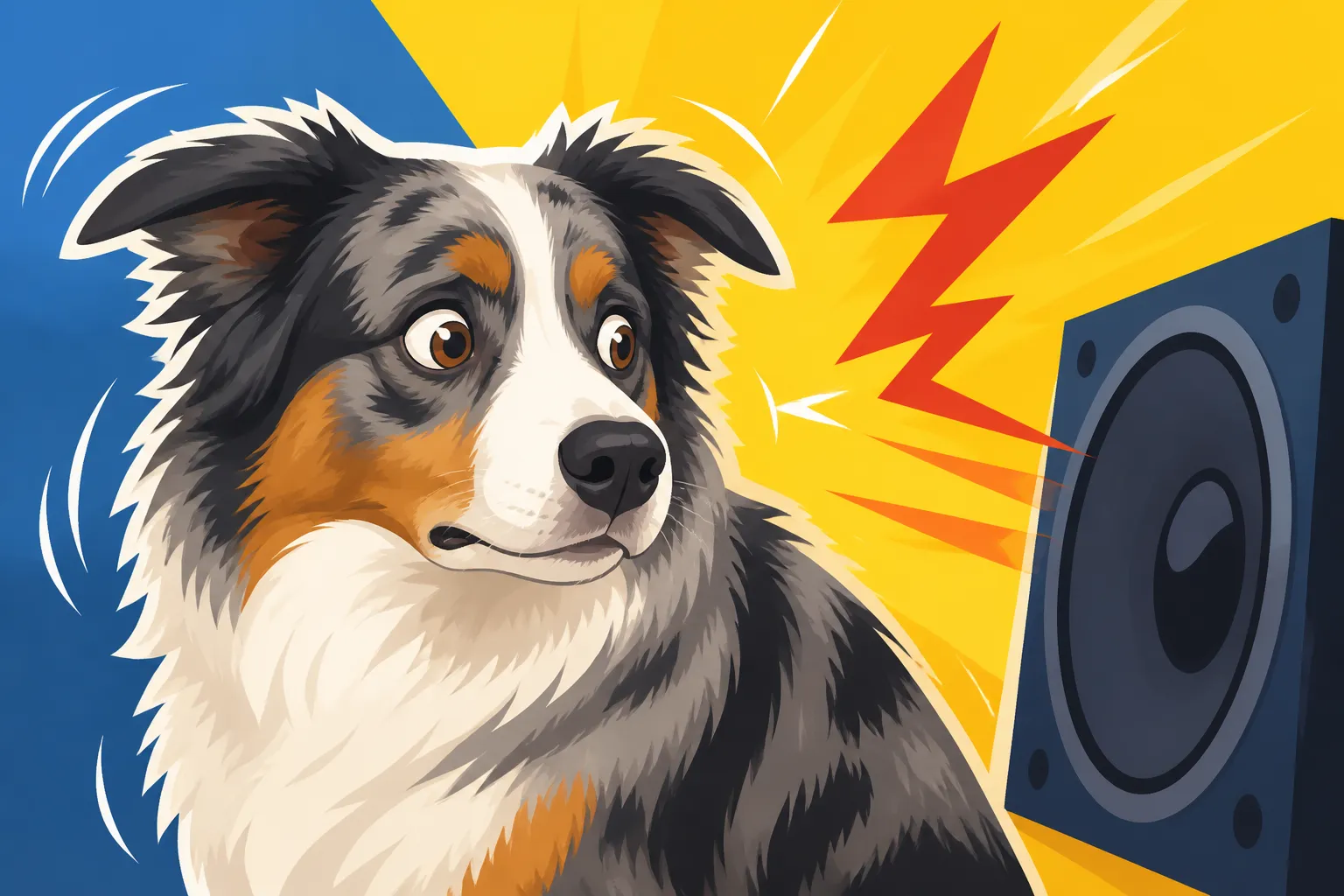
It's incredibly disheartening and often quite alarming when your vibrant, intelligent Australian Shepherd suddenly jumps, barks, or even cowers at a seemingly innocuous loud noise. You might feel like you're walking on eggshells in your own home, constantly trying to anticipate every bang, clang, or unexpected shout, worried about how your sensitive companion will react. This guide is here to walk you through understanding why Australian Shepherds can be so prone to startling at loud noises and, more importantly, equip you with practical, empathetic strategies to help your beloved Aussie navigate a noisy world with greater confidence and calm.
Understanding the Aussie Startle Reflex and Noise Sensitivity
Australian Shepherds are phenomenal dogs, known for their sharp minds, incredible agility, and unwavering loyalty. But those very traits that make them such excellent working partners and devoted family members can also predispose them to being quite sensitive to their environment, especially when it comes to sound. It's not just about being "scared"; it's a complex interplay of instinct, genetics, and learned associations.
The Herding Dog's Hyper-Awareness
Think about the original job of an Australian Shepherd: working livestock on a ranch. These dogs needed to be acutely aware of every subtle shift in their environment. A sudden rustle, a distant coyote howl, the crack of a branch – these weren't just background noises; they were crucial pieces of information that could mean the difference between a successful herd movement and a scattered flock, or even a threat. This constant vigilance bred over generations has hardwired a certain level of hyper-awareness into the breed. Their senses are finely tuned, and their brains are constantly processing stimuli. When a loud, unexpected noise occurs, it's not just "loud" to them; it's a potential disruption, a signal that something might be wrong, and their instinct is to react. This isn't a flaw; it's a deeply ingrained part of their operating system. You might find this hyper-awareness also contributes to Australian Shepherd Recall Around Moving Things.
Genetic Predispositions and Early Experiences
Just like people, dogs have individual temperaments. Some Aussies are naturally more laid-back, while others come wired with a higher degree of environmental sensitivity. Genetics play a significant role here; lines bred for intense working drive might inherently have a more heightened startle response because that quick reaction was a valuable trait for their ancestors in the field. Beyond genetics, early life experiences are crucial. A puppy raised in a quiet, isolated environment might find the sudden cacophony of a busy household or urban street overwhelming. Conversely, a puppy introduced to a wide variety of sounds, sights, and experiences in a positive, controlled way during its critical socialization period (roughly 3 to 16 weeks) is often better equipped to handle novel stimuli later in life. If an Aussie missed out on this crucial period, or had a negative experience with a loud noise as a youngster, that sensitivity can be amplified. This early exposure is why discussions around Australian Shepherd Puppy Health Checks at Eight Weeks often include behavioral assessments.
Common Triggers for Australian Shepherd Startle Responses
The world is full of sounds, and what might seem perfectly normal to us can be a thunderclap to our sensitive Aussies. Understanding what typically triggers their startle response is the first step in helping them cope. It's rarely malicious, often just an intense reaction to something their finely tuned senses perceive as startling or threatening.
Sudden, Sharp Noises Indoors
Our homes, for all their comforts, are full of potential noise triggers. These are often sounds we barely register, but for an Australian Shepherd, they can be jarring.
- Dropping things: A dropped pot in the kitchen, a phone clattering to the floor, or even a book falling off a shelf can cause a sudden jump. The metallic clang of a pot is particularly piercing.
- Loud appliances: The sudden whir of a blender, the beep of a microwave, or the startling bang of a washing machine reaching its spin cycle can all be problematic. Imagine the surprise if you were focused on something else and a loud, unexpected machine suddenly roared to life beside you.
- Unexpected human noises: A sneeze, a loud cough, someone yelling excitedly (even in joy), or an accidental bump into furniture can all elicit a startle. These are often less about the volume and more about the suddenness and unpredictability. For many Aussies, their sensitive nature means they are very attuned to human emotions and reactions, and sudden vocalizations can be particularly jarring.
Environmental Sounds Outside the Home
Stepping outside often means entering an even louder and less predictable soundscape. These are sounds that can be hard to control and often require more deliberate desensitization work.
- Traffic noises: Car backfires, loud motorcycle engines roaring past, the sudden blast of a car horn, or even the air brakes of a large truck can be incredibly startling. For an Aussie with a strong herding drive, these fast-moving, noisy objects can also trigger an urge to chase, compounded by the fear response. This can make An Australian Shepherd Chasing Cars a complex problem.
- Construction sounds: Jackhammers, saws, heavy machinery beeping, or the crash of debris – these are often sustained, intense, and unpredictable, making them particularly challenging.
- Weather phenomena: Thunderstorms are a classic example, leading many dogs to display fear. The sudden, booming crack of thunder, combined with flashing lightning and changes in atmospheric pressure, can be a multi-sensory assault. Fireworks, with their erratic bursts and concussive sounds, are another common and severe trigger, causing panic for countless dogs every year.
Unfamiliar and Intense Sounds
Sometimes, it's not just the volume, but the novelty or intensity of a sound that causes an issue.
- Alarms and sirens: The piercing wail of a smoke detector, a car alarm, or an emergency vehicle siren passing by can trigger an immediate, intense reaction. These sounds are designed to grab attention and signal urgency, and dogs certainly pick up on that.
- Children playing loudly: While many Aussies are wonderful with kids, the sudden shrieks, loud laughter, or excited shouts of children can be overwhelming, especially if the dog isn't used to it. The unpredictability of children's play can be a major factor.
- Loud music or crowds: Attending outdoor events, concerts, or even busy street fairs can be a sensory overload. The combined chatter of many voices, amplified music, and general hubbub can be far too much for a sensitive Aussie. It's often less about the individual sounds and more about the overwhelming blend of stimuli that makes them feel unsafe or overwhelmed, leading them to An Australian Shepherd That Gets Worse in the Evening when things get busy.
Strategies for Managing and Desensitizing Your Aussie to Loud Noises
Living with an Aussie who startles easily at noises can feel like a constant battle, but there are many proactive and compassionate ways to help them build confidence and cope. The goal isn't to eliminate their natural instincts entirely, but to help them understand that most loud noises aren't actually threats, and to reduce the intensity of their fearful reactions.
Creating a Safe Haven and Predictable Routines
One of the most powerful tools you have is to establish a sense of security and predictability for your Australian Shepherd. When they know they have a reliable retreat and a consistent routine, their overall anxiety levels can decrease, making them less reactive to sudden stimuli.
- Designate a "safe space": This should be a comfortable, quiet area where your Aussie can retreat when feeling overwhelmed. A crate, if properly introduced as a positive den, works wonderfully. Cover it with a blanket to muffle sound and provide a sense of enclosure. Fill it with soft bedding, a favorite chew toy, or a puzzle feeder. This isn't a punishment; it's their personal sanctuary. Make sure this space is always accessible, even when you're not home. For an Aussie, having a designated safe space, perhaps even a specific room, is vital for managing Australian Shepherd Noise Sensitivity and Startle.
- Use white noise or calming sounds: When you anticipate a noisy event (like a thunderstorm or fireworks night) or if your home is generally bustling, playing classical music, dog-specific calming tracks, or even just white noise can help mask sudden, sharp sounds. This creates a more consistent sound environment, reducing the jarring effect of unexpected bangs. You can find many excellent options on streaming services or even specialized pet sound machines.
- Maintain a consistent schedule: Dogs thrive on routine. Predictable feeding times, exercise schedules, and training sessions help an Aussie feel secure in their world. When their day is stable, unexpected noises are less likely to throw them completely off balance. A regular mental and physical exercise routine, tailored to their energy needs, also contributes to overall calm. Remember, Why Physical Exercise Alone Never Settles an Aussie.
Gradual Exposure and Positive Association
This is where the real work of desensitization happens. The idea is to slowly introduce your Aussie to the sounds they fear, but at such a low level that they don't react, while pairing the sound with something incredibly positive.
- Sound therapy tracks: You can find recordings of common fear-inducing sounds (thunder, fireworks, traffic, doorbells, etc.) online, often specifically designed for desensitization. Start playing these sounds very quietly, almost imperceptibly, while your Aussie is engaged in a highly enjoyable activity – maybe playing with their favorite toy, getting belly rubs, or eating a delicious meal.
- The process: Keep the sound volume so low that your dog doesn't even notice it. Over days and weeks, gradually increase the volume, but only if your dog remains completely relaxed. The moment you see any sign of tension (ears twitching, head snapping up, freezing, panting), you've gone too far. Reduce the volume immediately and restart from a point where they are comfortable. The goal is to keep them under threshold – never pushing them into a fearful reaction.
- Pairing with rewards: While the sound is playing at a comfortable volume, offer high-value treats or engage in a game they love. This creates a positive association: "Loud sound = good things happen!" Many trainers recommend using a clicker if your Aussie is clicker-trained to mark the moment of calm while the sound is playing, followed by a treat. Products like puzzle toys available on Amazon can be excellent for engaging your Aussie during these sessions, making the experience even more positive.
- Controlled real-world exposure: Once your Aussie is comfortable with sound recordings, you can try controlled exposure to real-world sounds. For example, if your Aussie startles at the blender, use it for a few seconds on a low setting while someone else is distracting them with a treat or toy across the room. Build up duration and intensity slowly.
- For outdoor sounds: Start by simply sitting with your Aussie further away from the source of a sound, like a busy street or a playground. Reward calm behavior. Gradually decrease the distance over many sessions, always ensuring your Aussie remains relaxed. If they show signs of stress, increase the distance again. This is a marathon, not a sprint.
- Professional tools: Tools like thundershirts can provide a calming pressure, similar to swaddling a baby, which can reduce anxiety for some dogs during noisy events. You can explore these and other calming aids on platforms like Amazon. For ongoing training, BAXTER & Bella offers online training programs that can guide you through desensitization techniques with expert advice.
When to Seek Professional Guidance
Sometimes, despite your best efforts, an Australian Shepherd's noise sensitivity is severe or even escalates into full-blown noise phobia. If your Aussie displays extreme panic, destructive behavior, or self-harm (like scratching or chewing themselves) during noisy events, it's time to bring in the cavalry.
- Consult your veterinarian: Rule out any underlying medical conditions that might be contributing to their anxiety or pain, making them more sensitive. Your vet might also discuss anti-anxiety medications or supplements that can help reduce your Aussie's baseline stress, making training more effective. Medications aren't a magic bullet, but they can lower the "noise" in your dog's head enough for them to be receptive to learning. This is particularly important if you suspect a more general Australian Shepherd anxiety.
- Seek out a certified professional dog trainer or veterinary behaviorist: These experts specialize in behavior modification. They can assess your Aussie's specific triggers and reactions, develop a tailored desensitization and counter-conditioning plan, and guide you through the process step-by-step. They can also help identify if the fear is escalating to a genuine phobia requiring more intensive intervention. A veterinary behaviorist, in particular, can prescribe and manage medication in conjunction with behavior modification. When choosing a trainer, make sure they use positive reinforcement methods, as punishment can worsen fear and anxiety in an already sensitive dog. For Aussies, finding a trainer who understands their innate The Australian Shepherd Herding Drive You Cannot Train Out and intense focus is crucial.
- Don't inadvertently reinforce fear: It's a natural human instinct to comfort a scared dog, but sometimes fussing over them can inadvertently reinforce the idea that there is something to be afraid of. Instead of saying "It's okay, poor baby," try to be calmly present. If your Aussie seeks comfort, provide gentle, reassuring physical contact without excessive coddling. Better yet, redirect their attention to a game or a high-value chew, showing them that life continues as normal, and there's nothing to fear. The goal is to be a calm, confident leader who signals safety, not a panicky co-pilot.
Helping your Australian Shepherd overcome their startle response to loud noises is a journey of patience, consistency, and empathy. By understanding their unique sensitivities, implementing structured desensitization, and knowing when to seek professional help, you can empower your Aussie to navigate the noisy world with greater peace and confidence, allowing both of you to enjoy life together more fully.
Disclaimer
This article is for general informational purposes only and does not constitute professional advice. Laws, prices and regulations vary by location and change over time. Consult a qualified professional for guidance on your specific situation.