Classes That Can Handle an Aussie Puppy
Bringing home an Australian Shepherd puppy is an exciting time, but it often comes with the immediate, overwhelming question of "What kind of puppy class should we sign up for?" Many new Aussie owners find themselves frustrated by generic puppy classes that don't quite understand their pup's unique blend of high intelligence, intense herding instincts, and sometimes surprising sensitivity. This guide will walk you through what makes a puppy class truly suitable for your bright, energetic Australian Shepherd, and what to look for to ensure a positive and productive experience.
Why a "Regular" Puppy Class Might Not Cut It for Your Aussie
Australian Shepherds are not your average fluffy, laid-back pups. They were bred for generations to work closely with humans, think independently, and manage livestock – often in high-pressure situations. This genetic heritage means they come with a distinct set of traits that can sometimes clash with the structure, or lack thereof, in a typical basic puppy class.
High Drive and Intelligence Can Be a Double-Edged Sword
Your Aussie puppy is likely a quick learner, soaking up new commands and routines like a sponge. This is fantastic for training, but it also means they can get bored quickly if the class isn't stimulating enough. A bored Aussie isn't just a sleepy Aussie; it's often a creative Aussie who invents its own entertainment, which might involve herding the other puppies, nipping at ankles, or figuring out how to open the treat container. These behaviors, while natural for the breed, can be disruptive in a general class setting and might even earn your pup an unfair label as "naughty" or "unruly."
Moreover, that high drive means they react intensely to movement. In a free-for-all puppy playtime, your Aussie might instinctively try to control the chaos by circling or An Australian Shepherd Herding Children in the Yard, which can escalate into overly intense play or even conflict with other puppies who don't understand their signals. A class that doesn't acknowledge or redirect these instincts effectively can be more detrimental than helpful, creating negative associations with other dogs or training environments.
Sensitivity and Unique Socialization Needs
While eager to please and intelligent, many Australian Shepherds can also be surprisingly sensitive to new environments, loud noises, or overly boisterous interactions. They often have a reserved nature with strangers, which is a desirable trait in a working dog who needs to focus on its handler, but can be misunderstood in a social setting. A busy, noisy puppy class with many unfamiliar dogs and people can be overwhelming for a sensitive Aussie, potentially causing them to shut down, hide, or become reactive.
Effective socialization for an Aussie isn't just about exposing them to everything; it's about carefully curating positive, controlled experiences. Dropping them into a free-for-all with no guidance can lead to fear or overarousal, rather than confidence. We're looking for quality over quantity when it comes to early exposure, ensuring each interaction helps them build resilience without overwhelming their keen senses. This is particularly important because Aussies are known to internalize negative experiences, potentially leading to anxiety or reactivity later in life.
Key Features of an Ideal Puppy Class for Australian Shepherds
When you're searching for the perfect learning environment for your Australian Shepherd puppy, you'll want to look beyond the basic "sit" and "stay." An ideal class understands the breed's specific needs and builds upon their natural talents.
Structure, Small Size, and Experienced Trainers
The first thing to prioritize is a class with a clear, well-defined structure. This means not just a list of commands, but a thoughtful progression that builds skills and confidence. Small class sizes are crucial for an Aussie, allowing the trainer to give individualized attention and quickly recognize when your puppy might be feeling overwhelmed or getting too rambunctious. A class with more than 6-8 puppies can quickly become chaotic, making it difficult for an Aussie to focus or for the trainer to manage individual needs.
The trainer's experience is paramount. Look for someone who has direct experience with herding breeds like Australian Shepherds or Border Collies, and who understands Why Herding Instinct Is the Aussie Operating System. They should be able to offer specific strategies for managing heel-nipping, channeling energy, and building impulse control. An experienced trainer can read subtle Aussie body language, intervene before issues escalate, and offer tailored advice that generic trainers might miss. They won't just tell you what to do; they'll explain why it works for an Aussie.
Positive Reinforcement and Engaging Activities
Australian Shepherds thrive on positive reinforcement and engagement. Harsh corrections or punishment-based methods are not only ineffective for this sensitive breed but can also damage their trust and willingness to work with you. A good class will utilize reward-based training, focusing on making learning fun and motivating. This includes using high-value treats, toys, and praise to mark desired behaviors. You want a class where your puppy is excited to participate, not fearful of making a mistake.
Beyond basic commands, the class should incorporate engaging activities that challenge your Aussie's brain and body in appropriate ways. Think about obstacle courses for puppies, introduction to simple scent games, or controlled exercises that build focus around distractions. These activities tap into their natural problem-solving abilities and help them learn how to focus their intense energy. A class that includes short bursts of structured, supervised play with appropriate playmates, guided by the trainer, can also be invaluable for Socializing an Aussie Puppy Off the Farm without allowing things to get out of hand. Many online programs, such as those offered by BAXTER & Bella, also incorporate these engaging methods, making them an excellent supplemental resource for at-home practice.
Beyond Basic Obedience: Building Life Skills
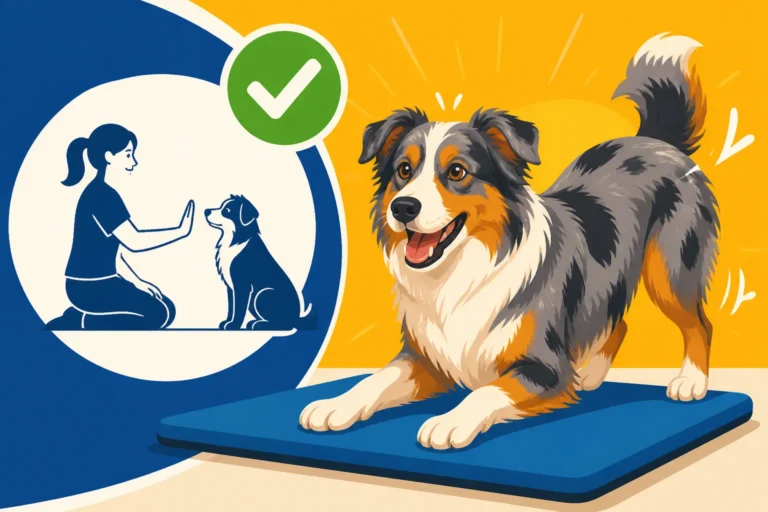
While "sit," "stay," and "come" are foundational, an ideal Aussie puppy class goes further. It should focus on crucial life skills that prevent common Aussie behavior problems. This means exercises for impulse control, such as waiting at doors, leaving dropped items, or settling calmly on a mat. It should also include desensitization to various sights, sounds, and textures in a controlled manner, helping your Aussie build confidence without becoming reactive.
Look for a curriculum that includes things like handling exercises, polite greetings with strangers (if appropriate and controlled), and practicing focus in distracting environments. These are the skills that will serve your Aussie throughout its life, helping them navigate the world with confidence and good manners. A class that incorporates short "recess" periods for mental decompression or structured quiet time can also be incredibly beneficial for teaching an Aussie to regulate its own arousal levels, which is vital for a breed that can easily become overstimulated.
Here's a quick comparison of what to look for and what to avoid:
| Feature | Ideal Aussie Puppy Class | Less Suitable/Red Flag Class |
|---|---|---|
| Class Size | Small (4-8 puppies) for individual attention | Large (10+ puppies) leading to chaos |
| Trainer Experience | Experienced with herding breeds, positive reinforcement | Generalist, uses outdated or harsh methods |
| Curriculum Focus | Impulse control, life skills, brain games, controlled play | Only basic commands, extended free-for-all play |
| Learning Environment | Calm, structured, engaging, positive reinforcement | Noisy, chaotic, punitive, overwhelming |
| Handling Distractions | Gradual introduction, focus games around distractions | Expects instant obedience in high-distraction environments |
| Playtime | Short, supervised, trainer-mediated, appropriate pairings | Unstructured, long, free-for-all play with no oversight |
Red Flags: When a Puppy Class Isn't Right for Your Aussie
Just as important as knowing what to look for is knowing what to avoid. The wrong class can do more harm than good, reinforcing undesirable behaviors or even creating new anxieties in your sensitive Australian Shepherd.
Overwhelmed by Chaos and Lack of Structure
One of the biggest red flags is a class that feels like pure pandemonium. If the puppies are constantly running wild, jumping on each other, and the trainer struggles to regain control, it's not a good environment for an Aussie. For a breed that thrives on routine and predictability, constant chaos can be incredibly stressful. Instead of learning, your puppy might either shut down completely, becoming fearful and withdrawn, or conversely, become overstimulated and reactive. An Aussie who is constantly in a state of high arousal during class will struggle to learn anything productive, and this kind of environment can lead to them An Aussie That Gets Worse in the Evening after class, unable to settle.
Furthermore, a lack of structured play is a huge concern. While puppy play is important, it needs to be carefully managed. If the class allows puppies to just "figure it out" without trainer intervention, your Aussie might fall into their natural herding pattern, nipping and circling, or they might become a target for more boisterous breeds, leading to negative social experiences. A good trainer steps in to facilitate appropriate play, teach polite interactions, and give puppies "cool-down" breaks.
Trainers Who Don't "Get" Aussies
Beware of trainers who dismiss your concerns about your Aussie's specific traits. If a trainer tells you to "just let him work it out" when your puppy is trying to herd other dogs, or if they don't have strategies for Redirecting an Aussie Puppy Teeth Onto a Toy away from your ankles, they might not be the right fit. An Aussie's intelligence and drive require a trainer who understands how to channel those traits constructively, rather than just trying to suppress them. A trainer who defaults to harsh leash corrections or intimidation tactics for behaviors stemming from natural herding instinct is not only ineffective but can seriously damage your puppy's confidence and your bond.
It's also a red flag if the trainer seems unfamiliar with common Aussie health concerns like the MDR1 mutation, which can affect their reaction to certain medications. While not directly related to training, it speaks to a broader lack of breed-specific knowledge. Before committing to a class, don't hesitate to interview potential trainers and ask about their experience with working breeds and their philosophy on Group Class Against Private Aussie Training for dogs with high drive. A reputable trainer will be happy to discuss their methods and how they accommodate different breeds.
Beyond Puppy Class: Continuing Your Aussie's Education
Puppy class is just the beginning of a lifelong learning journey for your Australian Shepherd. Their sharp minds and energetic bodies thrive on continued mental and physical stimulation. Even if you find the perfect puppy class, think of it as a foundation, not the finish line.
Online Resources and At-Home Training
For Aussies, consistent, daily training is key. Online programs can be an incredible resource for this, offering structured lessons you can follow at your own pace from the comfort of your home. BAXTER & Bella, for example, offers comprehensive online puppy programs that cover everything from basic manners to more advanced skills, often with video demonstrations and virtual support. These programs are particularly useful for reinforcing what's learned in class or for providing an alternative if suitable in-person classes are scarce.
Supplementing formal classes with at-home training is vital. Set aside short, frequent sessions (5-10 minutes) throughout the day to practice commands, teach new tricks, and engage in Mental Work That Actually Tires an Australian Shepherd. Puzzle toys, sniffy walks, and even just practicing "find it" games with treats hidden around the house can provide immense mental stimulation. Platforms like Amazon offer a vast array of enrichment toys and training aids that can help keep your smart Aussie engaged and prevent boredom-induced mischief. Consistency is far more important than intensity when it comes to ongoing training for an Aussie.
Private Training and Workshops
If your Aussie has specific behavioral challenges, or if you're looking to delve into a particular dog sport, private training or specialized workshops might be a better fit than a group class. One-on-one sessions with a trainer experienced in Australian Shepherds can address issues like reactivity, resource guarding, or advanced obedience in a tailored manner. This personalized approach can be incredibly effective because the trainer can focus entirely on your dog's unique needs and your specific goals.
Workshops on topics like impulse control, leash manners, or even introductory agility or herding can also be fantastic for your Aussie. These intensive, short-term programs often provide a deeper dive into specific skills and allow you to learn from experts in niche areas. Before signing up for any private trainer or workshop, always ensure you've done your due diligence and are happy with their philosophy and experience. Don't be afraid to ask for references or observe a session before committing to anything. Vetting a Trainer Before Booking an Aussie is a critical step to protect your Aussie's learning experience.
Building a Socialization Plan Beyond Class
Even after puppy class, your Aussie's socialization journey continues. True socialization isn't just about meeting other dogs; it's about confidently navigating the human world. This means continuing to expose your puppy to a variety of sights, sounds, people, and environments in a positive and controlled way. Think about trips to pet-friendly stores (if your pup is calm), quiet walks in different neighborhoods, or controlled playdates with known, well-mannered dogs.
The goal is to teach your Aussie that the world is a safe and interesting place, not one that needs to be herded or feared. Remember to always keep these experiences positive, using treats and praise, and never force your puppy into an uncomfortable situation. Pay close attention to their body language; if they seem stressed, it's time to create distance or end the interaction. A well-socialized Australian Shepherd is a joy to live with, adapting confidently to various situations, and it's a testament to the ongoing effort you put into their development beyond the confines of a puppy class. You can find excellent advice on this by checking out The Australian Shepherd Socialization Checklist.
Disclaimer
This article is for general informational purposes only and does not constitute professional advice. Laws, prices and regulations vary by location and change over time. Consult a qualified professional for guidance on your specific situation.