An Australian Shepherd That Guards the Car
It’s a scenario many Australian Shepherd owners know all too well: you pull up to the grocery store, maybe just running in for a quick item, and suddenly your otherwise sweet, loyal companion transforms into a growling, barking sentinel, convinced that everyone approaching the car is a threat. This guide is here to help you understand why your Aussie might be guarding the car, what those behaviors mean, and how you can work to manage and ultimately shift this challenging instinct into a more relaxed response.
Understanding Why Your Aussie Guards the Car
The first step to addressing any challenging behavior is to truly understand its root cause, and with Australian Shepherds, that almost always traces back to their profound genetic heritage as working dogs. Car guarding isn't just a random act; it's often a misapplication of their deeply ingrained instincts, amplified by the modern environment.
The Herding Instinct and Territory
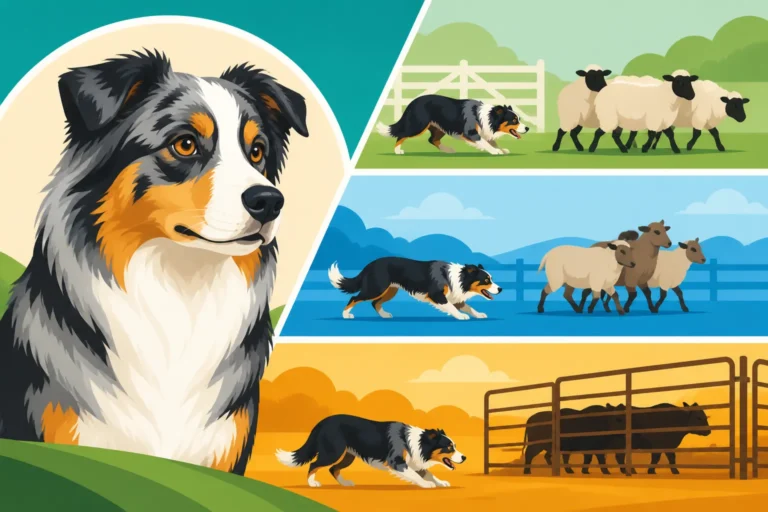
Australian Shepherds were bred for centuries to manage and protect livestock. They are intensely aware of their surroundings, keenly observing movement, and possess a strong desire to keep their "flock" safe and organized. When your Aussie is in the car, that vehicle often becomes their perceived territory, and you, the family, and any items within become their personal flock. This isn't necessarily aggression in the human sense, but rather an overzealous attempt to do their job – to maintain order and repel perceived threats from their assigned space and its contents.
Imagine an Aussie on a ranch, surveying its sheep. It knows where every sheep should be, and any deviation, any unknown presence, is met with vigilance. Now translate that to a car parked on a busy street. Every passerby, every person walking too close, every other dog, is seen as a potential disruptor to their "flock" (you, in the car) and their "territory" (the car itself). They aren't trying to be a menace; they're genuinely trying to perform their historical role, even if the context is completely inappropriate. This intense The Australian Shepherd Herding Drive You Cannot Train Out is powerful and requires redirection, not suppression.
This instinct can be incredibly frustrating for owners who just want to take their dog along for errands without incident. It’s hard to remember that your dog isn't trying to embarrass you, but rather is acting on instincts that have served their breed for generations. The key is to teach them that you are in control of the flock and the territory, and their job isn't to be the car's security guard.
Resource Guarding and Perceived Threats
Beyond pure territorial herding instinct, car guarding can also be a form of resource guarding. For many dogs, the car is a cozy, familiar space where they get to spend time with their favorite people and often go to exciting places like the park or a hiking trail. This makes the car itself, and everything within it (including you!), a high-value resource. When an Aussie guards the car, they are communicating, in no uncertain terms, that this resource is theirs, and they intend to keep it safe from perceived intruders.
A "perceived threat" doesn't have to be an actual danger. It can be a child on a bicycle, another dog walking by, someone approaching the driver's side window, or even a family member trying to open the back door. The dog might feel insecure about these interactions, leading them to believe that the best defense is a strong offense. The growling, barking, and lunging are often an attempt to create distance and assert control over what they consider their property. They are saying, "Stay away from my stuff and my people!" This deep-seated protection instinct, when misdirected, can create stressful and sometimes dangerous situations.
It's crucial to understand that a dog who resource guards isn't necessarily a "bad" dog; they're often anxious or insecure about losing something they value. The car can feel like a small, confined space where they are trapped but also responsible for protection. This combination of confinement and perceived threat can quickly escalate a dog's reaction beyond what might happen in an open, neutral environment.
Early Experiences and Reinforcement
Behavior, good or bad, is often reinforced by its consequences. If your Australian Shepherd barks at someone passing the car, and that person (understandably) walks away, your dog learns that their barking worked. They successfully "warded off" the threat, reinforcing the behavior. Even if you, as the owner, are chastising them, the dog's internal logic often connects the disappearance of the perceived threat directly to their vocalization or lunging.
Furthermore, a lack of varied positive experiences in and around cars during their formative months can contribute to guarding. If an Aussie puppy is only exposed to car rides that end in a stressful vet visit or is rarely allowed to calmly observe the world from the car without being overwhelmed, they might develop anxiety around the vehicle. This anxiety can then manifest as guarding behavior. Consider what experiences your Aussie had as a puppy; were they Socializing an Australian Shepherd Beyond the Farm to a variety of sights, sounds, and people, including from within a car, in a controlled and positive way?
Sometimes, owners inadvertently reinforce the behavior by trying to "comfort" a stressed dog with petting or treats while the dog is actively guarding. While well-intentioned, this can inadvertently communicate to the dog that their anxious or aggressive display is being rewarded. The key is to address the underlying anxiety and instinct, not to reinforce the outward manifestation of it. Understanding this cycle of reinforcement is vital to breaking the pattern and implementing effective training strategies.
Common Scenarios and How Car Guarding Manifests
Car guarding in Australian Shepherds isn't a one-size-fits-all problem; it can appear in different ways depending on the trigger, the dog's personality, and the specific environment. Recognizing these common manifestations is important for identifying the problem and choosing the right intervention.
Barking and Lunging at Passersby
This is arguably the most common and visible form of car guarding. You're parked, perhaps waiting for someone, or even just stopped at a traffic light, and a person or another dog walks by. Suddenly, your calm Aussie is a barking, sometimes lunging, maniac. Their hackles might go up, their ears might be forward, and their vocalizations can range from sharp barks to deep growls. This behavior is usually directed outwards, at anything moving outside the car that comes too close to their perceived territory.
The frustration this causes owners is immense. It's embarrassing, stressful, and can make even short car trips feel like an ordeal. You might find yourself dreading parking in busy areas or making quick stops. For the dog, this behavior is often a mixture of territoriality, anxiety, and a strong dose of Australian Shepherd Reactivity and Overarousal. They might genuinely believe they are protecting you, or they might be overwhelmed by the stimuli outside and resort to barking to create distance. Imagine being stuck in a box (the car) while constant "threats" pass by; it’s a high-stress situation for a dog with a strong herding and protective drive.
Often, owners try to physically restrain the dog, yell at them, or pull them away from the window, which can inadvertently increase the dog's arousal or reinforce the idea that there is something to be worried about. The goal is to change the dog's emotional association with passersby from "threat" to "neutral" or even "positive," which requires careful management and counter-conditioning. Until that training is in place, using tools like covered crates or window shades can physically block the visual triggers, giving both you and your dog a much-needed break from the constant vigilance.
Guarding Against Entry or Exit
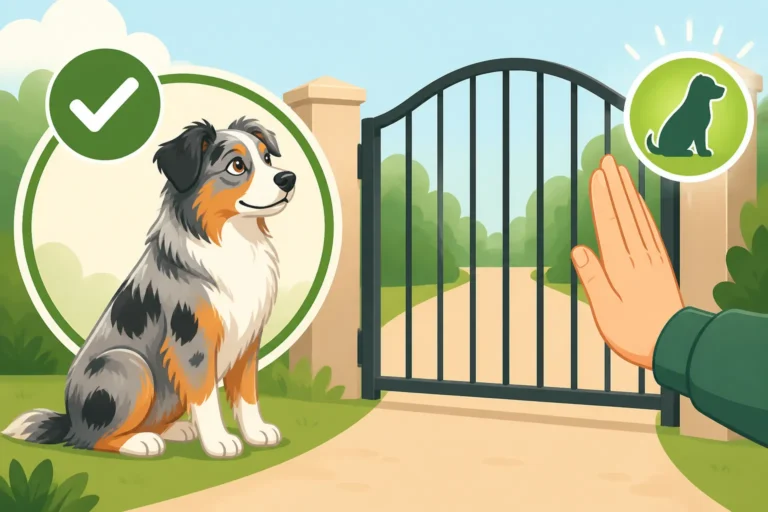
This manifestation is particularly concerning because it can pose a risk to people. This occurs when your Aussie displays guarding behavior towards anyone trying to get into or out of the car. This could be you, your children, or even a friend trying to join you for a ride. The dog might stiffen, growl, show teeth, or even snap as someone attempts to open a car door. They are essentially saying, "You are not allowed to enter/exit my car-territory!"
This form of guarding often stems from a combination of resource guarding (the car, the people inside) and a lack of clear leadership or boundaries. The dog perceives itself as the primary protector and feels compelled to control access to its perceived resources. This can be especially dangerous if the dog feels threatened or surprised by someone's approach. It’s also incredibly confusing for family members, who often can't understand why their beloved pet is suddenly acting aggressively towards them.
It's vital to address this behavior immediately and carefully, as it involves potential harm. If your Aussie is guarding entry or exit, you need to be extremely cautious and consider professional guidance without delay. This behavior suggests a deeper level of insecurity or over-control that needs expert intervention. Safety is paramount, and ignoring these signs is not an option.
Protecting Items Within the Car
While less common than guarding against people, some Australian Shepherds will guard specific items within the car. This could be a favorite toy, a blanket, a chew bone, or even an empty food bowl. If you try to remove the item, or if someone else reaches for it, your Aussie might growl, snap, or stiffen defensively.
This is a classic example of pure resource guarding, where the item itself is deemed high-value. The confined space of the car can intensify this guarding behavior, as the dog may feel more vulnerable or territorial over its possessions. It's essentially the same behavior as guarding a food bowl in the home, but the setting amplifies the dog's perceived need to protect.
To manage this, avoid leaving high-value items unsupervised in the car, especially if your dog has a history of resource guarding. If an item needs to be in the car, ensure it's put away securely or offered as part of a controlled trade exercise. Understanding why An Aussie That Will Not Hand Things Over can also provide insights into this particular manifestation of guarding, offering clues for how to work through it. The goal is to teach your dog that humans are not a threat to their possessions, and in fact, humans often provide even better things.
Practical Strategies for Managing Car Guarding
Addressing car guarding requires a multifaceted approach that combines management, training, and a deep understanding of your Australian Shepherd's natural tendencies. It's not about quick fixes but consistent, patient work to change your dog's underlying emotional response.
Desensitization and Counter-Conditioning
This is the cornerstone of addressing anxiety-based and reactive behaviors like car guarding. Desensitization means gradually exposing your dog to the trigger (people walking by, doors opening) at a level where they don't react. Counter-conditioning means changing their emotional response from negative (anxiety, aggression) to positive (calmness, happiness).
Here's a basic framework:
- Start Small: Don't throw your dog into a busy parking lot initially. Begin by simply having your dog calmly sit in the unmoving car in your driveway. Reward them for being relaxed.
- Introduce a Mild Trigger: Have a trusted friend slowly walk by the car at a distance where your dog notices but doesn't react intensely. The moment your dog looks at the person without barking or lunging, immediately mark the behavior (with a clicker or "yes!") and reward them with a high-value treat. Your goal is for your dog to associate passersby with good things.
- Gradual Progression: Slowly decrease the distance or increase the intensity of the trigger. Perhaps the friend walks a little closer, or another person joins them. Always work under threshold – meaning at a level where your dog can stay calm and respond positively. If your dog reacts, you've gone too far, too fast, and need to reduce the difficulty.
- Vary the Environment: Once your dog is doing well in the driveway, move to a quiet street, then a slightly busier one, always ensuring you can control the level of external stimulus.
- Use Barriers: For some dogs, a car crate or a soft-sided car barrier (easily found on Amazon or at pet stores) can provide a sense of security and limit their ability to see or react to every passerby. A crate can also offer a den-like feel, which many dogs find comforting. You can even drape a blanket over part of the crate or window to reduce visual stimulation.
Remember, this process takes time and patience. You are essentially rewiring your dog's brain, teaching them a new, calmer way to experience the car and the outside world.
Management and Environmental Control
While you're working on desensitization and counter-conditioning, management is key to preventing the behavior from being practiced and reinforced. Every time your dog guards the car, they are getting better at it, so preventing opportunities for guarding is crucial.
- Physical Barriers: If your dog barks and lunges from the window, consider using a car crate, a secure car seatbelt harness, or a barrier that restricts their movement and view. Some owners find success with window shades or even a sheet draped over the back windows to block visual triggers. These tools aren't just for safety; they actively help manage the environment for your reactive dog.
- Strategic Parking: When possible, park in less busy areas. If you know you'll be waiting in the car, try to park facing a wall or away from heavy foot traffic.
- Avoid Triggers: If certain types of people or dogs are major triggers, try to avoid those situations entirely until your training is more advanced. For example, if your dog reacts strongly to children on scooters, avoid parking near a playground.
- Enrichment in the Car: Provide your dog with a safe, long-lasting chew or a puzzle toy to keep them occupied and mentally stimulated while in the car. This can help distract them from external stimuli and create a positive association with the car being a place for calm engagement. Kongs filled with frozen peanut butter or plain yogurt are excellent choices.
These management strategies are not a substitute for training, but they buy you time, reduce stress for everyone, and prevent the guarding behavior from becoming more ingrained. They create a safer, more predictable environment that sets your dog up for success.
Seeking Professional Help and Online Resources
For many Australian Shepherd owners, car guarding can be a deeply ingrained and challenging behavior that requires more than just DIY solutions. If your dog's guarding is intense, involves aggression towards people (even if only growling or snapping), or if you feel overwhelmed and aren't seeing progress, it's absolutely okay – and often necessary – to seek professional guidance.
A certified professional dog trainer specializing in reactivity or a veterinary behaviorist can assess your dog's specific situation, identify the underlying causes of the guarding, and develop a tailored training plan. They can also ensure you're using positive, force-free methods that build trust and confidence, rather than fear. You might want to consider Vetting a Trainer Before Booking an Aussie to ensure you find someone experienced with herding breeds.
Online resources and training platforms can also be incredibly valuable. Many offer structured courses and support for complex behavioral issues, allowing you to learn and implement strategies from the comfort of your home. Programs like those offered by BAXTER & Bella provide comprehensive online guidance, often including video tutorials and community forums, which can be a great way to access expert advice and connect with other owners facing similar challenges. Remember, you don't have to tackle this alone. Sometimes, having an objective expert guide you through the process makes all the difference.
| Car Guarding Behavior | Common Triggers | Initial Management Strategy | Training Focus |
|---|---|---|---|
| Barking/Lunging at Passersby | People, dogs, bikes, cars outside | Use window covers, car crate/barrier, park strategically | Desensitization, counter-conditioning, "settle" command |
| Guarding Entry/Exit | People approaching car doors (including family) | Establish clear boundaries, "wait" command, professional help | Strict management, positive reinforcement for calm entry/exit |
| Protecting In-Car Items | Attempting to remove toys, blankets, etc. | Avoid leaving high-value items, "drop it," "trade" command | Resource guarding protocol, teach generosity |
Long-Term Prevention and Training Tips
Managing car guarding is a journey, not a destination. To foster a truly calm and confident Australian Shepherd in the car, you need to integrate long-term strategies that address their breed-specific needs and build a solid foundation of trust and obedience.
Solid Foundation of Obedience and Impulse Control
A well-trained Australian Shepherd is a joy to behold, and strong obedience skills are fundamental to managing complex behaviors like car guarding. Commands like "sit," "stay," "down," and especially "leave it" give you crucial tools to interrupt and redirect unwanted behavior. If your Aussie can calmly "stay" in the car, even with a distraction passing by, you have a much better chance of preventing a full-blown guarding episode.
Impulse control is also vital. Australian Shepherds are intelligent and quick to react, which is great for herding but can be challenging in a car. Teaching your dog to wait patiently, to not lunge immediately for a toy, or to not bolt out the door the moment it opens, builds the mental muscle they need to control their reactions in the car. Engage them in games that promote self-control, like "It's Yer Choice" (where they learn to look at you for permission before taking a treat) or controlled fetch where they wait for a release cue.
A strong Australian Shepherd Recall Around Moving Things is also essential, not just for safety outside the car, but for teaching them to disengage from distractions. The more you reinforce calm, controlled behavior in various environments, the more likely they are to generalize that calmness to the car. Regular training sessions, even short ones, reinforce your bond and their understanding of your expectations, which is crucial for a dog that feels it needs to be "in charge" of the car.
Consistent Socialization and Exposure
While we talked about desensitization for specific triggers, broader, consistent socialization throughout your dog's life is a powerful preventative measure against anxiety and reactivity. An Australian Shepherd that has been positively exposed to a wide variety of sights, sounds, people, and other dogs from a young age is generally more confident and less likely to perceive novel stimuli as threats. This isn't just about puppyhood; ongoing positive experiences are important.
Take your Aussie to different safe environments – quiet parks, pet-friendly stores (if appropriate), friends' houses, different neighborhoods. Let them observe the world from a distance, rewarding calm behavior. The goal is to build a dog that is comfortable and secure in many situations, rather than feeling the need to guard its resources defensively. A dog that is confident in its environment is less likely to feel compelled to protect it aggressively. Remember, you want your Aussie to be curious and comfortable, not constantly on alert, which directly impacts their behavior when An Aussie That Stares at Everything from the car window.
Structured exposure is key: always ensure these experiences are positive and under threshold. Overwhelming a dog with too much too soon can backfire, increasing anxiety rather than reducing it. Gradually introducing them to new situations builds resilience and a calmer demeanor, both inside and outside the vehicle.
Providing Appropriate Outlets for Herding Drive
Ultimately, much of an Australian Shepherd's guarding behavior stems from their incredibly strong herding instinct. If this powerful drive isn't given appropriate, constructive outlets, it will find its own job – and that job often becomes managing and "guarding" the environment, including the car. Trying to suppress this drive without redirecting it is like trying to hold back a rushing river with your bare hands.
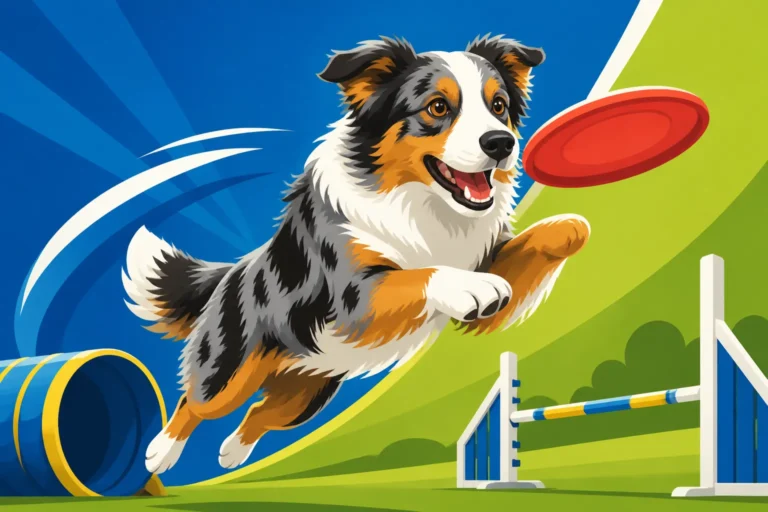
Consider enrolling your Aussie in dog sports that tap into their natural abilities. Herding trials, agility, flyball, or even advanced obedience can provide immense mental and physical stimulation. These activities allow them to use their brains and bodies in a structured, productive way, fulfilling their innate desire to work and control movement. Australian Shepherd Sports From Herding to Agility are not just fun; they are often essential for the mental well-being of these intelligent dogs.
Even if formal sports aren't for you, incorporating "jobs" into their daily routine can help. Scent work, puzzle toys, and extensive trick training can engage their minds. A solid game of fetch or flirt pole play in a safe, enclosed area can also burn off physical energy. The more fulfilled your Aussie feels in their "work" for you, the less likely they are to invent their own jobs, like guarding the car. By channeling their incredible drive, you empower them to be a well-adjusted, calm companion, making car rides a pleasure, not a struggle.
Disclaimer
This article is for general informational purposes only and does not constitute professional advice. Laws, prices and regulations vary by location and change over time. Consult a qualified professional for guidance on your specific situation.