Australian Shepherd Nail and Paw Pad Care
One of the most overlooked aspects of caring for your energetic Australian Shepherd is the health of their paws and nails. Many of us are so focused on their mental stimulation and physical exercise that we might not realize how much wear and tear their hardworking feet endure, leading to uncomfortable overgrown nails, cracked paw pads, or even painful injuries. This guide will walk you through everything you need to know to keep your Aussie's paws in top shape, ensuring they can continue to run, herd, and explore comfortably for years to come.
Why Paw and Nail Care is Crucial for Your Aussie
It’s easy to think of paw and nail care as a cosmetic thing, something just for show dogs or for keeping your floors unscratched. But for an Australian Shepherd, whose entire life revolves around movement, agility, and sometimes intense physical work, healthy paws are absolutely fundamental to their overall well-being and comfort. Neglecting their feet can lead to a cascade of problems that affect their gait, their joints, and even their temperament.
The Impact of Overgrown Nails
Imagine trying to walk or run when your shoes are several sizes too small, constantly pushing your toes back. That's a bit like what an Aussie experiences with overgrown nails. When the nails get too long, they push against the ground, forcing the paw to splay and distributing weight unevenly. This can lead to significant discomfort and pain with every step, especially on hard surfaces. Over time, this unnatural pressure can cause their toes to twist and deform, leading to chronic foot pain, lameness, and even contribute to more severe orthopedic issues like Australian Shepherd Hip Dysplasia and Working Joints or Australian Shepherd Arthritis After Years of Work.
Beyond the structural issues, long nails are also more prone to snagging and tearing. A torn nail is incredibly painful, often bleeding profusely and requiring a trip to the vet. It's not just a minor inconvenience; it's an open wound that can get infected, causing prolonged suffering for your dog and unexpected vet bills for you. Keeping them trimmed is a simple preventive measure that avoids a lot of potential heartache and physical strain.
The Importance of Healthy Paw Pads
Your Australian Shepherd's paw pads are like the shock absorbers and traction control system of a high-performance vehicle. They provide grip, protect against impact, and insulate against extreme temperatures. They are remarkably tough, yet surprisingly vulnerable. If those pads become dry, cracked, or injured, they lose their ability to perform these vital functions, leaving your Aussie susceptible to further damage and pain.
Think about how much ground an active Aussie covers in a day – whether it's rough terrain on a hike, hot pavement in summer, or icy sidewalks in winter. Healthy, supple paw pads can withstand these challenges. But if they're neglected, they can become hardened, brittle, and prone to cracking, making every step excruciating. These cracks can deepen, leading to bleeding, infection, and an unwilling dog that won't want to engage in the activities they love. Australian Shepherd Paw Injuries From Hard Running are a common issue for active dogs, and proper paw pad care is your first line of defense.
Routine Nail Trimming for Your Aussie
Nail trimming is often the most dreaded grooming task for both owners and dogs, but it doesn't have to be. With patience, the right tools, and a consistent routine, you can make it a relatively stress-free experience. The key is to start early, even when your Aussie is a puppy, to get them accustomed to having their paws handled.
Gathering Your Tools
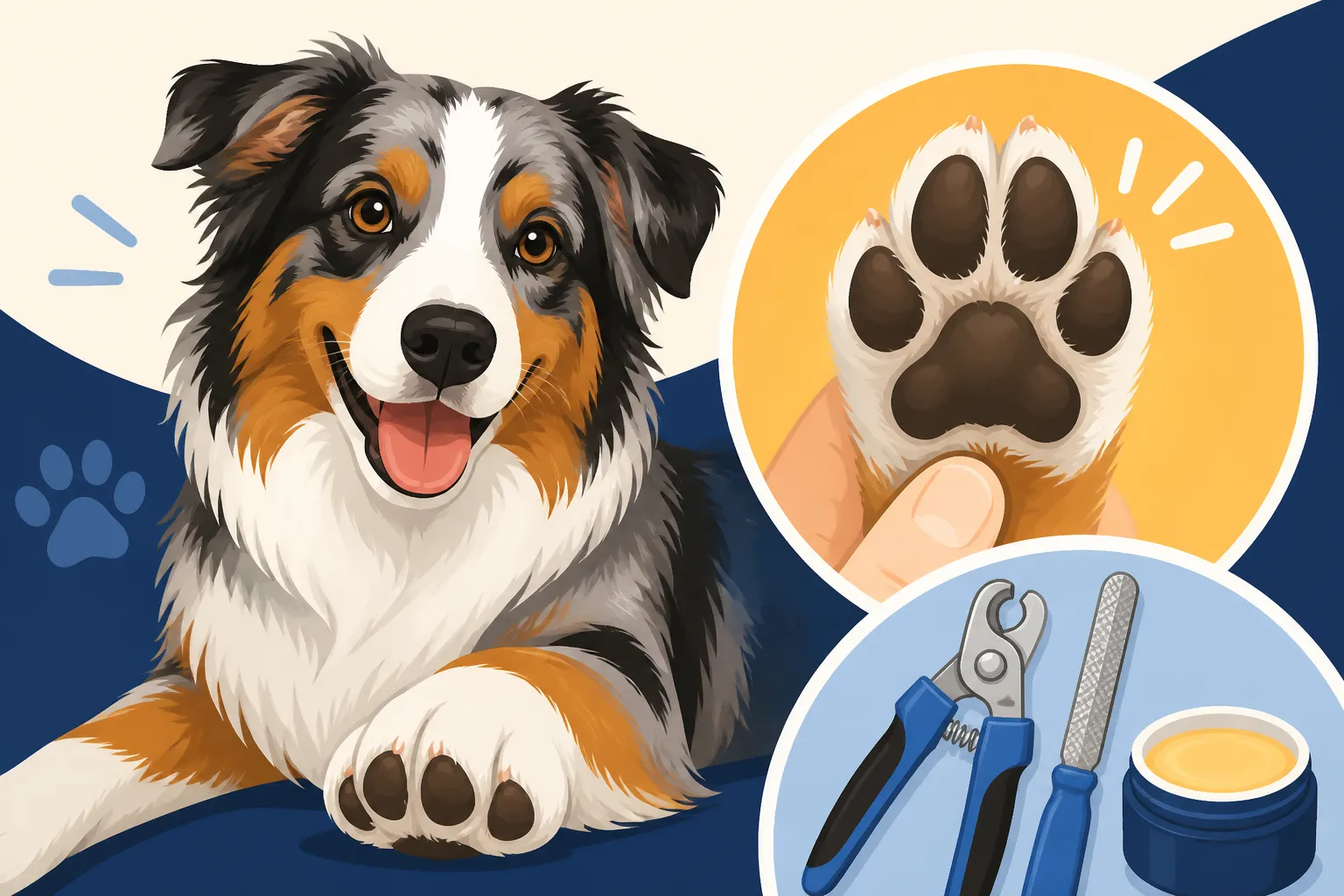
Before you even touch a paw, make sure you have everything ready. This reduces stress and makes the process more efficient. You'll need a good quality pair of nail clippers designed for dogs, or an electric nail grinder. Many owners find a scissor-style clipper works best for Aussies, offering more control than guillotine types. If you're exploring options, sites like Chewy or Amazon offer a wide variety with customer reviews to guide you. You'll also absolutely need styptic powder (like Kwik Stop) on hand. This is a crucial safety net because even experienced trimmers can nick the quick, and you'll want to stop any bleeding immediately. Finally, having some high-value treats can turn a potentially scary experience into a positive reinforcement opportunity.
For those considering a grinder, it can be less intimidating for dogs who dislike the 'snip' sensation of clippers. Grinders file the nail down gradually, reducing the risk of cutting the quick. However, they do make noise and create dust, so your Aussie will need to be gradually introduced to the sound and vibration. Whichever tool you choose, ensure it's sharp and clean for a smooth, efficient trim.
The Step-by-Step Trimming Process
Once you have your tools and treats, find a calm, well-lit area. Start by gently handling your Aussie's paws regularly, not just when it's nail trimming time. This builds trust and positive associations. When you're ready to trim, hold a paw firmly but gently. You want to extend each toe and nail fully. For light-colored nails, you'll see the pink quick clearly – aim to cut just below it. For dark nails, it's trickier. You'll be looking for a small, dark dot in the center of the clipped surface as you take small nips. If you see this, stop immediately, as the quick is very close. It's always better to take off too little than too much.
Don't feel like you have to do all four paws, or even all nails on one paw, in a single session. Especially when you're starting out, or if your Aussie is particularly sensitive, just doing one or two nails at a time is perfectly acceptable. Follow each successful trim with praise and a delicious treat. The goal is to make it a positive experience, slowly desensitizing them to the process. Consistency is key, aiming for a trim every 2-4 weeks to keep the quick receded and the nails at a comfortable length.
Dealing with the Quick
The quick is a blood vessel and nerve that runs through the center of your dog's nail. Cutting into it is painful and will cause bleeding. It's something every dog owner fears, and it can happen despite your best efforts. This is exactly why you must have styptic powder ready. If you do accidentally nick the quick, don't panic. Immediately apply pressure with the styptic powder to the bleeding nail. It might sting for a moment, but it will quickly stop the bleeding.
After a quicking incident, don't chastise your dog. Reassure them gently, and if they're too distressed, stop the session and try again another day. A negative experience can make future trims much harder. Regular, small trims actually help the quick recede over time, making future trims easier and safer. If you find yourself consistently hitting the quick or your Aussie becomes terrified of the process, it's a clear sign it's time to consider professional help.
Caring for Australian Shepherd Paw Pads
While nails often get the most attention, the paw pads themselves require specific care to remain healthy and resilient. These tough yet sensitive areas are constantly in contact with the ground and need regular inspection and protection.
Daily Checks and Cleaning
Given how active Australian Shepherds are, a quick daily check of their paws is a habit worth cultivating. After walks, hikes, or play sessions, take a moment to examine their paw pads and between their toes. Look for any cuts, scrapes, thorns, foxtails, or irritation. Debris can easily get lodged in their fur or between their pads, leading to discomfort or infection. Grass Seeds and Foxtails in an Aussie Coat can be a real nuisance and migrate deep into the paw, causing abscesses. A thorough but gentle inspection can catch these problems early.
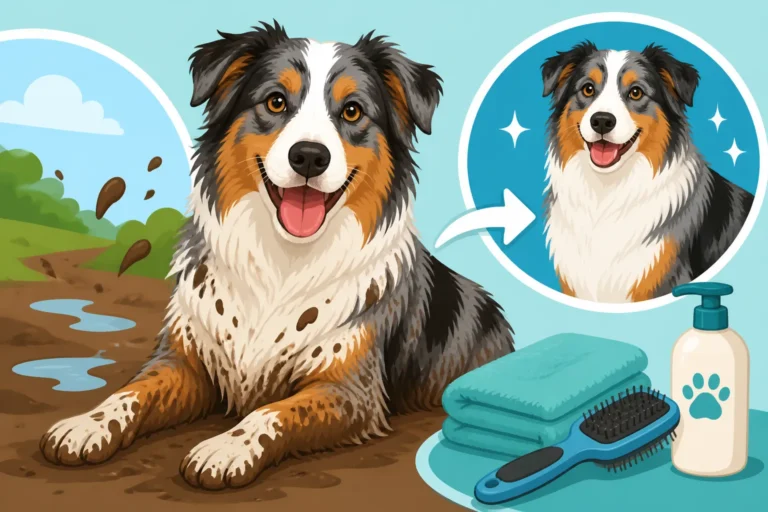
If you find anything, carefully remove it with tweezers if it's visible. If you notice any redness, swelling, or open wounds, clean the area gently with mild soap and water, then pat dry. For minor irritations, you might apply a pet-safe antiseptic spray. Regularly cleaning their paws, especially if they've been in muddy or dusty environments, helps prevent irritation and keeps their pads supple. You can even find gentle paw washes on Amazon designed for daily use.
Protection from Extreme Weather
Australian Shepherds have a fantastic double coat that protects them from the elements, but their paws are often exposed and vulnerable, especially in extreme temperatures. Hot pavement in summer can cause severe burns, and icy sidewalks treated with salt or chemicals in winter can lead to cracks and chemical burns. Don't assume their tough pads are impervious; they're not.
In summer, schedule walks during cooler parts of the day (early morning or late evening) and test the pavement with your own hand – if it's too hot for you, it's too hot for their paws. In winter, consider investing in dog boots for protection against ice, snow, and de-icing chemicals. If boots aren't an option or your Aussie tolerates them poorly, consider applying a paw balm or wax (like Musher's Secret, available on Chewy) before walks. This creates a protective barrier that helps moisturize and shield their pads. After winter walks, always rinse their paws thoroughly to remove any salt or chemicals, then dry them completely to prevent irritation. Australian Shepherd Exercise in Summer Heat and Australian Shepherd Exercise in Snow and Cold really highlights the need for this kind of protection.
Addressing Common Paw Pad Issues
Despite your best efforts, your Aussie might still encounter paw pad issues. Here’s a quick rundown of some common ones and how to approach them:
- Cracked or Dry Pads: This is very common, especially if your Aussie spends a lot of time on rough surfaces or in dry climates. Regular application of a high-quality paw balm or moisturizer can make a huge difference. Look for natural ingredients like shea butter, beeswax, and essential oils. Apply it before bedtime to allow it to soak in overnight.
- Cuts and Scrapes: Minor cuts can be cleaned with antiseptic and monitored. If they're deep, bleeding heavily, or show signs of infection (redness, swelling, pus), a vet visit is essential.
- Interdigital Cysts/Inflammation: These are often caused by foreign bodies (like those pesky foxtails), allergies, or even excessive licking. Keep the area clean and dry. If the problem persists or worsens, veterinary attention is needed to identify the underlying cause. Australian Shepherd Skin, Coat and Allergy Problems can manifest in the paws.
- Yeast or Fungal Infections: You might notice redness, itching, a yeasty smell, or brownish discharge between the toes. These often require antifungal medications from your vet.
- Hyperkeratosis: This is a thickening and hardening of the paw pads, sometimes appearing crusty or cracked. It can be genetic or a symptom of an underlying condition. Regular moisturizing and trimming the excess keratin (often by a vet or professional groomer) can help manage it.
The Role of Diet and Supplements
While external care is vital, what goes into your Australian Shepherd's body plays a significant role in the health and resilience of their skin, coat, and especially their paw pads and nails. A holistic approach that includes good nutrition can reinforce their natural defenses.
Nutrition for Healthy Paws
A balanced, high-quality diet provides the building blocks for strong nails and supple paw pads. Ensure your Aussie's food contains adequate protein, healthy fats, and essential vitamins and minerals. Look for formulas rich in Omega-3 and Omega-6 fatty acids, which are crucial for skin and coat health, and by extension, paw pad integrity. Many premium dog foods, including fresh food options like Ollie, emphasize these ingredients.
Avoid cheap fillers and artificial ingredients that can sometimes trigger sensitivities or simply don't provide the nutritional density your active Aussie needs. A healthy gut microbiome also contributes to overall skin health, so some owners look for foods with probiotics or prebiotics. When Feeding an Australian Shepherd That Works All Day, ensure their diet supports not just their energy levels but also their regenerative health, including strong nails and resilient paw pads.
Supplements for Support
Even with a great diet, some Aussies can benefit from targeted supplements, especially if they have recurring paw issues or particularly brittle nails.
Here are a few that can make a difference:
- Omega Fatty Acids: If your dog's food isn't rich enough, adding a fish oil supplement (like salmon or sardine oil) can significantly improve skin elasticity, reduce inflammation, and promote healthier paw pads.
- Biotin: This B vitamin is well-known for its role in nail and hair strength. If your Aussie has brittle, splitting nails, a biotin supplement might help.
- Zinc: Zinc is vital for skin healing and immune function. A deficiency can manifest as poor coat quality and skin issues, including on the paws. Always consult your vet before adding zinc, as too much can be harmful.
- Joint Supplements: While not directly for paw pads, good joint health, as discussed in Starting Joint Support on a Young Working Aussie, ensures proper gait and reduces abnormal stress on paw structures, indirectly benefiting their overall foot health.
Always discuss any supplement regimen with your veterinarian, especially if your Aussie is on other medications or has underlying health conditions. They can help you choose appropriate supplements and dosages tailored to your dog's specific needs.
When to Seek Professional Help
Knowing when to manage a problem yourself and when to call in the experts is a critical part of responsible Australian Shepherd ownership. While routine care is often DIY, some situations definitely warrant a professional opinion.
Identifying Serious Problems
There are several red flags concerning your Aussie's paws that should prompt a call to your vet. If you notice persistent limping, excessive licking or chewing of the paws, sudden swelling, deep cuts that won't stop bleeding, or any discharge (pus, foul smell), these are all signs that something more serious is going on. Changes in nail color or texture, or if a nail appears to be growing abnormally, also warrant investigation. If your dog is in visible pain or refuses to bear weight on a paw, don't delay.
These symptoms could indicate anything from a severe infection, a deeply embedded foreign object, a fracture, or even an autoimmune disease that affects the paws. Trying to "wait it out" or self-treating a serious issue can lead to prolonged suffering for your dog and a more complicated (and expensive) treatment later. Your vet can accurately diagnose the problem and prescribe the most effective course of action.
Professional Groomers and Vets
Sometimes, despite your best efforts, you might find nail trimming impossible. If your Aussie becomes overly aggressive, panics, or you simply can't manage their dark nails without fear of quicking them, a professional groomer or vet technician can be a lifesaver. They have specialized tools, training, and experience in handling difficult dogs. They can get the job done safely and efficiently, and sometimes a fresh start with perfectly trimmed nails can help you maintain them more easily at home. Remember, Australian Shepherd Grooming at $50 to $100 a Session often includes nail trimming and can be a worthwhile investment for their comfort.
Furthermore, your veterinarian is your primary resource for any significant paw or nail health concerns. They can not only diagnose and treat acute injuries or infections but also provide guidance on preventative care tailored to your Aussie's lifestyle and any specific health challenges they might face. Don't hesitate to reach out to them if you're unsure; they're there to help keep your furry family member healthy and happy.
Table: Comparing Nail Trimming Methods
Choosing the right nail trimming method can make a big difference in your Aussie's comfort and your peace of mind. Here's a quick comparison:
| Feature | Scissor-Style Clippers | Guillotine Clippers | Electric Nail Grinder |
|---|---|---|---|
| Ease of Use | Good for beginners, clear sight of nail. | Can be tricky to position correctly, less sight. | Requires patience for desensitization, then easy. |
| Speed | Quickest method for confident users. | Fast, but higher risk of quicking if rushed. | Slower, as it files gradually. |
| Quick Risk | Moderate, depends on nail color and user skill. | Higher, especially for dark nails or inexperienced. | Lowest, as you remove small amounts at a time. |
| Dog's Comfort | 'Snip' sensation can be startling for some. | Similar to scissor, can pinch if dull. | Vibration and sound can be a deterrent initially. |
| Result | Leaves a blunt edge, may need filing for smoothness. | Similar blunt edge. | Smooth, rounded edge, less likely to snag. |
| Cost | Low upfront cost. | Low upfront cost. | Moderate upfront cost, ongoing cost for batteries/grinding bands. |
| Best For | Most Aussies, especially with proper training. | Best for small-medium dogs, less control for large. | Dogs sensitive to clipping, or for rounding edges. |
Disclaimer
This article is for general informational purposes only and does not constitute professional advice. Laws, prices and regulations vary by location and change over time. Consult a qualified professional for guidance on your specific situation.