Choosing an Australian Shepherd Breeder
Bringing an Australian Shepherd puppy into your life is an incredibly exciting prospect, but the journey to finding the right companion can feel overwhelming. With so many avenues available, from online listings to local breeders, it's easy to get confused about what truly constitutes a responsible, ethical breeder. This guide is here to cut through the noise, helping you understand what to look for, what questions to ask, and how to spot the signs of a breeder who genuinely prioritizes the health, temperament, and future of their Australian Shepherd puppies.
What Makes a Responsible Australian Shepherd Breeder?
Choosing to welcome an Australian Shepherd into your home is a big decision, and it starts long before you even meet your puppy. It begins with identifying a breeder who embodies responsibility, dedication, and a deep understanding of the breed. This isn't just about someone who has puppies available; it's about someone who invests heavily in the future well-being of every dog they produce.
Defining "Responsible" in Aussie Breeding
A responsible Australian Shepherd breeder isn't just someone who produces puppies. They are passionate preservationists of the breed, committed to maintaining and improving the Aussie's health, temperament, and working abilities according to the breed standard. This means they are actively involved with the breed community, whether through dog sports, conformation shows, or breed-specific clubs. They breed with a clear purpose, aiming to produce dogs that are sound in mind and body, not just to fill demand or make a profit. You'll find these breeders are often selective about who they sell to, asking you just as many questions as you ask them, sometimes even more. This isn't an interrogation; it's a demonstration of their commitment to ensuring their puppies go to suitable, loving, and prepared homes. They want to ensure their hard work results in a successful placement, which often means they understand The Test Results an Aussie Breeder Must Produce.
When you speak with a responsible breeder, you'll notice a genuine enthusiasm for their dogs and a wealth of knowledge about their specific lines. They can tell you about the health history of the parent dogs, their temperaments, and their accomplishments, whether it's in the show ring, on the agility course, or working livestock. They view breeding as a long-term commitment, often offering lifetime support for their puppies and their new families. They're not just selling you a puppy; they're inviting you into their extended dog family, and they want to be sure you're a good fit. This level of engagement is a hallmark of someone truly dedicated to the breed, rather than simply moving puppies.
Understanding Breed Standard vs. Working Lines
Australian Shepherds are a versatile breed, and responsible breeders often specialize in different lines based on their goals. You'll primarily encounter "show lines" (or conformation lines) and "working lines." Show lines are bred to excel in the conformation ring, meaning their physical appearance aligns closely with the breed standard set by organizations like the AKC or ASCA. These dogs still have strong herding instincts and intelligence, but their primary selection might be for structure, coat, and movement that catch a judge's eye. Their breeders are focused on producing dogs that could be ASCA and the AKC Australian Shepherd Standards champions.
Working lines, on the other hand, are bred with a primary focus on their innate herding ability and drive. These dogs are often incredibly intense, intelligent, and possess an unwavering desire to work. While they still meet the breed standard in terms of health and temperament, their physical appearance might be secondary to their talent in the field. A working line Aussie is typically an unsuitable match for a family seeking a low-key companion, as their energy levels and mental stimulation needs are exceptionally high. A good breeder will clearly explain their breeding goals and help you understand which type of Aussie might best fit your lifestyle. For example, a rancher looking for a dog to assist with livestock will seek a working line, whereas a family interested in agility and a devoted companion might lean towards a well-structured show line dog that still has plenty of drive.
The Role of Mentorship and Experience
A truly responsible breeder doesn't operate in a vacuum. They are often mentored by experienced breeders, constantly learning and improving their practices. They attend seminars, engage in breed club activities, and stay current on veterinary advancements and genetic research. This continuous learning ensures they are making informed decisions about their breeding program. Experience in the breed is invaluable; a breeder who has been involved with Aussies for many years has a deeper understanding of genetic predispositions, temperament nuances across generations, and what makes a successful pairing.
They understand that every breeding decision impacts the health and future generations of Australian Shepherds. They don't just "throw two dogs together" because they're both Aussies. Instead, they carefully research pedigrees, analyze health clearances, and consider temperament compatibility before making a breeding match. They can explain why they chose a particular sire for a particular dam, often discussing how the pairing aims to improve specific traits or mitigate potential health concerns. This dedication to thoughtful, informed breeding sets them apart from casual backyard breeders who lack this depth of knowledge and commitment.
The Importance of Health Testing and Transparency
One of the absolute non-negotiables when choosing an Australian Shepherd breeder is their commitment to comprehensive health testing. The Australian Shepherd, like many purebred dogs, is prone to certain genetic conditions. A responsible breeder actively works to minimize the risk of passing these conditions on to their puppies.
Mandatory Genetic Panels for Aussies
Every reputable Australian Shepherd breeder will conduct a panel of genetic tests on their breeding stock. These tests identify carriers or affected dogs for conditions that can range from debilitating to life-threatening. The most critical genetic test for Australian Shepherds is for the MDR1 mutation. This gene mutation can cause severe, even fatal, reactions to common veterinary drugs, including certain dewormers, sedatives, and anti-diarrhea medications. A responsible breeder will test both parents for MDR1 and will know The MDR1 Mutation Half of Australian Shepherds Carry. They will also readily share these results and explain what they mean for the puppies.
Beyond MDR1, other crucial genetic tests include those for Hereditary Cataracts (HC or HSF4), Progressive Retinal Atrophy (PRA), and Collie Eye Anomaly (CEA). These eye conditions can severely impact a dog's vision or even lead to blindness. Reputable breeders understand the significance of these tests and won't cut corners. They want to ensure their puppies have the best possible chance at a long, healthy life free from preventable genetic diseases. Any breeder who claims their dogs are "healthy" without being able to show you concrete genetic test results for their breeding pair should be approached with extreme caution. The Genetic Panel Every Australian Shepherd Needs is not optional.
OFA and CERF Certifications: What They Mean
Beyond genetic panels, responsible breeders also obtain certifications from organizations like the Orthopedic Foundation for Animals (OFA) and the Canine Eye Registry Foundation (CERF, now part of OFA's companion animal eye registry). These certifications involve physical examinations and imaging to assess for polygenic conditions, meaning conditions influenced by multiple genes and environmental factors.
- OFA Hips and Elbows: Hip and elbow dysplasia are painful, degenerative joint diseases common in many medium to large breeds, including Australian Shepherds. OFA evaluations involve X-rays taken after a dog is two years old (the age at which their joints are fully developed) to assess the quality of their hips and elbows. Breeders will aim to breed dogs with "Good" or "Excellent" hip scores and "Normal" elbow scores. Don't be shy about asking to see the OFA certificates for both parents, verifying the ratings and the specific dogs. Understanding Australian Shepherd Hip Dysplasia and OFA Scoring is vital for a future owner.
- OFA Eye Examinations (formerly CERF): This involves a board-certified veterinary ophthalmologist examining the dog's eyes annually for any signs of inherited eye diseases like cataracts, retinal dysplasia, or Collie Eye Anomaly. These exams are often referred to as ACVO (American College of Veterinary Ophthalmologists) exams, and the results are then registered with OFA. Since some eye conditions can develop later in life or progress over time, annual re-certification is crucial. A breeder who consistently performs these eye exams demonstrates a deep commitment to ocular health in their lines. It's a key part of protecting against issues like Collie Eye Anomaly in an Australian Shepherd.
Asking for Proof: Verifying Test Results
It's one thing for a breeder to say their dogs are health tested; it's another entirely for them to prove it. A responsible breeder will be transparent and eager to share all health clearances. They should be able to provide you with copies of the OFA certificates, genetic panel results from reputable labs, and ACVO eye exam forms for both parents. Many of these results are even publicly searchable on the OFA website by the dog's registered name or registration number. This allows you, as a prospective owner, to independently verify the claims.
Don't accept excuses like "the vet said they're healthy" or "we've never had a problem." While a general vet check is good, it doesn't replace the specific, detailed health clearances designed to detect genetic and polygenic conditions. If a breeder is evasive, unwilling to share results, or only provides vague assurances, it's a major red flag. They should also be able to explain what Reading an Australian Shepherd DNA Panel means in practical terms for the puppies. Transparency in health testing is the cornerstone of ethical breeding and demonstrates a breeder's commitment to preventing heartache for future owners and preserving the breed's health.
Here’s a quick overview of key health considerations:
| Health Test/Certification | Condition Screened For | Importance | When Performed (Breeding Stock) |
|---|---|---|---|
| MDR1 Gene Panel | Drug Sensitivity | Prevents severe reactions to common medications. | Once in a lifetime |
| HSF4/HC Gene Panel | Hereditary Cataracts | Prevents early-onset cataracts and vision loss. | Once in a lifetime |
| CEA Gene Panel | Collie Eye Anomaly | Detects developmental eye defects. | Once in a lifetime |
| PRA Gene Panel | Progressive Retinal Atrophy | Detects various forms of progressive blindness. | Once in a lifetime |
| OFA Hips | Hip Dysplasia | Assesses hip joint health to prevent arthritis. | After 24 months |
| OFA Elbows | Elbow Dysplasia | Assesses elbow joint health to prevent lameness. | After 24 months |
| ACVO Eye Exam | Inherited Eye Diseases (annual) | Checks for cataracts, retinal folds, other issues. | Annually |
Evaluating Breeder Practices and Environment
Beyond health tests, observing a breeder's practices and the environment where the puppies are raised tells you a great deal about their priorities. A responsible breeder will welcome your questions and, often, a visit.
Visiting the Kennel: What to Observe
When you're serious about a puppy, a responsible breeder will almost always invite you to their home or kennel to meet the parent dogs and the puppies. This visit is invaluable. First and foremost, observe the cleanliness and overall condition of their facilities. Are the dogs housed in a clean, safe, and stimulating environment? Puppies should be raised indoors or in an attached, clean, and warm facility, not relegated to an outdoor kennel with minimal human interaction. Look for signs of good care: clean water bowls, appropriate bedding, and enough space for the dogs to move around comfortably.
Pay close attention to the temperament of the adult dogs you meet, especially the mother (dam), as her personality is often a strong indicator of what you can expect from her offspring. Are the adult dogs friendly, well-socialized, and confident, or do they seem fearful, skittish, or overly aggressive? A well-adjusted dam will be comfortable with visitors, though she might be protective of her pups, which is natural. Observing the parents helps you understand the genetic temperament your puppy will inherit. This visit is also an excellent opportunity to gauge Visiting an Australian Shepherd Litter and see how the puppies interact with each other and their environment.
Socialization Practices for Aussie Pups
Early socialization is paramount for Australian Shepherds, a breed known for its intelligence and often reserved nature with strangers. A responsible breeder understands this and makes a concerted effort to expose their puppies to a variety of sights, sounds, textures, and people from a very young age. This isn't just letting them play in a yard; it means intentional, positive exposure. Puppies should be handled daily by different people, introduced to household noises like vacuums or blenders, and given opportunities to explore different surfaces.
Ask the breeder about their specific socialization protocols. Do they follow programs like Puppy Culture or utilize early neurological stimulation (ENS)? Do they expose puppies to different family members, respectful children, or even other well-behaved adult dogs? A puppy raised in a sterile, isolated environment, even a clean one, will often struggle with fear and confidence issues later in life. Good early socialization lays the foundation for a well-adjusted, confident adult dog. You'll want a puppy that has seen and experienced enough positive things to be ready for its new home. For instance, a breeder might incorporate different toys and textures that you can easily find at a pet supply store like Chewy, ensuring the pups are exposed to various objects.
How Many Litters a Breeder Manages
The number of litters a breeder produces annually can be a significant indicator of their focus. A truly responsible breeder will typically have a limited number of litters, perhaps one or two per year, or even less frequently. This allows them to dedicate ample time and resources to each litter, ensuring proper socialization, health monitoring, and individual attention for every puppy. Producing multiple litters simultaneously or breeding continuously can stretch a breeder thin, making it difficult to provide the intensive care and socialization that Australian Shepherd puppies require.
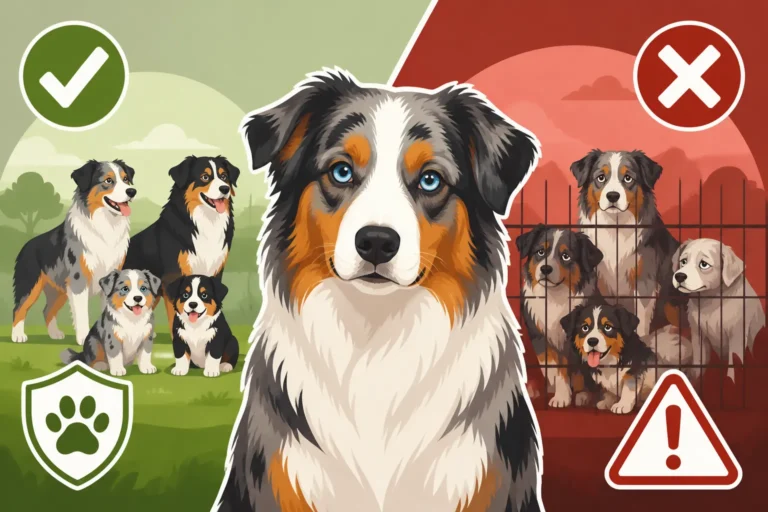
Be wary of breeders who always seem to have puppies available or who offer a wide variety of breeds. These are often signs of a commercial breeding operation, sometimes referred to as a "puppy mill" or a high-volume breeder, where profit takes precedence over welfare. A dedicated Aussie breeder will likely have a waiting list, sometimes extending for many months, because they prioritize quality over quantity. This waiting period is a good sign, as it indicates demand for their carefully bred puppies and allows you time to prepare for your new arrival, perhaps by ordering essential supplies from Chewy ahead of time.
Understanding Contracts and Guarantees
A written contract is a non-negotiable component of a responsible dog adoption. It protects both you and the breeder and outlines the responsibilities of each party. It's a sign of a professional and ethical approach.
Health Guarantees and Return Policies
A comprehensive contract will include a health guarantee, typically covering congenital or hereditary conditions for a specified period (e.g., one to two years). This guarantee often states that if a puppy develops a serious genetic health issue within that timeframe, the breeder will offer a replacement puppy or a refund. Read this section carefully to understand the terms and conditions, such as requirements for veterinary diagnosis.
Equally important is a clause detailing the breeder's return policy. Responsible breeders will always take back a dog they bred at any point in its life, for any reason. This commitment ensures that their puppies never end up in shelters or rescues, regardless of unforeseen circumstances in the owner's life. This "take-back" clause is a powerful testament to a breeder's lifelong responsibility for their dogs and can be part of What an Aussie Puppy Contract Should Say. It means they are truly invested in the welfare of every puppy they bring into the world.
Spay/Neuter Clauses and Breeding Restrictions
Most responsible breeders sell their puppies as "pet quality" with limited registration (e.g., AKC limited registration), meaning the dog cannot be bred and its offspring cannot be registered. The contract will often include a spay/neuter clause, requiring you to have your puppy spayed or neutered by a certain age (typically between 12 and 24 months, to allow for proper growth and development). This is a crucial step in preventing indiscriminate breeding and contributing to the responsible pet population.
If you are interested in breeding, it's a completely different conversation. You would need to purchase a dog with full registration from a breeder who specifically sells breeding stock, usually at a higher cost and with far more stringent requirements, including showing the dog, completing all health clearances, and proving its suitability for breeding. For the vast majority of pet owners, a spay/neuter clause is a standard and ethical practice. The breeder cares deeply about Whether an MDR1 Australian Shepherd Should Be Bred and other critical health considerations in future generations.
The Importance of a Written Contract
Never, ever purchase a puppy without a written contract. Verbal agreements, no matter how sincere, offer no legal protection if issues arise. A well-drafted contract should clearly state:
- The names and contact information of both buyer and seller.
- Identification of the puppy (breed, birth date, gender, microchip number, dam and sire's registered names).
- Purchase price.
- Health guarantee details and conditions.
- Spay/neuter requirements and timeline.
- Return policy (breeder's commitment to take the dog back).
- Registration details (limited or full).
- Any breeding restrictions or conditions.
- Signatures of all parties involved.
This document serves as a legally binding agreement and a record of the terms of your purchase. It provides peace of mind and clarity for both you and the breeder, ensuring everyone is on the same page regarding the responsibilities and expectations of dog ownership. Don't be pressured into signing a contract you don't fully understand or agree with; a good breeder will take the time to explain every clause.
Beyond the Puppy: Ongoing Support
A relationship with a responsible breeder doesn't end the day you take your puppy home. In fact, that's often just the beginning. They become a valuable resource and a lifelong support system for you and your Australian Shepherd.
Breeder Availability for Questions
Think of your breeder as your primary resource for all things Australian Shepherd. A responsible breeder will encourage you to reach out with any questions or concerns, whether it's about training tips, diet changes, behavioral quirks, or health questions. They have intimate knowledge of their dog's lines, temperaments, and potential predispositions that even your veterinarian might not have. They can offer guidance based on years of experience with the breed.
This ongoing availability is a huge asset, especially for first-time Australian Shepherd owners who might be surprised by the breed's intelligence, energy, or herding instincts. Knowing you have someone knowledgeable to turn to for advice can make all the difference in navigating puppyhood and adolescence. They want to see their puppies thrive, and they understand that supporting you is key to that success. They might even recommend specific products for managing certain behaviors, many of which can be found at retailers like Chewy.
Rehoming Assistance if Needed
Life happens. Circumstances can change unexpectedly – a job relocation, a family emergency, or a health crisis – and sometimes, pet owners find themselves unable to care for their dog. This is where a responsible breeder truly shines. As mentioned earlier, they will always stipulate in their contract that they will take back any dog they bred, at any age, for any reason. They consider it their lifelong responsibility to ensure their dogs are always safe and well-cared for.
This commitment extends beyond simply taking the dog back. Often, they will also assist in rehoming the dog to a new, carefully vetted family, acting as a rescue and placement service for their own lines. This is a far cry from a breeder who washes their hands of the dog once the sale is complete. It reflects a deep ethical commitment and love for the animals they bring into the world, helping to keep Aussies out of shelters. Many Australian Shepherds sadly end up in rescue due to a mismatch in lifestyle, and a good breeder actively works to prevent this outcome. You can learn more about Australian Shepherd Rescue and Why Dogs Arrive in such situations.
Community and Resources Offered
Many responsible breeders foster a sense of community among their puppy buyers. They might host gatherings, create online groups, or simply facilitate connections between littermates and their families. This allows you to connect with other Aussie owners who share similar experiences, ask questions, and celebrate milestones. These communities can be invaluable for sharing tips, finding local resources, and even arranging playdates.
Beyond direct support, breeders often provide a wealth of educational resources. They might share recommended reading lists, training facility recommendations, or even point you to specific brands of food or enrichment toys available on sites like Chewy that have worked well for their dogs. Their goal is to empower you with the knowledge and tools to be the best possible Australian Shepherd owner, ensuring a happy and fulfilling life for both you and your new companion.
Red Flags to Watch Out For
While looking for a responsible breeder, it's just as important to recognize the warning signs of someone who is not operating ethically. Ignoring these red flags can lead to heartbreak, significant veterinary bills, and supporting irresponsible practices.
Breeders Who Don't Ask Questions
A significant red flag is a breeder who doesn't seem to care about your background, living situation, or experience with dogs. If they're willing to sell you a puppy with minimal questions and no vetting process, it suggests their primary motivation is making a sale, not placing their puppies in appropriate, loving homes. A responsible breeder will ask about your lifestyle, your work schedule, your yard, your family dynamics, your previous dog experience, and your understanding of the Australian Shepherd breed's specific needs. They want to ensure their high-energy, intelligent, and sometimes sensitive puppies are a good fit.
They might ask about your plans for training, exercise, and how you intend to keep your Aussie mentally stimulated. This detailed inquiry is a sign of a breeder who genuinely cares about their puppies' futures. If a breeder simply asks for payment and offers you a puppy without seeming to care about these crucial details, walk away. They are not acting in the best interest of the dogs. This aligns with The Exercise Questions an Aussie Rescue Asks because they know proper placement is paramount.
"Designer" Aussies or Unusual Claims
Be extremely wary of breeders advertising "designer" Australian Shepherds or making unusual claims about their dogs. Terms like "Teacup Aussie," "Miniature Toy Aussie," or promoting rare, unaccepted colors (like solid white Aussies without merle markings) are often indicators of irresponsible breeding practices. While Miniature American Shepherds are a recognized breed that split from the Australian Shepherd, any breeder promoting "mini" or "toy" Aussies that are not registered with legitimate registries as Miniature American Shepherds is likely prioritizing novelty and profit over health and breed integrity.
Similarly, be cautious of breeders who emphasize "rare" eye colors or coat patterns as a selling point without discussing temperament or health. Often, these "rare" traits can be linked to other genetic issues or are the result of poor breeding choices. For example, Why a Cheap Merle Aussie Puppy Is a Warning often points to irresponsible breeding practices, sometimes involving attempts to produce "unique" colors without regard for health. Responsible breeders focus on health, temperament, and adherence to the established breed standard, not on fads or marketing gimmicks.
No Interest in Meeting You or the Parents
If a breeder refuses to allow you to visit their premises to meet the parent dogs and see where the puppies are raised, consider it a serious red flag. This can indicate unsanitary conditions, poor husbandry, or even that the puppies are not actually being raised by them but are being acquired from a third party (like a puppy mill). While some breeders may have legitimate reasons for limiting visits before a certain age (e.g., to protect very young puppies from disease), they should still offer alternatives like video calls, extensive photos, and eventually, an in-person visit once the puppies are a bit older and have received their first vaccinations.
Furthermore, if a breeder is unwilling or unable to show you the mother of the puppies, or claims she is "unavailable" or "shy," this is another major concern. The mother's temperament is crucial in assessing the potential temperament of the puppies. A responsible breeder will be proud to introduce you to their dogs and show you the environment they have meticulously created for their litter. If they avoid this fundamental transparency, it's a strong signal to look elsewhere. You want to see healthy, well-adjusted parents, and this is why Signs an Aussie Came From a Volume Breeder often involve a lack of transparency.
Disclaimer
This article is for general informational purposes only and does not constitute professional advice. Laws, prices and regulations vary by location and change over time. Consult a qualified professional for guidance on your specific situation.