How an Australian Shepherd Coat Changes With Age
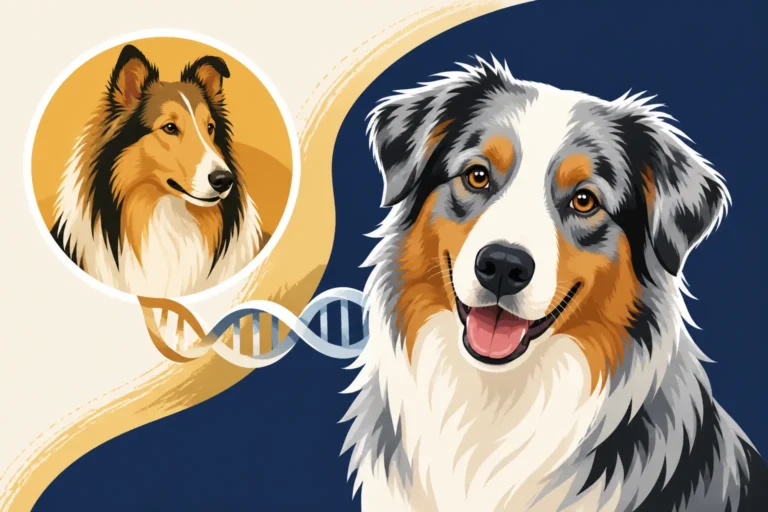
You've brought home that adorable fluff-ball of an Australian Shepherd puppy, and you're probably picturing that magnificent, flowing coat they'll have as an adult. But just like us, our Aussies go through various stages in life, and their coat, that beautiful defining characteristic, changes right along with them. It’s not just about shedding; it’s a journey from soft puppy down to luxurious adult double coat, and eventually, the subtle shifts of an aging companion. This guide will walk you through the fascinating evolution of your Australian Shepherd's coat, explaining what to expect at each stage and how to best care for it through the years.
Puppy Fluff to Adult Brilliance: The First Year Transformations
Bringing an Aussie puppy home is a whirlwind of joy, sharp puppy teeth, and that incredibly soft, downy coat. But that coat isn't going to stick around forever. It's just the beginning of a transformation that will see your little fluff-nugget grow into a majestically coated adult. Understanding these initial changes can help you prepare for the grooming journey ahead and avoid surprises.
The Soft, Downy Puppy Coat
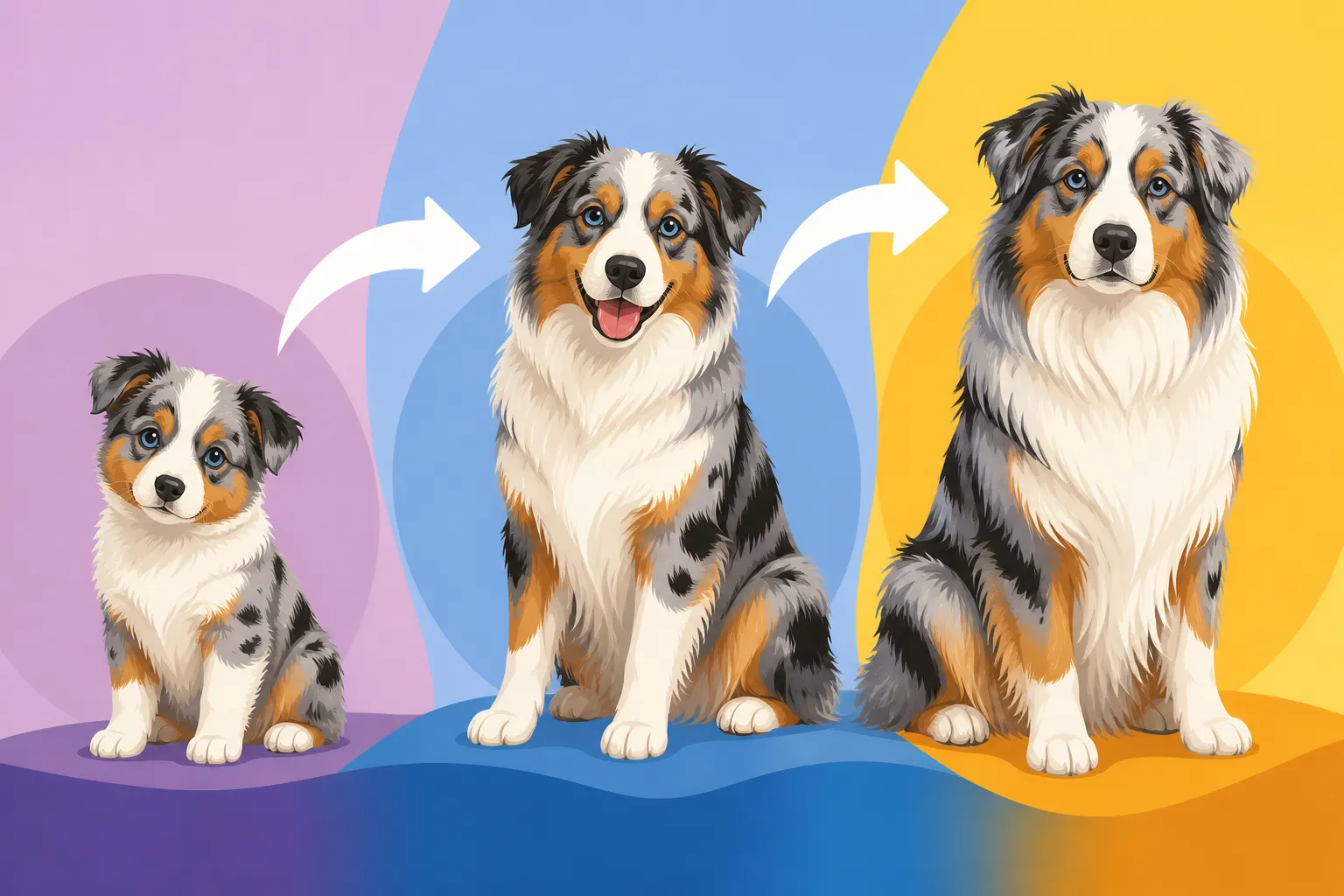
When you first meet an Australian Shepherd puppy, their coat is usually incredibly soft, fine, and relatively short compared to what you’ll see in an adult. It feels like cotton or velvet, a true puppy fluff that just invites endless cuddles. This initial coat is not yet the dense double coat that protects adult Aussies; it’s more like a temporary jacket. You might notice some shedding even at this young age, but it’s typically minimal and easy to manage. Grooming at this stage is more about gentle desensitization than heavy-duty maintenance. You’re teaching your puppy to enjoy being brushed and handled, preparing them for the more intensive sessions they'll need later in life. Get them used to brushes, nail trims, and ear checks now, even if their coat barely needs it. This early positive association will pay dividends down the line.
The Awkward Teenage Coat Phase
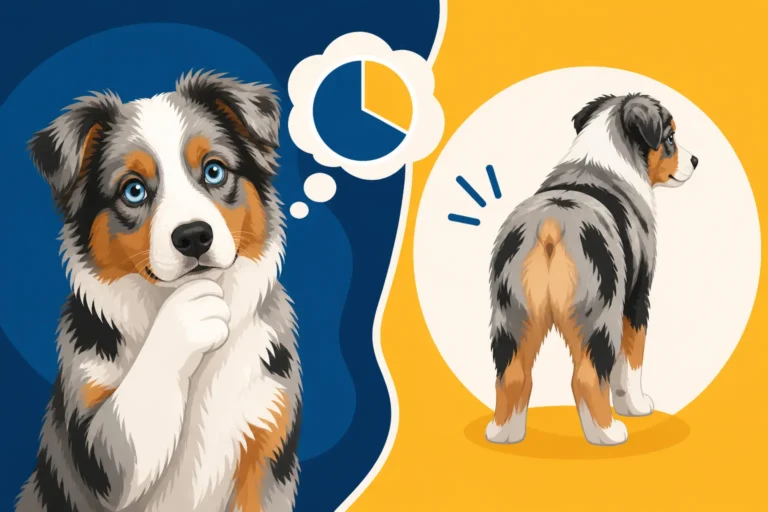
Just like human teenagers, Aussie pups hit an "awkward" phase, and their coat is no exception. This typically begins around 4 to 8 months of age, when that soft puppy coat starts to shed out more noticeably, making way for the adult coat to emerge. You’ll see a mix of textures and lengths: remnants of puppy fluff, shorter new growth, and the beginnings of coarser guard hairs. This can look a bit uneven and messy, and it’s often when owners first truly grapple with serious matting. The shedding can feel incessant, and those beautiful colors and patterns might appear duller or less defined as the new coat pushes through. It’s a bit like a construction site on their body, and patience (and a good brush) is key. The undercoat starts to thicken, and if you're not brushing regularly, mats can form surprisingly quickly in areas like behind the ears, under the armpits, and on their britches.
The Emergence of the Double Coat
By the time your Australian Shepherd reaches maturity, usually between 12 to 18 months, their full double coat will have largely established itself. This is the hallmark of the breed: a weather-resistant outer coat made of medium-textured, straight to wavy guard hairs, and a soft, dense, insulating undercoat. This double layer is what protects them from the elements, whether it’s harsh sun or bitter cold, and it’s why The Australian Shepherd Double Coat Explained is such a crucial topic. The colors will be vibrant and well-defined, whether they're a striking blue merle, a classic black tri, or a rich red merle. This is when you truly appreciate the full beauty of their genetics. The feathering on their legs, chest, and tail will become prominent, adding to their elegant silhouette. It’s a truly magnificent transformation from that initial, unassuming puppy fluff.
Maintaining the Mature Aussie Coat: A Lifelong Commitment
Once your Australian Shepherd has reached adulthood and their full coat has come in, you might think the changes are over. Not quite! While the dramatic shifts of puppyhood are behind you, the mature Aussie coat still has its own unique rhythms and requirements. This isn't a "set it and forget it" kind of coat; it demands consistent attention to keep it healthy, tangle-free, and looking its best.
Seasonal Shedding and Coat Blow
If you live with an adult Australian Shepherd, you know "shedding season" is practically a year-round event, but it becomes a full-blown blizzard twice a year. This phenomenon is often referred to as "coat blow," and it's when your Aussie sheds their entire undercoat in preparation for either warmer or colder weather. Typically, this happens in spring to shed the thick winter undercoat and again in the fall to prepare for new winter growth. During these periods, the amount of hair coming off your dog can be truly astonishing. It will be on your clothes, your furniture, your food – everywhere! This is where diligent grooming becomes absolutely vital. Regular, thorough brushing, perhaps even daily during peak coat blow, is essential to remove dead undercoat, prevent mats, and keep your dog comfortable. Brushing an Australian Shepherd Through Coat Blow delves into the best strategies and tools to get through these hairy times. Investing in a high-velocity dryer can also make a world of difference after baths, helping to blast out loose undercoat.
Color Fading and Texture Changes
Even a mature Aussie's coat isn't static. Over the years, you might notice subtle shifts in its appearance. Sun exposure, for example, can cause some fading or lightening of the coat, especially in darker areas or on merle patterns. A deep black tri might develop a reddish tint, or a vibrant red merle could become a softer, more sun-bleached copper over time. This is particularly noticeable in Aussies who spend a lot of time outdoors in direct sunlight. While their double coat offers good protection, prolonged exposure can still have an effect. Similarly, the texture of the coat can also change slightly. Some owners report that their Aussie's coat becomes a little coarser with age, particularly the guard hairs, while others might notice a slight softening, though typically the robust nature of the double coat remains. These changes are usually minor and part of the natural aging process, but it's good to be aware that their coat isn't always going to look exactly the same as it did at their peak two years of age.
Addressing Mats and Tangles in the Adult Coat
The mature Australian Shepherd coat, with its dense undercoat and longer guard hairs, is highly prone to matting if not properly maintained. Mats are not just unsightly; they can be incredibly painful for your dog, pulling on their skin and creating hotspots for skin infections. Common trouble spots include behind the ears, in the armpits, around the collar area, in the "feathers" on their legs, and the dense fur on their britches and tail. Even the slightest tangle, if left unchecked, can quickly snowball into a tight, felted mat. Regular brushing, at least two to three times a week, is your best defense. When brushing, always work in sections, getting right down to the skin, and use a slicker brush followed by a good metal comb to ensure you've removed all tangles. For particularly stubborn areas, you might need a detangling spray or a mat splitter. Remember, prevention is far easier (and less painful for your dog) than trying to remove large, dense mats. Our guide on The Mats That Form Behind Aussie Ears offers more specific advice on tackling those tricky spots. Never shave your Aussie to deal with mats, as Why an Australian Shepherd Should Never Be Shaved explains how detrimental that can be to their natural coat protection.
The Senior Aussie Coat: Graying, Thinning, and Special Care
As our beloved Australian Shepherds enter their golden years, their bodies, including their coats, begin to show the signs of a life well-lived. These changes are a natural part of aging and often reflect deeper shifts in their health and metabolism. Understanding what to expect can help you provide the most comfortable and appropriate care for your senior companion.
The Inevitable Graying Process
One of the most visible signs of an aging Australian Shepherd is the appearance of gray hairs. Just like us, Aussies go gray, typically starting around the muzzle and eyes. You might notice fine silver strands appearing on their chin, around their lips, and over their eyebrows, often making their expressive faces even more endearing. This graying can begin as early as 5 or 6 years old in some individuals, while others might not show significant gray until they're well into their senior years. The extent and speed of graying can vary greatly depending on genetics and individual factors, but it's an almost universal sign that your pup is becoming a wise, old soul. It doesn't affect the coat's function, but it certainly adds character to their already captivating appearance.
Thinning and Brittleness in Older Aussies
Beyond graying, the texture and density of a senior Aussie's coat can also change. You might notice that their once-dense undercoat starts to thin out, making them feel a bit less plush. The guard hairs can become more brittle or sparse in certain areas, leading to a generally thinner appearance. This thinning can be a result of decreased metabolic function, hormonal changes that come with age, or even simply less activity leading to less natural abrasion and renewal. In some cases, medical conditions common in older dogs, like hypothyroidism or other autoimmune issues, can manifest as a dull, brittle, or thinning coat. If you notice a sudden or significant change in your senior Aussie's coat density or texture, it's always wise to consult your veterinarian to rule out underlying health problems. Our article on Senior Australian Shepherd Care After Ten offers a broader look at the needs of an aging Aussie, including how health can impact coat quality.
Adapting Grooming for the Senior Dog
Grooming a senior Australian Shepherd requires a gentler approach and extra consideration for their comfort. Their joints might be achy, their skin more sensitive, and their patience a little shorter. Long grooming sessions on a hard table can be difficult. Opt for shorter, more frequent brushing sessions, allowing them to rest or lie down if needed. Use soft-bristled brushes that won't irritate their skin, and be particularly careful around any bony prominences or arthritic joints. Bathing might need to be less frequent or done with warmer water in a non-slip tub. Make sure to dry them thoroughly but gently to prevent chilling, as their thinner coat might not insulate as well. Regularly check their skin for lumps, bumps, or dry patches, as older dogs can be more prone to skin issues. Getting their nails trimmed regularly is also vital, as overgrown nails can impact their balance and worsen any existing joint pain. For more on this, check out Grooming an Arthritic Australian Shepherd. Many older Aussies might benefit from using ramps or steps to get onto grooming tables, or even just being groomed on the floor if it's more comfortable for them.
Factors Influencing Coat Health Beyond Age
While age certainly plays a significant role in how an Australian Shepherd's coat evolves, it's not the only factor. A myriad of other influences, from what they eat to their overall health, can dramatically impact the luster, thickness, and general well-being of their magnificent coat. Understanding these elements can help you maintain a healthy coat throughout your Aussie's life.
Nutrition's Role in a Lustrous Coat
You truly are what you eat, and for your Australian Shepherd, that statement extends directly to their coat. A high-quality diet, rich in essential nutrients, is the foundation of a healthy, shiny coat. Look for dog foods that list meat as the first ingredient and contain a good balance of protein, fats, and carbohydrates. Crucially, omega-3 and omega-6 fatty acids are coat superstars. These "good fats" are vital for skin health, which directly translates to coat quality. They help reduce inflammation, keep skin hydrated, and promote a glossy, strong coat. Many premium dog foods, easily found at retailers like Chewy, incorporate these fatty acids. You can also supplement your Aussie's diet with fish oil, which is packed with beneficial omegas. Our article Fish Oil for an Aussie Double Coat dives deeper into how these supplements can enhance your dog's skin and fur. Poor nutrition, conversely, can lead to a dull, dry, brittle coat, excessive shedding, and even skin issues. Always consult your vet before making significant dietary changes or adding supplements to ensure it's appropriate for your individual dog.
Environmental Impact and Sun Exposure
The environment your Australian Shepherd lives in also plays a role in their coat's condition. While their thick double coat provides excellent insulation against both heat and cold, prolonged exposure to harsh elements can still take a toll. Intense sun, for example, can not only lighten the coat color over time, but excessive UV exposure can also dry out hair shafts and even lead to sunburn on less dense areas or on pink skin under white markings. We discuss the specifics of this in Whether a Merle Aussie Sunburns More Easily. Conversely, extreme cold and dry air can also strip moisture from the coat, leading to static, breakage, and a dull appearance. Regular baths with appropriate shampoos and conditioners can help mitigate these effects, restoring moisture and protecting the coat. Ensuring your Aussie has access to shade when outdoors and isn't left in extreme conditions for extended periods is crucial for both their overall health and coat integrity.
Health Conditions Affecting Coat Quality
Sometimes, a sudden or progressive change in your Aussie's coat isn't just about age or environment; it can be a red flag for an underlying health issue. Many systemic diseases manifest first, or most visibly, through changes in skin and coat. For instance, hypothyroidism, a common condition in dogs, can lead to a dull, dry, brittle coat, often accompanied by excessive shedding, especially if it doesn't align with seasonal coat blow. Our post on Thyroid Disease Behind a Flat Aussie Coat explains this in detail. Allergies, whether environmental or food-related, can cause intense itching, leading to hot spots, skin infections, and hair loss from scratching and licking. Parasites, such as fleas or mites, will also wreak havoc on a coat. Autoimmune diseases, kidney disease, liver disease, and even certain cancers can all impact coat quality, causing thinning, color changes, or poor texture. If you notice any drastic or unexplained changes in your Australian Shepherd's coat – such as sudden bald patches, persistent dullness, excessive greasiness or dryness, or severe itching – don't hesitate to consult your veterinarian. They can help diagnose any underlying issues and recommend appropriate treatment to get your Aussie's coat (and overall health) back on track.
Australian Shepherd Coat Changes by Age Stage
| Age Stage | Coat Characteristics | Grooming Focus | Key Considerations |
|---|---|---|---|
| Puppy (0-6 mos) | Soft, fine, downy "puppy fluff" | Gentle desensitization to brushing, handling, nail trims. | Minimal shedding, but important to start positive grooming habits early. |
| Adolescent (6-18 mos) | Transition from puppy to adult coat; uneven texture, increased shedding. | Increased brushing frequency to manage shedding and prevent matting in emerging double coat. | Prone to matting as puppy fluff sheds and adult coat grows in. Look out for mats behind ears, armpits. |
| Adult (1.5-7 yrs) | Full, dense double coat; vibrant colors; distinct feathering. | Regular brushing 2-3 times/week. Seasonal "coat blow" requires daily, thorough deshedding. | Highest risk of mats if neglected. Colors may subtly fade with sun exposure. |
| Senior (7+ yrs) | Graying around muzzle/eyes; potential thinning of undercoat; possible brittleness. | Gentler, shorter grooming sessions. Monitor for skin issues or discomfort. Adapt for arthritis. | Health conditions can significantly impact coat quality. Graying is natural. Consult vet for drastic changes. |
As you can see, your Australian Shepherd's coat is a living, changing part of them, evolving from a soft puppy fluff to the magnificent double coat of an adult, and eventually showing the distinguished signs of age. Each stage comes with its own joys and challenges, particularly when it comes to grooming. Embrace the journey, and remember that consistent care, good nutrition (perhaps even some high-quality food from Chewy), and a watchful eye for health changes are key to keeping your Aussie's coat as beautiful and healthy as they are at every stage of their life.
Disclaimer
This article is for general informational purposes only and does not constitute professional advice. Laws, prices and regulations vary by location and change over time. Consult a qualified professional for guidance on your specific situation.