The CEA DNA Test for Australian Shepherds
The fear that something might be wrong with your beloved Australian Shepherd's eyes is a heavy burden, especially when you know certain breeds are prone to inherited conditions. Many owners and even new breeders feel overwhelmed by the sheer number of potential health issues, but specifically understanding and addressing Collie Eye Anomaly (CEA) through modern DNA testing can bring immense clarity and peace of mind. This guide will walk you through exactly what the CEA DNA test involves, why it’s so important for your Aussie, and how to interpret the results for a healthier future.
Understanding Collie Eye Anomaly in Australian Shepherds
Collie Eye Anomaly, often simply called CEA, is a congenital, inherited eye disease that affects the development of various structures in the eye. While the name points to Collies, it's actually quite common in several herding breeds, including our wonderful Australian Shepherds. It's not something that develops later in life; a dog is born with it, and it can range dramatically in severity. Imagine peering into your Aussie's soulful eyes, wondering if there's an invisible problem lurking beneath the surface – that’s the anxiety many face without proper testing.
What CEA Does to Your Aussie's Eyes
At its core, CEA involves abnormal development of the choroid, a layer of tissue behind the retina that supplies blood and nutrients. This can lead to a host of problems:
- Choroidal Hypoplasia (CH): This is the most common manifestation, where the choroid is thinner than it should be. It's typically non-progressive and often doesn't significantly impact vision, though severe cases can cause issues. For many Aussies, this is the mildest form of CEA, and they might live their entire lives seeing perfectly normally.
- Colobomas: These are pit-like depressions, often found in the optic nerve head. They can vary greatly in size. Small colobomas might not affect vision, but larger ones can lead to retinal detachment or bleeding inside the eye, which can cause partial or complete blindness. This is where the real concern for an Australian Shepherd's vision usually lies.
- Retinal Detachment: In the most severe cases, the retina can detach from the underlying tissue. This is a painful and usually blinding condition.
- Intraocular Hemorrhage: Bleeding within the eye can also occur, further compromising vision and causing discomfort.
The severity really is a spectrum. Some dogs might have such a mild form of CEA that it's only detectable by a veterinary ophthalmologist during a specialized eye exam, while others might suffer significant vision impairment or even blindness. The anxiety of not knowing where your dog falls on that spectrum is why tools like the DNA test are so vital. If you're wondering about the direct impact, our detailed post, Whether a Mildly Affected CEA Aussie Sees Normally, delves deeper into the visual implications.
The Genetic Root of CEA
CEA is passed down through an autosomal recessive gene. This means a dog needs to inherit two copies of the defective gene—one from each parent—to be affected by the condition. Here’s a quick breakdown of what different genetic statuses mean:
- Clear/Normal: This dog has two normal copies of the gene and cannot develop CEA or pass the gene to its offspring.
- Carrier (Affected Heterozygous): This dog has one normal copy and one defective copy. It will not develop CEA itself but can pass the defective gene to its offspring. This is often the tricky part for breeders, as a carrier looks perfectly healthy.
- Affected (Affected Homozygous): This dog has two defective copies of the gene. It will develop CEA. The severity, as we discussed, can still vary, but they are genetically predisposed to the condition. This dog will pass a defective gene to all of its offspring.
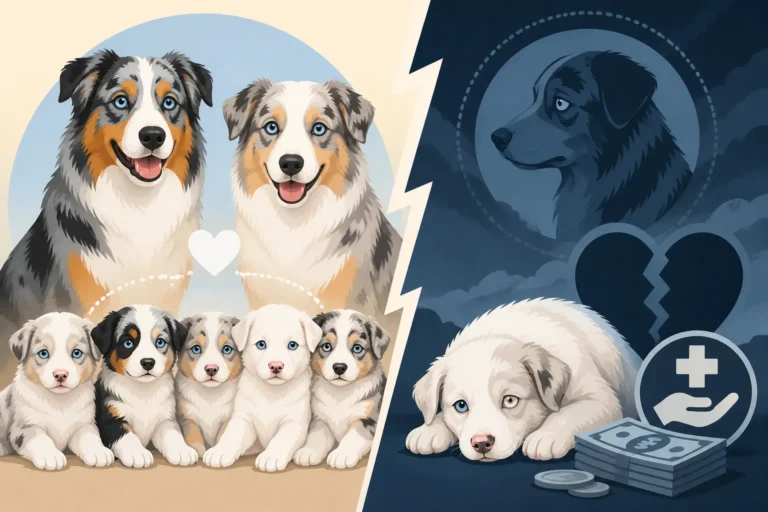
Understanding this inheritance pattern is absolutely critical for responsible breeding. If two carriers are bred together, there's a 25% chance their puppies will be affected, a 50% chance they'll be carriers, and a 25% chance they'll be clear. This is why a simple DNA test can prevent a lifetime of potential issues for a litter.
Why the CEA DNA Test Is a Game Changer
For years, breeders relied solely on veterinary ophthalmologist examinations of puppies to detect CEA. While these exams are still vital, the DNA test adds an incredibly powerful layer of certainty and allows for proactive breeding decisions. It's like having a crystal ball for your puppy's genetic health.
Early Detection and Peace of Mind
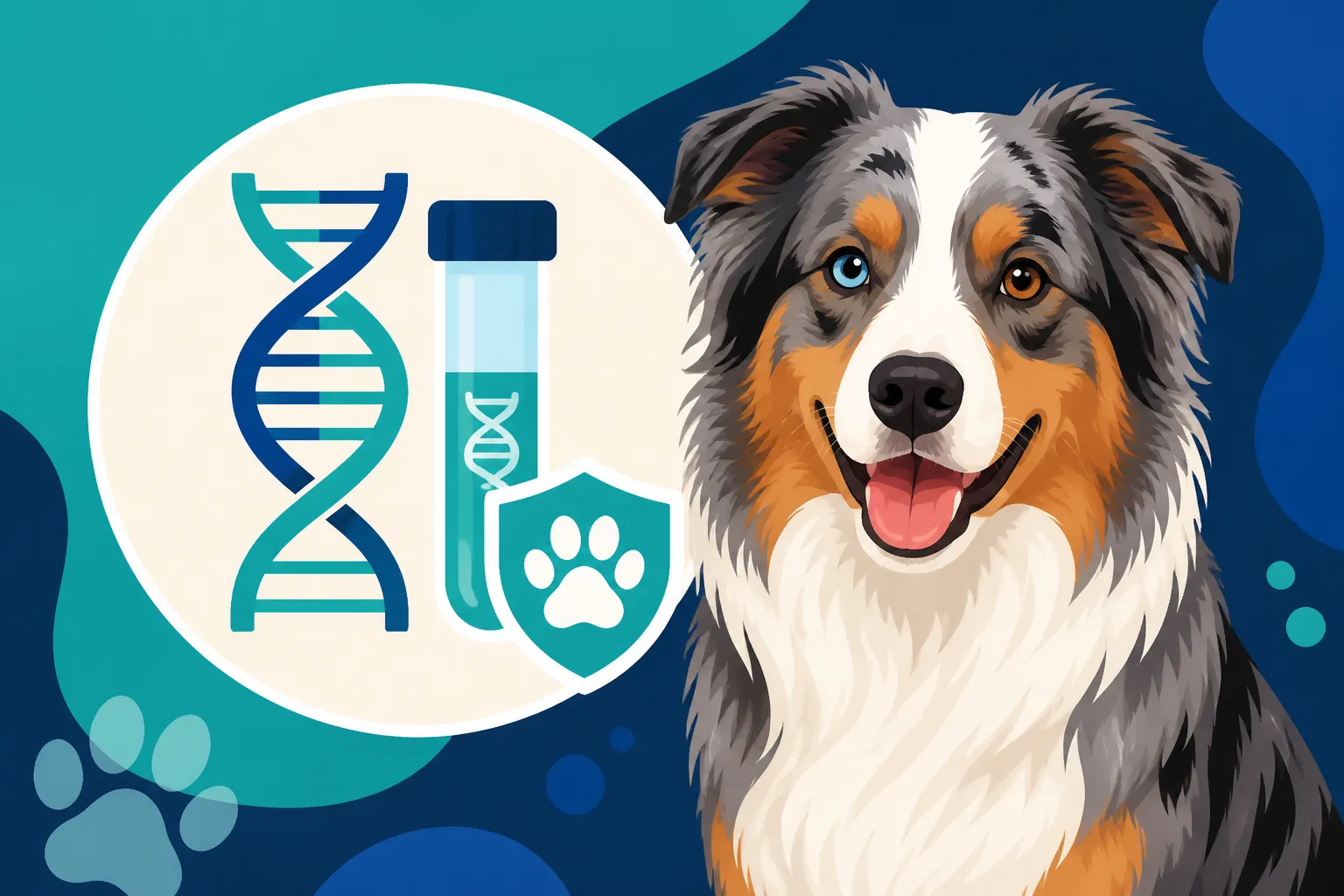
One of the biggest advantages of the CEA DNA test is its ability to identify affected puppies long before any physical symptoms might be obvious, or even if the symptoms are so mild they'd be missed by a general vet. A positive DNA test means you know what you're dealing with from the start. This allows owners to prepare for potential vision issues, and it gives breeders crucial information for their breeding programs. Think about the peace of mind knowing definitively if your energetic pup is clear, or if you need to be particularly vigilant about its eye health as it grows.
Guiding Responsible Breeding Decisions
For Australian Shepherd breeders, the CEA DNA test isn't just helpful; it's practically indispensable for responsible breeding practices. By testing prospective breeding dogs, breeders can make informed decisions to avoid producing affected puppies.
- Preventing Affected Offspring: If a breeder knows a dog is a carrier, they can choose to breed it only with a dog that is clear. In such a pairing, while some puppies might be carriers, none will be affected by CEA. This dramatically reduces the incidence of the disease in the breed.
- Maintaining Genetic Diversity: The goal isn't necessarily to eliminate carriers from the gene pool entirely, as that could inadvertently reduce genetic diversity. Instead, it's about making wise pairings. A healthy carrier, particularly one with other excellent traits, can still be a valuable part of a breeding program when paired with a clear mate.
- Transparency with Buyers: Reputable breeders often provide copies of their breeding dogs' genetic test results to potential puppy buyers. This transparency builds trust and assures new owners that every effort has been made to produce healthy puppies. If you're looking for an Australian Shepherd, always ask to see the genetic panel results. Our guide, The Genetic Panel Every Australian Shepherd Needs, offers a comprehensive look at what to ask for.
The test removes the guesswork. It empowers breeders to make ethical choices that safeguard the future health of the Australian Shepherd breed, ensuring families bring home healthy, happy puppies.
How the CEA DNA Test Works
Getting your Australian Shepherd tested for CEA is a straightforward process, thanks to advances in veterinary genetics. It typically involves a simple sample collection and submission to a specialized laboratory.
Collecting the Sample
Most DNA tests for genetic conditions like CEA use one of two types of samples:
- Cheek Swab: This is the most common and least invasive method. You'll receive a kit with sterile swabs, and the process is as simple as gently rubbing the swab along the inside of your dog's cheek and gums to collect cells. It's usually a quick, stress-free procedure you can do at home.
- Blood Sample: Sometimes, a veterinarian might collect a small blood sample. This is generally done if other blood tests are already being performed, or if a cheek swab proved insufficient. It's still a routine procedure but requires a vet visit.
It's crucial to follow the kit's instructions carefully to ensure a good sample, as contamination or insufficient cells can lead to delays or inconclusive results.
Sending to the Lab and Receiving Results
Once the sample is collected, it's typically mailed to a specialized canine genetics laboratory. Several reputable labs offer CEA testing for Australian Shepherds, including companies like Embark Veterinary, Optimal Selection (part of Wisdom Panel), and others. These labs analyze the DNA to identify the specific gene mutation associated with CEA.
Turnaround times can vary, but generally, you can expect results within a few weeks. The results are usually provided in an easy-to-understand report, clearly indicating your dog's genetic status: clear, carrier, or affected. Many reports also include a comprehensive Reading an Australian Shepherd DNA Panel which provides even more health insights.
Interpreting Your Australian Shepherd's CEA Test Results
Receiving your Aussie's genetic test results can feel like opening a report card for their health. Knowing how to interpret "Clear," "Carrier," and "Affected" is key to understanding the next steps, whether you're a pet owner or a breeder.
Normal or Clear Status
If your Australian Shepherd tests "Normal" or "Clear" for CEA, it means they have two healthy copies of the gene. This is fantastic news!
- For the Pet Owner: Your dog will not develop CEA due to this specific genetic mutation, and you don't need to worry about them passing it on if you ever considered breeding (though if your dog is a pet, spaying or neutering is still generally recommended). You can breathe a sigh of relief on this front!
- For the Breeder: A clear dog is a valuable asset to a breeding program. You can confidently breed a clear dog with any other dog (clear, carrier, or even affected, though breeding an affected dog is highly discouraged unless under very specific circumstances to preserve critically rare lines) without the risk of producing affected puppies. All offspring will inherit at least one clear gene from this parent.
Carrier Status (Affected Heterozygous)
A "Carrier" result indicates your Aussie has one normal copy of the gene and one copy of the gene linked to CEA. This is often misunderstood, leading to unnecessary worry.
- For the Pet Owner: Crucially, a carrier dog will not develop CEA themselves. They are phenotypically normal, meaning they will have perfectly healthy eyes in relation to this specific genetic condition. The only relevance of a carrier status for a pet owner is if you're ever questioned about your dog's genetics, or for your own knowledge. You don't need to take any special precautions for their eye health due to this status.
- For the Breeder: A carrier dog can be responsibly bred, but with careful consideration. The key is to only breed a carrier with a dog that is clear. In such a pairing, 50% of the puppies statistically will be clear, and 50% will be carriers. None of the puppies will be affected. This strategy allows breeders to maintain genetic diversity within their lines, especially if the carrier dog has other exceptional qualities, without producing dogs that will suffer from CEA. Breeding two carriers together, however, is considered irresponsible as it carries a 25% risk of producing affected offspring.
Affected Status (Affected Homozygous)
An "Affected" result means your Australian Shepherd has inherited two copies of the CEA gene mutation, one from each parent.
- For the Pet Owner: Your dog will develop CEA. The severity is still variable, as discussed earlier, ranging from mild choroidal hypoplasia with no visual impairment to severe colobomas, retinal detachment, and potential blindness. It is highly recommended to consult with a board-certified veterinary ophthalmologist to assess the extent of the condition and discuss monitoring or management strategies. While a pet insurance plan like Healthy Paws might help with unexpected vet bills, remember to check coverage details carefully as inherited conditions can sometimes fall into specific categories. You might want to explore our post on Collie Eye Anomaly in an Australian Shepherd for more on what this diagnosis entails.
- For the Breeder: An affected dog should not be bred. Breeding an affected dog guarantees that all offspring will receive at least one copy of the mutated gene, meaning they will all be carriers at minimum, and potentially affected if bred to another carrier or affected dog. The goal of genetic testing is to reduce and eventually eliminate conditions like CEA from breeding lines, and breeding affected dogs goes against this principle.
Here's a handy table to summarize the results and their implications:
| DNA Test Result | Genetic Makeup | Will the Dog Develop CEA? | Implications for Breeding (Responsible Practices) |
|---|---|---|---|
| Normal/Clear | Two healthy copies (N/N) | No | Can be bred with any dog (Clear, Carrier) without producing affected offspring. |
| Carrier | One healthy, one affected (N/CEA) | No | Must only be bred with a Clear dog to avoid producing affected offspring. |
| Affected | Two affected copies (CEA/CEA) | Yes (severity varies) | Should not be bred to prevent passing on two copies of the mutated gene to future generations. |
What to Do After Receiving a CEA Diagnosis
If your Australian Shepherd receives an "Affected" diagnosis from a CEA DNA test, it's natural to feel a rush of concern. The good news is that this knowledge empowers you to take proactive steps for your dog's well-being. This isn't a death sentence, but rather a call to action.
Consulting a Veterinary Ophthalmologist
The very first and most important step is to schedule an appointment with a board-certified veterinary ophthalmologist. This specialist has the training and equipment to perform a thorough eye examination to determine the actual physical manifestation and severity of the CEA in your dog. Remember, the DNA test tells you the potential for the disease, but the ophthalmologist will tell you the reality of its impact on your specific dog's eyes. They can confirm the presence of choroidal hypoplasia, identify any colobomas, or check for signs of retinal detachment or hemorrhage.
This specialist will be able to give you a clear picture of what to expect, whether it’s a mild case that requires no intervention or a more severe one that needs ongoing monitoring or potentially intervention. They can also explain if your dog's vision is currently impacted or likely to be in the future. During the puppy stage, this is a critical check-in, often referred to as The Aussie Puppy Eye Check at Six Weeks, which complements the DNA test results perfectly.
Monitoring for Changes and Managing Potential Vision Loss
Even if the initial ophthalmologist visit reveals a mild form of CEA, regular monitoring is often recommended, especially as your dog ages. Keep an eye out for any changes in your dog's behavior that might indicate vision issues:
- Bumping into objects: Especially in familiar environments, this can be a sign of worsening vision.
- Hesitation in new places or low light: Dogs with vision problems might be reluctant to navigate unfamiliar territory or struggle in dimly lit areas.
- Difficulty finding toys or food: They might miss items they used to locate easily.
- Changes in eye appearance: Cloudiness, redness, or discharge, though these can indicate other issues too.
If vision loss does progress, there are many ways to help your Australian Shepherd adapt. Maintaining a consistent home environment, not moving furniture, using scent markers, and teaching verbal cues can all make a huge difference. A dog’s other senses are incredibly strong, and they can often lead full, happy lives even with impaired vision. Insurance providers like Healthy Paws may offer benefits for such specialist visits, so it's wise to review your policy.
CEA Testing Beyond DNA: The Puppy Eye Exam
While the CEA DNA test is an incredibly powerful tool for understanding your Australian Shepherd's genetic predispositions, it's not the only piece of the puzzle. A thorough physical eye examination by a certified veterinary ophthalmologist remains an essential step, especially for puppies. Think of it as the real-world confirmation of what the genetic code suggests.
Why a DNA Test Isn't the Only Test
The DNA test for CEA specifically identifies the presence of the mutated gene. What it doesn't tell you is the phenotypic expression of that gene—meaning, how severely the condition actually manifests in an individual dog's eyes. Two dogs might both test "Affected" for CEA, but one might have a very mild form that never impacts its vision, while another might develop severe colobomas and experience significant vision loss.
This variability means that even with a clear DNA test result, a comprehensive eye exam can still catch other potential eye issues not covered by the CEA DNA test. For example, conditions like Hereditary Cataracts or Progressive Retinal Atrophy have their own genetic tests and can also be identified during an eye exam. Our post on The ACVO Eye Exam Australian Shepherd Breeders Run highlights why these comprehensive checks are so valuable.
The Importance of the Puppy Eye Exam
For Australian Shepherds, the specific "puppy eye exam" for CEA is typically performed by a board-certified veterinary ophthalmologist between six and eight weeks of age. This timing is crucial because at this young age, the non-progressive choroidal hypoplasia (the most common form of CEA) is most easily detected. As puppies grow, a normal layer of pigment can develop over the affected areas in the choroid, making it difficult or impossible to diagnose CEA accurately in older dogs using only an ophthalmoscope. This phenomenon is known as "go-normal."
During this specialized exam, the ophthalmologist will dilate the puppy's pupils and meticulously examine the retina and choroid for any abnormalities. If CEA is present, even in a mild form, it can usually be seen at this stage.
- Combining Tests for Certainty: For breeders, getting both a DNA test and a puppy eye exam for their litter offers the most comprehensive picture. A DNA-clear puppy that also passes its ophthalmologist exam provides maximum confidence for new owners.
- Catching Other Issues: Even if a puppy is DNA-clear for CEA, the eye exam can identify other congenital eye anomalies, giving owners and breeders full transparency.
Finding a Board-Certified Veterinary Ophthalmologist
It's absolutely critical that these eye examinations are performed by a board-certified veterinary ophthalmologist. They have the specialized training, equipment, and expertise to accurately diagnose these subtle conditions. A general practice veterinarian may not have the specific tools or experience to detect the nuances of CEA and other inherited eye diseases. Your local vet can usually refer you to one, or you can find one through organizations like the American College of Veterinary Ophthalmologists (ACVO).
The Broader Picture: Responsible Breeding and Health Testing
Understanding CEA and its DNA test is a fantastic step, but it's important to remember that it's just one piece of the larger puzzle of Australian Shepherd health. Responsible breeding encompasses a much wider array of health clearances and genetic screenings, all designed to ensure the longevity and well-being of these incredible dogs.
Why CEA Is Just One Piece of the Puzzle
While CEA can lead to serious vision problems, Australian Shepherds are prone to other inherited conditions as well. A responsible breeder doesn't stop at just one test; they conduct a full panel of screenings. Imagine buying a car based solely on its engine, without checking the brakes or tires! It's the same principle for a dog's health.
Other critical areas of concern for Australian Shepherds include:
- Hip and Elbow Dysplasia: These orthopedic conditions can cause pain and lameness, impacting a working Aussie's ability to perform and enjoy life. Organizations like OFA (Orthopedic Foundation for Animals) provide certification for these joints. You can learn more in our article about Australian Shepherd Hip Dysplasia and Working Joints.
- MDR1 Gene Mutation: This mutation affects how certain drugs are processed, making many common medications potentially toxic to affected Aussies. It's a hugely important test.
- Hereditary Cataracts: Another eye condition that can lead to blindness, often with its own specific genetic test (HSF4).
- Epilepsy: A complex neurological disorder that can manifest as seizures. While there isn't a single DNA test for all forms of epilepsy, understanding family lines is crucial. You can find more information about Australian Shepherd Epilepsy Starting Between One and Five in our comprehensive guide.
- Thyroid Disease and Autoimmune Conditions: While not always single-gene mutations, screening for these conditions is also part of a thorough health regimen.
How Genetic Panels Empower Breeders and Owners
Modern genetic testing companies now offer comprehensive "panels" that screen for dozens of inherited diseases at once, including CEA, MDR1, HSF4 cataracts, and many others. These panels are invaluable for both breeders and prospective puppy owners.
- For Breeders: These panels allow breeders to screen their entire breeding stock efficiently. They can identify carriers for multiple conditions and make informed breeding decisions to reduce the incidence of various diseases across their lines. This doesn't mean aiming for 100% "clear" dogs for every single gene (as that can lead to a dangerously small gene pool), but rather making intelligent pairings to avoid producing affected offspring for any known condition.
- For Owners: When you're looking for an Australian Shepherd puppy, asking for proof of comprehensive genetic testing on both parents is non-negotiable. This shows that the breeder is committed to health and transparency. A breeder who provides full health clearances and can explain the results for each parent is someone you can trust. Reputable breeders understand that the initial Aussie Puppy Prices Between $1,000 and $2,500 are justified by the investment in health testing.
By embracing both specific DNA tests like the one for CEA and broader genetic panels, we contribute to a future where Australian Shepherds can enjoy a long, healthy Australian Shepherd Lifespan Across Twelve to Fifteen Years, free from preventable genetic diseases. It's about combining scientific advancement with diligent care to give these intelligent, active dogs the best possible start in life.
Disclaimer
The information provided in this article is for educational and informational purposes only and does not constitute veterinary advice. Always consult with a qualified veterinarian or veterinary specialist for any health concerns or before making any decisions about your pet's health or treatment.