Whether Blue Eyes Mean Vision Problems in an Aussie
It’s perfectly natural to gaze into those captivating blue eyes of your Australian Shepherd and wonder if their unique beauty comes with a hidden cost. Many Aussie parents, myself included, have felt a pang of worry, hearing whispers that blue eyes in dogs might somehow be linked to vision problems. You might love their striking appearance, but deep down, a part of you might be concerned about their long-term health. This guide is here to unravel that mystery, separating fact from fiction and offering clarity on whether those dazzling blue eyes truly mean vision troubles for your beloved Aussie.
The Pigmentation Puzzle Behind Blue Australian Shepherd Eyes
When we talk about blue eyes in Australian Shepherds, it’s not just a simple color variation; it's a fascinating dance of genetics and pigmentation. Understanding this helps us move past the myth that blue eyes alone are a red flag. The truth is, many Aussies have perfectly healthy blue eyes, and it’s a hallmark of the breed's striking appearance.
How Pigment Influences Eye Color in Aussies
The color of an Australian Shepherd’s eyes, like ours, is determined by the amount and type of melanin present in the iris. More melanin typically leads to darker eyes (brown, amber), while less melanin or the absence of melanin can result in lighter eyes, including blue. In Aussies, particularly those with merle coats, the genetics get a bit more complex. The merle gene, which creates those beautiful mottled patterns on their coats, also affects pigmentation in other areas, including the eyes. It essentially dilutes random areas of pigment, and when this dilution happens in the iris, it can result in blue eyes. Sometimes, you’ll see eyes that are partly blue and partly another color, or even marbled with different shades – these are often called "split eyes" or "marbled eyes," and they're quite common and perfectly normal for the breed. These variations are simply a display of the merle gene's artistic touch on your dog's canvas, and usually, they don't signal an underlying health issue. It's a testament to the unique genetic tapestry that makes each Australian Shepherd so individual. You can learn more about how this specific gene works in "The Merle Gene and How It Dilutes Aussie Coat".
Blue Eyes as a Normal Trait vs. a Warning Sign
It's crucial to understand that a blue eye, or even two blue eyes, is a completely normal and often desired trait in many Australian Shepherds. Especially in merle-patterned dogs (blue merle or red merle), the blue eye is so common that it's part of the breed standard. Many healthy, well-sighted Aussies live long, fulfilling lives with vibrant blue eyes. The issue doesn't stem from the color itself, but from the genetic circumstances that can lead to blue eyes alongside other developmental problems. The concern arises when blue eyes are a byproduct of severe pigment dilution, which is most notably seen in dogs bred from two merle parents – a practice widely considered irresponsible due to the significant health risks involved. In these specific cases, the severe lack of pigment isn't just cosmetic; it can indicate broader developmental issues, potentially impacting vision and hearing. However, to reiterate, a blue-eyed Australian Shepherd from responsible breeding, where only one parent carried the merle gene, is statistically no more prone to vision problems than a brown-eyed one. The blue color alone is rarely the problem; it's the genetic lottery ticket they won, and often, it's a winning ticket for unique beauty.
Differentiating Normal Blue Eyes from Merle-Related Eye Defects
This is where the distinction becomes really important. There's a world of difference between a stunning, healthy blue eye and a blue eye that indicates an underlying developmental issue directly related to the merle gene's expression. Many people conflate the two, leading to unnecessary worry or, conversely, a dangerous misunderstanding of breeding risks.
Understanding the Risks of Double Merle Breeding
The primary concern about eye problems and blue eyes in Australian Shepherds doesn't come from having blue eyes inherently, but from the practice of breeding two merle-patterned dogs together. This pairing significantly increases the likelihood of producing "double merle" offspring, sometimes referred to as "lethal whites" (though this term is not entirely accurate and can be misleading, as these dogs are very much alive and deserving of love). Double merles inherit two copies of the merle gene, leading to extreme dilution of pigment. While they often have predominantly white coats and striking blue eyes, this extensive dilution can also affect the development of the eyes and ears, leading to serious health issues. The risks associated with breeding two merle Aussies are so severe that reputable breeders vehemently avoid it. You can dive deeper into these consequences by reading "Double Merle Australian Shepherds and What Breeding Two Merles Costs" and "Why Aussie Breeders Never Cross Merle to Merle". It's a practice that carries profound ethical and health implications for the puppies.
Common Eye Defects Linked to Severe Pigment Dilution
When an Australian Shepherd is a double merle, the severe lack of pigment can disrupt the normal development of the eyes during gestation. This isn't about the color blue, but about the cause of the extensive pigment reduction that also results in blue eyes. Some of the most common and serious eye defects seen in double merle Aussies include:
- Microphthalmia: This condition means the eyes are abnormally small. In severe cases, the eyes might be barely visible or completely non-functional. It’s a devastating condition that often results in significant vision impairment or complete blindness. This defect is a direct result of the merle gene's impact on eye development when present in two copies. More information can be found in "Microphthalmia in a Double Merle Australian Shepherd".
- Colobomas: These are gaps or holes in the structures of the eye, often affecting the iris (giving it a keyhole appearance), retina, or optic nerve. While some colobomas are mild and don't significantly affect vision, others can cause blind spots or severe vision loss. They are developmental malformations linked to the merle gene's influence on eye formation. You can explore "Australian Shepherd Iris Coloboma and Merle Eyes" for a detailed look.
- Persistent Pupillary Membranes (PPM): While not exclusively linked to merle, PPMs can sometimes be more prevalent in dogs with merle-related eye issues. These are remnants of fetal tissue that persist in the pupil area, sometimes obstructing vision.
- Cataracts: While cataracts can occur for many reasons in any dog breed, some merle-affected Aussies might develop congenital cataracts, meaning they are present from birth or develop very early in life. These opaque areas on the lens can severely impair vision.
- Retinal Dysplasia: This involves abnormal development of the retina, which can range from minor folds to widespread detachment, leading to significant vision impairment.
It’s these specific, structural defects, stemming from a genetic overdose of merle, that are the true concern, not simply the aesthetic presence of blue eyes. A healthy blue-eyed Aussie from a responsible breeder should not be lumped in with the potential challenges faced by a double merle.
Recognizing Potential Vision Problems in Your Australian Shepherd
Even if your Aussie has beautiful, healthy blue eyes, it’s always wise to be vigilant about their vision. Not all eye problems are linked to merle genetics, and any dog can develop issues over time. Knowing what to look for can help you catch problems early and seek veterinary care promptly.
Signs and Symptoms of Vision Impairment
Observing your Australian Shepherd's behavior is often the first step in identifying potential vision problems. Dogs are incredibly adaptable, and they can often compensate for diminishing eyesight by relying more on their other senses, like smell and hearing. This means that by the time you notice something, the issue might be quite advanced. Here are some signs that your Aussie might be experiencing vision impairment:
- Bumping into Objects: This is one of the most obvious signs. If your Aussie starts to regularly bump into furniture, walls, or even you, especially in familiar environments, it's a strong indicator. This might be more apparent in dim lighting or at night, as some conditions affect night vision first.
- Hesitation in New Environments: A dog with normal vision usually explores new places with confidence. If your Aussie seems unusually hesitant, cautious, or anxious in unfamiliar surroundings, or struggles to navigate them, it could be due to poor sight.
- Difficulty Locating Toys or Food: If your dog struggles to find a toy you’ve thrown, or can’t easily locate their food bowl even when standing nearby, their vision might be compromised.
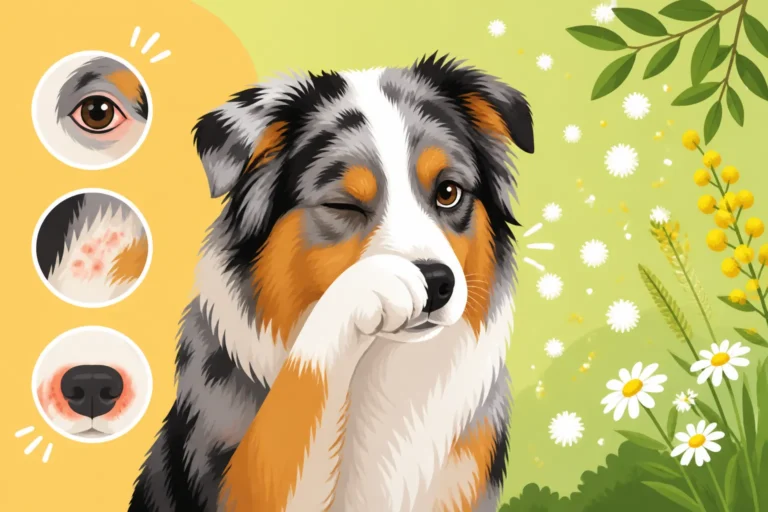
- Changes in Eye Appearance: Look for cloudiness in the eyes (which could indicate cataracts), redness, discharge, squinting, or a visible change in the size or shape of one or both eyeballs. Uneven pupil sizes or pupils that don't react normally to light are also red flags.
- Clumsiness or Uncoordination: Beyond bumping into things, a visually impaired dog might seem generally less coordinated, struggling with stairs, jumps, or quick movements.
- Increased Startle Response: A dog that can't see well might be more easily startled by sudden movements or noises because they can't anticipate them visually.
- Anxiety or Aggression: Vision loss can be disorienting and frightening for dogs, leading to increased anxiety, clinginess, or even uncharacteristic aggression when surprised or approached unexpectedly.
It's important to keep a consistent routine and environment if you suspect vision loss, as this can help your dog feel more secure while you seek a diagnosis.
The Importance of Regular Veterinary Eye Exams
Even if you don't notice any overt signs of vision problems, regular veterinary check-ups are paramount. Your general veterinarian will typically perform a basic eye exam during annual visits, checking for general health, clarity of the lens, and pupil response. However, for a more comprehensive assessment, especially if concerns arise, a referral to a board-certified veterinary ophthalmologist might be necessary. These specialists have advanced equipment and expertise to diagnose subtle conditions or those in their early stages.
For Australian Shepherd puppies, an early eye check at around six to eight weeks of age is particularly important. This early screening, often performed by a veterinary ophthalmologist, can detect congenital conditions like Collie Eye Anomaly (CEA) or certain forms of cataracts, allowing for early intervention or management. You can learn more about this crucial early check-up in "The Aussie Puppy Eye Check at Six Weeks". Some breeders also ensure that their adult breeding dogs receive an annual eye exam by a board-certified veterinary ophthalmologist (ACVO exam) to screen for hereditary eye diseases before breeding. This kind of proactive testing is a hallmark of responsible breeding practices and provides peace of mind for both the breeder and future owners.
If your Aussie ever receives a diagnosis of an eye condition, remember that many options exist, from medication to surgical interventions like cataract removal, to help preserve or restore their vision. Even for conditions where vision cannot be fully restored, your vet and ophthalmologist can offer advice on managing the condition and supporting your dog's quality of life.
Responsible Breeding Practices and Eye Health Screening
The best defense against eye problems in Australian Shepherds, whether blue-eyed or not, starts long before a puppy ever comes home. Responsible breeding practices are the cornerstone of healthy canine populations, diligently working to reduce the incidence of hereditary diseases, including those affecting the eyes.
Genetic Testing Beyond Eye Color
A reputable Australian Shepherd breeder does not rely on eye color alone to determine health. Instead, they utilize comprehensive genetic testing to screen for a range of hereditary diseases that can affect the breed. This includes tests for conditions like the MDR1 mutation, which affects drug sensitivity, various types of cataracts (HSF4 gene), and of course, the merle gene itself. Understanding the genetic makeup of their breeding dogs allows breeders to make informed decisions, ensuring that they are not inadvertently passing on genes for serious health issues. For instance, testing a merle dog to identify if it is indeed a single merle (Mm) or a cryptic merle (Mh, which can sometimes appear solid-colored but carries the merle gene) is crucial to avoid accidental merle-to-merle breedings. This diligence in genetic screening helps to mitigate risks and contributes to the overall health of the breed. It's truly a panel every Australian Shepherd owner, and certainly every breeder, needs to understand. Read more about this important screening in "The Genetic Panel Every Australian Shepherd Needs".
The Role of ACVO Eye Exams in Breeding
Beyond DNA testing for specific genetic markers, responsible breeders also submit their breeding dogs to regular eye examinations by a board-certified veterinary ophthalmologist. These are known as ACVO (American College of Veterinary Ophthalmologists) eye exams. During this thorough examination, the ophthalmologist dilates the dog's pupils and meticulously inspects all parts of the eye – the eyelids, cornea, iris, lens, and retina – for any signs of disease or structural abnormalities.
These exams are vital because some hereditary eye conditions, such as early-onset cataracts or certain forms of retinal dysplasia, may not have a specific DNA test or may manifest later in life. An annual ACVO exam helps catch these issues, ensuring that affected dogs are not used for breeding, thereby preventing the transmission of these conditions to future generations. Breeders who take these steps will be transparent about the results, often providing copies of certifications for both parents of a litter. This dedication reflects a commitment to the health and longevity of their puppies. When you are looking for an Aussie puppy, always ask to see "The Test Results an Aussie Breeder Must Produce", including their ACVO clearances. This commitment to thorough screening is a far better indicator of eye health prognosis than simply the presence of blue eyes.
Navigating Costs and Insurance for Aussie Eye Care
When you welcome an Australian Shepherd into your life, you're signing up for a journey filled with joy, but also responsibility. Part of that responsibility is being prepared for potential health costs, especially concerning specialized care like ophthalmology.
Understanding the Potential Cost of Eye Health Issues
Eye conditions can range from relatively minor, requiring drops or oral medication, to severe, needing complex surgeries. For example, treating persistent inflammation or mild allergies might involve periodic vet visits and prescription eye drops, costing a few hundred dollars a year. However, if your Aussie were to develop a more serious issue like a severe coloboma or need cataract surgery, the costs can escalate dramatically. Cataract surgery, for instance, can easily run into thousands of dollars per eye, sometimes between $2,000 and $4,000, depending on your location and the specific veterinary ophthalmologist. Diagnostic procedures, such as specialized imaging or electroretinography (ERG) to assess retinal function, also add to the bill. For double merle Aussies born with significant defects like microphthalmia, ongoing care might be needed to manage discomfort or prosthesis if an eye is removed, leading to continuous expenses throughout their life. It’s a stark reminder that while those blue eyes are beautiful, it's the health behind them that truly matters, and that health can come with a price tag.
How Pet Insurance Can Offer Peace of Mind
Given the potential for high costs associated with specialized eye care, pet insurance can be an invaluable resource for Australian Shepherd owners. A good pet insurance policy can help alleviate the financial burden of unexpected veterinary bills, including those for eye conditions.
Many pet insurance providers, such as Healthy Paws, offer comprehensive plans that cover accidents, illnesses, and often, hereditary and congenital conditions, provided these conditions were not present or showing symptoms before enrollment (pre-existing conditions). This is a crucial detail: it's always best to enroll your Aussie when they are young and healthy, before any signs of eye problems or other hereditary conditions emerge. If, for example, your Aussie develops cataracts or a merle-related eye defect later in life, and you had a policy in place before any symptoms or diagnosis, your insurance could cover a significant portion of the treatment costs, typically 70-90% after your deductible. This means that instead of facing a $3,000 bill for eye surgery, you might only pay a few hundred dollars. Having pet insurance can allow you to make treatment decisions based on what’s best for your dog’s health, rather than being limited by financial constraints. It offers immense peace of mind, knowing that you can provide the best possible care for your blue-eyed (or brown-eyed!) companion without breaking the bank.
Ultimately, the presence of blue eyes in your Australian Shepherd is typically a beautiful, normal trait, often a characteristic display of the merle gene. It does not automatically signify vision problems. The real concern and connection to severe vision defects arise from irresponsible breeding practices that result in double merle puppies. By choosing a responsible breeder who conducts thorough genetic health testing and ACVO eye exams, and by staying vigilant with your Aussie's regular veterinary check-ups, you can largely mitigate these risks. Embrace the unique beauty of your blue-eyed Aussie, knowing that with proper care and responsible choices, those eyes can be as healthy as they are captivating.
Disclaimer
This article is intended for informational purposes only and does not constitute veterinary advice. Always consult with a qualified veterinarian or veterinary ophthalmologist for any health concerns or before making any decisions about your Australian Shepherd's care.