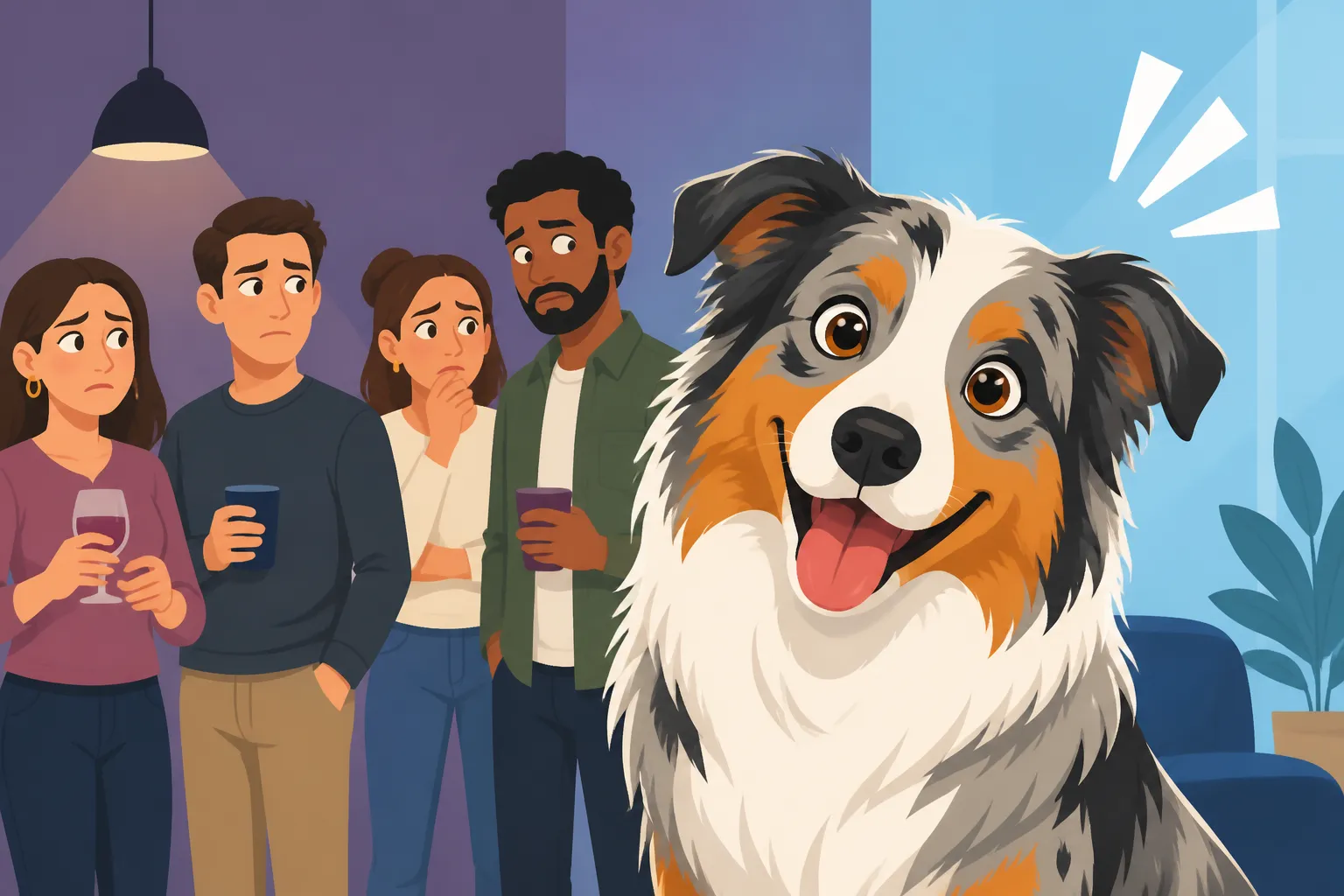
An Aussie That Stops Reading the Room
It’s truly disheartening and often quite frightening when your clever, observant Australian Shepherd, who usually seems to understand every nuance of your household, suddenly starts acting like they can’t "read the room." They might miss familiar cues, seem disoriented, or even bump into things in their own home. This shift can be a subtle whisper at first, then grow into a loud alarm, signaling a potential underlying health or cognitive change. This guide aims to explore the various reasons why your Aussie might be exhibiting these concerning behaviors and provide a roadmap for understanding, supporting, and seeking help for your cherished companion.
What "Not Reading the Room" Looks Like in Your Australian Shepherd
To fully grasp the concern, let's first remember what makes an Australian Shepherd so good at "reading the room" in the first place. Aussies are incredibly intelligent, sensitive, and intuitive dogs. They are bred to work closely with humans, observing subtle body language, anticipating movements, and reacting to environmental cues. They pick up on your mood, the routines of the house, and the energy of other pets or people with remarkable precision. When this innate ability falters, it’s not just a minor behavioral quirk; it's a significant change.
When we say an Aussie is "not reading the room," it can manifest in several troubling ways:
Missing Familiar Cues and Social Interactions
This is often one of the first and most upsetting signs. Your Aussie, who once responded instantly to their name, a specific hand signal, or the sound of the treat jar, might now stare blankly or simply ignore you. They might walk right past another family pet without acknowledging them, or fail to engage in their usual greeting rituals when you come home. This isn't stubbornness; it's a genuine disconnect. Perhaps they used to nudge your hand for pets or follow you from room to room, but now they seem unaware of your presence, or just don't initiate contact like they used to. This can feel deeply isolating for both you and your dog, leaving you wondering if they still recognize you.
Disorientation and Altered Spatial Awareness
Imagine your dog getting "lost" in your own living room. They might stand in a corner, facing the wall, or pace aimlessly in circles, seemingly unsure of where they are or what to do next. They might struggle to navigate familiar pathways, bumping into furniture they’ve always avoided or misjudging steps, causing them to trip. You might notice them staring at walls or into empty space for extended periods, as if trying to comprehend something that isn't there. This can be particularly alarming in a breed known for its agility and keen awareness of its surroundings.
Changes in Established Routines and Habits
Aussies thrive on routine, and a disruption here is a red flag. If your perfectly house-trained Australian Shepherd starts having accidents indoors, especially in places they never would before, it’s concerning. They might miss their usual meal times, forgetting to eat, or conversely, act ravenously as if they haven't eaten in days, even after a meal. Their sleep-wake cycle can become completely inverted; they might be restless and pace all night, then sleep soundly all day. These shifts are often deeply frustrating for owners, but it’s crucial to remember that these aren't deliberate acts of defiance but rather symptoms of a deeper issue.
Common Health Issues Affecting an Aussie's Cognitive Function
When an Australian Shepherd starts exhibiting these kinds of behaviors, the first and most critical step is always a visit to your veterinarian. Many underlying health conditions, some treatable, can lead to these cognitive and behavioral changes. It’s never "just old age" until a professional has ruled out other possibilities.
Canine Cognitive Dysfunction Syndrome (CDS)
Often likened to Alzheimer's disease in humans, Canine Cognitive Dysfunction Syndrome is a progressive neurodegenerative disorder that commonly affects older dogs. While it's a natural part of aging for some, the severity and onset can vary greatly. The heartbreaking part is watching your once vibrant and sharp Aussie slowly lose parts of their personality and awareness.
Symptoms of CDS are often summarized by the acronym DISHA:
- Disorientation: Getting lost in familiar places, staring blankly, pacing without purpose.
- Interactions: Altered social interactions, either withdrawing from family or becoming more irritable.
- Sleep-wake cycle changes: Restlessness at night, excessive sleeping during the day.
- House-soiling: Accidents indoors despite being house-trained.
- Activity levels: Decreased engagement, less interest in play, or repetitive behaviors.
The progression of CDS is gradual, often starting with subtle signs that are easy to dismiss as "just aging." However, over time, these symptoms become more pronounced and can significantly impact your dog's quality of life and your bond. While there's no cure, management strategies like specific diets, supplements, and medications (such as selegiline) can help slow the progression and improve quality of life. This is where Senior Australian Shepherd Care After Ten becomes particularly relevant, as many of these symptoms overlap with general senior care needs, but require specialized attention.
Neurological Conditions
The brain is the control center, and any issues there can drastically affect an Aussie's ability to process information and interact with their environment.
- Brain Tumors: These can occur at any age but are more common in older dogs. Depending on the location and size of the tumor, symptoms can range from subtle personality changes to severe neurological deficits. You might observe circling, head pressing, changes in gait, vision or hearing loss, and importantly, seizures or altered states of consciousness. The onset can be sudden and rapidly progressive. For comprehensive information on related health concerns, you might want to look into Australian Shepherd Cancer Risks With Age.
- Epilepsy and Post-Ictal Confusion: If your Aussie experiences seizures, the period immediately following a seizure (known as the post-ictal phase) can involve profound disorientation. Your dog might pace aimlessly, seem confused, uncoordinated, or unresponsive for minutes to hours. They are literally not "reading the room" because their brain is recovering from a neurological event. If your Aussie is diagnosed with epilepsy, understanding the post-ictal phase is crucial. More details on seizure management can be found in Australian Shepherd Epilepsy Starting Between One and Five.
- Encephalitis (Brain Inflammation): This condition, which can be caused by infections, autoimmune diseases, or sometimes unknown reasons, leads to inflammation of the brain tissue. Symptoms can be diverse and include fever, lethargy, seizures, blindness, and significant behavioral changes, including disorientation and unresponsiveness. Autoimmune forms can sometimes be linked to broader immune system issues, which are covered in topics like Australian Shepherd Autoimmune Disease.
Sensory Loss
It’s easy to assume our dogs are ignoring us, but sometimes they genuinely can’t hear or see us clearly. As Aussies age, sensory faculties can naturally decline, but sometimes these changes are more significant or happen earlier than expected.
- Hearing Loss: If your Aussie isn't responding to their name or verbal commands, they might not be ignoring you – they might not be hearing you. Gradual hearing loss can make a dog seem disengaged or startled by sudden touch because they didn’t hear you approach. They may also bark more excessively as they struggle to communicate or hear themselves. Learning more about this can be found in Hearing Loss in an Aging Australian Shepherd.
- Vision Loss: Bumping into furniture, hesitating to navigate stairs, or being unsure in low-light conditions are clear indicators of vision problems. If their world becomes blurry or dark, their ability to "read the room" through visual cues diminishes dramatically. Progressive conditions like cataracts or retinal atrophy can cause this. For owners, this often means your dog is less responsive to visual signals and relies more on scent and touch. You can read more about vision issues in An Old Australian Shepherd Losing Its Sight.
Metabolic and Systemic Illnesses
Sometimes, the problem isn't directly in the brain, but a systemic issue that impacts brain function indirectly by creating an imbalance in the body.
- Hypothyroidism: An underactive thyroid gland doesn't just affect your Aussie's coat or weight; it can also lead to mental dullness and lethargy. Dogs with hypothyroidism might become less active, gain weight despite normal food intake, and seem generally "off," including a reduced capacity for learning and engagement. This often manifests as a general slowing down or a lack of mental sharpness. More information on this condition can be found in Thyroid Disease Behind a Flat Aussie Coat.
- Kidney or Liver Disease: These vital organs filter toxins from the blood. If they aren't functioning properly, toxins can build up and affect brain function, leading to symptoms like disorientation, lethargy, increased thirst and urination, and even seizures in severe cases.
- Chronic Pain: An Aussie suffering from chronic pain, perhaps from conditions like Australian Shepherd Hip Dysplasia and Working Joints or arthritis, might become withdrawn, less responsive, or irritable. They may seem to "not read the room" because they are too preoccupied with discomfort to engage or respond to cues. Their altered posture or reluctance to move can also give the impression of disengagement.
Addressing Behavioral and Environmental Factors
While health issues are paramount to rule out, sometimes an Aussie's inability to "read the room" can stem from behavioral or environmental factors. These often require a different approach but are no less important for your dog's well-being.
Stress and Anxiety
Australian Shepherds are highly sensitive dogs, and significant changes in their environment or routine can be deeply unsettling. A new home, a new family member (human or animal), or even a change in your work schedule can trigger stress and anxiety. This emotional distress can manifest as withdrawal, unusual behaviors, or a seeming inability to focus and respond to cues. They might be so overwhelmed by their internal state that they genuinely cannot process external stimuli effectively.
For instance, an Aussie who is suddenly left alone for longer periods might develop separation anxiety, leading to destructive behaviors or, conversely, a shutdown where they appear unresponsive and disoriented when you return. Recognizing these stressors and providing a stable, predictable environment is crucial. Sometimes, simple measures like creating a safe den space or sticking to a consistent daily routine can make a world of difference for an anxious Aussie. They may also need structured engagement to redirect their energy, as explored in Whether an Australian Shepherd Needs a Job to Be Calm.
Lack of Mental and Physical Stimulation
An understimulated Australian Shepherd is a recipe for behavioral problems, but sometimes, instead of acting out destructively, they might simply "check out." Aussies are brilliant working dogs who need regular mental and physical challenges to thrive. If their days are filled with boredom and a lack of purpose, they can become lethargic, depressed, or seem disengaged from their surroundings. This isn't necessarily a sign of cognitive decline, but rather a coping mechanism for an unfulfilled mind.
Imagine an Aussie who used to do agility or herding work, now confined to short leash walks and no mental challenges. They might stop paying attention to your cues, stare blankly, or appear to lack initiative because there’s nothing engaging them. Providing them with a "job," even if it's just regular training sessions, puzzle toys, scent work, or dog sports, is vital. These activities provide the Mental Work That Actually Tires an Australian Shepherd and help them stay sharp, engaged, and responsive.
Age-Related Changes: Distinguishing Normal from Concerning
It's a tough balance to strike: acknowledging that our beloved Aussies will slow down with age, while also recognizing when a change is more than just "getting old." As Australian Shepherds enter their senior years, which typically begins around age seven or eight, they might naturally have less energy, sleep more, and be a bit slower to respond. Their hearing or eyesight might not be as sharp as it once was, and they might prefer a quiet evening at home over a rambunctious dog park visit. For an insightful look at what to expect as your Aussie matures, consider reading Australian Shepherd Lifespan Across Twelve to Fifteen Years.
However, there's a significant difference between a graceful slowing down and a worrying decline in cognitive function. A dog that is simply a bit slower to get up or prefers shorter walks is very different from one that consistently gets lost in the house, has accidents indoors despite knowing better, or shows significant changes in personality. If the changes are sudden, rapidly progressive, or significantly impact their daily functioning and quality of life, it's essential to investigate further, rather than just attributing it to "old age."
When to Seek Professional Help and What to Expect
When your Aussie starts showing signs of "not reading the room," it's natural to feel worried and unsure of what to do next. The most important thing is not to delay seeking professional veterinary advice.
When to Call the Vet
Any sudden onset of disorientation, unresponsiveness, or severe behavioral changes absolutely warrants an immediate veterinary appointment. If the changes are progressive and worsening over time, even if subtle, it's also time to consult your vet. Don't wait until things are dire. Even what seems like minor clumsiness, new anxiety, or altered sleep patterns can be early indicators of a serious underlying condition. If you notice signs of pain, actual seizures, or other physical illness alongside the cognitive changes, a vet visit is even more urgent. The earlier a diagnosis is made, the better the prognosis and the sooner you can implement supportive care.
The Veterinary Workup
When you take your Aussie to the vet for these concerns, expect a thorough examination. Your vet will likely start with a comprehensive physical exam to check their overall health, looking for any obvious signs of illness or injury. This will be followed by a detailed neurological exam, assessing gait, reflexes, and cranial nerves to pinpoint any specific neurological deficits.
To get a complete picture, your vet will almost certainly recommend a series of diagnostic tests:
- Bloodwork and Urinalysis: These tests are crucial for identifying systemic issues like hypothyroidism, kidney disease, liver disease, diabetes, or infections, all of which can affect cognitive function. Your vet might suggest comprehensive panels, including thyroid function tests, kidney and liver values, and a complete blood count. Knowing what to expect with these tests and what they reveal can be very helpful; insights can be found in Bloodwork Worth Running on a Senior Aussie.
- Advanced Imaging: If initial tests are inconclusive or if a brain tumor, stroke, or other structural brain issue is suspected, your vet might recommend advanced imaging techniques such as X-rays, MRI (Magnetic Resonance Imaging), or CT (Computed Tomography) scans. These provide detailed images of the brain and surrounding structures, helping to identify abnormalities. These procedures can be quite costly, and this is where having good pet insurance, like a plan from Healthy Paws, can truly be a financial lifesaver. Many owners find their premiums, typically ranging from $35 to $55 a month, to be a huge relief when faced with unexpected bills for diagnostics and ongoing treatment.
- Referral to a Specialist: For complex neurological cases, your primary veterinarian might refer you to a board-certified veterinary neurologist. These specialists have advanced training and equipment to diagnose and manage intricate conditions affecting the brain and nervous system.
Treatment and Management Strategies
Once a diagnosis is made, your vet will work with you to develop a tailored treatment and management plan. This plan can be multifaceted, addressing both the underlying cause and the symptoms.
| Symptom Cluster | Possible Causes | Common Diagnostic Steps | Potential Treatments/Management |
|---|---|---|---|
| Disorientation, Pacing, Blank Staring | Cognitive Dysfunction Syndrome (CDS), Brain Tumor, Post-Seizure, Liver Disease | Physical/Neuro Exam, Bloodwork (liver panel), MRI/CT | Medication (e.g., Anipryl for CDS, anti-seizure meds), Diet changes, Supplements, Environmental enrichment |
| Unresponsiveness to Cues, Name | Hearing Loss, CDS, Thyroid Issues, Pain | Otoscopic exam, Hearing tests (BAER), Bloodwork (thyroid panel), Pain assessment | Hearing aids (rare), Communication with hand signals, Thyroid medication, Pain management, CDS medication |
| Bumping into Objects, Clumsiness | Vision Loss, Brain Tumor, Neurological Issues | Ophthalmic exam, Vision tests, MRI/CT, Neurological exam | Cataract surgery, Environmental modifications (clear pathways), Medication for tumors/neurological conditions, Supplements |
| Changes in Social Interaction | CDS, Pain, Brain Tumor, Anxiety/Stress | Physical/Neuro Exam, Bloodwork, Behavioral assessment | Medication for anxiety/pain/CDS, Positive reinforcement, Consistent routine, Safe spaces, Behavioral modification (if behavioral) |
| Altered Sleep-Wake Cycles, House Soiling | CDS, Kidney Disease, Urinary Tract Infection | Urinalysis, Bloodwork (kidney panel), CDS assessment | Medication for CDS/kidney/UTI, Consistent potty schedule, Puppy pads, Environmental modifications |
| Seizures Followed by Confusion | Epilepsy, Brain Tumor, Metabolic Imbalance | Neurological exam, Bloodwork, MRI/CT, CSF analysis | Anti-seizure medication, Dietary changes, Supplements, Regular vet monitoring |
- Medication: For specific conditions, medication is key. This could include thyroid hormone replacement for hypothyroidism, anti-seizure medications for epilepsy (and potentially Budgeting for an Australian Shepherd With Epilepsy for long-term costs), or specific drugs like selegiline (Anipryl) to help manage the symptoms of CDS.
- Dietary Changes and Supplements: Special prescription diets are available that contain ingredients to support brain health, such as antioxidants and omega-3 fatty acids. Supplements like S-Adenosylmethionine (SAMe) or medium-chain triglycerides (MCTs) can also be beneficial for cognitive function.
- Environmental Modifications: Making your home easier for your Aussie to navigate can significantly improve their quality of life. This might mean keeping furniture in consistent locations, using night lights, creating clear pathways, and perhaps even using scent markers or tactile rugs to help them orient themselves.
- Enrichment: Even with cognitive decline, gentle mental stimulation is important. This could involve short, simple training sessions, puzzle toys appropriate for their cognitive level, or calm, consistent walks. Healthy Paws can be an invaluable partner in managing long-term care, from prescription medications to specialized diets, helping you provide the best quality of life for your Aussie as they navigate these changes. Knowing you have support for these ongoing costs can ease a huge burden.
- Hospice Care: In some severe, progressive cases, particularly in The Last Months With an Australian Shepherd, focusing on comfort and quality of life through palliative or hospice care becomes the priority, ensuring your Aussie is as pain-free and comfortable as possible.
Disclaimer
Always consult with a qualified veterinarian for any health concerns regarding your Australian Shepherd. The information provided in this article is for educational purposes only and should not be considered a substitute for professional veterinary advice, diagnosis, or treatment.