How Often a Ten Year Old Aussie Needs Checking
It’s a tough reality that our amazing Australian Shepherds, with their boundless energy and sharp minds, don't stay puppies forever. Many of us find ourselves wondering when our once-bounding companions start to slow down, and how our approach to their health needs to change. It's tough to admit our furry family members are getting older, and with that comes the natural question: how often does a ten-year-old Aussie actually need to see the vet? This guide is all about navigating that crucial shift in care, ensuring your beloved senior companion gets the attention they deserve as they gracefully age.
Why Senior Care Is Different for Your Aging Aussie
Watching your Australian Shepherd transition into their senior years can be a bittersweet experience. While they might still have flashes of their youthful zest, their bodies and minds are undeniably changing, and with these changes come different health considerations.
Understanding the Aging Process in Australian Shepherds
Dogs age significantly faster than humans, and for a medium-large, active breed like the Australian Shepherd, ten years old is very much considered senior. It’s like us hitting our late 60s or early 70s. Their internal systems start to change, often subtly at first. You might notice them sleeping a bit more, maybe not jumping with the same boundless enthusiasm they once did for a frisbee, or perhaps their response to a sudden noise isn't quite as quick. Their metabolism slows, their joints might get a bit creaky, and their senses can begin to dull. These are all natural progressions, but these internal and external shifts mean they're more susceptible to age-related conditions that younger dogs typically don't face, like arthritis, kidney disease, heart conditions, and certain cancers.
Think about it: a young Aussie can bounce back from almost anything with incredible resilience. A senior Australian Shepherd, however, needs a bit more proactive and consistent management to keep them comfortable and happy. They might not show pain or discomfort as overtly as we'd expect; dogs are masters at masking their vulnerabilities, a trait often amplified in stoic working breeds. This stoicism can actually make it harder for us to spot problems early on. That's why relying solely on visible symptoms isn't enough when it comes to their health. Regular, thorough check-ups are our best tool for catching potential issues before they become serious, painful, or significantly impact their quality of life.
The Shift from Annual to Bi-Annual Vet Checks
For most of their adult lives, your Australian Shepherd probably coasted by with a once-a-year vet visit. It was usually a straightforward check-up, necessary vaccinations, perhaps a heartworm test, and you were good to go for another 365 days. But once your Aussie hits that golden age of around seven or eight, and certainly by ten, that annual rhythm usually needs to change. The general recommendation from most veterinarians and veterinary organizations is to switch to bi-annual (twice a year) check-ups for senior dogs. This isn't just about more trips to the clinic; it's about early detection and proactive management, which can make a world of difference.
Why twice a year? Because if a dog ages roughly seven human years for every calendar year, then waiting a full year between vet visits means waiting seven "dog years" to catch a developing health issue. Imagine if your grandma only saw her doctor every seven years! A lot can change in that time, especially if a chronic condition is silently progressing. Twice-yearly checks shrink that gap significantly, allowing your vet to catch subtle changes in bloodwork, new lumps or bumps, developing dental issues, or early signs of joint pain that might otherwise go unnoticed until they're more advanced and harder to treat. This increased vigilance can genuinely add quality, and sometimes even quantity, to your Australian Shepherd's senior years. It also gives you more frequent opportunities to discuss any small concerns you might have noticed at home, ensuring nothing is dismissed as "just old age" prematurely.
What Happens at a Senior Australian Shepherd Check-up
A senior Australian Shepherd's vet visit is often more comprehensive and investigative than a typical adult check-up, reflecting the increased likelihood of age-related conditions.
Comprehensive Physical Examination
When you take your ten-year-old Australian Shepherd in for a senior check-up, expect the physical examination to be far more thorough than their younger adult exams. Your vet will, of course, do the usual nose-to-tail assessment: listening to their heart and lungs for murmurs or irregularities, palpating their abdomen to feel for any organ enlargement or masses, checking their eyes and ears for signs of infection or decreased function, and feeling for any obvious lumps or bumps under their coat. But they’ll also pay extra attention to areas that commonly cause issues in older Aussies. For example, they'll meticulously check your dog's teeth and gums for signs of dental disease, which can be a huge source of pain and even lead to more systemic health problems if left untreated.
They'll also spend significant time assessing your Aussie's mobility. They’ll observe how your dog walks, gets up, and sits down. They'll gently manipulate each leg, checking their joints for range of motion, stiffness, crackling sounds, or any pain response. This is crucial for catching early signs of Australian Shepherd Arthritis After Years of Work or other degenerative joint diseases. Even subtle lameness, a slight hesitation to jump, or a change in gait can indicate discomfort that your Aussie might be trying to hide. This thorough physical exam is the first line of defense, providing valuable clues about their overall well-being and flagging areas for further investigation.
Key Diagnostic Tests for Older Aussies
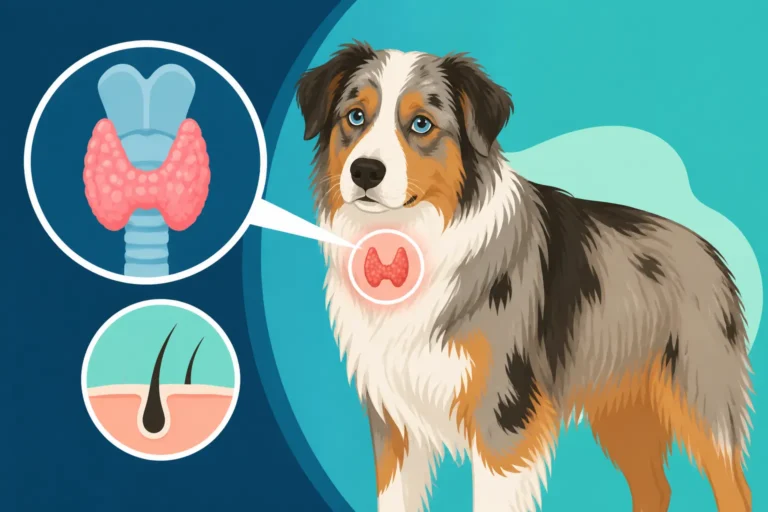
Beyond the physical exam, diagnostic tests become incredibly important for senior Australian Shepherds. Your vet will likely recommend a comprehensive blood panel and a urinalysis. The bloodwork, often referred to as "Bloodwork Worth Running on a Senior Aussie", gives an internal snapshot of organ function – kidneys, liver, pancreas, and thyroid. These tests can reveal early signs of disease even before your dog shows any noticeable symptoms. For instance, early kidney changes can often be detected through blood tests long before your Aussie starts drinking excessively or showing overt signs of illness. Thyroid issues, such as Hypothyroidism and a Dull Australian Shepherd Coat, are also common in older dogs and easily managed with medication if caught early.
A urinalysis can provide insights into kidney function, screen for urinary tract infections, help detect diabetes, or identify other metabolic imbalances. Depending on your Aussie's specific health history, breed predispositions, or any concerns you've raised, your vet might also suggest additional tests. This could include a blood pressure check, X-rays to get a better look at joints or internal organs, or even an ultrasound if something suspicious was found on palpation. While these tests might seem like a lot, they're essential for establishing a baseline for your senior dog's health and catching any subtle changes that could indicate a developing condition. Investing in these diagnostics can prevent larger, more expensive problems down the road, and help your Aussie enjoy their golden years more comfortably. Many pet insurance providers, like Healthy Paws, offer coverage for these crucial diagnostic tests, which can be a huge relief when managing senior pet care costs.
Discussing Lifestyle and Behavior Changes
A critical part of any senior vet visit isn't just about what the vet observes, but what you observe at home. You live with your Australian Shepherd every single day, so you're uniquely positioned to notice the subtle shifts that indicate aging. Your vet will want to discuss any changes in appetite, thirst, bathroom habits, sleep patterns, or activity levels. Have they started to seem a little disoriented, maybe getting "stuck" behind furniture? Are they bumping into things more often, suggesting An Old Australian Shepherd Losing Its Sight? Or perhaps they seem to forget commands they've known their whole lives or stare blankly at walls, which could be signs of cognitive decline, sometimes referred to as "An Aussie That Stops Reading the Room".
Behavioral changes are equally important. Is your normally friendly Aussie becoming more withdrawn, irritable, or even showing mild aggression towards other pets or family members? Are they suddenly anxious about things that never bothered them before, like thunderstorms or visitors? These shifts can sometimes be signs of pain or underlying medical conditions. For example, an Aussie suffering from joint pain might snap when touched unexpectedly, not out of malice, but discomfort. The vet visit is your chance to voice all these observations, no matter how minor or insignificant they seem. Your insights, combined with the vet’s clinical findings and diagnostic results, paint the most complete picture of your senior Aussie's health. This holistic approach ensures that not only their physical health but also their mental and emotional well-being are being addressed as they age.
Signs Between Visits That Warrant an Earlier Check
Even with bi-annual check-ups, things can change quickly in a senior dog. Knowing what to look for at home can help you decide when an unscheduled vet visit is necessary.
Subtle Changes in Appetite or Thirst
One of the easiest things to overlook, or perhaps rationalize, in an older dog is a slight or gradual change in their eating or drinking habits. You might think, "Oh, they're just getting older, they don't need as much food," or "It's hot, so they're drinking more water than usual." While sometimes benign, these changes can also be early warning signs of significant health issues in your Australian Shepherd. A sudden or sustained increase in thirst and urination, for instance, could indicate serious conditions like diabetes, kidney disease, or even Cushing's disease.
Conversely, a persistent decrease in appetite, pickiness with food, or complete refusal to eat might signal dental pain, nausea, liver issues, gastrointestinal problems, or even Australian Shepherd Cancer Risks With Age. It’s not about panicking over every missed meal, but about noticing consistent patterns. If your Aussie typically cleans their bowl and suddenly starts leaving food for multiple meals, or if they're constantly at the water bowl when they weren't before, it's absolutely worth a call to your vet. Don't wait until the next scheduled check-up. Early intervention for these kinds of issues can make a world of difference in the outcome and your Aussie's comfort.
Mobility and Pain Indicators
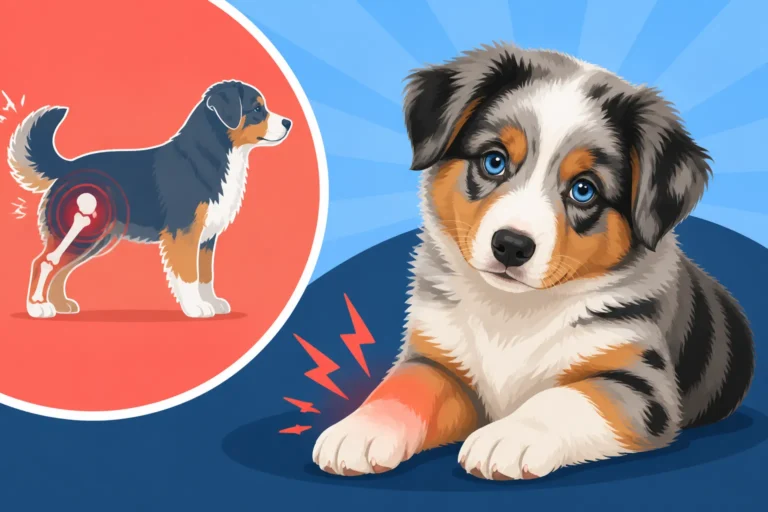
Australian Shepherds are known for their athleticism, agility, and tireless drive. Watching them slow down can be heartbreaking, but it's crucial to differentiate between natural, graceful aging and genuine pain. While a ten-year-old Aussie might not sprint like a two-year-old, persistent stiffness, limping, reluctance to jump into the car or onto furniture, or difficulty getting up after resting are not just "old age." These are strong indicators of pain, often related to conditions like hip dysplasia, elbow dysplasia, or other forms of arthritis. You might also notice them struggling on stairs, dragging a paw, or being less enthusiastic about walks they once loved.
Pain can manifest in more subtle ways too. Some Aussies might excessively lick a particular joint or paw, shift their weight unevenly, or even start panting heavily even when not exercising. If you find your senior Aussie reluctant to engage in play, becoming irritable or withdrawn when touched in certain areas, or showing clear signs of discomfort after even mild exercise, it's time to talk to your vet. There are many effective pain management strategies and Mobility Aids for an Old Australian Shepherd available today, from anti-inflammatory medications and joint supplements to physical therapy and even acupuncture, that can significantly improve their quality of life. Don't let your loyal companion suffer in silence; an early vet visit can help them get the relief they need.
Cognitive and Behavioral Shifts
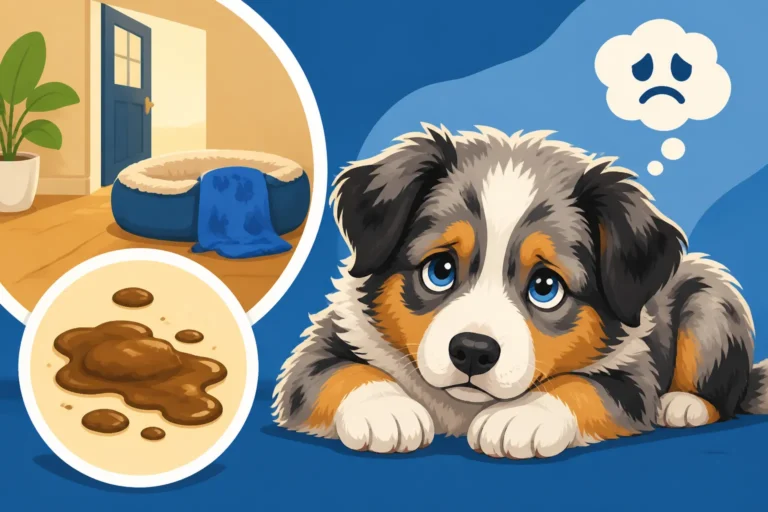
As our beloved Aussies age, their brains age too. Just like with humans, cognitive decline can set in, often referred to as Canine Cognitive Dysfunction (CCD) or "doggy dementia." This isn't just about them being a little forgetful. It can manifest as disorientation (getting "stuck" in corners, staring blankly at walls), changes in interaction with family members (less affectionate, more irritable, or suddenly clingy), altered sleep-wake cycles (pacing restlessly at night, sleeping more during the day), and house-soiling accidents even if they were perfectly house-trained their whole lives. If your Aussie suddenly seems to have forgotten their training, or if they seem confused in familiar surroundings, these are significant red flags that warrant veterinary attention.
These behavioral changes can be incredibly distressing for owners, who might feel their beloved companion is "disappearing" right before their eyes. But it's vital to remember that these aren't just personality quirks; they're symptoms of a medical condition. Sometimes, these shifts can even be triggered or exacerbated by underlying medical conditions, such as undiagnosed pain or thyroid issues, which need to be ruled out. A trip to the vet can help differentiate between these possibilities and, if it is CCD, discuss medications and environmental strategies that can help manage symptoms and potentially slow the progression. Early recognition of these signs means your vet can help support both your Aussie and you through these challenging changes, making their golden years as comfortable and meaningful as possible.
Proactive Measures for Your Senior Aussie's Health
Beyond those essential vet visits, there are many things you can do at home to support your senior Australian Shepherd and enhance their quality of life. Proactive care is truly the name of the game in these later years.
Nutrition and Weight Management
One of the most impactful things you can do for your senior Australian Shepherd is to pay close attention to their diet and weight. As they age, their metabolism naturally slows down, and their activity levels typically decrease. This means the calorie intake they needed as a young, active dog is likely too much for their senior selves. Overweight senior dogs are far more prone to exacerbating joint issues like arthritis, developing diabetes, and facing increased risk during any potential surgeries. It’s absolutely crucial to prevent them from becoming obese.
Talk to your vet about switching to a senior-specific dog food, which is typically lower in calories and often contains joint-supporting supplements. You might also want to explore options like Joint Diets for a Retired Working Aussie or fresh food delivery services that can tailor meals to their specific needs. Regularly check your Aussie’s body condition score – you should be able to feel their ribs easily without seeing them, and they should have a discernible waist when viewed from above. If they're gaining weight, adjust portions downwards; if they're losing weight unexpectedly, it’s a sign to consult your vet immediately. Good nutrition and maintaining a healthy weight are cornerstones of a long, comfortable senior life.
Maintaining Mental and Physical Engagement
Just because your Australian Shepherd is ten doesn't mean they want to retire from life entirely! While their physical exercise needs will likely decrease, their need for mental stimulation remains incredibly high. Aussies are intelligent dogs who thrive on having a job, and providing appropriate mental engagement is vital for preventing cognitive decline and keeping them happy and engaged. This could mean switching from high-impact sports like intense frisbee sessions to calmer activities like scent work, puzzle toys, or short, gentle training sessions.
Consider teaching them new, low-impact tricks or revisiting old ones that they love. Engage them with interactive feeder toys, which make them think to get their meals, or short, positive reinforcement training sessions that focus on problem-solving. While you might not be doing agility trials anymore, structured walks with opportunities to sniff and explore, or gentle games of fetch that are tailored to their current mobility, are still incredibly valuable. The goal is to keep them moving and thinking without overstressing their aging bodies. Regular, gentle exercise also helps maintain muscle mass, which in turn supports their joints. Remember to be mindful of their comfort, especially if they have Australian Shepherd Hip Dysplasia and Working Joints, and adjust activities based on how they're feeling each day.
Considering Supplements and Support
Beyond a balanced senior diet, certain supplements can be beneficial for senior Australian Shepherds, especially those showing early signs of joint stiffness or cognitive changes. Glucosamine and chondroitin, often found in combination, are popular for joint health, helping to support cartilage and reduce inflammation. Omega-3 fatty acids (like fish oil) can also have powerful anti-inflammatory benefits for joints and can further support skin and coat health. For cognitive support, supplements containing antioxidants, B vitamins, and ingredients like SAMe or apoaequorin are sometimes recommended to promote brain health.
Before adding any supplements to your Aussie’s regimen, always have a thorough conversation with your veterinarian. They can help you determine which supplements are appropriate for your specific dog's needs and existing health conditions, ensuring they don't interact negatively with any medications or existing issues. For instance, if your Aussie is already on medication for Australian Shepherd Epilepsy Starting Between One and Five, your vet will need to check for potential interactions. It’s also wise to consider setting aside funds for unexpected senior care, perhaps through a dedicated savings account or by exploring pet insurance options like Healthy Paws, which can help cover prescribed medications or rehabilitation therapies that might arise as your Aussie ages. Proactive support, both nutritional and supplemental, can significantly enhance their comfort and overall well-being in their later years.
Signs to Watch For in Your Senior Australian Shepherd
Here's a quick guide to help you identify what's normal aging and what might be a red flag for your senior Australian Shepherd.
| Category | Normal Aging (Monitor) | Red Flags (Call Vet) |
|---|---|---|
| Activity/Energy | Napping more, less vigorous play, slower on walks | Reluctance to move, sustained lameness, sudden lethargy, collapse |
| Appetite/Thirst | Slight decrease in appetite, slightly more water | Significant or sudden decrease/increase in appetite/thirst, frequent vomiting or diarrhea |
| Mobility | Stiffness after rest, slower getting up | Persistent limping, difficulty standing/walking, inability to jump, vocalizing pain when moved |
| Urination/Defecation | More frequent urination (minor), softer stools (occasional) | House soiling, straining to urinate/defecate, frequent small urinations, blood in urine/stool |
| Behavior/Cognition | Mild forgetfulness, less tolerant of loud noises | Disorientation, pacing at night, hiding, sudden aggression, excessive panting, staring blankly |
| Physical Appearance | Graying muzzle, some muscle loss in hindquarters | New lumps/bumps (especially rapidly growing ones), rapid weight loss/gain, sudden coat changes, non-healing skin lesions |
| Breathing | Occasional sigh | Persistent coughing, labored breathing, rapid shallow breaths at rest |
Disclaimer
The information provided in this article is for general informational purposes only and is not a substitute for professional veterinary advice. Always consult with a qualified veterinarian for any health concerns or before making any decisions related to your Australian Shepherd's care.