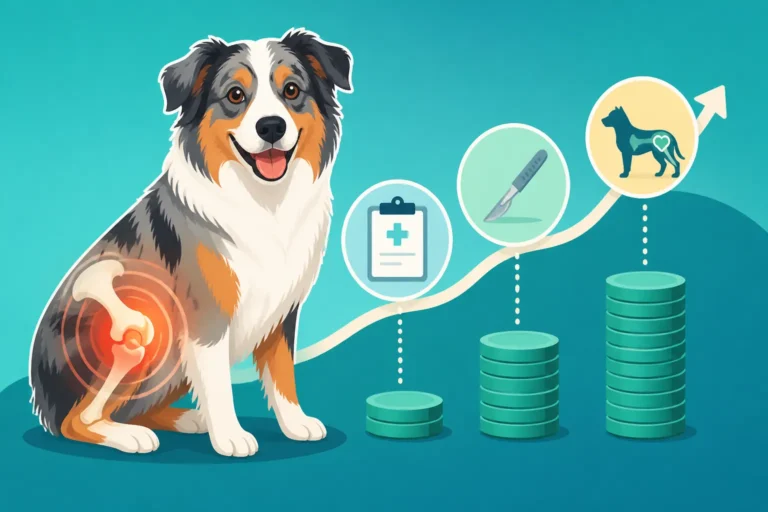
Aussie Vet Bills Between $15,000 and $40,000
Bringing an Australian Shepherd into your life is an incredible joy, filled with boundless energy, intelligent antics, and unwavering loyalty. However, beneath their beautiful double coats and keen eyes, Aussies can carry a predisposition to a range of health issues that can accumulate into truly staggering vet bills over their lifetime. This guide will walk you through the financial realities of Australian Shepherd healthcare, detailing the common conditions, emergency scenarios, and preventive measures that can help you plan for a future that, for many owners, sees them spending anywhere from $15,000 to upwards of $40,000 on vet care.
The Reality of Australian Shepherd Vet Bills
It's a tough truth that many prospective Aussie owners aren't fully prepared for: the potential cost of keeping these intelligent, active dogs healthy. While every dog breed has its susceptibilities, Australian Shepherds, due to their genetic lineage and active lifestyles, often face a unique set of challenges that can lead to significant veterinary expenses throughout their twelve to fifteen years. Thinking you'll just handle basic annual check-ups and vaccines is a common, but ultimately insufficient, approach when planning for an Aussie.
Why Aussie Vet Costs Climb So High
The sheer number of potential health issues that Australian Shepherds are predisposed to is a major factor in the high cost of their veterinary care. We're not just talking about common sniffles or an occasional upset stomach; we're often looking at chronic conditions that require ongoing medication, specialized diagnostics, and sometimes, multiple surgeries. For instance, orthopedic issues like hip and elbow dysplasia, neurological conditions like epilepsy, and various eye disorders are far too common in the breed. Each of these can involve consultations with specialists, expensive imaging (like X-rays or MRIs), and long-term treatment plans, quickly pushing costs into the thousands.
Beyond genetic predispositions, their high-energy, active nature also contributes to higher vet bills. An Australian Shepherd that excels in agility, herding, or flyball is also a dog at higher risk for injuries like cruciate tears, sprains, or even broken bones. These incidents often mean emergency vet visits, costly diagnostics to determine the extent of the injury, and potentially complex surgeries followed by extensive rehabilitation. It’s a trade-off: their incredible drive makes them fantastic working and sport dogs, but it also exposes them to more physical risks than a couch potato breed might face.
The Lifelong Financial Commitment
When you commit to an Australian Shepherd, you’re not just signing up for a few years of companionship; you’re committing to a decade or more of care, and that care has a price tag. The costs start even before you bring your puppy home with initial health screenings from a reputable breeder. Then come the puppy vaccinations, spay/neuter, and microchipping. But the real financial demands often kick in as they approach adulthood, when conditions like epilepsy or hip dysplasia typically manifest, or later in their senior years as age-related issues arise. Many owners report that the most expensive years are often early adulthood as chronic conditions emerge, and then again as they enter their senior years, requiring more frequent vet visits, managing multiple ailments, and potentially higher medication costs.
Imagine your Aussie is diagnosed with Australian Shepherd Epilepsy Starting Between One and Five. This isn't a one-time fix; it's a lifelong management plan. The initial diagnosis might involve blood tests, a neurological exam, and perhaps an MRI, which alone can run into thousands of dollars. Then comes the cost of anti-seizure medication, which needs to be dispensed consistently for years, along with regular blood work to monitor liver function. This kind of ongoing care can easily cost hundreds of dollars a month, every month, for the rest of your dog's life. It's a significant financial undertaking that requires careful planning and a realistic understanding of the potential burdens.
Common Health Challenges and Their Price Tags
Australian Shepherds are generally robust dogs, but specific genetic predispositions mean certain health conditions appear with concerning frequency. Understanding these and their typical treatment costs is crucial for any Aussie owner.
Tackling Hip and Elbow Dysplasia
Orthopedic issues are unfortunately prevalent in many active, medium-to-large breeds, and Australian Shepherds are no exception. Hip and elbow dysplasia are hereditary conditions where the joints don't form correctly, leading to pain, lameness, and eventually arthritis. Symptoms might appear subtly in a young, growing Aussie, often around 6-12 months, or become more pronounced as they age. A slight limp after exercise, difficulty rising, or a reluctance to jump can all be early indicators. The heartbreaking part is watching your once-athletic dog struggle with movements they used to execute with ease.
Diagnosis usually involves a physical examination and X-rays. Official hip and elbow evaluations, like those performed by the Orthopedic Foundation for Animals (OFA), are often done when the dog is two years old. If your Aussie is diagnosed with a severe case of hip dysplasia, the treatment options can range from conservative management (pain medication, anti-inflammatories, joint supplements, physical therapy, and careful exercise modulation) to surgical interventions. A femoral head ostectomy (FHO) might cost a few thousand dollars per hip, while a total hip replacement, the gold standard for severe cases, can run anywhere from $4,000 to $7,000 per hip. Imagine needing both hips done; you're quickly looking at a bill that could exceed $10,000 to $14,000 for just this one condition. This doesn't even account for the post-operative care, follow-up vet visits, or rehabilitation therapy, which can add another layer of expense. It's a stark reminder of the potential for high-ticket procedures, highlighting why understanding Australian Shepherd Hip Dysplasia and Working Joints is so important.
Navigating Epilepsy Management
Idiopathic epilepsy is another significant concern for Australian Shepherds, with many dogs experiencing their first seizure between one and five years of age. Watching your beloved Aussie have a seizure is a terrifying experience, often described by owners as one of the most distressing moments of pet ownership. They might collapse, paddle their legs, lose bladder control, or simply stare blankly and act disoriented. This isn't just a momentary fright; it signals a potentially lifelong condition requiring diligent management.
Initial diagnosis involves ruling out other causes of seizures, such as metabolic issues, brain tumors, or toxins. This often means extensive blood tests, urinalysis, and potentially an MRI or spinal tap, each adding to the diagnostic bill. Once diagnosed, management typically involves anti-seizure medications like phenobarbital or potassium bromide. These drugs need to be given consistently, often twice daily, for the rest of the dog's life. Regular blood tests are mandatory to monitor drug levels and check for potential side effects on organs like the liver. The cost of these medications can range from $50 to several hundred dollars per month, depending on the dosage and type of drug, and blood work can add a few hundred more a few times a year. Over a dog’s lifespan, the running cost of Australian Shepherd epilepsy can accumulate to thousands, if not tens of thousands, of dollars.
Eye Conditions and Their Surgical Solutions
Australian Shepherds are renowned for their striking eyes, but they are also susceptible to several hereditary eye conditions that can range from mild vision impairment to complete blindness. Collie Eye Anomaly in an Australian Shepherd (CEA), hereditary cataracts, and progressive retinal atrophy (PRA) are among the most common. CEA can cause various defects in the eye's structure, while cataracts lead to clouding of the lens, and PRA causes degeneration of the retina. The severity varies greatly, and symptoms might include clumsiness, bumping into objects, or noticeable changes in eye appearance.
Diagnosis of eye conditions often requires an examination by a veterinary ophthalmologist, which can cost a few hundred dollars for the initial consultation. For conditions like hereditary cataracts, surgical removal can be an option to restore sight, but it's an expensive one. Cataract surgery can cost anywhere from $2,500 to $4,000 per eye, and not all dogs are candidates. Post-operative care involves eye drops and medications for several weeks, adding to the expense. For conditions like PRA, there is currently no cure, and management focuses on supporting the dog's quality of life as they lose their vision. Regular check-ups with an ophthalmologist might still be necessary to monitor the progression or address secondary issues. These specialized vet visits and potential surgeries quickly contribute to the higher end of the Aussie vet bill spectrum.
Understanding Emergency Vet Visits
Even with the best preventive care and genetic screening, emergencies can and do happen. For a breed as active and sometimes impulsive as the Australian Shepherd, an unexpected accident or sudden illness is a very real possibility that can lead to some of the most shocking and immediate vet bills.
Bloat, Accidents, and Sudden Illnesses
One of the most terrifying emergencies for deep-chested breeds like Australian Shepherds is gastric dilation-volvulus (GDV), commonly known as bloat. This life-threatening condition occurs when the stomach fills with gas and twists, cutting off blood supply and rapidly leading to shock. Symptoms come on suddenly: a distended abdomen, unproductive retching, restlessness, and obvious distress. This isn't something that can wait; it requires immediate emergency veterinary intervention. The surgical procedure to correct bloat, known as a gastropexy, and the intensive post-operative care can easily cost anywhere from $3,000 to $7,000, and sometimes even more, especially if complications arise. Recognizing Bloat Warning Signs in an Australian Shepherd is literally life-saving.
Beyond bloat, active Aussies are prone to various accidents. They might jump awkwardly during a game of fetch and suffer a fracture, or tear a ligament while rounding up imaginary sheep. They might ingest something toxic found on a walk or get into household cleaners. Such incidents demand immediate attention at an emergency clinic. A simple fracture could require surgery costing thousands, while ingesting toxins might mean induced vomiting, activated charcoal, IV fluids, and overnight monitoring, which can quickly add up to a $1,000-$3,000 bill. Sudden illnesses, like acute pancreatitis or severe allergic reactions, also fall into this category of unexpected, high-cost care.
Diagnostic Costs and Intensive Care
When your Aussie is rushed to an emergency vet, the first step is often diagnostic. The vet needs to quickly figure out what's wrong, and that can involve a battery of tests. This might include X-rays to check for fractures or blockages, ultrasound scans to look at internal organs, comprehensive blood panels, and urinalysis. Each of these tests carries a cost, and when performed during an emergency outside of regular hours, the price is often higher. It's not uncommon for the initial diagnostic work-up to run several hundred to over a thousand dollars before any treatment even begins.
If your Aussie requires intensive care, such as continuous intravenous fluids, oxygen therapy, or close monitoring in an ICU setting, the costs escalate rapidly. Overnight stays in an emergency hospital are significantly more expensive than regular vet visits, often costing several hundred dollars per night, not including ongoing treatments or medications. For a critically ill or injured Australian Shepherd, a few days in intensive care can easily push the bill into the multi-thousand dollar range, making these emergencies a major contributor to the upper end of the estimated lifetime vet costs. This is where having a robust emergency fund or pet insurance really shines.
Preventive Care: An Investment, Not an Expense
While it's impossible to completely avoid all potential health issues, a solid foundation of preventive care can significantly reduce the likelihood of costly emergencies and manage chronic conditions more effectively. Think of it as investing in your Aussie’s long-term health and, by extension, your financial peace of mind.
Routine Check-ups and Vaccinations
Regular veterinary check-ups are the cornerstone of preventive care. For puppies, this means a series of visits to ensure they are growing correctly, receiving their necessary vaccinations, and getting dewormed. Adult Australian Shepherds should have at least one annual check-up, where your vet can perform a thorough physical exam, listen to their heart and lungs, palpate their abdomen, and check their teeth and ears. These routine visits allow your vet to catch potential issues early, often when they are much easier and less expensive to treat. For example, a heart murmur detected early can be monitored, and medication started before it develops into severe heart disease requiring intensive care.
Vaccinations are critical for protecting your Australian Shepherd from highly contagious and potentially fatal diseases like rabies, distemper, parvovirus, and adenovirus. While some owners worry about Australian Shepherd Vaccination and MDR1 Concerns, a responsible vet will know how to navigate these. Boosters are required periodically, and while the cost of these individual vaccines might seem small (typically $20-$50 per vaccine), they are a vital shield. Combine these with annual fecal tests for intestinal parasites and potentially a heartworm test, and you’ll spend a few hundred dollars a year. This might seem like an ongoing expense, but it pales in comparison to the thousands you'd spend treating these diseases once they take hold. Many veterinary clinics offer wellness plans that bundle these routine services, making budgeting easier.
Parasite Control and Dental Health
Consistent parasite prevention is non-negotiable for an active Australian Shepherd. Fleas, ticks, and heartworms are not just nuisances; they can transmit serious diseases that are difficult and expensive to treat. Heartworm disease, for instance, can cause severe lung damage and heart failure, and its treatment is risky and costly, often reaching $1,000-$3,000. Monthly preventatives, often costing $15-$30, are a small price to pay for protection. It’s essential to discuss with your vet which products are safe, especially if your Aussie has The MDR1 Mutation Half of Australian Shepherds Carry, as some common medications can be dangerous. Brands like Chewy offer a wide range of vet-approved parasite preventatives that can be conveniently delivered to your door.
Dental health is another often-overlooked area that can lead to significant vet bills if neglected. Just like humans, dogs accumulate plaque and tartar, which can lead to gum disease, painful infections, and even systemic health problems as bacteria enter the bloodstream. Regular brushing at home is ideal, but most Aussies will need professional dental cleanings under anesthesia every one to three years. These cleanings, which include scaling, polishing, and sometimes tooth extractions, can cost $500 to $1,500 or more, depending on the severity of the dental disease. Ignoring it, however, can lead to much more expensive and painful procedures down the line, potentially impacting their overall Australian Shepherd Lifespan Across Twelve to Fifteen Years.
Managing Allergies and Skin Issues
Australian Shepherds can be prone to various skin and coat issues, including seasonal allergies, food allergies, and hot spots. These conditions, while not usually life-threatening, can cause significant discomfort for your dog and lead to ongoing veterinary expenses. An itchy Aussie can develop secondary bacterial or yeast infections from constant scratching, leading to inflamed skin, hair loss, and a cycle of discomfort.
Diagnosing allergies can involve elimination diets for food sensitivities or allergy testing (skin or blood tests) for environmental allergens. These diagnostic steps can cost a few hundred dollars. Treatment often involves a multi-pronged approach: medicated shampoos, antihistamines, steroids (for severe flare-ups), antibiotics for secondary infections, and potentially novel protein or prescription diets if a food allergy is suspected. Some Aussies might even benefit from immunotherapy injections or newer medications designed to target itch specifically. Brands like Ollie, which offers fresh, customized dog food, can be a great option for Aussies with dietary sensitivities, though it’s always best to consult your vet. All of these interventions add up, requiring frequent vet visits and ongoing medication costs that can easily be a few hundred dollars per month during flare-ups, and still significant amounts for maintenance. Catching and managing these issues early can prevent them from becoming chronic, painful, and more expensive.
The Role of Genetics in Aussie Health Costs
Understanding your Australian Shepherd's genetic background is perhaps one of the most powerful tools you have in predicting and potentially mitigating future health-related costs. Responsible breeding practices prioritize health clearances, which means testing parent dogs for hereditary conditions.
MDR1 Sensitivity and Drug Interactions
One of the most well-known genetic sensitivities in Australian Shepherds is the Multidrug Resistance 1 (MDR1) mutation. This genetic defect affects a dog's ability to metabolize and excrete certain drugs, leading to potentially severe neurological reactions, even at standard doses. Drugs commonly affected include certain anti-parasitics (like ivermectin), some chemotherapy agents, and various sedatives. If an Aussie with the MDR1 mutation is given one of these drugs, it can cross the blood-brain barrier and cause toxicity, leading to seizures, tremors, blindness, coma, or even death.
If your Aussie is MDR1 positive, it doesn't necessarily mean higher vet bills, but it demands extreme caution and open communication with every veterinarian you encounter. An emergency vet who is unaware of this mutation could inadvertently administer a dangerous drug, leading to a critical and expensive medical emergency. Therefore, testing for MDR1 is paramount. A simple cheek swab test, which costs around $70-$100, can identify if your Aussie is clear, a carrier, or affected. Knowing their status allows your vet to make informed decisions about medication, potentially saving you from a life-threatening, and costly, drug reaction. This vital information should be clearly communicated on their collar tag, in their vet records, and to any emergency service. Delving into What MDR1 Does Inside an Australian Shepherd Brain is essential for any Aussie owner.
Genetic Testing: A Proactive Approach
Beyond MDR1, responsible Australian Shepherd breeders perform a range of genetic tests to screen for other inherited conditions before breeding. This includes tests for hereditary cataracts (HSF4), progressive retinal atrophy (PRA-PRCD), and sometimes even early indicators for hip and elbow dysplasia via PennHIP or OFA screenings. While these tests are done on the parents, understanding your puppy's lineage and seeing the health clearances of its parents and grandparents can give you a clearer picture of potential future health risks. A breeder who doesn't provide these results or dismisses their importance is a significant red flag.
When you purchase a puppy from a breeder who has performed The Genetic Panel Every Australian Shepherd Needs, you're essentially buying a dog with a lower statistical risk of developing certain expensive conditions. While it’s never a 100% guarantee – genetics are complex, and new diseases can always emerge – it dramatically improves your odds. As an owner, you can also opt for a full genetic health panel for your Aussie through companies like Embark or Wisdom Panel, which screen for dozens of genetic conditions, including many that Aussies are prone to. These tests typically cost between $100 and $200 and can provide invaluable information about potential predispositions, allowing you and your vet to be proactive in monitoring and preventive care. This foresight can lead to early intervention, better outcomes, and potentially lower overall lifetime costs than dealing with a severe, unexpected illness.
Financial Planning for Your Australian Shepherd's Health
Given the potential for high vet bills, effective financial planning is not just advisable; it's practically a necessity for Australian Shepherd owners. Relying solely on your regular monthly budget is a recipe for stress and difficult decisions when unexpected costs hit.
Pet Insurance: A Safety Net for High Costs
One of the most popular and effective ways to manage the unpredictable nature of vet bills is pet insurance. It works much like human health insurance, where you pay a monthly premium, and in return, the insurer covers a percentage of your eligible vet bills after you meet a deductible. For an Australian Shepherd, a comprehensive accident and illness policy can be a true lifesaver, especially considering their propensity for orthopedic issues, epilepsy, and accidental injuries. Many policies cover a wide range of services, from emergency care and diagnostics to surgeries, hospitalizations, and prescription medications.
Monthly premiums for Australian Shepherds can range from $35 to $55 a month or more, depending on your location, the dog's age, and the coverage level you choose. While that's an ongoing expense, compare it to a $10,000 hip replacement or a $5,000 bloat surgery. With a typical 80-90% reimbursement rate, pet insurance can reduce your out-of-pocket costs for these major events to a fraction of the total. When looking at options, consider providers like Healthy Paws, known for their comprehensive coverage, or research various plans to find one that best suits your budget and your Aussie's specific needs. It's crucial to enroll your Aussie when they are young and healthy, as most policies will not cover pre-existing conditions, which is especially important for conditions like epilepsy or hip dysplasia that might manifest later in life. Understanding Australian Shepherd Insurance at $35 to $55 a Month can help you make an informed decision.
Building an Emergency Fund
Even with pet insurance, it’s a good idea to have a dedicated emergency fund for your Australian Shepherd. Most pet insurance policies have deductibles (which you pay before coverage kicks in) and co-pays (the percentage you're responsible for after the deductible). There might also be annual limits, or specific conditions might not be covered depending on your policy. An emergency fund acts as a buffer for these out-of-pocket expenses and for any smaller, unexpected vet visits that might not meet your deductible threshold, or treatments that aren't covered by your insurance.
Aim to save at least $1,000 to $3,000 specifically for your dog's emergencies. This fund can be kept in a separate savings account, allowing you to access it quickly without dipping into your personal emergency savings or accumulating credit card debt. Consider setting up an automatic monthly transfer, even if it's just $25-$50, to build this fund steadily. Having this financial cushion can provide immense peace of mind, allowing you to focus on your Aussie's recovery rather than scrambling to cover unexpected bills.
Budgeting for Senior Australian Shepherd Care
As your Australian Shepherd enters their golden years, typically around age 7-10, their healthcare needs will inevitably increase. Just like humans, senior dogs often develop age-related conditions such as arthritis, dental disease, cognitive decline, kidney or liver issues, and a higher risk of cancer. These conditions often require more frequent vet visits (sometimes twice a year), ongoing medications, specialized diets, and supportive therapies. For example, managing Australian Shepherd Arthritis After Years of Work might mean daily joint supplements, pain medication, and potentially regular injections.
A realistic budget for a senior Aussie should account for these increased expenses. Medications for chronic conditions can easily run hundreds of dollars a month. Diagnostics to monitor organ function, such as annual blood panels and urinalysis, become even more crucial. You might also need to consider mobility aids, such as orthopedic beds, ramps, or even custom wheelchairs if their mobility significantly declines. This phase of their life, while incredibly rewarding, often becomes the most expensive on a month-to-month basis. Planning for Senior Australian Shepherd Care After Ten means acknowledging that their comfort and quality of life will depend on your willingness and ability to provide comprehensive, often costly, veterinary support.
Choosing a Reputable Breeder to Mitigate Future Costs
One of the single most impactful decisions you can make to potentially reduce your Aussie's lifetime vet bills is to choose a reputable breeder who prioritizes health. A "cheap" puppy from a backyard breeder or a puppy mill often comes with a much higher price tag down the road in terms of vet expenses and heartbreak.
The Importance of Health Clearances
A responsible Australian Shepherd breeder will be transparent about the health of their breeding dogs and their puppies. This means they will conduct extensive health testing on both parent dogs for conditions prevalent in the breed. Look for breeders who openly provide evidence of OFA (Orthopedic Foundation for Animals) certifications for hips and elbows, ensuring the parents are free from dysplasia. They should also provide results for various eye clearances, such as those from the Canine Eye Registry Foundation (CERF) or ophthalmologist examinations by ACVO (American College of Veterinary Ophthalmologists) certified vets, testing for conditions like hereditary cataracts and CEA. Crucially, they should also provide genetic test results for the MDR1 mutation and other relevant genetic diseases.
These health clearances aren't just fancy pieces of paper; they are investments made by the breeder to reduce the risk of passing on debilitating and expensive genetic conditions to their puppies. While no breeder can guarantee a puppy will never get sick, those who perform comprehensive health testing drastically stack the odds in your favor. They are demonstrating a commitment to the long-term health and well-being of the breed and their puppies, which ultimately benefits you, the future owner, by potentially saving you thousands in vet bills over the dog's lifetime. They understand that a healthy puppy is less likely to develop severe, early-onset conditions, therefore directly influencing your Lifetime Vet Costs for an Australian Shepherd.
Red Flags in Puppy Listings
When searching for an Australian Shepherd puppy, be extremely wary of certain red flags that often indicate a breeder who is not prioritizing health. One of the biggest warning signs is a breeder who does not perform or provide proof of health clearances for their breeding dogs. If they tell you that "their dogs are healthy, so they don't need testing" or that "the parents are too young for clearances," walk away. Health testing must be done at specific ages, particularly for orthopedic conditions. Another red flag is a breeder who is vague about their puppy's lineage or cannot answer detailed questions about the parents' temperaments and health history.
Be cautious of breeders selling puppies at significantly lower prices than the breed average or those who seem to always have puppies available. This can be indicative of a high-volume operation, often without proper health screening or socialization. Also, avoid any breeder who promotes "rare" colors or sizes without proper context, as these can sometimes be linked to increased health risks (e.g., double merles leading to deafness and blindness). A truly responsible breeder will ask you as many questions as you ask them, eager to ensure their puppies go to suitable, prepared homes. They will be keen for you to learn about The Health Tests Every Australian Shepherd Parent Needs and will be happy to show you their facilities, introduce you to the parent dogs, and provide vet references. Prioritizing these ethical breeding practices upfront is perhaps the most significant step you can take to foster a healthy, long life for your Aussie and minimize unexpected vet expenses.
Disclaimer
The information provided in this article is for general informational purposes only and is not a substitute for professional veterinary advice. Always consult with a qualified veterinarian for any health concerns or before making any decisions related to your Australian Shepherd's health and treatment. Individual costs can vary significantly based on location, specific veterinary practice, and the severity of the condition.