How Much an Aussie Owner Should Bank Yearly
It's a common misconception that once you've paid the initial price for your Australian Shepherd puppy, the major financial hurdles are behind you. The truth is, owning an Aussie is a long-term financial commitment, often surprising new owners with its yearly demands. Beyond the initial adoption or purchase, you'll be looking at ongoing expenses for their health, training, grooming, and general wellbeing. This guide will help you understand and anticipate the annual costs of Australian Shepherd ownership, so you can plan effectively and ensure your beloved companion receives everything they need for a happy, healthy life.
The Foundations: Recurring Annual Expenses for Your Aussie
Let's face it, keeping a dog, especially one as active and intelligent as an Australian Shepherd, isn't a "set it and forget it" kind of deal. There are routine, non-negotiable costs that will crop up every single year, regardless of whether your Aussie is a perfectly healthy, well-behaved angel or prone to a few shenanigans. These are the bedrock expenses that every responsible owner should budget for, almost like utilities for your furry family member.
Food and Nutrition: Fueling a High-Energy Dog
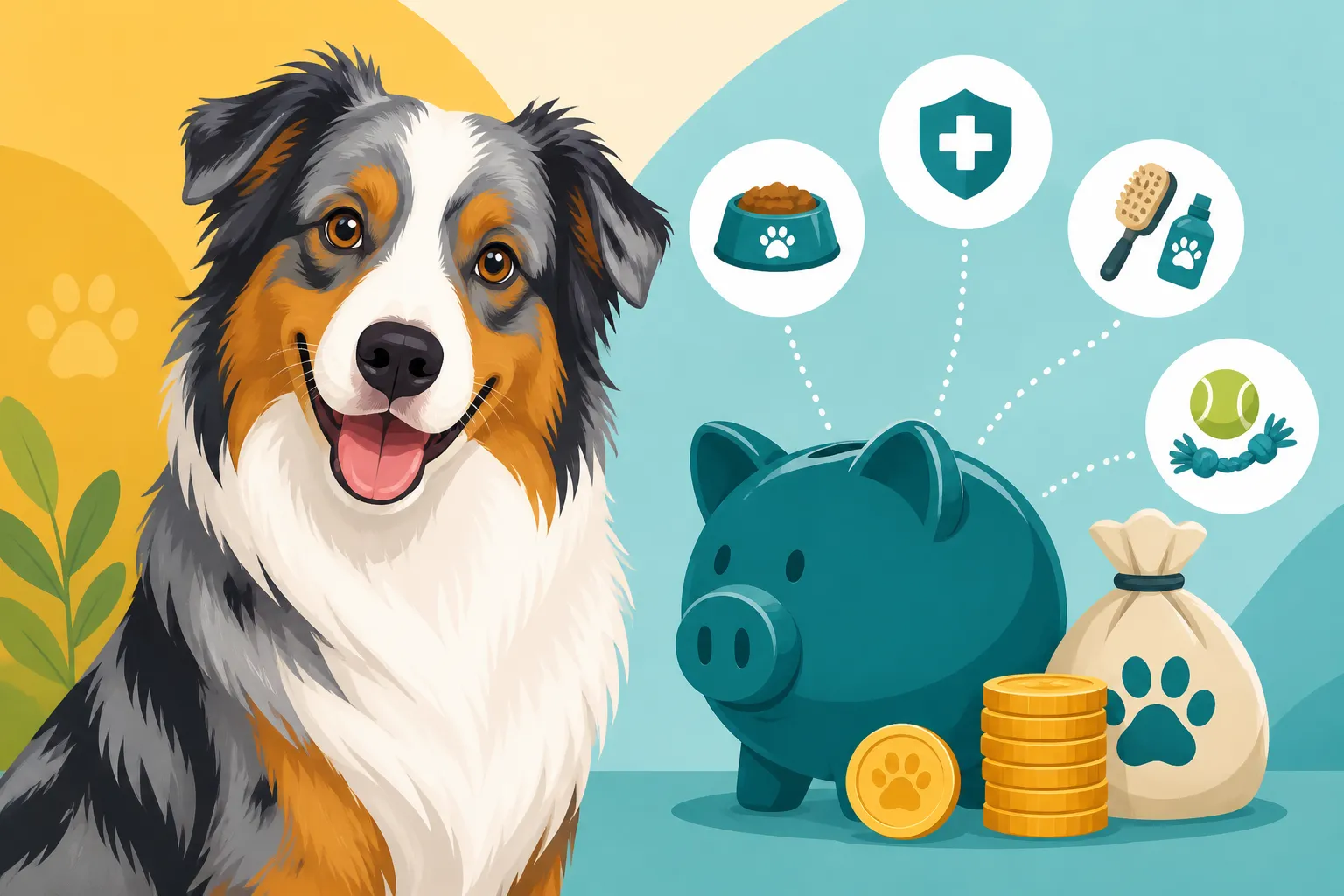
Australian Shepherds are typically medium to large dogs with a significant amount of energy, which means they require good quality food to keep them going. The exact cost here can swing wildly depending on the brand, type of food (kibble, wet, fresh, raw), and your dog's activity level and size. A fifty-pound working Australian Shepherd will naturally eat more than a smaller, less active companion Aussie, for instance. You might find yourself comparing different brands available through retailers like Chewy, looking for a balance between nutritional value and cost. Some owners even explore fresh food options, like those offered by Ollie, which can significantly increase food budgets but may offer perceived health benefits.
Beyond the daily meals, consider the cost of treats. Aussies are smart, and often highly food-motivated, making treats an essential part of daily training and enrichment. These aren't just for tricks; they're used for reinforcing good behavior, puzzle toys, and general bonding. Factor in supplements too. As your Aussie ages, or if they have specific health needs, your vet might recommend joint supplements, fish oil for their coat, or other additions to their diet. These small, seemingly insignificant items add up over 365 days, becoming a significant part of your annual spend. Remember that Feeding an Australian Shepherd That Works All Day will involve a different calorie intake than a couch potato Aussie.
Routine Veterinary Care and Preventative Medications
Even the healthiest Australian Shepherd needs regular vet visits. An annual check-up is crucial for catching potential issues early, ensuring vaccinations are up-to-date, and discussing parasite prevention. These routine visits typically include a physical exam, and sometimes bloodwork, especially as your Aussie gets older. Beyond the visit itself, you'll have the ongoing cost of flea, tick, and heartworm medications. These aren't optional; they're vital for protecting your dog from debilitating and expensive diseases. Some of these preventative medications can be costly, and for an Aussie with The MDR1 Mutation Half of Australian Shepherds Carry, specific safe formulations are required, which might sometimes come at a premium or require careful sourcing.
This category also includes dental care. While daily brushing at home can help, many Aussies will eventually need a professional dental cleaning under anesthesia, which is a significant vet bill. Catching dental issues early can prevent more severe problems down the line, highlighting the importance of factoring in these costs annually, even if the procedure itself only happens every few years. Neglecting dental health can lead to pain, infections, and other systemic health problems, ultimately costing far more. For more information on preventing issues, consider budgeting for regular Australian Shepherd Dental Care.
Grooming and Basic Supplies
That beautiful double coat of an Australian Shepherd doesn't maintain itself! Regular grooming is essential, not just for looks, but for health. You'll need brushes, combs, and deshedding tools to manage their shedding, which can be quite intense, especially during their twice-yearly coat blows. Even if you do most of the grooming at home, you’ll still need to replace worn-out brushes, buy shampoo and conditioner specifically formulated for dogs, and possibly invest in nail clippers or a dremel. Professional grooming sessions, even just for a deshed or a sanitary trim, can add up quickly if you choose to go that route.
Beyond grooming, there's a constant need for basic supplies. Think about toys: durable chew toys, puzzle toys to keep their active minds engaged, and balls for fetch. Aussies are often enthusiastic chewers and players, so toys don't last forever. Leashes, collars, harnesses, and beds also wear out and need replacing. Crates, if used, may need new bedding. Don't forget waste bags, cleaning supplies for accidents (especially with puppies!), and even specialty items like cooling mats for summer or paw balm for harsh weather. These seemingly small purchases contribute to the overall Australian Shepherd Grooming and Shedding Costs and general living expenses.
Preparing for the Unexpected: Emergency Funds and Insurance
This is where the true cost of Australian Shepherd ownership can really hit hard. No matter how well you care for your dog, emergencies happen. They get sick, they have accidents, or they develop chronic conditions. Without a plan, these unexpected events can lead to significant financial stress or, worse, force heartbreaking decisions.
Health Emergencies and Chronic Illnesses
Imagine your Australian Shepherd suddenly starts limping after a vigorous play session, or you notice signs of an allergic reaction. These immediate vet visits, diagnostics (X-rays, blood tests), and potential medications can easily run into hundreds or even thousands of dollars. Then there are more serious issues, like an Australian Shepherd suddenly collapsing due to a condition like Hemangiosarcoma, or needing emergency surgery for bloat. These are the kinds of events that lead to Emergency Vet Bills an Aussie Owner Should Expect that can quickly deplete your savings.
Beyond acute emergencies, Aussies are prone to certain genetic health conditions that can become chronic and require ongoing management. Conditions like Australian Shepherd Epilepsy Starting Between One and Five often require daily medication and regular vet check-ups for the rest of the dog's life. Similarly, Australian Shepherd Hip Dysplasia and Working Joints might necessitate pain management, physical therapy, or even costly surgeries. These chronic conditions aren't a one-time expense; they are an ongoing financial commitment that can last for years. Having a dedicated emergency fund or pet insurance is crucial to navigate these difficult times without sacrificing your dog's health or your financial stability.
Pet Insurance: A Safety Net for Major Costs
This is where many owners consider pet insurance a lifesaver. Companies like Healthy Paws offer various plans designed to help cover a significant portion of unexpected veterinary costs, from accidents and illnesses to surgeries and chronic condition management. While you pay a monthly premium (which contributes to your annual banking figure), it can provide immense peace of mind. Instead of facing a $5,000 bill for an emergency surgery, you might only pay your deductible and a percentage of the remaining cost, depending on your plan.
It's important to understand what pet insurance covers and what it doesn't. Most policies have waiting periods and won't cover pre-existing conditions. This is why it's often recommended to enroll your Aussie when they are young and healthy. Researching different providers and understanding their deductibles, reimbursement percentages, and annual limits is vital to finding a plan that suits your budget and your dog's potential needs. Think of it as investing in your Aussie's future health, potentially saving you from Aussie Vet Bills Between $15,000 and $40,000 over their lifetime.
| Cost Category | Estimated Annual Range (General) | Notes |
|---|---|---|
| Food & Treats | Low: $500 – $800 | Varies by brand, diet type (kibble vs. fresh), and size/activity. |
| Mid: $800 – $1,500 | ||
| High: $1,500 – $3,000+ | Specialty diets, fresh food, or large, very active dogs. | |
| Routine Vet Care | Low: $200 – $400 | Annual exam, vaccinations, basic parasite prevention. |
| Mid: $400 – $700 | Includes annual bloodwork, more comprehensive parasite control. | |
| High: $700 – $1,000+ | Early senior bloodwork, additional screenings. | |
| Preventative Medications | Low: $150 – $300 | Heartworm, flea/tick prevention. |
| Mid: $300 – $500 | Premium or specific MDR1-safe products. | |
| Grooming & Supplies | Low: $100 – $300 | Home grooming supplies, occasional treat/toy replacement. |
| Mid: $300 – $800 | Regular home grooming, professional desheds/trims 2-4 times a year. | |
| High: $800 – $1,500+ | Frequent professional grooming, high-end toys, new beds, specialized gear. | |
| Pet Insurance Premiums (if opted) | Mid: $420 – $660 | Based on average Australian Shepherd Insurance at $35 to $55 a Month. Varies by age, location, coverage. |
| TOTAL ESTIMATED ANNUAL (Excluding Emergencies) | $1,370 – $6,460+ | This is a broad range; individual costs will vary. |
Note: This table does not include emergency vet care, unexpected surgeries, extensive training, or dog sports, which can significantly increase total costs.
Investing in Growth: Training, Enrichment, and Lifestyle Costs
Australian Shepherds are not just beautiful; they are incredibly intelligent, active, and driven dogs. This means their needs extend far beyond basic food and shelter. To truly thrive, they require significant mental and physical stimulation, which translates into additional, but incredibly worthwhile, annual expenses.
Training Classes and Behavioral Support
An Aussie isn't truly happy if they're not engaged, and often, that engagement starts with training. While you can do a lot of training at home, many owners find group classes invaluable for socialization and learning new skills. Puppy classes, obedience courses, or advanced training for specific sports like agility or herding all come with a cost. Australian Shepherd Training and Sport Costs can vary widely depending on the instructor and location, but these are investments in a well-behaved, happy dog. Even if you've done basic obedience, many Aussies benefit from ongoing classes to keep their minds sharp and build good habits, especially during those challenging adolescent months.
Sometimes, behavioral issues can arise that require professional intervention. Whether it's reactivity to other dogs, excessive barking, or separation anxiety, working with a certified professional dog trainer or a veterinary behaviorist can be essential. These sessions are an investment in your dog's wellbeing and your household's peace of mind, but they are not cheap. Addressing these issues proactively can prevent them from escalating and potentially becoming more costly or damaging in the long run.
Enrichment Activities and Dog Sports
This breed was literally born to work, and without a "job," they can become bored, destructive, or anxious. Providing outlets for their boundless energy and intelligence is non-negotiable. This means budgeting for things like durable chew toys, puzzle feeders, and engaging interactive games. Many Aussie owners embrace dog sports like agility, flyball, disc dog, or even herding. While immensely rewarding, these activities often involve class fees, equipment purchases, travel to trials, and entry fees.
Consider a typical scenario: you get your Aussie into agility. You might pay for weekly classes, buy your own set of practice jumps, and spend weekends traveling to trials. This is a recurring annual cost that directly contributes to your dog's physical and mental health. Even if you don't compete, activities like regular long hikes, visits to dog-friendly parks, or specialized dog daycare facilities that can truly tire out an Aussie also incur costs. These aren't luxuries; for an Australian Shepherd, they are often necessities for a balanced life. They prevent Australian Shepherd Behavior Problems From Under-Exercise, which can lead to even more significant costs down the line.
Smart Strategies for Banking Your Aussie's Future
Now that we've covered the breadth of potential expenses, let's talk about how to approach these costs in a practical way. It can feel overwhelming, but with a bit of foresight and strategic planning, you can ensure your Aussie is well-cared for without breaking the bank.
Creating a Detailed Budget and Savings Plan
The first step is to sit down and create a realistic budget specifically for your Australian Shepherd. Look at your past spending, if you have it, or use the ranges we've discussed as a starting point. Break down costs monthly and annually. This helps you visualize where your money is going and identify areas where you might need to adjust. Don't forget to include funds for The Genetic Panel Every Australian Shepherd Needs if you haven't done it yet, as this can inform future health decisions.
Once you have a budget, consider setting up a dedicated savings account for your dog. Treat it like any other bill: set up an automatic transfer each month. Even if it's a modest amount, it will accumulate over time and be there for those unexpected vet visits or large purchases. This fund can also serve as your pet insurance deductible or cover things insurance might not, like a new expensive crate or specialized training equipment. Consistency is key here; a small amount saved regularly is far more effective than trying to scramble for funds in a crisis.
Utilizing Resources and Making Smart Choices
Being a savvy Australian Shepherd owner also means knowing how to make your budget stretch. This doesn't mean cutting corners on quality, but rather making informed decisions. For example, buying dog food and supplies in bulk from online retailers like Chewy can often save money compared to smaller, frequent purchases. Keeping an eye out for sales on your dog's favorite treats or toys can also help.
For grooming, learning to do basic tasks like brushing, nail trims, and sanitary trims at home can significantly reduce professional grooming costs. Investing in quality tools upfront can save you money in the long run. For training, while private trainers are excellent, consider more affordable group classes or even online courses for foundational skills. Engaging in free activities like long walks, hikes, or creating homemade puzzle games can also provide excellent enrichment without a hefty price tag. Remember that as your Aussie approaches Senior Australian Shepherd Care After Ten, their needs, and therefore costs, might shift again, so flexibility in your budget is always a good thing.
Disclaimer
This article is for general informational purposes only and does not constitute professional advice. Laws, prices and regulations vary by location and change over time. Consult a qualified professional for guidance on your specific situation.