Raw Feeding a Working Australian Shepherd
If you're an Australian Shepherd owner, especially one with a dog that lives for work, you've probably heard the buzz about raw feeding. It can feel like a daunting leap, moving away from conventional kibble to an entirely different way of feeding, especially when you're worried about providing optimal nutrition for such a high-energy companion. This guide is here to unravel the complexities of raw feeding specifically for working Australian Shepherds, helping you understand the philosophy, the practicalities, and the crucial safety steps involved in providing a diet that might just unlock your Aussie's full potential.
Understanding the Raw Feeding Philosophy for Working Aussies
The world of raw feeding can seem like a wild frontier at first glance. There are acronyms, strong opinions, and a whole lot of information to sift through. For a working Australian Shepherd, whose body demands peak performance day in and day out, getting their diet right is paramount. Raw feeding is often approached by owners looking to mirror what a dog's wild ancestors might have eaten, believing it's the most "natural" way to fuel their active lives.
What "Raw Feeding" Actually Means for Active Dogs
When people talk about raw feeding, they're generally referring to feeding uncooked, unprocessed ingredients. This typically falls into one of two main categories:
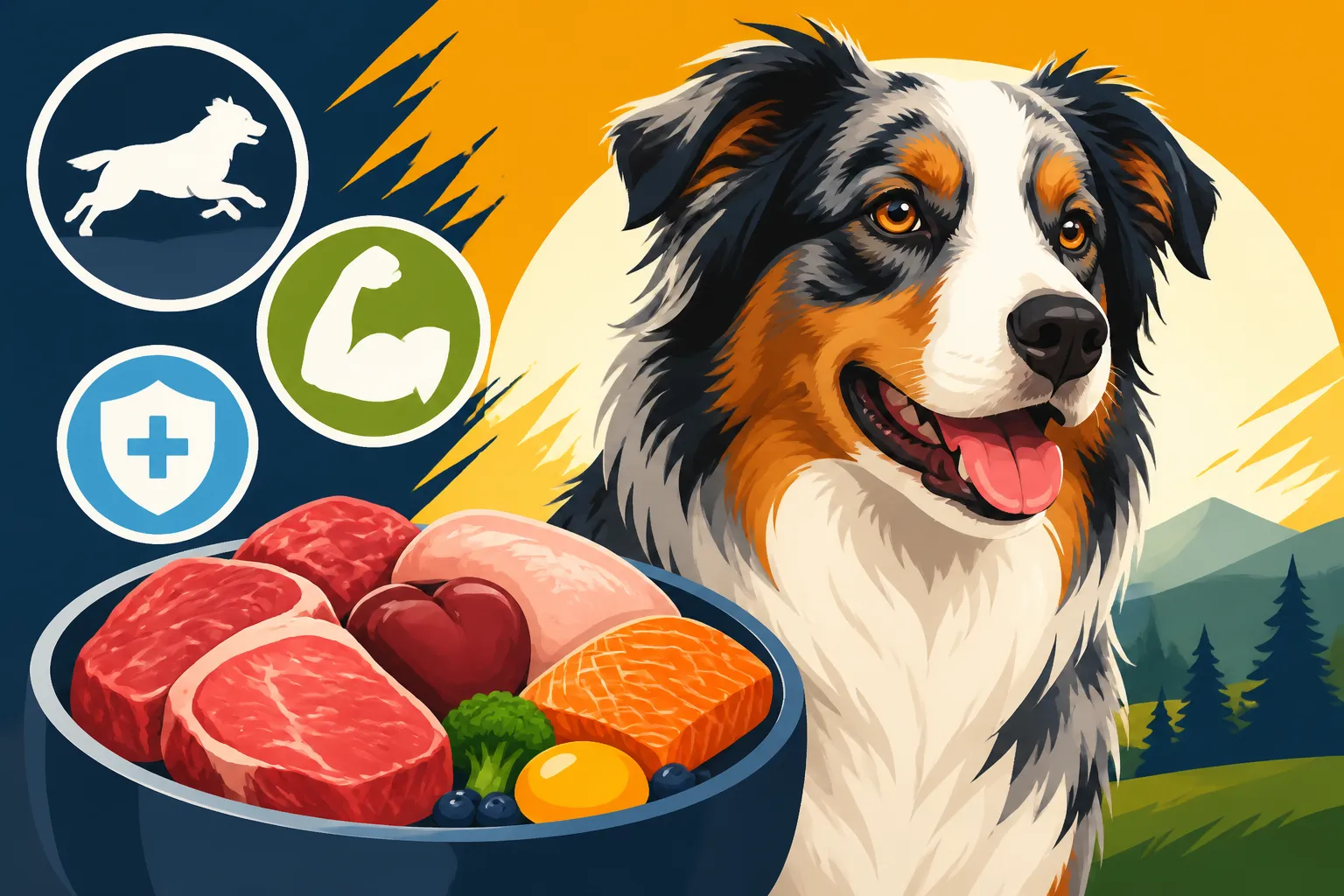
- BARF (Biologically Appropriate Raw Food) Diet: This approach aims for a more holistic diet, mimicking a wild diet but adding fruits, vegetables, and sometimes supplements. It's often formulated to be around 70% muscle meat, 10% organ meat, 10% edible bone, and 10% fruits/vegetables/supplements. For a working Aussie, the idea is that these added plant-based components provide crucial antioxidants, fiber, and phytonutrients that support their overall health and recovery from strenuous activity.
- PMR (Prey Model Raw) Diet: This approach is stricter, aiming to replicate the diet of a canine predator by feeding whole prey animals or parts thereof. It typically consists of 80% muscle meat, 10% organ meat (with 5% liver), and 10% edible bone. The philosophy here is that dogs are carnivores, and their nutritional needs are best met by animal products alone. For a working Australian Shepherd, this can mean a higher fat and protein intake, which some owners believe better supports sustained energy and muscle maintenance without unnecessary carbohydrates.
Both approaches focus on nutrient-dense foods, avoiding the fillers, artificial preservatives, and heavily processed ingredients often found in commercial kibble. The goal is to provide nutrients in their most bioavailable form, directly from whole foods.
Why Raw Feeding Appeals to Working Australian Shepherd Owners
The appeal of raw feeding for owners of working Australian Shepherds often stems from a desire to optimize their dog's health and performance. These are dogs bred for endurance, agility, and keen intelligence, and their diet needs to support that demanding lifestyle.
Many owners who switch to raw report noticeable improvements in several key areas:
- Enhanced Energy and Stamina: A working Aussie needs a reliable energy source to herd, compete in Australian Shepherd Agility and Disc Sports, or even just keep up with intense training. Raw diets, particularly those high in healthy fats and proteins, are thought to provide a more stable energy release without the "sugar crashes" some dogs experience on high-carbohydrate kibble. Owners often describe their dogs as having more sustained drive and less jittery energy.
- Improved Muscle Mass and Conditioning: Proteins are the building blocks of muscle. Raw diets typically feature high-quality, easily digestible animal proteins, which can aid in maintaining lean muscle mass, crucial for an Aussie's athletic frame. You might notice a more defined physique and better recovery after a long day of work or strenuous exercise. This is especially important for Australian Shepherd Weight Control on a Working Frame, where maintaining optimal condition is key.
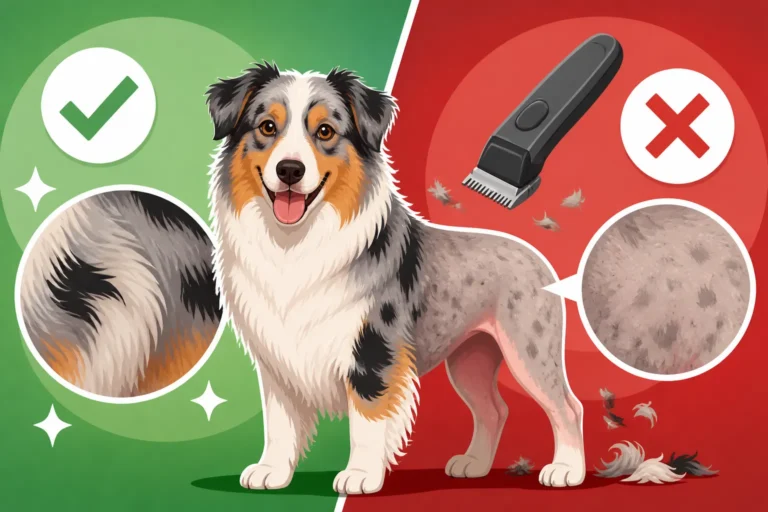
- Healthier Skin and Coat: Australian Shepherds are known for their beautiful, thick double coats. Owners often observe a shinier, softer coat and reduced shedding on a raw diet, along with fewer issues like dry, flaky skin or hot spots. The natural fats and oils in raw meat and organs, particularly omega fatty acids, are highly beneficial for skin and coat health. This can also tie into fewer Australian Shepherd Skin, Coat and Allergy Problems for some dogs.
- Better Digestion and Smaller Stools: Without fillers and indigestible ingredients, a raw diet can be easier for a dog's digestive system to process. This often translates to smaller, firmer, less odorous stools, which is a welcome side effect for any owner!
- Dental Health Benefits: The act of chewing raw, meaty bones can act like a natural toothbrush, helping to scrape away plaque and tartar, promoting healthier gums and teeth. This contributes positively to an overall Australian Shepherd Dental and Ear Routine.
While these benefits are often anecdotal, they are powerful motivators for owners committed to giving their working Aussies every possible advantage.
Essential Components of a Balanced Raw Diet for a Working Australian Shepherd
Crafting a truly balanced raw diet for an Australian Shepherd, especially one with a demanding work schedule, isn't just about throwing some raw meat in a bowl. It requires careful consideration of the various components to ensure your dog receives a complete spectrum of nutrients. This isn't a "one size fits all" endeavor; a working dog's needs will differ significantly from a couch potato's.
The Building Blocks: Muscle Meat, Organs, and Bone
These three categories form the cornerstone of any raw diet, each providing unique and essential nutrients.
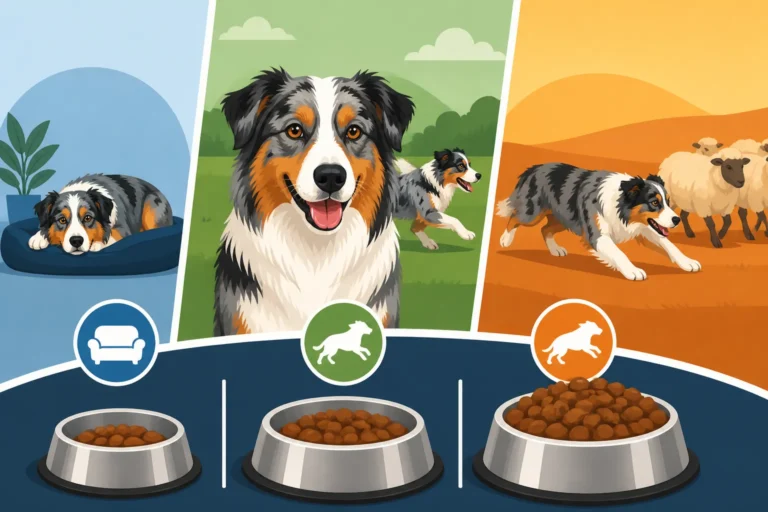
- Muscle Meat (70-80%): This is the bulk of the diet, providing protein for muscle development and repair, amino acids, and essential fats for energy. For a working Aussie, lean muscle meats like chicken, turkey, beef, lamb, and venison are excellent choices. Rotate proteins to ensure a wide range of nutrients. Remember, your Aussie is burning a lot of calories, so choosing fattier cuts can sometimes be beneficial to meet their energy demands, but always monitor their body condition. For example, Daily Calories for a Thirty-Five to Seventy Pound Aussie will vary greatly based on their activity level.
- Organ Meat (10%, with 5% being liver): Organs are nutritional powerhouses, packed with vitamins and minerals far more densely than muscle meat. Liver is particularly important, providing vitamin A, B vitamins, iron, and trace minerals. Other organs like kidney, spleen, and pancreas offer different nutrient profiles. Because they are so rich, they should be fed in smaller proportions to avoid nutrient overload, especially liver. Think of them as the multivitamin of the raw diet.
- Edible Bone (10%): This is crucial for calcium and phosphorus, which are vital for strong bones and teeth. For a working Australian Shepherd, whose joints are under constant stress, proper bone health is non-negotiable. Soft, uncooked, weight-bearing bones from small animals (like chicken necks, backs, wings, or turkey necks) are ideal. Never feed cooked bones, as they splinter and can cause serious internal damage. Always supervise your dog when they are eating bones. It’s also vital to ensure the bone size is appropriate – too small and it could be swallowed whole, posing a choking hazard; too large and it might lead to dental fractures.
Balancing Act: Macronutrients, Micronutrients, and Supplements
Achieving a perfectly balanced raw diet is often the most challenging aspect, especially when attempting to formulate it yourself. It's not just about hitting the right percentages of meat, organ, and bone, but also ensuring the correct ratios of crucial macronutrients (protein, fat) and micronutrients (vitamins, minerals).
- Macronutrients for Energy and Repair: Working Aussies require higher levels of protein and fat to fuel their activities and repair muscle tissue. The exact ratio will depend on the intensity and duration of their work. A dog doing daily farm work will have different needs than one training for agility trials a few times a week. Regularly assessing your dog's body condition and energy levels is essential for Portioning an Aussie Ration by Workload.
- Micronutrients for Optimal Function: Deficiencies in essential vitamins and minerals can have serious long-term consequences. For example, a working dog needs adequate levels of zinc for immune function, B vitamins for energy metabolism, and Vitamin D for calcium absorption. While a varied raw diet helps, it can be tricky to ensure everything is covered.
- The Role of Supplements: Sometimes, even with a well-planned raw diet, certain supplements might be beneficial or even necessary for a working Australian Shepherd.
- Omega-3 Fatty Acids: Fish oil or krill oil can support joint health, reduce inflammation (critical for active dogs), and contribute to a healthy coat.
- Joint Support: Given the breed's propensity for conditions like Australian Shepherd Hip Dysplasia and Working Joints and the general wear and tear of a working life, glucosamine, chondroitin, and MSM can be excellent additions. There are many reputable brands available on sites like Amazon that offer these supplements. Joint Support in a Working Aussie Diet is often considered proactive care.
- Probiotics: Supporting gut health can boost the immune system and aid digestion, especially during periods of stress or dietary changes.
- Vitamins and Minerals: While a varied diet aims to provide these, some owners opt for a general vitamin/mineral supplement formulated for raw-fed dogs, particularly if they are preparing their own meals from scratch rather than using pre-formulated raw grinds.
The complexity of getting this balance right is why many raw feeders either opt for commercially prepared and balanced raw foods (like those offered by Ollie, which aims to provide pre-portioned, balanced meals) or work closely with a veterinary nutritionist experienced in raw feeding. This professional guidance is invaluable to ensure long-term health, particularly for a dog whose performance is critical.
Practicalities and Safety Considerations for Raw Feeding Your Aussie
Deciding to raw feed your working Australian Shepherd is one thing; actually doing it safely and efficiently is another. This isn't just about what goes into the bowl, but how you handle, store, and prepare it to prevent foodborne illness for both your dog and your family.
Sourcing, Storage, and Handling Raw Ingredients Safely
Food safety is paramount when dealing with raw meat. You're handling ingredients that can harbor bacteria like Salmonella or E. coli, which, while often not causing issues for dogs, can be harmful to humans.
- Sourcing Quality Ingredients: Start with human-grade meat from reputable sources. This could be your local butcher, grocery store, or specialized raw pet food suppliers. Look for meat that is fresh, ideally free from added hormones or antibiotics. Many online pet food retailers, including Chewy, offer a range of raw food products, from frozen complete meals to individual components, often from trusted brands that adhere to strict safety standards.
- Safe Storage: Raw food should always be kept frozen until ready to thaw. Thaw raw meat in the refrigerator, never on the counter. Once thawed, it should be used within a day or two, just like human-grade raw meat. Invest in dedicated freezer space if you plan to buy in bulk.
- Handling with Care:
- Separate Surfaces: Use separate cutting boards, knives, and bowls for raw pet food preparation, distinct from those used for human food.
- Wash Thoroughly: Always wash your hands with hot, soapy water after handling raw meat or anything that has come into contact with it. Sanitize all surfaces, bowls, and utensils that have touched raw food immediately after use.
- Prevent Cross-Contamination: Keep raw food separate from cooked food or produce in your refrigerator.
- Dedicated Bowls: Use stainless steel or ceramic bowls for your dog's raw meals, as plastic can harbor bacteria. Wash their bowls daily with hot, soapy water.
- Meal Prep Strategy: For many busy working Aussie owners, weekly or bi-weekly meal prepping is a game-changer. You can portion out meals into individual containers or freezer bags, making daily feeding much quicker and cleaner.
Transitioning Your Working Australian Shepherd to Raw Food
Switching from kibble to raw shouldn't be a sudden change. A gradual transition helps your Aussie's digestive system adapt and minimizes the chance of an upset stomach.
- The Gradual Approach: Start by replacing a small portion (e.g., 10-20%) of their current food with raw food for a few days. Gradually increase the raw portion while decreasing the old food over a period of 7-10 days, or even longer if your dog has a sensitive stomach.
- Monitoring Digestion: Keep a close eye on your dog's stool, appetite, and energy levels during the transition. Loose stools or vomiting can indicate that you're transitioning too quickly or that a particular ingredient isn't sitting well. Slow down the process if needed.
- Fasting for a Day (Optional): Some raw feeders advocate for a 24-hour fast before introducing raw food, believing it "resets" the digestive system. However, this isn't necessary for all dogs and might not be suitable for working Aussies who need consistent energy. Consult with your vet or a raw feeding expert if you're considering this.
- Hydration: Ensure your Aussie always has access to fresh water. While raw food contains more moisture than kibble, hydration is crucial for their overall health, especially with their high activity levels.
The Time and Cost Commitment of Raw Feeding
Raw feeding is not typically the cheapest or most convenient option, especially for a large, active breed like the Australian Shepherd.
- Time Investment: Preparing raw meals, even with a meal prep strategy, takes more time than scooping kibble. This includes sourcing ingredients, thawing, portioning, and meticulous cleanup to ensure hygiene. For a busy owner whose Aussie might also be involved in Dog Sports Costs for an Australian Shepherd, this time commitment needs to be factored in.
- Financial Cost: The cost of quality human-grade muscle meat, organs, and bones can add up, particularly if you're feeding a 40-65 pound working Aussie who needs a significant amount of food daily to meet their caloric needs. Commercially prepared raw diets can be even more expensive due to the convenience and often higher-quality ingredients and balancing efforts. While specific prices vary wildly, be prepared for a higher monthly food budget compared to premium kibble. This is part of the Aussie Vet Bills Between $15,000 and $40,000 lifetime cost, as food is a significant component.
| Aspect | Commercial Kibble (High Quality) | Self-Prepared Raw Diet | Commercially Prepared Raw Diet |
|---|---|---|---|
| Cost | Moderate to High | Variable (can be high) | High |
| Time | Low (scoop and serve) | High (sourcing, prep, cleanup) | Low (thaw and serve) |
| Convenience | Very High | Low | High |
| Nutritional Balance | Typically complete & balanced | Requires significant research/expertise | Formulated to be complete & balanced |
| Food Safety | Minimal concern (storage) | High attention to handling/storage required | High standards from reputable brands |
| Flexibility | Low | High (can customize ingredients) | Moderate (choose from brand's options) |
For many owners, the perceived health benefits outweigh the extra time and expense, but it's important to go into raw feeding with a clear understanding of the commitment required.
Common Challenges and Misconceptions with Raw Feeding Working Aussies
While raw feeding has many proponents, it's not without its challenges and areas of debate. For a working Australian Shepherd, whose health and performance are so critical, it’s vital to address these concerns head-on. Ignorance or misinformation can lead to serious health consequences.
Ensuring Nutritional Completeness for High-Energy Demands
This is arguably the biggest hurdle for anyone embarking on a homemade raw diet, especially for an active, working Australian Shepherd. These dogs burn a lot of calories and rely on a precise balance of nutrients to maintain their energy levels, support muscle repair, and keep their immune system strong.
- The Risk of Imbalance: Simply feeding raw meat scraps is not a balanced diet. If you're formulating your own raw meals without expert guidance, it's incredibly easy to create nutritional deficiencies or excesses over time. Common imbalances include insufficient calcium-to-phosphorus ratios, leading to bone problems; vitamin D or A deficiencies; or a lack of crucial trace minerals. These issues might not show up overnight but can accumulate, impacting your Aussie’s long-term health and performance. A dog that is constantly working needs everything to be just right.
- Meeting Energy Needs: A working Aussie often needs between Daily Calories for a Fifty Pound Australian Shepherd and significantly more on heavy work days. This means feeding a substantial quantity of food, and ensuring that food is calorie-dense and nutrient-rich without causing digestive upset. Feeding an Australian Shepherd That Works All Day requires careful calculations and observation.
- The Importance of Variety (and how it's not enough): While rotating different muscle meats, organs, and bones helps, it doesn't guarantee a complete diet. For example, not all meats have the same trace mineral profiles, and getting the right amount of specific vitamins from organs alone requires meticulous planning. This is why many experienced raw feeders recommend working with a board-certified veterinary nutritionist who can formulate a customized plan or using commercially prepared, complete raw diets that have been tested and verified for nutritional adequacy.
Addressing Concerns About Bacteria and Bone Hazards
These are two of the most frequently raised concerns about raw feeding, and they warrant serious attention.
- Bacterial Contamination: Raw meat can carry bacteria like Salmonella, E. coli, Listeria, and Campylobacter.
- Risk to Dogs: While a healthy dog's digestive system is often more robust than a human's and can handle some bacterial load, they are not immune to illness. Puppies, senior Aussies, or those with compromised immune systems can be more susceptible to severe illness from these pathogens. Furthermore, a dog can shed these bacteria in their stool, becoming a vector for human contamination.
- Risk to Humans: This is the primary concern for most health organizations and veterinarians. Cross-contamination from raw pet food to kitchen surfaces, human food, or directly to family members (especially young children, the elderly, or immunocompromised individuals) can cause serious human illness. Strict hygiene protocols, as discussed earlier, are non-negotiable to mitigate this risk.
- Bone Hazards: Raw, edible bones are a vital component of a raw diet, but they carry risks if not chosen and fed correctly.
- Choking and Obstruction: Bones that are too small can be swallowed whole, leading to choking or internal obstructions. Bones that are too large or dense can also get lodged.
- Dental Damage: Hard, dense bones (like beef femurs or knuckles) can cause fractured teeth, leading to painful dental issues and expensive vet bills. The goal is edible bone, which is soft enough to be fully consumed and digested.
- Internal Puncture/Perforation: While raw bones are generally softer than cooked bones, sharp edges can still occur, potentially causing damage to the digestive tract. Always supervise bone eating.
The Vet's Perspective and Ongoing Health Monitoring
Many traditional veterinarians are, understandably, hesitant or even against raw feeding due to the potential for nutritional imbalance and bacterial risks. This can create a challenging situation for raw-feeding Aussie owners.
- Open Communication is Key: It's crucial to have an open and honest conversation with your veterinarian about your feeding choices. Don't hide it. Your vet needs to know everything about your dog's diet to provide the best care. Be prepared for them to express concerns, and ask them for guidance on how to minimize risks. Some vets are becoming more educated on raw feeding and can offer support, or at least help you monitor your dog's health.
- Regular Health Checks: Regardless of diet, regular vet check-ups are essential, but perhaps even more so for raw-fed dogs. Your vet might recommend more frequent blood work to monitor organ function and detect any potential nutritional deficiencies before they become serious. This is especially important for catching issues like Australian Shepherd Autoimmune Thyroiditis or other systemic problems early. For a working dog, maintaining peak health is paramount, and these check-ups are part of The Health Tests Every Australian Shepherd Parent Needs.
- Finding a Raw-Friendly Vet: If your current vet is strongly opposed and unwilling to discuss your choices, you might consider seeking out a veterinarian who is more open to or knowledgeable about raw feeding. These vets can offer valuable insights and help you ensure your Aussie's diet is safe and complete.
Ultimately, choosing to raw feed your working Australian Shepherd is a significant decision. It requires dedication, research, and a commitment to meticulous safety and nutritional balance. When done correctly, many owners find it to be a rewarding experience that supports their energetic companions' vibrant health and high performance.
Disclaimer
This article is for general informational purposes only and does not constitute professional advice. Laws, prices and regulations vary by location and change over time. Consult a qualified professional for guidance on your specific situation.