What MDR1 Does Inside an Australian Shepherd Brain
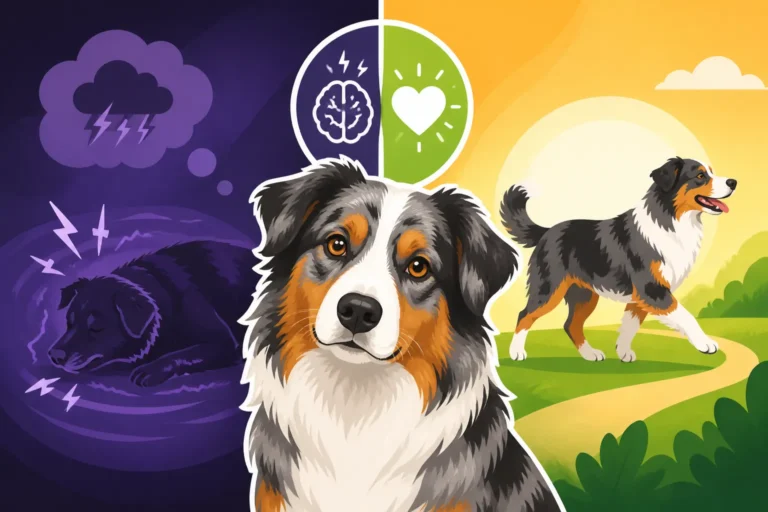
It’s truly anxiety-inducing to think that a routine medication could turn into a severe health crisis for your beloved Australian Shepherd. Many of us have heard whispers about the MDR1 mutation, but understanding what it actually does inside an Aussie’s brain can feel overwhelming and frightening. This comprehensive guide will pull back the curtain on this complex genetic issue, explaining precisely how the MDR1 gene impacts your Australian Shepherd’s neurological system and, most importantly, how you can protect them.
Understanding the MDR1 Gene Mutation in Australian Shepherds
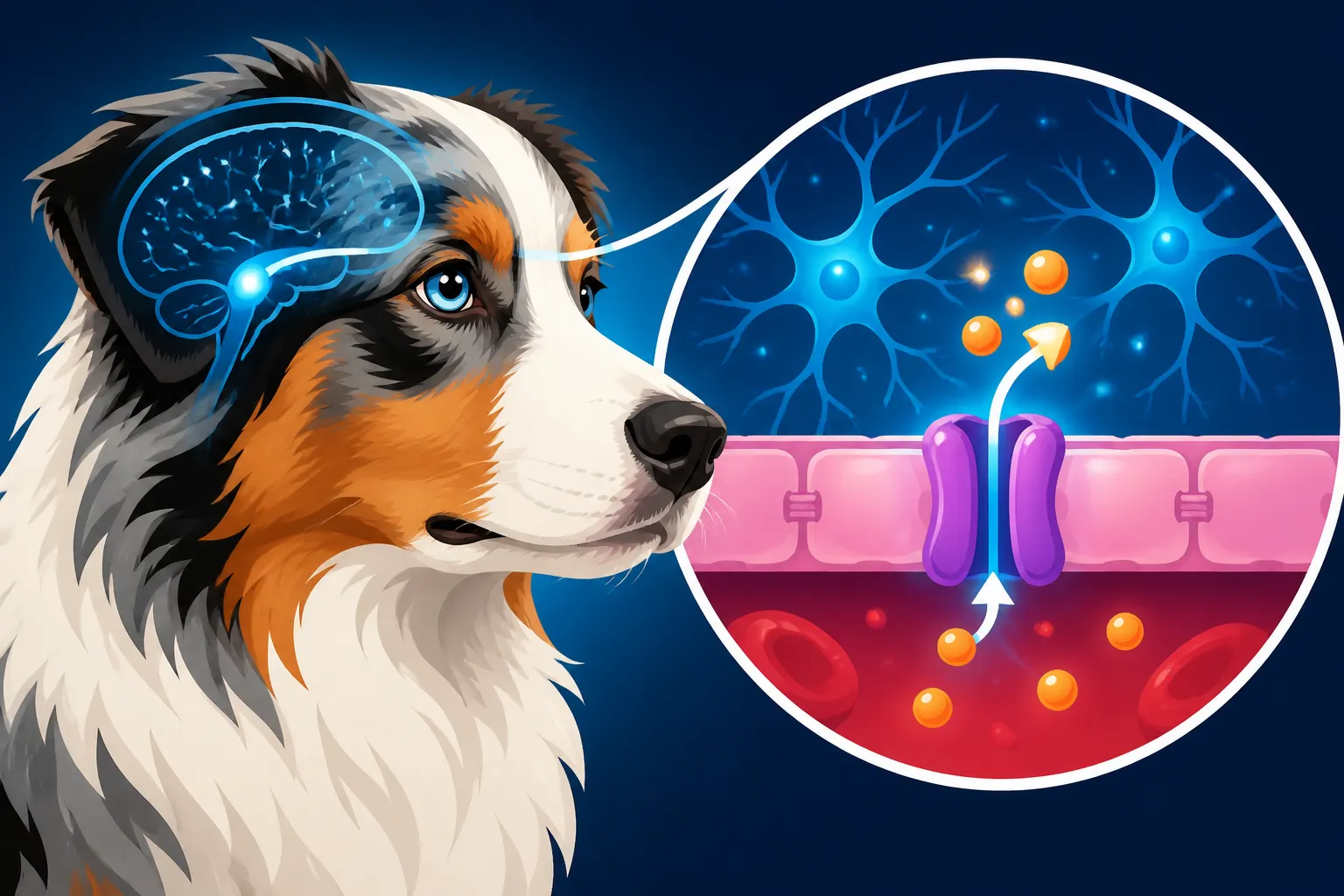
The MDR1 gene, short for Multi-Drug Resistance 1, is a fascinating but problematic piece of genetic code for many herding breeds, especially our Australian Shepherds. When this gene is functioning correctly, it produces a vital protein called P-glycoprotein. Think of P-glycoprotein as a diligent bouncer at the exclusive club that is your dog’s brain – it carefully screens who gets in and ensures that harmful substances, including many medications, are actively pumped out before they can cause damage.
Unfortunately, a specific mutation in this gene, often called the MDR1-1Δ mutation, means that the blueprint for this bouncer protein is flawed. For an Aussie carrying two copies of this mutated gene (meaning they are "affected" or "homozygous for the mutation"), the P-glycoprotein simply doesn't work right, or isn't produced at all. This leaves the brain's "club" wide open to unwanted guests. Even if your Aussie only carries one copy of the mutation ("carrier" or "heterozygous"), they can still have a reduced amount of functional P-glycoprotein, making them more sensitive to certain drugs. This widespread genetic issue is why it’s so critical to understand The MDR1 Mutation Half of Australian Shepherds Carry.
The Role of P-glycoprotein as the Brain's Gatekeeper
Imagine your dog's brain as a fortress. It's incredibly important to protect this command center, and nature has provided a brilliant defense mechanism: the blood-brain barrier. This isn't just a physical wall; it's a dynamic system of specialized cells and transporters that meticulously regulate the passage of substances from the bloodstream into the brain tissue. P-glycoprotein is one of the most important components of this barrier, acting as an efflux pump. Its job is to grab specific molecules, particularly many common drugs, and actively transport them back out of the brain before they can accumulate to toxic levels.
Normally, when your Aussie takes a medication, P-glycoprotein identifies certain drug compounds as potential threats. It binds to them and then literally pushes them back into the bloodstream to be metabolized and excreted by the liver and kidneys. This protective mechanism is so efficient that for drugs affected by MDR1, a dog with a functional gene can tolerate much higher doses without any neurological side effects, because the drug simply isn't reaching their brain in significant concentrations. It’s a remarkable system, ensuring the brain environment remains stable and free from harmful chemical invaders.
How the Mutation Occurs in Aussies
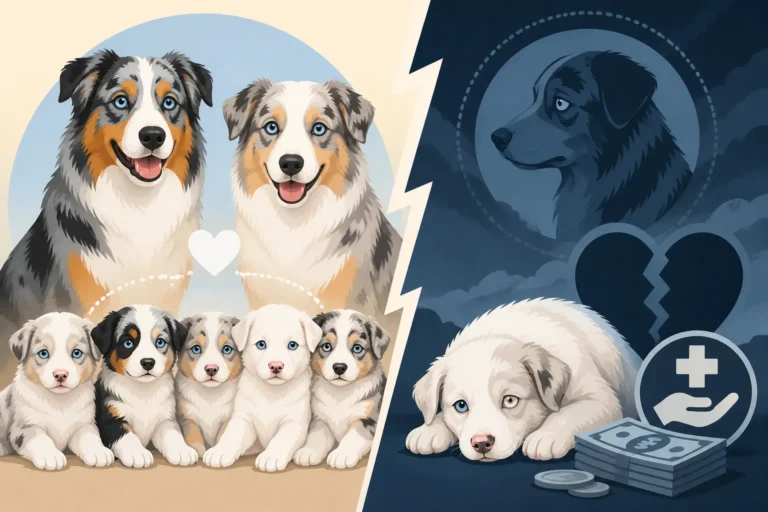
The MDR1 mutation isn't something that just randomly appears; it's an inherited trait, passed down from parent to puppy. This specific mutation is a deletion—a small piece of genetic information is missing from the gene sequence. Because of the way genes are inherited, an Australian Shepherd puppy gets one copy of the MDR1 gene from their mother and one from their father.
- If both parents pass on a healthy, functional gene, the puppy will be "normal" (N/N) and produce plenty of functional P-glycoprotein.
- If one parent passes on a healthy gene and the other passes on the mutated gene, the puppy will be a "carrier" (N/M). They still produce some functional P-glycoprotein, but often not enough to fully protect them from certain drugs.
- If both parents pass on the mutated gene, the puppy will be "affected" (M/M) and have very little to no functional P-glycoprotein, making them extremely vulnerable.
This mutation is highly prevalent in Australian Shepherds because it likely originated in an ancestral dog common to many herding breeds and was then passed down through breeding lines. Without diligent genetic testing, it can easily spread, which is why understanding The Genetic Panel Every Australian Shepherd Needs is so important for responsible breeding and pet ownership.
The Blood-Brain Barrier and MDR1’s Impact
The blood-brain barrier is truly the brain's personal bodyguard, a highly selective filter that separates the circulating blood from the brain and extracellular fluid in the central nervous system. Its primary role is to protect the brain from circulating toxins or pathogens, while still allowing essential nutrients to pass through. This barrier is composed of endothelial cells that line the capillaries of the brain, tightly packed together with special junctions that prevent most substances from simply slipping between them.
Crucially, the cells forming this barrier are also equipped with various transporter proteins, including P-glycoprotein, which actively shuttle molecules across the barrier or pump them back out. For our Aussies, this system is paramount in maintaining brain health and function.
When the Gate Fails: MDR1’s Impact
When an Australian Shepherd has the MDR1 mutation, particularly if they are affected (M/M), the P-glycoprotein "gate" effectively breaks down. It's like having a security system that no longer works, leaving the front door wide open. Without these functional efflux pumps, drugs that would normally be blocked or quickly expelled from the brain can now freely pass through the blood-brain barrier and accumulate in the delicate brain tissue.
This accumulation isn't just a minor issue; it's a direct route to neurotoxicity. The brain, which is exceptionally sensitive to chemical imbalances, becomes flooded with these compounds. Different drugs will cause different types of neurological dysfunction, depending on how they interact with brain cells and neurotransmitters. The effects can range from subtle changes in behavior to severe, life-threatening seizures or coma. It’s a stark reminder that what’s safe for a dog with a healthy MDR1 gene can be profoundly dangerous for an Aussie with the mutation.
Specific Drugs and Their Neurological Effects
For Australian Shepherd owners, knowing which medications pose a risk is paramount. The list isn't exhaustive, but several drugs are well-known culprits for causing severe neurological issues in MDR1-affected dogs. This isn’t about scaremongering; it’s about informed decision-making to protect your best friend. Always remember that even a carrier (N/M) Aussie can show adverse reactions, though often less severe than a homozygous affected (M/M) dog.
The Dangers of Ivermectin and Loperamide
Let's talk about two of the most infamous offenders: Ivermectin and Loperamide.
Ivermectin: This antiparasitic drug is commonly found in some heartworm preventatives and is also used in higher doses to treat other parasitic infections like mites. For dogs with a functional MDR1 gene, the P-glycoprotein effectively pumps Ivermectin out of the brain, keeping it safe. However, in an MDR1-affected Aussie, Ivermectin crosses the compromised blood-brain barrier and accumulates in the brain, leading to severe neurotoxicity. Symptoms can include ataxia (loss of coordination), tremors, dilated pupils, blindness, disorientation, excessive drooling, coma, and even death. It’s a truly frightening scenario, which is why understanding How an MDR1 Australian Shepherd Reacts to Ivermectin is non-negotiable for owners. You'll often hear veterinarians recommend alternative heartworm medications, as most standard monthly doses are not high enough to cause issues, but higher therapeutic doses are a definite no-go. Still, it's always best to be cautious and opt for alternatives if available.
Loperamide (Imodium): This over-the-counter anti-diarrheal medication is another major concern. Loperamide is an opioid derivative, and in dogs with normal MDR1, P-glycoprotein prevents it from entering the brain. In affected Aussies, however, it readily crosses the barrier and can cause opioid toxicity, leading to profound sedation, weakness, ataxia, vomiting, and dangerously slow breathing. Even a small dose can be life-threatening. This is why you should never administer Imodium to your Australian Shepherd without explicit veterinary guidance, especially if their MDR1 status is unknown. Knowing more about Loperamide and Other Drugs That Harm an MDR1 Aussie can truly save a life.
Anesthetics and Sedatives Requiring Caution
Beyond the well-known toxic drugs, certain anesthetics and sedatives also require extreme caution and dose adjustments for MDR1-affected Australian Shepherds. When your Aussie needs surgery or a procedure requiring sedation, your vet must be fully aware of their MDR1 status.
Acepromazine: This commonly used sedative and pre-anesthetic agent is one such drug. In MDR1-affected dogs, Acepromazine can cause more profound and prolonged sedation, leading to prolonged recovery times, ataxia, and severe hypotension (low blood pressure). The effects are often much more intense than in a dog with a normal MDR1 gene, necessitating a significantly reduced dose or an alternative medication.
Butorphanol: An opioid pain reliever and sedative, Butorphanol can also have intensified effects in MDR1-affected Aussies, leading to excessive sedation and respiratory depression. Again, careful dose reduction is critical, or a different analgesic may be chosen by your veterinarian.
Vincristine/Vinblastine (Chemotherapy Drugs): While not anesthetics, these chemotherapy agents are worth mentioning here because they are also substrates for P-glycoprotein. In MDR1-affected dogs, they can lead to increased toxicity, particularly bone marrow suppression and gastrointestinal issues, due to higher systemic absorption and reduced elimination.
The takeaway here is clear: always inform your veterinarian about your Aussie's MDR1 status before any procedure involving sedation or anesthesia. They can then adjust dosages or select alternative drugs to ensure your dog's safety, following guidelines often provided by organizations like Washington State University's College of Veterinary Medicine. This level of detail is something pet parents often rely on for managing their vet bills, and services like Healthy Paws pet insurance can often help with the unexpected costs associated with specialized care, like adjusted anesthetic protocols.
Other Medications to Be Aware Of
The list of drugs that interact with the MDR1 gene is extensive and continues to be researched. While Ivermectin and Loperamide are the most commonly cited for their acute neurotoxicity, others can also pose risks or require dose adjustments.
- Cyclosporine: An immunosuppressant often used for autoimmune diseases or organ transplants.
- Digoxin: A cardiac medication used to treat heart conditions.
- Doxorubicin: Another chemotherapy agent.
- Erythromycin: An antibiotic.
- Ondansetron: An anti-nausea medication.
- Many steroid drugs: Including Dexamethasone, which can have altered pharmacokinetics.
It’s not just about the types of drugs, but also the formulations and dosages. For instance, while high doses of Ivermectin are dangerous, many monthly heartworm preventatives (like Heartgard or Interceptor Plus) contain such small, microfilaricidal doses that they are generally considered safe even for MDR1-affected dogs. However, your vet will still want to know your dog's status to make the most informed choice. This is why having a conversation with your vet about Australian Shepherd Vaccination and MDR1 Concerns and Parasite Prevention Safe for an MDR1 Australian Shepherd is so important.
Here's a table summarizing some common drugs and their risk profiles for MDR1-affected Australian Shepherds:
| Drug Category | Specific Drugs (Examples) | Risk Level for MDR1-Affected Aussies | Potential Neurological Symptoms |
|---|---|---|---|
| Antiparasitics | Ivermectin (high doses), Selamectin, Milbemycin, Moxidectin (some formulations) | High | Ataxia, tremors, dilated pupils, blindness, disorientation, seizures, coma, death |
| Antidiarrheals | Loperamide (Imodium) | High | Profound sedation, weakness, ataxia, respiratory depression, coma |
| Sedatives/Anesthetics | Acepromazine, Butorphanol | Moderate to High | Prolonged and profound sedation, ataxia, hypotension, delayed recovery |
| Chemotherapy | Vincristine, Vinblastine, Doxorubicin | Moderate | Increased systemic toxicity, bone marrow suppression, GI upset (not primarily neurological but dose-dependent) |
| Immunosuppressants | Cyclosporine | Moderate | Increased drug levels, potential for increased side effects |
| Antibiotics | Erythromycin, Rifampin | Low to Moderate | Possible increased drug levels; usually not severe neurological. Always inform vet. |
Disclaimer: This table is for informational purposes only and is not a substitute for professional veterinary advice. Always consult your veterinarian regarding specific medications for your Australian Shepherd.
Recognizing Neurological Signs of a Reaction
Observing a sudden change in your Australian Shepherd’s behavior or physical state can be terrifying, especially if you suspect it might be a drug reaction due to their MDR1 status. It’s crucial to know what to look for so you can act quickly and seek immediate veterinary care. The signs can vary greatly depending on the drug involved, the dose, and your Aussie's individual sensitivity, but they generally stem from the brain being overwhelmed by toxins.
Mild to Moderate Symptoms
Sometimes, the initial signs can be subtle, mimicking other ailments or simply making your dog seem "off." Don't dismiss these, especially if they appear after administering a new medication or even a higher dose of a familiar one.
- Lethargy and Excessive Sedation: Your usually energetic Aussie might seem unusually tired, wanting to sleep more, or respond slowly to commands. They might appear "doped up" or disoriented. If you've given a sedative, the sedation might be far more profound or last much longer than expected.
- Weakness and Ataxia: This refers to a lack of coordination. Your Aussie might stumble, sway, or appear drunk when walking. They might struggle to maintain balance, especially when turning or going up/down stairs. Their hind legs might seem particularly weak or wobbly.
- Changes in Demeanor: They might seem confused, disoriented, or unusually anxious. They might stare blankly, pace aimlessly, or simply not "read the room" like they normally do.
- Gastrointestinal Upset: While not strictly neurological, drugs affecting the brain can also cause nausea, vomiting, or diarrhea. This is often an initial sign of systemic toxicity that warrants attention.
These symptoms, even if mild, are a red flag and demand a call to your veterinarian immediately. It’s better to be overly cautious than to wait for symptoms to escalate. This is where having pet insurance, such as through Healthy Paws, can be a real lifeline, ensuring you can quickly access emergency care without added financial stress.
Severe and Life-Threatening Reactions
If the drug accumulation in the brain continues unchecked, the symptoms will inevitably worsen, leading to critical and potentially fatal neurological events. This is an emergency, and your Australian Shepherd needs to see an emergency vet right away.
- Seizures: Uncontrolled electrical activity in the brain can manifest as full-body convulsions, muscle twitching, paddling of the limbs, drooling, and loss of consciousness. Seizures are terrifying to witness and indicate severe neurological distress. If your Aussie experiences a seizure, note the duration and characteristics to relay to your vet. This is distinct from idiopathic epilepsy, which can affect Aussies, but a drug-induced seizure is an acute event that needs immediate intervention. You can learn more about Australian Shepherd Epilepsy Starting Between One and Five to understand the difference.
- Coma or Profound Depression: The dog becomes unresponsive to stimuli, unable to be roused. Their breathing might become very shallow or slow, and their heart rate might decrease significantly.
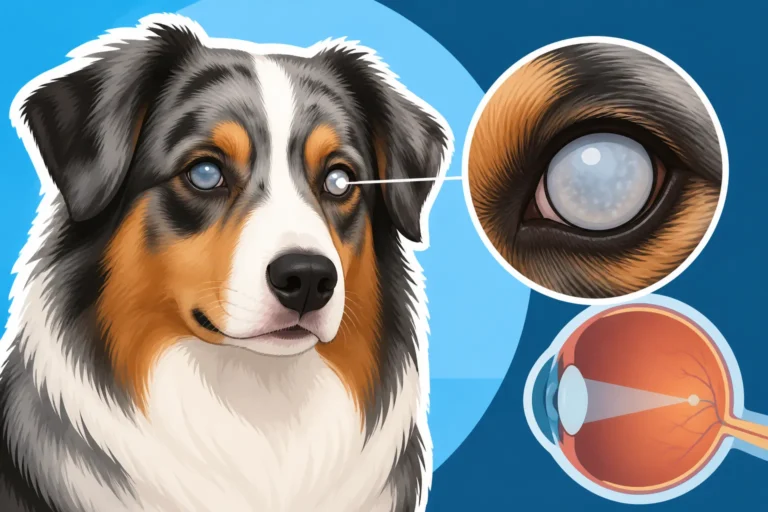
- Blindness: Acute onset of blindness, often with dilated pupils that don't respond to light. This can be temporary or permanent depending on the severity and duration of the neurotoxicity.
- Respiratory Depression: The breathing becomes dangerously slow and shallow, which can lead to a lack of oxygen to the brain and other vital organs, further exacerbating the crisis.
- Muscle Tremors and Hypothermia: In some severe reactions, involuntary muscle tremors can occur, and the dog's body temperature may drop dangerously low.
Recognizing Neurological Signs an Aussie Is Reacting to a Drug is critical for survival. Time is of the essence in these situations. Do not attempt to treat it yourself. Get your Australian Shepherd to the nearest emergency veterinary clinic immediately. Having their MDR1 status readily available for the emergency vet will be incredibly helpful, as discussed in Emergency Vet Instructions for an MDR1 Australian Shepherd.
Managing and Living with an MDR1 Positive Aussie
Discovering your Australian Shepherd has the MDR1 mutation can feel daunting, but it’s far from a death sentence. With proper knowledge, diligent communication, and proactive measures, you can ensure your beloved companion lives a long, healthy, and happy life. The key is to be an informed and vigilant advocate for your dog's health.
Getting Your Australian Shepherd Tested
The very first step, if you haven't already, is to get your Australian Shepherd tested for the MDR1 mutation. This simple, non-invasive test is invaluable. It typically involves a cheek swab or a blood sample, which is then sent to a specialized genetics laboratory.
Several reputable labs offer this testing, such as OptiGen, Embark, and the Veterinary Clinical Pharmacology Laboratory at Washington State University (WSU), which pioneered much of the research on MDR1. The results will tell you if your dog is "Normal/Normal" (N/N, meaning two healthy genes), "Normal/Mutant" (N/M, a carrier with one healthy and one mutated gene), or "Mutant/Mutant" (M/M, affected with two mutated genes). Knowing this status is foundational for all future medical decisions. You can learn more about The Cheek Swab That Tests Australian Shepherd MDR1 and Reading an Aussie MDR1 Result Line by Line to understand the process and results. This is part of The Health Tests Every Australian Shepherd Parent Needs and a crucial part of responsible ownership.
Communicating with Your Veterinarian
Once you have your Australian Shepherd's MDR1 status, the next critical step is to share it with every veterinarian who treats your dog. This includes your regular vet, any specialists, emergency vets, and even veterinary technicians. Don't assume they know, even if they have access to your dog's records; always verbally confirm and remind them.
- Provide a Copy of the Results: Keep a physical or digital copy of your dog's MDR1 test results readily accessible and provide it to your vet.
- Discuss Medications Proactively: Before any prescription, over-the-counter recommendation, or procedure involving anesthesia, ask your vet if the proposed medication or protocol is safe for an MDR1-affected dog, or if dose adjustments are needed. Even if your Aussie is only a carrier (N/M), it's important to discuss the implications, as Whether an MDR1 Carrier Australian Shepherd Ever Reacts is a valid concern.
- Consider a Special Tag: Many owners opt to put "MDR1 Positive" on their dog's collar tag or medical alert tags, along with their vet's contact information. This can be critical in an emergency situation where you might not be present to provide the information. Putting MDR1 on an Australian Shepherd's Collar Tag is a simple yet powerful preventive measure.
This open communication ensures that your vet can make informed decisions, select alternative medications when necessary, and adjust dosages to prevent adverse reactions.
Everyday Prevention and Emergency Preparedness
Living with an MDR1 positive Australian Shepherd means taking a proactive approach to their care. It’s about building a routine that prioritizes their safety.
- Avoid Problematic OTC Drugs: Never give your Aussie over-the-counter medications without specific veterinary guidance. As we discussed, Loperamide is a major offender, but other common human medications can also be toxic to dogs, irrespective of MDR1.
- Safe Parasite Prevention: Work with your vet to choose flea, tick, and heartworm preventatives that are known to be safe for MDR1-affected dogs. Many newer generation products are designed with this in mind, and your vet will have the most up-to-date information. While many common heartworm preventatives are considered safe at their prescribed doses, it’s always best to confirm directly with your vet.
- Educate Other Caregivers: If your Australian Shepherd goes to a dog walker, sitter, groomer, or boarding facility, make sure they are aware of the MDR1 mutation and understand that no medication should ever be given without your explicit permission and, ideally, direct veterinary instruction.
- Emergency Plan: Have a clear plan in case of an emergency. Know the location and contact information for the nearest 24-hour emergency veterinary clinic. Keep a list of your dog's medications and their MDR1 status readily available. Being prepared can reduce panic in a stressful situation and ensure your dog gets the fastest possible care. Pet insurance, like that offered by Healthy Paws, can greatly reduce the burden of unexpected emergency vet bills, allowing you to focus solely on your dog's health during a crisis.
By understanding the science behind the MDR1 mutation, communicating effectively with your veterinary team, and taking sensible precautions, you can confidently navigate life with your MDR1 positive Australian Shepherd. You are their best advocate, and your informed care makes all the difference.
Disclaimer
The information provided in this article is for educational and informational purposes only and does not constitute veterinary medical advice. Always consult with a qualified and licensed veterinarian for any medical concerns or before making any decisions about your pet's health or treatment.