Australian Shepherds Bred in Colorado and Wyoming
It’s a common moment: you mention your beloved Australian Shepherd, and someone inevitably asks, "Oh, are they really from Australia?" The truth is, despite their name, Australian Shepherds are as American as apple pie and wide-open spaces, with their roots firmly planted in the American West. If you've ever wondered about the specific regions that truly shaped this incredible breed, particularly states like Colorado and Wyoming, this guide is here to unravel that fascinating history and show you what it means for finding your next loyal companion today.
The American West: Birthplace of the Australian Shepherd
It’s one of those fun quirks of dog breed names that throws everyone for a loop. The "Australian" in Australian Shepherd is a bit of a red herring, often leading people to imagine sheep ranches down under. But the reality is far more tied to the rugged terrain and pioneering spirit of the United States. These dogs emerged from a specific need and environment that was uniquely American.
Dispelling the "Australian" Myth
Let's clear the air right away: the Australian Shepherd did not originate in Australia. This is probably the biggest misconception about the breed, and it can be confusing for prospective owners or even seasoned dog enthusiasts. The name likely came about because some of the sheep that these dogs herded in the American West were imported from Australia, and they came with their own herding dogs. These dogs then interbred with other working dogs already present in the US, and through generations of careful selection by ranchers, the breed we know and love today was developed. It's a testament to the hard work and keen eye of American ranchers, not a geographical origin. If you want to dive deeper into this fascinating history, you might enjoy reading Why the Australian Shepherd Is Not From Australia or Where the Australian Shepherd Was Actually Developed.
Ranching Heritage in States Like Colorado and Wyoming
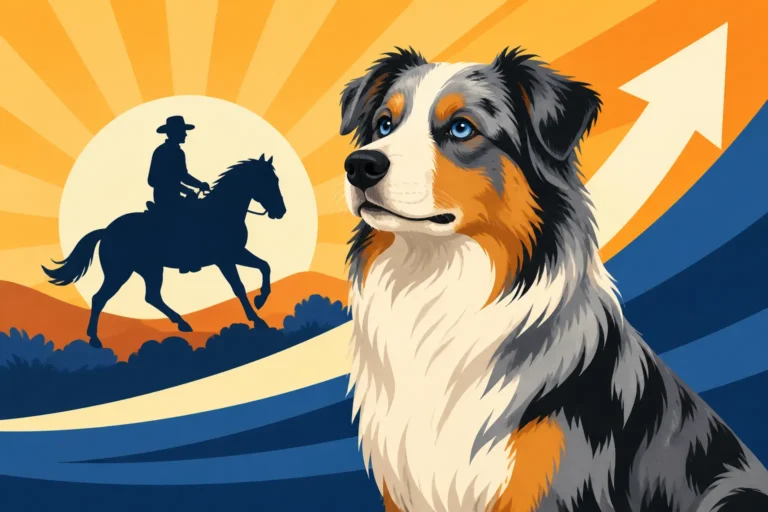
The true story of the Australian Shepherd is interwoven with the vast landscapes and burgeoning livestock industry of the American West, particularly in states known for their extensive ranching operations. Colorado and Wyoming, with their sprawling cattle ranches and sheep farms, provided the perfect proving ground for a dog that needed to be intelligent, agile, and fiercely dedicated to its work. These were not dogs bred for dainty show rings initially; they were bred for function, for moving stubborn cattle, gathering scattered sheep, and providing invaluable assistance to their human partners. The demands of these environments shaped their instinctual herding abilities, their boundless energy, and their protective yet loyal temperaments. They needed to be tough enough to handle varied terrain and weather, smart enough to solve problems independently, and possess an unwavering work ethic.
Colorado's Enduring Connection to the Aussie Breed
Colorado, often called the "Centennial State," played a significant role in the development and popularization of the Australian Shepherd. Its diverse landscape, from the eastern plains to the towering Rocky Mountains, meant ranchers needed versatile dogs capable of handling different types of livestock and challenging environments.
Early Breeders and Foundation Stock in the Rockies
In the early to mid-20th century, Colorado was a hub for dedicated ranchers and stockmen who were keen on developing a superior herding dog. These early breeders understood the unique needs of working livestock in the Rocky Mountain region. They weren't just looking for a pretty face; they sought out dogs with exceptional herding instinct, resilience, and a strong desire to please. While specific names of original breeders can be hard to pinpoint definitively from that era, the collective effort of many individuals selecting for specific traits led to the establishment of strong foundation lines within the state. These were the dogs that proved themselves day in and day out, whether moving a herd through high mountain pastures or sorting animals in a dusty corral. Their legacy is felt in the strong working drive many Colorado-bred Aussies still possess. The article What Ranchers Wanted From an Australian Shepherd offers more insight into these historical needs.
The Modern Australian Shepherd Community in Colorado
Today, Colorado continues to be a vibrant center for Australian Shepherds, appealing to both working dog enthusiasts and families seeking an active companion. You'll find a wide spectrum of breeders here, from those dedicated to preserving traditional working lines to those focusing on conformation and performance sports like agility, flyball, and obedience. The state's large open spaces and active outdoor culture make it an ideal place for Aussies to thrive. Many breeders in Colorado are part of active breed clubs, which often host events, trials, and health clinics. This strong community often means a greater emphasis on health testing and responsible breeding practices. When looking for a puppy, you'll find many breeders are eager to discuss their dogs' pedigrees, health clearances, and the specific temperaments they aim for. They understand that while a beautiful coat is lovely, what truly matters is a healthy, well-adjusted dog.
Wyoming: A Stronghold for Working Line Australian Shepherds
Just north of Colorado, Wyoming's reputation for vast, untamed wilderness and extensive ranching operations further solidified its place in Australian Shepherd history. Here, the emphasis on utility and traditional working ability often takes precedence, shaping a particular type of Aussie.
Ranching Traditions and Aussie Utility in Wyoming
Wyoming embodies the spirit of the American West, with its expansive plains and rugged mountains providing challenging conditions for both livestock and their herding dogs. In Wyoming, a dog's worth is often measured by its ability to perform a job effectively. This environment fostered the development of Australian Shepherds renowned for their intense herding instinct, stamina, and resilience. These dogs were, and still are, integral members of ranching teams, capable of working long hours, covering significant distances, and dealing with stubborn livestock in all kinds of weather. Their intelligence and problem-solving skills were honed out of necessity; a dog that couldn't adapt quickly to changing situations or read stock effectively simply wouldn't make the cut. This focus on practical utility means that many Wyoming-bred Aussies carry a strong genetic predisposition for intense focus and a tireless work ethic. This deep-seated drive is something to be aware of; it’s a core part of who they are, as detailed in The Australian Shepherd Herding Drive You Cannot Train Out.
Finding a Working Line Aussie in Wyoming
If your heart is set on a true working-line Australian Shepherd, Wyoming is an excellent place to start your search. Breeders in Wyoming often prioritize working titles and proven ranching ability in their breeding stock, rather than just show ring success. When talking to a breeder from Wyoming, you'll likely hear about the parents' ability to work cattle or sheep, their endurance on the range, and their intelligence in handling difficult situations. These breeders are passionate about preserving the functional aspects of the breed. It's not uncommon for them to live in more remote areas, and they may have waiting lists for their puppies, as their reputation for producing sound, capable working dogs spreads through word of mouth among the ranching community and beyond. When you consider the equipment for these highly active dogs, whether it's durable leashes, tough toys, or specialized nutrition, online retailers like Chewy often become invaluable for ranchers in more isolated areas to get what they need delivered right to their door. Finding a good working line Aussie often means Buying an Aussie From a Ranch or a Show Kennel rather than a typical suburban breeder.
What This Regional Heritage Means for Prospective Owners
Understanding the geographical and historical context of where Australian Shepherds were developed, particularly in regions like Colorado and Wyoming, offers valuable insights for anyone considering bringing one into their life. It’s not just a fun fact; it informs the very essence of the breed.
Understanding Temperament and Drive
The ranching heritage of Australian Shepherds from places like Colorado and Wyoming means these dogs often possess an incredible amount of drive, intelligence, and a strong desire to have a "job." This isn't just about physical exercise; it's about mental engagement. An Aussie bred from working lines, even if destined to be a family pet, will likely retain a deep-seated need for purpose. They are happiest when they feel they are contributing to the "pack" and have tasks to accomplish. This might manifest as herding your children, gathering toys, or excelling in dog sports.
Without proper outlets for this energy and intelligence, these dogs can quickly become bored, which can lead to undesirable behaviors like excessive barking, destructive chewing, or obsessive behaviors. They need consistency, training, and enrichment. A typical walk around the block twice a day often isn't enough for these dogs; they thrive on activities that challenge their minds and bodies. Think of it less as a pet and more as a partner you need to actively engage with. If you're looking for a couch potato, an Aussie from these lines might surprise you with their boundless enthusiasm. Exploring Working Line Australian Shepherd Traits can give you a clearer picture of what to expect.
Connecting with Reputable Breeders in the Region
When seeking an Australian Shepherd, especially if you're drawn to the strong working lines often found in Colorado and Wyoming, it’s absolutely crucial to connect with reputable breeders. These breeders are not just selling puppies; they are stewards of the breed, dedicated to producing healthy, well-tempered dogs that exemplify the breed's best qualities.
Here's what to look for:
- Health Clearances: Reputable breeders will be transparent about the health testing done on their breeding stock for common Aussie issues like hip and elbow dysplasia, eye conditions like Collie Eye Anomaly in an Australian Shepherd and hereditary cataracts, and the MDR1 gene. They should be able to provide documentation from organizations like OFA (Orthopedic Foundation for Animals) and CERF/CAER (Canine Eye Registration Foundation/Companion Animal Eye Registry) or ACVO (American College of Veterinary Ophthalmologists). Ask to see these papers.
- Temperament Focus: They should be able to articulate the temperaments of the parent dogs and what they aim to produce in their puppies. They will ask you many questions about your lifestyle to ensure a good match.
- Support and Guidance: A good breeder provides lifelong support, being available to answer questions and offer advice throughout your dog's life.
- Environment: Visit the breeding facility if possible, or ask for detailed videos. The puppies should be raised in a clean, stimulating environment, well-socialized, and show signs of being cared for within the home.
- Contract: Expect a comprehensive contract that outlines health guarantees, spay/neuter agreements (if applicable), and rehoming clauses.
Don't be afraid to ask a lot of questions. A reputable breeder will appreciate your thoroughness because it shows you're serious about providing a good home. They should also be asking you plenty of questions! Remember, these dogs are a significant commitment, and finding a breeder who aligns with your values and understands the breed's needs is paramount. You can learn more about this by reading Questions an Aussie Breeder Should Answer and The Test Results an Aussie Breeder Must Produce.
| Characteristic | Working Line Aussie (often from CO/WY) | Show Line Aussie (general) |
|---|---|---|
| Primary Focus | Herding ability, stamina, intelligence | Conformation, temperament, structure |
| Energy Level | Very High; needs a "job" daily | High; adaptable to active families |
| Drive | Intense, inherent desire to work | Present, but often less intense |
| Build | Athletic, lean, agile | Often heavier bone, more substantial |
| Coat Maintenance | Practical, easy care for field work | Often bred for fuller coats |
| Temperament | Reserved with strangers, devoted to family | More outwardly friendly often |
| Common Purchase Price | Varies, but quality working lines can be comparable to show lines. Check breeders directly. | Varies, often reflects titles/lineage. Check breeders directly. |
| Ideal Owner | Experienced, active, engaged with training and dog sports | Active family, committed to exercise and mental stimulation |
Remember that these are generalizations, and individual dogs will always vary, regardless of their lineage. Always meet the parents if possible, and discuss temperament directly with the breeder. And don't forget to stock up on all your Aussie essentials, from high-quality food to durable training toys, on sites like Chewy well before your new puppy comes home!
Disclaimer
This article is for general informational purposes only and does not constitute professional advice. Laws, prices and regulations vary by location and change over time. Consult a qualified professional for guidance on your specific situation.