The Genetic Tests an Aussie Breeder Pays For
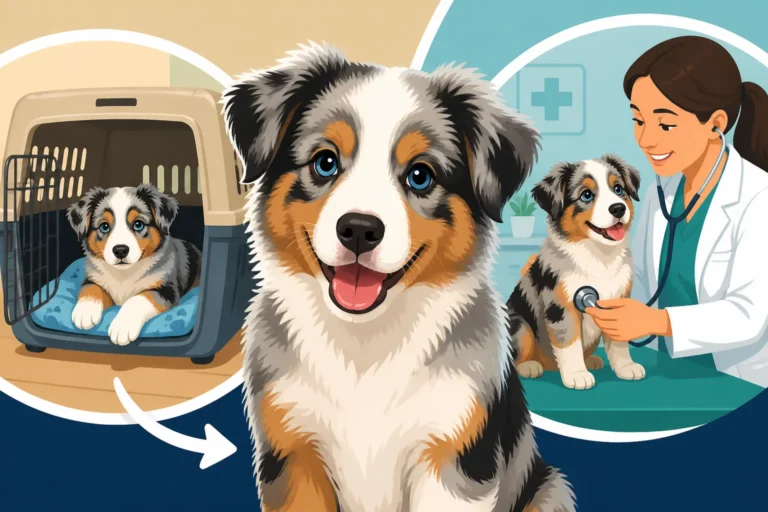
It’s a heartbreaking reality to bring home a vibrant Australian Shepherd puppy, full of life and promise, only to discover later that they carry the burden of an inherited genetic condition. The joy of a new family member can quickly turn to worry, expensive vet visits, and profound sadness if serious health issues, often preventable, surface. This guide aims to shed light on the crucial genetic tests and health clearances responsible Australian Shepherd breeders undertake, detailing what these tests are, why they matter, and what results you should expect from a reputable source.
Why Genetic Testing is Non-Negotiable for Australian Shepherds
When you choose an Australian Shepherd, you’re not just picking a breed known for its intelligence and striking looks; you’re investing in a dog with a specific genetic blueprint. Unfortunately, this blueprint can also carry predispositions to certain inherited diseases. Responsible breeders understand this deeply and see genetic testing not as an optional extra, but as a fundamental responsibility to the breed and to every puppy owner. It’s about more than just paperwork; it’s about upholding health and longevity.
Protecting Future Generations
Every puppy born carries a piece of its parents' genetic legacy. Without proper screening, a breeder might unknowingly pass on genes for debilitating conditions, perpetuating health problems for generations to come. Imagine the heartache of an owner whose otherwise perfect companion develops a severe condition like epilepsy or hip dysplasia early in life. These aren't just isolated incidents; they’re often direct consequences of a lack of genetic foresight in breeding. A breeder committed to the welfare of the breed actively works to identify and remove these detrimental genes from their lines, making healthier choices for the breed's future.
This commitment extends to understanding complex genetic interactions, like those found in the merle gene. Knowing The Merle Gene and How It Dilutes Aussie Coat is crucial, but it's even more vital for breeders to prevent pairings that could result in devastating health consequences. Reputable breeders meticulously plan their pairings, ensuring that they never breed two merles together, to avoid the severe health problems associated with Double Merle Australian Shepherds and What Breeding Two Merles Costs, which can lead to profound deafness and blindness.
The Legacy of Inherited Diseases
The Australian Shepherd, like many purebred dogs, has specific inherited conditions that can cause significant suffering and expense. Conditions ranging from drug sensitivities to painful joint issues can plague a dog if its parents weren't properly screened. These aren't just minor inconveniences; they can severely impact an Aussie's quality of life and shorten its lifespan. For instance, without proper screening, a dog could inherit genes that make it dangerously sensitive to common medications, potentially leading to a crisis even with routine veterinary care. This is a burden no owner should have to face, and it's a legacy no responsible breeder would knowingly pass on.
Essential Genetic Panels and What They Cover
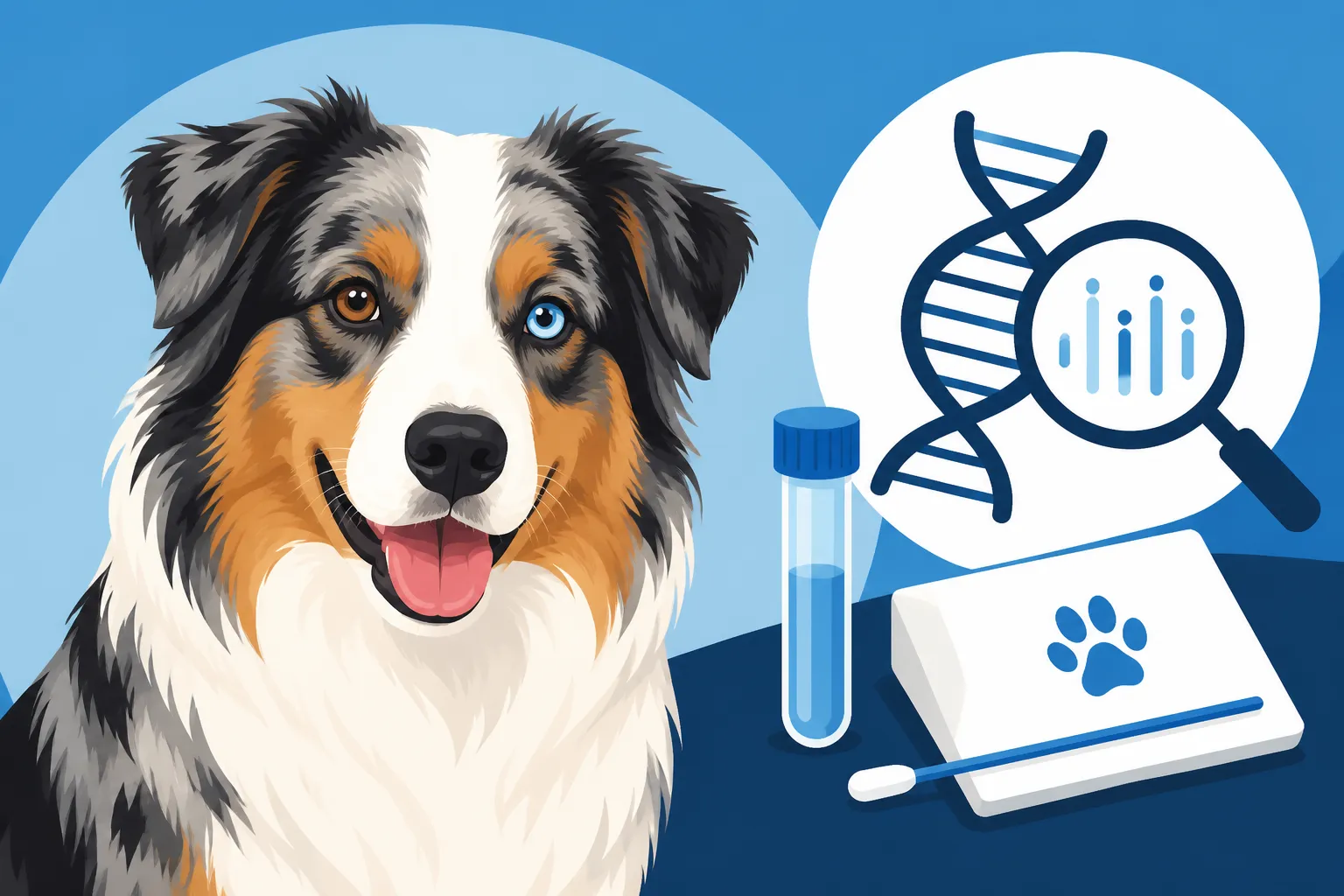
Modern veterinary medicine and genetic science have given us incredible tools to peek into an Australian Shepherd's genetic code. Reputable breeders leverage these advancements by investing in comprehensive genetic panels that screen for a range of diseases common in the breed. These tests provide invaluable information, allowing breeders to make informed decisions that promote health and prevent suffering. When you're talking to a breeder, these are the tests you should expect them to discuss, backed by clear results for both parent dogs.
MDR1 Gene Mutation
Perhaps one of the most well-known and critical genetic tests for Australian Shepherds is for the Multidrug Resistance 1 (MDR1) gene mutation. This mutation affects a dog's ability to process and eliminate certain drugs, making them highly sensitive to a variety of common medications, including some anti-parasitics, anesthetics, and chemotherapy agents. A dog with two copies of the mutated gene (MDR1 affected) can suffer severe neurological reactions, seizures, coma, or even death from standard doses of these drugs.
It's not just a theoretical risk; it's a very real danger that can have immediate, life-threatening consequences. Understanding What MDR1 Does Inside an Australian Shepherd Brain is paramount for any owner, but it's the breeder's job to ensure puppies are not unknowingly at risk. Breeders test for this mutation to ensure they don't breed two carriers together, which could produce affected puppies. If a dog tests as a carrier (one copy of the mutated gene), it still requires careful drug dosing, though typically less severely affected than an "affected" dog. Knowing The MDR1 Mutation Half of Australian Shepherds Carry means responsible breeders are ever-vigilant about testing and transparent about their results.
Hereditary Eye Conditions
The stunning eyes of an Australian Shepherd are one of their most captivating features, but they are also susceptible to several inherited conditions that can severely impair vision or lead to blindness. Comprehensive eye testing is a cornerstone of responsible breeding.
- Hereditary Cataracts (HC/HSF4): This condition causes the lens of the eye to become cloudy, leading to impaired vision and potentially blindness. It’s inherited, and a specific mutation in the HSF4 gene has been identified in Aussies. A DNA test can identify dogs that are clear, carriers, or affected by this gene. Understanding Hereditary Cataracts Clouding an Aussie Eye means recognizing the importance of early detection and careful breeding choices.
- Collie Eye Anomaly (CEA/CH): Despite the name, this condition affects Australian Shepherds too. CEA is a developmental defect of the eye that can range from mild (small abnormalities in the choroid, a layer of tissue beneath the retina) to severe (retinal detachment, hemorrhage, and blindness). A DNA test can confirm carrier or affected status. Breeders want to avoid producing affected puppies, as explained in articles like Collie Eye Anomaly in an Australian Shepherd. Early eye checks, like The Aussie Puppy Eye Check at Six Weeks, are critical for diagnosis.
- Progressive Retinal Atrophy (PRA): While less common, PRA is a group of degenerative diseases that affect the retina, eventually leading to blindness. Several forms of PRA exist, and DNA tests are available for some specific types. Breeders should screen for all known forms relevant to the breed.
Other Critical Genetic Markers
Beyond MDR1 and the primary eye conditions, a robust genetic panel for an Australian Shepherd should also include screening for several other debilitating inherited diseases. These tests provide a more complete picture of a dog’s genetic health and potential risks.
- Canine Multifocal Retinopathy (CMR1): This is another inherited eye disorder characterized by multiple, usually benign, folds or detachments of the retina. While vision loss is rare, it's still a condition that responsible breeders aim to avoid passing on.
- Hereditary Ataxia (HA): A neurological disorder that affects coordination, causing an unsteady gait and difficulty with movement. This is a severe, progressive condition that significantly impacts a dog's quality of life.
- Degenerative Myelopathy (DM): A progressive neurological disease affecting the spinal cord, leading to weakness and paralysis, typically in the hind limbs. While often appearing later in life, the gene can be carried and passed on unknowingly without testing.
- Hyperuricosuria (HUU): A metabolic disorder that can lead to the formation of bladder stones. While treatable, it’s certainly preferable to avoid.
Reputable companies like Embark and Wisdom Panel offer comprehensive genetic panels that screen for dozens of conditions, including all of the above, in one go. These services are invaluable for breeders looking to gain a full genetic profile of their breeding stock. You should always ask to see the full panel results for both parents. Checking for The Genetic Panel Every Australian Shepherd Needs is one of the most important things you can do as a prospective owner.
Understanding the Results: What Your Breeder Should Share
Receiving genetic test results can sometimes feel like deciphering a foreign language, especially with terms like "clear," "carrier," and "affected." A good breeder doesn't just provide printouts; they explain what each result means for the individual dog and, more importantly, for any potential offspring. Transparency and education are key here, ensuring that you, as a future owner, understand the genetic health of your puppy.
Interpreting 'Clear', 'Carrier', and 'Affected'
Genetic test results typically fall into three main categories, each with important implications:
- Clear (or Normal): This means the dog does not carry the gene mutation for the tested disease and cannot pass it on to its offspring. A "clear" dog is generally considered free of risk for developing that specific inherited disease due to that gene.
- Carrier: A dog that is a "carrier" has one copy of the gene mutation but typically does not show symptoms of the disease itself. However, if bred with another carrier, some of their puppies could inherit two copies of the mutated gene and be "affected." Carriers can be bred responsibly if paired with a "clear" mate, ensuring no affected puppies will be produced, though some puppies may still be carriers.
- Affected: An "affected" dog has two copies of the gene mutation and is at high risk of developing or already exhibiting symptoms of the disease. Responsible breeders will generally not breed affected dogs.
For example, with MDR1, a "clear" dog can safely receive all medications. A "carrier" or "affected" dog will require specific dose adjustments for certain drugs. Understanding Reading an Aussie MDR1 Result Line by Line is critical for pet parents. A breeder should walk you through these results, highlighting any carrier status and explaining their breeding strategy to mitigate risks.
Why Full Disclosure Matters
A breeder who is truly committed to the health of their Australian Shepherds will not shy away from sharing all genetic test results, even if a dog is a carrier for a particular condition. This level of transparency builds trust and demonstrates their dedication to responsible breeding practices. Be wary of breeders who offer vague assurances or refuse to show you the actual documentation. The results should ideally come directly from reputable laboratories such as Embark, Wisdom Panel, Paw Print Genetics, or Optigen.
It’s not enough for a breeder to simply say their dogs are "healthy" or "tested." You should be able to see the specific test names, the parents' registered names, and the clear results for each condition. This full disclosure allows you to verify their claims and ensures that you’re making an informed decision about your puppy. Knowing The Test Results an Aussie Breeder Must Produce helps you understand what to ask for.
| Genetic Test | What It Screens For | Possible Results | Implication for Breeding |
|---|---|---|---|
| MDR1 | Drug Sensitivity | Clear, Carrier, Affected | Avoid breeding two Carriers or any Affected dogs. |
| HSF4 (HC) | Hereditary Cataracts | Clear, Carrier, Affected | Avoid breeding two Carriers or any Affected dogs. |
| CEA/CH | Collie Eye Anomaly | Clear, Carrier, Affected | Avoid breeding two Carriers or any Affected dogs. |
| CMR1 | Canine Multifocal Retinopathy | Clear, Carrier, Affected | Avoid breeding two Carriers or any Affected dogs. |
| DM | Degenerative Myelopathy | Clear, Carrier, Affected | Avoid breeding two Carriers or any Affected dogs. |
| HUU | Hyperuricosuria | Clear, Carrier, Affected | Avoid breeding two Carriers or any Affected dogs. |
| HA | Hereditary Ataxia | Clear, Carrier, Affected | Avoid breeding two Carriers or any Affected dogs. |
The Financial Investment: What Breeders Face
Genetic testing is not cheap, and this upfront investment is a clear indicator of a breeder's commitment. Many prospective puppy owners might wonder why puppy prices vary so much, and a significant part of that difference often comes down to the meticulous health screening performed by reputable breeders. They’re not just recouping costs; they're investing in the future health and reputation of their lines.
Cost of Individual Tests vs. Panels
Years ago, breeders had to order individual tests for each condition, which could quickly add up. Today, comprehensive genetic panels have streamlined the process, offering a wide array of tests at a more economical rate than testing each condition separately. For instance, a single comprehensive panel from a company like Embark or Wisdom Panel can cost anywhere from $100 to $200 per dog, covering dozens of genetic conditions. While this is a significant expense, especially for a breeder with multiple breeding dogs, it’s a necessary one.
Some specific tests, or follow-up tests for rarer conditions, might still need to be ordered individually. When you factor in the cost of initial tests for a new breeding prospect, and then routine retesting or additional tests as new scientific discoveries emerge, the financial commitment is substantial. This is why a breeder who offers comprehensive testing isn't just selling a puppy; they're selling the peace of mind that comes from a well-planned, health-focused breeding program.
The Value Beyond the Price Tag
The cost of genetic testing is an investment that pays dividends in the long run, not just for the breeder but for every family that welcomes one of their puppies. It dramatically reduces the likelihood of heartbreaking and expensive health issues down the road. Imagine the emotional toll and financial burden of dealing with a dog suffering from severe hip dysplasia, requiring expensive surgeries, or an Aussie constantly battling an inherited neurological condition. While pet insurance companies like Healthy Paws offer invaluable support for unforeseen medical costs, proactive genetic testing minimizes the chance of needing such claims for preventable genetic diseases in the first place.
A breeder who invests heavily in these tests is signaling their dedication to responsible practices and their desire to produce the healthiest puppies possible. This dedication often correlates with other excellent breeding practices, such as providing proper nutrition (perhaps using quality foods from Chewy or fresh options like Ollie) and offering extensive socialization. Ultimately, the slightly higher price tag for a puppy from a health-tested lineage is a small price to pay for a lifetime of health and happiness with your Australian Shepherd.
Beyond DNA: Other Health Clearances Breeders Provide
While DNA tests are incredible tools for identifying specific gene mutations, they don't cover every possible health concern. Responsible Australian Shepherd breeders go above and beyond genetic panels, undertaking a range of physical evaluations and certifications to ensure the overall structural and physiological health of their breeding dogs. These clearances are just as vital as genetic tests, providing a holistic view of a dog's suitability for breeding.
OFA and PennHIP Joint Clearances
Orthopedic health is paramount for an active breed like the Australian Shepherd. Hip and elbow dysplasia are common, debilitating conditions that can lead to chronic pain, arthritis, and significant mobility issues. These conditions are polygenic, meaning multiple genes contribute to their development, and environmental factors also play a role. Therefore, while genetic predisposition exists, there isn't a single DNA test to "clear" a dog entirely. Instead, physical evaluations are crucial.
- OFA (Orthopedic Foundation for Animals) Clearances: The OFA is a widely recognized registry for canine orthopedic health. Breeders submit X-rays of their dogs' hips and elbows to a panel of veterinary radiologists who evaluate them for signs of dysplasia. Hips are graded as Excellent, Good, Fair (all passing), Borderline, or Dysplastic. Elbows are graded as Normal or Dysplastic (Grade I, II, or III). Dogs must be at least 24 months old for final OFA certifications. Understanding Australian Shepherd Hip Dysplasia and OFA Scoring is key to interpreting these results.
- PennHIP: This method provides a quantitative measurement of hip laxity, which is a major factor in the development of hip dysplasia. Unlike OFA, PennHIP can be performed as early as 16 weeks, offering breeders an earlier assessment. Both OFA and PennHIP aim to identify dogs with healthy joints suitable for breeding, thereby reducing the incidence of these painful conditions in future generations.
These certifications offer crucial insights into a dog's structural integrity, allowing breeders to make informed decisions and reduce the risk of passing on poor joint health.
Regular Eye Exams ACVO
Even with genetic tests for specific eye diseases like HC and CEA, comprehensive eye examinations by a board-certified veterinary ophthalmologist (ACVO – American College of Veterinary Ophthalmologists) are essential. These annual exams screen for a broader spectrum of eye conditions, some of which may not have a known genetic marker or may be acquired conditions.
The ACVO exam is a thorough check of the entire eye structure, looking for any abnormalities, diseases, or injuries. This includes checking for conditions like persistent pupillary membranes (PPMs), retinal detachments, distichiasis (extra eyelashes), and overall eye health. These exams are important because some conditions might develop later in life or could be missed by DNA tests alone. A breeder should provide documentation of current, clear ACVO exams for all breeding dogs, typically done annually.
Thyroid and Autoimmune Screening
Australian Shepherds can also be predisposed to certain autoimmune conditions, with autoimmune thyroiditis being one of the most common. This condition involves the immune system attacking the thyroid gland, leading to hypothyroidism. While not always life-threatening, it can cause a range of symptoms including lethargy, weight gain, poor coat quality, and skin issues.
Breeders may screen for autoimmune thyroiditis through blood tests that measure thyroid hormone levels (T4, T3) and thyroid autoantibodies (TgAA). The OFA also maintains a thyroid registry. Early detection allows for management, and breeders strive to minimize the presence of these conditions in their lines. Similarly, general screening for other autoimmune diseases can be part of a comprehensive health regimen, especially as the breed can be prone to various Australian Shepherd Autoimmune Disease issues. Ultimately, a breeder provides a health portfolio for their dogs that goes beyond simple DNA checks, giving you confidence in the foundation of your future companion.
The Long-Term Impact of Responsible Breeding
Choosing a puppy from a breeder who meticulously performs genetic testing and health clearances isn't just about avoiding immediate heartache; it's about investing in a healthier future for your Australian Shepherd. The ripple effect of these responsible practices extends far beyond the individual litter, impacting the breed as a whole and offering substantial benefits to owners over their dog's lifetime.
A Healthier Lifespan
When breeders commit to screening for conditions like MDR1, hereditary cataracts, and hip dysplasia, they are actively working to increase the overall health and vitality of their puppies. This means a higher likelihood that your Australian Shepherd will enjoy a full, active life, free from the pain and limitations of preventable inherited diseases. Imagine the joy of watching your Aussie herd imaginary sheep or excel in agility well into its senior years, rather than succumbing to early-onset joint pain or vision loss.
These efforts contribute significantly to a longer, more comfortable Australian Shepherd Lifespan Across Twelve to Fifteen Years. While no breeder can guarantee a dog will never face any health challenge, responsible screening dramatically stacks the odds in your favor, ensuring your companion has the best possible genetic start in life. It's about proactive care and making ethical choices that prioritize the dog's well-being above all else.
Reducing Future Vet Bills for Owners
While the initial cost of a well-bred, health-tested Australian Shepherd puppy might seem higher, it can lead to significant savings on veterinary bills over the dog's lifetime. Treating serious genetic conditions can be incredibly expensive. For example, hip replacement surgery can cost thousands of dollars per hip, and ongoing medication for conditions like epilepsy or thyroid issues can add up quickly.
By choosing a puppy from health-tested parents, you significantly reduce the risk of incurring these massive, often unexpected, expenses. This financial prudence, combined with the emotional peace of mind, makes the investment in a responsibly bred puppy incredibly worthwhile. Knowing The Health Tests Every Australian Shepherd Parent Needs helps you find a puppy with a strong foundation, leading to fewer medical surprises down the line. It's also why many owners still opt for pet insurance, even with a well-bred dog, because accidents and non-genetic illnesses can still occur. Providers like Healthy Paws can help cover those unexpected costs, but starting with a genetically sound puppy is the best first step.
Disclaimer
The information provided in this article is for general informational purposes only and does not constitute veterinary advice. Always consult with a qualified veterinarian for any health concerns or before making any decisions about your pet's care.