The Aussie Puppy Curriculum Month by Month
Bringing an Australian Shepherd puppy into your home is an incredible adventure, but let's be honest, it can also feel like you've suddenly signed up for a crash course in dog parenting with a notoriously smart and energetic student. The sheer volume of advice out there can be overwhelming, leaving you wondering if you're doing enough, doing too much, or doing it all wrong. This comprehensive guide will walk you through a month-by-month curriculum for your Australian Shepherd puppy, breaking down what to focus on at each stage to ensure they grow into a well-adjusted, confident, and happy adult dog.
Welcome Home: The First Few Weeks (8-12 Weeks Old)
Those first few weeks with your Australian Shepherd puppy are a whirlwind of tiny teeth, boundless energy, and adorable clumsiness. This is a critical period for bonding and setting the stage for future learning. Your puppy is like a sponge, soaking up every experience, so our focus here is on creating positive associations and a secure environment.
Establishing Routines and Safe Spaces
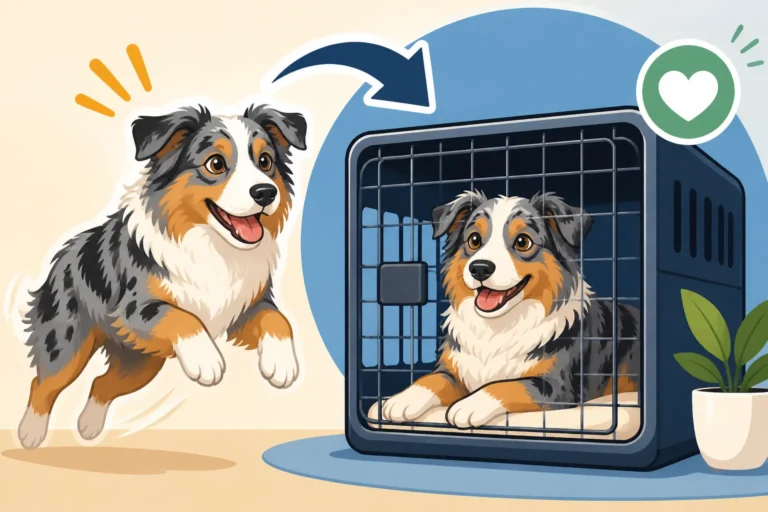
The moment your Aussie puppy steps paw into your home, consistency is your best friend. Imagine moving to a new country where you don't speak the language; a predictable schedule provides much-needed security. Decide where your puppy will eat, sleep, and potty, and stick to it religiously. This might mean waking up at 6 AM every day for the first potty break, even on weekends, but that routine will pay dividends in faster house-training and a more confident puppy. A safe space, like a crate or a designated puppy-proofed area, is paramount. This isn't a punishment zone; it's their den, a place where they can feel secure and retreat when overstimulated. Introduce it with soft bedding, a safe chew toy, and positive reinforcement.
Think about the sheer sensory overload for a puppy leaving its littermates and familiar surroundings. A consistent feeding schedule, regular potty breaks, and predictable sleep times help them understand the rhythm of their new world. This predictability reduces anxiety and helps them settle in faster. For example, if you feed at 7 AM, 12 PM, and 5 PM, and always take them out immediately after, they'll quickly associate mealtime with potty time. This structure is the bedrock upon which all other training will be built, fostering a sense of security that is vital for such a sensitive and intelligent breed.
Their crate, if introduced properly, becomes their sanctuary. Make it a cozy haven, not a jail. Feed them meals in there, toss in high-value treats, and ensure it's always associated with positive experiences. You want them to want to go into their crate, not be forced. You can find excellent, durable crates on platforms like Amazon that will serve them well as they grow, providing a secure spot for downtime. When they are comfortable in their safe space, they'll be less prone to destructive behaviors or excessive barking when you can't supervise them directly.
Early Potty Training and Crate Introduction
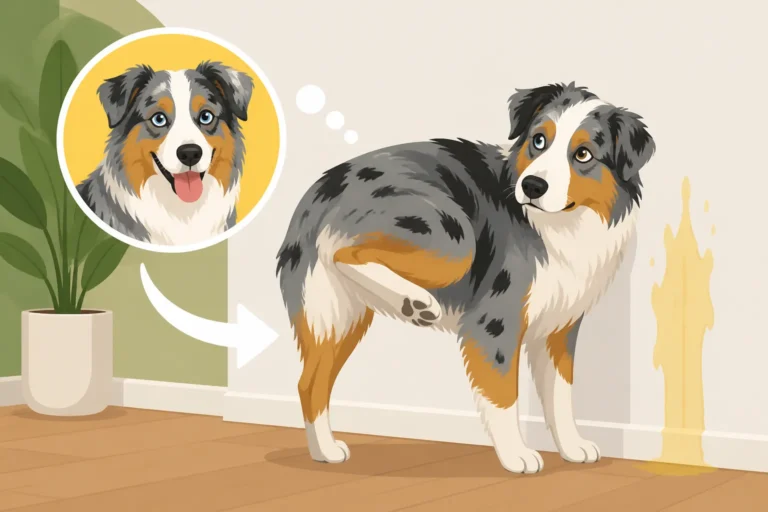
Potty training is often one of the biggest initial frustrations for new Australian Shepherd owners. They're smart, but their bladders are tiny, and they don't instinctively know that your rug isn't an appropriate toilet. The key is constant supervision and frequent trips outside. Aim for every 30-60 minutes initially, especially after waking up, eating, drinking, and playing. Celebrate successes with enthusiastic praise and a high-value treat immediately as they finish. Avoid scolding accidents indoors; simply clean them up thoroughly with an enzymatic cleaner to remove any lingering scent that might encourage repeat offenses.
Pairing potty training with crate training makes the process significantly smoother. Dogs are naturally clean animals and generally won't soil their sleeping area, provided it's the right size – just big enough to stand up, turn around, and lie down comfortably. If it's too large, they might designate a "bathroom" corner. Start with short periods in the crate, gradually increasing the duration. Never use the crate as punishment, or your Aussie will develop a negative association with it. The idea is for them to see it as their private, comfortable den. For a detailed guide, check out Crate Training an Aussie That Protests.
Imagine you're trying to teach your puppy that the backyard is the only acceptable toilet. Every time you take them out and they relieve themselves, it's a small victory. Make a big fuss! Say "Good potty!" in a happy voice and give them a treat. If they start sniffing around indoors, scoop them up and carry them outside immediately. This proactive approach prevents accidents before they happen and reinforces the correct behavior. Remember, patience is crucial here. There will be setbacks, but consistency is the ultimate driver of success.
First Steps in Socialization (Controlled Exposure)
Socialization during these early weeks is paramount, though it should be done carefully to avoid overwhelming your puppy or exposing them to illness before their vaccinations are complete. The goal is to introduce them to a wide variety of sights, sounds, textures, and gentle interactions in a positive, low-stress way. Think quality over quantity. This isn't about letting every stranger rush up and pet them; it's about controlled, positive exposure.
Take your puppy on short car rides, carry them around quiet parks (don't let them walk on the ground until fully vaccinated), expose them to different flooring surfaces, and let them hear various household noises like the vacuum cleaner or doorbell. Arrange playdates with vaccinated, calm, and friendly adult dogs you trust. Always ensure these experiences are positive – if your puppy seems scared, move away or make the experience less intense. A negative early experience can have lasting effects. A program like BAXTER & Bella offers a fantastic online curriculum that guides you through these early socialization steps, providing structured activities and advice.
For an Australian Shepherd, who can sometimes be reserved with strangers, proper early socialization is non-negotiable. It helps prevent them from becoming overly timid or reactive later in life. Imagine walking your puppy past a group of children playing. Instead of letting the kids swarm your puppy, ask them to stand calmly, and offer your puppy a treat as they observe from a safe distance. This teaches your puppy that children are not scary, and good things happen when they are present. Vary the environment: a quiet street, a slightly busier sidewalk, the sound of a lawnmower in the distance. Every new, positive experience builds resilience and confidence.
Building Foundations: The Pre-Adolescent Months (3-5 Months Old)
As your Australian Shepherd puppy moves past the initial "baby" stage, their curiosity explodes, and their energy levels become more evident. This is the prime time for formalizing basic obedience and continuing to shape their understanding of the world. Their brains are still incredibly pliable, making this an ideal window for learning.
Mastering Basic Obedience Commands
Now is the time to start teaching foundational obedience commands like sit, stay, come, and down. Keep training sessions short, positive, and fun – 5-10 minutes, several times a day, is far more effective than one long, boring session. Use high-value treats and enthusiastic praise to reward correct responses. An Australian Shepherd thrives on having a "job," and learning these commands gives them exactly that. It also strengthens your bond and establishes you as a reliable leader.
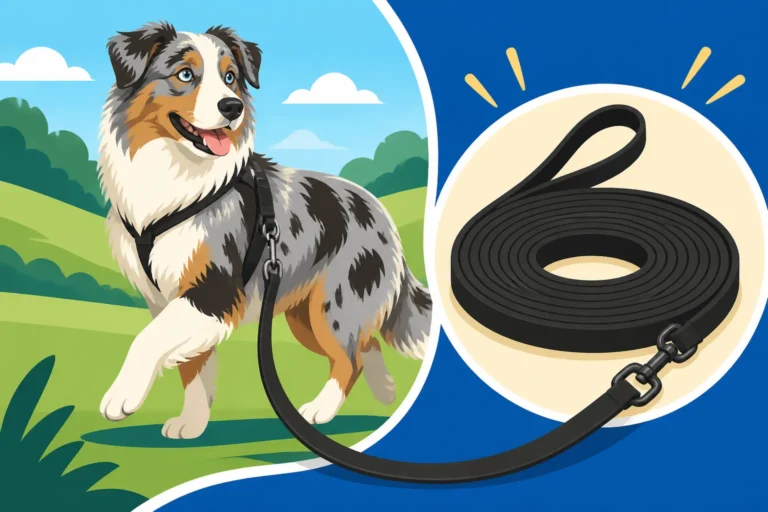
"Come," or recall, is one of the most vital commands you'll teach your Aussie. Their herding instincts mean they might be prone to chasing moving objects, so a solid recall can literally be a lifesaver. Practice it in low-distraction environments first, then gradually introduce more challenges. Use a long line if you're practicing outdoors to ensure their safety and your peace of mind. For more on developing a bombproof recall, consider resources like BAXTER & Bella, which often provide video tutorials for common commands.
Consider how an Australian Shepherd's intelligence means they'll pick up on things quickly, but also means they can get bored if not challenged. If "sit" becomes mundane, try "sit-stay" for a few seconds, then release them with a happy word and a treat. Build duration and distraction gradually. For example, if you're teaching "down," practice it while you're standing right next to them, then move a step away, then two steps. This incremental approach ensures success and prevents frustration for both of you. Remember, every successful repetition builds muscle memory and confidence.
Managing Nipping and Bite Inhibition
Australian Shepherd puppies are notoriously nippy, and those needle-sharp puppy teeth can be painful! This isn't aggression; it's how they explored their world with their littermates. Their siblings would yelp and stop playing if a bite was too hard, teaching them bite inhibition. You need to mimic this. If your puppy nips too hard during play, let out a sharp "ouch!" or "yip!" and immediately withdraw your attention. Stop playing, turn away, or even leave the room for 30-60 seconds.
This withdrawal of attention is often more powerful than any scolding for an Aussie, as they crave interaction. When you return, if they nip again, repeat the process. If they offer a softer bite, praise them. The goal isn't to stop them from ever putting their mouth on you (which is unrealistic and removes a natural way for them to interact), but to teach them how much pressure is acceptable. Always redirect appropriate chewing onto designated chew toys. For an in-depth look at this common issue, check out Australian Shepherd Puppy Biting and Herding Nips.
Think of it as teaching a nuanced language. A puppy knows "bite," but they don't know "gentle bite." By consistently yelping and disengaging, you're teaching them that hard bites make the fun stop. If they persist, provide them with a durable chew toy, readily available from retailers like Amazon, and praise them for chewing on that instead of your hands. This redirection is crucial, especially for a breed with such strong oral tendencies. Over time, they learn that gentle mouthing is okay, but painful bites are not.
Expanding Socialization Horizons
While you were cautious about exposure in the early weeks, now that your puppy has more vaccinations, you can broaden their socialization experiences. Continue meeting new people and dogs, but always prioritize positive interactions. Enroll in a puppy kindergarten class; this is invaluable for safe, supervised play with other puppies and exposure to new people and environments. These classes also offer guidance from experienced trainers, which is a huge bonus.
Introduce your Aussie to different environments, sounds, and textures on walks. Think busy sidewalks (if safe and appropriate), parks, nature trails, and even pet-friendly stores. The key is to make every experience a positive one. Pair new experiences with treats and praise. If your puppy seems hesitant or fearful, don't force them; just observe from a distance, offer treats, and move on. The goal is to build resilience and confidence, not to create fear. For guidance on appropriate settings, refer to Socializing an Aussie Puppy Off the Farm.
Consider the importance of exposure to different types of people: men, women, children, people wearing hats, people with glasses, people in wheelchairs. Each interaction should be calm and positive. For example, when meeting a new person, ask them to crouch down and offer a treat, rather than reaching over your puppy's head. This allows your Aussie to approach on their own terms. The more varied and positive their experiences are now, the less likely they are to develop fear-based reactivity later.
Entering Adolescence: The Energetic Phase (6-9 Months Old)
Welcome to the "teenage" phase of Australian Shepherd ownership! This stage often brings a surge of energy, increased independence, and sometimes, a temporary amnesia for all the training you thought you'd mastered. It can be frustrating, but remember, it's a normal developmental period. Patience and consistency are more important than ever.
Navigating the "Teenage" Rebellion
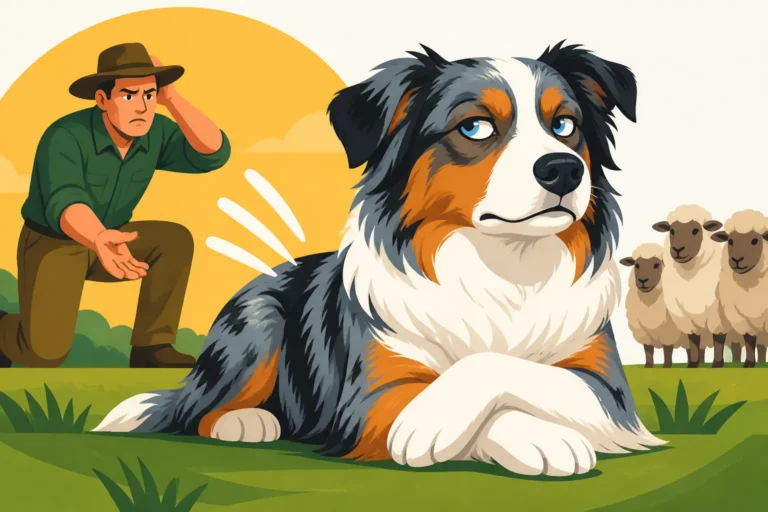
Just like human teenagers, adolescent Australian Shepherds will test boundaries. They might suddenly "forget" commands they knew perfectly, become easily distracted, or push limits they never did before. This isn't defiance; it's a natural part of their brain development as they learn to think more independently. Your response must be calm, consistent, and firm, without resorting to punishment. Double down on your training, making it even more rewarding and engaging.
Short, frequent training sessions are still best, but increase the difficulty by introducing more distractions. Practice "stay" while you walk further away, or "come" with other dogs nearby (on a long line!). This period can be challenging, but it's crucial for solidifying their understanding of rules and expectations. For a deeper dive into this phase, read The Aussie Teenage Months and What Changes. Your puppy might try to push the envelope, seeing if the rules still apply. It's like they're saying, "Do I really have to sit?"
One common scenario is the sudden lapse in recall at the dog park, or a stubborn refusal to "leave it" when a tempting snack appears on the ground. Instead of getting angry, take a deep breath. Reinforce with higher value treats than before. Bring out the really good stuff – cooked chicken, cheese, or hot dogs – to remind them that listening to you is always the most rewarding option. Keep a long line on them during walks in unfenced areas, so you always have a safety net and can practice recall without the risk of them making a bad decision.
Channeling Herding Instincts Productively
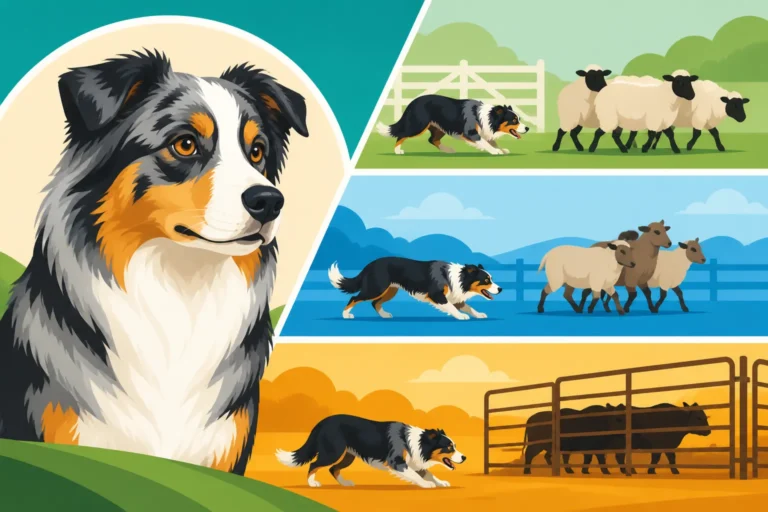
Australian Shepherds were bred to herd, and those instincts don't just disappear when they become a house pet. You'll likely see them trying to "herd" children, other pets, or even inanimate objects like vacuums. Instead of trying to suppress these natural behaviors, which can lead to frustration and unwanted outlets, find appropriate and productive ways for your Aussie to use their instincts.
Consider introducing them to dog sports like Treibball (herding large exercise balls), Lure Coursing (chasing a mechanical lure), or even formal herding lessons if you have access. Even in a suburban setting, you can use flirt poles, large herding balls, or specific games to satisfy their need to chase and gather. These activities provide both mental and physical stimulation, which is crucial for an Aussie's well-being. A bored Aussie is a destructive Aussie! Providing an outlet for their herding drive helps immensely.
Imagine your Aussie nipping at the heels of your children as they run in the yard. Instead of just shouting "no," immediately redirect them to a flirt pole. This toy, easily found on Amazon, allows them to chase and "catch" an object, satisfying their prey drive and herding urges without targeting people. Or, if they are trying to "gather" the cats, give them a large exercise ball to push around the yard. This kind of redirection provides an appropriate outlet and teaches them what they can herd. Learning Tug as a Legal Outlet for Aussie Herding Drive can also be very beneficial.
Advanced Training and Mental Stimulation
As your Australian Shepherd matures, their capacity for learning continues to grow. This is the perfect time to delve into more advanced training. This could include complex tricks, scent work, advanced obedience maneuvers, or even starting a specific dog sport. Mental stimulation is just as important, if not more so, than physical exercise for an Aussie. A tired mind often leads to a calmer dog.
Puzzle feeders, interactive toys, and daily training sessions (even just 10-15 minutes) help keep their intelligent brains engaged. Consider working on impulse control exercises, like "leave it" with increasingly tempting distractions, or teaching them to wait patiently at doors. These skills are invaluable for a well-behaved adult dog. Remember, consistency is still key, and celebrate every small victory.
For example, teach your Aussie to find hidden treats around the house, turning mealtime into a scavenger hunt using their incredible nose. This is far more mentally stimulating than simply eating from a bowl. You can also work on chain behaviors, where they perform a sequence of commands, like "sit, stay, spin, down, come." The BAXTER & Bella online program often includes advanced trick training and scent work ideas that are perfect for keeping an Aussie's mind sharp. For ideas on enriching their daily life, consider Puzzle Feeders and Enrichment Gear for an Aussie.
Maturing into Adulthood: Refining Skills (10-12+ Months Old)
As your Australian Shepherd approaches their first birthday and beyond, they are transitioning from adolescence into young adulthood. While their physical growth may slow, their mental and emotional development continues. This phase is about refining all the skills you've taught them, cementing good habits, and ensuring they are confident, reliable companions.
Solidifying Recall and Impulse Control
By this age, your Aussie should have a solid foundation in basic commands, but the focus now shifts to making those commands bulletproof in any environment. Their recall, especially, needs to be consistently reinforced. An adult Aussie can cover ground quickly, and a reliable "come" command is critical for their safety and your peace of mind, particularly around roads, other animals, or tempting distractions. Continue practicing recall in varied environments, always rewarding generously for a prompt return.
Impulse control is another key area. An Australian Shepherd's strong drive can sometimes lead to impulsive behaviors, like chasing after squirrels or lunging at a perceived threat. Work on commands like "wait," "leave it," and "stay" in increasingly challenging scenarios. This teaches them to pause and think before reacting, giving you the opportunity to guide their behavior. These exercises help them develop self-control, a valuable trait for any dog, but especially for an active breed.
Think about practicing "leave it" with a dropped treat. At first, you might cover the treat with your hand. As they mature, you can drop the treat, and they should know to wait until you give the "take it" cue. Similarly, a rock-solid "stay" can be practiced with you walking further away, even out of sight briefly. For a dog that loves to chase, developing a strong The Recall Word That Stops an Aussie Mid-Chase can be invaluable for preventing unwanted incidents.
Continued Socialization and Exposure
Socialization isn't a one-and-done event; it's an ongoing process throughout your dog's life. While the critical window closes earlier, continued positive exposure helps maintain their confidence and good manners. Regularly introduce your adult Aussie to new people, places, and appropriate dog interactions. This prevents them from becoming stale or developing anxiety in novel situations.
Visit different dog-friendly parks, take them to outdoor cafes, or go on new hiking trails. The goal is to keep their world expanding in a positive way. If you notice any signs of fear or reactivity in specific situations, address them proactively with positive reinforcement and, if necessary, the guidance of a professional trainer. Ignoring these issues can lead to escalation.
For instance, if your Aussie is generally good with dogs but becomes anxious around small, yappy breeds, don't avoid them entirely. Instead, manage interactions by keeping a distance, rewarding calm observation, and slowly decreasing the distance over time. This continuous, thoughtful exposure helps them generalize their good behavior and remain resilient. Exploring different environments, like a bustling city street or a quiet forest path, keeps their sensory input varied and fresh.
Exploring Dog Sports and Advanced Jobs
Your adult Australian Shepherd, with their high intelligence and boundless energy, will truly thrive when given a purpose. This is where dog sports and advanced "jobs" come into play. These activities provide an incredible outlet for their physical and mental capabilities, strengthening your bond and preventing boredom-related behavioral issues.
Consider sports like agility, flyball, disc dog, rally obedience, scent work, or even search and rescue. Many of these activities not only challenge their bodies but also engage their sharp minds, satisfying their innate desire to work. Even if you're not interested in competition, enrolling in classes for these sports offers fantastic enrichment and structured activity. A working Australian Shepherd is a happy Australian Shepherd.
| Age (Months) | Key Developmental Stage | Primary Focus Areas | Recommended Activities |
|---|---|---|---|
| 2-3 | New Home & Critical Social. | Bonding, Potty Training, Crate Comfort, Positive Exposure | Short play sessions, "touch" games, quiet car rides, meeting calm, vaccinated dogs |
| 3-5 | Learning Foundations | Basic Obedience (Sit, Stay, Come), Bite Inhibition, Puppy Classes | Daily short training, puppy kindergarten, flirt pole, appropriate chew toys |
| 6-9 | Adolescence & "Rebellion" | Reinforcing commands with distractions, Herding instinct redirection, Impulse control | Long-line recall practice, Treibball, advanced obedience, mental puzzle toys |
| 10-12+ | Young Adulthood & Refinement | Proofing commands, Continued socialization, Advanced mental stimulation, Job fulfillment | Dog sports (agility, scent work), longer hikes, complex trick training, public access practice |
Think about how much an Australian Shepherd enjoys having a task. If they love fetching, consider getting into disc dog or flyball. If they're always sniffing, scent work could be their calling. These aren't just hobbies; they are vital for their mental health. Many training facilities offer introductory classes for various sports. You can find gear for these sports, such as quality frisbees or agility tunnels, easily on platforms like Amazon. Enrolling in a sport is not just about the activity itself; it's about the structured mental engagement and the partnership you build with your dog.
Addressing Common Aussie Puppy Challenges
Even with the best intentions and a solid curriculum, Australian Shepherd puppies can present unique challenges. Their high intelligence, sensitivity, and strong drives mean that what works for one breed might not work for an Aussie. Recognizing these common issues and having a plan to address them is key to a harmonious household.
Dealing with Separation Anxiety
Australian Shepherds are highly bonded dogs, and while this loyalty is a wonderful trait, it can sometimes manifest as separation anxiety. This isn't just a puppy barking when you leave; it can involve destructive chewing, incessant howling, house-soiling, or even self-harm. It's heartbreaking to witness and frustrating to manage, but it's important to understand it's a panic response, not spite.
Start preventing it early by teaching your puppy to be comfortable alone. Begin with very short absences, even just stepping out of the room for a minute, and gradually increase the duration. Provide high-value, long-lasting chew toys (like a KONG stuffed with frozen peanut butter) to distract them while you're gone. Avoid making a big fuss when you leave or return. A calm departure and arrival signals that your absence is not a big deal. If the anxiety is severe, consult with a certified professional dog trainer or veterinary behaviorist. They can provide tailored strategies and, if needed, discuss medication options.
Imagine your Aussie puppy starts to whine the moment you pick up your car keys. This is a trigger. To desensitize them, pick up your keys, put them down, and sit on the couch. Repeat this several times without leaving. Then, put on your coat, take it off. Gradually, introduce actual departures, starting with just 30 seconds. This teaches them that these actions don't always mean you're leaving for a long time. Creating a sense of independence is a gradual process that requires immense patience.
Managing Excessive Barking and Noise Sensitivity
Australian Shepherds are often vocal dogs, using barks to communicate everything from excitement to warnings. However, excessive barking can become a real problem, especially for neighbors. Their natural alert nature combined with their sensitivity can also lead to noise phobias, where they react fearfully to loud sounds like thunderstorms or fireworks.
Address barking by understanding its root cause. Are they barking for attention? Is it alert barking at everything they see outside a window? Are they bored or under-exercised? Once you identify the trigger, you can create a management plan. For attention barking, ignore it completely until there's a moment of silence, then reward that silence. For alert barking at windows, use window film or block their view. For boredom, increase mental and physical exercise.
For noise sensitivity, never punish fear; it will only make it worse. Instead, create a safe den for them (like their crate covered with a blanket) during noisy events. Play calming music, and offer comforting chew toys. You can also work on desensitization and counter-conditioning by playing recordings of scary sounds at a very low volume while giving treats, gradually increasing the volume over time. For more information, you might find Australian Shepherd Barking and Noise Sensitivity helpful.
Reactivity Towards People or Other Dogs
An Australian Shepherd's natural reserve with strangers, combined with their strong herding drive, can sometimes manifest as reactivity – lunging, barking, or growling at people or other dogs on leash. This is often rooted in fear or frustration. It's a common issue that needs careful, positive reinforcement-based training.
The first step is to identify your dog's "threshold" – the distance at which they can observe the trigger (person or dog) without reacting. Start training below this threshold. For example, if your dog reacts to other dogs at 50 feet, begin by working at 60 feet. The goal is to change their emotional response to the trigger from negative to positive. Every time they see the trigger without reacting, reward them heavily with treats. This is called "counter-conditioning."
Avoid punishing reactive displays, as this can suppress the outward behavior without addressing the underlying fear, potentially leading to a bite without warning. Instead, manage the environment to prevent your dog from going over their threshold. Cross the street, take a different route, or create more distance. If reactivity is severe, working with a certified professional dog trainer who specializes in behavior modification is strongly recommended. They can help you develop a personalized plan. You can learn more about this by reading Australian Shepherd Reactivity and Overarousal.
Essential Gear and Resources for Your Aussie Curriculum
Having the right tools and knowing where to turn for guidance can make a world of difference in raising a well-behaved Australian Shepherd. From durable chew toys to reliable training programs, investing in quality resources will support your efforts throughout your puppy's development.
Training Tools and Enrichment Toys
For an Australian Shepherd, "training tools" aren't just leashes and collars; they extend to anything that helps engage their intelligent minds and active bodies.
- High-Value Treats: These are your secret weapon, especially during the adolescent "rebellion" phase. Think small pieces of cooked chicken, cheese, or hot dogs – something your Aussie will do anything for.
- Clicker: A clicker can be a powerful communication tool, marking the exact moment your dog performs the desired behavior. Many trainers, including those associated with BAXTER & Bella, advocate for clicker training.
- Long Line: Essential for practicing recall in open, unfenced spaces, allowing your Aussie freedom to explore while keeping them safe. You can find various lengths and materials on Amazon.
- Puzzle Feeders: These toys make your Aussie "work" for their food, slowing down mealtime and providing mental stimulation. There are many options available, from simple treat-dispensing balls to more complex sniff mats.
- Durable Chew Toys: An Aussie needs outlets for chewing, especially during teething and adolescence. Look for toys made from tough rubber or nylon that can withstand their strong jaws. Products from brands known for durability are a good investment.
- Flirt Pole: A fantastic way to safely satisfy their prey drive and herding instincts in a controlled manner, providing both physical and mental exercise.
- Crate: As discussed, a sturdy, appropriately sized crate is vital for potty training, creating a safe space, and managing alone time. The Crate a Fifty Pound Aussie Needs is a helpful resource for sizing.
Having a variety of toys is important, not just for engagement but also for their safety. Always supervise new toys to ensure they are appropriate and not easily broken into ingestible pieces.
Reputable Training Programs and Online Resources
Beyond individual tools, access to good information and structured training is invaluable.
- Puppy Kindergarten Classes: These local classes offer supervised socialization, basic obedience instruction, and the chance for you to learn from a professional trainer. This communal learning environment is often ideal for Aussies.
- Online Training Platforms: For those who prefer to learn at their own pace or live in areas with limited local options, online programs can be a lifesaver. BAXTER & Bella is a prime example, offering comprehensive, step-by-step puppy training courses that cover everything from house-training to advanced manners. Their curriculum is designed to be followed from the comfort of your home, making it accessible for busy schedules.
- Certified Professional Dog Trainers (CPDT-KA or KPA-CTP): If you encounter specific behavioral challenges or want personalized guidance, a force-free, certified trainer is an excellent investment. They can provide one-on-one sessions and help you troubleshoot issues.
- Breed-Specific Forums and Groups: Online communities focused on Australian Shepherds can be a treasure trove of shared experiences and advice from other Aussie owners. Just be sure to cross-reference advice with professional sources.
- Books and Websites: There are many excellent books and reputable websites dedicated to positive reinforcement training and breed-specific care. Always look for sources that promote humane, science-based methods.
Remember, raising an Australian Shepherd is a journey, not a destination. There will be ups and downs, but with consistency, patience, and the right resources, you'll be well-equipped to guide your clever companion through every stage of their development. The goal is always to build a relationship based on trust and mutual understanding.
Disclaimer
This article is for general informational purposes only and does not constitute professional advice. Laws, prices and regulations vary by location and change over time. Consult a qualified professional for guidance on your specific situation.