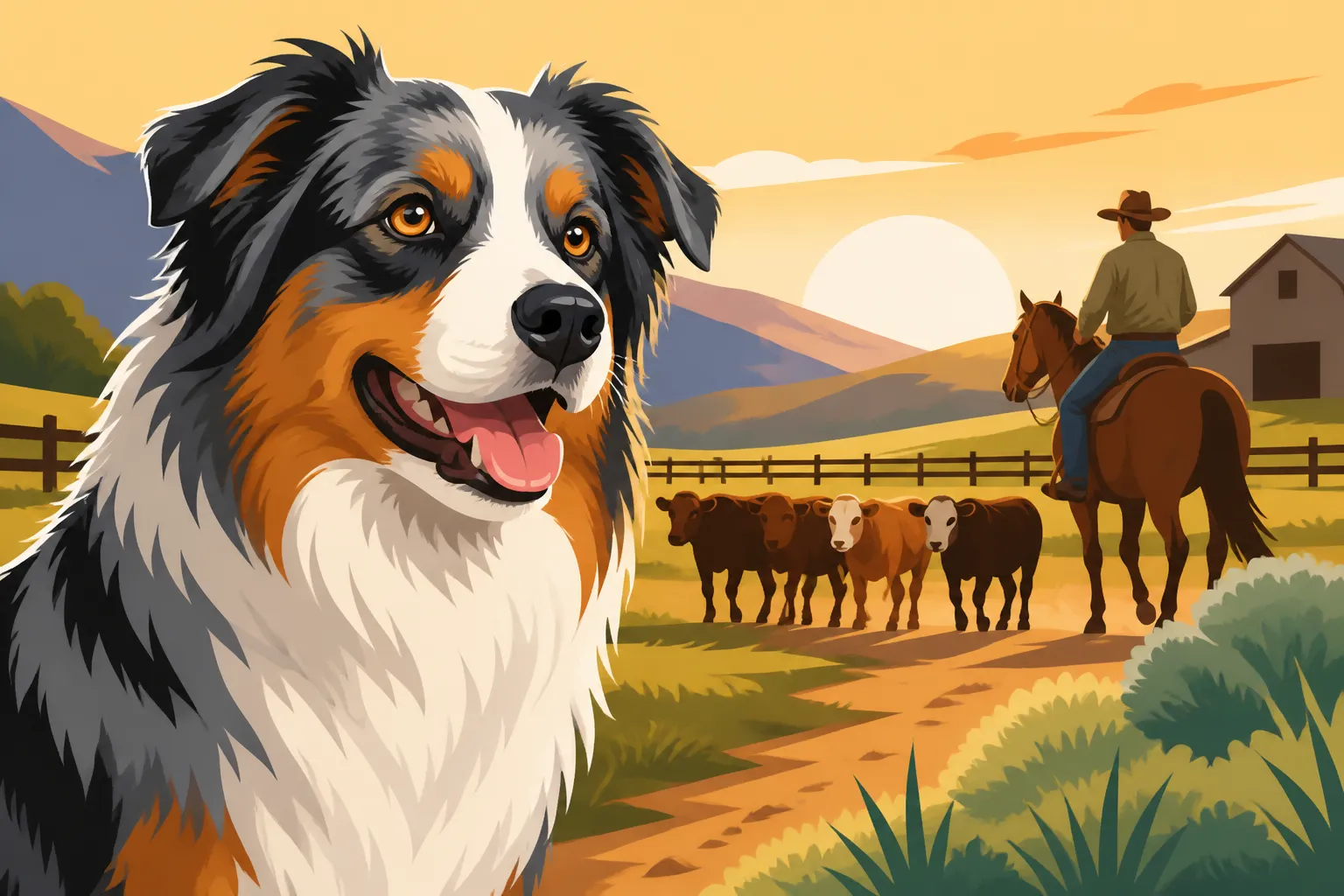
Aussies on Ranches Today
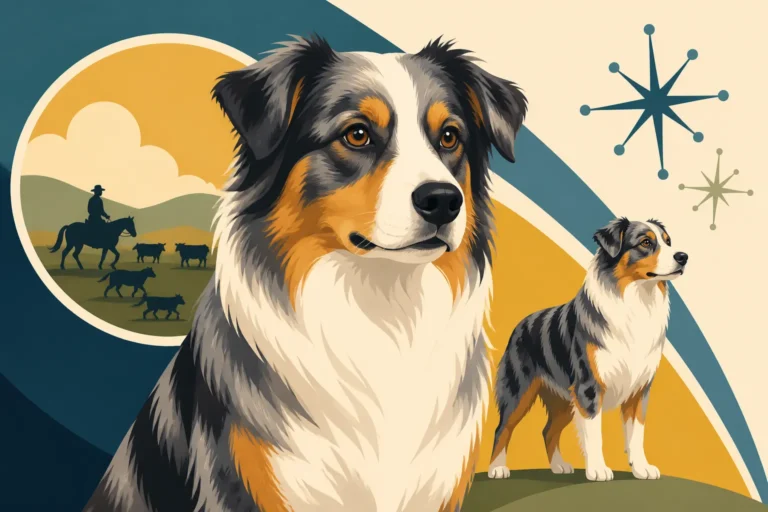
For many, the image of an Australian Shepherd is inextricably linked to wide-open spaces, dusty boots, and a tireless canine companion working sheep or cattle. While many Aussies today live very different lives, the truth is that the breed's foundational purpose—working on a ranch—is still very much alive and well, though perhaps not in the way some people might imagine. This guide will delve into the modern reality of Australian Shepherds on ranches, exploring their vital roles, the challenges they face, and what it truly takes for these incredible dogs to thrive in their original element.
The Enduring Need for Working Australian Shepherds on Modern Ranches
Despite advancements in technology and changes in agricultural practices, the need for a good working dog on a ranch hasn't disappeared. Australian Shepherds, with their innate herding instinct, intelligence, and stamina, continue to be invaluable assets. They don't just "help out"; for many ranchers, they are indispensable colleagues, saving time, labor, and even reducing stress on livestock.
Why Mechanical Aids Don't Replace a Good Dog
You might think that ATVs, drones, and electric fences would render a herding dog obsolete. But anyone who has worked with livestock knows that machines, while useful, lack the nuanced understanding, quick reflexes, and sheer presence of a well-trained dog. An ATV can push a herd, but it can't gently peel off a single ewe from the flock, or track down a lost calf in thick brush. Drones can observe, but they can't influence movement on the ground with the subtle pressure of a stare or a well-placed flank. Electric fences contain, but they don't move animals from one pasture to another, through gates, or into pens with the efficiency of a dog.
A working Australian Shepherd brings an intuitive understanding of livestock behavior that is simply unmatched by technology. They can read the herd, anticipate breaks, and adjust their pressure accordingly. This not only makes the job easier for the human handler but also results in less stress on the animals, which is crucial for their health and productivity. The physical demands of ranch life mean that proper nutrition for a working dog is paramount, and a site like Chewy offers a wide range of high-energy dog foods formulated for active breeds.
Core Herding Duties on Today's Ranches
The primary role of an Australian Shepherd on a ranch remains herding. This isn't just about moving a large flock from point A to point B; it encompasses a complex array of tasks that require precision, patience, and sometimes, incredible speed and agility.
- Gathering and Bringing: This is the classic "bring them in" job, where the dog circles out wide to gather scattered animals and bring them back to the handler or a central point. On large ranches, an Aussie might cover miles in a single gather, bringing in cattle from distant pastures or sheep from a mountainside. Their ability to cover ground efficiently and maintain control of the herd makes them invaluable.
- Driving and Penning: Once gathered, animals need to be driven along specific paths, through gates, and into corrals or pens for sorting, doctoring, or loading. This requires the dog to work behind the animals, pushing them forward, but also to block escape routes and hold them steady. A good Aussie knows when to apply pressure and when to back off, keeping the flow smooth and preventing panics.
- Sorting and Cutting: For operations that involve selective breeding, market preparation, or veterinary care, animals often need to be separated from the main herd. An Australian Shepherd can be trained to "cut" a specific animal, isolating it from the group and holding it steady while the handler works. This is a highly skilled job that requires immense focus and quick lateral movements.
- Flank and Shedding: In sheep operations, "flanking" is when the dog runs along the side of the sheep to control their direction. "Shedding" is the delicate art of dividing a small group of sheep from a larger flock. These are advanced skills, often seen in competitive herding, but essential for efficient ranch management. Understanding The Australian Shepherd Herding Drive You Cannot Train Out is key to appreciating these inherent abilities.
Beyond the Herding: Other Roles for Aussies on Ranches
While herding is undoubtedly their forte, Australian Shepherds on ranches often wear many hats. Their intelligence, loyalty, and protective instincts make them excellent all-around farm dogs, contributing to the daily rhythm and security of the property in numerous ways that go beyond simply moving livestock.
General Farm Dog Duties and Companionship
A ranch isn't just about the animals; it's a home and a livelihood. An Australian Shepherd naturally integrates into this environment, often becoming a beloved family member as well as a working partner.
- Watchdogs and Property Security: Aussies are naturally observant and can be quite reserved with strangers. This makes them excellent watchdogs. They are quick to alert their owners to anything out of the ordinary—be it an unfamiliar vehicle approaching, a stray animal, or even wildlife encroaching on the property. Their bark is often enough to deter unwanted visitors, giving ranchers peace of mind, especially in remote areas.
- Vermin Control: Many Aussies have a natural prey drive (though it's carefully managed when working livestock). On a ranch, this can translate into an aptitude for keeping down rodent populations like rats, mice, and gophers, which can cause damage to buildings, feed supplies, and spread disease. While not a primary job, it's a helpful side benefit.
- All-Around Helpers: From retrieving dropped tools to carrying small items, a well-trained Aussie can become an indispensable helper around the farm. Their eagerness to please and quick learning ability means they can be taught a wide range of tasks. Many owners speak of their Aussie's desire to have a "job," and general farm duties provide valuable mental and physical engagement.
- Companionship and Family Dog: After a long day of work, an Aussie often transitions seamlessly into a family companion. They are deeply loyal to their people and thrive on interaction. For children growing up on a ranch, an Aussie can be a devoted playmate and protector. This dual role of working dog and family member is one of the most endearing qualities of the breed. Their active lifestyle often means they benefit from joint supplements as they age, many of which are available at Chewy.
Managing Different Types of Livestock
The versatility of the Australian Shepherd allows them to work with a variety of livestock. Their approach may differ depending on the animal, showcasing their adaptability.
| Livestock Type | Typical Approach / Skills Required | Key Considerations |
|---|---|---|
| Sheep | "Loose-eyed" or "strong-eyed" (depending on training/line); pressure-sensitive; gentle gathering, driving, shedding. | Requires fine control; can be overbearing if not properly trained. |
| Cattle | More direct pressure; confident flanking; strong presence; pushing from behind; "heeling" (nipping heels to move stubborn animals, then dropping low). | Needs boldness and resilience; can be injured by kicks. |
| Goats | Similar to sheep but often more independent and escape-prone; requires quick thinking and blocking. | Goats are nimble and can jump; dog needs to be agile. |
| Ducks/Geese | Requires very soft, gentle pressure; quiet and calm movement; wide flanks. | Easy to panic and injure poultry; needs specific, careful training. |
A rancher needs a dog that can adapt its style. An Aussie might be gently moving a flock of lambs one moment and confidently pushing a stubborn bull the next. This adaptability is a hallmark of a truly great working Australian Shepherd and a testament to their intelligence and training. This inherent drive is why Giving an Australian Shepherd a Job Instead of a Walk is so crucial for their overall well-being, even if that job isn't always herding.
The Challenges and Realities of Ranch Life for an Aussie
While the idea of an Australian Shepherd on a ranch is romantic, the reality involves significant challenges. It's not a life for every Aussie, nor is it for every owner. The demands are high, and proper management, training, and care are paramount to ensure the dog thrives.
The Demands of a Working Environment
Ranch life is physically and mentally taxing, and a working Aussie needs to be up to the task. This means more than just being active; it requires specific traits and careful management.
- Physical Stamina and Endurance: Working a ranch often means long hours, varied terrain, and exposure to all kinds of weather. An Aussie might run for miles, dart through brush, and climb hills, all while maintaining focus. This demands exceptional physical conditioning and a diet that supports high energy expenditure, like the specialized working dog formulas found at Chewy. Ranchers also need to be vigilant about paw care; Australian Shepherd Paw Injuries From Hard Running are a common concern.
- Mental Toughness and Focus: Beyond physical exertion, a working Aussie needs incredible mental resilience. They must maintain focus amidst distractions like other animals, loud machinery, and changing commands. They need to be able to problem-solve on the fly—how to get that stubborn steer to move, or how to block a quick-witted ewe. This level of sustained concentration is what truly differentiates a working dog from a merely active one.
- Weather Extremes and Environmental Hazards: Ranches rarely offer climate-controlled environments. Aussies must work in scorching summer heat, freezing winter snow, and pouring rain. They face hazards like barbed wire, thorny plants, venomous snakes, and rough terrain. Their double coat provides insulation, but vigilance against overheating and frostbite is still necessary. Keeping an Australian Shepherd Cool Under a Double Coat is a serious consideration in warmer climates.
- Injury Risk: Despite their agility, working dogs are susceptible to injuries. Sprains, cuts, punctures, and even encounters with protective livestock are real risks. Ranchers must be prepared for potential vet bills and consider whether Australian Shepherd Insurance at $35 to $55 a Month is a worthwhile investment.
Training and Genetic Predisposition
Not every Australian Shepherd is destined to be a working ranch dog. Genetics play a huge role, but even with the right genes, extensive training is essential.
- The Importance of Working Lines: While all Australian Shepherds possess herding instinct to some degree, there's a significant difference between a show-line Aussie and one bred for generations of working on livestock. Working line Aussies typically have a stronger, more intense desire to herd, better "eye," and greater physical and mental stamina for the job. Breeders of working dogs focus on temperament, drive, and biddability over conformation or color. Understanding the distinction is crucial; Ranch Bred Against Ring Bred Australian Shepherds is an important topic for prospective owners.
- Intensive, Early Training: Training a ranch dog is not a casual endeavor. It begins early, often with controlled exposure to livestock as a puppy, and progresses through years of consistent, clear instruction. It's about shaping instinct into a reliable, responsive partner. This isn't just basic obedience; it's a specialized skill set. A rancher needs to invest significant time and effort, or find a trainer who specializes in herding dogs.
- Management of Herding Drive: The very trait that makes an Aussie so valuable on a ranch—their intense herding drive—can be a challenge if not properly managed. This drive might manifest as nipping at heels, circling people or other pets, or obsessive chasing if not given an appropriate outlet. On a ranch, the outlet is clear, but handlers still need to teach their dogs when to work and when to relax. Without proper management, this drive can lead to significant behavioral issues; Australian Shepherd Heel Nipping and How to Redirect It becomes a critical skill.
Finding the Right Working Aussie for a Ranch Setting
For a rancher looking for a working Australian Shepherd, it's not simply about finding "an Aussie." It requires a deep understanding of the breed's working characteristics, careful selection of a puppy or adult, and a commitment to nurturing their natural abilities.
What to Look for in a Working Aussie Puppy
Selecting a puppy for a working role requires a different approach than choosing a family pet. It's about assessing potential and understanding lineage.
- Proven Working Parents: The single most important factor is the puppy's parentage. Look for breeders who actively work their dogs on livestock, participate in herding trials, or whose dogs are employed on working ranches. Ask to see the parents work, or at least watch videos. A breeder should be able to articulate the working strengths and weaknesses of their dogs and how they breed for specific traits. This is paramount for assessing The Test Results an Aussie Breeder Must Produce beyond just health clearances.
- Temperament and Drive Assessment: A good working puppy should show confidence, curiosity, and a natural interest in movement. They shouldn't be overly shy or overly aggressive. While a very young puppy won't be herding, a knowledgeable breeder can assess subtle indicators of drive and biddability. Some breeders conduct puppy aptitude tests or allow potential owners to observe the litter's interactions. A pup that is too "soft" may not stand up to livestock, while one that is too "hard" may be difficult to train.
- Health Clearances and Genetic Testing: Even for working dogs, health is critical. Ensure both parents have appropriate health clearances for common Aussie ailments like hip and elbow dysplasia, eye conditions (such as Collie Eye Anomaly in an Australian Shepherd or Hereditary Cataracts Clouding an Aussie Eye), and genetic conditions like The MDR1 Mutation Half of Australian Shepherds Carry. A working dog cannot do its job if it is hampered by pain or illness.
Training Pathways for a Ranch Dog
Once you have the right puppy, the journey to becoming a skilled ranch dog is a long-term commitment. It involves consistent training and exposure to real-world scenarios.
- Basic Obedience as a Foundation: Before any advanced herding training begins, a ranch dog needs rock-solid basic obedience. This includes a reliable recall, a solid "stay," loose-leash walking (or walking politely off-leash), and good manners. These commands form the crucial communication link between handler and dog, especially in high-pressure situations on the ranch. Australian Shepherd Recall Around Moving Things is absolutely vital on a busy property.
- Herding Instinct Tests and Initial Exposure: Many trainers offer herding instinct tests to evaluate a young dog's natural aptitude and introduce them to livestock in a controlled environment. This isn't about formal training yet, but about allowing the dog's instinct to emerge safely. From there, graduated exposure to small numbers of calm livestock, under expert supervision, builds confidence and refines natural behaviors.
- Advanced Herding Training: This is where instinct is shaped into skill. A handler, often with the guidance of an experienced herding trainer, will teach the dog specific commands (like "walk up," "lie down," "fetch," "drive," "flank right/left") and how to apply pressure appropriately. This stage involves countless repetitions and real-world practice, gradually increasing the complexity of tasks and the size/type of livestock. This can be a significant investment of time and resources, making the choice of Australian Shepherd Training and Sport Costs an important budget item.
The True Value of a Working Aussie
Ultimately, an Australian Shepherd on a modern ranch is more than just a tool; they are a partner, a protector, and a part of the family. Their tireless work ethic, intelligent problem-solving, and deep loyalty make them irreplaceable for many who still rely on traditional methods to manage livestock. The challenges are real, but the rewards—a well-worked ranch and the unwavering companionship of an extraordinary dog—are immeasurable.
Disclaimer
This article is for general informational purposes only and does not constitute professional advice. Laws, prices and regulations vary by location and change over time. Consult a qualified professional for guidance on your specific situation.