The MDR1 and CEA Records to Keep on an Aussie
It's incredibly frustrating when you know your Australian Shepherd has specific genetic health concerns, like MDR1 sensitivity or Collie Eye Anomaly (CEA), but keeping all that vital information organized and readily available, especially for emergencies or new vets, feels like a never-ending battle. This guide is here to walk you through exactly what MDR1 and CEA records you need to keep for your beloved Aussie, why they're so crucial, and practical ways to make sure this life-saving information is always at your fingertips.
Understanding MDR1 in Your Australian Shepherd
The MDR1 gene mutation is a significant health concern for many Australian Shepherds, and truly, for a lot of herding breeds. Knowing your dog's status isn't just good practice; it's absolutely vital for their safety and well-being. This mutation affects how certain drugs are processed in your dog's body, and administering the wrong medication or dosage can have dire, even fatal, consequences.
Why MDR1 Records Are Crucial for Your Aussie's Safety
Imagine rushing your Aussie to an emergency vet, perhaps after an accident or a sudden illness. In that high-stress moment, you might not remember every single detail about their genetic profile. That's where clear, accessible MDR1 records become a lifesaver. This mutation means your Aussie’s body has trouble pumping certain drugs out of the brain, leading to toxic build-up. Common medications that are usually safe for other dogs, like Ivermectin (used in some heartworm preventatives), loperamide (Imodium), and even some anesthetics, can be extremely dangerous for an Aussie with the MDR1 mutation. You can learn more about The MDR1 Mutation Half of Australian Shepherds Carry to understand the specifics.
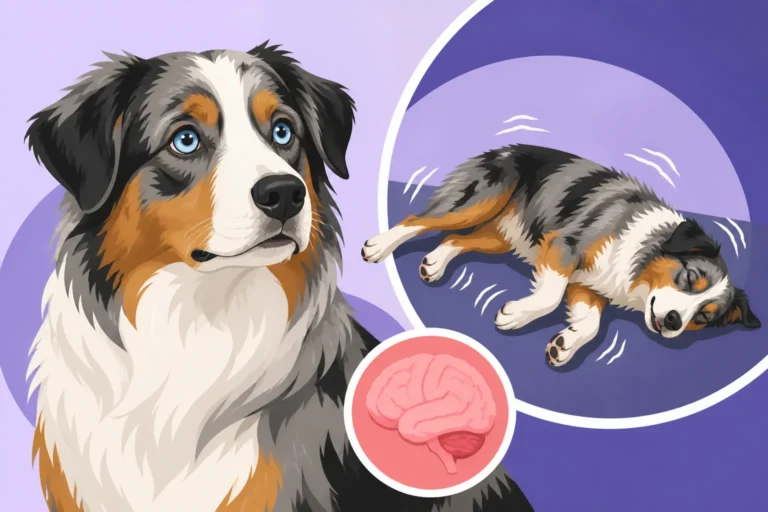
Without a documented MDR1 status, a vet, especially one unfamiliar with your dog, might unknowingly prescribe or administer a drug that could cause severe neurological signs, seizures, coma, or even death. The stakes are simply too high to rely on memory or hope. These records aren't just for your peace of mind; they're a literal safeguard against medical mishaps that can easily be avoided with proper documentation.
Essential MDR1 Documentation to Keep Handy
The cornerstone of your MDR1 records will be the official genetic test results. There are several reputable labs that offer this test, such as Washington State University's College of Veterinary Medicine (often abbreviated as WSU VetMed), Embark, or Optimal Selection. These results will clearly state whether your Aussie is "Normal/Normal" (clear), "Carrier" (heterozygous, meaning they have one copy of the mutated gene), or "Affected" (homozygous, meaning they have two copies of the mutated gene). Each status carries different implications, with "Affected" Aussies being the most sensitive.
Beyond the raw lab results, it’s incredibly helpful to have a summary document from your primary veterinarian. This document should outline the specific drugs to avoid or use with caution, along with appropriate alternative medications or dosage adjustments. This concise overview can be critical for quick reference, especially when consulting with specialists or during urgent care. It’s also wise to keep any prior vet notes or consultations where the MDR1 status was discussed, as these can provide valuable historical context for future care.
Communicating MDR1 Status to All Caregivers
Having the records isn't enough; they need to be seen and understood by anyone caring for your Aussie. Your primary vet should have a copy of the genetic test results clearly marked in your dog's file. Make sure it's highlighted and flagged for immediate attention. Beyond your regular vet, think about anyone else who might be responsible for your dog's care: emergency veterinary clinics, boarding facilities, dog walkers, pet sitters, or even close friends and family.
Consider creating a laminated card or a tag for your Aussie's collar that clearly states "MDR1 Positive – See Vet Instructions." You could even put Emergency Vet Instructions for an MDR1 Australian Shepherd right on the tag, if space allows. When you drop your dog off at a boarding facility, always provide a physical copy of the MDR1 drug list and verbally confirm that staff are aware and understand the implications. A simple, direct conversation can prevent a tragic mistake. Remember, it's about being proactive and ensuring everyone who touches your dog's health understands this critical piece of information.
Navigating CEA with Detailed Records
Collie Eye Anomaly, or CEA, is another hereditary eye condition found in Australian Shepherds that demands careful record-keeping. While not as immediately life-threatening as a drug reaction from MDR1, CEA can significantly impact your dog's vision and quality of life, especially in more severe cases.
The Importance of CEA Screening Results
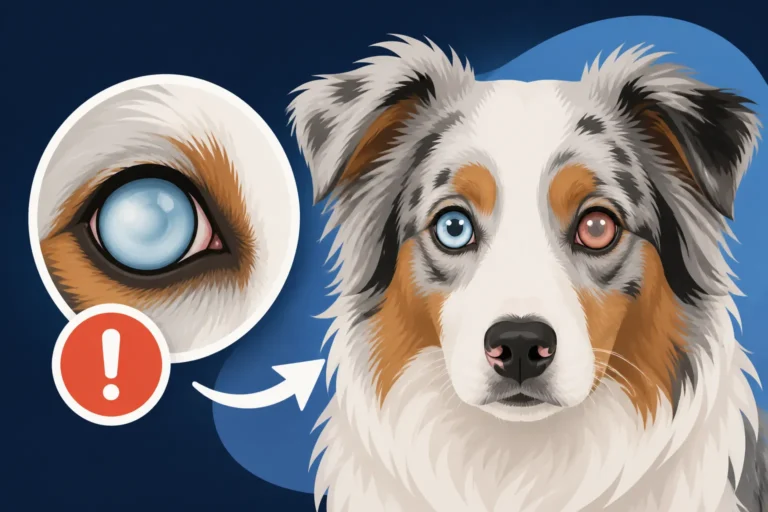
CEA is a congenital, inherited eye disease that can cause a range of ocular defects, from minor choroidal hypoplasia (CH) which often has no impact on vision, to more severe issues like colobomas (holes in the optic disc), retinal detachment, or intraocular hemorrhage. The severity can vary greatly, even within the same litter. Without proper screening and documentation, an owner might not even realize their dog has CEA until symptoms become apparent, potentially when vision loss is already occurring. You might want to read about Collie Eye Anomaly in an Australian Shepherd for a deeper dive into the condition itself.
For responsible breeders, comprehensive CEA screening is non-negotiable. Breeding two dogs that both carry or are affected by CEA significantly increases the risk of producing severely affected offspring. Documented screening results allow breeders to make informed decisions to reduce the incidence of this condition in future generations. For pet owners, these records help you understand your dog's potential vision challenges and prepare for any necessary long-term care or adjustments to their environment.
What CEA Records Should Include for Your Aussie
The gold standard for CEA documentation starts with the results from a certified veterinary ophthalmologist. This usually involves an eye exam performed by a specialist from the American College of Veterinary Ophthalmologists (ACVO) at a young age, typically around six to eight weeks old. This is often referred to as The Aussie Puppy Eye Check at Six Weeks and is crucial for detecting CEA before eye changes associated with age can mask the condition. The ophthalmologist's report will detail any findings, such as choroidal hypoplasia (CH), colobomas, or retinal detachments, and assign a grade of severity.
In addition to the ACVO eye exam, genetic DNA testing for CEA is also available. While the DNA test can identify carriers and affected dogs, it doesn't always correlate perfectly with the clinical severity observed in the ACVO exam, as other genes can influence expression. Therefore, having both The CEA DNA Test for Australian Shepherds results and the official ACVO ophthalmologist report provides the most complete picture. Keep both these documents together, as they offer complementary information vital for understanding your Aussie's eye health.
Long-Term Management and Monitoring with CEA Records
If your Australian Shepherd is diagnosed with CEA, especially a mild form, those initial screening records become the baseline for all future monitoring. While mildly affected dogs might never experience vision impairment, it's still crucial to have documentation in case symptoms develop later in life. For dogs with more severe forms, such as those with colobomas or a history of retinal detachment, regular follow-up appointments with a veterinary ophthalmologist are often recommended.
Your records will help the specialist track any progression or changes in vision over time. For example, if your Aussie was noted to be "mildly affected" initially, subsequent exams can confirm if that status holds or if there's any deterioration. This detailed history is invaluable for making informed decisions about ongoing care. It can also help you understand Whether a Mildly Affected CEA Aussie Sees Normally or if their condition is worsening. Without a clear initial record, detecting subtle changes can be incredibly difficult, potentially delaying intervention if needed.
Practical Strategies for Organizing Australian Shepherd Health Records
Managing your Aussie's health records shouldn't feel like a second job. With a few smart strategies, you can ensure that all crucial information, from genetic tests to vaccination history, is organized and accessible when you need it most.
Digital vs. Physical Record Keeping: A Hybrid Approach
When it comes to keeping track of your Aussie’s health, you really want the best of both worlds. Physical records, like a dedicated binder or folder, are great for original copies of official documents, such as breeder contracts, vaccination certificates, and initial genetic test results from labs like Embark or WSU VetMed. It’s comforting to have tangible papers, especially for things that might need official signatures or seals. Plus, if your power goes out or your device crashes, you still have access.
However, in our modern world, digital records are absolutely indispensable. Scan all your physical documents into PDF files and store them in a secure, cloud-based system like Google Drive, Dropbox, or a dedicated pet health app. This way, you can access them from your phone at the emergency vet, share them instantly with a new specialist, or even email them to a pet sitter. The key is to keep both updated. If you get a new vaccination record, file the physical copy and immediately scan and upload the digital one. This hybrid approach ensures redundancy and accessibility no matter the situation.
Creating an Emergency Health Profile for Your Aussie
Beyond individual test results, having a concise emergency health profile is paramount. Think of it as your dog's medical "in case of emergency" card. This profile should include:
- Your contact information: Name, phone number, alternate contact.
- Your vet's contact information: Clinic name, phone number, after-hours emergency line.
- Your Aussie's basic info: Name, breed, age, weight, microchip number.
- Known allergies: Food, environmental, medication.
- Major health conditions: Clearly list "MDR1 Affected/Carrier" and "CEA Status (e.g., Mildly Affected)," along with any other chronic conditions like epilepsy or joint issues.
- Current medications and dosages.
- Vaccination status.
- Insurance information: Include your policy number and the contact for your provider, such as Healthy Paws, which can be a lifesaver when unexpected bills arise. You might want to read more about Australian Shepherd Insurance at $35 to $55 a Month to understand why this is so important.
Keep this profile in several places: taped to your refrigerator, in your car's glove compartment, saved as a favorite on your phone, and definitely shared with anyone who cares for your dog. It’s like a quick cheat sheet for first responders in a crisis.
Sharing Records with Your Veterinary Team
Your veterinarian is your primary partner in your Australian Shepherd's health journey. Ensure their office always has the most current and complete set of your dog's health records. When you switch vets or move to a new area, actively facilitate the transfer of records. Don't assume the old clinic will send everything; often, you need to sign a release form and follow up.
Whenever you have a new genetic test result (like for MDR1 or CEA, or from The Genetic Panel Every Australian Shepherd Needs), a specialist report (such as an ACVO eye exam), or even a new medication prescribed by a different doctor, provide a copy to your primary vet's office. This proactive communication ensures their file is comprehensive and up-to-date, allowing them to provide the best possible care and avoid potential drug interactions or missed diagnoses. A good practice is to bring copies of new reports to your Aussie’s annual check-up to review everything with your vet.
The Lifelong Impact of Comprehensive Health Records
Keeping diligent health records for your Australian Shepherd goes far beyond just having papers in order. It's a proactive approach that safeguards their health, supports responsible breeding practices, and provides you with invaluable peace of mind throughout their life.
Informed Breeding Decisions for Future Generations
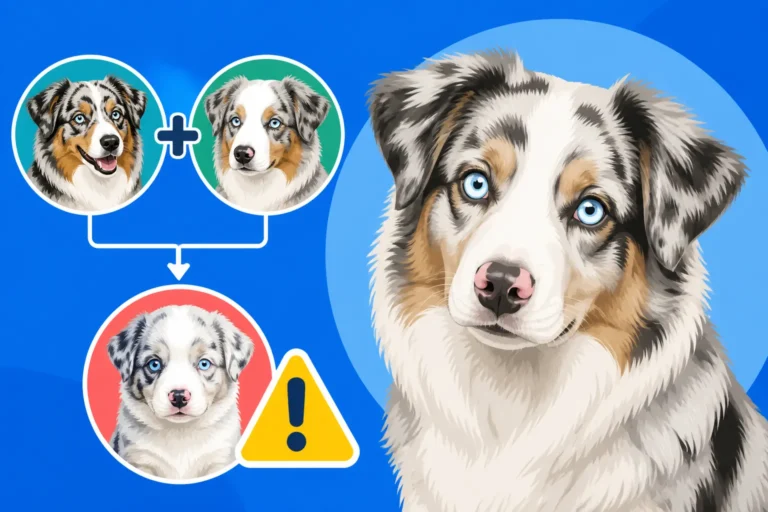
For those involved in breeding Australian Shepherds, meticulous record-keeping of genetic health tests like MDR1 and CEA is not just recommended; it's an ethical imperative. These records are the foundation for making truly informed breeding decisions, aimed at reducing the prevalence of hereditary diseases in the breed. When you know a dog's full genetic profile—whether they are clear, a carrier, or affected by conditions like MDR1 or CEA—you can choose mates that complement their genetic makeup, thereby minimizing the risk of producing puppies that are severely affected or at high risk for these conditions. This is especially true for conditions like Double Merle Australian Shepherds and What Breeding Two Merles Costs, where specific genetic knowledge is paramount.
Imagine a scenario where a breeder unknowingly pairs two carriers of the MDR1 mutation. Statistically, 25% of their litter could be affected, meaning those puppies would be highly sensitive to common medications. Similarly, pairing two carriers for CEA increases the likelihood of severely affected puppies. By maintaining and sharing comprehensive records, responsible breeders demonstrate transparency and commitment to the health of their lines, ensuring that new Aussie owners are adopting puppies with the best possible genetic start in life. The Test Results an Aussie Breeder Must Produce are part of this important transparency.
Peace of Mind for Australian Shepherd Owners
Let's be real, owning an Australian Shepherd is an incredible adventure, but it also comes with its share of worries. Knowing you have every single detail about your dog's health neatly organized brings an immense sense of relief. You won't be scrambling in an emergency trying to recall if your Aussie is MDR1 affected or if their CEA is mild or severe. That peace of mind allows you to focus on your dog, knowing you've done everything to ensure their medical team has the critical information they need to provide the best care.
Whether it's a routine vaccination where you need to verify Australian Shepherd Vaccination and MDR1 Concerns or an unexpected trip to the emergency room, having those records means you're prepared. This proactive approach alleviates stress, reduces the chances of miscommunication with veterinary staff, and ultimately contributes to a smoother, safer, and more enjoyable life with your beloved companion. It’s like having a comprehensive owner’s manual for your unique furry friend, ensuring you’re always equipped to advocate for their health.
Proactive Care for a Healthy Life
Ultimately, keeping detailed MDR1 and CEA records is a cornerstone of proactive care for your Australian Shepherd. These records empower you to work more effectively with your veterinary team, allowing for early intervention, tailored treatment plans, and continuous monitoring of potential health issues. For example, if your Aussie is a CEA carrier, your vet can keep a closer eye on their vision during routine exams and recommend specialist check-ups if any concerns arise.
For an MDR1 affected dog, proactive record-keeping means every vet knows to avoid specific drugs, making routine procedures like dental cleanings or minor surgeries safer. This isn't just about reacting to problems; it's about anticipating them and preventing them from becoming crises. By meticulously documenting and actively managing your Aussie’s health history, you’re not just being a responsible pet parent; you’re an active participant in ensuring they live the longest, healthiest, and happiest life possible.
Here’s a quick summary table of the essential records and why they matter:
| Record Type | Description | Why It's Essential |
|---|---|---|
| MDR1 Genetic Test Results | Official lab report indicating Normal/Normal, Carrier, or Affected status for the MDR1 gene. | Prevents adverse drug reactions to common medications (e.g., Ivermectin, Loperamide, some anesthetics) which can be fatal for affected Aussies. |
| Vet-Generated MDR1 Drug List | A concise list from your vet detailing safe drugs, drugs to avoid, and dosage adjustments for your Aussie's MDR1 status. | Quick reference for all caregivers, including emergency vets, ensuring appropriate medication choices. |
| CEA Genetic DNA Test Results | Lab report indicating genetic status (clear, carrier, or affected) for the CEA gene. | Helps assess breeding risks and provides insight into potential for the condition, complementing clinical exams. |
| ACVO Ophthalmologist Report | Official eye exam results from a certified veterinary ophthalmologist, ideally done at 6-8 weeks, detailing any eye defects related to CEA. | Confirms the presence and severity of clinical CEA, providing a baseline for monitoring vision health over time. |
| Emergency Health Profile | A summary document with vital contact info, allergies, major health conditions (MDR1, CEA, etc.), and current medications. | Crucial for rapid decision-making in emergencies, ensuring critical information is immediately accessible to any caregiver. |
Disclaimer
This guide provides general information and recommendations for managing Australian Shepherd health records, specifically concerning MDR1 and CEA. It is not a substitute for professional veterinary advice. Always consult with your veterinarian for diagnosis, treatment, and specific guidance tailored to your individual dog's health needs. Genetic test results and veterinary ophthalmologist reports should be interpreted by qualified professionals.