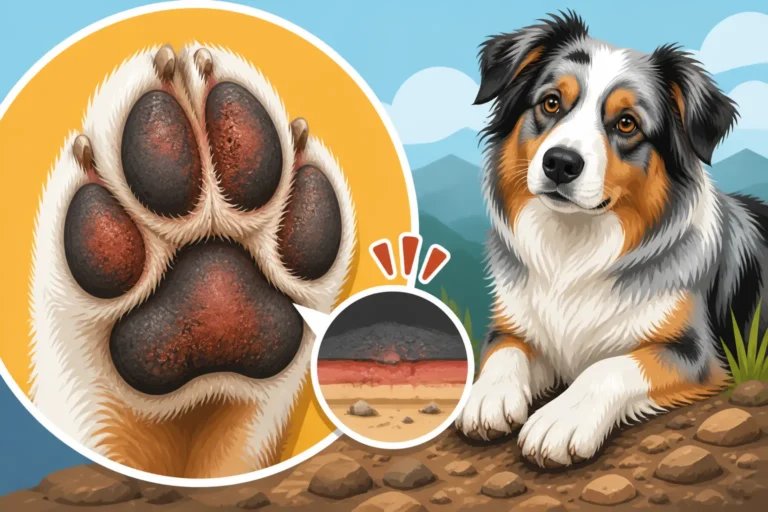
Moving an Aussie Off Puppy Formula
Figuring out exactly when and how to transition your spirited Australian Shepherd from their specialized puppy formula to an adult diet can feel like navigating a nutritional minefield. You're balancing their rapid growth needs with the risk of overfeeding, all while trying to ensure they get the right nutrients for their long-term health and boundless energy. This guide is here to walk you through the essential signs, proper timing, and a smooth process for moving your Aussie off puppy food, helping you feel confident you're making the best choices for their well-being.
Decoding Your Australian Shepherd's Growth Timeline
It’s easy to look at a six-month-old Australian Shepherd and think, “Wow, they’re almost full-grown!” But the truth is, while they might look like miniature adults, their bodies are still undergoing significant development, especially in their bones and joints. Understanding these nuanced growth stages is key to knowing when their nutritional needs truly shift from puppy-specific to adult maintenance.
Puppyhood's Rapid Development: The Foundation Years
During their first few months, Australian Shepherd puppies are little growth machines. Their bodies are rapidly building bone, muscle, and developing their immune systems. Puppy food is specifically formulated to support this incredible burst of development, packing in higher calorie counts, increased protein, and carefully balanced calcium and phosphorus ratios crucial for strong bone formation. This intense period of growth continues steadily, though perhaps less dramatically obvious, than those first few weeks. Australian Shepherd Puppy Growth Chart might show you rapid gains in those early months, but the internal processes are just as vital and continue much longer.
Many new Aussie parents worry about feeding too much or too little during this time, and it's a valid concern. An Australian Shepherd puppy needs consistent, high-quality nutrition to lay down a strong foundation. This isn't just about their immediate size; it impacts their skeletal health for their entire life. Think of it like building a house – you need strong concrete and framing early on, or you’ll have problems down the line. Puppy formulas are designed to be nutrient-dense, anticipating the high energy output and rapid cell division happening in a young, active Aussie.
Navigating Adolescent Growth Spurts and Plateaus
The "teenage" phase for an Australian Shepherd, typically between six months and a year, can be confusing. They might shoot up in height, then seem to plateau for a bit, only to fill out in muscle and chest depth later. While the rapid vertical growth often slows around 8-10 months, their bones are still maturing, and growth plates (the areas of new bone formation) generally don't fully close until 12 to 18 months, sometimes even later for larger individuals. It's not just about getting taller anymore; it's about density, strength, and refining their physical structure. You might notice they gain weight more slowly but start to broaden across the chest or deepen in the flank.
During these adolescent months, your Aussie’s energy levels might seem limitless. They’re exploring the world with gusto, often pushing their physical limits. While puppy food provides ample fuel, as their growth begins to taper off, continuing with such a calorie-dense diet can actually be detrimental. This is where many owners start to wonder about the switch, as their "puppy" might now be almost as tall as an adult, but still carries that puppy label on their food bag. Observing these ebbs and flows in their growth and energy is crucial, but it's important not to make a snap decision based on appearance alone. The internal work of maturation is still ongoing, and rushing this period can sometimes contribute to developmental orthopedic problems later on, such as Australian Shepherd Hip Dysplasia Symptoms Before Two.
Physical Maturity Versus Behavioral Development
It's common for an Australian Shepherd to reach most of its adult height by 10-12 months, but physical maturity, especially the full closure of growth plates, often takes longer. For an active breed like the Aussie, this is particularly important for joint health. Australian Shepherd Growth Plates and When They Close varies a bit, but waiting until at least 12 months is a good general guideline, and some vets recommend waiting until 18 months, especially for larger males or those with higher activity levels.
Behaviorally, your Aussie might seem more mature, perhaps less prone to the wild bursts of puppy energy, or they might still be very much in their energetic "teenage" phase. These behavioral changes, while important for training and daily life, don't directly dictate when to change their food. A dog might be psychologically ready to settle down, but their skeleton could still be consolidating. The goal is to align their diet with their physical requirements, not just their perceived "grown-up" status. Often, owners will see their Aussie calm down a bit around 12-18 months, but their dietary needs are still tied to what their body is doing structurally.
Key Indicators Your Aussie is Ready for Adult Food
Deciding when to transition your Aussie from puppy food isn't just about a magic calendar date. It's about a combination of visible physical changes, subtle behavioral cues, and sometimes, a clear signal that their current diet is simply too much. Paying close attention to these indicators will help you make an informed decision alongside your vet.
Assessing Physical Development and Growth Completion
The most critical factor in switching food is reaching physical maturity. For most Australian Shepherds, this means they've achieved their adult height and their growth plates have closed. While you can't see growth plates yourself, you can observe a plateau in their upward growth. If your Aussie has seemed the same height for a couple of months, that's a good sign. They'll also start to "fill out" rather than just growing taller. Their chest will deepen, their musculature will become more defined, and they'll lose some of that gangly, awkward puppy look.
You should be able to feel their ribs easily without seeing them, and their waist should be apparent when viewed from above, with a slight tuck-up from the side. This is where learning Scoring an Aussie Body Condition by Hand becomes invaluable. If your Aussie is looking a bit too padded, even with appropriate puppy food portions, it’s a strong hint that their caloric needs are shifting. A vet check-up around their first birthday is an excellent opportunity to have a professional assess their growth and confirm if they are nearing skeletal maturity. They might even be able to offer specific advice, especially if your Aussie has been particularly fast-growing or if there are any concerns about joint development.
Observing Behavioral Cues and Energy Level Shifts
While physical maturity is paramount, behavioral changes can sometimes offer supplementary clues. A younger puppy's energy is often frantic and sustained, fueled by high-octane puppy food. As they mature, while still incredibly energetic, an adult Australian Shepherd typically develops a slightly more focused energy. They might be able to "switch off" more easily after an intense play session, or settle more readily into a calm state indoors. You might notice they're less constantly "on the go" and more capable of relaxing.
However, it's vital to remember that an Aussie's inherent drive and high energy will always be present, regardless of diet. If your adolescent Aussie is still a chaotic bundle of energy, jumping off the walls and unable to settle, it’s more likely an issue of insufficient mental and physical stimulation, or perhaps underlying training gaps, rather than solely a dietary one. Why Physical Exercise Alone Never Settles an Aussie is a concept many owners learn the hard way. Therefore, use behavioral shifts as a secondary indicator, always prioritizing physical maturity. A truly well-exercised and mentally stimulated Aussie might seem calmer, but they still need appropriate adult nutrition for their activity level.
Recognizing "Too Much" from Puppy Formula
One of the clearest, yet often overlooked, signs that it’s time to move off puppy formula is when your Aussie puppy starts gaining weight too rapidly or seems consistently "soft" around the middle. Puppy food, by design, is calorically dense to support rapid growth. If your Aussie is no longer growing upwards at a fast pace but is still eating a rich puppy diet, those extra calories will quickly translate into excess fat. You might notice their ribs are harder to feel, or they're developing a thicker waistline.
Beyond weight, watch for digestive upset. Some Aussies, as they mature, can become sensitive to the richness of puppy formulas, manifesting as loose stools, excessive gas, or even occasional vomiting. This isn't always the case, but if you're consistently seeing these signs despite your Aussie otherwise being healthy and active, it could be their body telling you the current diet is too rich for their slowing growth rate. It's about finding that balance where they're lean, energetic, and have firm, healthy stools. If you've been meticulously measuring their portions according to their ideal adult weight and they're still too heavy, that's a strong indication their diet needs to change.
The Perils of Incorrect Food Transition Timing
Timing is everything when it comes to transitioning your Australian Shepherd's diet. Get it wrong, and you could inadvertently create challenges for their health, both in the short term and down the road. It’s a delicate balance that requires thoughtful consideration.
Risks Associated with Switching Off Puppy Food Too Soon
Pulling an Australian Shepherd puppy off their specialized puppy formula prematurely can lead to several concerning issues. Puppy food is not just smaller kibble; it’s a carefully balanced nutritional powerhouse designed to meet the intense demands of a growing body. Switching too early means they might miss out on crucial nutrients during their formative months. This can manifest as:
- Nutritional Deficiencies: Puppy food typically has higher protein, fat, and specific mineral ratios (like calcium and phosphorus) vital for bone and muscle development. Adult foods, while complete, are formulated for maintenance, not rapid growth, and may not provide enough of these key elements. An Aussie whose skeletal structure is still forming needs these specific balances to grow strong and healthy.
- Impaired Bone and Joint Development: This is particularly critical for a breed prone to conditions like hip and elbow dysplasia. Insufficient or imbalanced nutrients during periods of active growth can compromise the integrity of developing joints, potentially exacerbating genetic predispositions. You want those Australian Shepherd Growth Plates and When They Close to do so in a healthy, supported manner.
- Reduced Energy and Immune Support: Puppies burn an immense amount of energy and are still building their immune systems. Puppy food provides the caloric density and immune-supporting nutrients they need. A premature switch could leave them with less energy, impacting their playful development, and a less robust immune system. Imagine a highly active young Aussie whose body is trying to build muscle and repair tissue, but isn't getting enough fuel – they might seem lethargic or even prone to minor illnesses.
It’s tempting to want your Aussie to be a "grown-up" quickly, but their physical development needs patience and proper nutritional support.
The Downsides of Prolonging Puppy Formula Feeding
On the flip side, keeping your Australian Shepherd on puppy food for too long also carries its own set of risks. While it might seem harmless, essentially, you’re providing a diet that’s too rich for a body that’s no longer growing at a rapid pace.
- Obesity and Excessive Growth Rate: This is the most common issue. Puppy foods are calorie-dense. If your Aussie is still eating this rich diet once their rapid growth phase has ended, they’re likely consuming more calories than they need for maintenance. This leads to unhealthy weight gain. For a medium-sized, active breed like the Australian Shepherd, excess weight puts unnecessary strain on their developing joints, even after growth plates have closed. This extra strain can contribute to or worsen conditions like Australian Shepherd Hip Dysplasia and Working Joints or Australian Shepherd Arthritis After Years of Work later in life. An overweight puppy might also grow too quickly, which can paradoxically weaken bones and joints.
- Joint Strain: Even if your Aussie isn't outwardly obese, a prolonged diet too high in calories and certain minerals can promote too rapid of growth, which can put undue stress on developing joints and cartilage. This is especially true for the large breed puppy formulas, but even regular puppy food can be "too much" for an Aussie after a certain point.
- Behavioral Issues from High Energy Food: While diet alone isn't typically the cause of behavioral problems, a highly energetic dog like an Aussie who is over-fueled by a calorie-dense puppy diet might seem even more excitable, restless, or prone to frantic energy bursts. If you're struggling to manage your Aussie's energy, it's worth considering if their diet is contributing by providing more fuel than they need for their current growth and activity levels. This is often an issue in companion Aussies who aren't getting the intense physical and mental stimulation of a working dog. Daily Calories for a Fifty Pound Australian Shepherd illustrates how precise energy intake needs to be as they mature.
Finding that sweet spot for transitioning is crucial. It supports their healthy development without setting them up for future health complications.
A Smooth Transition: Step-by-Step Guide to Changing Diets
Once you've determined your Australian Shepherd is ready for adult food, the transition itself needs to be handled with care. A sudden switch can wreak havoc on your Aussie's digestive system, leading to unpleasant outcomes for both of you. A gradual approach is always best.
Implementing a Gradual Food Transition Plan
The key to a successful switch is slowness and patience. Think of it as a 7- to 10-day process, giving your Aussie’s digestive system ample time to adjust to the new ingredients and nutrient profile. Here’s a typical schedule:
- Days 1-2: Start by mixing about 75% of their old puppy food with 25% of the new adult food. Serve this mixture for two days. This initial introduction allows their gut bacteria to begin adapting without too much shock.
- Days 3-4: Increase the new food proportion to 50%, mixing it with 50% of the old food. Again, maintain this ratio for two days, observing for any digestive upset. This is often where you might see the first subtle changes in stool consistency or gas.
- Days 5-6: Now, shift to 75% new adult food and 25% old puppy food. Your Aussie's system should be largely acclimated to the new ingredients by now, and their digestive enzymes should be geared up for the new formula.
- Days 7-10: By this point, you should be able to feed 100% of the new adult food. Some sensitive Aussies might need a few extra days at the 75/25 stage, or even a slower progression overall. The key is to watch your dog and adjust accordingly.
Always introduce new food at a time when your household routine is stable. Avoiding a diet change during a move, a new pet introduction, or other stressful events can help prevent digestive upset that might be mistaken for food intolerance.
Monitoring Digestive Health During the Switch
As you're transitioning, your Aussie’s stool is your best indicator of how well they're adapting. Aim for firm, well-formed stools throughout the process.
- What to Watch For:
- Loose stools or diarrhea: This is the most common sign of digestive upset. If you see this, pause the transition and revert to the previous ratio for a few extra days, or even go back to 100% old food for a day or two to let things settle. Then, restart the transition even more slowly.
- Excessive gas: More flatulence than usual is another indicator their system is struggling with the change.
- Vomiting: While less common than loose stools, vomiting is a clear sign to halt the transition and consult your vet if it persists.
- Decreased appetite: Some Aussies might be finicky about new food. If they’re turning their nose up, try making the new food more enticing by adding a little warm water or a pet-safe broth (if they tolerate it well).
Remember that a slight variation in stool consistency might be normal, but prolonged or severe issues warrant a step back and potentially a call to your vet. You want this to be as seamless as possible for your beloved companion. An Australian Shepherd Puppy Stomach After Switching Food can be a sensitive thing, so go slow!
Selecting the Ideal Adult Formula for Your Australian Shepherd
Choosing the right adult food for your Australian Shepherd is just as important as the transition itself. With so many options out there, it can feel overwhelming.
- Quality Ingredients: Look for a food with high-quality, named meat as the first ingredient (e.g., "chicken meal" rather than "meat by-products"). Avoid excessive fillers, artificial colors, flavors, and preservatives.
- Protein Levels: Australian Shepherds are active dogs, so a good quality adult food will have moderate to high protein levels to support their musculature and energy without being excessively rich.
- Specific Needs: Consider your individual Aussie. Do they have a sensitive stomach? Are they prone to allergies? Some brands offer formulas specifically for sensitive digestion, or novel protein diets. For example, if you're looking for a fresh food option, services like Ollie provide customized meal plans based on your dog's age, weight, and activity level, which can be an excellent way to ensure quality ingredients. If you prefer kibble, many reputable brands found on platforms like Chewy offer various specialized formulas.
- Reputation and Research: Look into the brand's reputation, their ingredient sourcing, and whether they conduct feeding trials. Reading customer reviews on sites like Amazon can also provide insights into how other Aussie owners have found certain foods. However, remember every dog is an individual.
Ultimately, the best food for your Aussie is one they thrive on: maintaining a healthy weight, having good energy, a shiny coat, and firm stools. Don't be afraid to try a few different high-quality options (always with a gradual transition!) until you find the perfect fit.
Expert Guidance: Consulting Vets and Breeders for Dietary Advice
You don't have to navigate this transition alone. Two of your most valuable resources for making informed decisions about your Australian Shepherd's diet are your veterinarian and the breeder you got your puppy from. They offer unique perspectives rooted in professional knowledge and specific breed experience.
Why Your Veterinarian's Input is Indispensable
Your vet is your primary partner in your Aussie’s health journey. They have a comprehensive understanding of canine nutrition, veterinary medicine, and, most importantly, your individual dog's health history.
- Individualized Assessment: During a routine check-up, your veterinarian can physically assess your Aussie's body condition, palpate their joints, and evaluate their overall growth trajectory. They can confirm if their growth plates are likely closed (though a definitive answer sometimes requires X-rays, which are usually only done if there's a specific concern, for example, before screening for Australian Shepherd Hip Dysplasia and OFA Scoring). This objective assessment is crucial in determining true physical maturity.
- Health Considerations: Your vet can also factor in any specific health concerns your Aussie might have, such as allergies, digestive sensitivities, or even an Australian Shepherd Autoimmune Disease, all of which can influence dietary choices. They can advise on whether a specific adult formula (e.g., for sensitive stomachs, joint support, or weight management) would be most appropriate.
- Nutritional Expertise: They can offer guidance on reading food labels, understanding nutrient profiles, and warning against common marketing traps in the pet food industry. They'll also be up-to-date on current research and recommendations for breed-specific nutritional needs. Never hesitate to bring the ingredient list of a prospective food to your vet for their professional opinion.
Leveraging Your Breeder's Experience with the Line
An ethical and experienced Australian Shepherd breeder is a treasure trove of information, especially regarding the specific lines they breed. They have an intimate understanding of how their dogs grow and mature.
- Line-Specific Growth Patterns: Breeders can tell you about the typical growth rate and maturation timeline for their specific lines. Some lines might be slower to mature, while others might reach their adult height and weight a bit earlier. They know what to expect from Australian Shepherd Lifespan Across Twelve to Fifteen Years from their past dogs. This insight can be invaluable for pinpointing the ideal transition window.
- Dietary History and Successes: They can also share what diets they've found successful for their puppies and adult dogs. While you might not stick with the exact brand they use, understanding the type of food (e.g., higher protein, specific ingredients) that has worked well for their dogs can guide your choices.
- Early Health Information: If your Aussie has any known genetic predispositions or has had early health checks (like an The Aussie Puppy Eye Check at Six Weeks), your breeder will have that information. This background knowledge can help you and your vet make more informed dietary decisions to support their specific needs. For instance, if you've got a detailed Reading an Australian Shepherd DNA Panel, you can discuss this with both your breeder and vet.
Remember, both your vet and breeder are invested in the well-being of your Australian Shepherd. Using their combined expertise will provide you with the most comprehensive and personalized advice for this important dietary transition.
Post-Transition: Sustaining Optimal Nutrition for Your Adult Aussie
The transition itself is a milestone, but it's just the beginning of a lifetime of healthy eating for your Australian Shepherd. Once they're on adult food, your job shifts to maintaining optimal health, which involves ongoing monitoring and adapting to their changing needs.
Adjusting to the New Diet and Ongoing Monitoring
After successfully transitioning your Aussie to their adult formula, give them some time to fully adjust. Even if the switch went smoothly, their body is still adapting to the new nutritional profile. Over the next few weeks, continue to monitor their:
- Stool Quality: Consistency should be firm and well-formed. Any persistent looseness, constipation, or unusual color should prompt a call to your vet.
- Energy Levels: While a slight shift is normal, your Aussie should still be as energetic and enthusiastic as ever. If they seem unusually lethargic or sluggish, it might be worth re-evaluating the food or consulting your vet.
- Coat Condition: A healthy diet contributes to a shiny, healthy coat. If their coat appears dull, dry, or they're experiencing excessive shedding outside of their normal Twice-Yearly Coat Blow in an Australian Shepherd, it could be a sign that the food isn't quite right for them.
- Appetite and Thirst: Most Aussies are not picky eaters. If your dog suddenly loses interest in their food or their thirst levels change dramatically, it's always a good idea to investigate.
Remember, what works wonderfully for one Australian Shepherd might not be the perfect fit for another. Every dog is an individual, and sometimes finding the "perfect" adult food requires a bit of trial and error. Just remember to always make any further changes gradually to avoid upsetting their system.
The Lifelong Importance of Body Condition and Weight Management
Once your Australian Shepherd is an adult, maintaining an ideal body condition is paramount for their long-term health and mobility. Overweight Aussies are at a significantly higher risk for a myriad of health issues.
- Joint Health: Excess weight puts incredible strain on their joints, accelerating the progression of conditions like arthritis or hip and elbow dysplasia, even in dogs that were initially healthy. For an active breed, preserving joint health is non-negotiable if you want them to continue enjoying activities like Australian Shepherd Agility and Disc Sports.
- Overall Health: Obesity can lead to a shorter lifespan, increased risk of diabetes, heart disease, respiratory problems, and even certain cancers. It can also make it harder for your Aussie to regulate their body temperature, especially with their dense double coat.
- Regular Assessment: Make it a habit to regularly assess your Aussie's body condition score. You should be able to easily feel their ribs without seeing them, and they should have a discernible waist when viewed from above and a tuck-up from the side. You might need to Recalculating an Aussie Ration After Neutering or if their activity level changes. If you notice weight creep, adjust their food portions or increase their appropriate exercise before it becomes a significant problem. It’s much easier to prevent weight gain than to take it off.
Long-Term Nutritional Considerations for an Active Breed
An Australian Shepherd's nutritional needs will continue to evolve throughout their life, even after they've settled into an adult diet. Their activity level is a huge factor.
- Activity Level Adjustments: A working Australian Shepherd on a ranch will naturally burn far more calories than a companion Aussie who enjoys daily walks and some backyard play. You'll need to adjust their daily food intake accordingly. On high-activity days, they might need a bit more; on rest days, a bit less. Feeding an Australian Shepherd That Works All Day will look very different from Feeding an Aussie Once the Work Stops.
- Age-Related Changes: As your Aussie enters their senior years, typically around 7-8 years old, their metabolism might slow down, and their activity level could decrease. At this point, you might consider transitioning to a senior-specific formula, which often has fewer calories and sometimes includes joint-supporting supplements. Regular vet check-ups during their senior years are even more crucial for monitoring their health and dietary needs.
- Treats and Supplements: Remember that treats count towards their daily caloric intake. Choose healthy, low-calorie options and factor them into their overall diet. If you choose to add supplements, such as fish oil for coat health or joint support, always discuss this with your veterinarian first to ensure they are appropriate and won't interfere with their balanced diet.
By staying vigilant, working with your vet, and being responsive to your Aussie's individual needs, you can ensure they receive optimal nutrition throughout their vibrant life.
Disclaimer
This article is for general informational purposes only and does not constitute professional advice. Laws, prices and regulations vary by location and change over time. Consult a qualified professional for guidance on your specific situation.